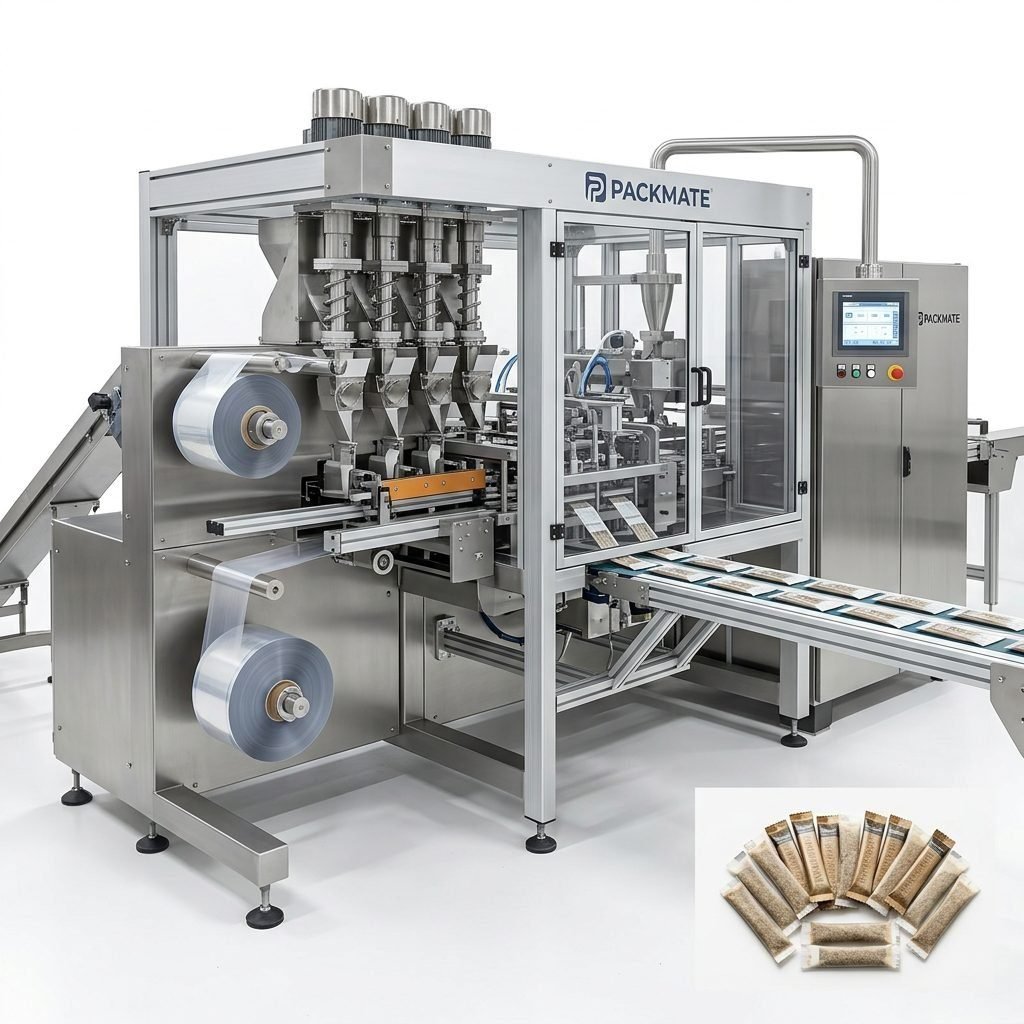
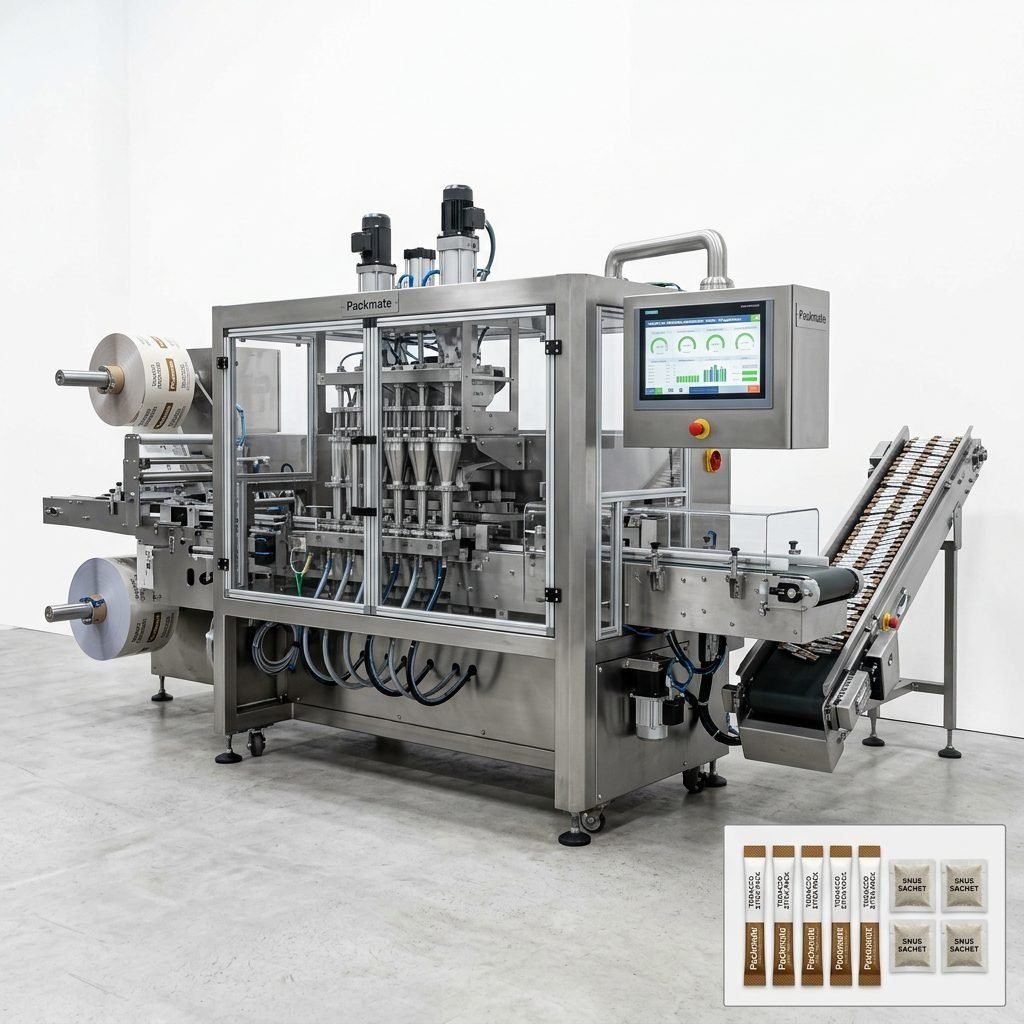
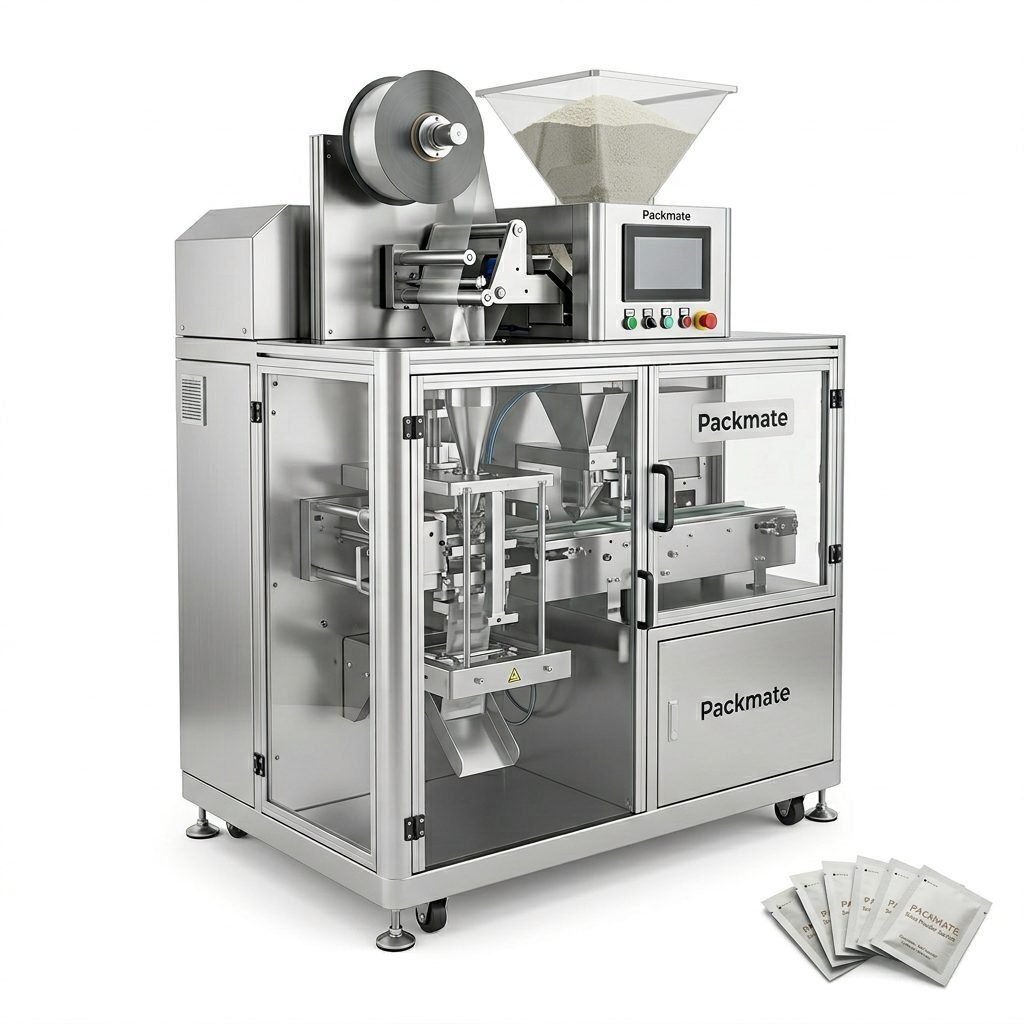
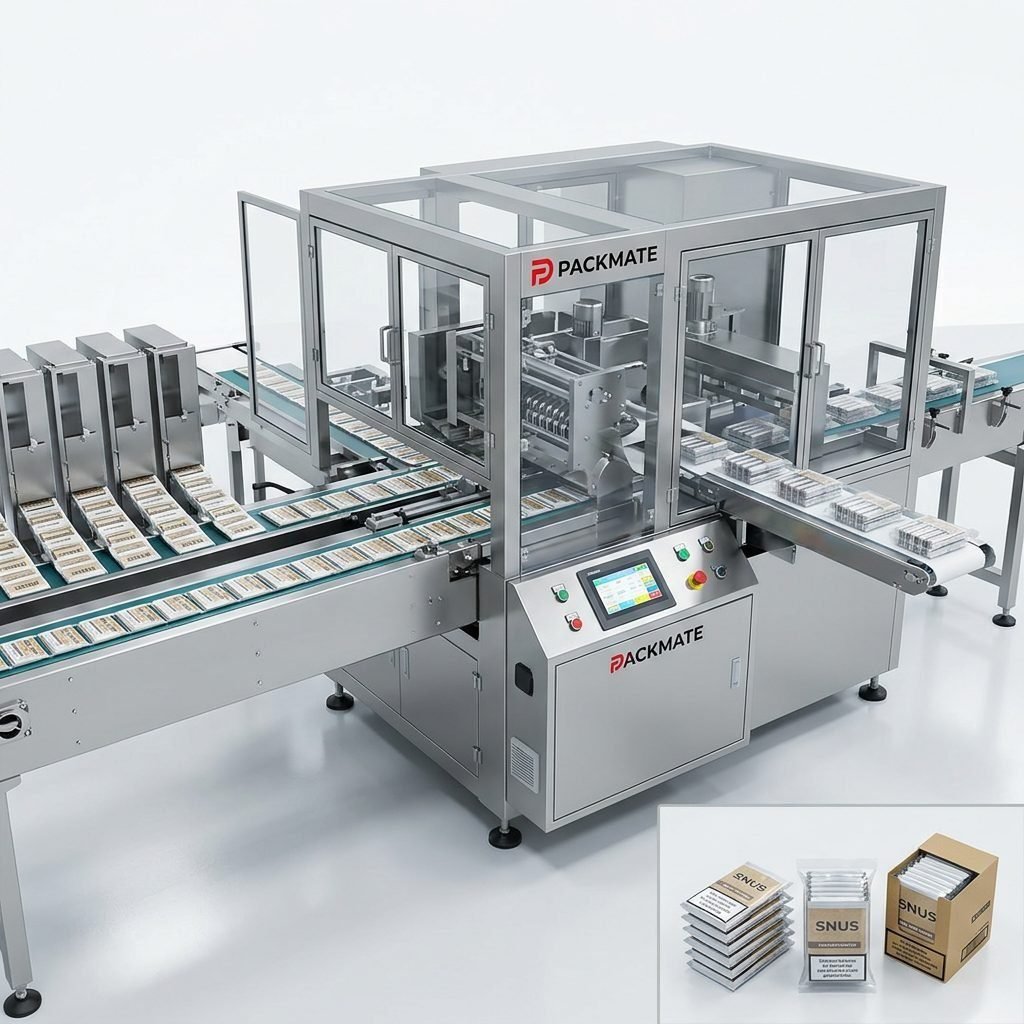
Choosing the right nicotine packaging machine manufacturer for your business in Benin is a strategic decision that affects product quality, compliance, and long-term profitability. Whether you plan to produce nicotine pouches, snus, stick packs, or sachets for the Beninese market or for export, you need a partner who understands technical performance, local regulations, climate challenges, and culturally informed market entry. This guide walks you through practical steps, key evaluation criteria, and regional considerations to help you select the best manufacturer and packaging solution.
Understand Benin’s Market and Local Customs
Benin is a French-speaking West African country with unique consumer preferences and a business culture that emphasizes trust and relationships. When sourcing equipment:
-
Use French-language manuals and on-site training when possible. Technical staff in Benin typically prefer documentation and training in French.
-
Build relationships: local importers and distributors value long-term cooperation; manufacturers who offer responsive after-sales support will have an advantage.
-
Consider the climate: coastal and sub-Sahel conditions mean humidity and temperature can affect packaging materials and machine maintenance schedules.
-
Regulatory sensitivity: nicotine products may face evolving rules; ensure packaging meets labeling and health warning requirements in French and any regional standards for West Africa.
Why these cultural factors matter
A machine that performs well in a European factory may need tweaks for consistent performance in Benin. Factors as simple as packaging film quality, heat-seal parameters, and electrical stability can determine uptime in local conditions.
✦ Key takeaway: prioritize manufacturers that offer localized support, French-language resources, and climate-adapted solutions.
Step-by-step checklist to evaluate a nicotine packaging machine manufacturer
Use this checklist during your selection process. Each item helps reduce risk and improve return on investment.
1. Certifications and Compliance
Verify CE, ISO, and other relevant certifications. A manufacturer who publishes certificates shows commitment to international standards, safety, and reliable production practices. For nicotine packaging, consistent quality and safety controls are crucial.
2. Production Capacity and Machine Range
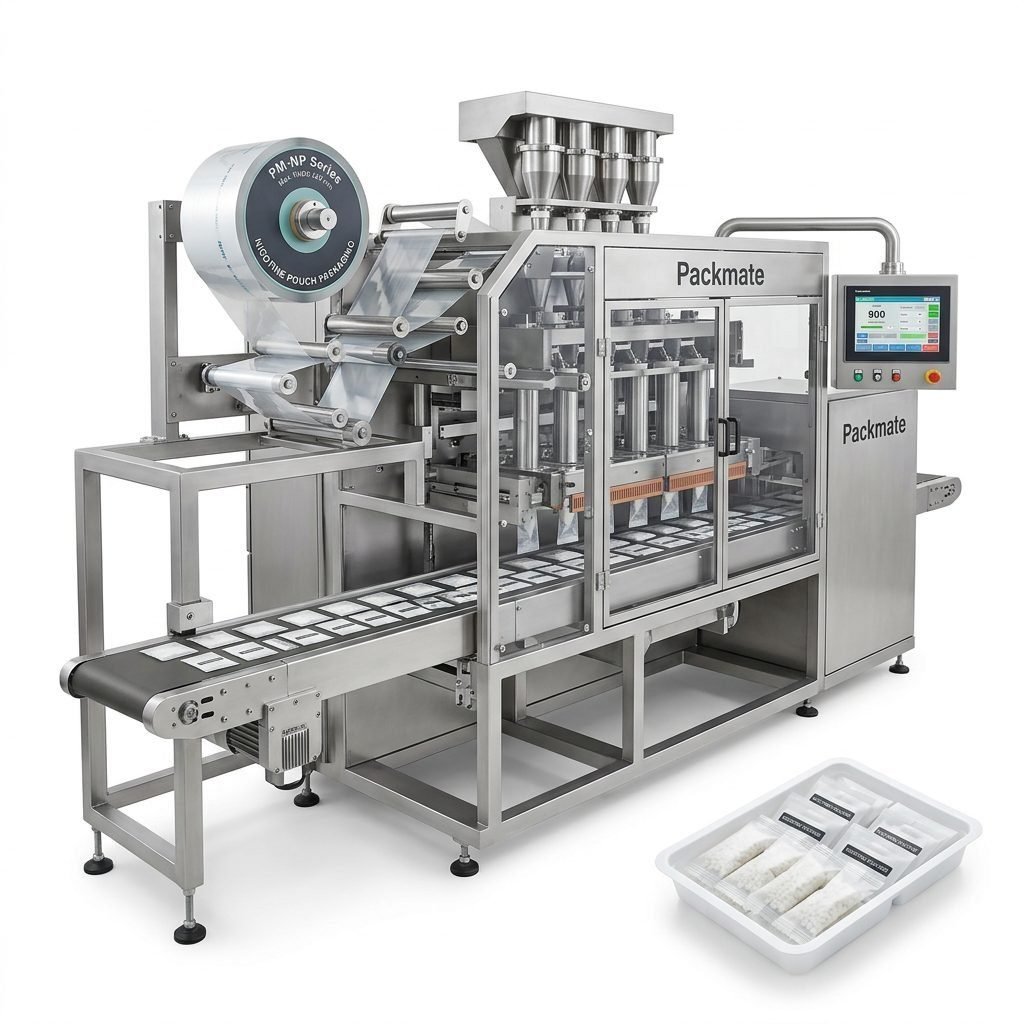
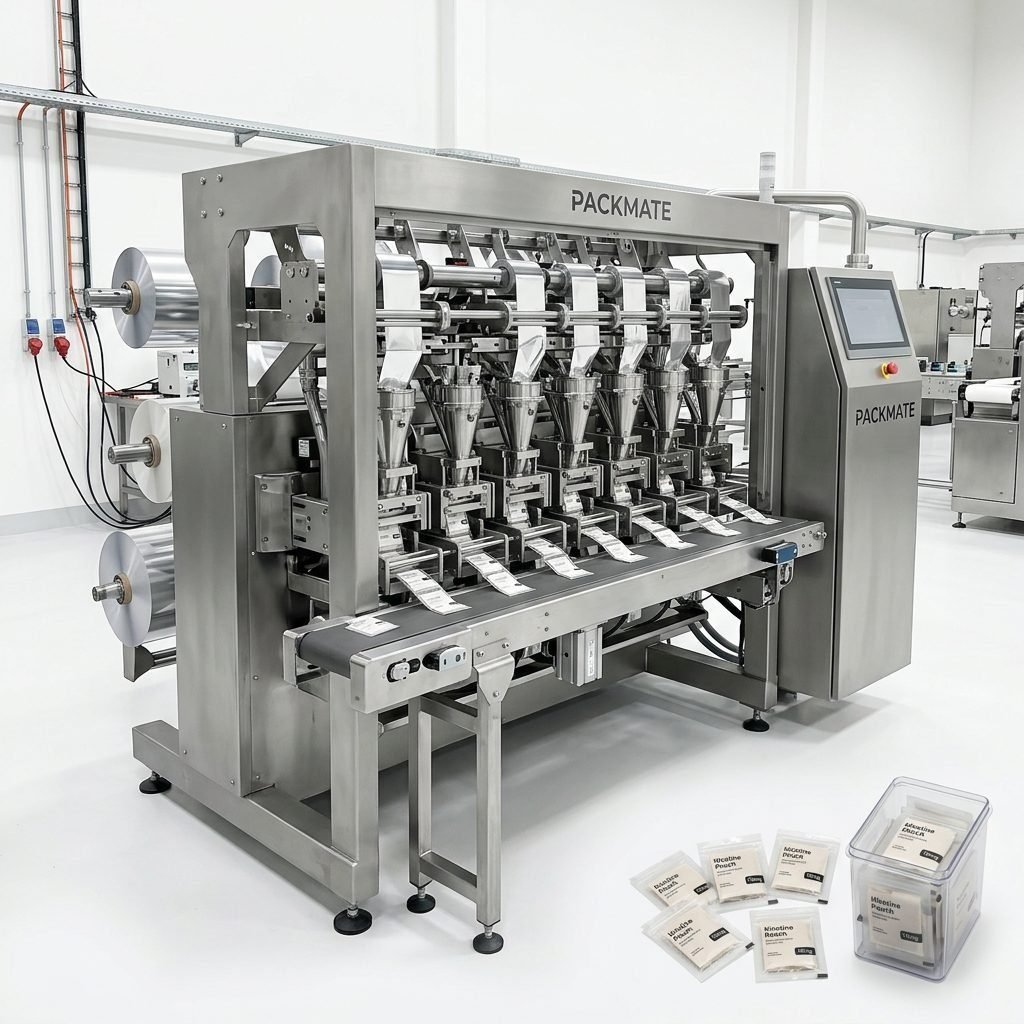
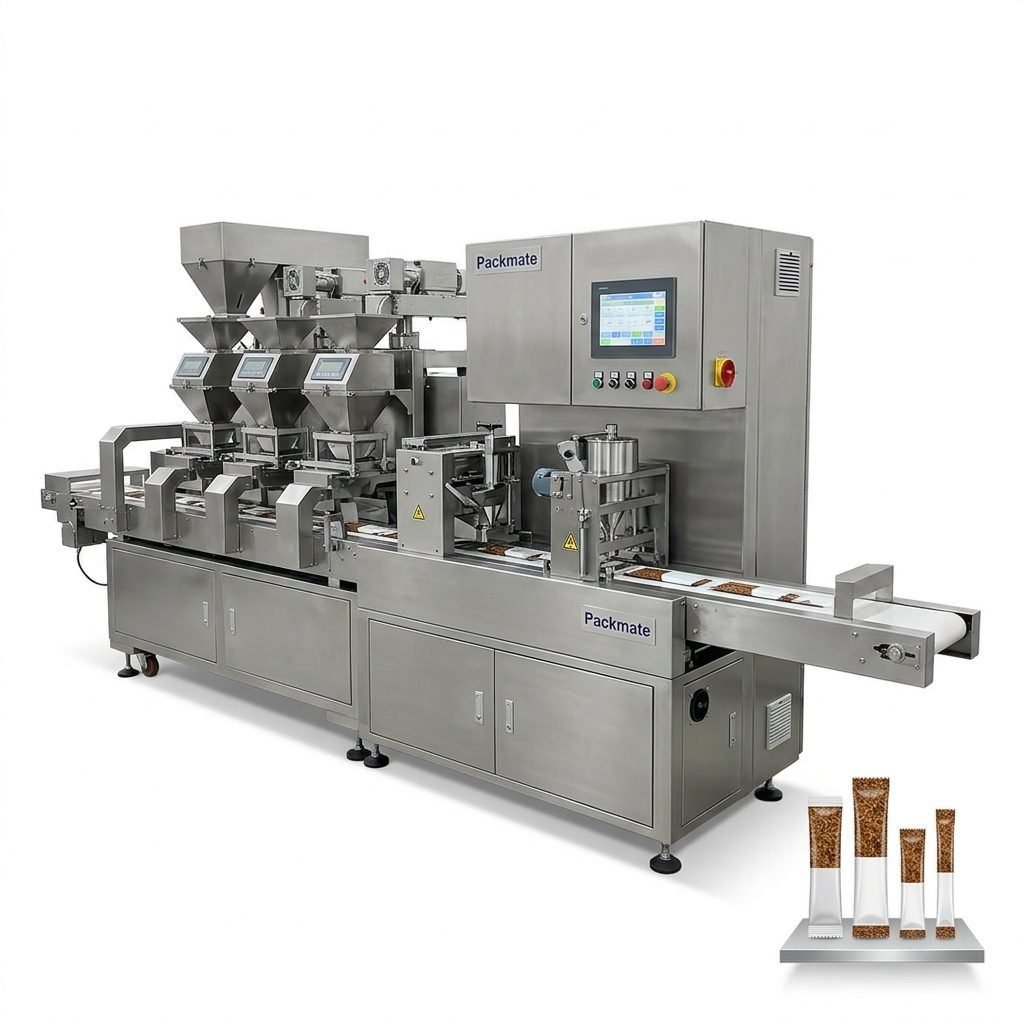
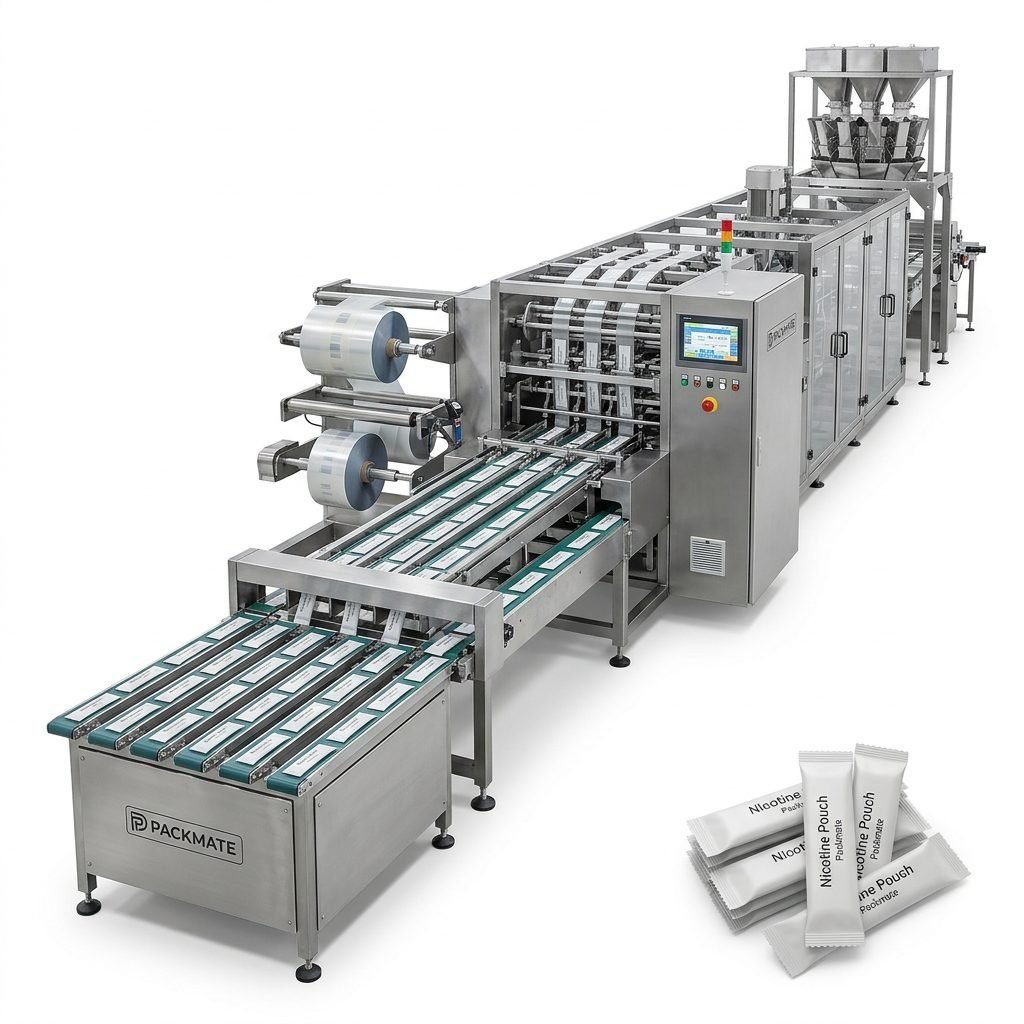
Assess whether the manufacturer offers a range of models — from single-lane sachet or stick pack machines to high-speed multi-lane nicotine pouch lines. If you expect market growth, choose a partner offering scalable solutions.
✔ Check model options: single-lane, multi-lane, stick packs, sachets, powder/granule and liquid systems — flexibility matters.
3. Factory Strength and Technology
Visit the factory if possible or request a virtual tour. Look for advanced CNC machining centers, precision assembly lines, and quality testing equipment that signal stability and consistency. A well-documented manufacturing process reduces defects and downtime.
4. Customization and Turnkey Solutions
Your target market in Benin may require specific pouch sizes, labeling in French, or specialized sealing for humid climates. Choose manufacturers who provide turnkey setups — machine, integration, filling lines, and auxiliary equipment — and who can customize recipes and formats.
5. After-sales Service, Spare Parts, and Local Support
Rapid access to spare parts and skilled technicians is essential. Ask about local agents, spare parts kits, remote troubleshooting, and whether training (ideally in French) is included with installation.
⚠ Important: downtime in Benin due to delayed parts can be costly. Prefer manufacturers offering pre-packaged spare kits and remote support.
Key technical features to compare
Focus on features that affect throughput, stability, and product integrity:
-
Multi-lane capability for small-dose nicotine pouches to scale output without large factory footprints.
-
Intelligent PLC control and HMI with language options including French.
-
Flexible dosing and filling modules suitable for powder, granule, liquid or paste nicotine formulations.
-
Hermetic or resealable pouch options where required to maintain shelf life in humid climates.
-
Sanitary and easy-access designs for cleaning and maintenance.
Case example: what an experienced manufacturer offers
A company with decades of experience will typically provide a wide machine portfolio, strong R&D, and global references. For example, manufacturers that supply snus and nicotine packaging machines often list multi-lane snus lines, stick pack and sachet machines, and integrated weighing systems for accurate fills. You can explore product ranges such as Snus & Nicotine Packaging Machines and Sachet & Stick Pack Machines to compare technical specifications.
Learn more about product types and complete lines: Snus & Nicotine Packaging Machines, Sachet & Stick Pack Machines, and Filling & Packaging Lines.
Commercial and logistical considerations for Beninese buyers
Beyond technical specs, evaluate:
-
Lead times and shipping — sea freight to Cotonou, customs clearance, and inland transport to your facility.
-
Warranty terms, spare parts availability, and consumable lifecycle costs in a West African context.
-
Local training for operators and maintenance teams, ideally conducted in French.
-
Energy and power quality — consider voltage stabilizers or machine models tolerant to supply fluctuations.
-
Film and packaging material sourcing — confirm compatibility with local suppliers or plan for reliable imports.
✓ Pro tip: negotiate training packages and an initial spare parts kit as part of the purchase to minimize startup risk in Benin.
Negotiating contracts and service level agreements
Contracts should clearly state acceptance tests (FAT/SAT), warranty coverage, response times for technical support, and terms for spare parts supply. For cross-border purchases to Benin, include clear Incoterms and responsibilities for customs documentation.
Suggested contract checkpoints
-
Factory Acceptance Test (FAT) evidence and video demonstration of machine running with your product or representative material.
-
Detailed installation and commissioning plan at your Benin site.
-
Training scope and language of instruction.
-
Service response time guarantee and escalation path.
-
Parts list with recommended spares and lead times.
Evaluating long-term value and ROI
Calculate return on investment not only from machine price but by modeling uptime, yield, labor savings, consumable costs, and maintenance. A higher-specification machine with better uptime and support often delivers superior ROI in the long run, especially in markets where replacement parts and downtime are costly.
✔ ROI focus: uptime, yield, and fast access to spare parts are often more decisive than the initial purchase price.
How to shortlist suppliers: practical steps
1) Gather a list of manufacturers with proven snus/nicotine solutions; 2) Request technical dossiers and references; 3) Evaluate based on the checklist above; 4) Arrange FATs and reference visits; 5) Confirm local support arrangements.
Manufacturers with transparent company profiles, factory size, and product catalogs are easier to vet. For instance, a firm that highlights a 20,000㎡ factory, 30+ years of engineering experience, and a broad model lineup signals capacity and maturity. You may review a manufacturer’s profile and cases to confirm their global footprint and turnkey capabilities.
See company details and case examples: About Packmate and Case.
Making the final decision: a recommended scoring approach
Score potential suppliers across categories: technical fit, certifications, after-sales, price, lead time, and local adaptation. Assign weights depending on your priorities (e.g., after-sales = 25%, technical fit = 25%, certifications = 15%, price = 15%, lead time = 10%, training/local support = 10%) and calculate a composite score.
Final negotiation tips
– Ask for bundled offers (machines + spare kits + training).
– Negotiate staged payments tied to FAT, shipment, and site acceptance.
– Confirm language for spare parts labels and manuals is French when possible.
– Seek demo runs with your exact formulations or closely matched substitutes.
🔍 If you require specific product configurations, request a detailed engineering drawing and sequence of operation before finalizing.
Why choosing an experienced snus/nicotine machine supplier matters
The nicotine pouch and snus industry demands precise dosing, gentle handling for tiny pouches, and hygienic packaging. Experienced suppliers understand nuances like multi-lane synchronization, anti-static measures for powders, and form-fill-seal solutions that reduce product loss. Selecting a vendor with proven lines and comprehensive service reduces implementation risk.
For a closer look at specialized equipment, consult product categories that include Snus & Nicotine Packaging Machines and Auxiliary Packaging Equipment to understand available auxiliary options and integrations.
Explore additional product lines: Auxiliary Packaging Equipment and Weighing & Packaging Systems.
Final recommendations for Beninese businesses
– Prioritize suppliers offering French-language materials and training.
– Insist on FAT and clear documentation of machine capacity with your product.
– Secure a spare parts starter kit and remote support contract.
– Consider machines with robust sealing and climate-resistant design for humid environments.
– Evaluate total cost of ownership, not just purchase price.
★ Recommended step: shortlist 2–3 suppliers, run a FAT with your materials, and compare operational metrics before final approval.
Summary — Choosing the best manufacturer in Benin
Selecting the best nicotine packaging machine manufacturer involves technical due diligence, cultural and regulatory awareness, and pragmatic commercial planning. Ensure you choose a supplier with strong factory capabilities, relevant certifications, French-language support, and demonstrable experience in snus or nicotine pouch lines. A manufacturer that offers turnkey solutions and reliable after-sales support will help you launch efficiently and scale your operations in Benin.
Useful resources
For more company information, global exhibitions, catalogs, and FAQs you may wish to review supplier resources such as About Packmate, Our Exhibition, Catalog, and FAQs.
Quick links: About Packmate · Our Exhibition · Catalog · FAQs
Common Questions (FAQs)
Q1: How important is CE/ISO certification when buying machines for Benin?
A1: Very important — international certifications indicate consistent manufacturing quality and safety. They also ease acceptance by distributors and regulators.
Q2: Should I prioritize price or after-sales support?
A2: After-sales support is often more critical in Benin due to potential delays for parts and service. A slightly higher initial cost can be justified by lower downtime and better ROI.
Q3: Do I need French-language manuals and training?
A3: Yes, French-language resources greatly improve operator competence and reduce communication errors during installation and maintenance.
Q4: What machine features help in humid climates?
A4: Strong sealing systems, desiccant-compatible packaging, corrosion-resistant components, and controlled humidity handling for film storage all help maintain product quality.
Q5: How can I test a supplier before purchase?
A5: Request a Factory Acceptance Test (FAT) with videos or live demonstration using your materials, verify references, and if possible, visit an installation to observe long-term performance.