Choosing the right nicotine packaging machinery supplier for Paraguay is more than a procurement decision — it’s a strategic step that affects product quality, regulatory compliance, production uptime, and your ability to enter local and regional markets. This guide walks you through every critical consideration, blending technical criteria with Paraguayan market realities so you can select a supplier who delivers reliable machines, practical after-sales support, and packaging solutions suited to your environment.
Understand Paraguay’s Market & Operating Environment
Paraguay’s manufacturing and distribution landscape has its own characteristics: a bilingual population (Spanish and Guaraní), humid subtropical climate in many regions, active cross-border trade with Brazil and Argentina, and a mix of modern and informal retail channels. When evaluating suppliers, consider factors that align with these realities:
Labeling & Language: Packaging design and machines should support multilingual labeling, especially Spanish. Ensure the supplier can accommodate label printing or integration for Spanish and regulatory text.
Humidity & Material Handling: Machines must provide reliable sealing and moisture protection due to Paraguay’s humid conditions. Look for options like enhanced film handling, effective drying, and proper sealing temperatures.
Local Logistics & Service Access
Proximity to port and warehousing in Asunción or nearby logistics hubs helps reduce lead time for spare parts and service visits. Suppliers with global service networks or local representatives make startup and repairs faster and less costly.
🔍 Tip: Ask potential suppliers if they have previous Paraguay or neighboring-country installations. A supplier familiar with regional importation, customs paperwork, and local electrical standards will save you time and money.
Key Technical Criteria for Nicotine Packaging Machines
When comparing machinery, evaluate the technical specifications against your production targets and product characteristics. Prioritize reliability and testability.
Production Capacity & Flexibility
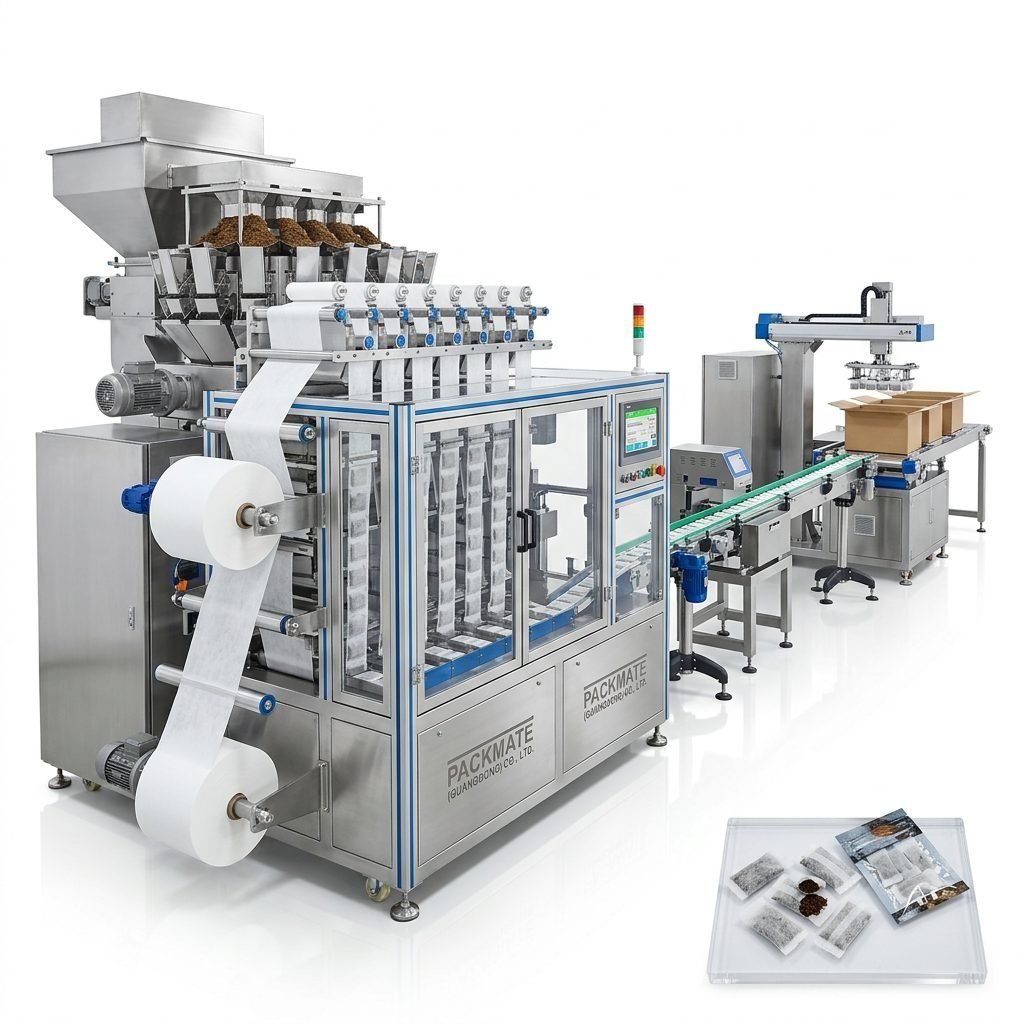
Select machines that match both your current output needs and future growth. Multi-lane and high-speed systems are suitable for scaling, whereas single-lane solutions may be more economical for small-batch specialty lines. If you expect SKU diversity, choose equipment with quick-change tooling and recipe memory.
Packaging Formats & Compatibility
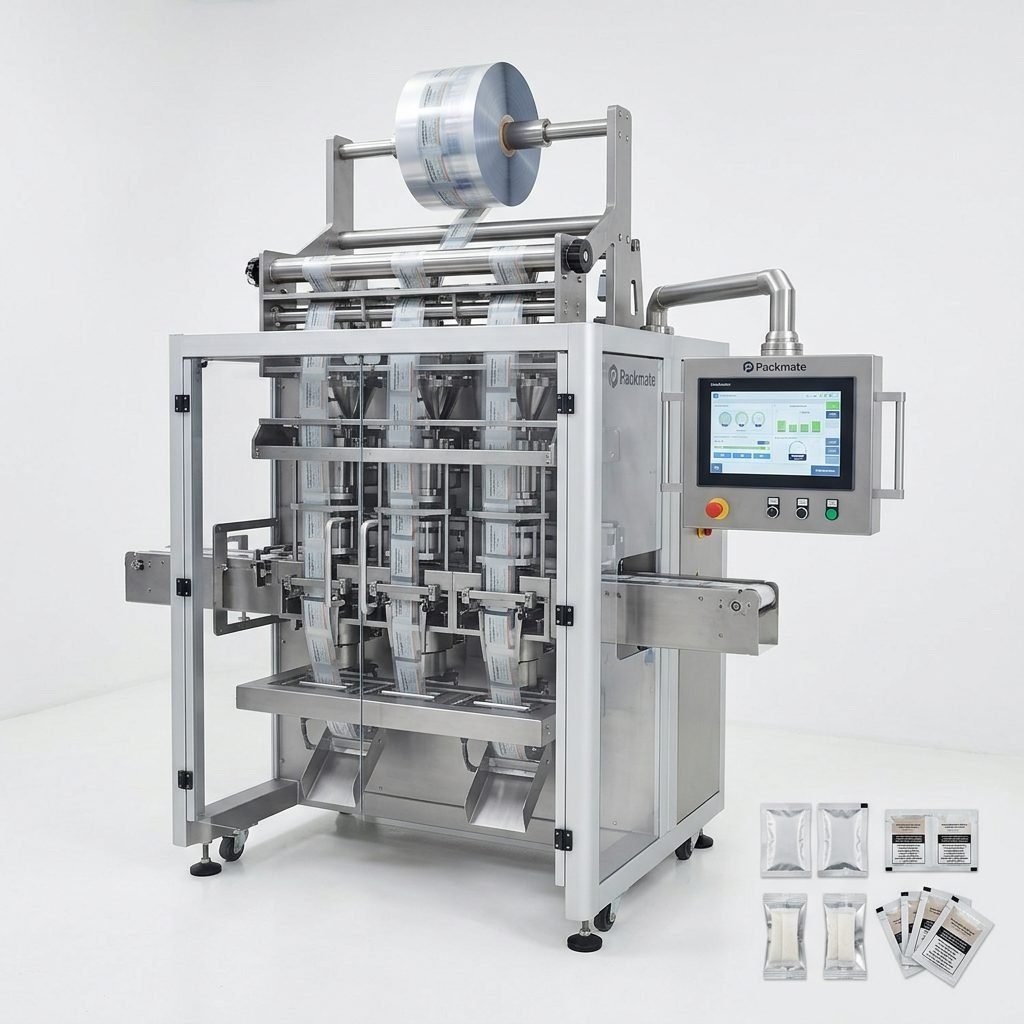
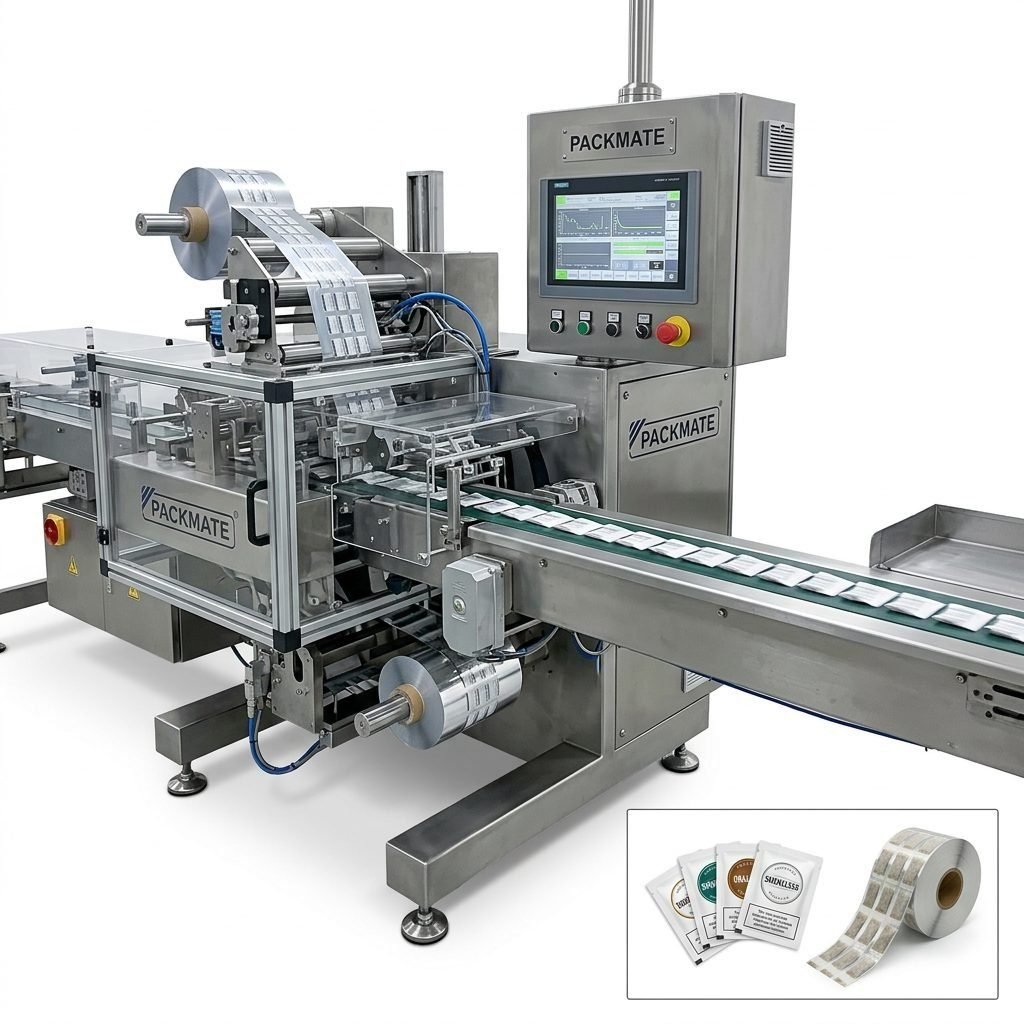
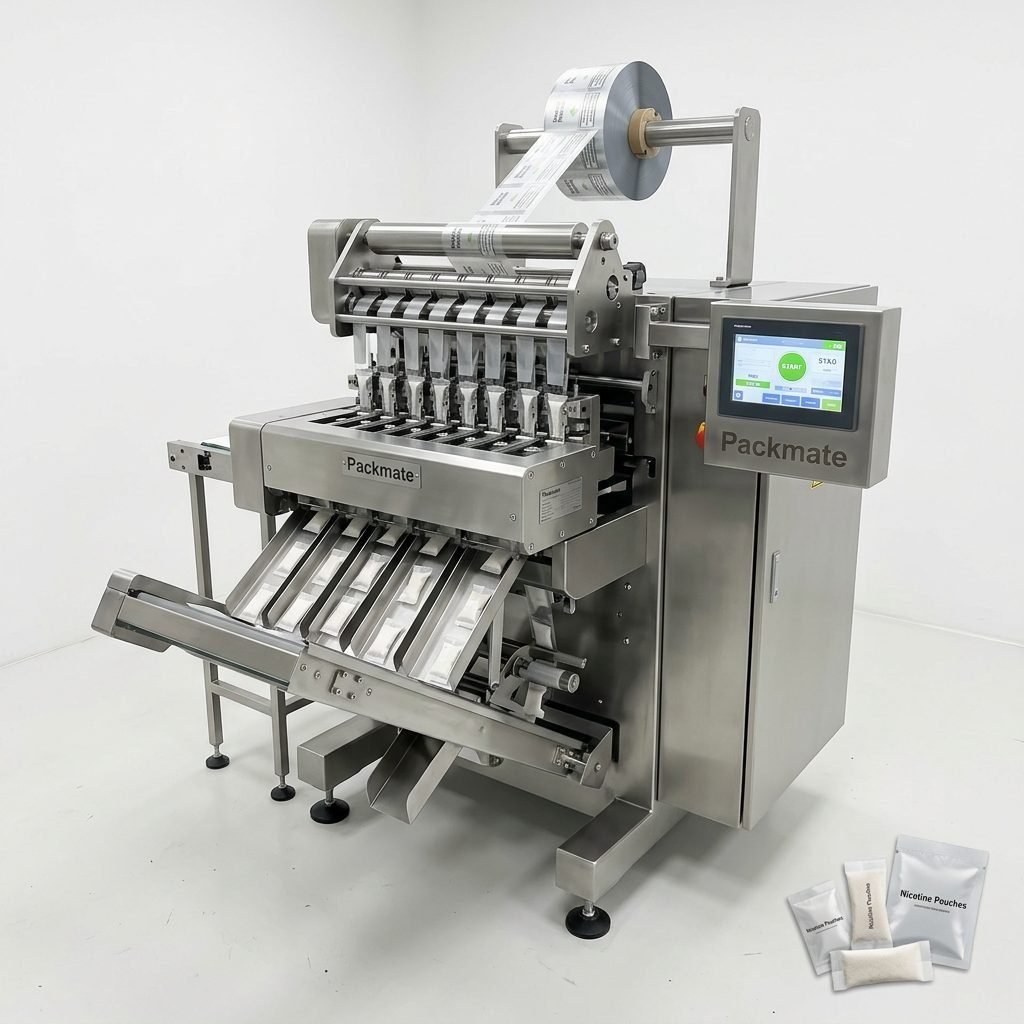
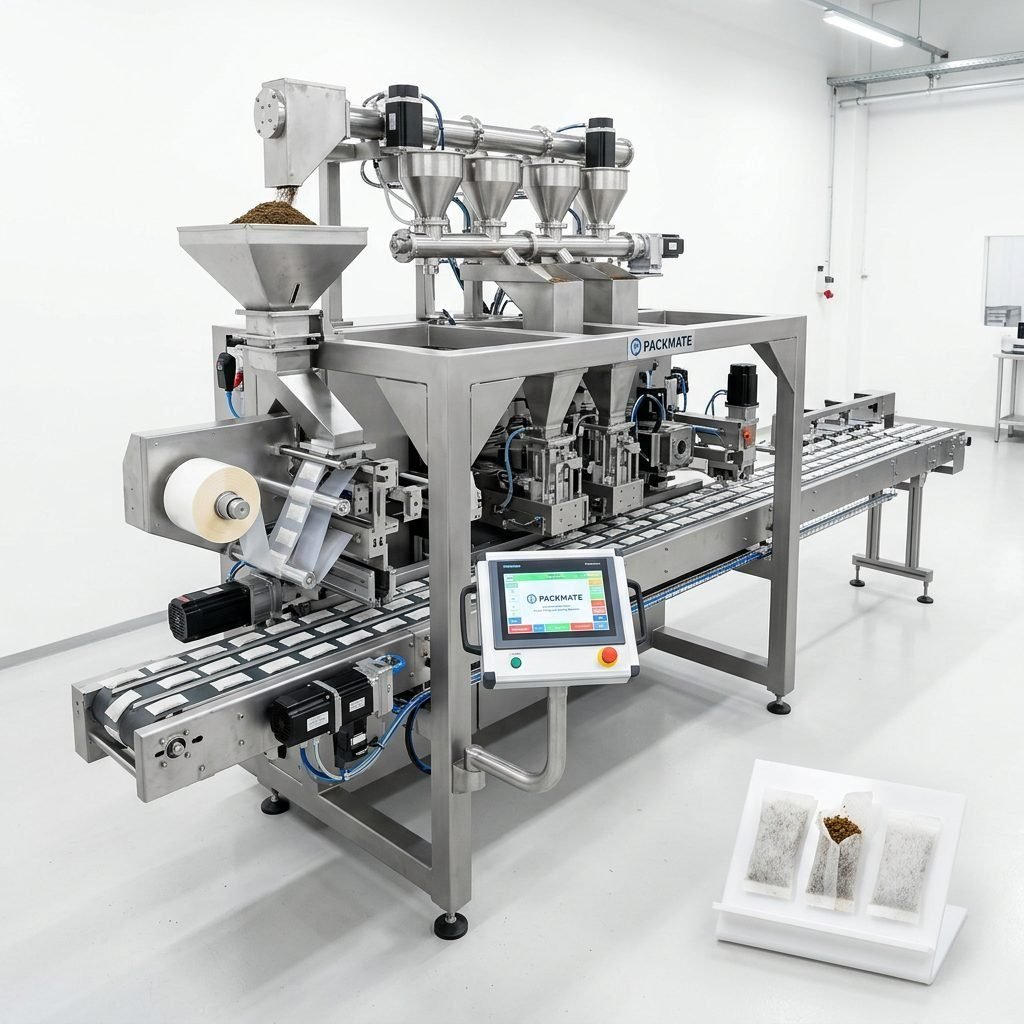
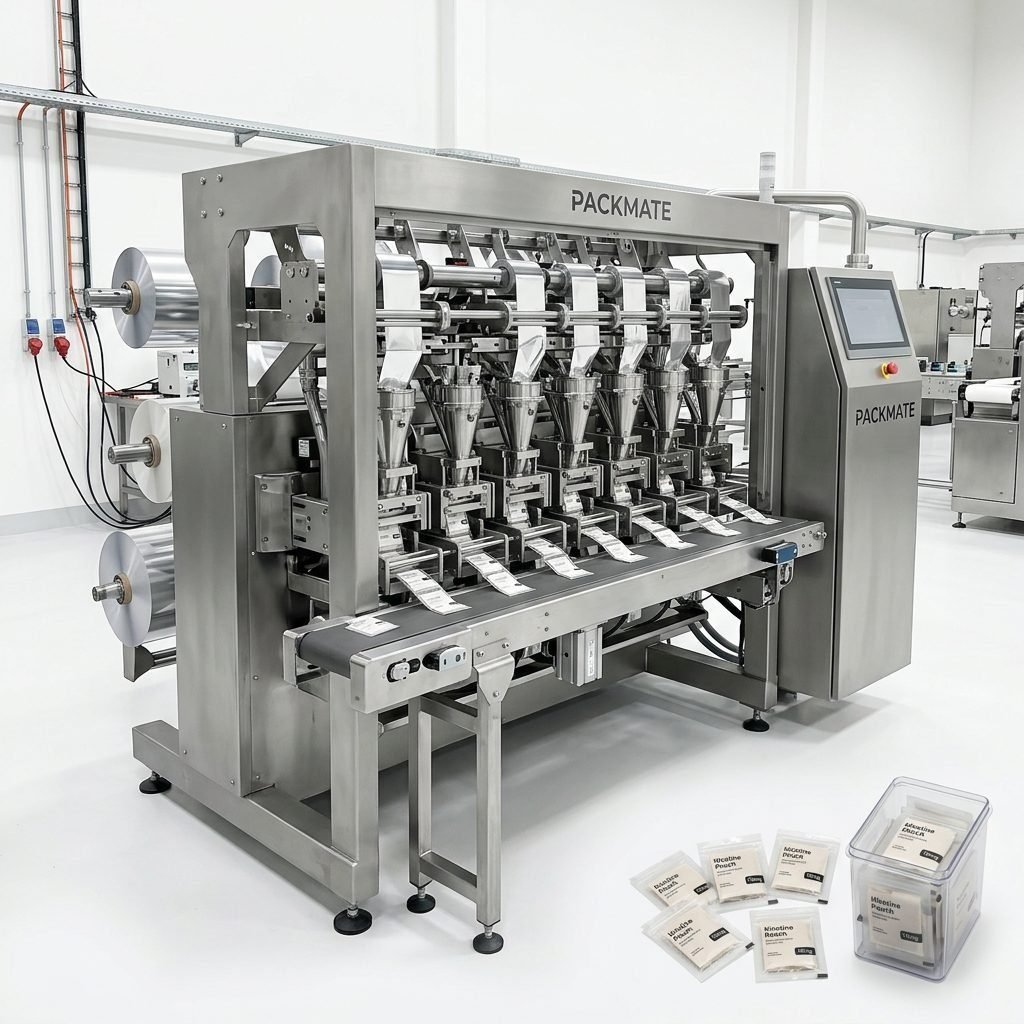
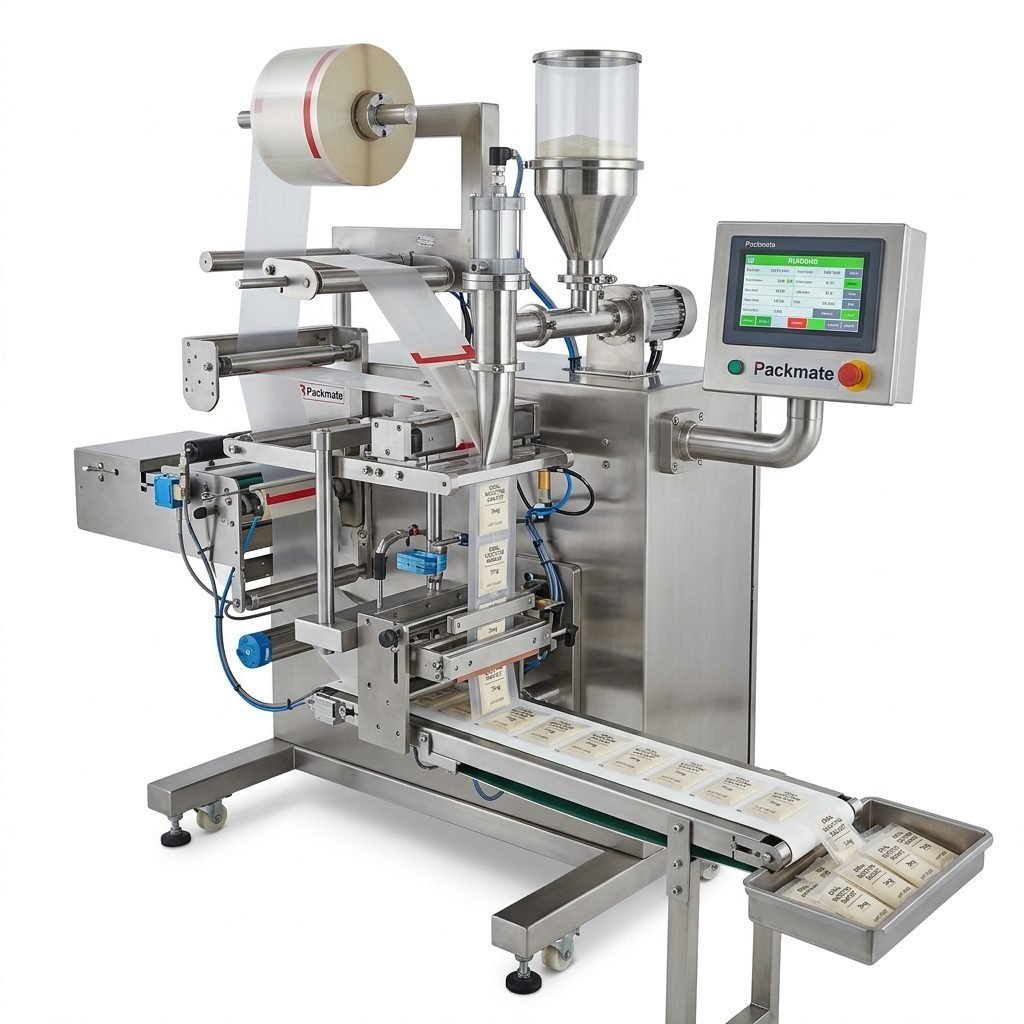
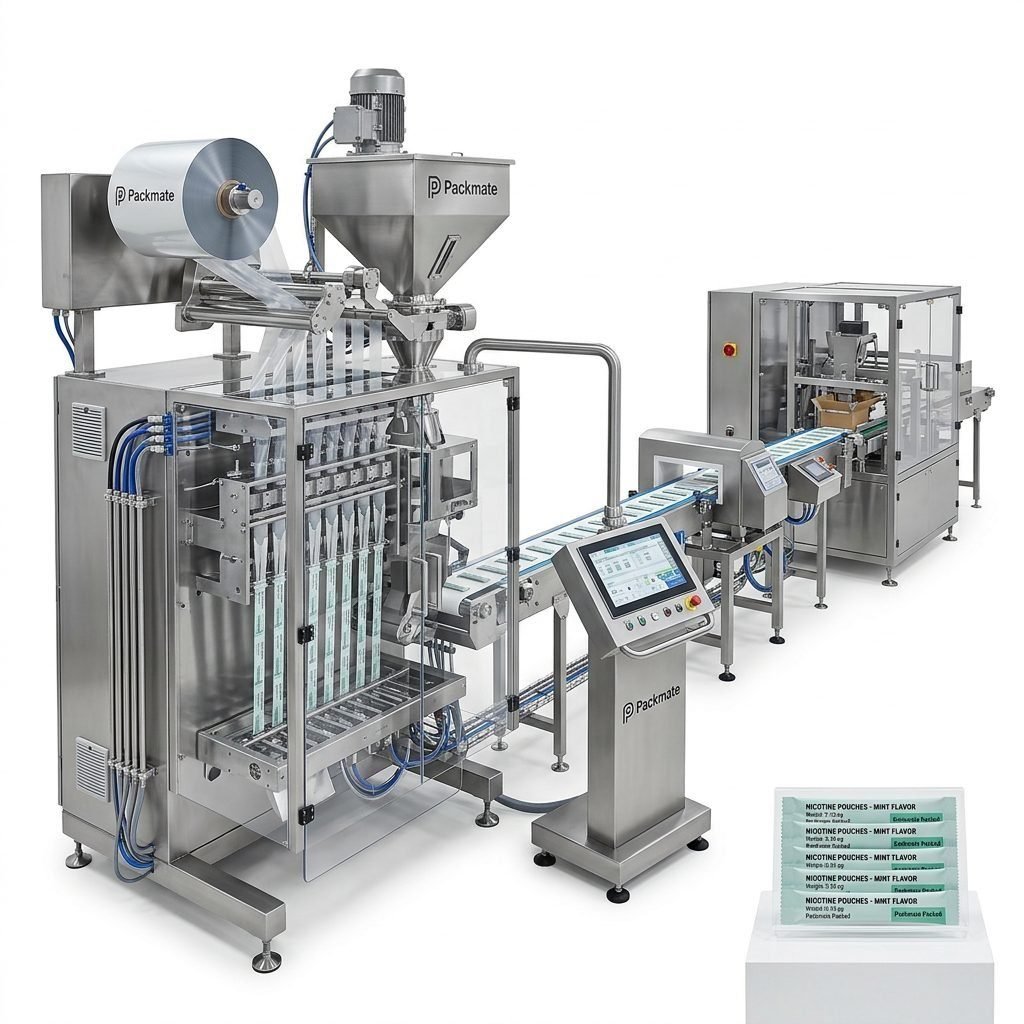
Nicotine pouches and snus can be packaged in stick packs, sachets, or multi-lane pouches. Confirm the supplier can deliver the exact format you need — and accommodate materials like barrier films, composite laminates, and printed roll stock.
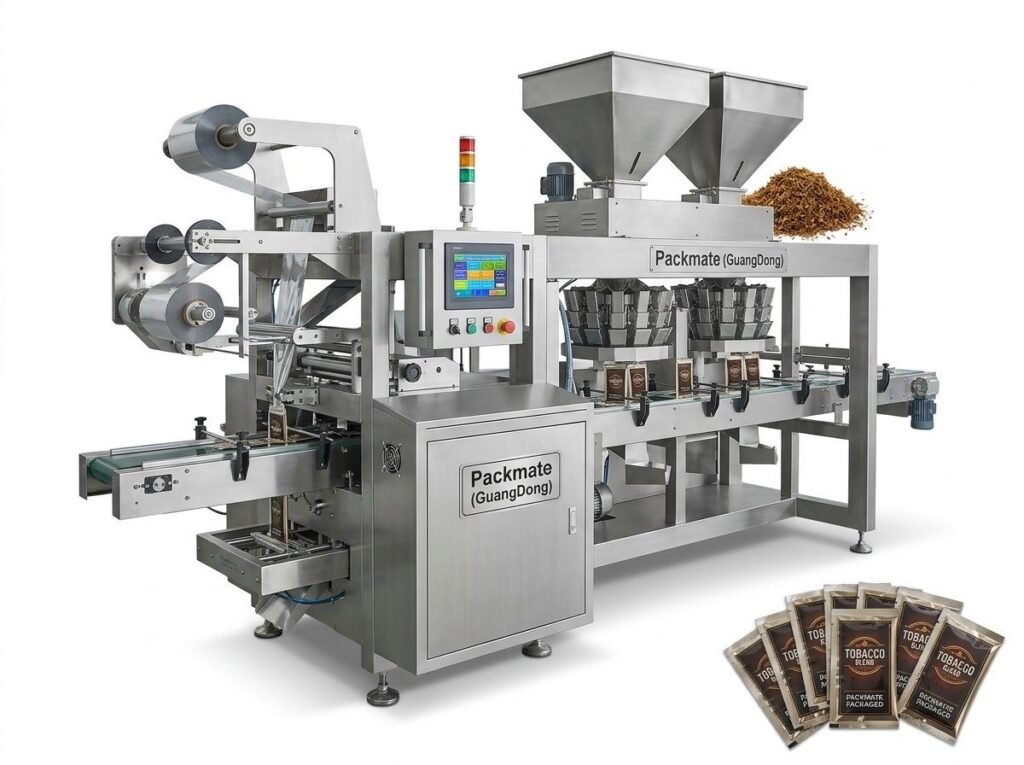
Useful resources for evaluating machine types include the supplier’s catalog and product pages. Explore Snus & Nicotine Packaging Machines and Bag & Pouch Packaging Machines for detailed specs and configuration examples:
Snus & Nicotine Packaging Machines,
Bag & Pouch Packaging Machines.
Accuracy, Fill Systems & Weighing
Nicotine pouch weight accuracy is essential for regulatory compliance and cost control. Verify whether the supplier integrates precise weighing systems, auger fillers, or multi-head weighers and whether they support in-line checkweighers or vision systems.
Supplier Capabilities & Factory Strength
A strong supplier is more than a product catalog — it’s engineering, QC, supply chain, and ongoing service.
✔️ Key Factory Indicators: Look for large manufacturing footprint, advanced CNC machining centers, precision assembly lines, and formal quality testing. These translate into consistent machine build quality and reliable spare parts.
For instance, an established manufacturer with 20,000㎡ production space, 30+ years industry experience, and CE/ISO certifications demonstrates the depth often required for turnkey packaging lines. Explore About Packmate to learn about such company capabilities:
About Packmate.
Model Variety & Customization
A supplier that offers 50+ machine models and customization options can better tailor a line to your unique product form, speed, and footprint. Ask for examples of customized solutions and multi-lane systems if you plan to scale.
Quality Assurance, Certification & Compliance
Nicotine and snus products often face strict health and safety scrutiny. Prioritize suppliers with international certifications and a track record of compliance.
Certifications such as CE and ISO indicate the supplier adheres to international manufacturing and safety standards. Also request documentation for electrical compliance, machine safety interlocks, and material contact certification if needed.
After-Sales Support: The Real Differentiator
Machines are complex; downtime costs money. The supplier’s after-sales service capabilities can influence long-term productivity.
Installation, Training & Commissioning
Confirm whether the supplier offers on-site installation and operator training in Paraguay or remote commissioning assistance. Training should include preventive maintenance, troubleshooting, and changeover procedures.
Spare Parts, Warranty & Local Stock
Ask about spare parts lead times and whether the supplier keeps consumables or common spare parts in regional warehouses. A clear warranty policy and service SLA (response times for critical failures) are non-negotiable.
⚠️ Important: Verify the supplier’s support for electrical standards (voltage/frequency) used in Paraguay and potential needs for transformer or control cabinet adjustments before shipment.
Commercial Considerations & Supplier Evaluation Checklist
Use a structured checklist to compare suppliers on technical, commercial, and service dimensions. Below is a compact evaluation grid you can apply in vendor discussions.
• Production Capacity: Can the machine meet your target throughput?
• Customization: Are format changes and tooling available?
• Quality & Certification: CE/ISO and material-contact approvals?
• After-Sales: Installation, training, spare parts, local service options?
• References & Cases: Can the supplier show successful lines and exhibition presence? (Case studies and exhibition attendance are useful trust signals.)
Review real-world examples via supplier case studies and exhibition records. Visit the supplier’s Case page or Our Exhibition entries for verification:
Case,
Our Exhibition.
Factory Visits, Trials & Sample Runs
Whenever possible, arrange a factory visit or witness a live trial. Observing a machine running your product or a similar formulation offers unmatched insights into packaging quality, speed stability, and operator ergonomics.
Ask the supplier to run your product in their lab, provide sample packs for inspection, and allow you to test durability, seal integrity, and appearance. For turnkey lines, request a FAT (Factory Acceptance Test) with agreed performance metrics.
Commercial Terms, Lead Times & Total Cost of Ownership
Price is important, but so is the total cost of ownership (TCO). Consider initial CAPEX, installation costs, spare parts pricing, energy consumption, and expected uptime. Negotiate payment terms, delivery schedules, and penalties for missed milestones.
Confirm clear terms for training, warranty, and extended support packages. Some suppliers offer service contracts or remote diagnostic systems to reduce downtime.
Integration with Downstream & Upstream Systems
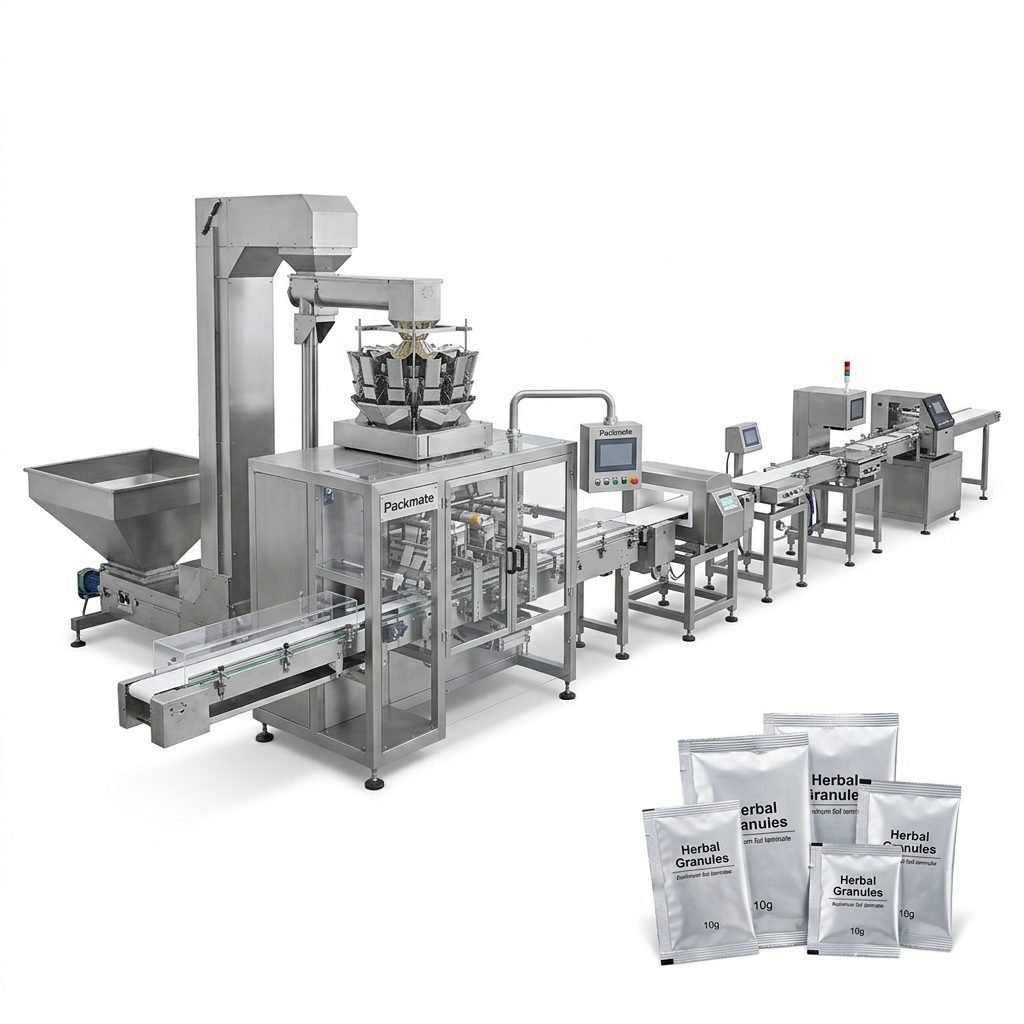
Your packaging machine will interact with upstream filling systems, weighing equipment, and downstream cartoning or case packing lines. Ask whether the supplier can provide integrated systems, such as filling & packaging lines or auxiliary equipment:
Filling & Packaging Lines and
Auxiliary Packaging Equipment.
Control Systems & Data
Modern packaging lines offer PLC/HMI control, recipe management, and optional Industry 4.0 connectivity. Decide how much remote monitoring and production reporting you require, and ensure compatibility with existing factory systems.
Negotiation & Final Selection
After narrowing shortlists, request detailed proposals with machine specs, lead times, payment schedules, warranty terms, and after-sales KPIs. Compare offers on equal technical terms and prioritize value over lowest price.
✔️ Final Selection Checklist: Technical match, factory strength, certifications, spare parts availability, after-sales SLA, proof via case studies, and transparent commercial terms.
How to Start Conversations with Potential Suppliers
Begin with a clear requirement sheet: product specs, desired packaging format, target output, expected SKUs, available floor space, and electrical utilities. Ask suppliers for:
• A detailed machine specification and layout drawing.
• Video of similar machines running.
• A proposed project timeline and FAT plan.
• Reference customers and case studies.
If you want to contact a manufacturer directly for inquiries or service, use their official Contact Us page:
Contact Us.
Sustainable & Regulatory Practices
Ensure the supplier supports sustainable material handling and can guide you on packaging choices that reduce material waste while maintaining moisture protection. Also, discuss labeling compliance and traceability features if Paraguayan or export regulations require batch coding and traceable production data.
Conclusion
Choosing the best nicotine packaging machinery supplier for Paraguay requires a balanced view of machine performance, supplier reliability, local adaptation, and after-sales support. Prioritize suppliers with strong manufacturing capabilities, relevant certifications, a proven track record, and clear service commitments. By following a structured evaluation process, running trials, and negotiating transparent commercial terms, you will reduce risk and build a packaging production line that meets Paraguayan market demands.
Frequently Asked Questions
Q1: How important are certifications when buying packaging machines?
Certifications such as CE and ISO are important indicators of manufacturing quality and safety. They ensure the machine meets international standards for safety, electrical systems, and production consistency. For cosmetic or food-contact components, verify material contact certifications as well.
Q2: Can suppliers support installation and training in Paraguay?
Many reputable suppliers offer on-site installation and training or remote commissioning support. Confirm availability in Paraguay, training language (Spanish preference), and whether translated manuals or local technical support are provided.
Q3: What lead time should I expect for custom snus packaging lines?
Lead times vary by customization level and factory workload. Standard machines may ship faster, while fully customized multi-lane lines can take several months. Always request a timeline with key milestones and a FAT schedule to manage expectations.
Q4: How do I manage spare parts and reduce downtime?
Keep a stocked inventory of critical wear parts, negotiate spare part kits with the supplier, and consider service contracts for regular preventive maintenance. Suppliers with regional parts warehouses or fast shipping options are preferable.
Q5: Where can I see real examples of installed lines or request references?
Ask suppliers for case studies and customer references. Many publish installation photos and videos on their Case pages or showcase machines at exhibitions. See the supplier’s Case and Exhibition pages to evaluate real-world installations:
Case,
Our Exhibition.
For additional technical details or to request a tailored proposal, review the supplier’s full product offerings and contact their sales team via official product pages such as Snus & Nicotine Packaging Machines and Filling & Packaging Lines.