Choosing the right nicotine packaging machine for your Guatemala operation requires balancing technical performance, local market needs, regulatory compliance, and after-sales support. This guide walks you through practical steps, machine types, technical specifications, and procurement tips so you can make an informed decision and launch a reliable, efficient packaging line tailored for the Guatemalan market.
Understand Guatemala’s Market & Local Considerations
Guatemala’s market is shaped by Spanish-speaking consumers, diverse climate zones (coastal humidity, highland variation), and evolving import and health regulations. When buying packaging machinery here, consider: local labeling in Spanish, humidity impact on tobacco- or nicotine-based products, and distribution channels that favor discreet, single-dose formats. Work with legal advisors or local customs agents to confirm import rules, product classification, and labelling requirements before placing an order.
Key cultural and environmental notes
📌 Consumers in Guatemala often prefer compact, easy-to-carry packages for on-the-go use; indigenous and urban preferences may vary. Packaging must protect product quality in warm, humid conditions prevalent along the lowland regions. Consider heat-resistant seals and high-barrier films to preserve potency and freshness.
Which Machine Type Suits Your Product?
Start by matching machine types to your product format and production goals. Typical solutions include:
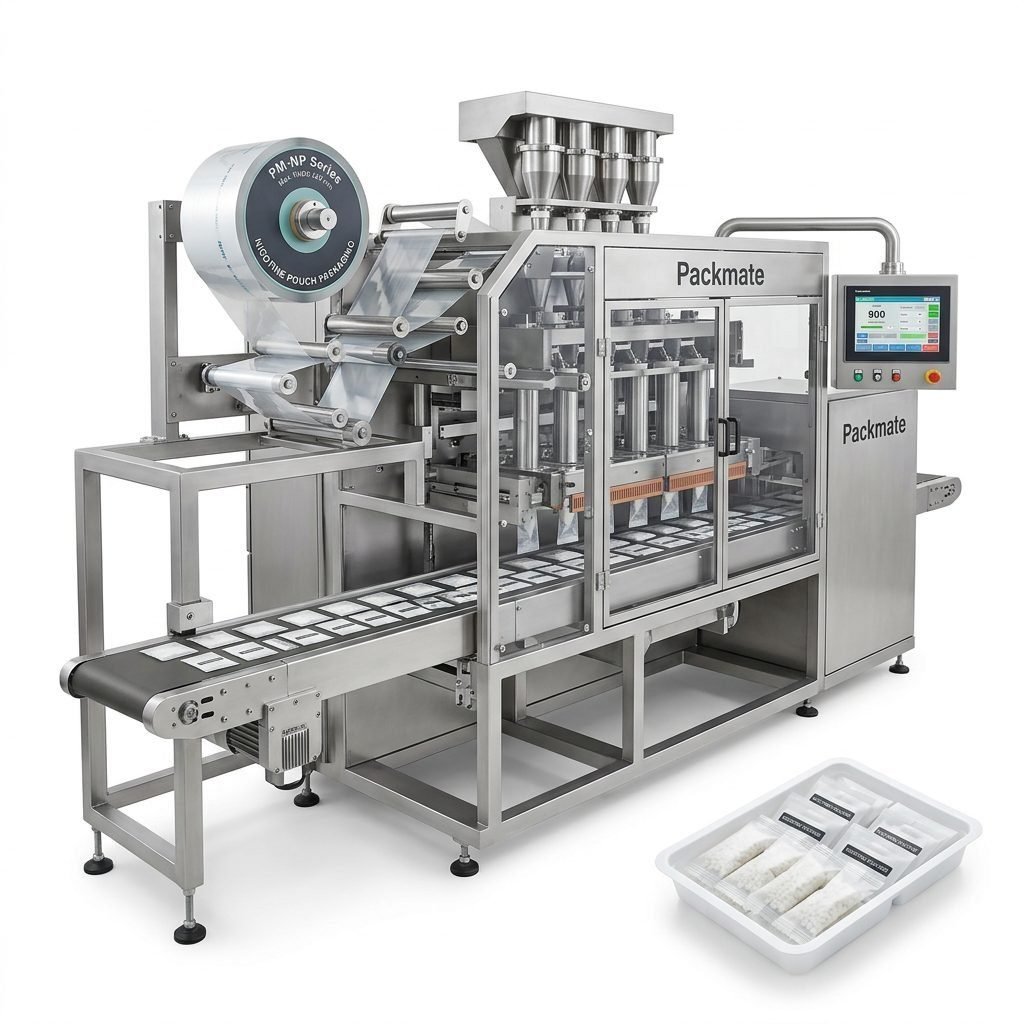
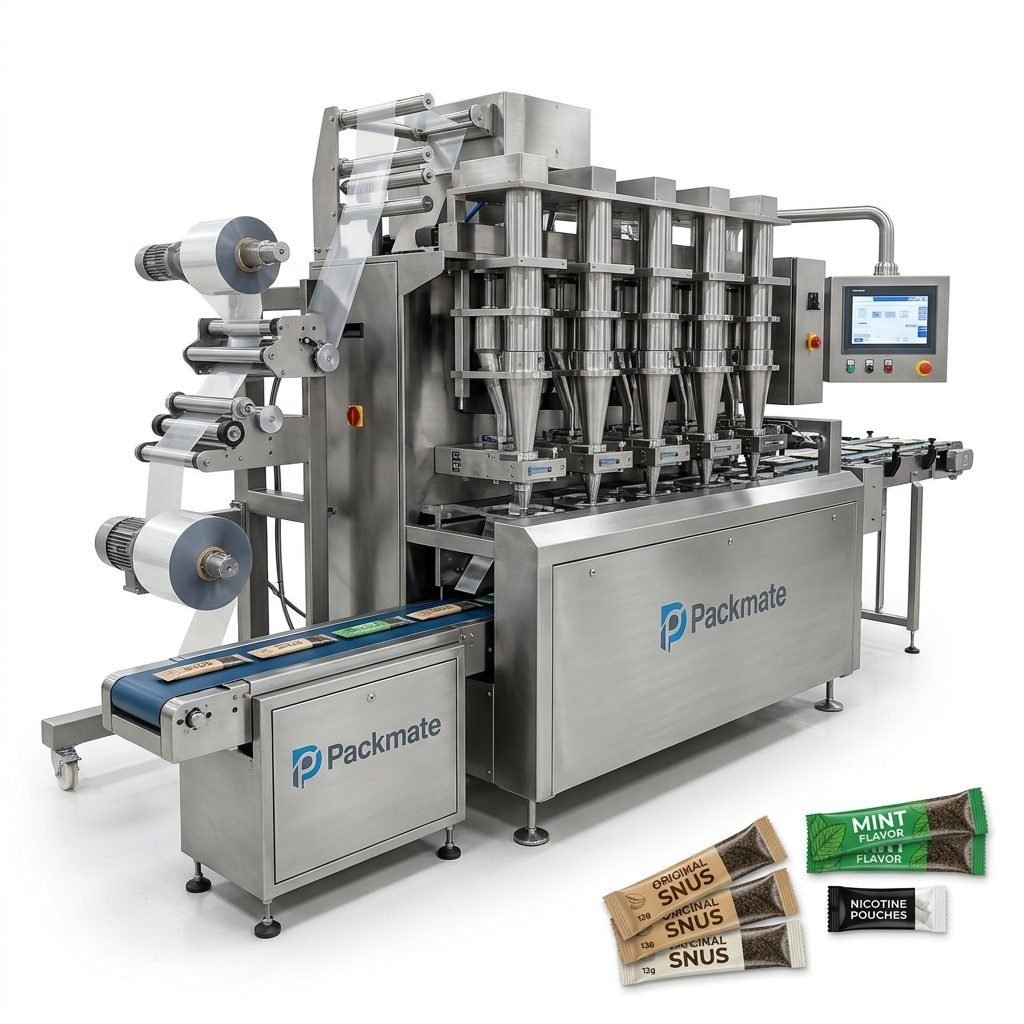
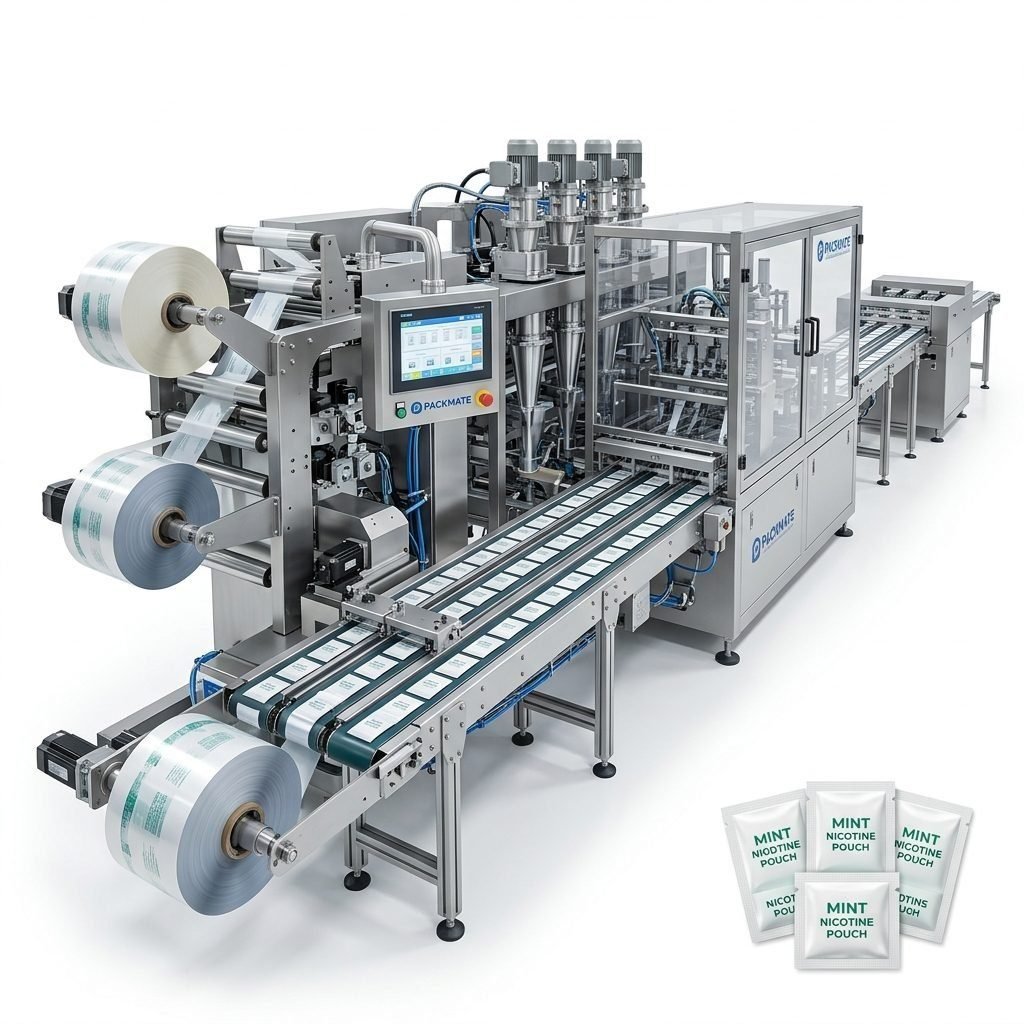
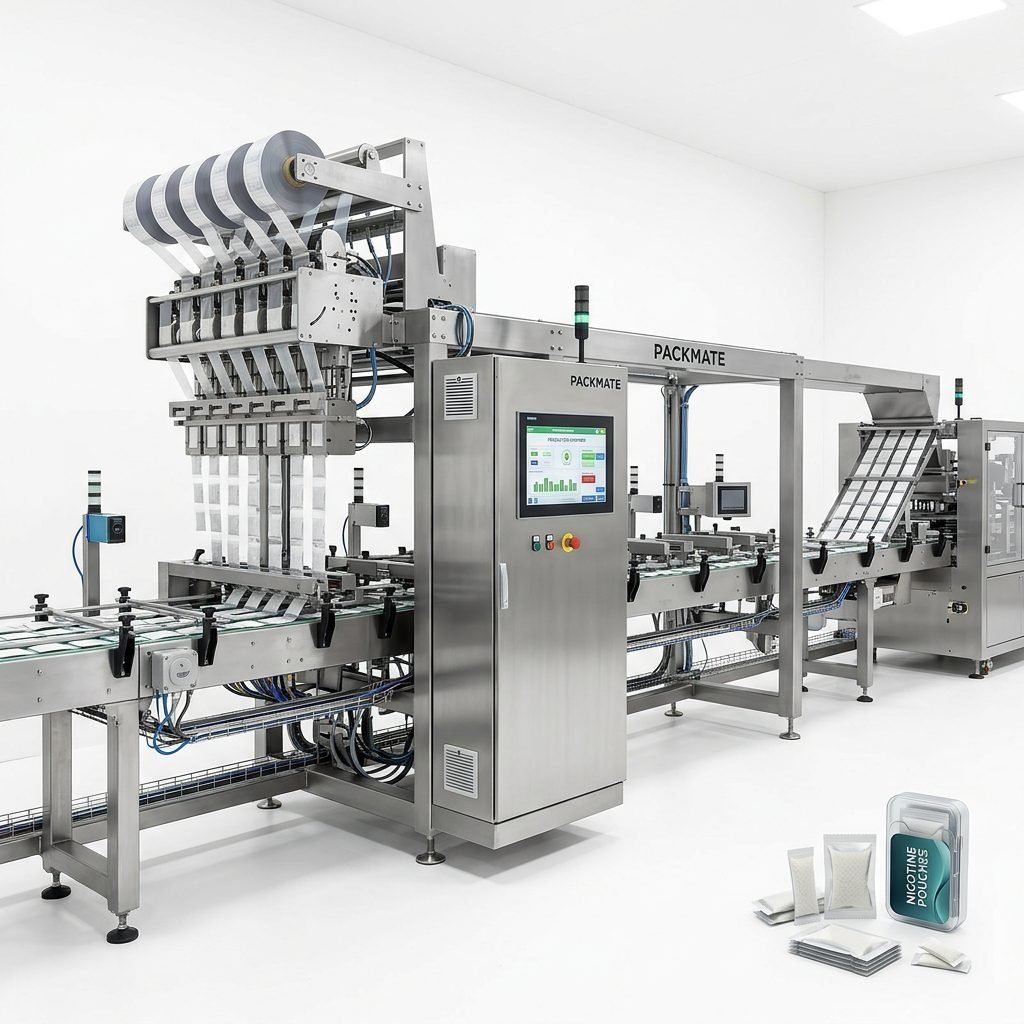
✅ Snus & Nicotine Pouch Packing Machines — ideal for individual nicotine pouches, multi-lane pouch lines, and high-precision dosing. (See Snus & Nicotine Packaging Machines for details.)
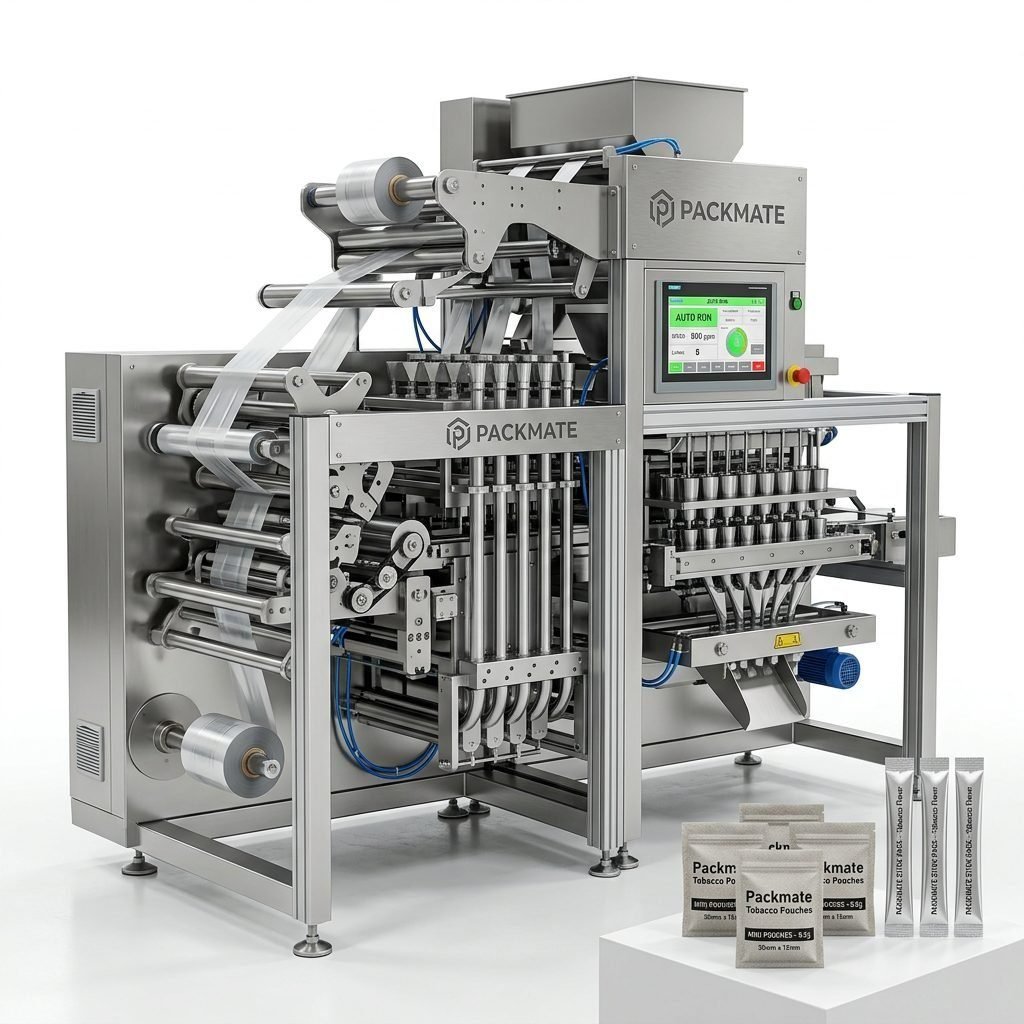
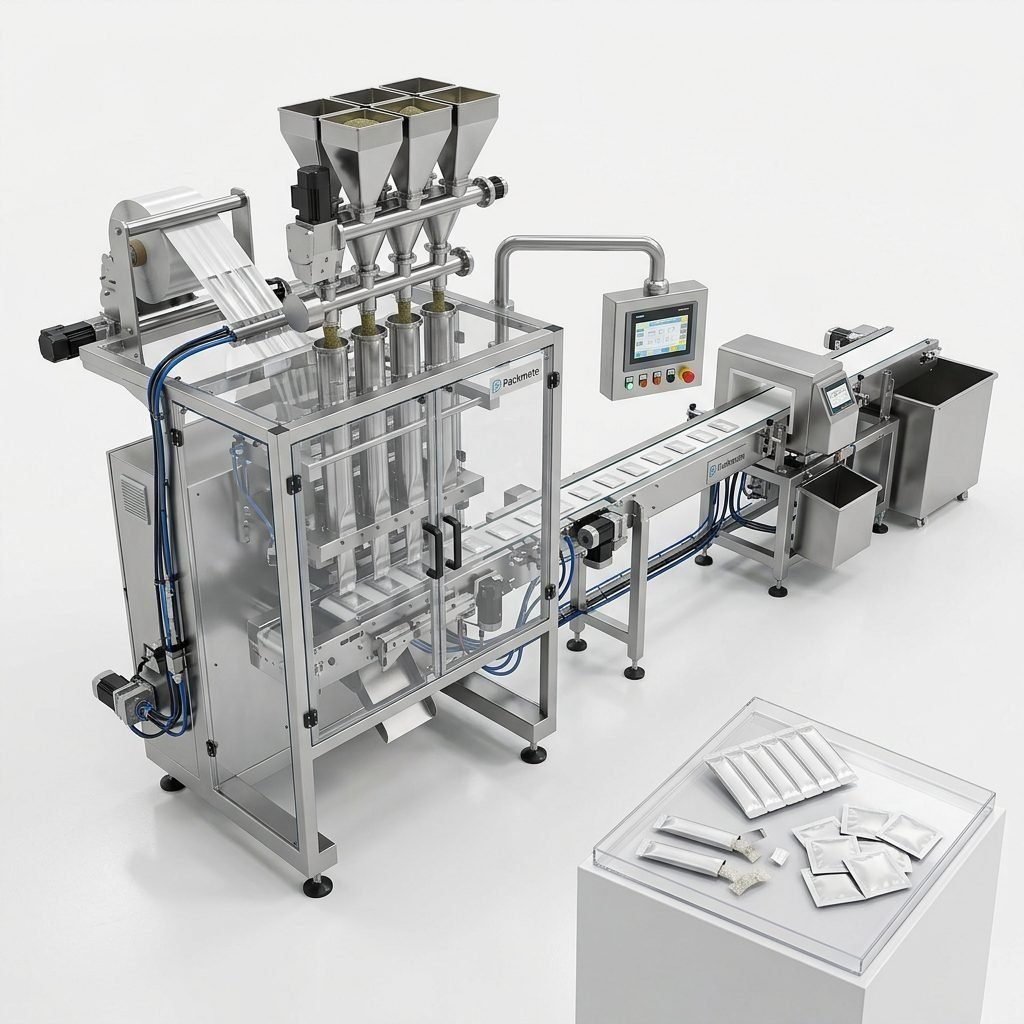
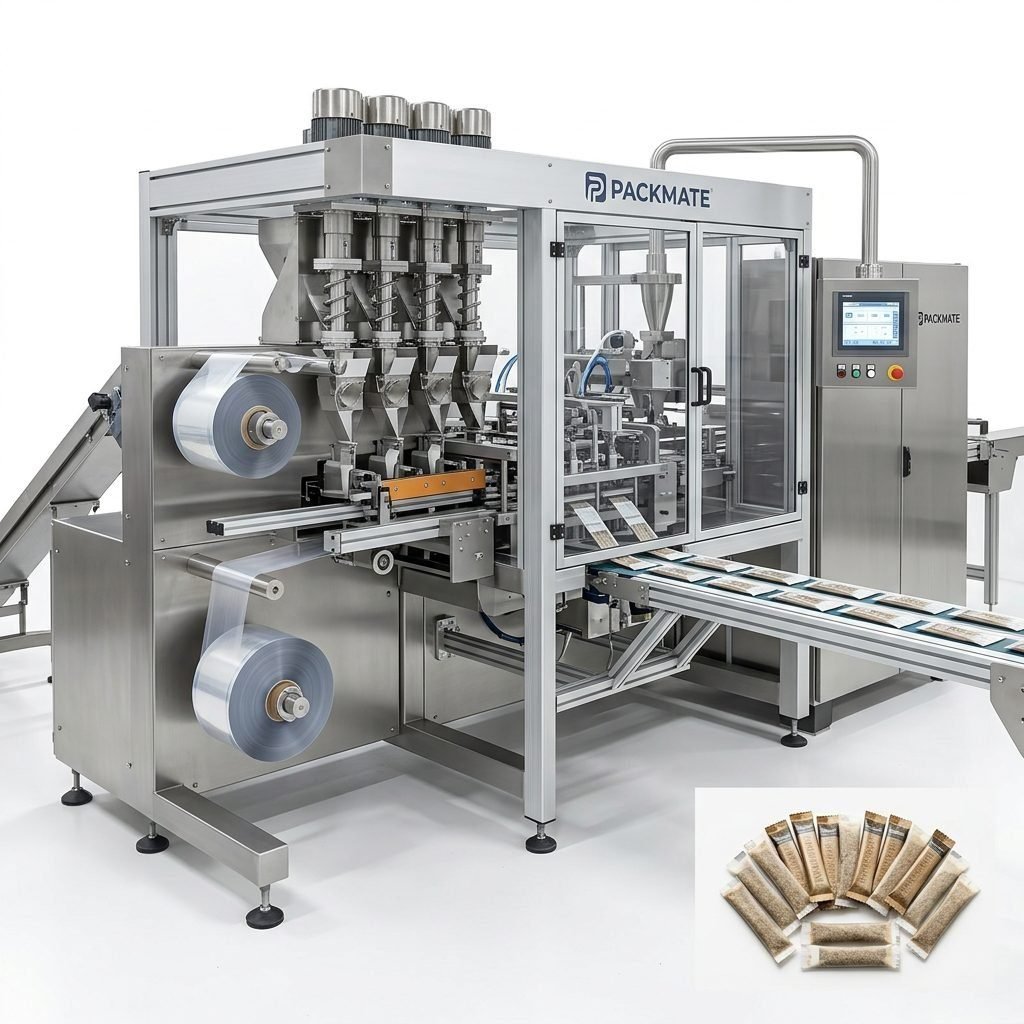
✅ Sachet & Stick Pack Machines — best for single-dose stick or sachet formats that are popular for sampling and single-use convenience.
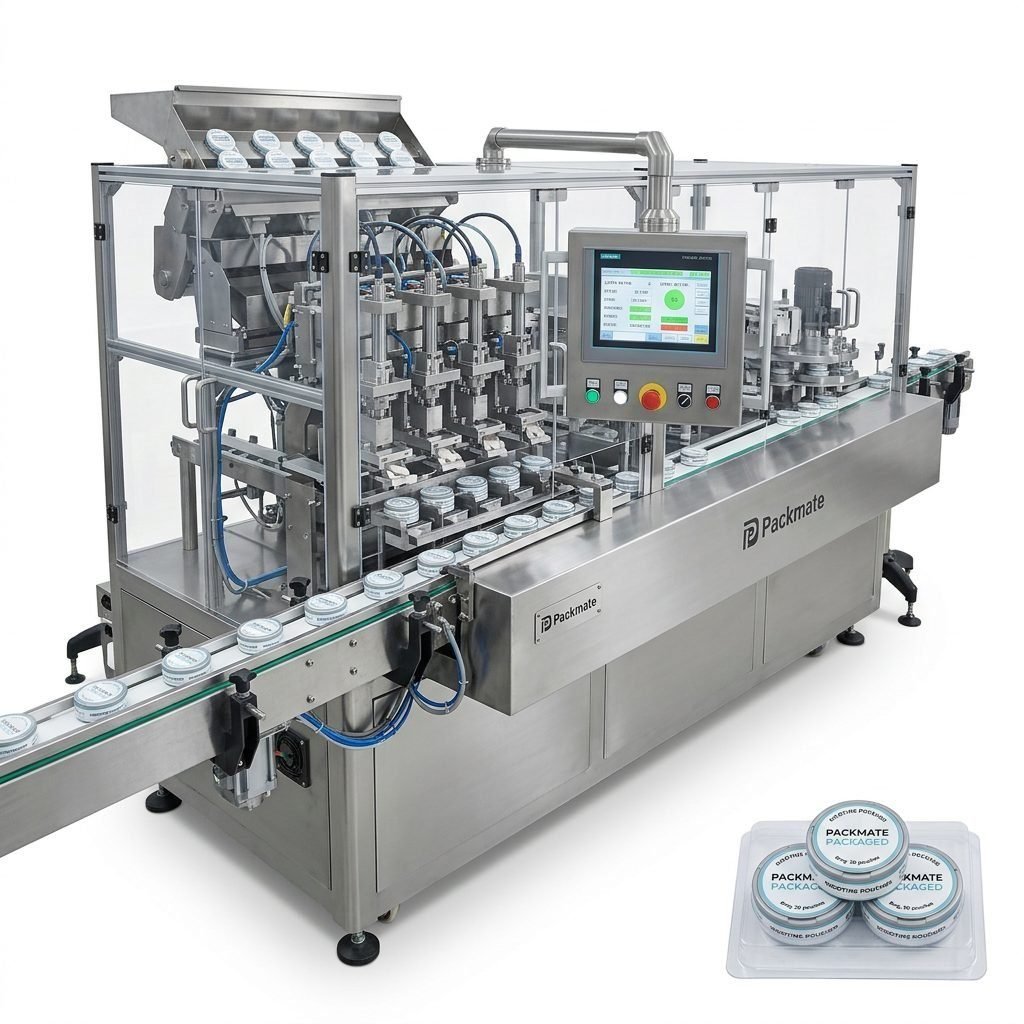
✅ Bag & Pouch Packaging Machines — relevant if you need secondary packaging or multi-unit pouches (reclosable sachets, jars, or cartons).
Critical Technical Specifications to Evaluate
When evaluating machines, focus on specifications that affect production efficiency, product quality, and long-term costs:
🔧 Speed & Throughput: Measured in pouches/min or sticks/min. Choose a speed that meets your current needs while leaving headroom for growth. Higher speeds often require multi-lane systems.
⚖️ Filling Accuracy: Essential for nicotine dosing — look for electronic weighing or volumetric systems with tight tolerances. Consider systems with continuous feedback and rejection for out-of-tolerance packages.
🔁 Flexibility: Changeover time between formats (pouch size, film width) should be minimized. Modular designs save downtime.
🛠️ Control & Automation: PLC-based control, user-friendly HMI, servo-driven components and recipe management make operations consistent and easier to train local staff.
🧰 Materials Compatibility: Confirm the machine handles your chosen films (barrier laminates, foil, paper-laminates) and any desiccant insertion or vacuum packaging you require.
Environmental & Utility Requirements
Confirm local utilities: three-phase power (voltage and frequency compatibility), compressed air quality and consumption, and plant layout for ventilation and humidity control. High humidity areas in Guatemala may require dehumidification for consistent sealing quality.
Quality, Certification & Manufacturer Credentials
Selecting a reputable manufacturer reduces long-term risk. Look for:
✔️ CE and ISO compliance for machine safety and manufacturing quality. Packmate Snus Machine emphasizes CE and ISO adherence across its lines — this helps with import clearance and operator safety.
✔️ Proven factory capabilities: advanced CNC machining, precision assembly, and strict QC processes. A large, well-equipped facility (20,000㎡) and decades of experience usually indicate stable supply and parts availability.
✔️ A broad machine portfolio and turnkey proficiency are valuable if you plan to scale or need integrated filling, weighing, and packaging lines. See About Packmate for background and services.
Checklist — Quick Buyer’s Reference
🔎 Production targets: daily & monthly volumes; expected growth.
🔧 Machine type: single-lane vs multi-lane; pouch vs stick pack vs sachet.
📦 Material & barrier specs: film type, desiccant needs, sealing strength.
🛡️ Certifications & support: CE/ISO, spare parts, training, FAT/SAT.
After-Sales Service, Spare Parts & Local Support
In Guatemala, strong after-sales support is essential given potential delays for imported parts. Ask suppliers about:
📦 Local spare parts stock: Are critical wear parts stocked regionally or easily shipped? Reduced downtime depends on fast availability.
🧑🏫 Training & commissioning: Insist on on-site training during start-up and remote troubleshooting tools. Clear manuals in Spanish and operator training are beneficial.
🌍 Remote diagnostics: Many modern machines support remote monitoring for faster problem resolution — this is a major advantage for operations outside major cities.
Packaging Materials & Climate-Proofing
Guatemala’s tropical climate increases the need for robust barrier films and excellent sealing. Evaluate:
– High-barrier laminates and metallized films for moisture and oxygen control.
– Reliable heat-sealing technologies that maintain consistency under varying humidity.
– Possible desiccants or secondary containers for long distribution chains in hot provinces.
Work with your film supplier and machine manufacturer to test sample packs under local climate simulation before committing to full production.
Cost Considerations & ROI
Total cost of ownership includes initial machine price, shipping & import duties, installation, staff training, spare parts, and energy/air consumption. Higher automation reduces labor costs but increases capital outlay. Calculate a simple ROI:
– Estimate daily output and margin per pouch.
– Factor machine uptime, maintenance intervals, and yield (reject rate).
– Determine payback period and consider financing or staged upgrades if needed.
How to Validate Suppliers & Machines
Before purchase, validate your supplier by requesting:
🔎 Factory acceptance test (FAT): Witness the machine running your film and product at agreed speed and accuracy. This reduces installation surprises.
🧾 Case studies & references: Ask for installations in similar climates or markets. Case examples and exhibitions are good indicators of real-world performance. See Case and Our Exhibition for examples and events.
🤝 After-sales agreement: Define warranty scope, spare parts lead times, and service response time in writing.
Practical Buying Steps for Guatemala
1. Define product formats, volumes, and growth plans.
2. Request proposals from reputable manufacturers with nicotine packaging experience.
3. Request FAT with your materials and sample products.
4. Verify CE/ISO certifications and request references.
5. Negotiate delivery, installation, and Spanish-language training.
6. Plan for customs clearance and local electrical/compressed air work before machine arrival.
Supplier Shortlist — What To Ask Next
📌 Can you run our nicotine pouch formula and film during FAT?
📌 What spare parts are commonly needed and how fast can they be shipped to Guatemala?
📌 Do you provide Spanish manuals and on-site commissioning with a translator if needed?
Why Consider Packmate Snus Machine?
Packmate offers a focused product line for snus and nicotine pouch production with over 30 years of engineering experience, a 20,000㎡ facility, advanced CNC and assembly systems, and more than 50 machine models. Their turnkey solutions cover snus/nicotine packaging, stick & sachet machines, weighing systems, and auxiliary equipment — useful if you need a full, integrated production line. Learn more on the Packmate product pages and company information such as About Packmate, Snus & Nicotine Packaging Machines, Bag & Pouch Packaging Machines and Contact Us.
Final Practical Tips
– Run climate-controlled tests: simulate Guatemalan humidity and temperature to verify seal integrity and shelf life.
– Prepare Spanish labeling templates in advance to speed regulatory review.
– Start with a flexible modular line if you expect to introduce multiple pouch sizes or products in the near future.
– Prioritize remote monitoring and spare parts kits for fast troubleshooting in remote regions.
Useful Links
• Snus & Nicotine Packaging Machines — Product details
• Sachet & Stick Pack Machines — Formats & options
• About Packmate — Company profile
• Contact Us — Request a quote
Frequently Asked Questions
Q1: What machine type is best for small-batch nicotine pouches?
A1: For small batches consider a flexible single- or dual-lane snus pouch machine with quick-change tooling and good dosing control. These systems allow low-volume trials and scale by adding lanes or a higher-speed model.
Q2: How important is CE/ISO certification when importing into Guatemala?
A2: CE/ISO certification demonstrates adherence to international manufacturing and safety standards, helping with customs clearance and ensuring operator safety. It also signals a mature quality control process from the supplier.
Q3: What packaging materials work best in Guatemala’s climate?
A3: Metallized or high-barrier laminates combined with reliable heat sealing and optional desiccants typically perform best in humid environments. Conduct local climate tests before full-scale production.
Q4: How can I reduce downtime for imported machines?
A4: Negotiate a spare parts kit, remote diagnostic capability, and local training. Selecting suppliers with global service networks or regional partners shortens response times.
Q5: Where can I see real examples of packaging lines?
A5: Request case studies and attend supplier exhibitions or live demos. Packmate’s Case and Our Exhibition pages showcase past installations and live events where you can evaluate machine performance.