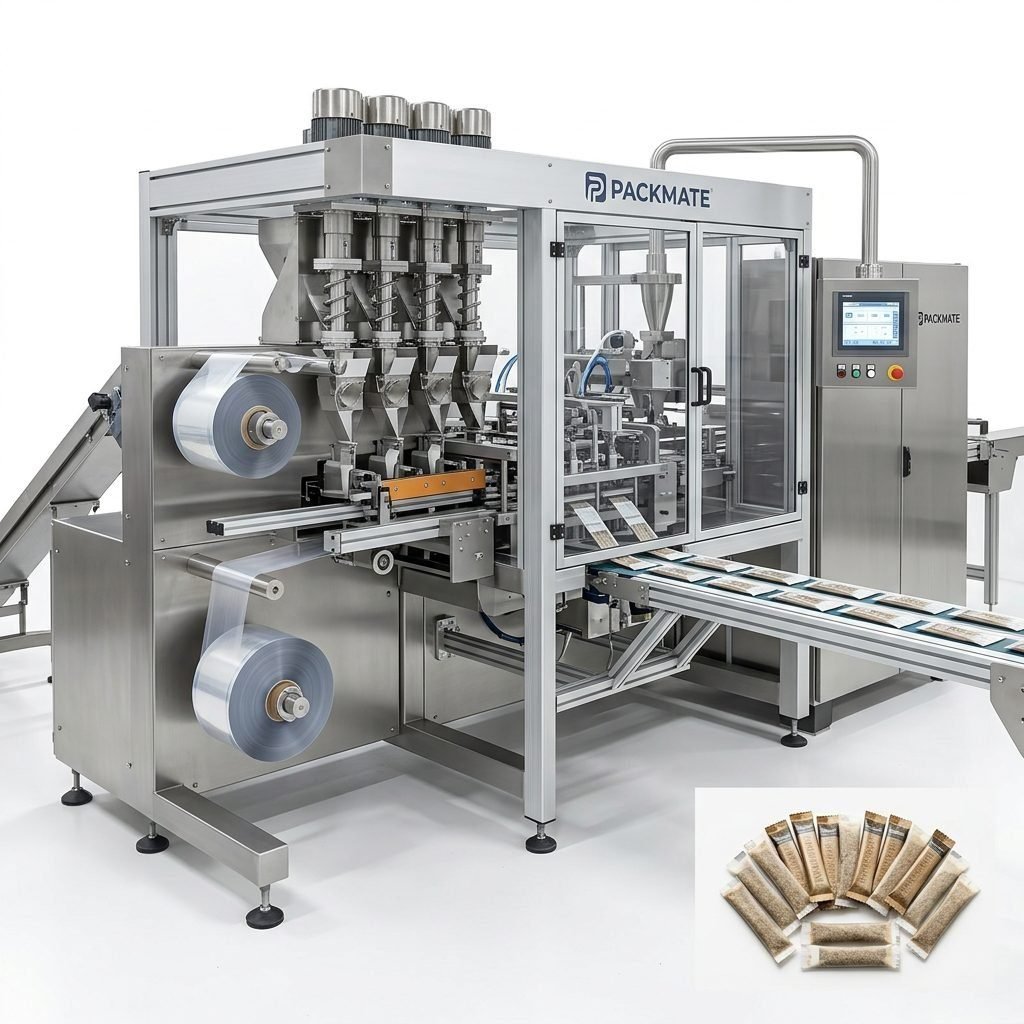
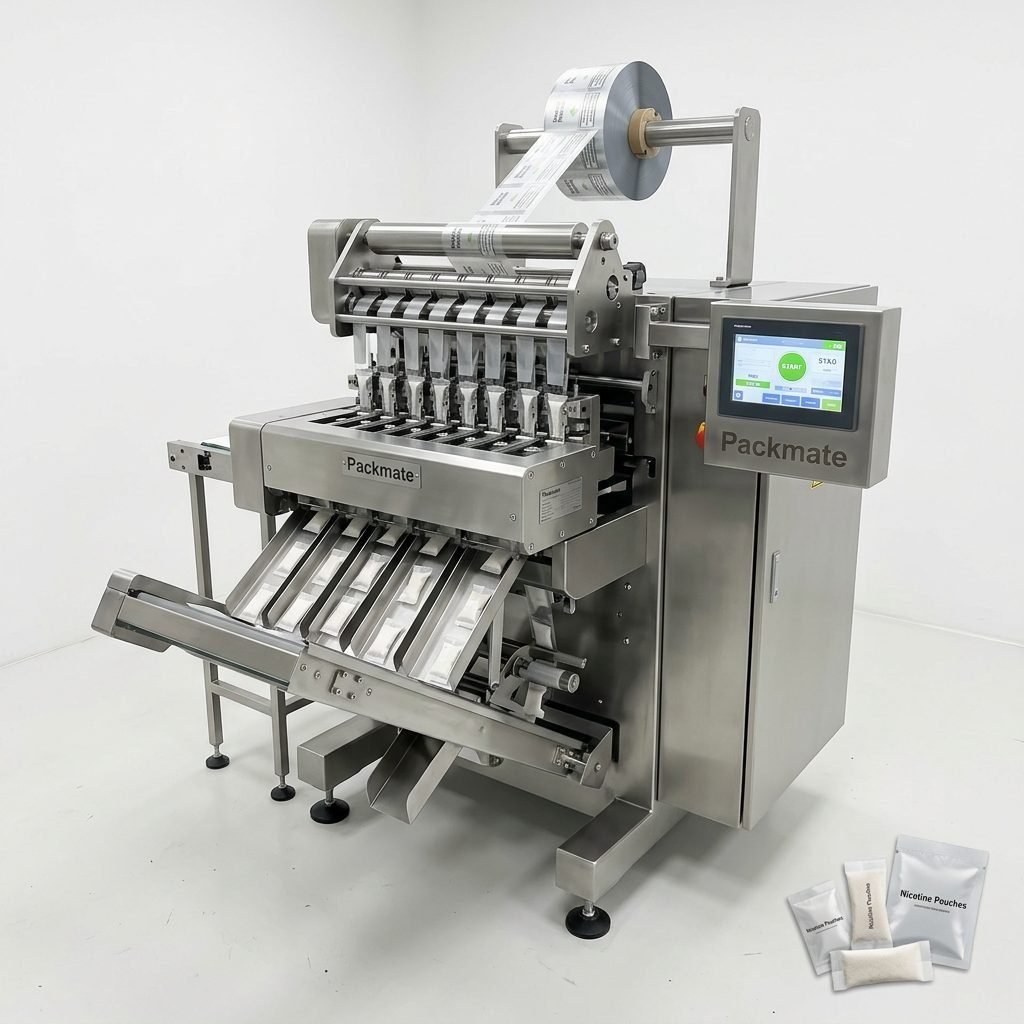
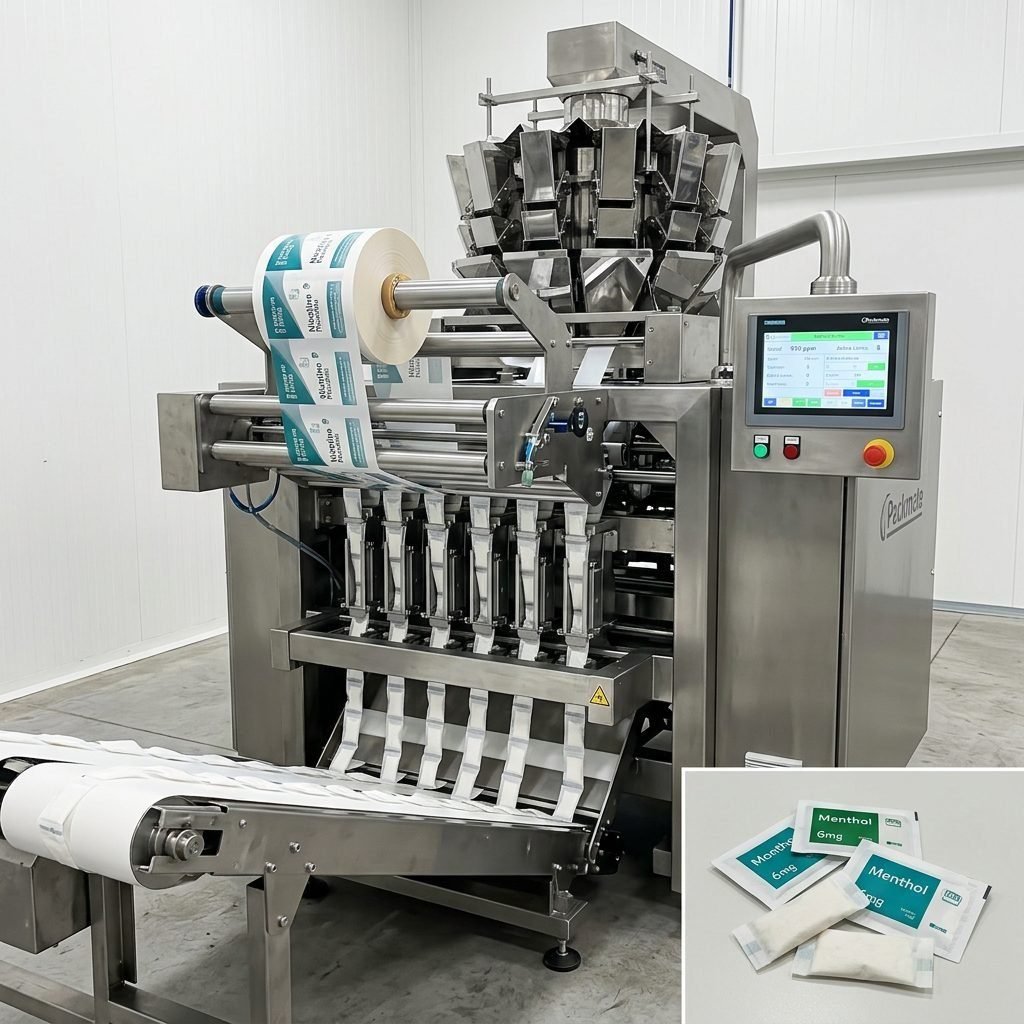
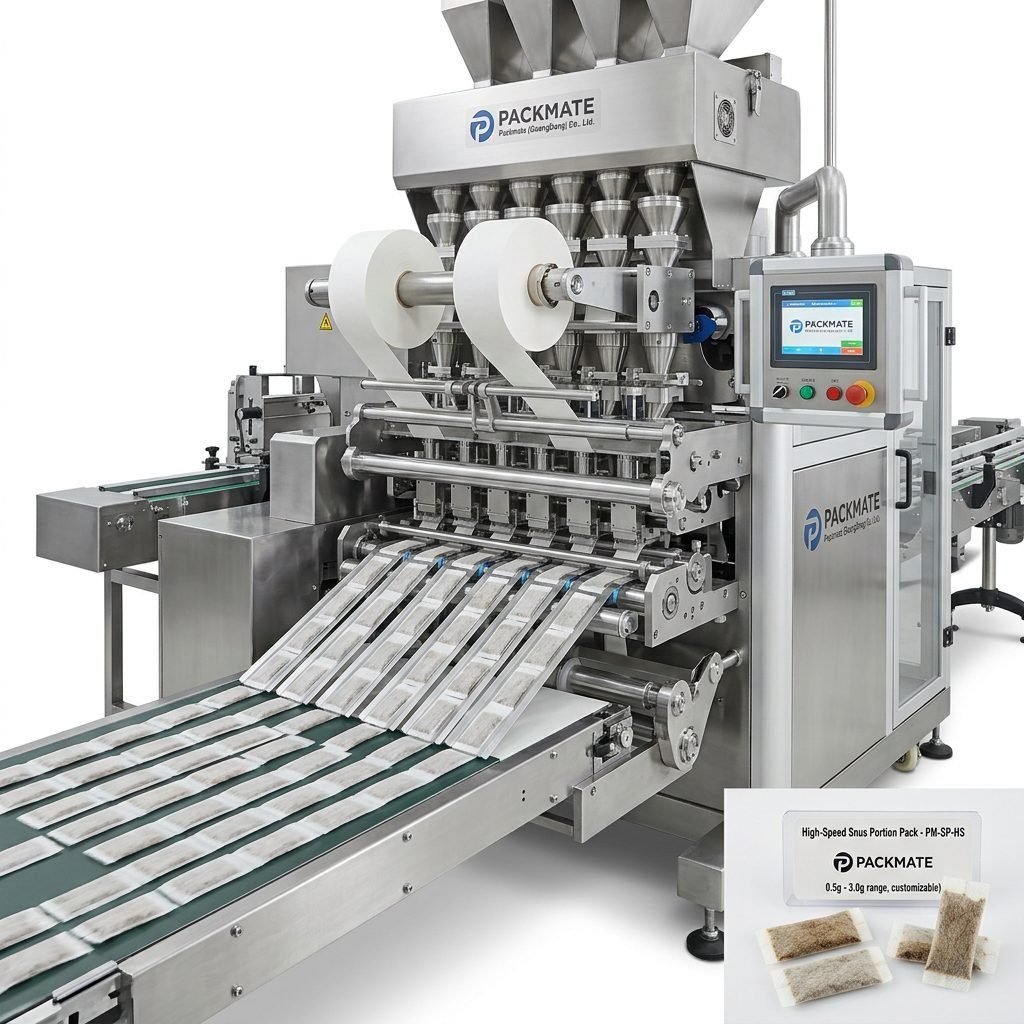
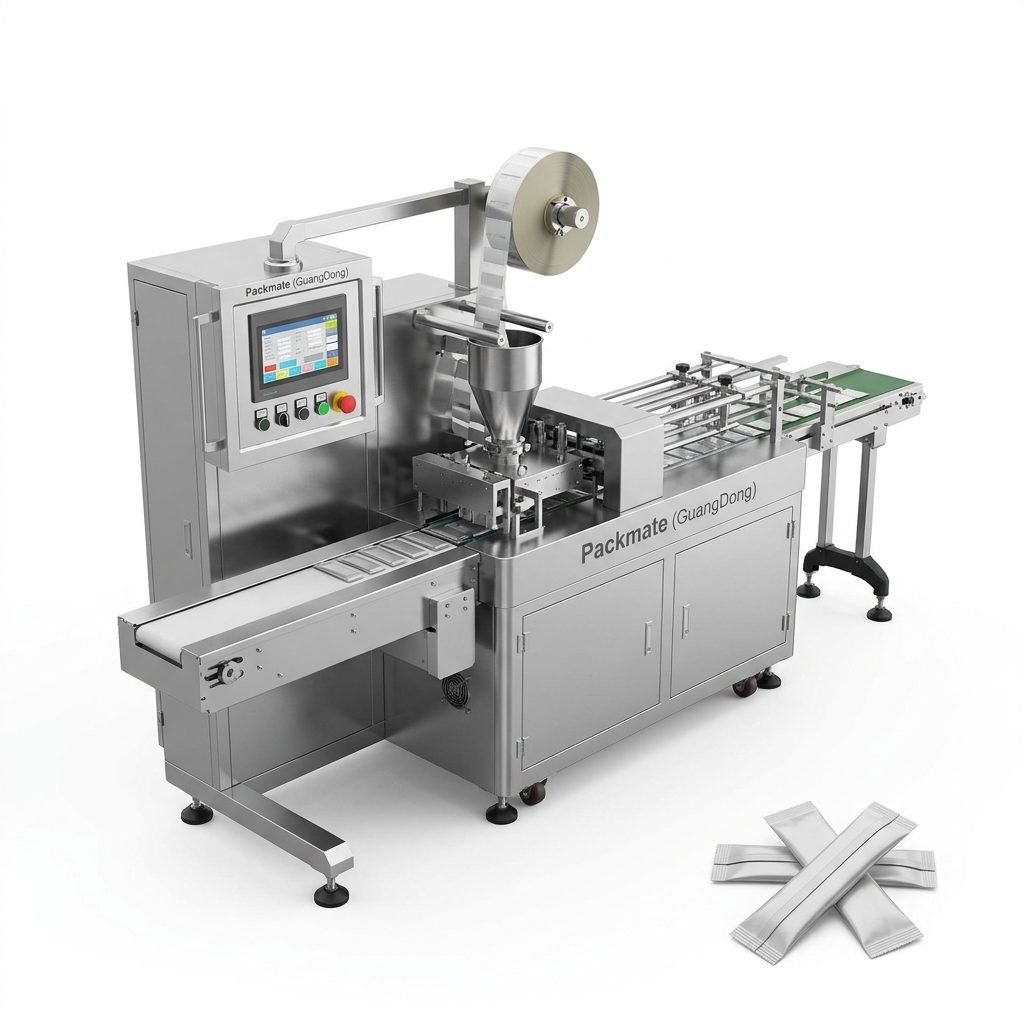
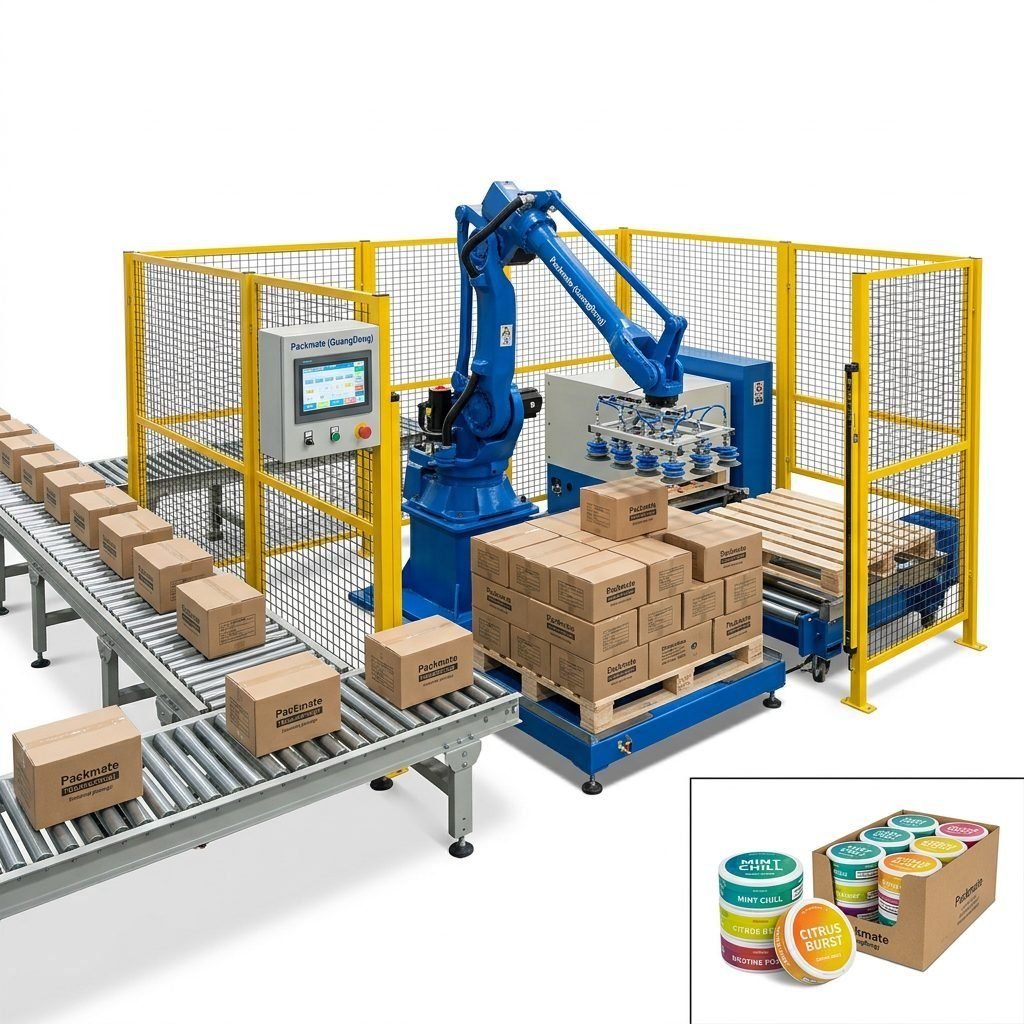
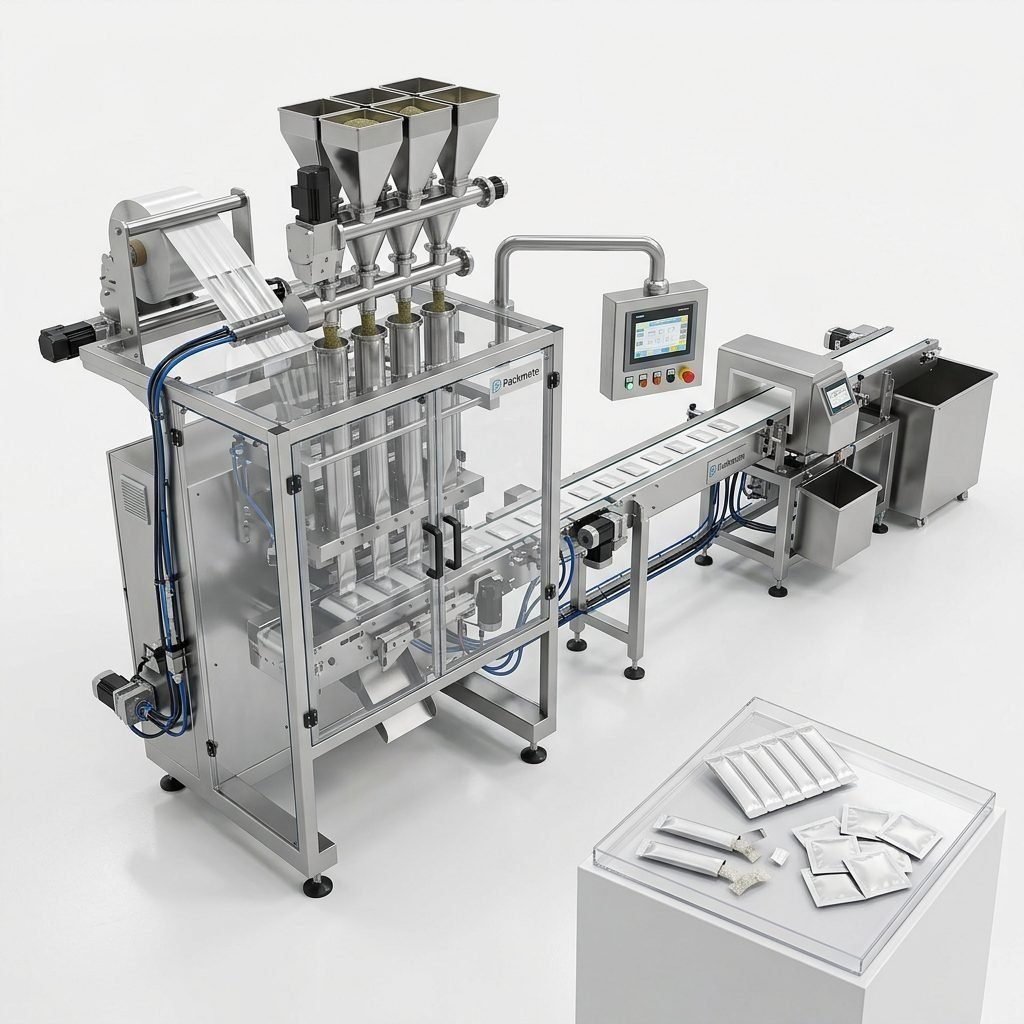
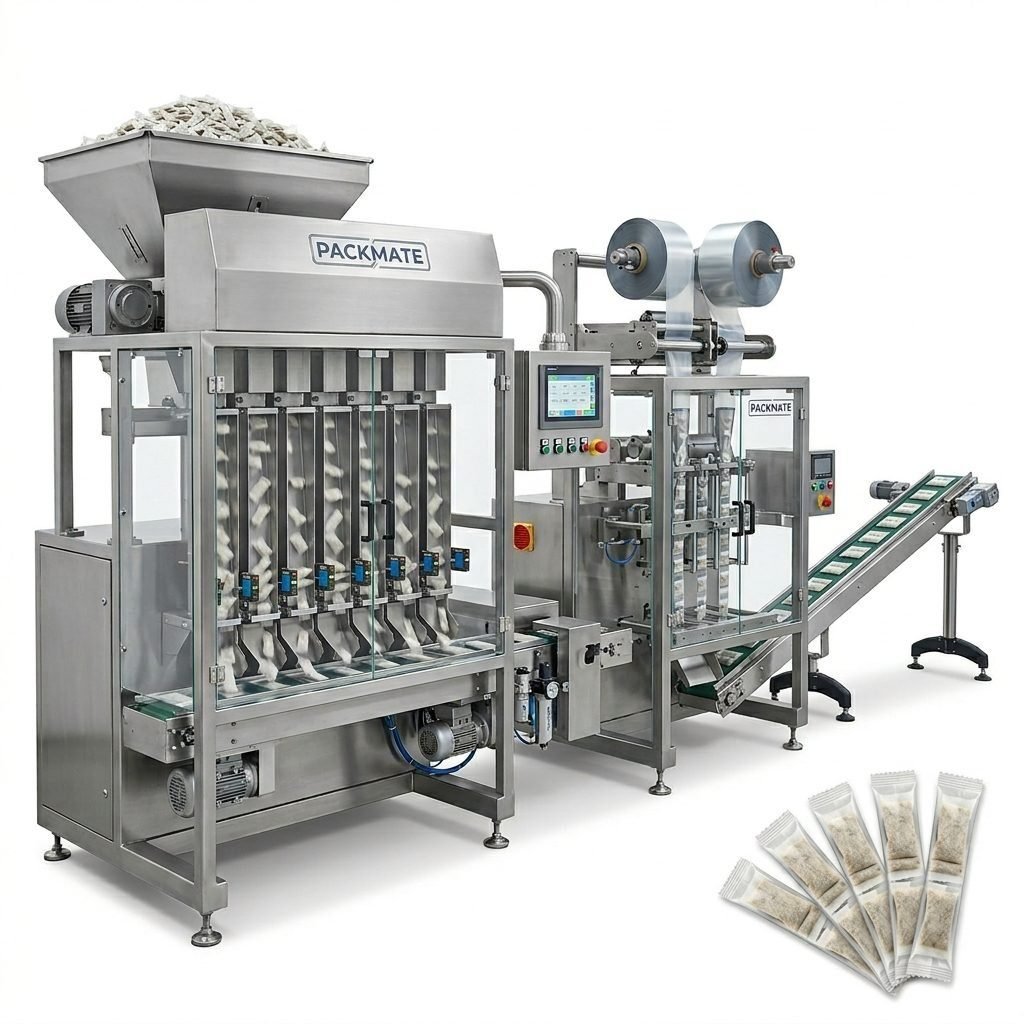
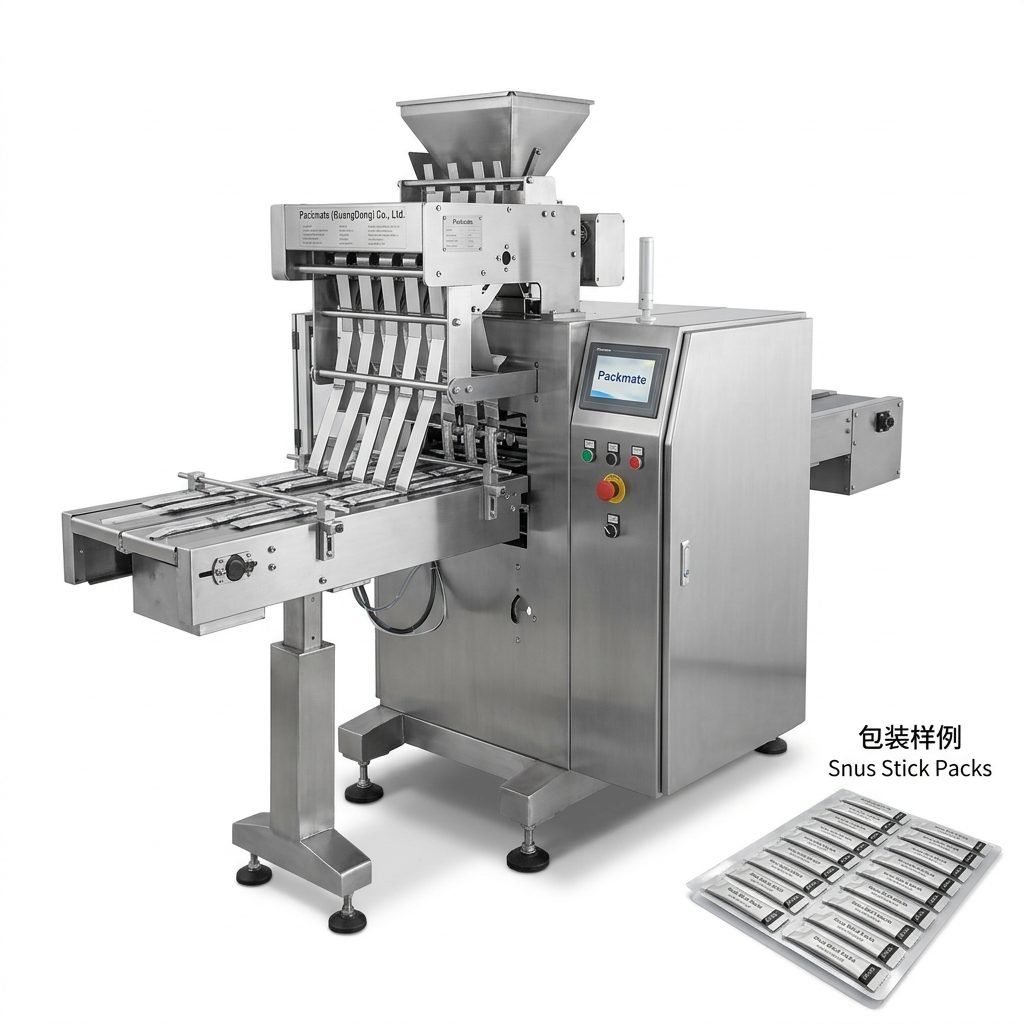
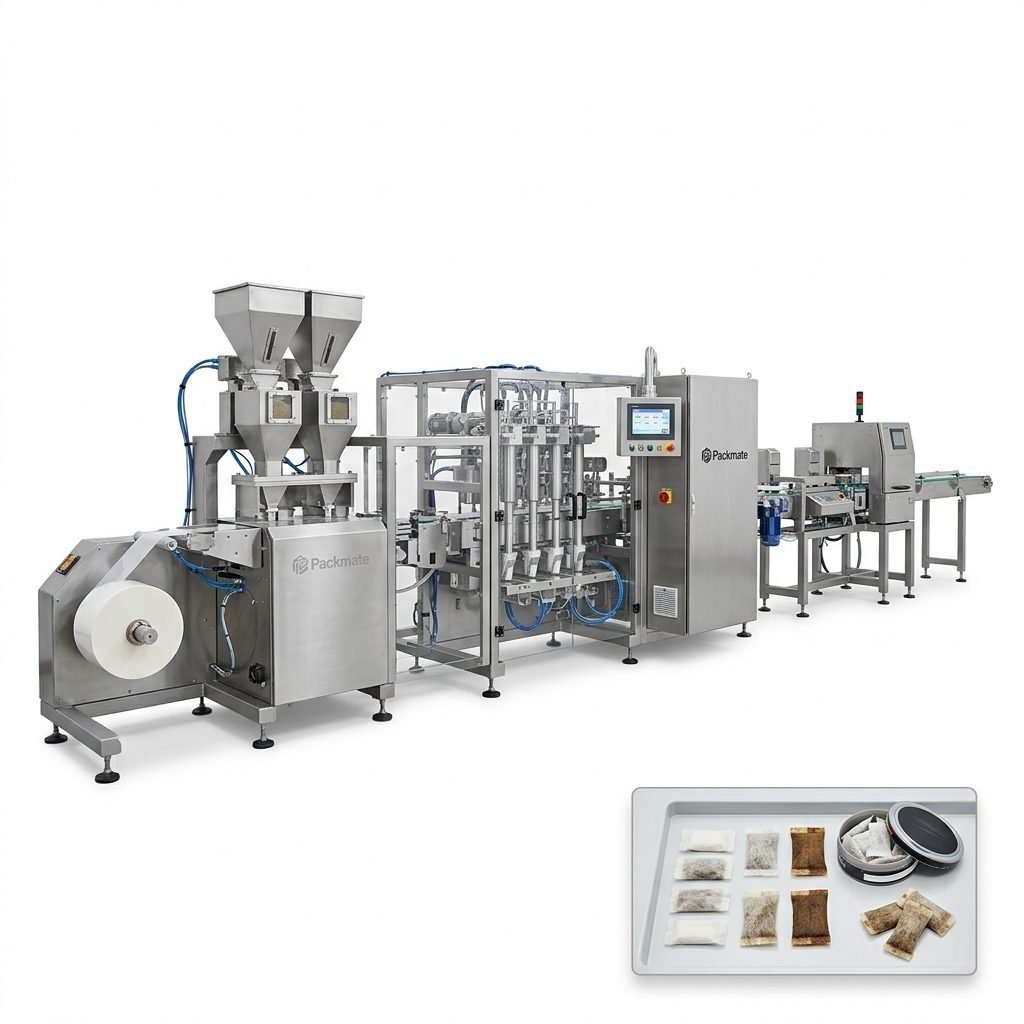
The global demand for precise, high-speed nicotine pouch production is driving manufacturers to adopt advanced automated filling systems that can deliver consistent dose, reliable sealing, and scalable throughput. This article explores the capabilities, design principles, and commercial considerations of an Automatic Nicotine Pouch Filling System — a modern packaging solution engineered for high-speed production while maintaining product quality, regulatory compliance, and operational efficiency.
Why an Automatic Nicotine Pouch Filling System Matters
In the nicotine pouch and snus industries, consistent dose control and minimal product variation are essential for consumer safety and brand reputation. Manual or semi-automatic operations introduce variability and slow down production. An automatic filling line addresses these challenges by combining precision metering, synchronized pouch handling, and integrated inspection to ensure every pouch meets target weight and quality metrics.
Key Business Benefits
✦ Consistent dose accuracy: Modern filling systems use precision feeders and electronic weighing to reduce variance, ensuring regulatory compliance and consumer trust.
✦ High throughput: Multi-lane configurations and continuous-motion mechanics enable line speeds suitable for commercial-scale operations.
Core Components and Their Roles
A complete automatic nicotine pouch filling system integrates multiple subsystems to transform raw material into finished pouches. Typical modules include:
Feeding and Dosing Unit
The feeding mechanism delivers tobacco-free nicotine or snus blend to the dosing station. Options include vibratory feeders, screw conveyors, and precision augers. For small-dose pouches, micro-feeders and multi-head systems improve accuracy and reduce product segregation.
Forming and Filling Module
This module shapes the pouch substrate (film, non-woven, or pre-formed pouches), times the fill precisely, and controls the pouch environment to avoid dust and contamination. Continuous-motion formers can support extremely high speeds with consistent pouch geometry.
Weighing and Quality Control
Inline checkweighers and vision inspection systems detect underfills, overfills, or sealing defects. Combined with statistical process control, the line can self-adjust feeder parameters to maintain target weights and reduce waste.
Sealing, Cutting and Packaging Interface
Seal integrity is critical for shelf life and hygiene. Modern lines use ultrasonic or heat-sealing heads with precise temperature and pressure control. The downstream interface connects to secondary packaging machines — such as sachet cartoners or multi-pouch wrap systems — for final boxing and distribution.
Design Features That Ensure Dose Consistency
To consistently deliver the specified nicotine dose, systems incorporate multiple layers of control:
✅ Precision metering: Calibrated feeders and servo-driven augers provide repeatable volumetric control.
✅ Closed-loop weighing: Continuous feedback from inline scales enables fine-tuning of feed rates in real time.
✅ Material conditioning: Humidity and temperature control for hygroscopic blends prevents clumping and dosing variation.
Scalability: Multi-Lane and Modular Solutions
Businesses looking to scale production often select multi-lane packaging platforms that run multiple pouches in parallel. A 4-lane or 8-lane system can multiply output without multiplying footprint proportionally. Modular design lets manufacturers add lanes, upgrade feeders, or integrate additional inspection stations as demand grows.
Operational Flexibility
Modern systems support rapid changeovers for different pouch sizes, weights, and materials. Tool-less adjustments, recipe-based controls, and programmable logic controllers (PLCs) make transitions fast and reduce downtime. This flexibility is valuable for private-label producers and brands that manage multiple SKUs.
Hygiene, Safety and Regulatory Compliance
Nicotine pouch production must meet stringent cleanliness and safety requirements. Machines are designed for easy cleaning, with stainless steel contact parts, sanitary welds, and minimal crevices. Compliance with CE and ISO standards is typical among reputable manufacturers and contributes to exportability and customer trust.
For more technical product lines and detailed machine models, explore the manufacturer’s product range such as Snus & Nicotine Packaging Machines and tailored Filling & Packaging Lines.
Integration with Upstream and Downstream Processes
A well-designed filling system connects seamlessly with upstream material handling and downstream packaging. Integrated conveyors, buffer hoppers, and synchronized counters allow continuous flow and make the entire line more robust against bottlenecks. Integration also simplifies data collection for MES (Manufacturing Execution Systems) and traceability.
Smart Manufacturing Capabilities
Advanced HMI screens, remote diagnostics, and IoT-enabled sensors support predictive maintenance and production analytics. These features reduce unplanned downtime and help operations teams optimize yields and energy consumption over time.
Maintenance, Service and Lifecycle Support
Reliable service and spare parts availability help protect production investment. When evaluating suppliers, prioritize manufacturers offering:
▶ On-site commissioning and training
▶ Global spare parts supply and rapid technical support
▶ Long-term upgrade programs and retrofit options
Selecting the Right Supplier
When comparing suppliers, consider engineering experience, factory capacity, and a proven track record. A manufacturer with decades of R&D and a large, well-equipped facility will typically provide more reliable machines and better after-sales service. For instance, companies that emphasize turnkey solutions and have a wide product catalog can simplify procurement and scaling.
Learn about a typical supplier’s background on their About Packmate page and review real implementations in the Case gallery to understand practical outcomes.
Cost Considerations and Return on Investment
Initial capital expense must be weighed against labor savings, reduced waste, and higher throughput. Key financial factors include:
– Machine footprint and energy consumption
– Expected throughput and flexibility to handle multiple SKUs
– Service contracts and warranty coverage
Typical Applications and Market Segments
Automatic nicotine pouch filling systems serve a variety of market segments:
– Consumer brands launching premium or flavored pouches that require tight dose control
– Contract manufacturers who need flexible lines to serve multiple clients
– Companies expanding production to meet export standards and higher-volume distribution channels
Cross-Industry Use
Although designed for nicotine pouches, many filling platforms support other small-dose products such as tea sachets, powdered supplements, or single-serve flavor sachets, providing versatility to diversify product lines.
Real-World Case: High-Efficiency Snus Line Deployment
In a recent deployment, a manufacturer replaced a semi-automatic process with a multi-lane automatic line and achieved:
⚙️ A 3x increase in throughput with lower per-pouch production cost
⚙️ A reduction in weight variance that improved compliance and reduced returns
⚙️ Improved line uptime due to predictive maintenance and remote support capabilities
Practical Checklist Before Purchase
Before committing to an automatic filling system, verify:
– Vendor’s experience in nicotine pouch machinery and availability of test runs
– Certification and compliance documentation (CE, ISO)
– Warranty, spare parts lead times, and local service options
– Scalability options and compatibility with existing packaging equipment
For detailed machine catalogs and support services, consider reviewing the manufacturer’s Sachet & Stick Pack Machines and their Service offerings.
Final Thoughts
Investing in an automatic nicotine pouch filling system can transform production from a labor-intensive process into an efficient, quality-focused operation. The right system combines precision dosing, robust sealing, and integrated inspection to protect consumer safety and brand reputation. By partnering with an experienced manufacturer that provides comprehensive solutions, businesses can achieve reliable throughput, faster time-to-market, and a clearer path to scaling.
Frequently Asked Questions
Q1: How accurate are automatic dosing systems for nicotine pouches?
A1: High-quality systems with closed-loop weighing and precision feeders typically achieve variance within tight tolerances (often <±2-3% of target weight), depending on material properties and machine calibration.
Q2: Can a single machine handle multiple pouch sizes and recipes?
A2: Yes — modern machines are designed with modular tooling and recipe-based controls for rapid changeovers, enabling the production of different pouch sizes, weights, and blends with minimal downtime.
Q3: What certifications should I look for when buying a filling system?
A3: Look for CE compliance and ISO certifications as baseline assurances of safety and quality. Verify documentation and request factory acceptance tests to confirm performance.
Q4: How important is after-sales support and spare parts availability?
A4: Critical — timely spare parts and experienced service teams reduce downtime and protect production. Choose suppliers with global service networks or rapid spare parts delivery.
Q5: Where can I get more information or arrange a demonstration?
A5: Contact the manufacturer directly via their Contact Us page to request demos, catalogs, or on-site evaluations.