Turnkey Snus Machine Project Solutions: Complete Automated Production Line Design and Installation
In today’s highly regulated and rapidly evolving snus and nicotine pouch market, manufacturers demand more than a single piece of equipment — they require complete, integrated production systems that deliver consistent quality, regulatory compliance, and high throughput. This article outlines how a turnkey snus machine project is conceived, engineered, and implemented, from initial concept and layout to commissioning and after-sales support. We explain the critical stages, highlight design considerations, and point you to practical resources and solution modules such as
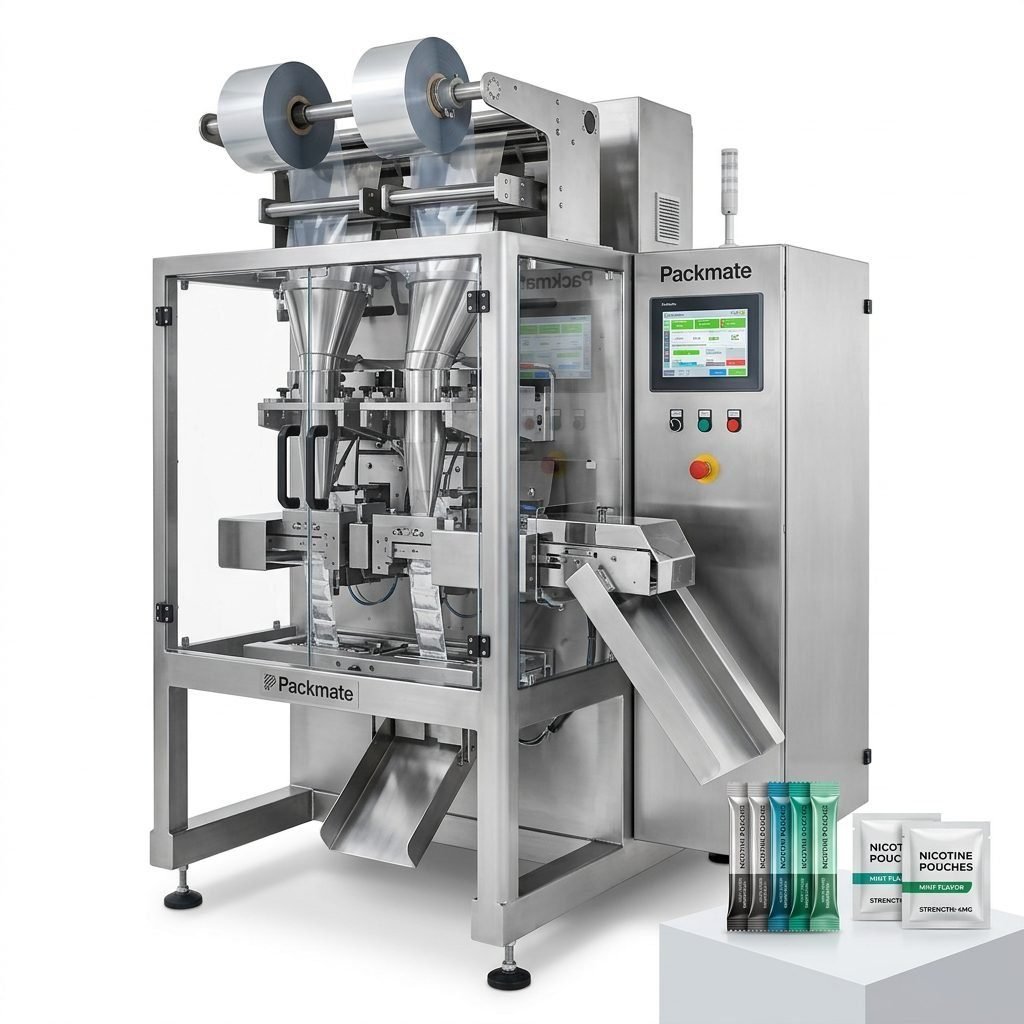
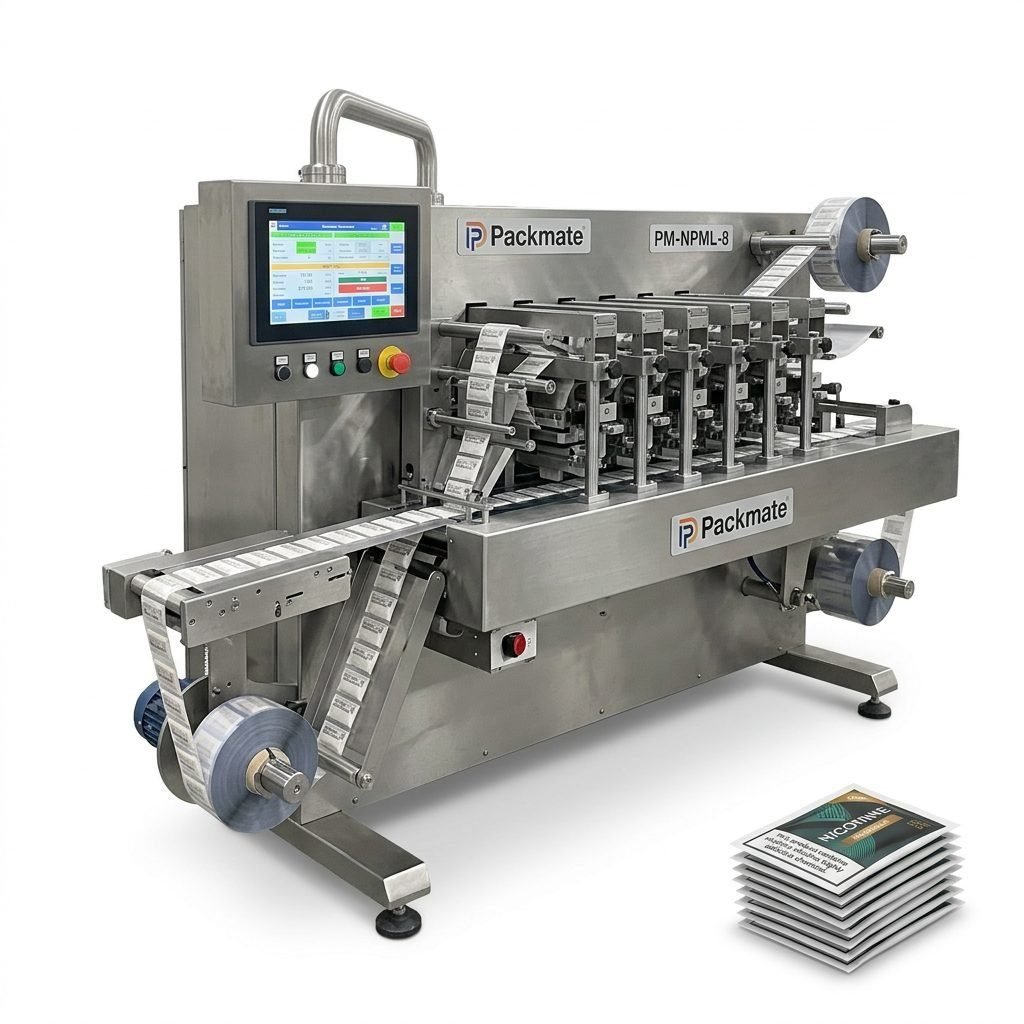
Snus & Nicotine Packaging Machines and
Filling & Packaging Lines.
Project Planning and Needs Assessment
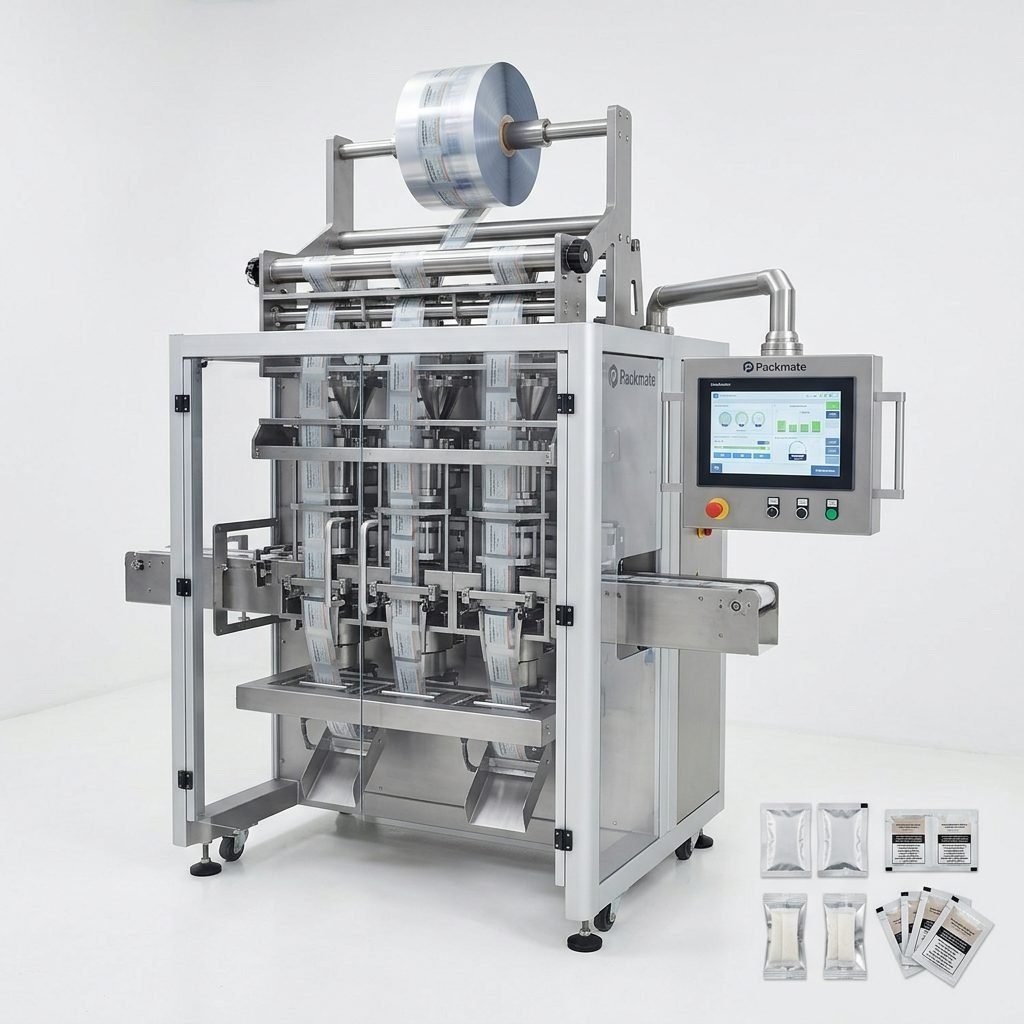
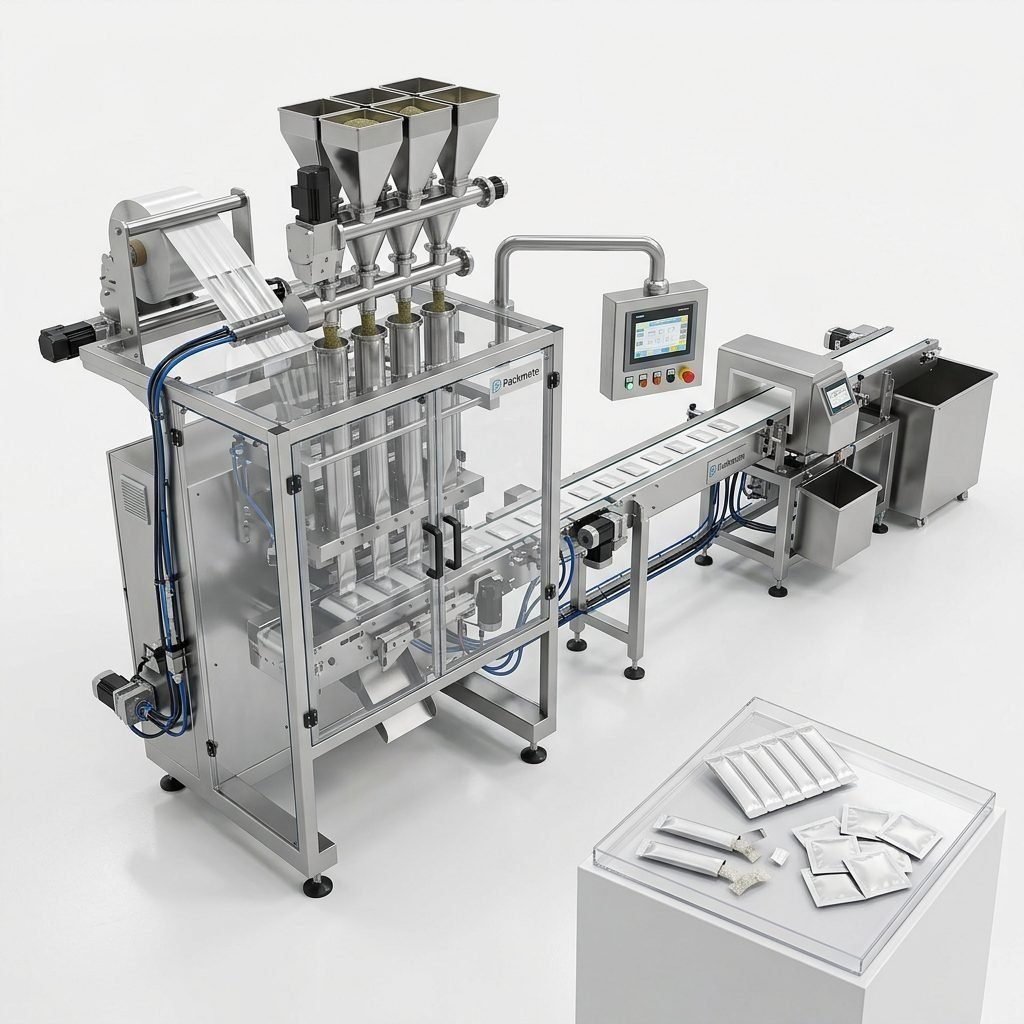
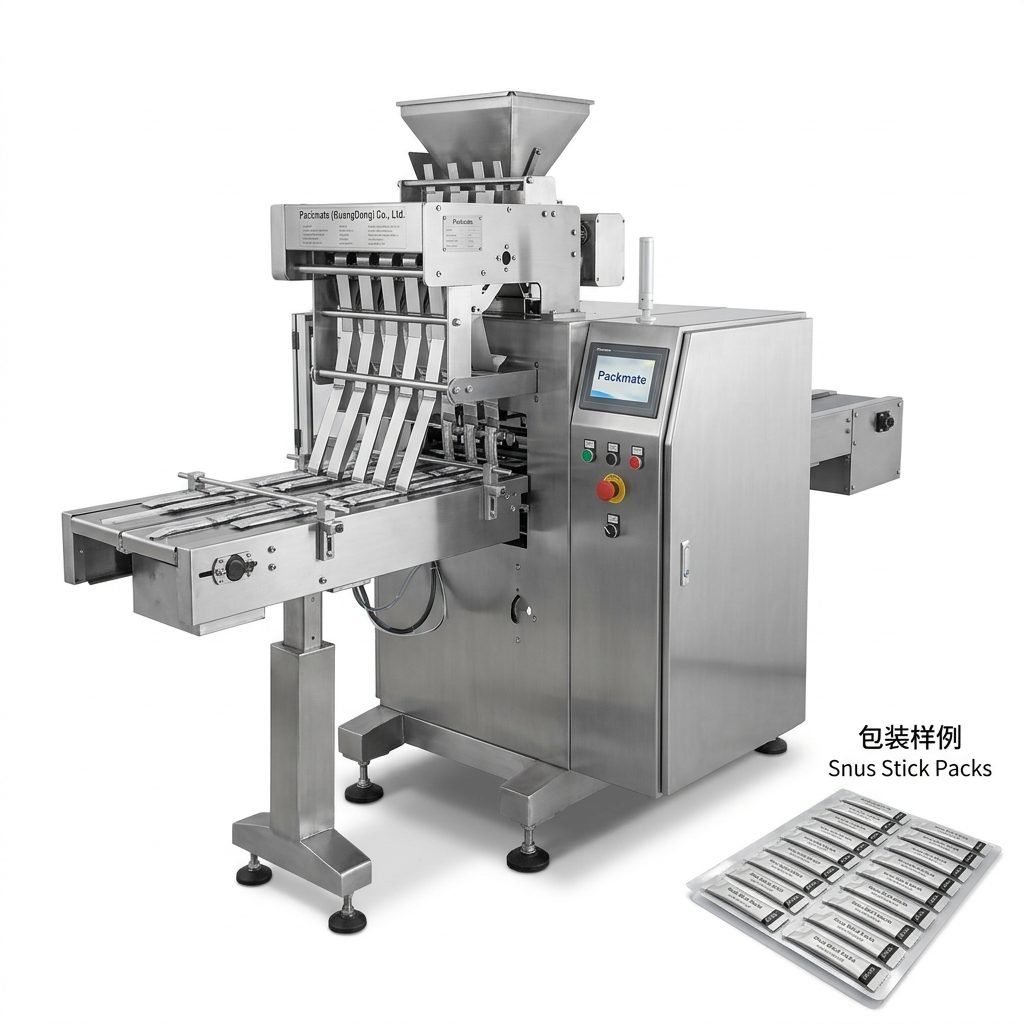
🔧 The first and most important step is a thorough needs assessment. Project teams gather production targets, product formats (loose snus cans, portion pouches, sachets, stick packs, nicotine pouches), regulatory constraints, and desired automation level. A qualified supplier will evaluate product characteristics such as moisture, weight, and pouch size to recommend suitable modules — for example, multi-lane stick pack modules for high-speed micro-dose pouches or sachet lines for certain regional markets. For a detailed view of machine families visit
Sachet & Stick Pack Machines.
Layout Design and Workflow Optimization
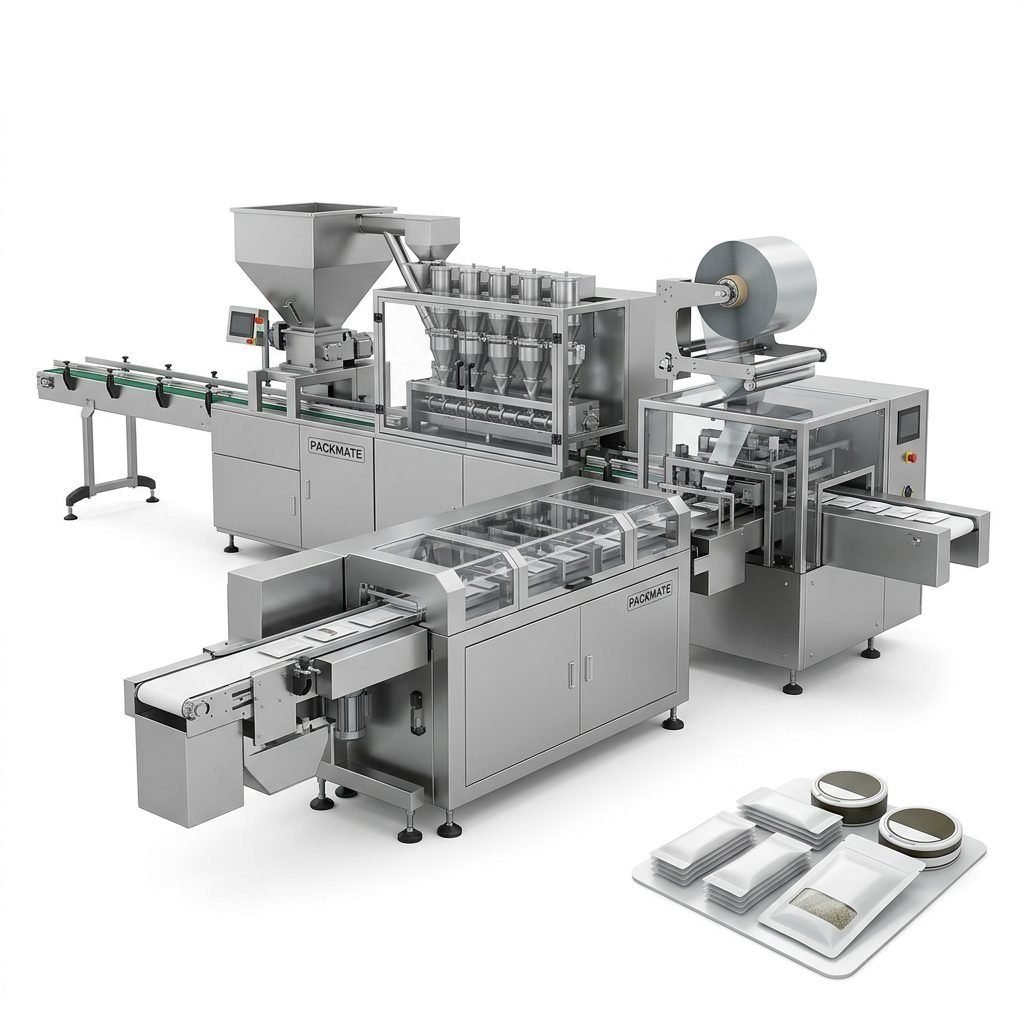
A well-optimized factory layout reduces footprint, minimizes manual handling, and simplifies hygiene and maintenance. During design, engineers analyze upstream and downstream processes: raw material preparation (mixers, dosing), dosing and filling systems, pouch forming and sealing, secondary packaging (cartoning, case packing), and palletizing. Space planning must also allow for maintenance access, material flow, and quarantine zones for regulatory sampling. Early-stage 3D layout modeling avoids costly rework and supports local approvals.
Selecting the Right Equipment Modules
✅ Modular design gives flexibility: choose from pouch forming machines, precision weighing systems, stick pack units, multi-lane filling heads, and robotic pick-and-place for secondary packing. Leading suppliers provide modules that are CE and ISO compliant and can be combined into turnkey systems. Considerations include:
Throughput targets — determine cycles per minute for each module to ensure balanced line speed.
Product handling — soft pouches, powders, and sticky formulations require different feeders and anti-static solutions.
Downtime and maintenance — opt for accessible parts, quick-change dies, and predictive maintenance features.
Weighing, Dosing and Filling Precision
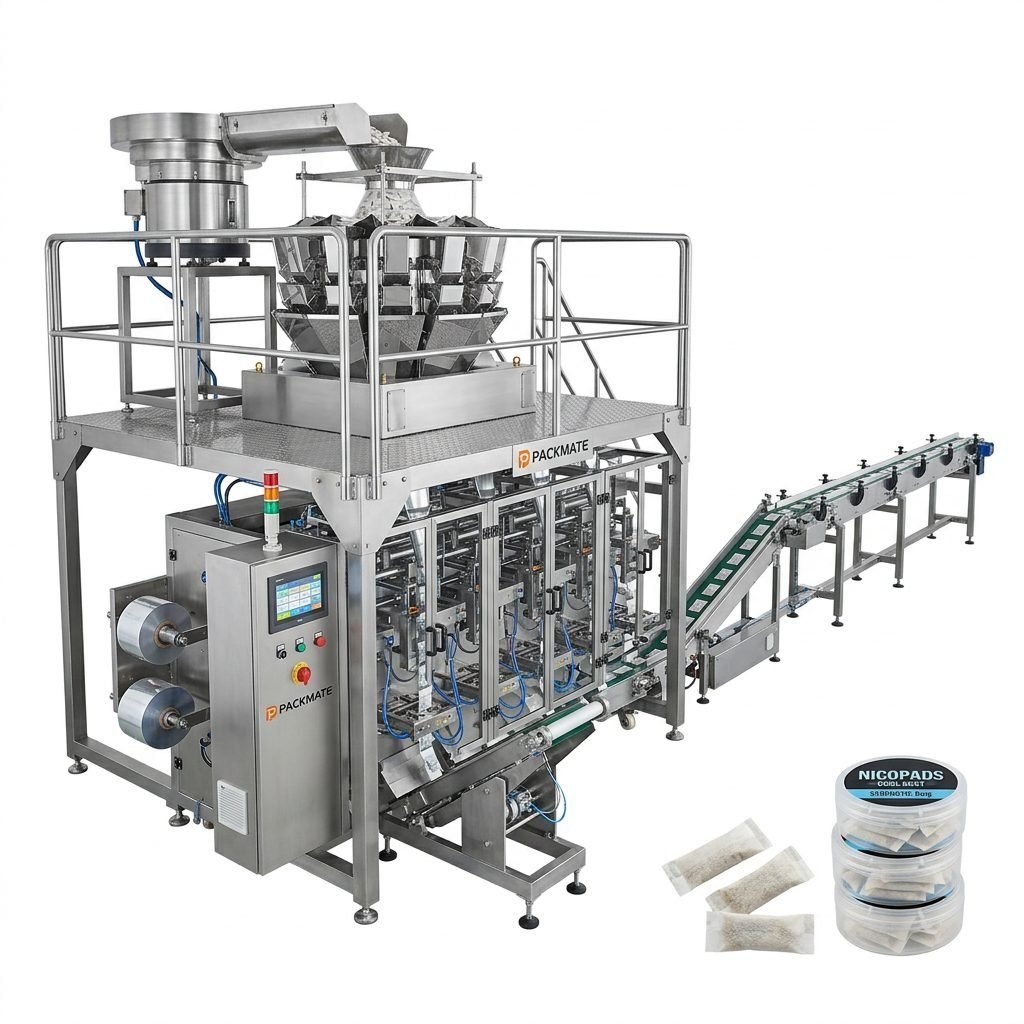
For nicotine pouches where strict dosage is essential, weighing and dosing accuracy are critical. High-precision multi-head weighers and volumetric dosing systems are often integrated upstream of pouch forming machines. Synchronization between the filler and the pouch machine prevents overfill or underfill, ensuring product safety and regulatory compliance. See sample configurations in the Weighing & Packaging Systems portfolio.
Hygiene, Materials and Regulatory Compliance
⚖️ Turnkey projects must consider local and international regulations regarding nicotine-containing products. Equipment surfaces must be easy to clean, corrosion-resistant, and constructed from food-grade materials. Suppliers often help with documentation — material certificates, machine validation protocols, and CE/ISO certification. Packmate engineers have experience producing documentation packages that simplify local approvals and audits.
Customization and Multi-Format Capability
Many customers require multi-format lines that can switch between different pouch sizes and fill types. Flexibility is achieved through quick-change tooling, modular conveyors, and programmable control systems that store format recipes. This reduces changeover time and supports product diversification, which is especially valuable for producers supplying multiple brands or markets.
Automation, Controls and Data Integration
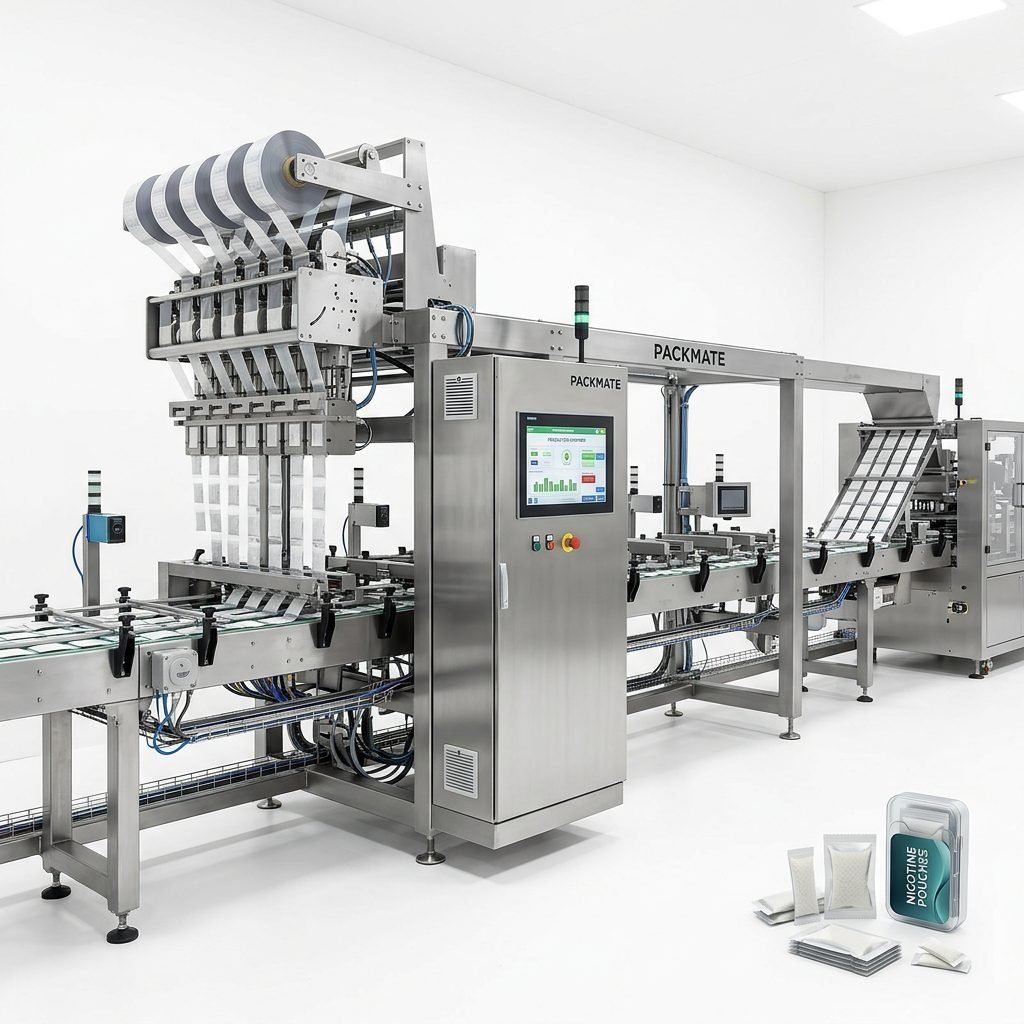
📊 Modern turnkey lines use PLC-based controls, HMI touchscreens, and SCADA integration for centralized monitoring and traceability. Data capture for batch records, runtime metrics, and OEE analysis enables continuous improvement and simplifies traceability in case of recalls. Remote diagnostics and IoT-enabled predictive alerts further reduce unscheduled downtime.
Mechanical and Electrical Integration
Integration touches mechanical mounting, conveyors, communication protocols, and power distribution. Skilled integrators align mechanical interfaces, standardize PLC tags, and implement safety interlocks. This removes integration risk and ensures the line operates as a cohesive system rather than a collection of disparate machines.
Installation, Commissioning and Validation
Installation typically includes on-site assembly, electrical hookups, and mechanical alignment. Commissioning verifies performance against agreed acceptance criteria, including speed tests, fill accuracy, sealing integrity, and product handling trials. For pharmaceutical-style programs, formal IQ/OQ/PQ (Installation, Operational, Performance Qualification) may be conducted. Experienced vendors often provide a checklist and dedicated commissioning team to expedite start-up.
Operator Training and Documentation
🎓 A turnkey supplier will typically deliver operator training, maintenance manuals, spare parts lists, and service procedures. Training extends beyond basic operation to include changeover techniques, troubleshooting, and preventive maintenance schedules. This investment reduces early-life failures and shortens the learning curve for new operators.
After-Sales Support and Spare Parts Strategy
Strong after-sales support differentiates turnkey providers. Rapid spare parts delivery, remote troubleshooting, and scheduled service contracts maintain uptime. Many manufacturers maintain global parts depots and local partners to accelerate response. For reference cases and global partnerships, explore the supplier’s projects in their Case section.
Scaling Up and Future-Proofing
📈 Designing for scalability means planning for additional lanes, more filling heads, or extra secondary packers without redesigning the entire line. Modular conveyors and pre-provisioned control cabinets reduce future installation time and cost. Future-proofing also includes software upgradability and spare capacity in utilities.
Case Example: Multi-Lane Nicotine Pouch Line
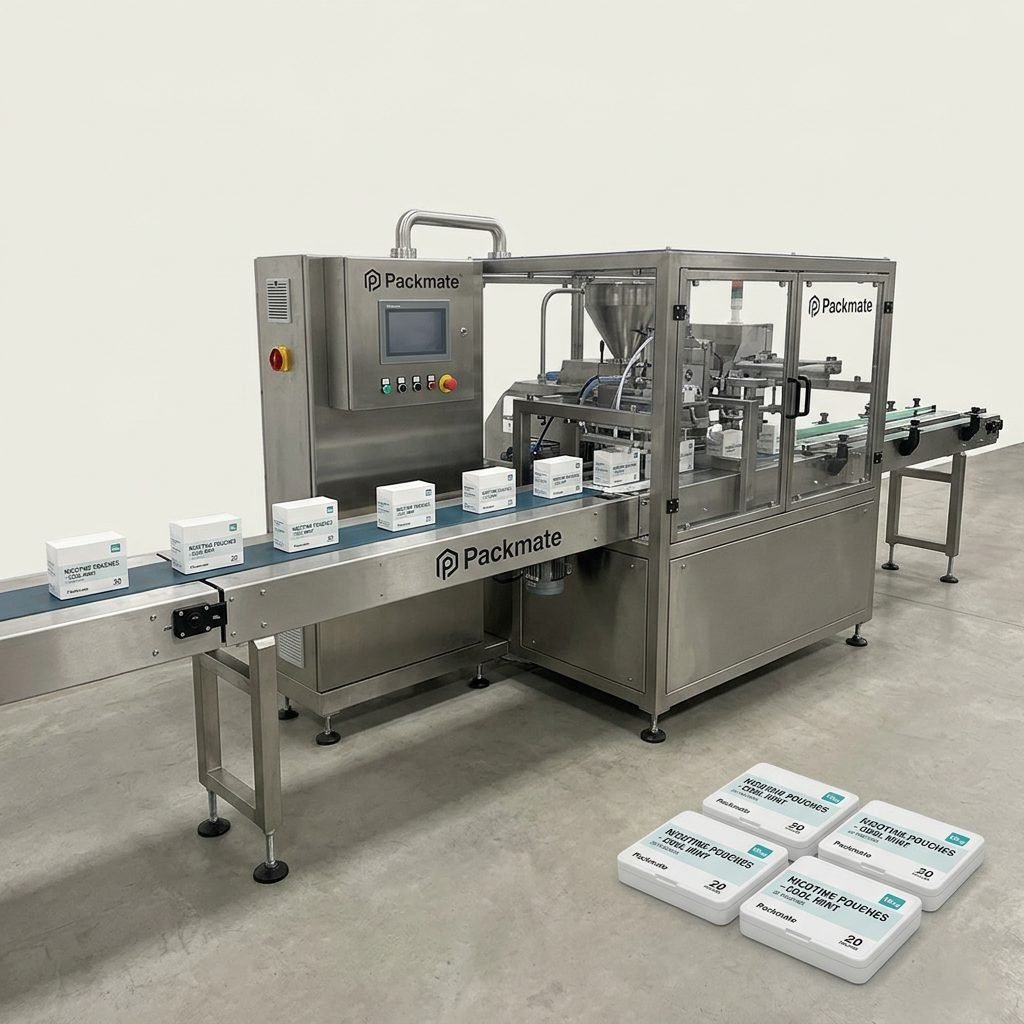
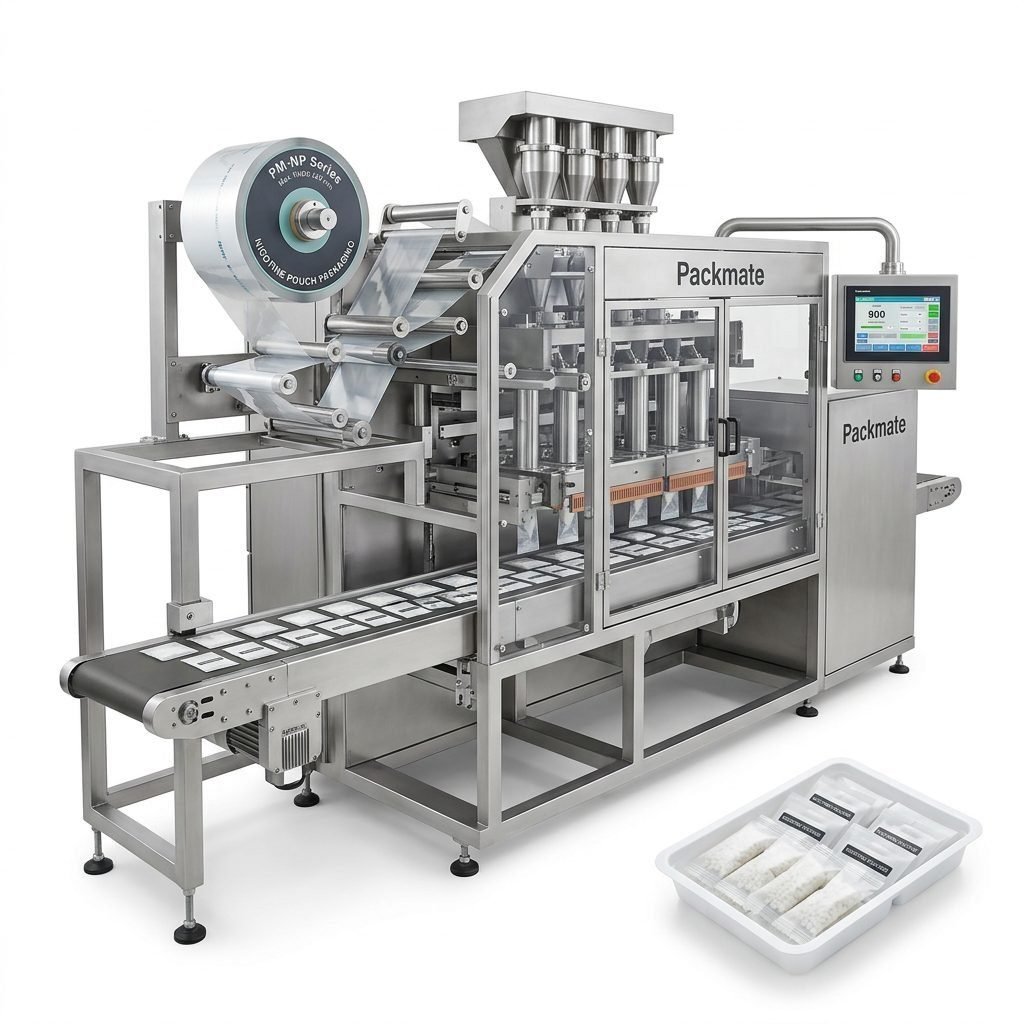
Consider a producer launching a 4-lane nicotine pouch product. A turnkey solution might include bulk mixing and conditioning, an indexing multi-head weigher, four synchronized pouch-forming lanes, in-line nitrogen flushing for extended shelf life, and a robotic cartoner feeding a case packer and palletizer. The integrated system ensures consistent fill, tight seals, and high throughput while meeting regulatory documentation needs.
🔍 For additional equipment options such as pouch, bag, and auxiliary equipment, see:
Bag & Pouch Packaging Machines and
Auxiliary Packaging Equipment.
Choosing a Reliable Supplier
Selecting a supplier is about engineering capability, manufacturing strength, and long-term service. Look for a partner with:
• Proven track record and verifiable references.
• In-house CNC machining and assembly capacity to ensure part consistency.
• Global compliance certifications and exhibition presence to validate professionalism. Visit the supplier’s profile at About Packmate to learn more.
Local Considerations and Market Habits
When implementing turnkey projects across different regions, cultural habits and consumption patterns matter. For example, in Nordic markets where traditional portion snus is common, packaging aesthetics and portion shape are key. In emerging markets with rapid nicotine pouch adoption, manufacturers often prioritize flexible lines that can adapt to several pouch formats and lower initial capital costs. Suppliers that understand regional preferences help clients configure lines for both current demand and anticipated shifts.
Sustainability and Packaging Choices
♻️ Sustainability is becoming a purchasing factor. Machines that support recyclable or mono-material films, reduced material waste during changeovers, and energy-efficient drives reduce lifecycle impact. Discuss material compatibility early to ensure sealing performance and shelf life are not compromised.
How to Get Started with a Turnkey Project
Start with a feasibility study and ROI model: define production targets, capital budget, and schedule. Request site surveys and proposal packs that include equipment datasheets, layout drawings, utility requirements, and a phased delivery timeline. A strong supplier will offer a turnkey contract that covers equipment supply, installation, commissioning, and training. For direct contact and tailored quotes, reach out via the supplier’s Contact Us page.
Final Remarks
In summary, a successful turnkey snus machine project blends careful planning, modular equipment selection, robust controls, and attentive after-sales service. The right partner provides both machine hardware and systems integration expertise to deliver a line that meets throughput goals, quality standards, and regulatory obligations.
Frequently Asked Questions
Q: How long does a typical turnkey project take from order to production?
A: Timelines vary by complexity but typically range from 16 to 36 weeks, including detailed engineering, manufacturing, FAT (Factory Acceptance Test), shipping, and on-site commissioning.
Q: Can one line handle multiple product formats?
A: Yes. Modern turnkey lines often include quick-change tooling and programmable recipes to switch between pouch sizes and formulations, minimizing downtime and maximizing flexibility.
Q: What certifications should I expect from a reputable supplier?
A: Look for CE, ISO, and documentation support for regulatory compliance. Suppliers should also provide validation documentation and parts traceability as required.
Q: How is after-sales support typically handled?
A: Reliable suppliers offer spare parts packages, remote diagnostics, scheduled service plans, and local service partners. Contracts can be tailored to include uptime guarantees or response SLAs.
Q: Where can I see examples of installed lines and past projects?
A: Many suppliers showcase their work in online case studies and exhibition reports. Visit the company’s case and exhibition pages to view real-world installations: Case and Our Exhibition.