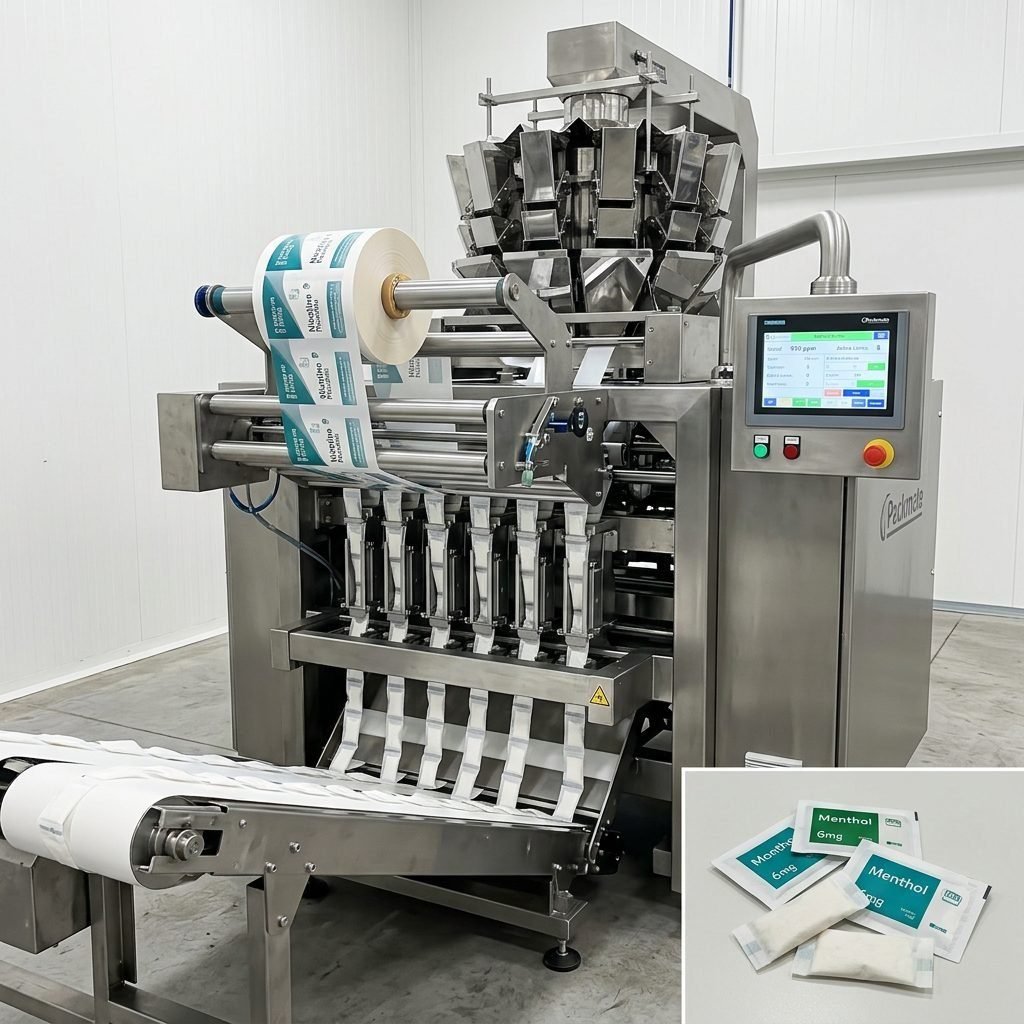
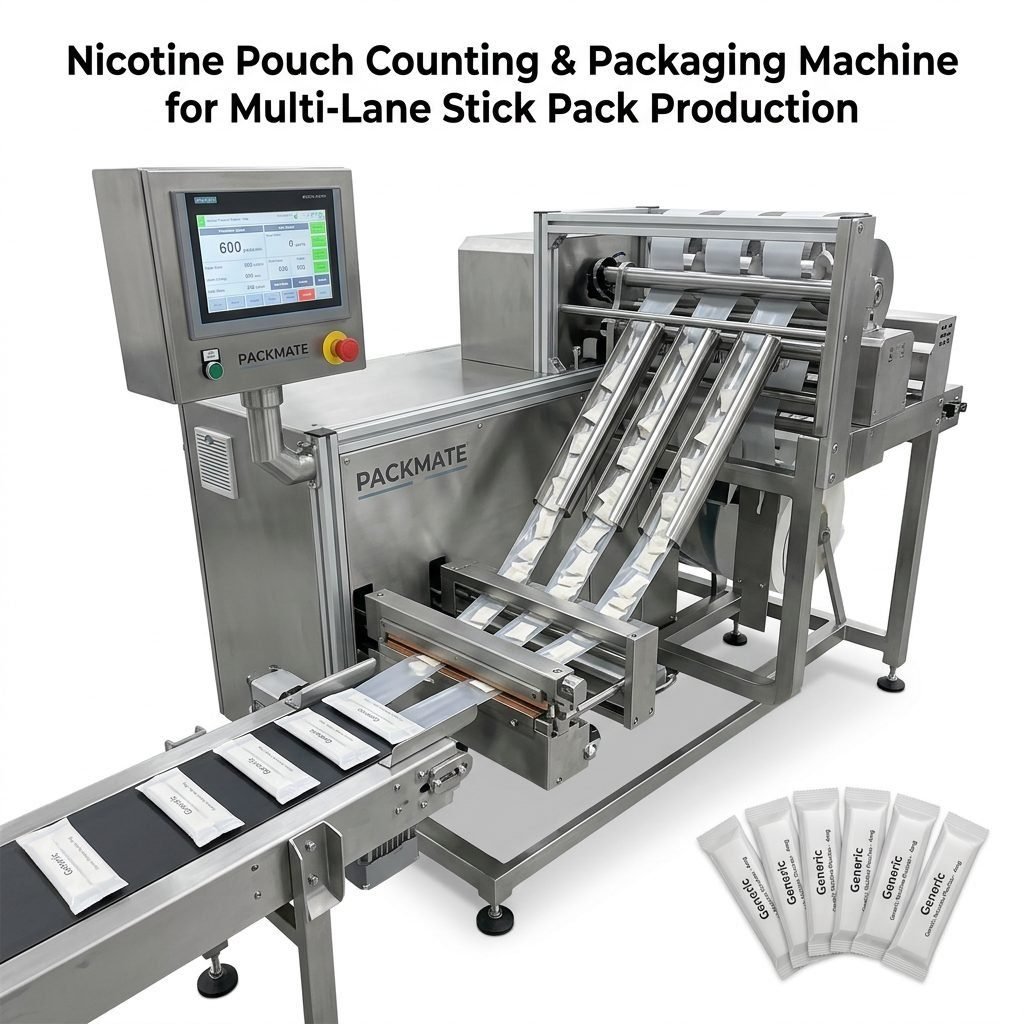
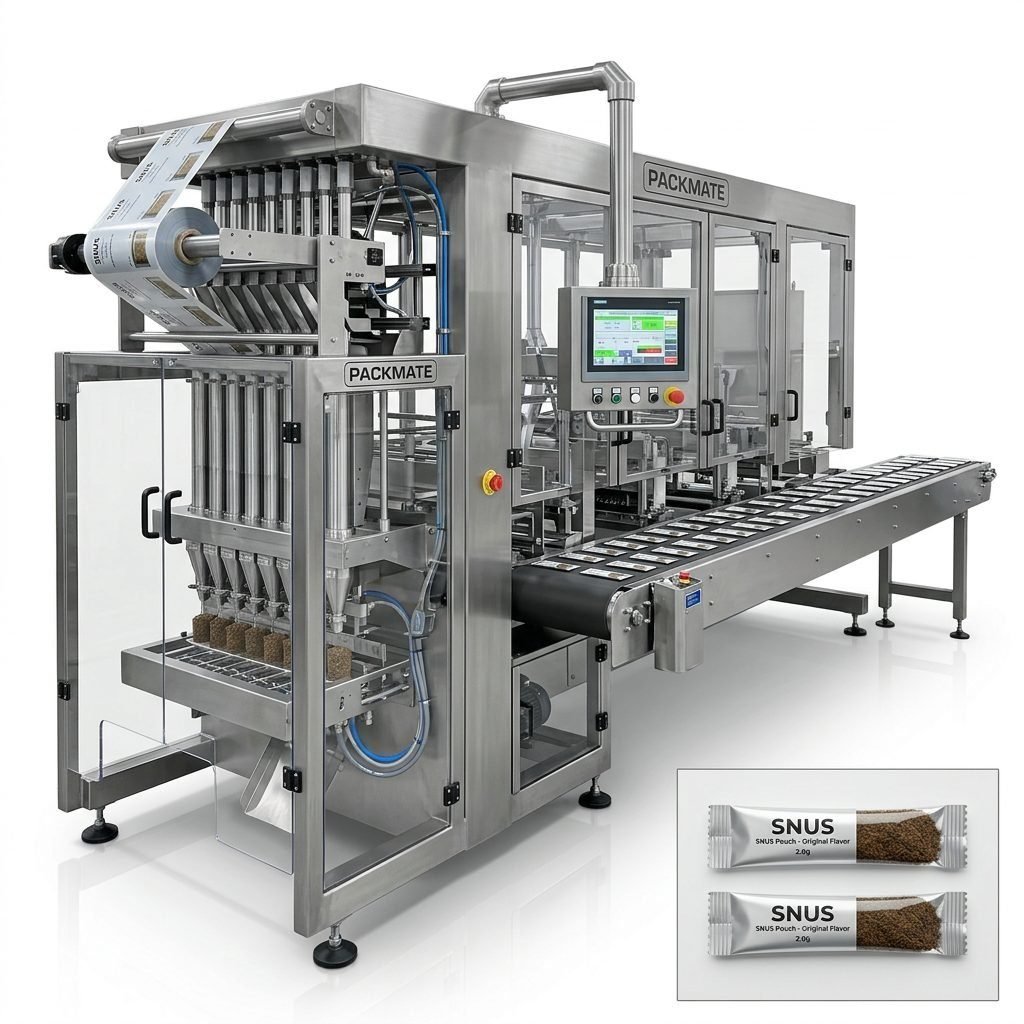
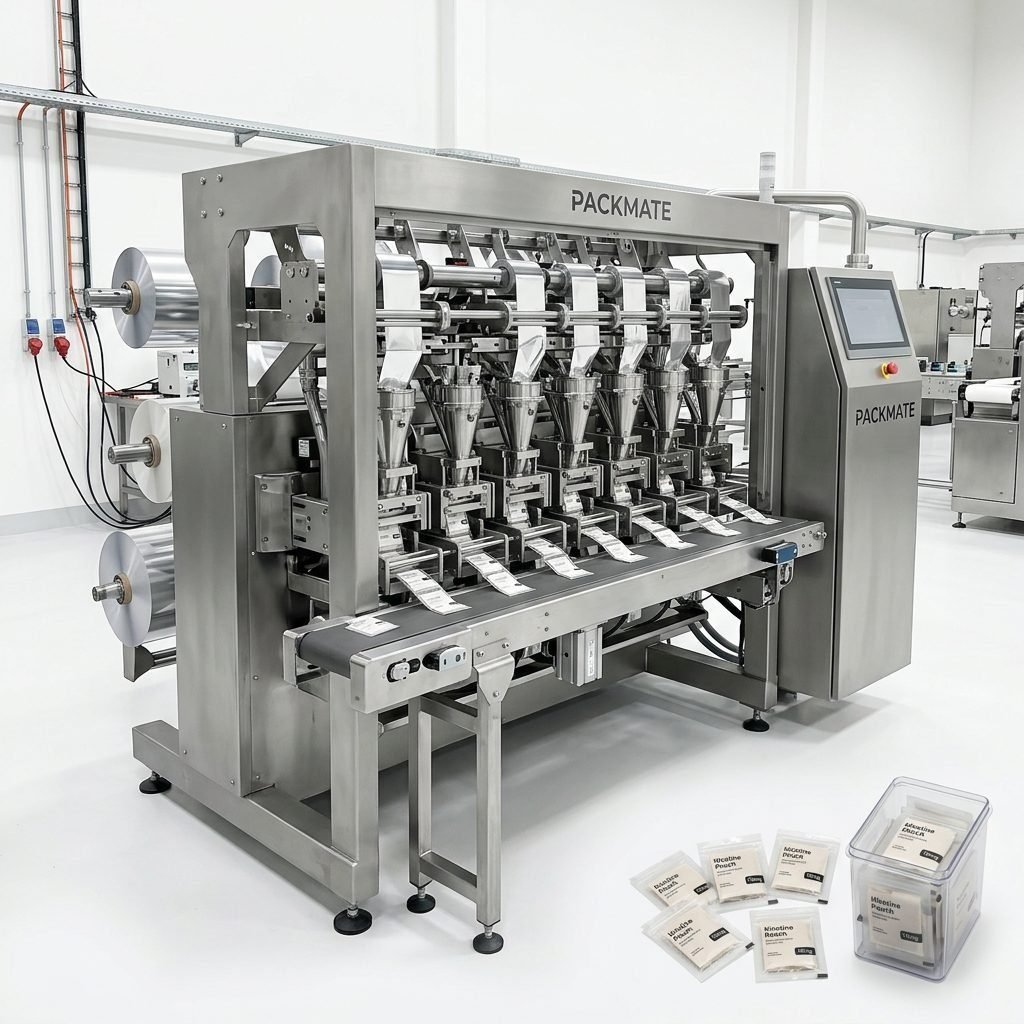
In competitive snus and nicotine pouch production environments, speed, consistency, and regulatory compliance matter as much as product quality. High speed snus packaging machines deliver a fully automatic solution that significantly raises throughput while maintaining gentle handling and precise dosing of portion snus. This article explores how modern automatic snus packaging systems transform production lines — from multi-lane dose forming and accurate filling to reliable sealing, secondary packaging and turnkey integration.
Why Choose High Speed Fully Automatic Snus Packaging
⚙️ Efficiency: Modern multi-lane snus packaging systems can operate dozens of lanes simultaneously to multiply output per square meter. This is ideal for manufacturers expanding capacity or launching multiple SKUs.
⏱️ Consistency: Precise metering and closed-loop control systems ensure each pouch or can receives the correct portion weight, resulting in consistent product performance and fewer customer complaints.
🔒 Compliance & Traceability: Integrated marking, serialization and data logging help maintain traceability and meet increasingly strict regulations in global markets.
Core Components of a High Speed Snus Packaging Line
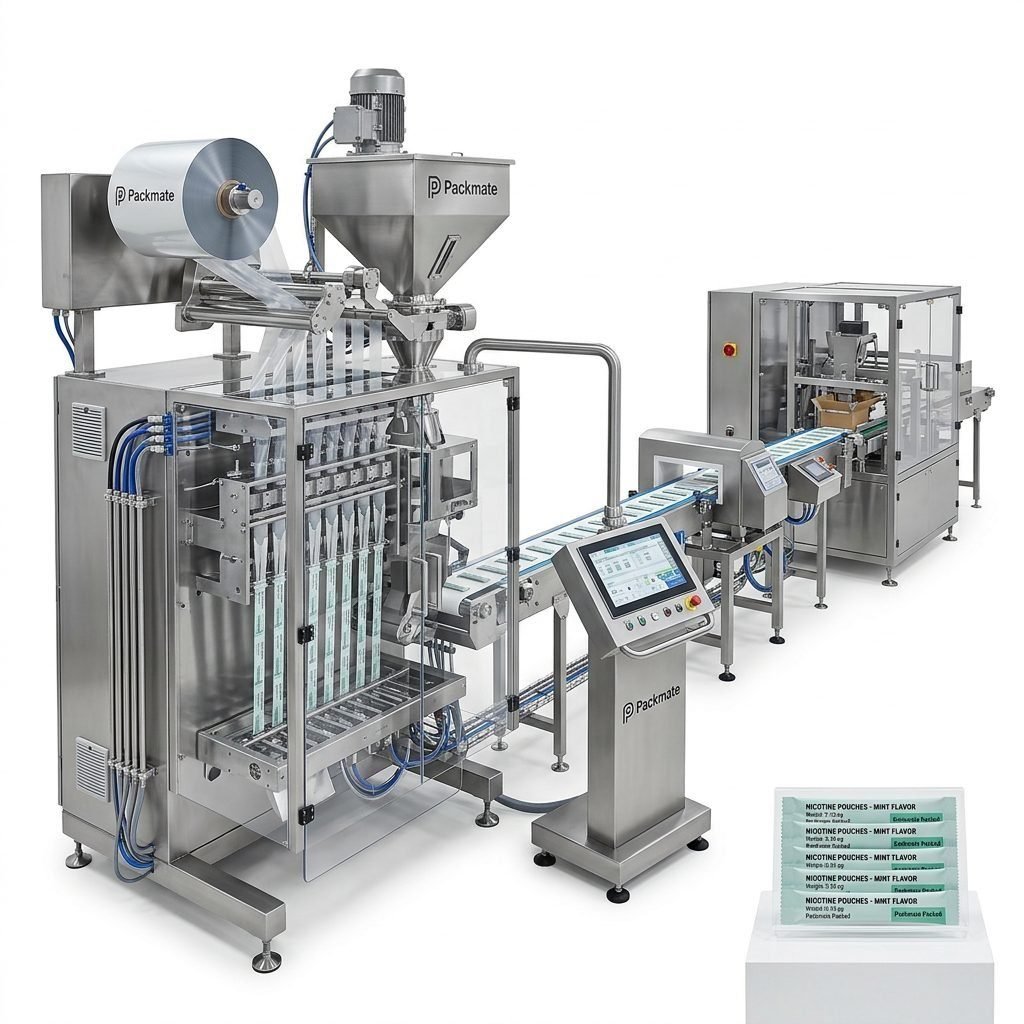
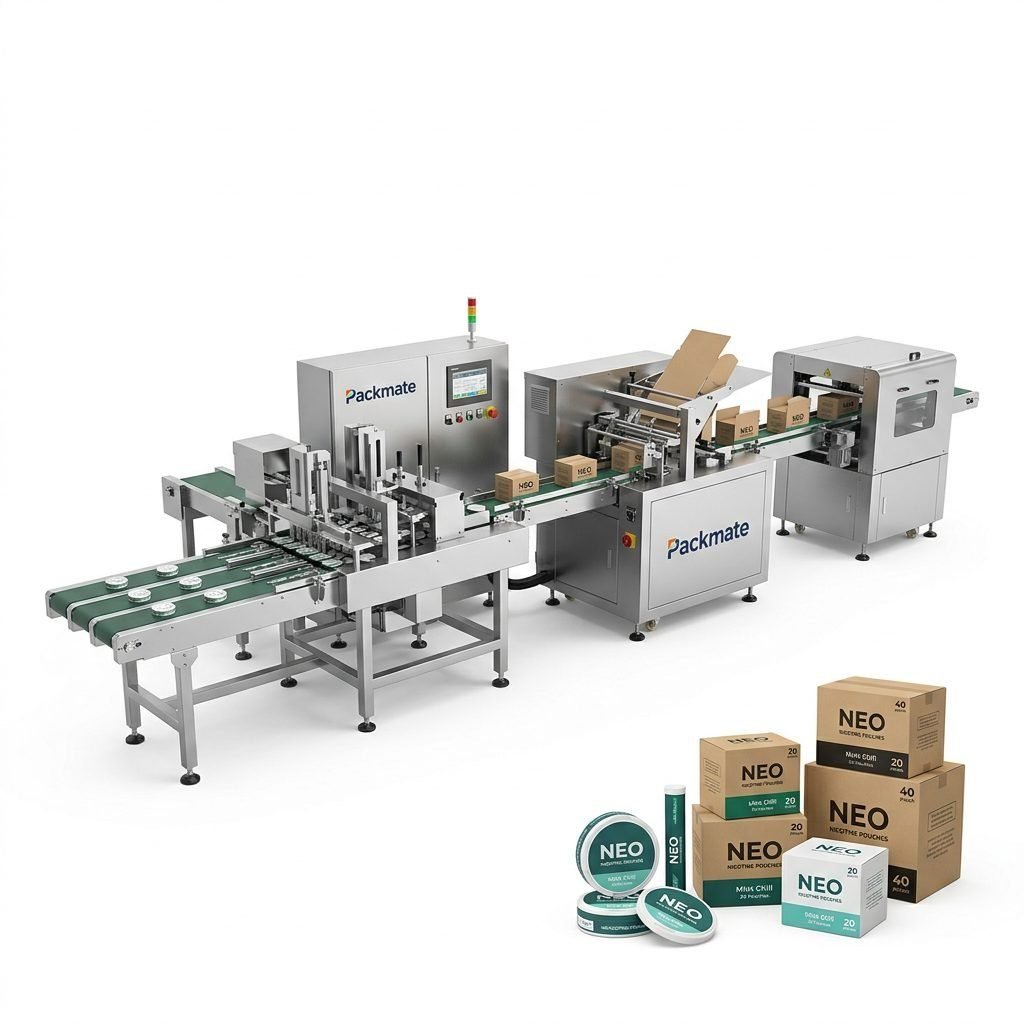
A complete automatic snus packaging line is more than a single machine. Typical systems include: powder/flavor dosing and mixing systems, multi-lane feeding and pouch forming units, high-precision weighing and filling modules, heat-sealing or ultrasonic sealing stations, and downstream packaging such as cartons and cases. Manufacturers often couple primary packaging machines with auxiliary equipment like conveyors, checkweighers and metal detectors for an uninterrupted, quality-driven workflow.
Technical Highlights That Drive Performance
Servo-controlled multi-lane systems: Precise synchronization between lanes minimizes product loss and supports high cycles per minute.
Advanced dosing technology: Gravimetric or volumetric dosing options ensure accurate nicotine pouch dosage and consistent feel for the consumer.
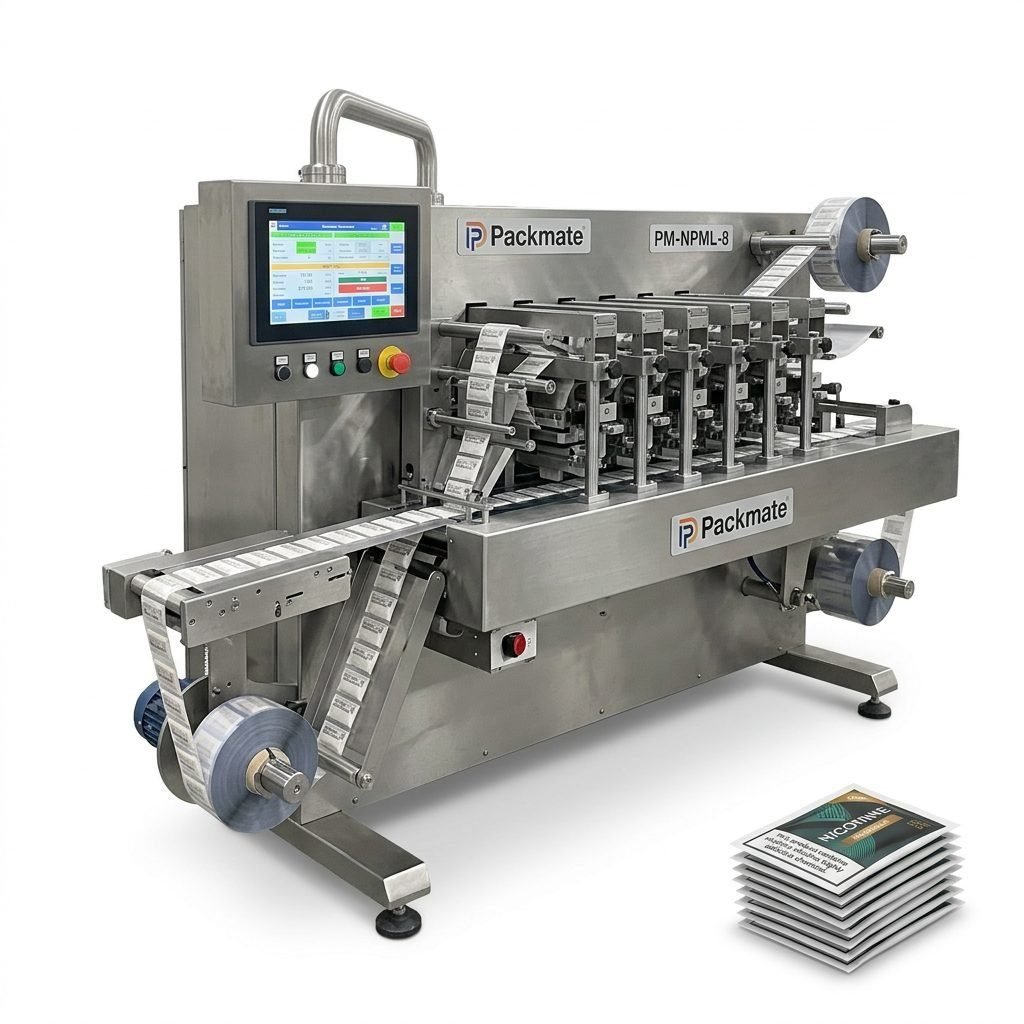
Flexible sealing methods: Thermal and ultrasonic sealing are available depending on pouch material and production speed requirements.
User-friendly HMI and recipe management: Quick SKU changes and recipe recall minimize downtime during format switches.
Benefits for Manufacturers
Investing in a high speed snus packaging machine brings clear operational and commercial advantages. Faster line speeds reduce labor costs per unit and lower the total cost of ownership through reduced manual handling. With robust designs and quality components, modern machines also deliver higher uptime and simpler maintenance, keeping lines productive and predictable.
Increased Throughput and Scalability
Multi-lane configurations enable manufacturers to scale production by adding lanes or modules rather than installing entirely new lines. This modularity supports incremental growth and can be more cost-effective for companies increasing output to meet seasonal demand or expanding into new markets.
Product Quality and Waste Reduction
Precision filling and gentle handling reduce spillage and deformation of pouches. Automated quality checks and in-line sensors quickly detect anomalies, enabling corrective actions before major waste occurs. The result is less product loss and improved margins.
Customization and Turnkey Solutions
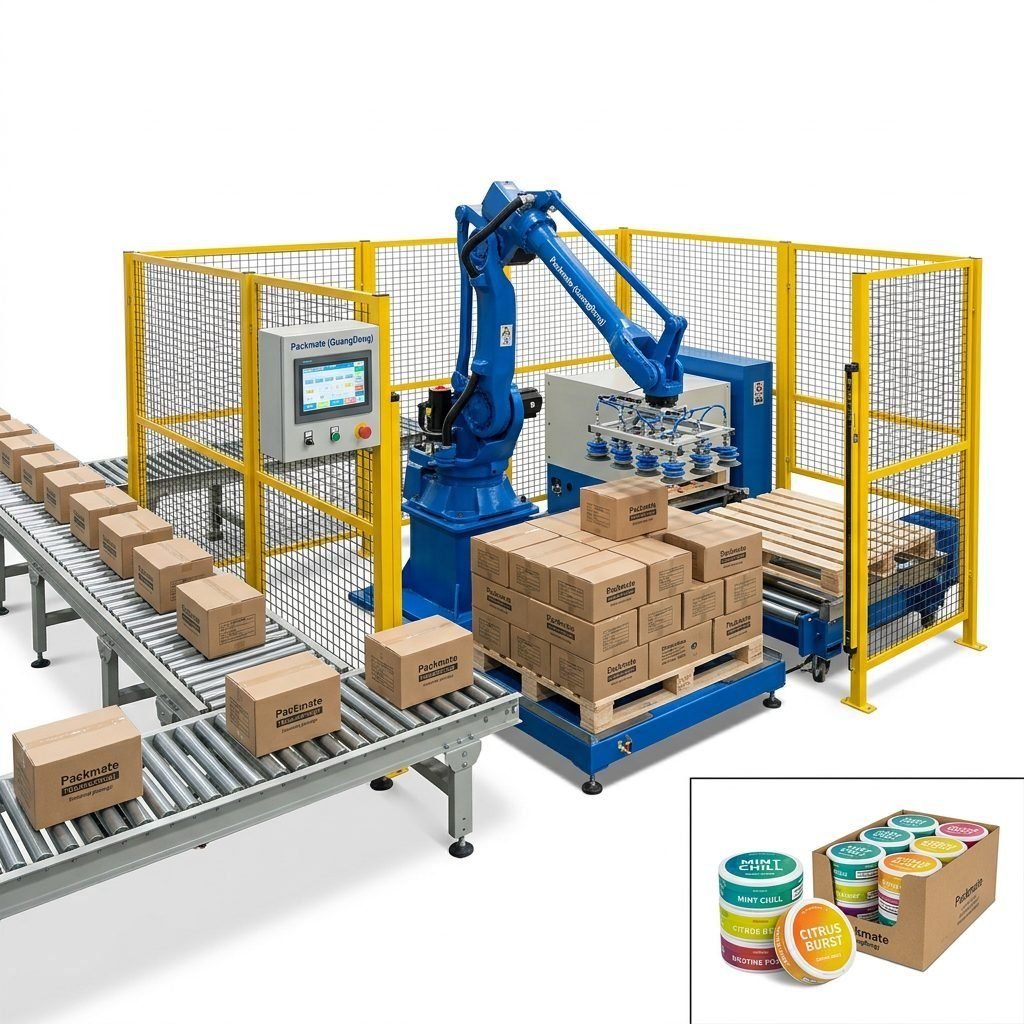
Leading suppliers provide tailored turnkey solutions — integrating primary filling with secondary packaging, palletizing and even warehouse interfacing. These complete solutions reduce project management complexity and shorten time-to-production. Packmate Snus Machine, with decades of experience and a 20,000㎡ manufacturing facility, offers customized lines for varied product types including nicotine pouches, tea, powder, granules, and liquids.
For detailed product families and machine series, explore comprehensive product categories such as Snus & Nicotine Packaging Machines and Sachet & Stick Pack Machines. These pages highlight modular platforms and the technical options available for different packaging formats.
Engineering, Manufacturing & Quality Assurance
With over 30 years of engineering heritage, factories equipped with CNC machining centers and precision assembly lines ensure every machine meets strict tolerances and performance expectations.
Certifications: CE and ISO compliance reassure buyers that machines are designed and manufactured to international safety and quality standards. View our credentials via the Certificate page.
Control Systems and Industry 4.0 Readiness
Smart packaging lines incorporate PLCs, servo drives and open communication protocols for integration into MES and enterprise systems. Real-time production dashboards, remote diagnostics and preventive maintenance alerts increase machine availability and reduce mean time to repair.
Practical Considerations When Selecting a System
When evaluating high speed snus packing machinery, consider:
📌 Throughput requirements: Define expected output per shift and future growth targets.
📌 Product range and flexibility: Ensure the line supports current SKUs, new recipes, and potential packaging changes.
📌 Maintenance strategy: Check spare parts availability, recommended service intervals, and local service support.
📌 Regulatory compliance: Verify materials contact surfaces, cleaning methods and documentation for target markets.
Case Studies and Global Deployment
Manufacturers worldwide rely on proven packaging platforms to serve markets across Europe, Asia and the Americas. Real-world implementations often show productivity gains of 30–60% compared with legacy semi-automatic systems. For customer stories and turnkey installations, visit the Case section which highlights diverse applications and machine configurations.
Support, Training and After-sales Service
Reliable after-sales support is critical. Reputable suppliers provide commissioning, operator training, preventive maintenance programs and spare parts logistics. Access to engineering documentation and online troubleshooting further reduces downtime and gives production managers confidence in long-term operations.
How to Plan Your Integration Project
Successful integration follows a clear project life cycle: requirements definition, factory acceptance testing, site preparation, installation and commissioning, and performance acceptance testing. Selecting a supplier who manages turnkey delivery shortens lead times and centralizes responsibility for line performance. Learn more about full solutions and company capabilities through the About Packmate and Filling & Packaging Lines pages.
Economic and Environmental Considerations
Modern machines are engineered to reduce energy consumption, minimize material waste and support recyclable packaging formats. Optimized material usage and closed-loop controls reduce both direct costs and environmental footprint. Investors should evaluate total cost of ownership (TCO) including energy, consumables, maintenance and residual value when comparing suppliers.
Final Thoughts
Upgrading to a high speed snus packaging machine is a strategic decision that impacts production capacity, product quality and regulatory compliance. Choose an experienced engineering partner with proven systems, global references and a comprehensive service network to maximize return on investment and ensure consistent shelf-ready products.
Contact and Next Steps
If you are planning a line upgrade or a new production facility, contact a specialist in snus packaging machines to discuss custom layouts, performance targets and on-site support. For machine inquiries and technical consultations, see the Contact Us page.
Frequently Asked Questions
Q1: What throughput can a high speed multi-lane snus machine achieve?
Throughputs vary by lane count, pouch format and dosing method. Multi-lane configurations commonly achieve several thousand pouches per minute in total. Specific capacities depend on chosen lane number, product characteristics and downstream packaging equipment.
Q2: How flexible are these machines for new SKUs or pouch formats?
Most modern systems are engineered for flexibility with quick-change tooling, recipe memory and modular subsystems that allow fast format changes and minimal downtime between SKUs.
Q3: What certifications should I expect from a reputable supplier?
Look for CE and ISO compliance as baseline certifications. Additional documentation for material traceability, electrical safety and hygiene standards is often provided depending on regional requirements.
Q4: Can these machines be supplied as turnkey lines?
Yes. Many manufacturers offer turnkey solutions that integrate primary filling, secondary packaging, case packing and palletizing with commissioning, training and after-sales support for a complete production solution.
Q5: How do I evaluate the total cost of ownership?
Evaluate acquisition cost, energy consumption, spare parts, maintenance labor, expected uptime and the flexibility to handle future product lines. A thorough factory acceptance test (FAT) and performance guarantees help reduce risk.