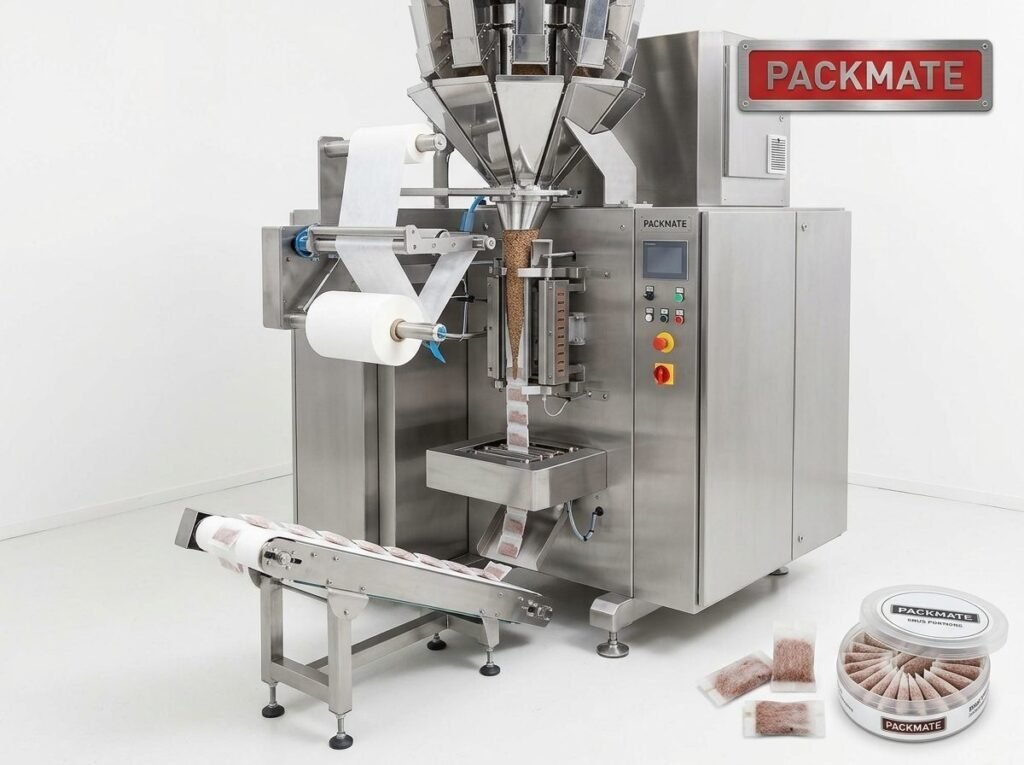
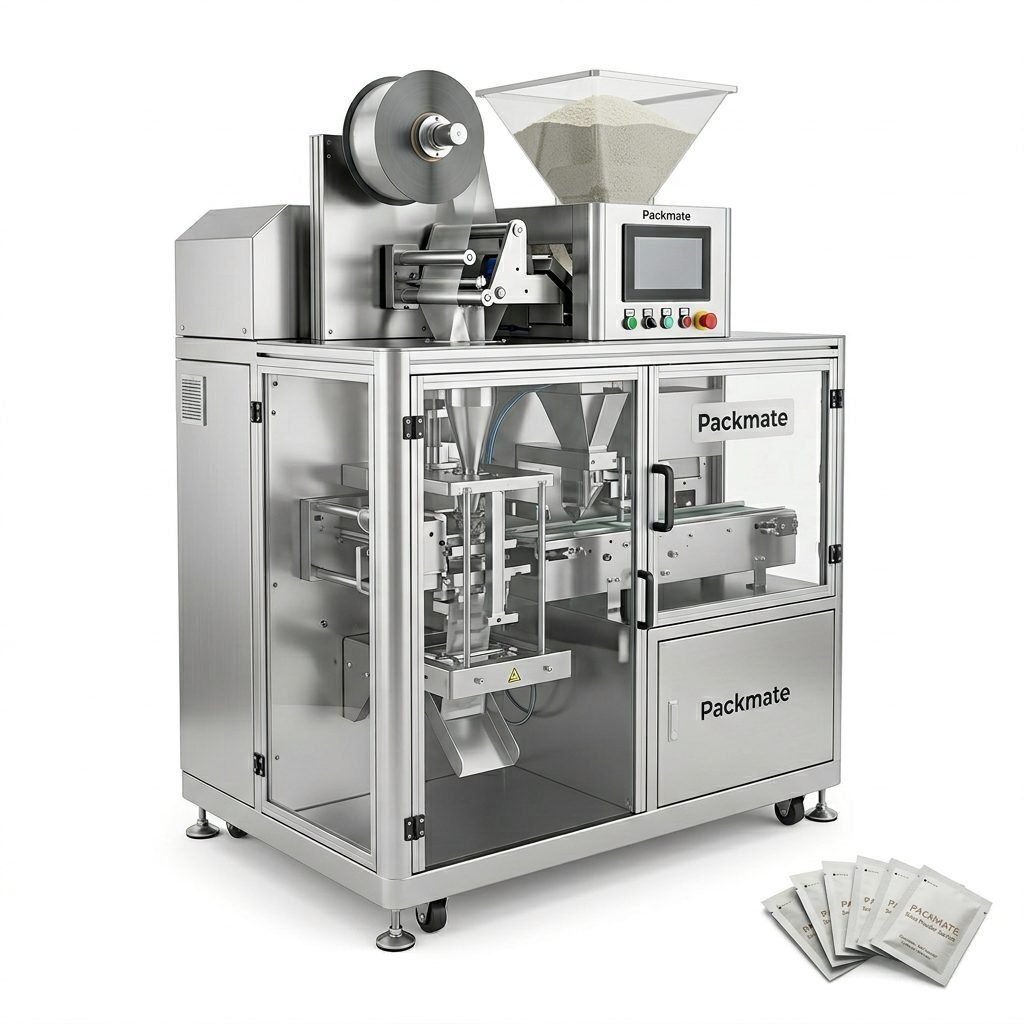
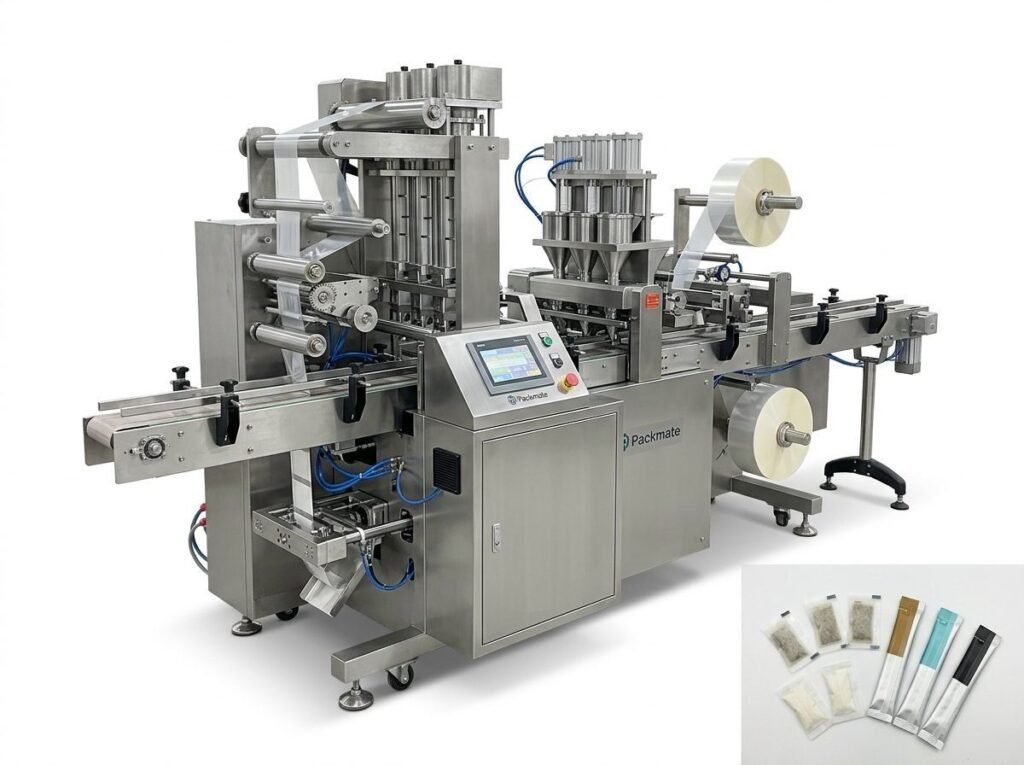
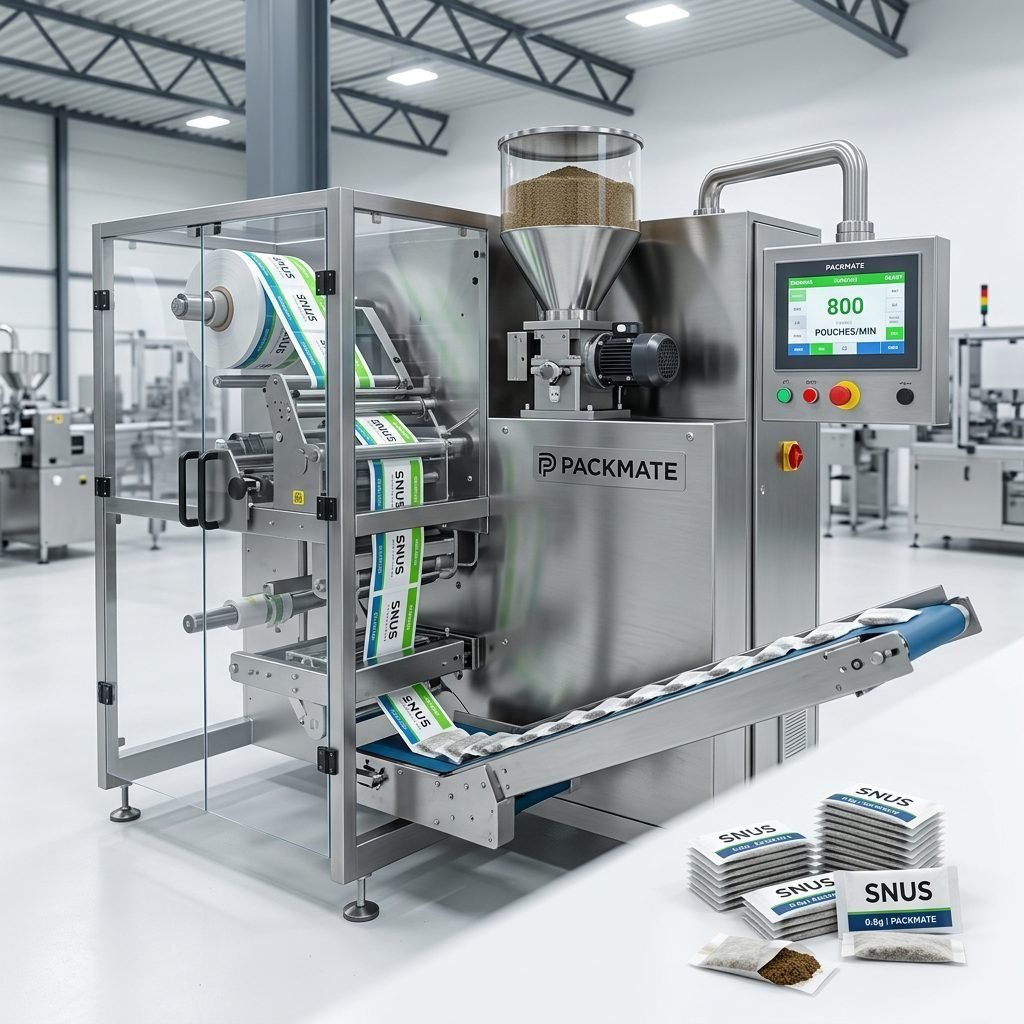
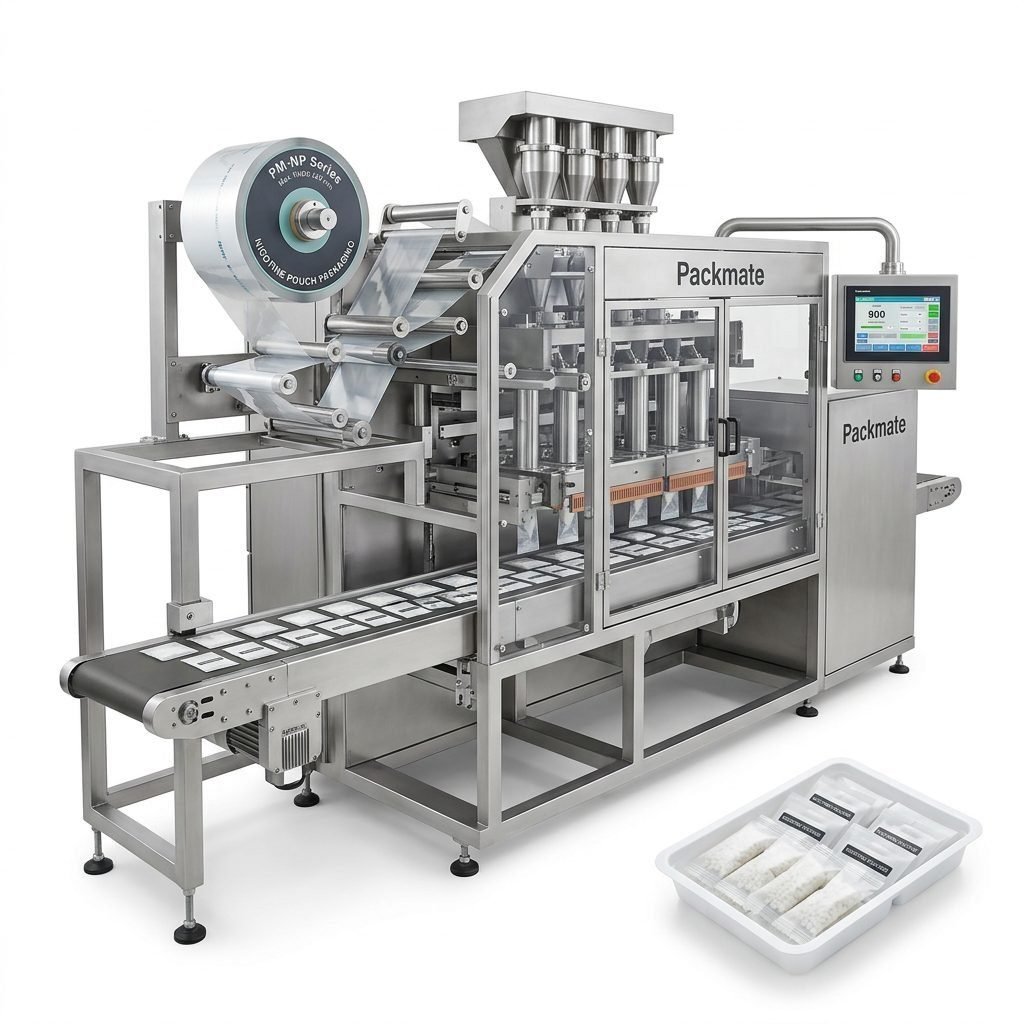
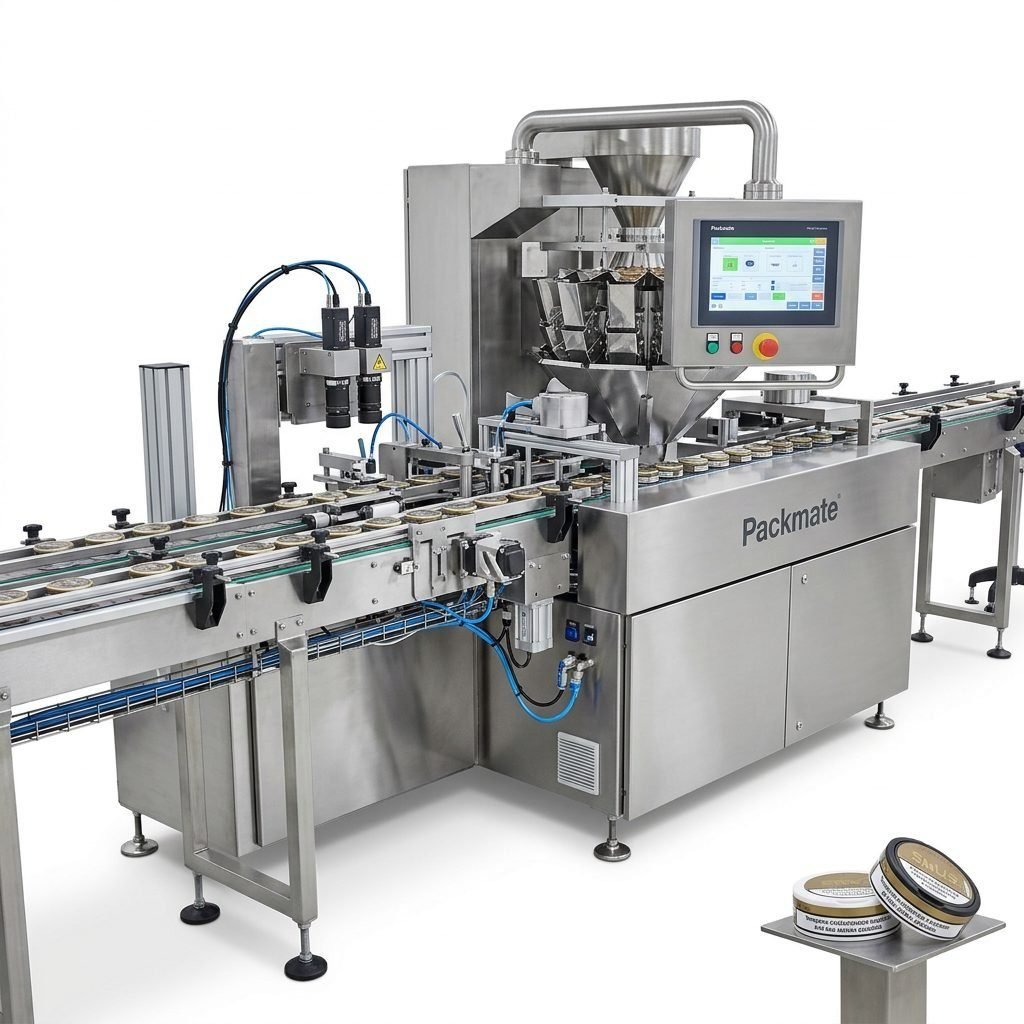
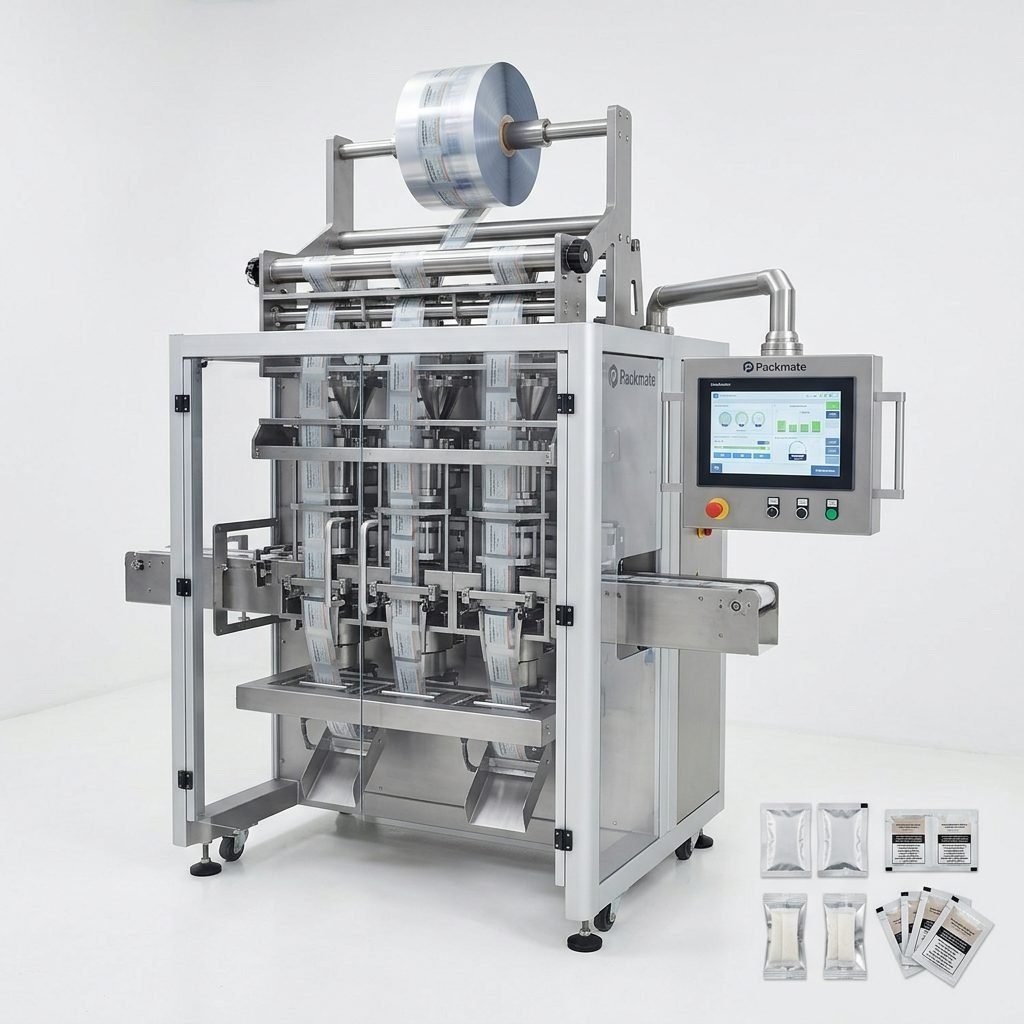
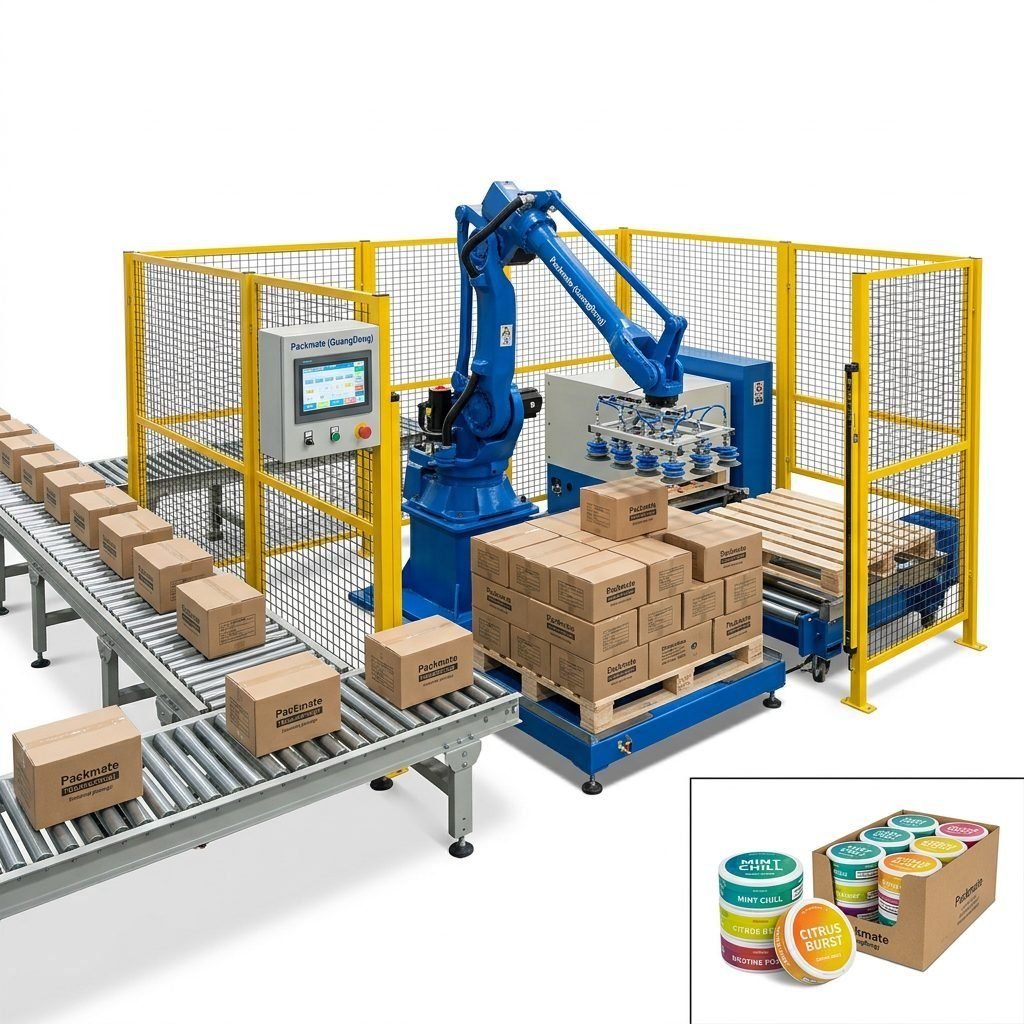
The automatic nicotine pouch sealing machine has emerged as a cornerstone technology for manufacturers seeking high-speed, high-precision packaging of nicotine pouches and snus. Combining automated dosing, advanced sealing, and multi-lane output capability, modern machines deliver consistent product appearance, extended shelf life, and efficient throughput to meet surging global demand.
Why Choose an Automatic Nicotine Pouch Sealing Machine
Modern sealing machines are engineered for speed and repeatability. For manufacturers, the benefits are clear:
🔶 High throughput — multi-lane and continuous-feed systems push output well beyond single-lane limits.
⚙️ Precision sealing — consistent temperature and pressure control reduce defect rates and protect product integrity.
✓ Consistency — automated dosing, reliable cut-and-seal accuracy, and integrated quality checks mean fewer rejects and predictable yields.
Core Features That Define Performance
A fully featured automatic nicotine pouch sealing machine typically integrates multiple subsystems into a single production line. Key subsystems include feeding and metering, pouch forming (or pouch infeed for pre-made pouches), filling/weighing, sealing, cutting, and finished-product conveyance. Machines from reliable manufacturers also incorporate PLC controls, HMI touchscreens, and servo-driven axes for fast, repeatable motion.
Typical technical highlights:
🔹 Multi-lane capability for scalably increasing production without multiplying manual labor.
🔹 Servo-controlled dosing and vacuum handling for delicate pouch positioning.
🔹 Hot bar or ultrasonic sealing options to suit polymer films and barrier requirements.
🔹 Inline vision inspection for seal integrity, fill level, and printed-code verification.
Product Integration: From Filling to Finished Pack
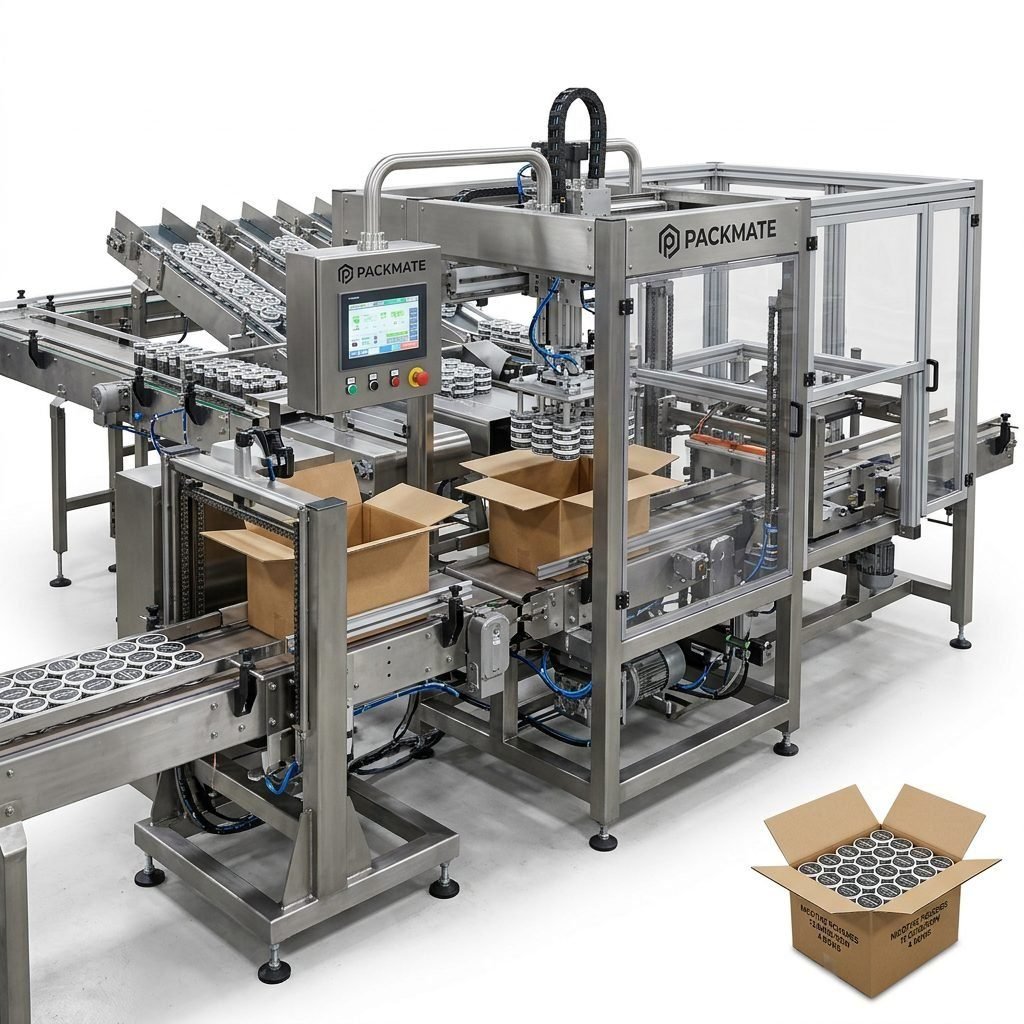
Seamless integration into a production line is vital. A compact sealing module works with upstream weighing and filling systems to ensure accurate dosing, while downstream conveyors and counting units prepare pouches for cartoning or secondary packaging. Integration reduces floor space, simplifies sanitary design, and shortens changeover times.
Compatibility with Other Packaging Equipment
Many manufacturers choose a single-vendor solution for ease of integration and support. If you are scaling or diversifying your product offering, consider modular lines that link to:
– Weighing & Packaging Systems for precise portion control.
– Auxiliary Packaging Equipment like accumulation conveyors and reject stations.
– Bag & Pouch Packaging Machines when transitioning to bulk pouch packs or presentation bags.
Materials and Seal Technologies
Choosing the right films and seal technology is critical. Common pouch films include multi-layer laminates with barrier layers to control moisture and oxygen ingress. Machines can be configured for hot-seal lamination, heat-seal crimping, or ultrasonic welding depending on material compatibility and production speed targets.
Material recommendations
🔸 Use high-barrier laminates for long shelf life and aroma retention.
🔸 Select heat-sealable layers matched to machine temperature profiles.
🔸 Consider recyclable or mono-material options if sustainability is a priority.
Quality Assurance and Certifications
Quality control is embedded in reliable production lines. Machines from established suppliers undergo rigorous testing, comply with industry standards such as CE and ISO, and often include traceability features like batch coding and vision verification. These assurances are essential for global market access and customer trust.
Operational Considerations: Uptime, Maintenance & Training
Operators look for machines that minimize downtime and simplify maintenance. Features to request include quick-change tooling, clear access panels, centralized lubrication points, and diagnostic software. Effective training programs and accessible spare-parts inventories also dramatically reduce production interruptions.
Best practices for smooth operation
⚙️ Scheduled preventive maintenance with clear checklists.
⚙️ On-site operator training and remote support options.
⚙️ Maintain a small critical-spare inventory for wear parts.
Customization and Turnkey Solutions
Leading suppliers provide tailored solutions: adapted lane counts, special dosing modules for ultra-small portion sizes, and in-line metal detection or nitrogen blanketing for oxygen-sensitive products. Turnkey projects may include installation, commissioning, and full production-line integration so manufacturers can begin commercial runs faster.
For a view of complete production lines and modular equipment choices, visit the manufacturer’s overview and product pages to match your capacity and material needs:
– Snus & Nicotine Packaging Machines — focused solutions for pouch and snus formats.
– About Packmate — learn about manufacturing history and engineering capabilities.
– Case Studies — real-world examples of line implementations and customer results.
Real-World Applications and Markets
Whether producing nicotine pouches, herbal snus, or related sachet products, sealing machines are deployed in diverse markets. Key applications include single-dose pouches, multi-dose sachets, promotional sample packs, and retail-ready pillow or sachet packs. As regulations evolve, manufacturers often adapt films, barrier properties, and labeling practices to meet local requirements.
Selecting the Right Supplier
Choosing a supplier means evaluating engineering capabilities, manufacturing footprint, and post-sale support. A supplier with decades of experience and a robust factory setup can provide not only machines, but also scalable solutions and spare parts supply. Consider the supplier’s track record for global projects and exhibition presence to validate their capabilities.
Key supplier evaluation points
🔹 Factory size and machining capabilities — evidence of precision manufacturing.
🔹 Certifications like CE and ISO for global compliance and safety.
🔹 Demonstrated global installations and exhibition presence.
🔹 Responsive service, spare parts availability, and training packages.
Cost of Ownership and ROI Considerations
Total cost of ownership includes capital expense, utilities, consumables, spare parts, and labor. High-speed multi-lane machines often justify higher initial cost through reduced per-unit labor and higher throughput. Be sure to model scenarios for different lane configurations and consider lifecycle support to accurately forecast ROI.
After-sales Support and Global Service
Reliable after-sales support ensures long-term performance. Look for suppliers who provide documentation, remote troubleshooting, spare-part kits, and local technician training. A strong global partner network reduces lead times for parts and offers localized service that keeps production lines running.
For support offerings and additional services, you can explore service pages and catalogs that detail spare parts, maintenance contracts, and upgrade options:
– Service — after-sales and maintenance programs.
– Catalog — detailed machine specifications and options.
Conclusion
Investing in an automatic nicotine pouch sealing machine is a strategic decision for companies aiming to scale production, improve consistency, and meet regulatory expectations. Prioritize suppliers with proven engineering experience, customizable line options, and strong service capabilities to achieve predictable quality and long-term efficiency gains.
Frequently Asked Questions
Q1: What throughput can I expect from a multi-lane nicotine pouch sealing machine?
A1: Throughput varies by lane count and dosing speed. Typical multi-lane configurations can produce several thousand pouches per hour per lane; overall capacity scales with the number of lanes and feed rates. Discuss target speeds with your supplier to right-size the line for your production goals.
Q2: Which sealing method is best for extended shelf life?
A2: High-barrier laminates combined with reliable heat-seal processes (or ultrasonic welding where compatible) tend to provide the best oxygen and moisture protection. Consider nitrogen flushing and barrier film selection as part of the overall strategy.
Q3: How easy is it to change product format on a modern sealing machine?
A3: Changeover time depends on machine design and tooling. Look for quick-change modules, recipe-driven PLC programs, and accessible change parts to minimize downtime. Vendors often provide retrofit kits to speed transitions between formats.
Q4: What level of support should I expect after purchase?
A4: Expect commissioning, operator training, documentation, and remote support. Reputable suppliers also offer spare-part lists, maintenance contracts, and upgrade paths to keep the line productive for many years.
Q5: Where can I see real-world examples of installed lines and references?
A5: Review case studies and customer references on the supplier’s site to assess real-world performance and integration examples. Visit exhibition pages or schedule a live demo to evaluate machine capabilities firsthand: Our Exhibition.