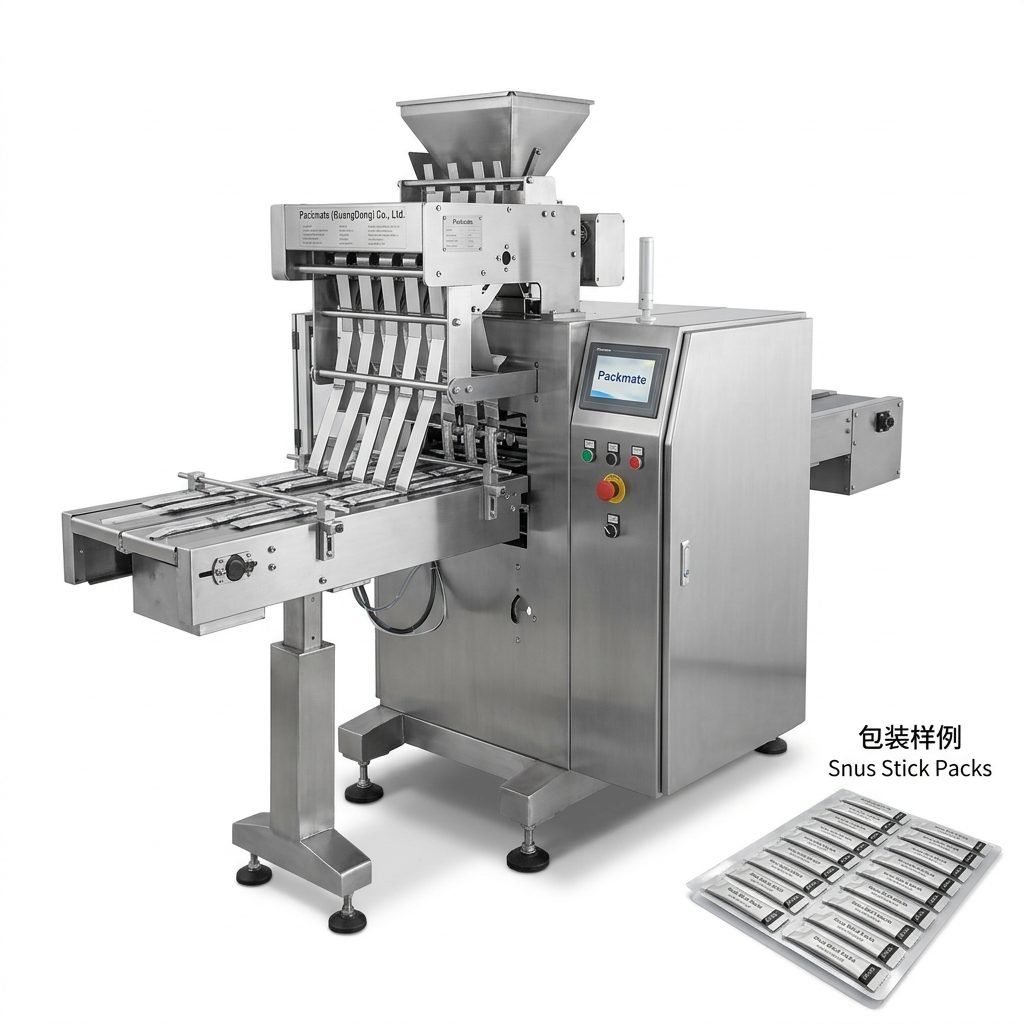
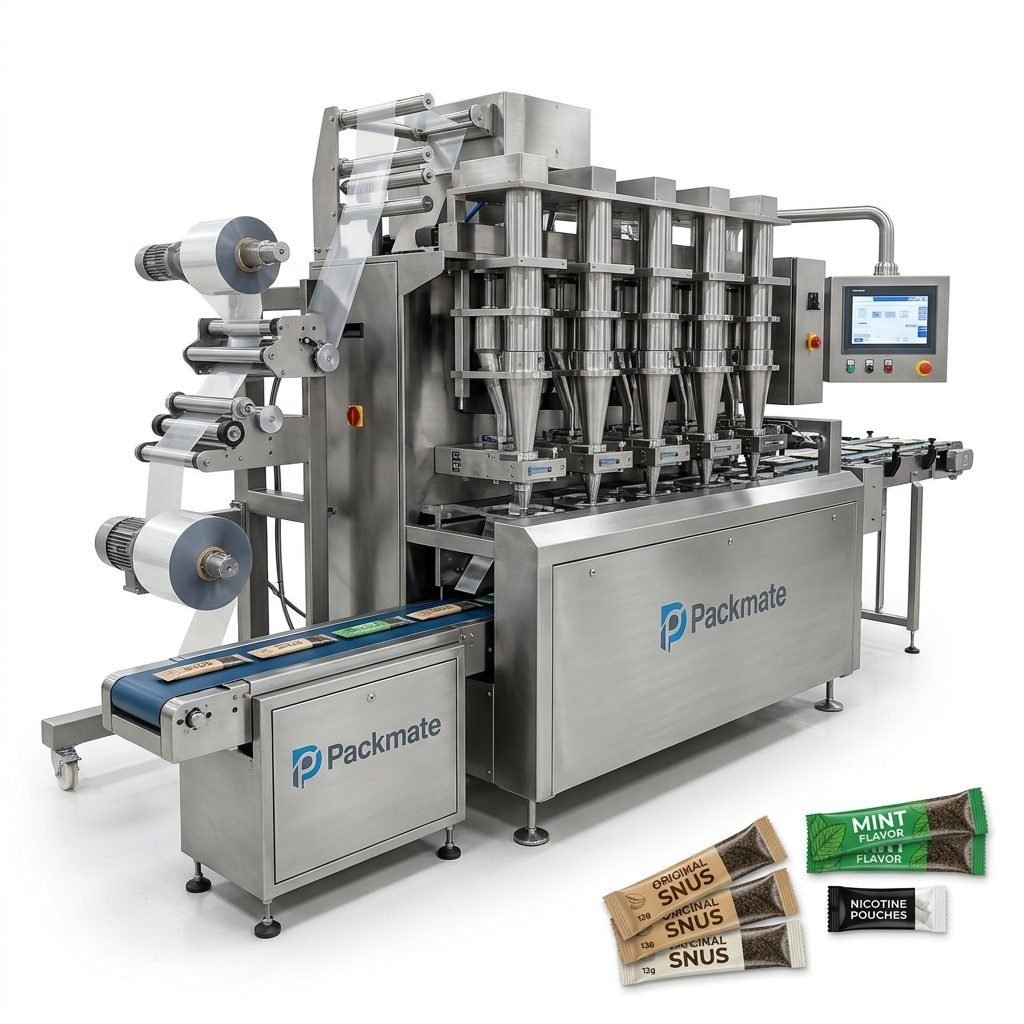
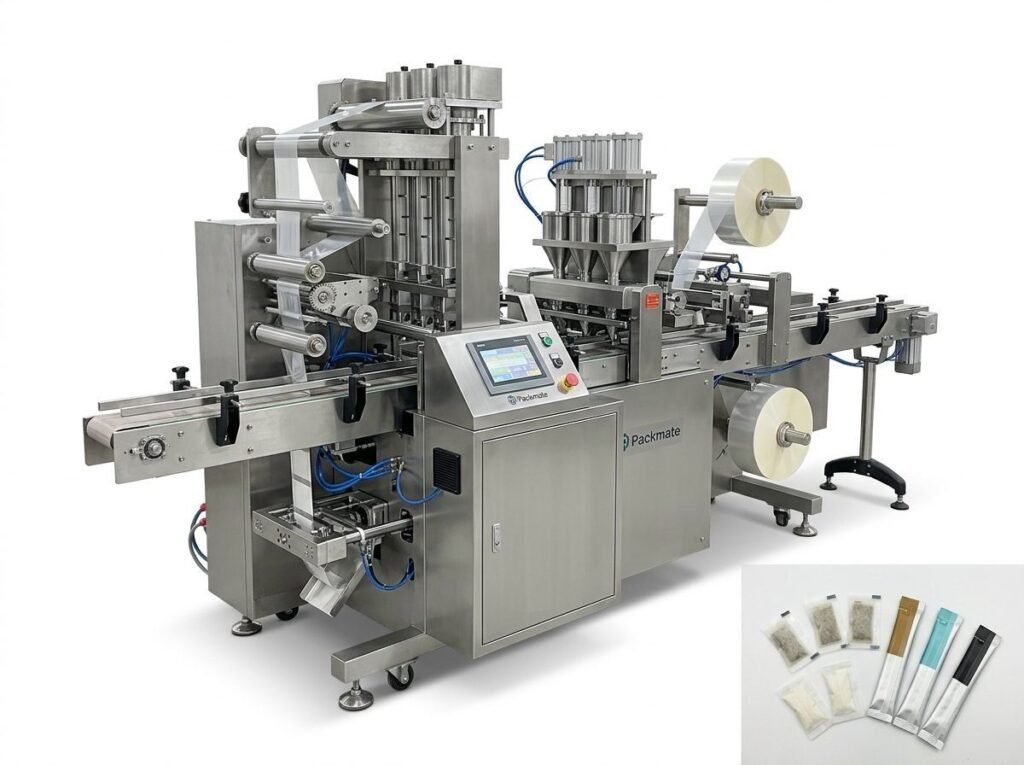
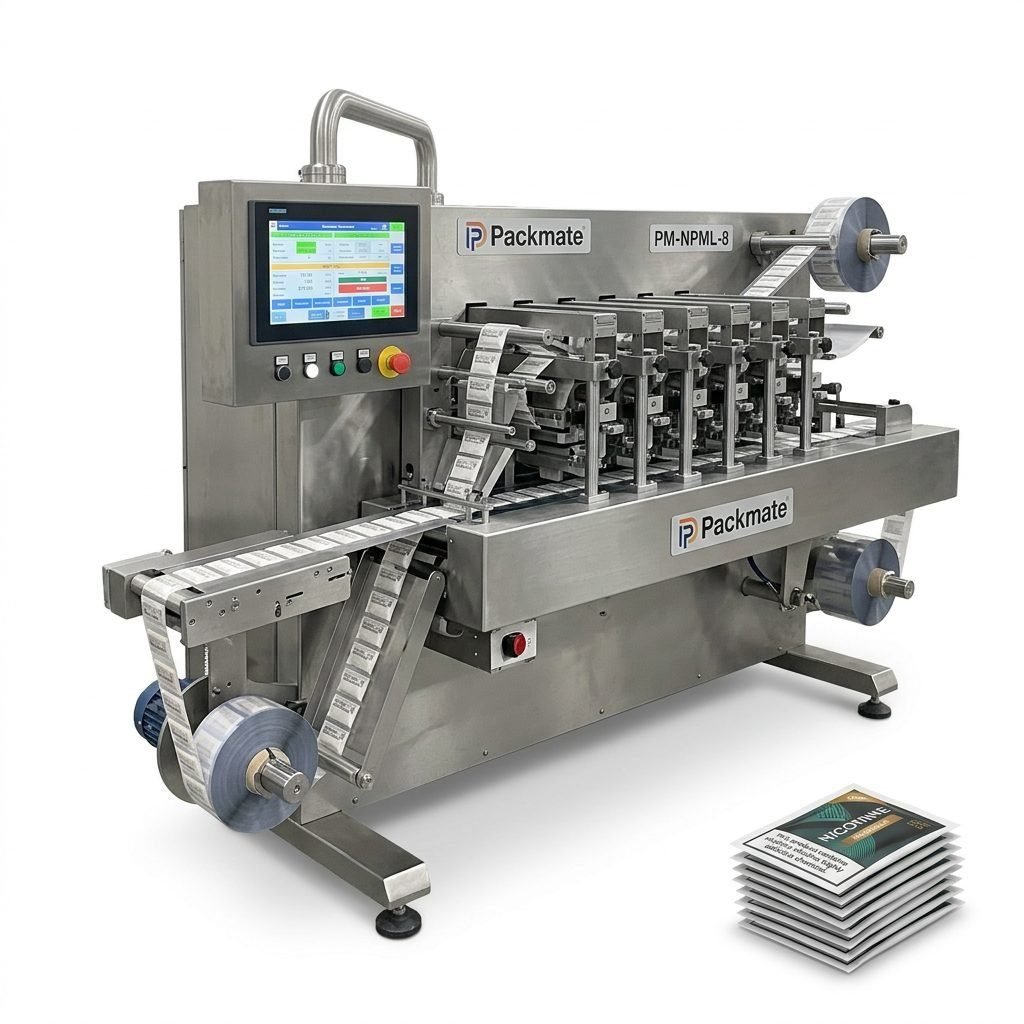
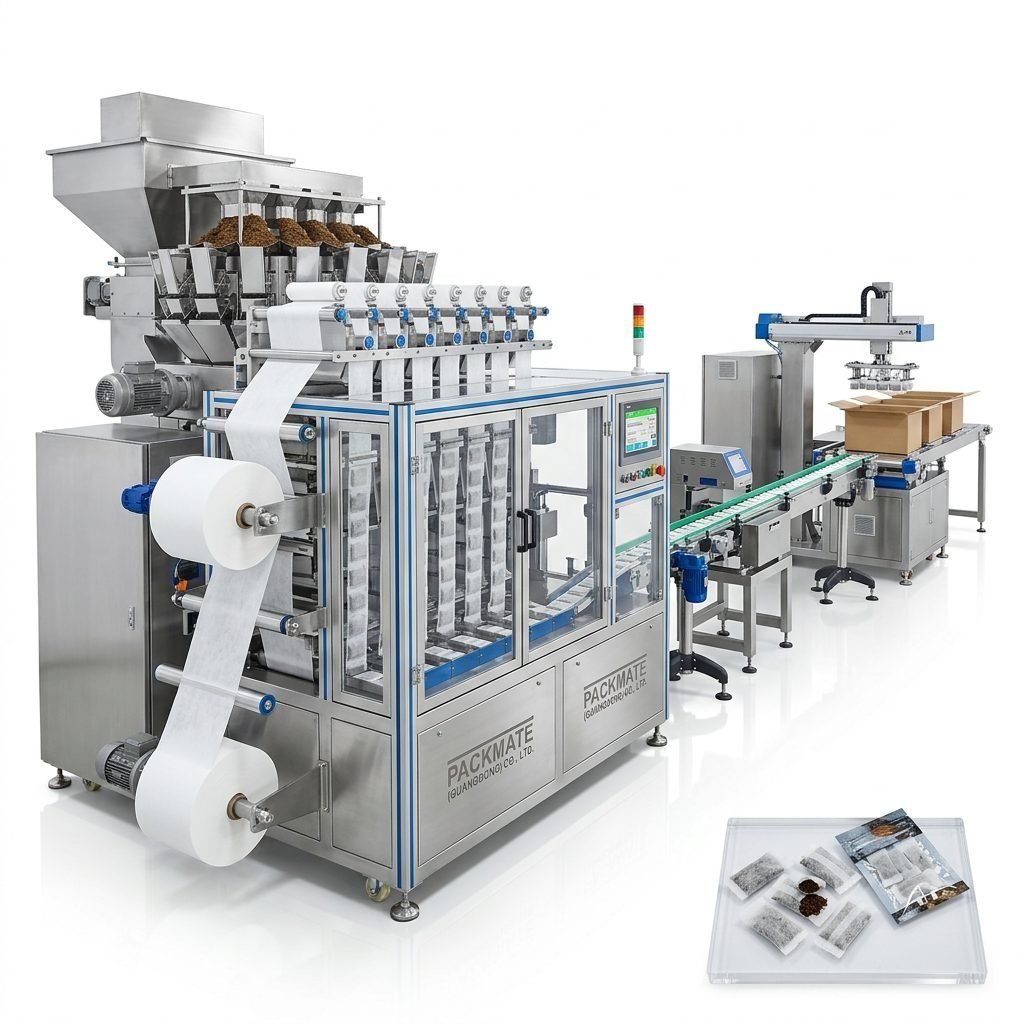
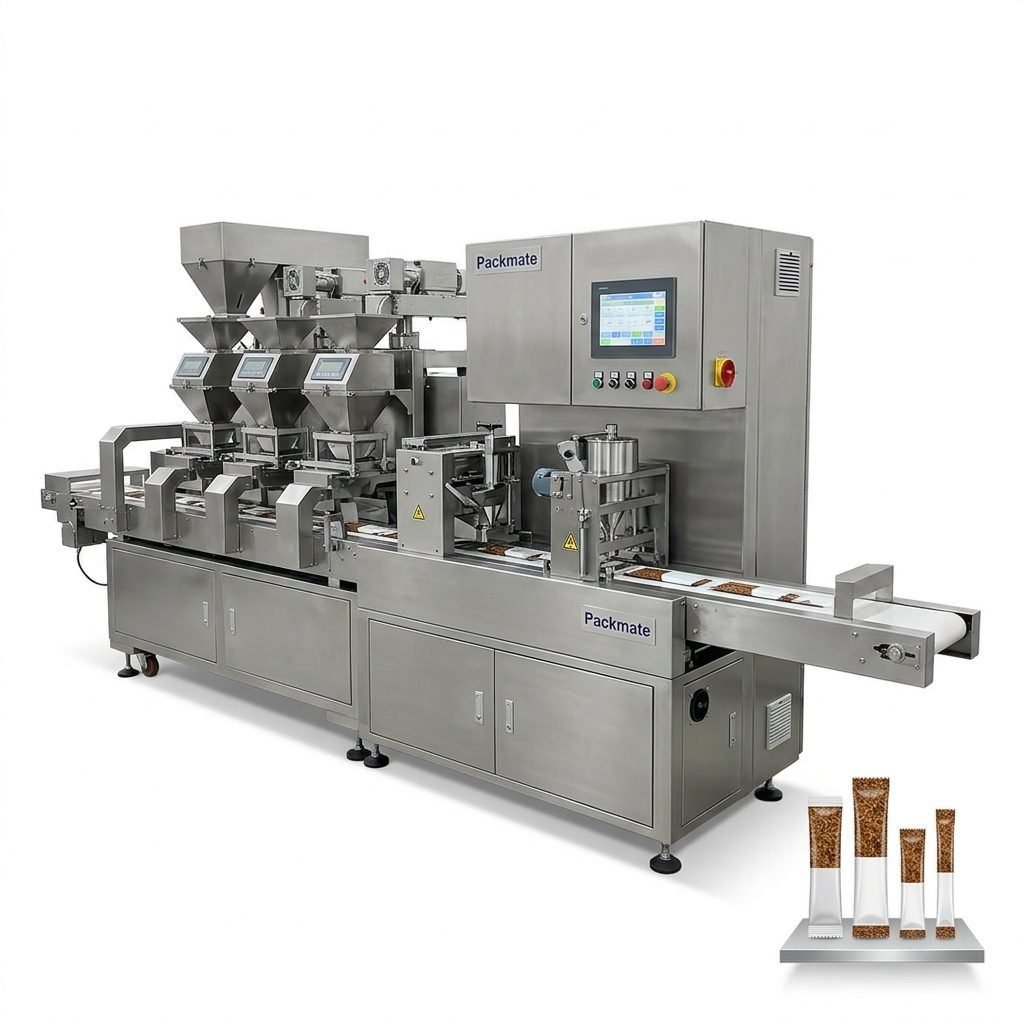
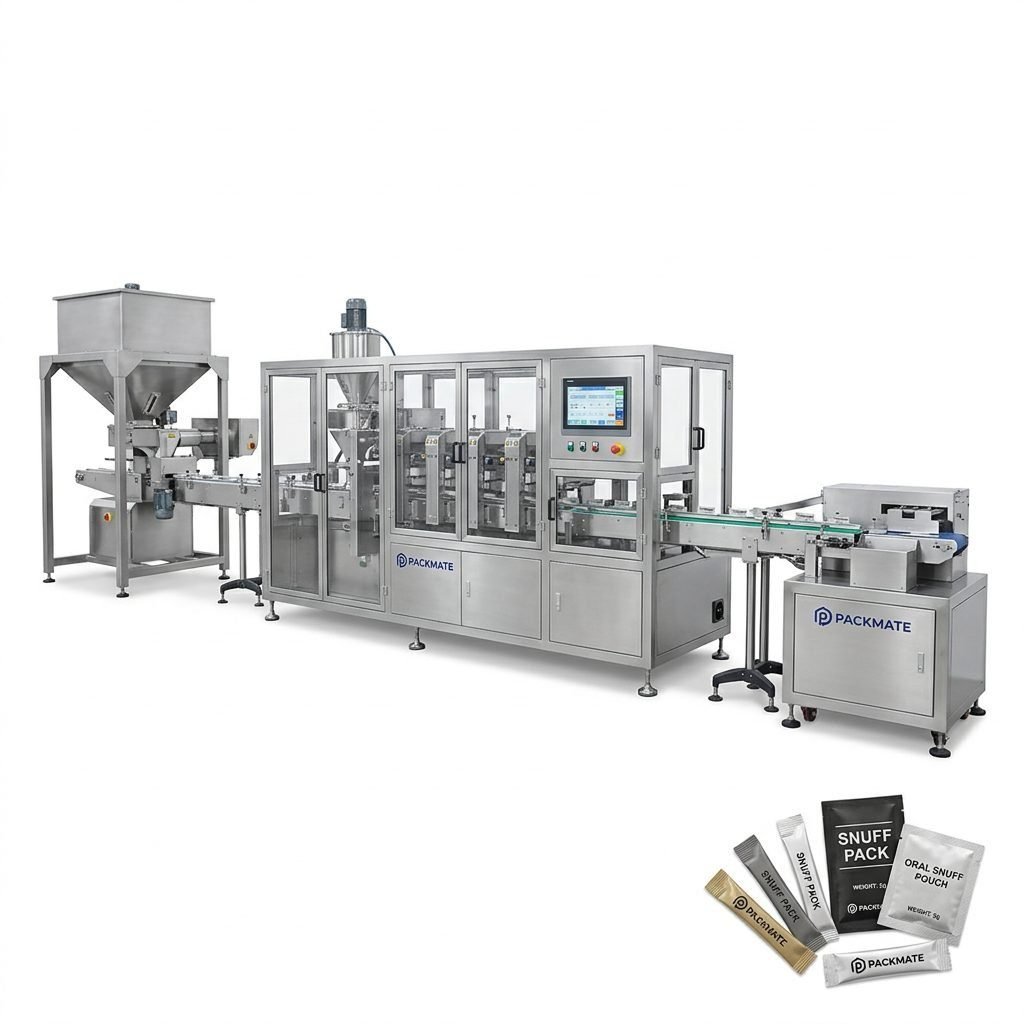
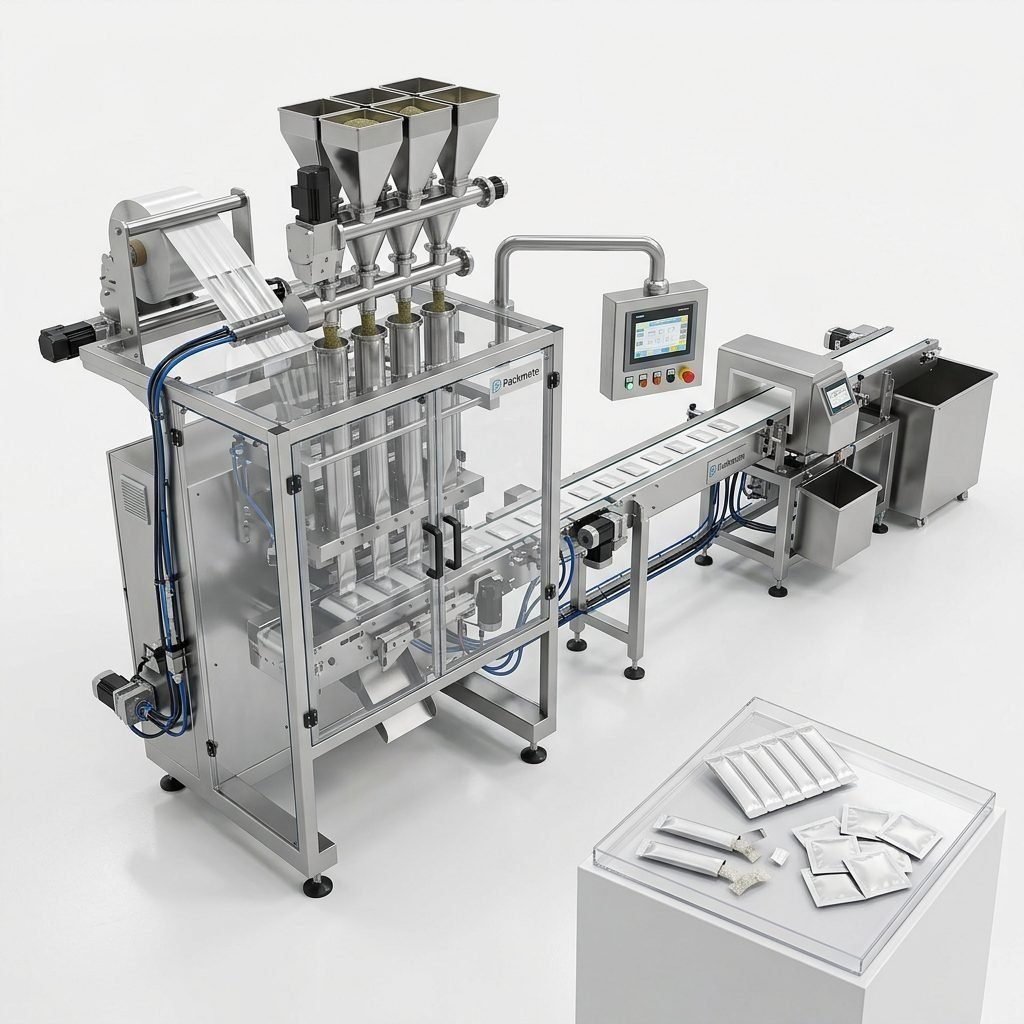
As the demand for high-performance snus and nicotine pouch packaging grows globally, manufacturers seek solutions that combine precision engineering, automated efficiency, and flexible production layouts. Packmate Snus Machine, with over three decades of mechanical expertise and a 20,000㎡ manufacturing base, delivers turnkey snus production line solutions tailored to modern market needs. This article outlines innovative equipment choices, automation strategies, and practical considerations when planning a full snus packaging line.
Why Choose Advanced Snus Production Lines
Modern snus production demands repeatable accuracy for small-dose pouches, consistent sealing quality, and throughput scaling without compromising product integrity. An advanced production line delivers:
⚙️ Higher yield and less waste through precise dosing and multi-lane systems.
✅ Improved operator safety and reduced manual handling with automation.
🔧 Modular upgrades and maintenance simplicity via standardized machine modules.
Core Components of a Turnkey Snus Line
A fully integrated snus manufacturing line typically combines upstream material preparation, precise filling and dosing, multi-lane forming/filling/sealing, secondary packaging and inspection, and downstream cartoning or bagging systems.
📦 Important modules to consider:
• Feed and weighing systems for powders and granules (Weighing & Packaging Systems)
• Multi-lane snus pouch forming and sealing stations (Snus & Nicotine Packaging Machines)
• Sachet and stick pack modules for alternate SKUs (Sachet & Stick Pack Machines)
Designing for Automation and Efficiency
Automation is not only about adding robots — it’s about creating a synchronized production flow where each station exchanges materials and data predictably. Key design principles include:
⚡ Modular layout allows producers to add lanes or replace modules without full line rework.
🧭 Centralized PLC and HMI control for visual monitoring and quick changeovers.
🔁 Smart changeover kits to reduce downtime between product variants.
Multi-Lane Systems for Small-Dose Pouches
Multi-lane snus machines accelerate output while maintaining portion consistency. Packmate’s multi-lane systems balance mechanical precision with servo-driven control to ensure each lane maintains synchronized dosing, sealing temperature, and pouch formation speed.
Benefits of multi-lane configurations:
• Throughput multiplication without linear footprint growth.
• Uniform quality control per lane for regulatory compliance.
• Easier predictive maintenance with lane-specific diagnostics.
Material Handling and Accurate Dosing
Accurate dosing is the backbone of consistent sachet and pouch products. Automated feeding systems, loss-in-weight feeders, and vibratory dosing combined with in-line checkweighers ensure each nicotine pouch meets target weight tolerances.
For hygroscopic tobacco or powder blends used in snus, controlled environment feeding and gentle conveying systems protect product integrity and flowability. Consider integrating desiccant or humidity control where appropriate.
Filling & Packaging Line Integration
Seamless integration across filling, sealing, and secondary packaging reduces manual handling. A well-designed line uses synchronized servo motors, recipe-based HMI setups, and common communication protocols for traceability.
Explore compatible filling & packaging modules for liquids or pastes when offering hybrid product lines: Filling & Packaging Lines.
Quality Control and Compliance
Regulatory compliance and consistent product presentation require in-line inspection systems. Typical QC elements include metal detection, vision inspection for seal integrity and print accuracy, and automated weight controls.
🔍 Inspection focus points:
• Seal consistency and burst testing data logging.
• Visual verification of pouch graphics, batch codes, and expiry printing.
• Integration with MES or ERP for traceability and batch record keeping.
Customization and Turnkey Services
Turnkey solutions mean Packmate handles everything from machine selection to factory layout, commissioning, and operator training. Customization options include lane counts, pouch formats, feeding systems, and final packaging styles.
For businesses exploring end-to-end solutions, it’s helpful to review case studies and previous deployments to understand how similar production challenges were solved — see Case examples for reference.
Factory Capability and Support
With a 20,000㎡ manufacturing facility, advanced CNC machining centers, and over 50 machine models, Packmate offers robust production capability and spare parts support. CE and ISO certifications ensure the machines meet global compliance standards. Learn more about credentials on the Certificate page.
Installation, Commissioning and After-Sales
Successful deployment requires careful planning: site preparation, utilities, operator training, and a planned spare parts package. Packmate’s global turnkey projects include field commissioning and remote support to minimize downtime and accelerate production ramp-up.
For ongoing support and services, consult the Service resources and maintenance offerings.
Selecting the Right Machine Model
Choosing a model depends on product format, target capacity, and future growth plans. Consider:
• The primary product (snus pouch, nicotine sachet, stick pack).
• Required lanes and target throughput per minute/hour.
• Integration needs for upstream feeders and downstream cartoners or baggers (Bag & Pouch Packaging Machines).
ROI and Operational Considerations
Evaluate total cost of ownership: initial capex, installation, staffing changes, energy consumption, and spare parts. Advanced automation often reduces labor costs and yields a faster payback even when initial investment is higher.
Global Markets and Cultural Considerations
Snus consumption and packaging preferences vary by region. In Scandinavia, discreet single-pouch presentation and high-quality printed packaging are common; in some emerging markets, bulk sachet formats or cost-optimized stick packs may be preferred. Packmate’s global exposure means designs can be adapted for local consumer habits and regulatory regimes. To explore company background and mission, see About Packmate and Mission & Vision.
Planning a Project: Step-by-Step
A typical project timeline includes:
1. Product definition and target specs.
2. Line layout and equipment selection.
3. Factory acceptance testing (FAT) and on-site commissioning.
4. Operator training and ramp-up support.
Exhibitions and Live Demos
Seeing machines in operation can be pivotal for procurement decisions. Packmate exhibits globally — check upcoming events and live demonstrations on the Our Exhibition page.
Quick Checklist before Purchase
• Define SKUs and expected production mix.
• Confirm utility requirements and available floor space.
• Request FAT and reference installations.
• Plan spare parts and preventive maintenance schedules.
Getting Started — Contact and Resources
If you’re evaluating snus packaging lines, start with a detailed product brief and sample materials. Packmate provides consultation, machine demos, and turnkey proposals — contact the team via the Contact Us page or download technical specifications from the Catalog.
Summary: Key Takeaways
Investing in an automated, multi-lane snus production line improves throughput, ensures portion accuracy, and supports regulatory traceability. Turnkey suppliers with strong manufacturing capability and global support can accelerate your market entry while minimizing operational risk.
Frequently Asked Questions (FAQs)
Q1: How long does it take to install a complete snus production line?
A1: Typical timelines vary by scope; a standard multi-lane line with FAT and commissioning often spans 8–16 weeks from order to start-up, but turnkey projects with customizations may take longer.
Q2: What certifications should I expect from reputable machine builders?
A2: Expect CE and ISO certifications for electrical safety and quality systems; additionally, documentation for material contact surfaces and calibration records should be provided.
Q3: Can the same line handle different pouch formats?
A3: Many modern lines support format changeovers via quick-change modules and recipe-based control, allowing sachets, stick packs, and snus pouches with planned tooling swaps.
Q4: What level of after-sales support is typically offered?
A4: Reputable OEMs provide commissioning, training, remote diagnostics, spare parts packages, and preventive maintenance programs to ensure uptime.
Q5: Where can I see real examples of installed lines?
A5: Review case studies and exhibition demos to observe running lines and request references to verify performance and customer experience: Case.