Choosing the right snus and nicotine pouch packaging equipment is a strategic decision that affects product quality, production efficiency, compliance, and long-term costs. This guide walks you through the essential considerations when evaluating suppliers and packaging lines — from machine types and production capacity to after-sales service and regulatory compliance. Whether you are scaling a small start-up or upgrading a high-speed production plant, the insights below will help you pick the best solution for your business.
Why the Right Supplier Matters
A reliable supplier does more than sell machines. They deliver integrated solutions, engineering expertise, installation, and technical support. Look for suppliers with proven industry experience, strong manufacturing capabilities, and a global track record. For example, Packmate Snus Machine brings over 30 years of engineering experience and a 20,000㎡ facility, which translates into robust design and consistent quality across models.
- Engineering depth and years of experience
- Manufacturing scale and CNC capabilities
- Range of models and customization options
- Global references and compliance certificates (CE, ISO)
Types of Snus & Nicotine Packaging Machines
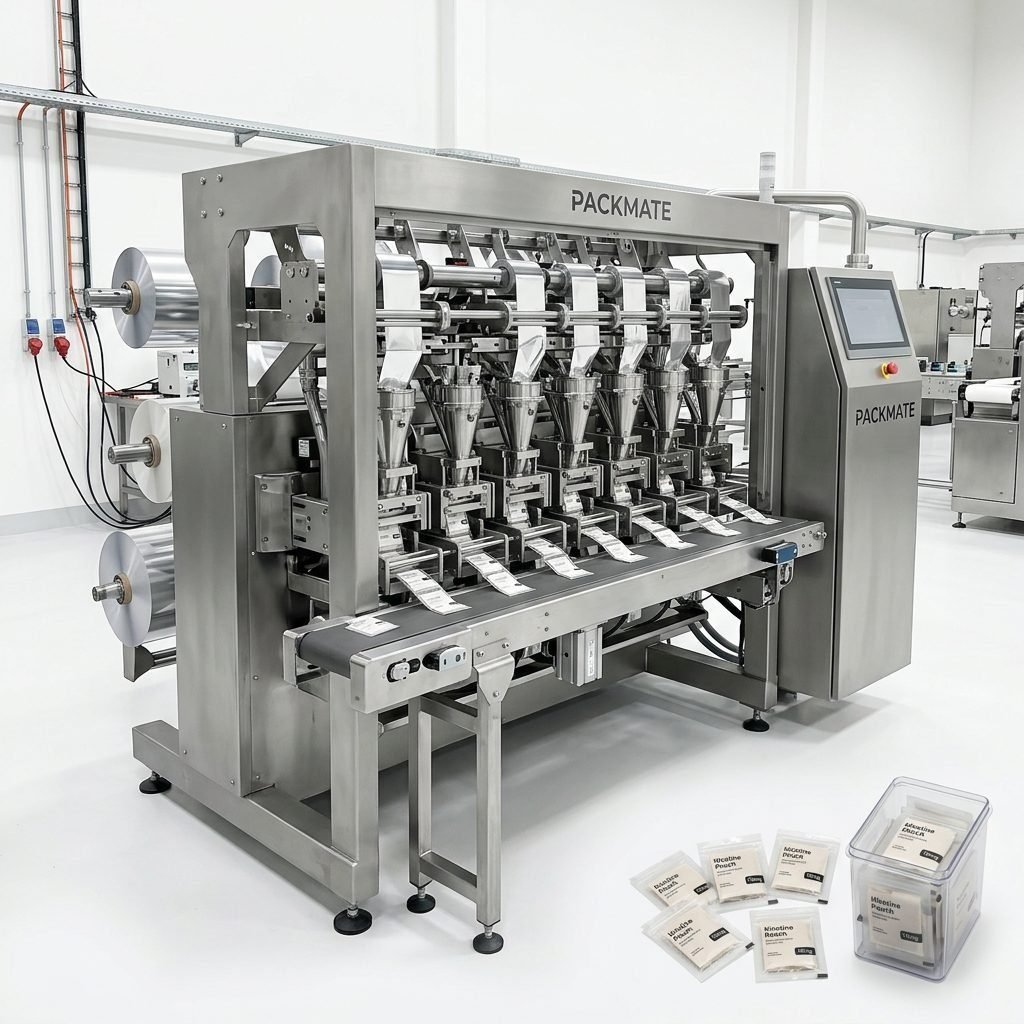
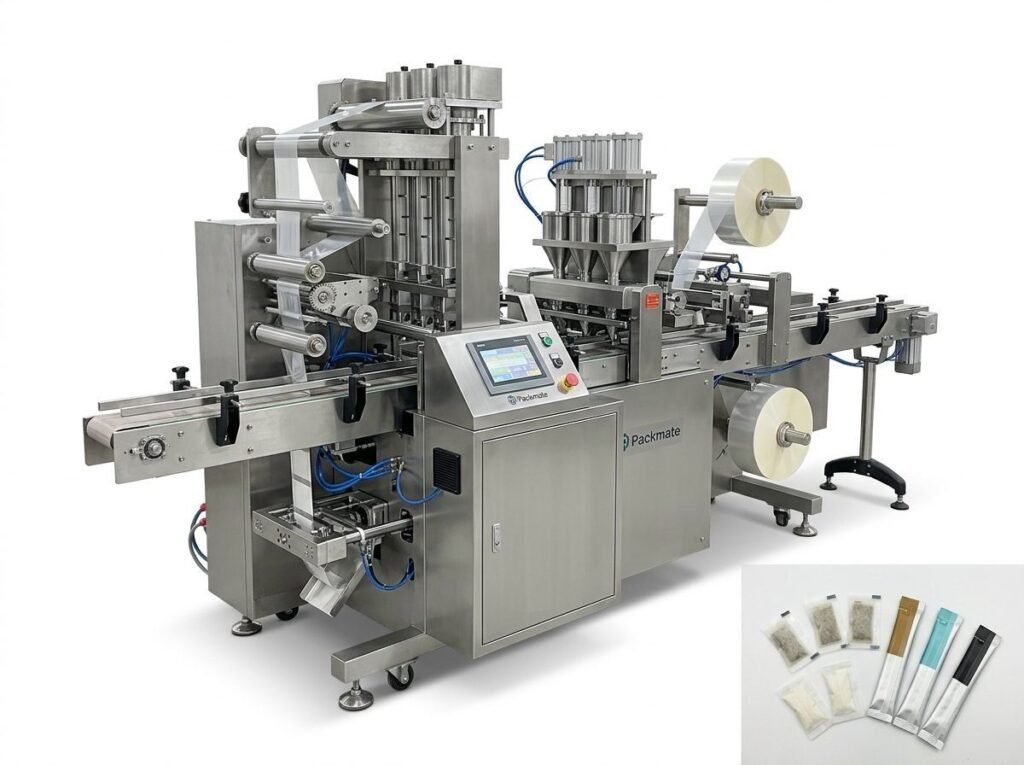
Different product formats require different machinery. Suppliers that offer a diverse portfolio let you adapt to market trends and expand SKUs without replacing entire lines. Typical machine categories include:
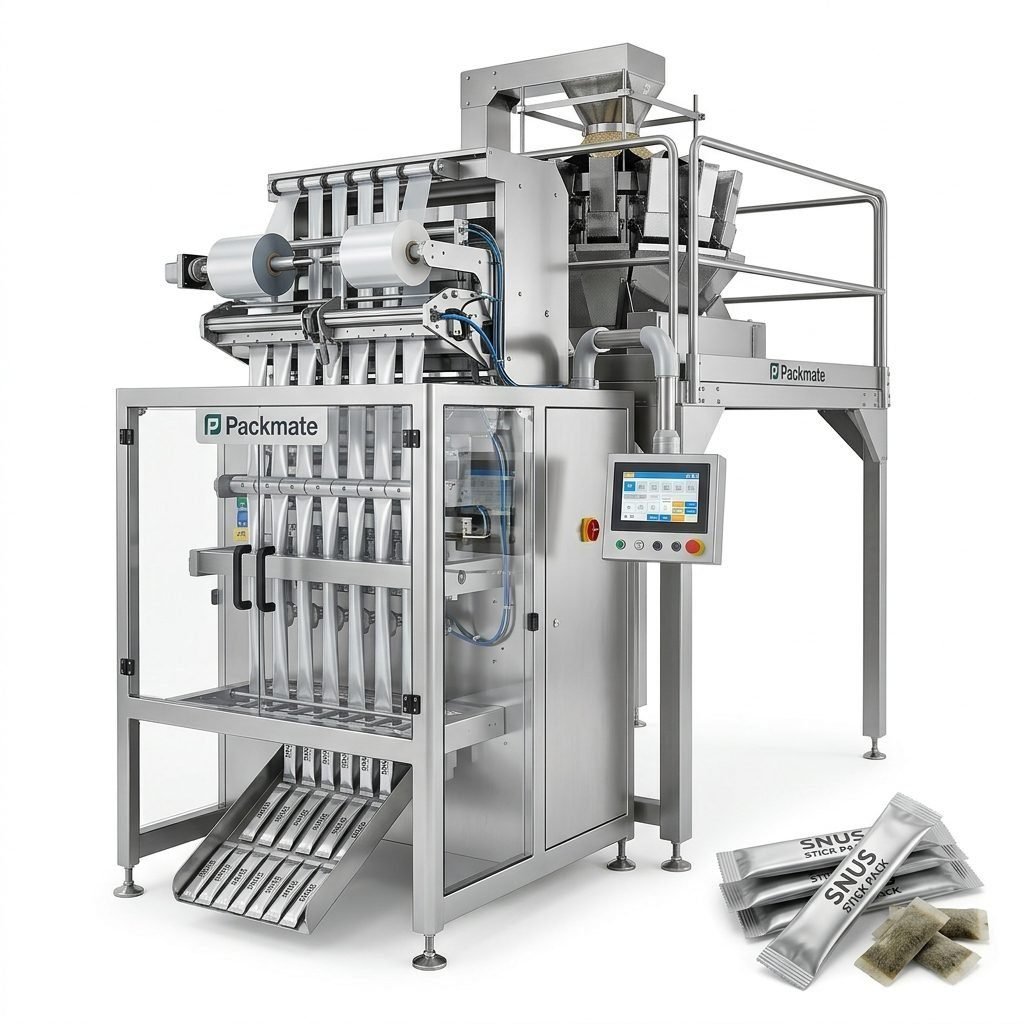
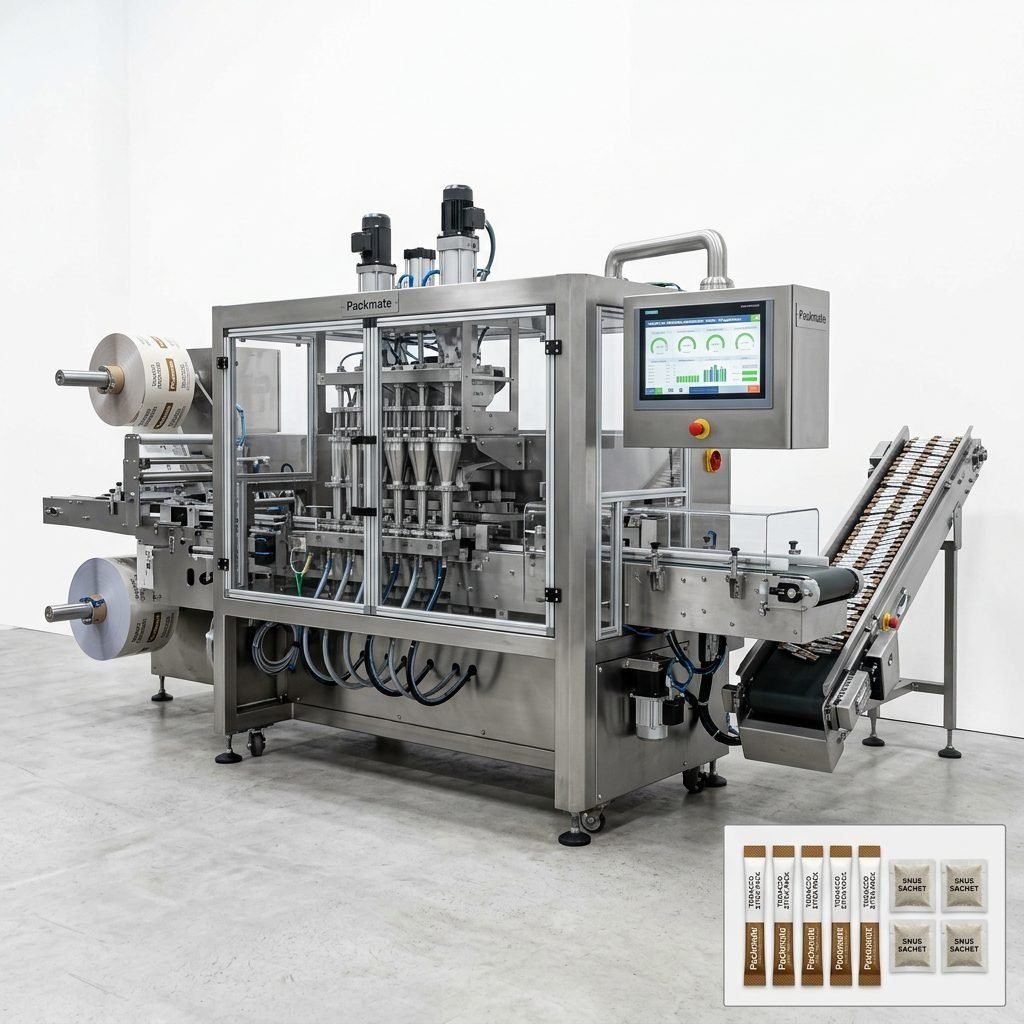
- Stick pack machines for single-dose, sleek retail packs
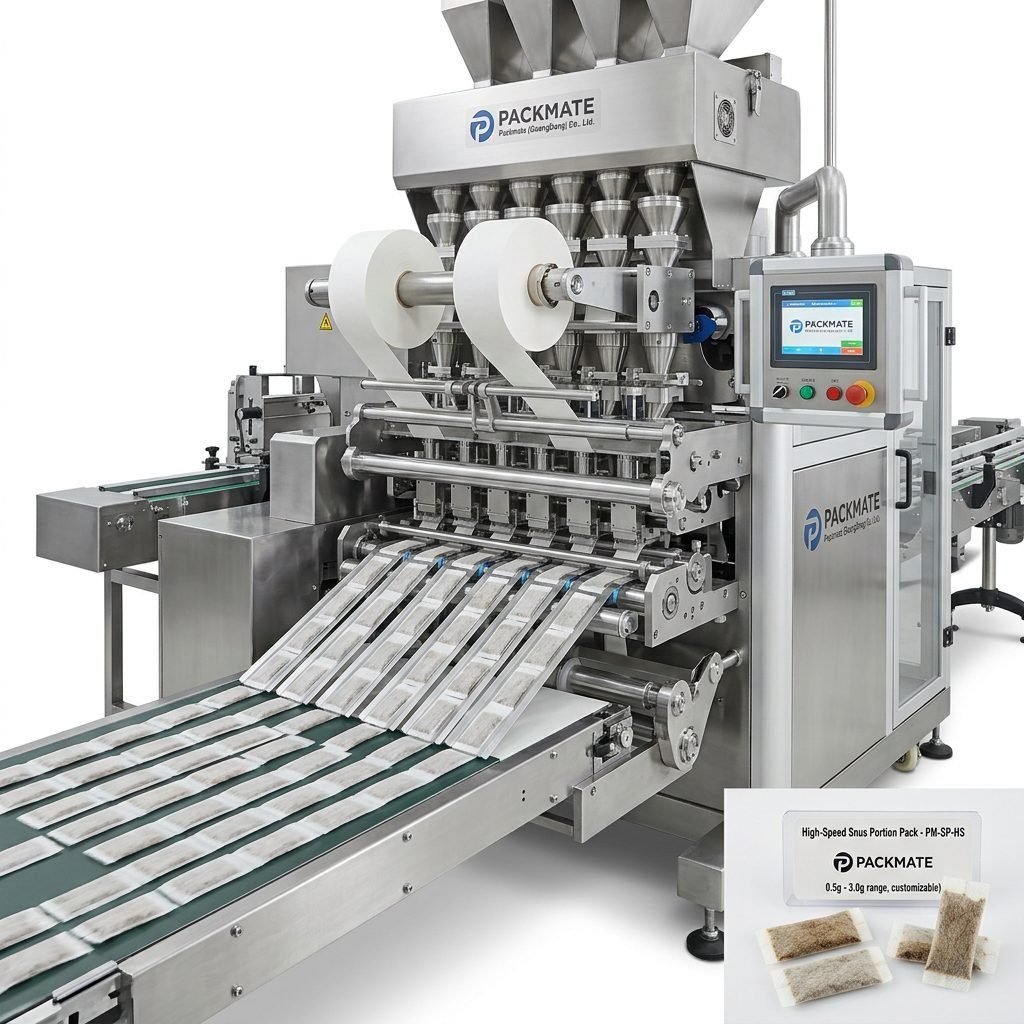
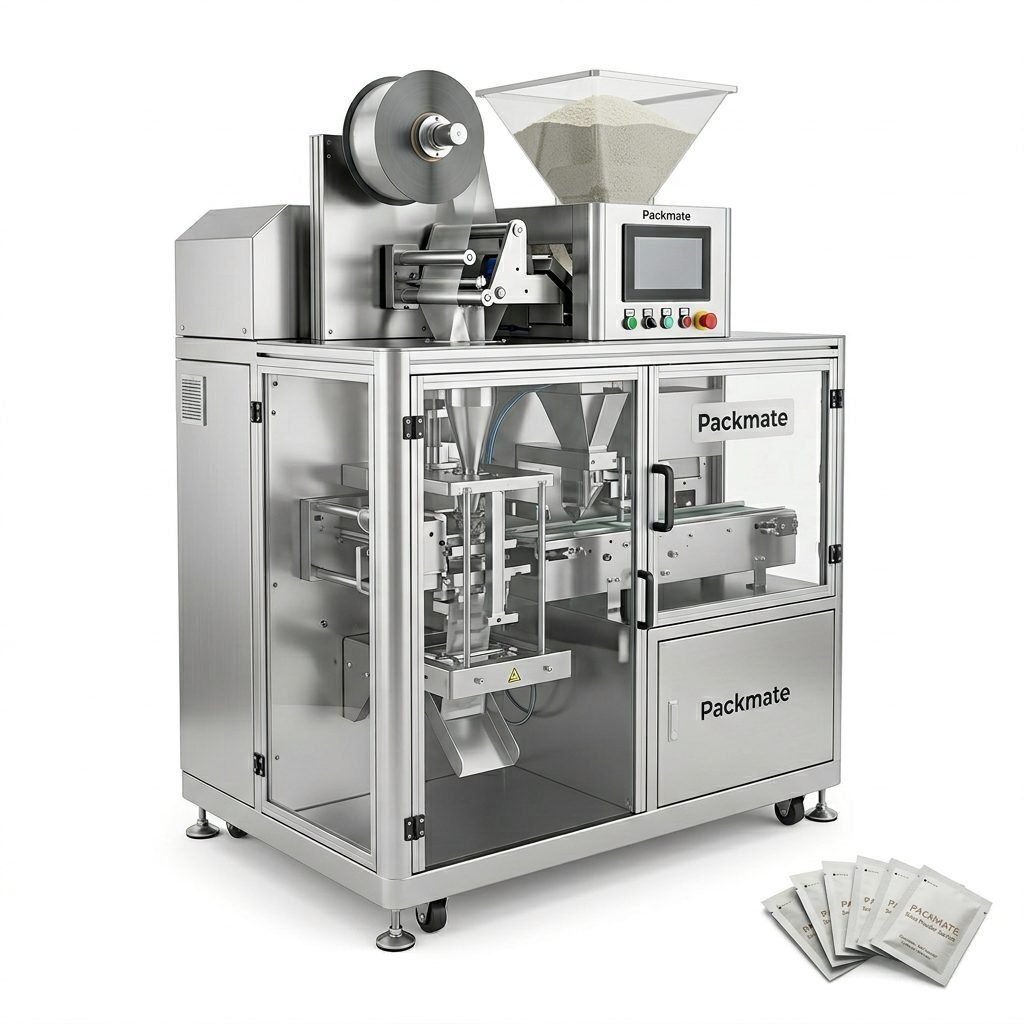
- Sachet and pouch machines for single-serve snus or nicotine pouches
- Multi-lane systems for high-throughput small-dose production
- Weighing and filling systems for powders, granules, and liquids
For a direct look at specialized lines, review a supplier’s product pages such as Snus & Nicotine Packaging Machines, Sachet & Stick Pack Machines, and Weighing & Packaging Systems.
Key Technical Features to Evaluate
⚙️ Core capabilities to inspect:
- Speed and throughput: match machine lanes and cycles to your demand
- Fill accuracy: crucial for nicotine content control and regulatory compliance
- Changeover time: fast format changes reduce downtime and SKU costs
- Hygiene & materials: food-grade surfaces, easy-clean designs, and sanitation-friendly components
- Automation and integration: PLC/HMI interfaces, data logging, vision inspection, and in-line metal detection
Production Capacity and Line Design
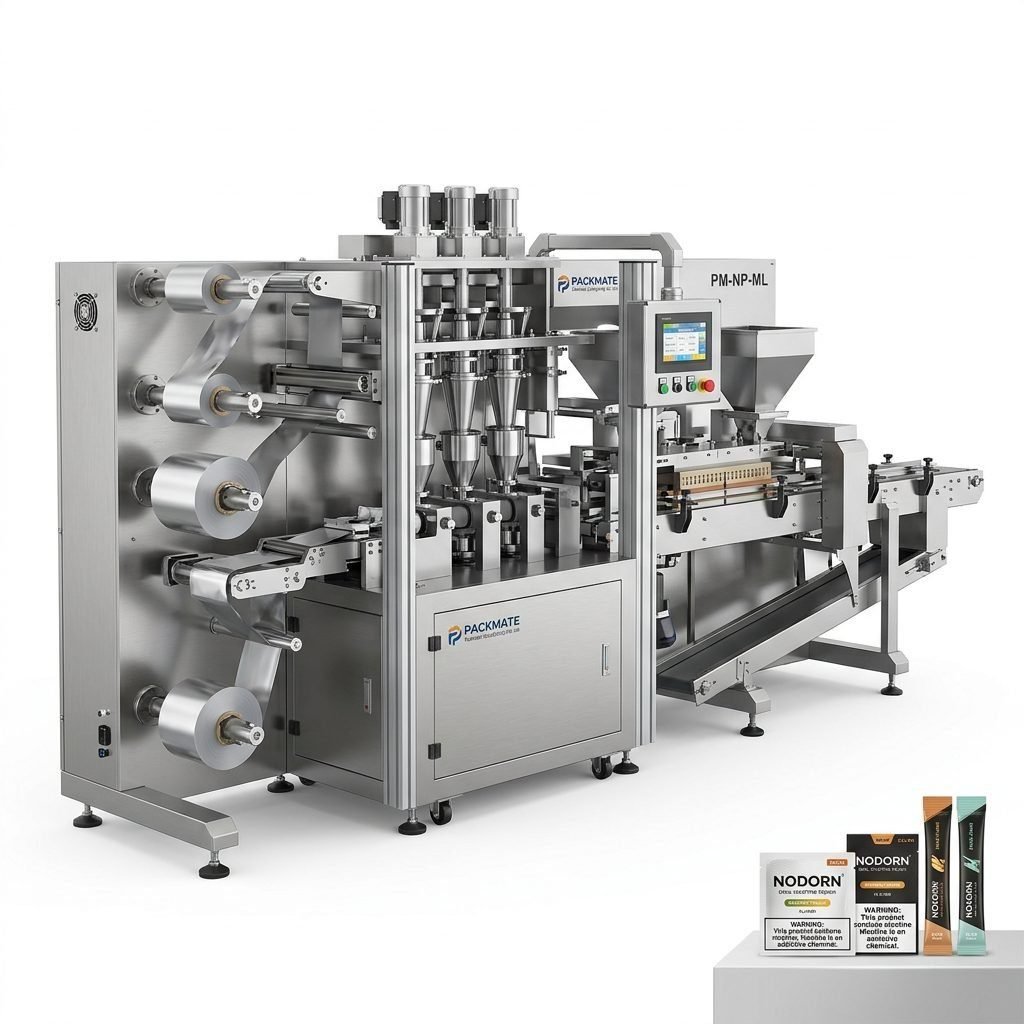
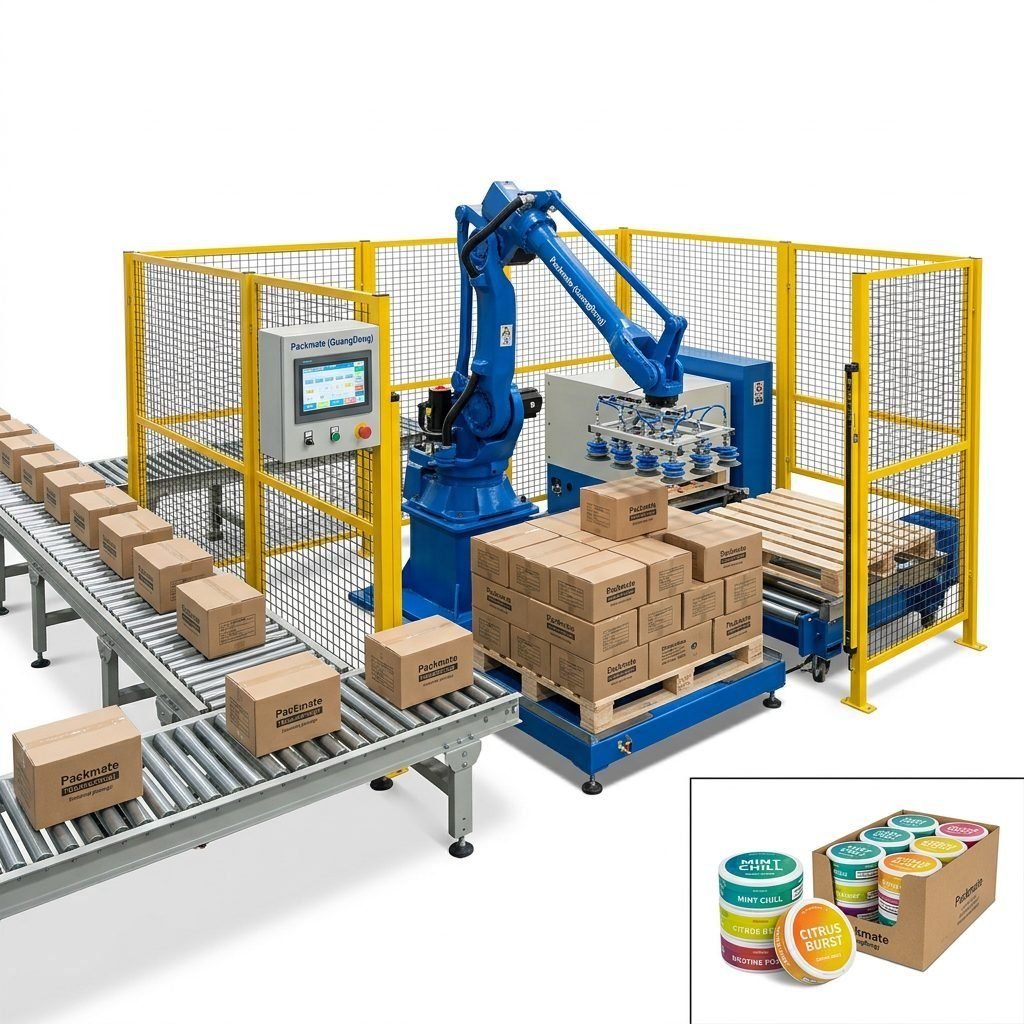
Estimate your current and projected output for 12–36 months. Suppliers should offer flexible multi-lane options to grow capacity incrementally. Consider end-of-line options like cartoning, case-packing, and labeling; a full turnkey approach reduces integration risks and speeds time-to-market. Packmate’s turnkey lines, for example, include integrated filling, packaging, and auxiliary systems for a complete production workflow.
Customization & Flexibility
Markets vary in pouch size, material, and barrier requirements. Choose suppliers who can customize cutting modules, dosing heads, and sealing systems. A modular machine design allows retrofits and upgrades — a major advantage when regulations, formulations, or packaging materials change.
Quality, Compliance, and Certifications
Regulatory demands for nicotine products are evolving. Your equipment must support traceability, product weight tolerances, and hygienic production. Prefer suppliers with internationally recognized certifications (CE, ISO) and documented quality control processes. Confirm they run rigorous testing and offer FAT (Factory Acceptance Test) documentation before shipment.
✅ Compliance tip: Ask for certificates and FAT reports, and request references from clients in markets similar to yours.
Service, Spare Parts, and After-Sales Support
A robust after-sales program reduces downtime. Look for suppliers who provide:
- Global technical support and remote diagnostics
- Quick access to critical spare parts
- Installation, commissioning, and operator training
- Maintenance contracts and preventive service plans
Learn more about supplier services by checking dedicated pages like Service and company overviews such as About Packmate.
Cost Considerations & Return on Investment
Total cost of ownership goes beyond the purchase price. Include installation, training, spare parts inventory, energy consumption, and maintenance labor in your calculations. High-efficiency multi-lane systems may cost more upfront but deliver lower per-unit costs and faster ROI through higher throughput and reduced labor requirements.
Assessing Vendor Reliability
Vendor reliability is measurable by factory capacity, quality control, and case studies. Check exhibition presence and international cooperation cases to validate a supplier’s global footprint. Packmate regularly participates in major exhibitions and publishes customer case studies, which help demonstrate real-world performance and installation outcomes.
For concrete examples, review their client showcases: Case and exhibition highlights at Our Exhibition.
Installation, Training, and Ramp-Up
Proper installation and operator training are critical to achieving design throughput and reliability. Vendors should provide on-site commissioning, structured operator training, and documentation in your local language when necessary. Plan a realistic ramp-up timeline that includes validation, trial runs, and quality checks before full production.
Localization & Market-Specific Advice
Different regions have cultural and regulatory nuances affecting product size, labeling, and flavors. If you sell across multiple countries, choose a supplier experienced with multi-market compliance and variable packaging formats. Suppliers with global service networks can help adapt machines and provide local support for customs, documentation, and compliance testing.
Choosing Between Standard Models and Turnkey Solutions
Standard models reduce lead time and cost, while turnkey solutions provide seamless integration and single-vendor accountability. If you require a fully integrated line with filling, packaging, cartoning and auxiliary devices, a turnkey supplier minimizes coordination issues and accelerates commissioning. Evaluate the supplier’s ability to deliver project management, documentation, and training for turnkey projects.
📌 Practical selection flow:
- Define product formats and projected volumes
- Shortlist suppliers based on experience and certifications
- Request detailed machine specs, FAT, and references
- Compare TCO and service packages
- Plan installation, training, and spare parts strategy
Final Considerations Before Purchase
Before placing an order, verify lead times, warranty terms, spare parts availability, and the supplier’s financial stability. Clarify responsibilities for customs, shipping, local installation permits, and acceptance criteria. A clear contract with milestone-based payments tied to FAT and site acceptance tests protects both parties and ensures alignment on deliverables.
Next Steps & Helpful Resources
If you want to dive deeper into machine options or request a quote, use supplier contact pages and catalogs. For example, you can download technical catalogs or reach out directly via the supplier’s Contact Us page. Reviewing product catalogs and FAQs will speed vendor comparisons: Catalog | FAQs.
🔧 Pro tip: Arrange an on-site or virtual FAT to witness machine performance under conditions that mimic your process — it’s the most reliable way to validate supplier claims.
Common Questions
Q1: How long is the typical delivery time for snus packaging lines?
Delivery depends on customization and production backlog. Standard models may be shipped within weeks, while turnkey or highly customized systems typically require months for engineering, FAT and shipping.
Q2: What certifications should I ask for?
Request CE and ISO certificates, FAT documentation, material traceability records, and any regional compliance paperwork required for nicotine-containing products.
Q3: Can machines be upgraded if product formats change?
Yes, choose modular designs that support retrofits. Discuss upgrade pathways and spare parts availability with your supplier to ensure long-term flexibility.
Q4: How do I evaluate TCO (Total Cost of Ownership)?
Include initial purchase, installation, training, spare parts, energy usage, downtime risk, and expected production life. Ask vendors for case studies showing real operating costs.
Q5: Where can I see installed machines in operation?
Request references, visit client sites if feasible, or attend industry exhibitions where suppliers demonstrate machines. Supplier case pages and exhibition schedules provide good starting points.