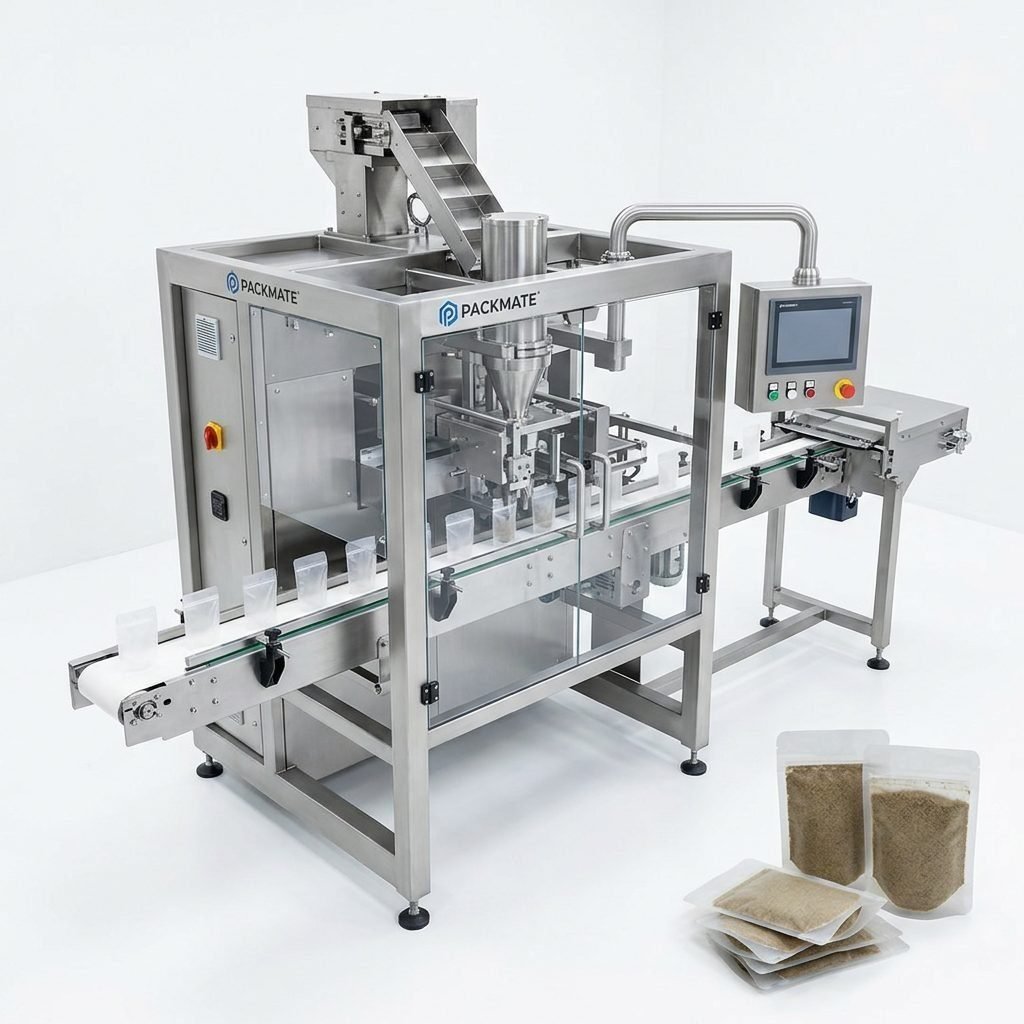
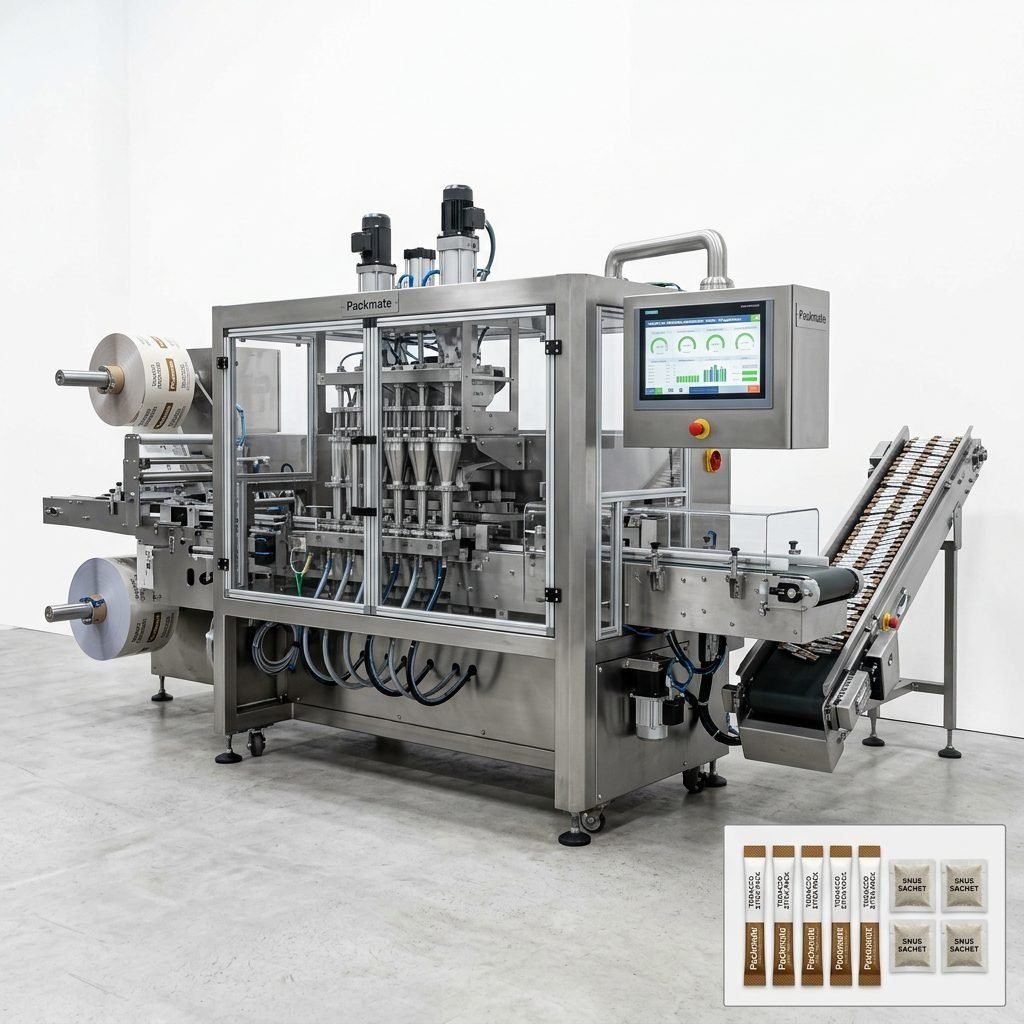
In this comprehensive guide you will learn how to specify, design, and operate a high-output snus production line that balances speed, accuracy, and compliance. Whether you are scaling a nicotine pouch brand or building a turnkey line for multi-lane, small-dose pouches, the following sections synthesize engineering best practices, packaging workflows, and supplier evaluation criteria to help you reach consistent, automated throughput.
Why invest in a high-output snus production line?
Modern snus manufacturing demands repeatable dosing, precise sealing, and fast changeovers. A well-engineered production line delivers:
🔶 Higher throughput — Multi-lane, high-speed machines multiply output per square meter.
🔶 Consistent weight control — Integrated weighing systems reduce giveaway and ensure regulatory compliance.
🔶 Reduced labor cost — Automation minimizes manual handling and supports 24/7 operation.
Core benefits at a glance
The most successful lines focus on overall equipment effectiveness (OEE), hygiene, and flexible packaging formats. Typical benefits include: improved yield, faster product changeovers, and easier validation for export markets.
Key components of a complete snus production line
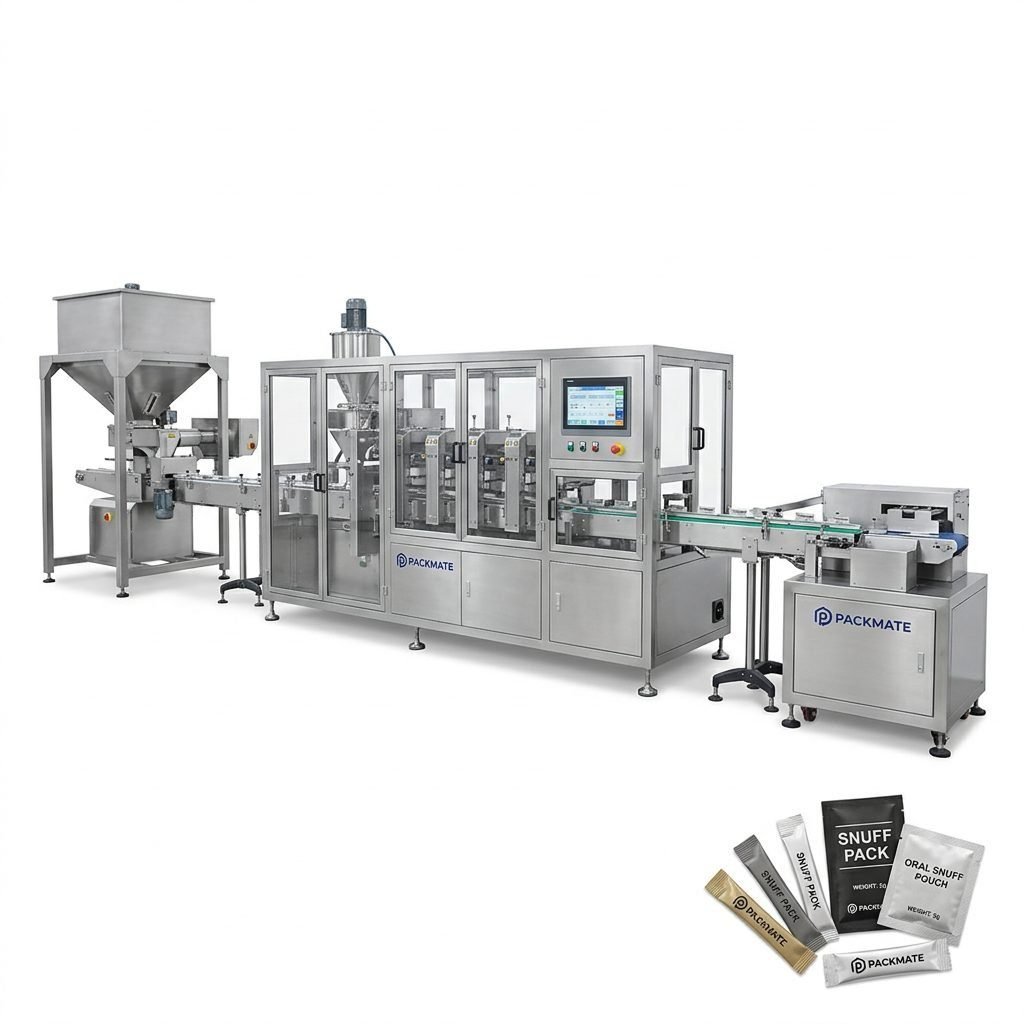
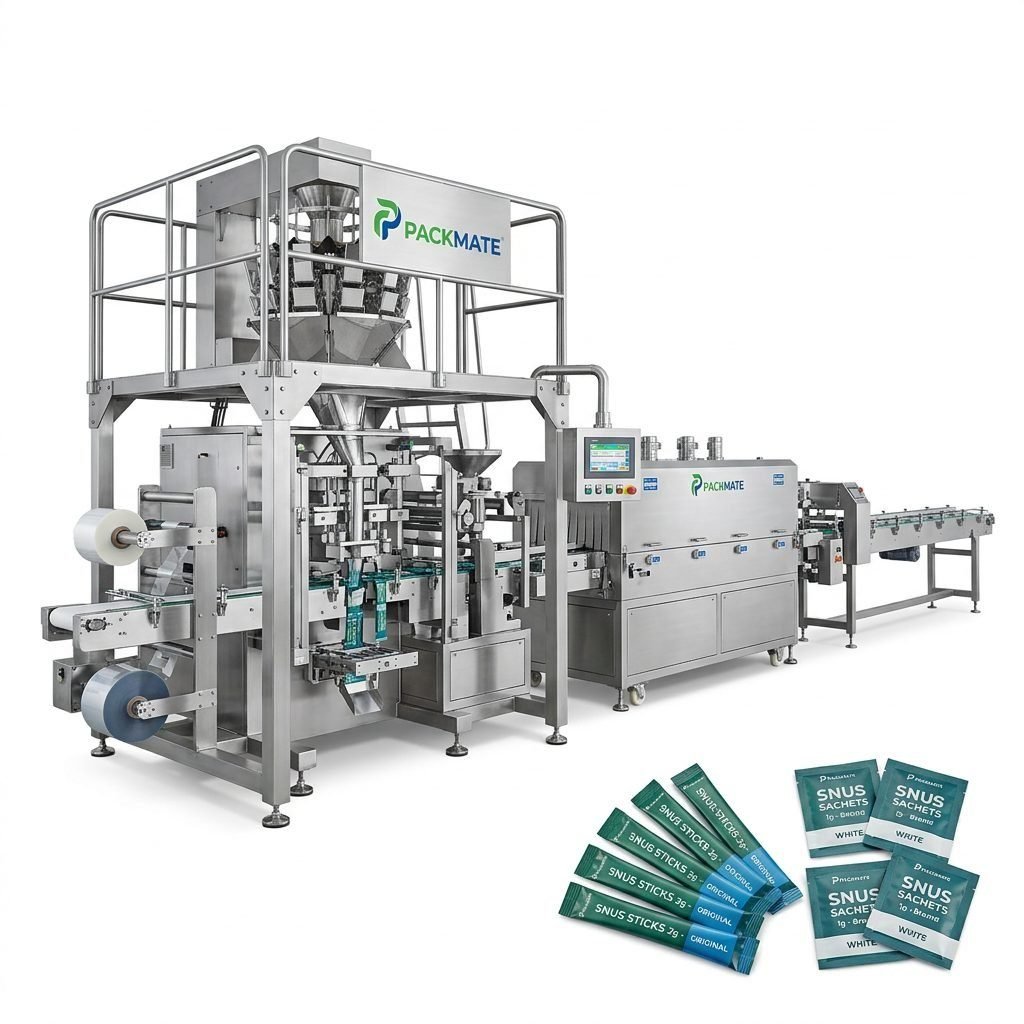
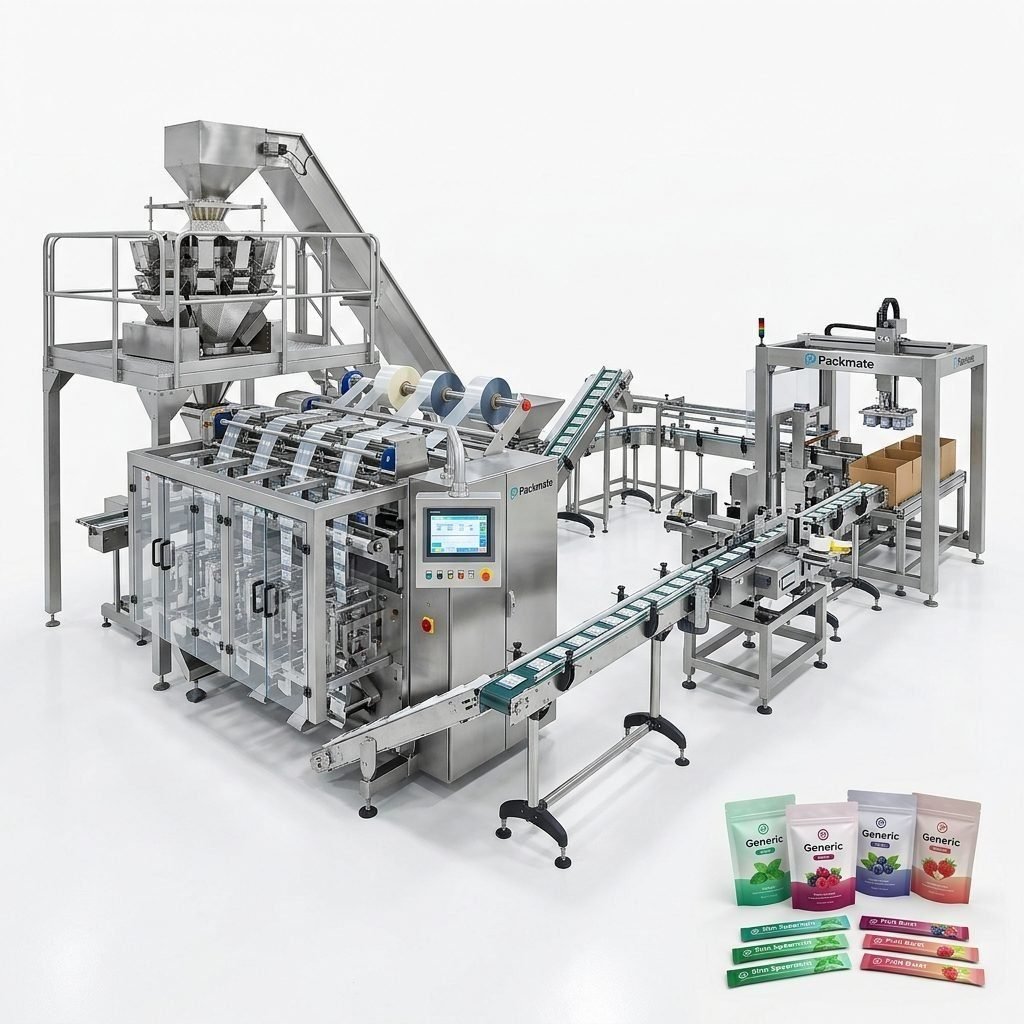
A high-output snus packing line is more than a single machine. It is an integrated set of equipment that controls product handling from bulk filling to final cartonizing:
1. Bulk handling and dosing
Accurate hoppers, vibratory feeders, and multi-head weighers are critical for dose precision. Integration with weighing & packaging systems reduces variation and minimizes product giveaway.
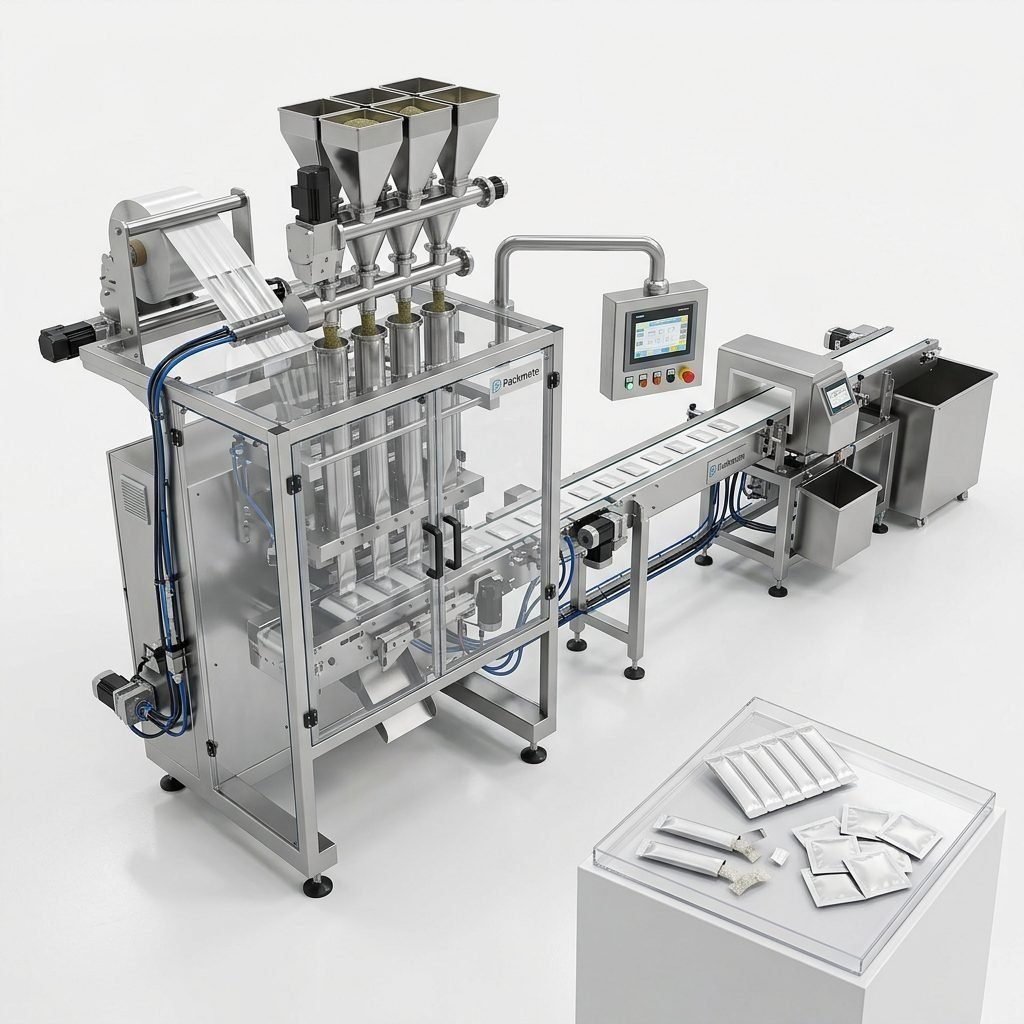
2. Form-fill-seal and multi-lane pouch machines
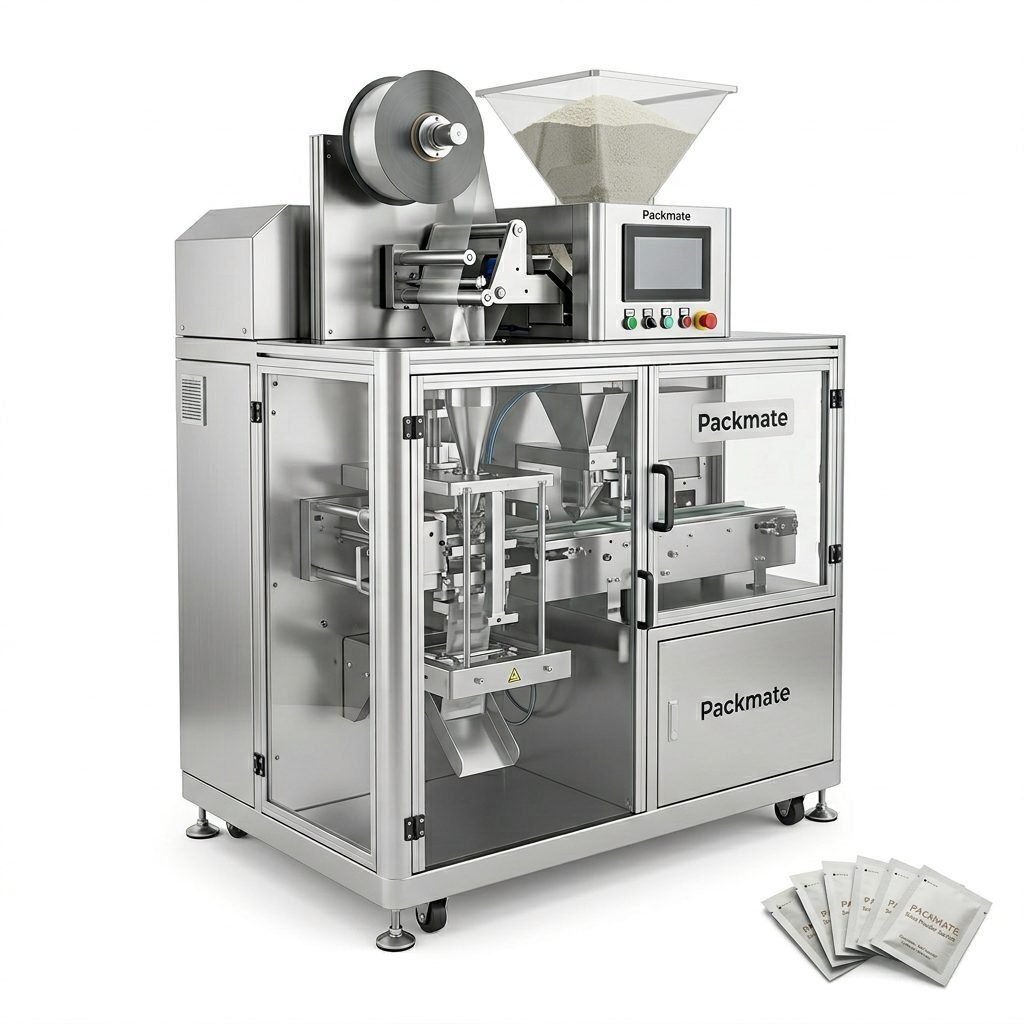
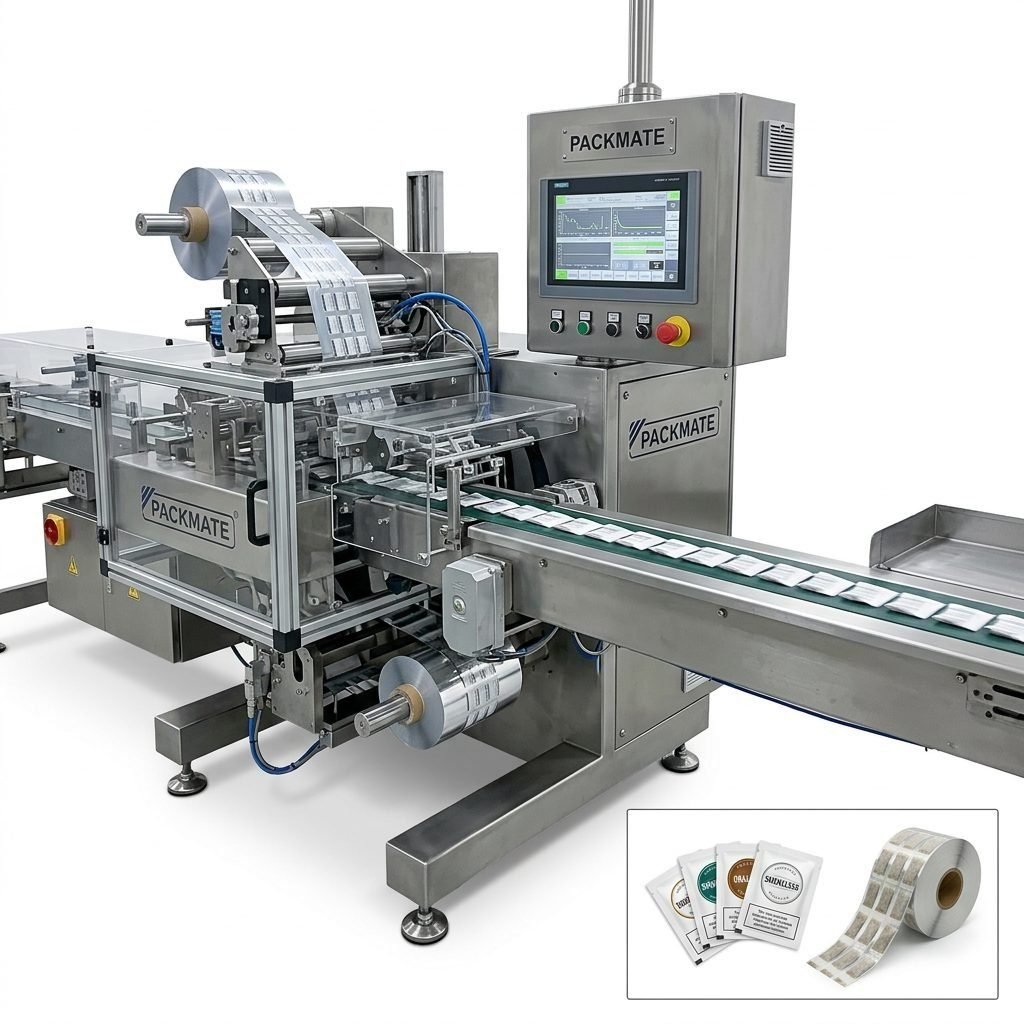
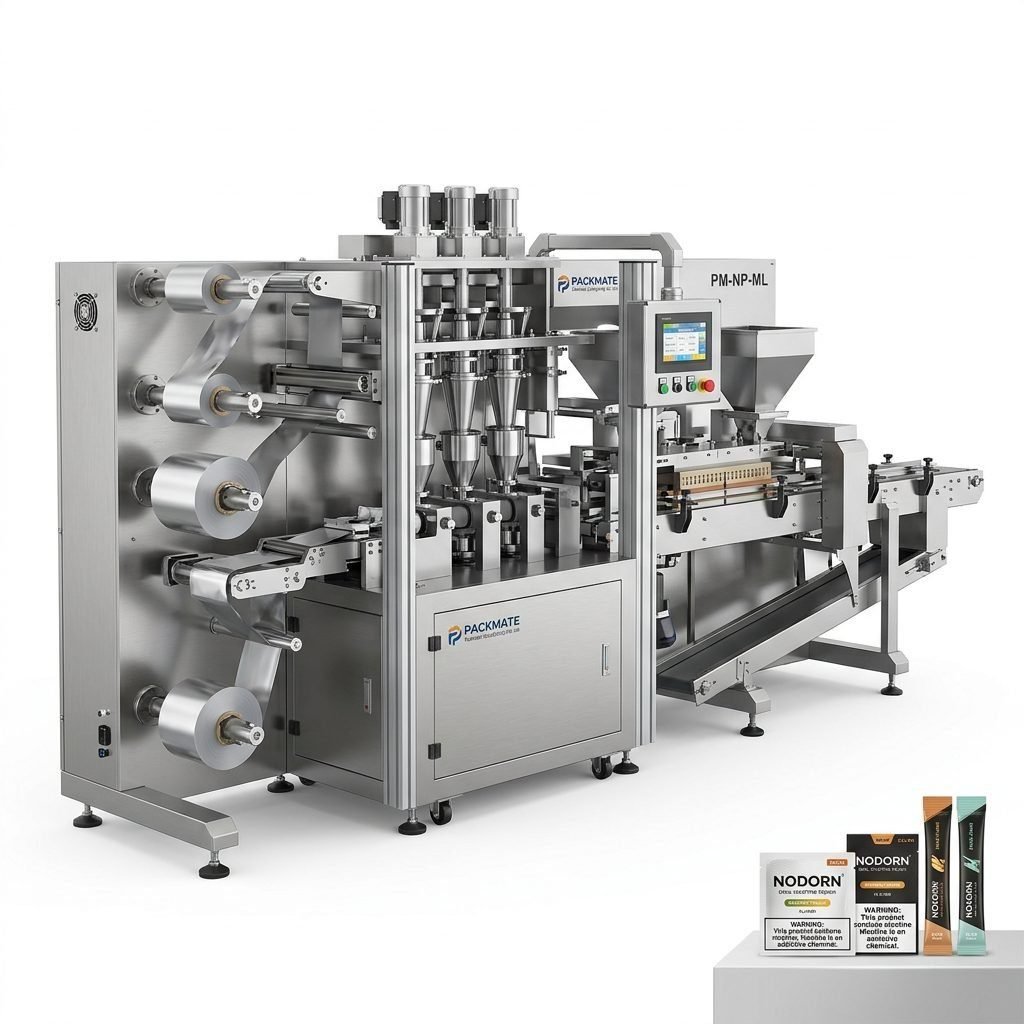
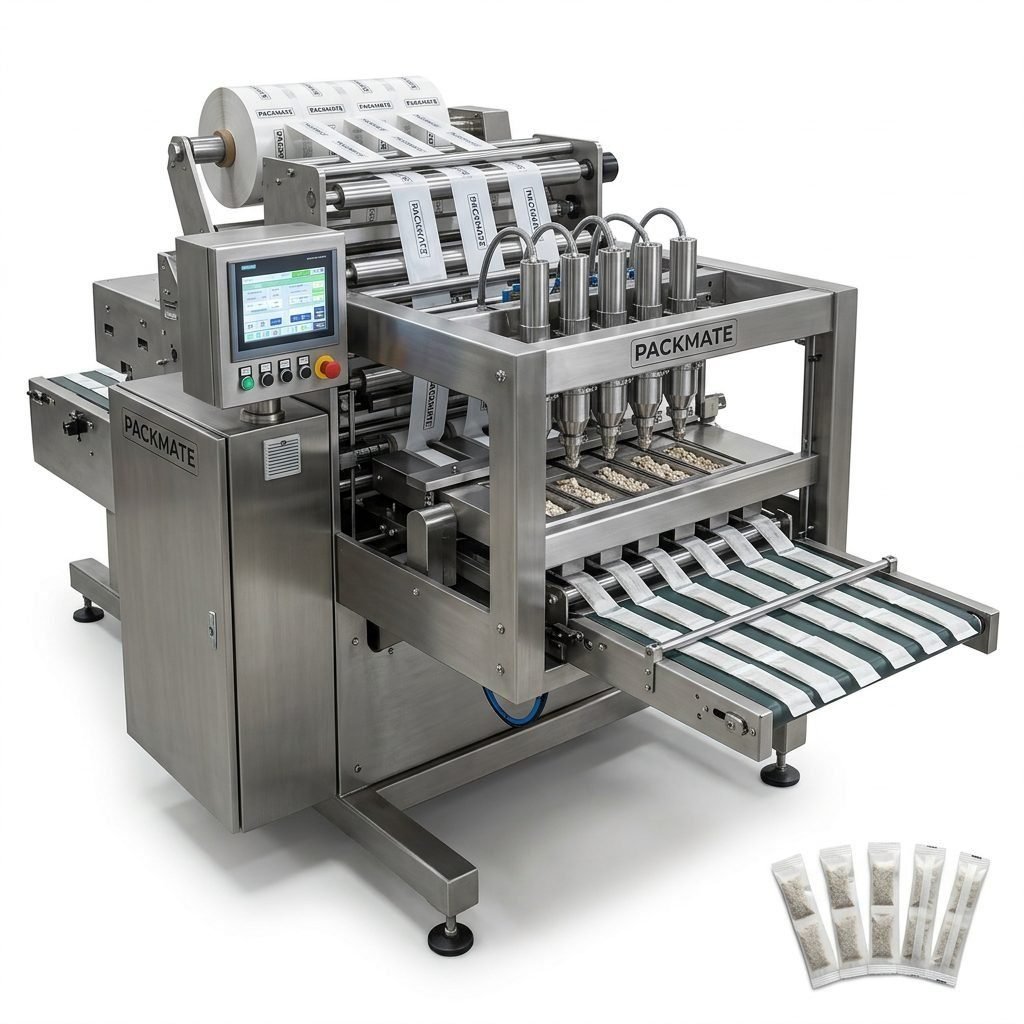
High-output lines often use multi-lane stick pack or sachet formats to multiply throughput. Machines designed for nic-pouches allow precise cut, fill, and seal at high speeds with minimal footprint. For product variants and lane counts, Snus & Nicotine Packaging Machines offer specialized options.
3. Secondary packaging and end-of-line
Aggregation, cartoning, case packers, and labeling are essential to prepare product for distribution. Look for synchronized conveyors and modular interfaces to simplify integration with upstream machines.
Design choices that drive high output
Throughput is determined by several interdependent design decisions: lane count, cycle speed, dosing accuracy, and buffer strategies. The following guidelines help you prioritize trade-offs.
⚙️ Multi-lane vs single-lane — Multi-lane systems (4, 8 or more lanes) increase output without a proportional footprint increase, but require precise synchronization.
✅ Cycle optimization — Shorter cycle times are valuable only if upstream feeding and downstream packing can sustain them.
🔍 Dosing control — Tight dosing tolerance reduces waste and regulatory risk.
Automation and control systems
Modern lines use PLCs, servo drives, and HMI systems for precise motion control and recipe management. Look for features such as remote diagnostics, production logging, and fast recipe changeover to support multiple SKUs.
Remote support and Industry 4.0
Remote access enables predictive maintenance and rapid troubleshooting. Many manufacturers now offer cloud-enabled monitoring that helps maximize uptime and reduce mean time to repair (MTTR).
Quality, safety, and compliance
Snus production is subject to strict hygiene and safety standards. Equipment that complies with CE and ISO standards reduces regulatory friction and improves product acceptance in global markets.
📄 Material contact parts — Use food-grade stainless steel and hygienic design for easy cleaning and validation.
🧪 Traceability — Batch coding and production logs are essential for recalls and quality audits.
Packmate Snus Machine — manufacturing strength and credentials
Packmate leverages over 30 years of equipment design experience and a 20,000㎡ factory to produce robust, high-precision snus packing lines. Their portfolio includes multi-lane systems optimized for nicotine pouches, with a strong emphasis on automation and global support.
For more information about the company and its history, visit About Packmate. To review real-world deployments, see their case studies.
Factory capabilities that matter
Strong in-house machining, precise assembly lines, and QA testing are essential. Packmate’s advanced CNC centers and precision lines enable machine variants across 50+ models to meet diverse production requirements.
Selecting the right machine configuration
Begin by documenting your product requirements: pouch size, fill weight, target units per minute, available floor area, and future SKUs. Then map those requirements to the following variables.
Throughput and lanes
If you need 100k+ pouches per day, multi-lane machines reduce the need for multiple single-lane units. Discuss lane redundancy and how the machine handles lane faults without full-line stoppage.
Material and pouch format
Pouch film selection affects sealing temperatures and cycle speeds. Choose films and lamination partners that match machine sealing bars and produce reliable seals at high speeds.
Integration with filling and auxiliary equipment
For full-line capability consider integrated solutions such as filling & packaging lines and compatible auxiliary gear to maintain steady product flow and minimize manual intervention.
Installation, commissioning, and training
Proper commissioning ensures machines reach specified performance. Expect factory acceptance testing (FAT), on-site commissioning, and operator/maintenance training. Remote support and spare-parts packages accelerate production ramp-up.
🔧 FAT & SAT — Verify performance at the factory and after installation.
📚 Operator training — Structured training reduces downtime and operator error.
Operational best practices for long-term performance
Maintain a preventive maintenance schedule, stock critical spares, and log performance metrics. Use daily checklists to identify early wear points on belts, servo systems, and sealing surfaces.
Routine checks
Inspect cutting blades, sensor alignments, and servo calibrations weekly. Schedule deeper mechanical checks monthly and electrical verifications quarterly.
Cost considerations and ROI
Calculate ROI by accounting for throughput gains, labor reduction, lower product giveaway, and reduced downtime. High-output multi-lane systems often have quicker payback when replacing multiple aging single-lane machines.
Total cost of ownership
Consider initial equipment, installation, spare parts, training, and energy consumption. A reliable supplier with service capabilities and certification support lowers long-term risk.
How to evaluate suppliers and quotes
Request detailed proposals including layout drawings, electrical and compressed air requirements, FAT procedures, warranty terms, and a clear timeline. Review past installations and talk to references about uptime and spare-part availability.
Useful resources include product lines such as Sachet & Stick Pack Machines and the Auxiliary Packaging Equipment pages that show complementary solutions.
Case examples and exhibitions
Attend industry exhibitions to see machines under live demonstration. Packmate participates in global shows where you can witness high-speed lines running and validate claims through live trials. See their event presence on Our Exhibition.
Final checklist before purchase
🔎 Confirm production capacity targets and margin for growth.
🧭 Verify compliance with CE/ISO and material standards.
🔗 Ensure modularity for future upgrades and spare parts availability.
📝 Agree FAT, SAT, and training scope in the contract.
Next steps
Start with a site survey and product samples to run on the candidate machines. Detailed trials are the fastest way to validate dosing accuracy, sealing reliability, and cycle performance. For turnkey options and tailored configurations consider reviewing the Filling & Packaging Lines catalog or contacting sales for a site-specific layout.
Frequently Asked Questions
Q1: How many lanes do I need for 200,000 pouches per day?
A1: It depends on your cycle speed per lane and operating hours. For 16-hour operation, a multi-lane (4–8 lanes) high-speed machine is typical — perform a throughput calculation with target CPM and lane count.
Q2: Can a single line handle multiple pouch formats?
A2: Yes — many machines support quick-change tooling and recipe-driven parameters, but check the range of pouch sizes and sealing conditions supported.
Q3: What certifications should I require from suppliers?
A3: Ask for CE and ISO compliance, material certificates for food-contact parts, and documented FAT procedures. Certifications speed regulatory acceptance in many markets.
Q4: How long is typical lead time for a turnkey line?
A4: Lead times vary by complexity. Standard machines may ship in weeks, while fully customized multi-lane turnkey systems often require several months. Confirm delivery and commissioning milestones in writing.
Q5: Where can I see real installations or request a demo?
A5: Visit manufacturer exhibition pages or ask for FAT demonstrations and customer references. Packmate’s case studies and exhibition schedule are available online for planning visits.