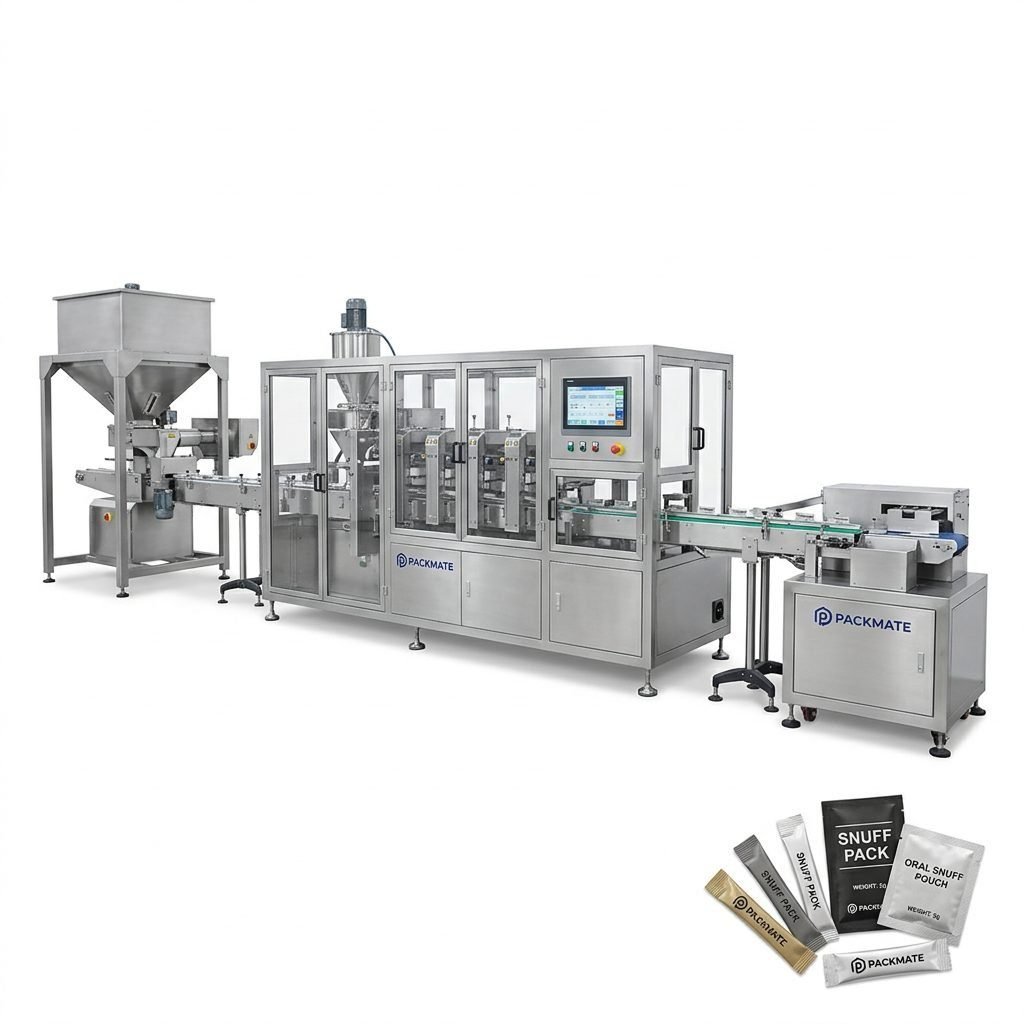
Small businesses entering the nicotine pouch market need packaging solutions that are affordable, compact, and capable of scaling as demand grows. This article breaks down what a best-in-class nicotine pouch production line looks like for small teams and tight budgets, while still meeting international standards for quality and safety. You’ll find practical considerations for layout, equipment selection, cost control, and future-proofing your investment — all explained with a focus on actionable steps.
Why Small Businesses Need Specialized Nicotine Pouch Production Lines
The nicotine pouch market is competitive and regulated. Small producers must balance cost-efficiency with product consistency and compliance. A purpose-built production line designed for low- to mid-volume runs offers several advantages:
✓ Compact footprint: Fits into small factory floors or retrofitted clean rooms.
✓ Lower capital outlay: Modular machines and simple automation reduce upfront cost.
✓ Flexible batch sizes: Easy to switch SKUs and run test batches without loss.
Core Components of an Affordable, Compact Production Line
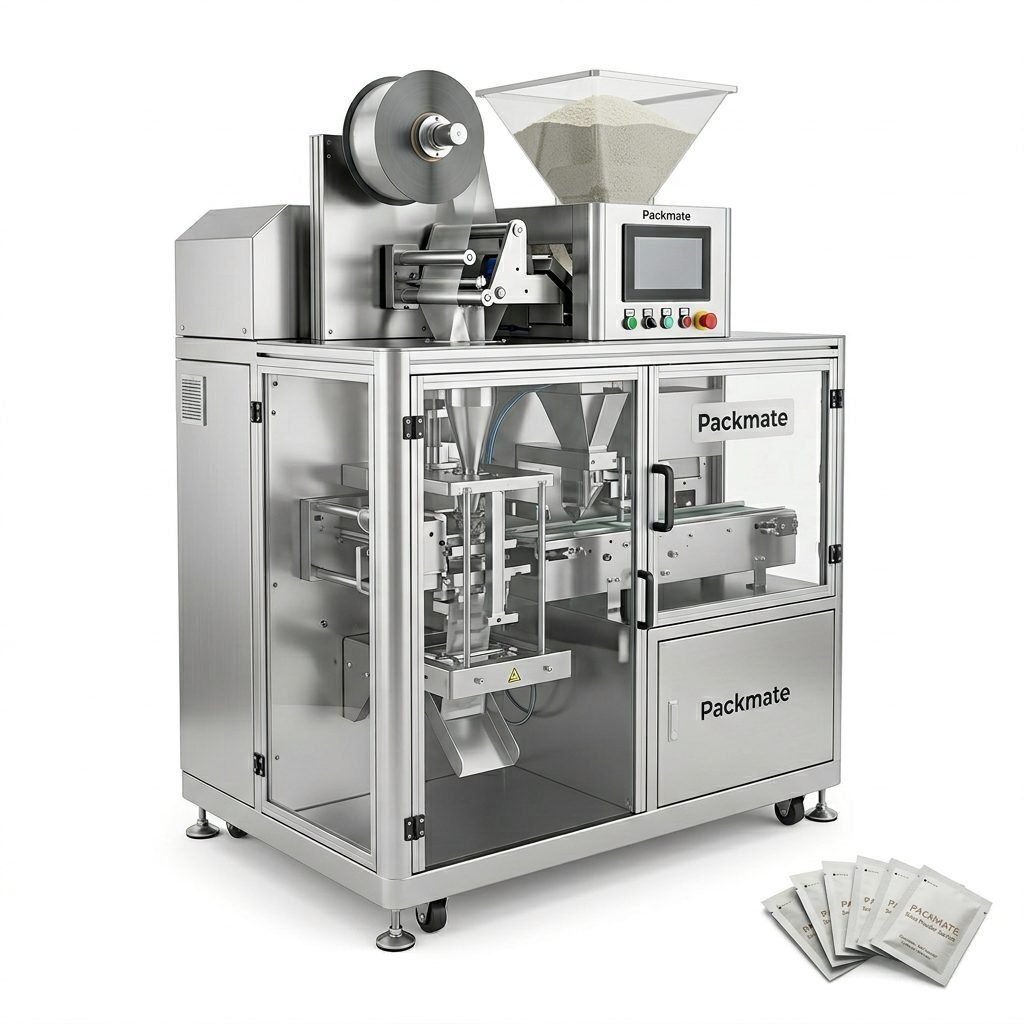
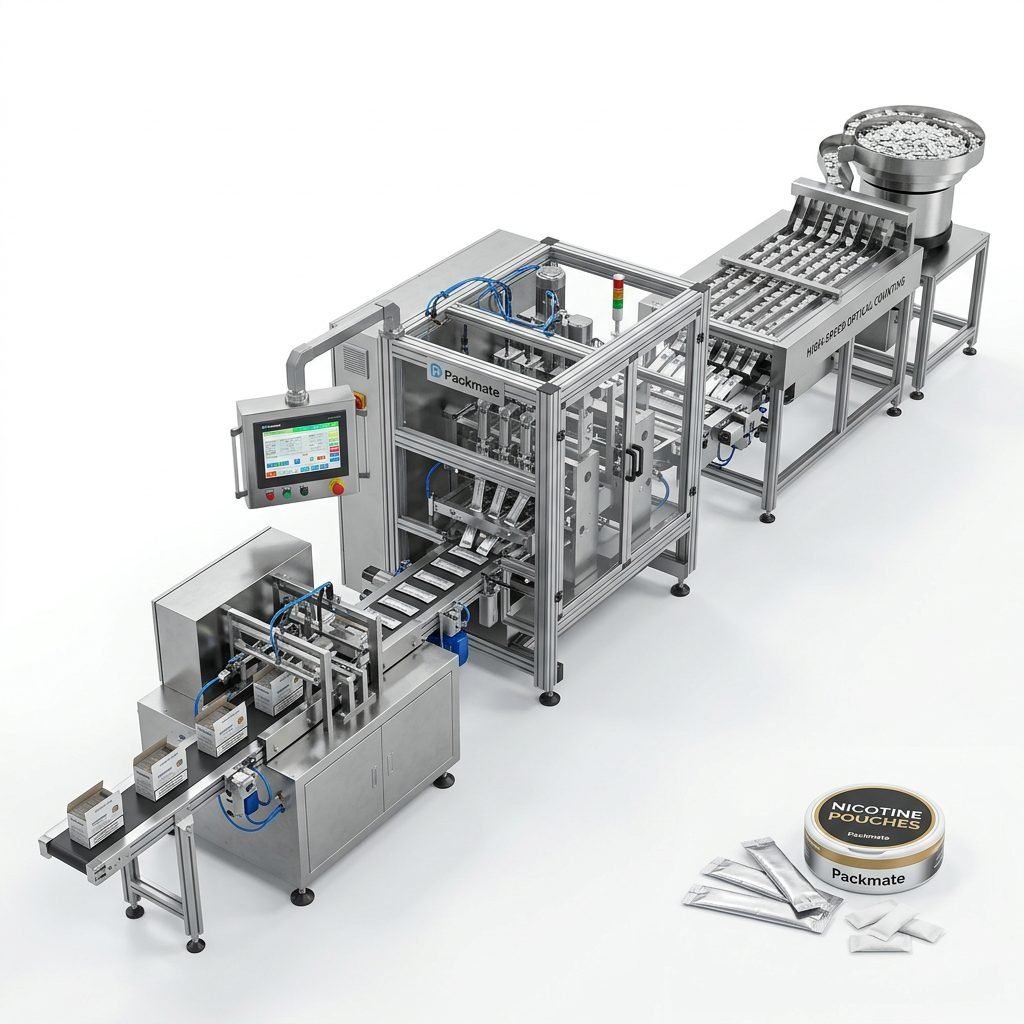
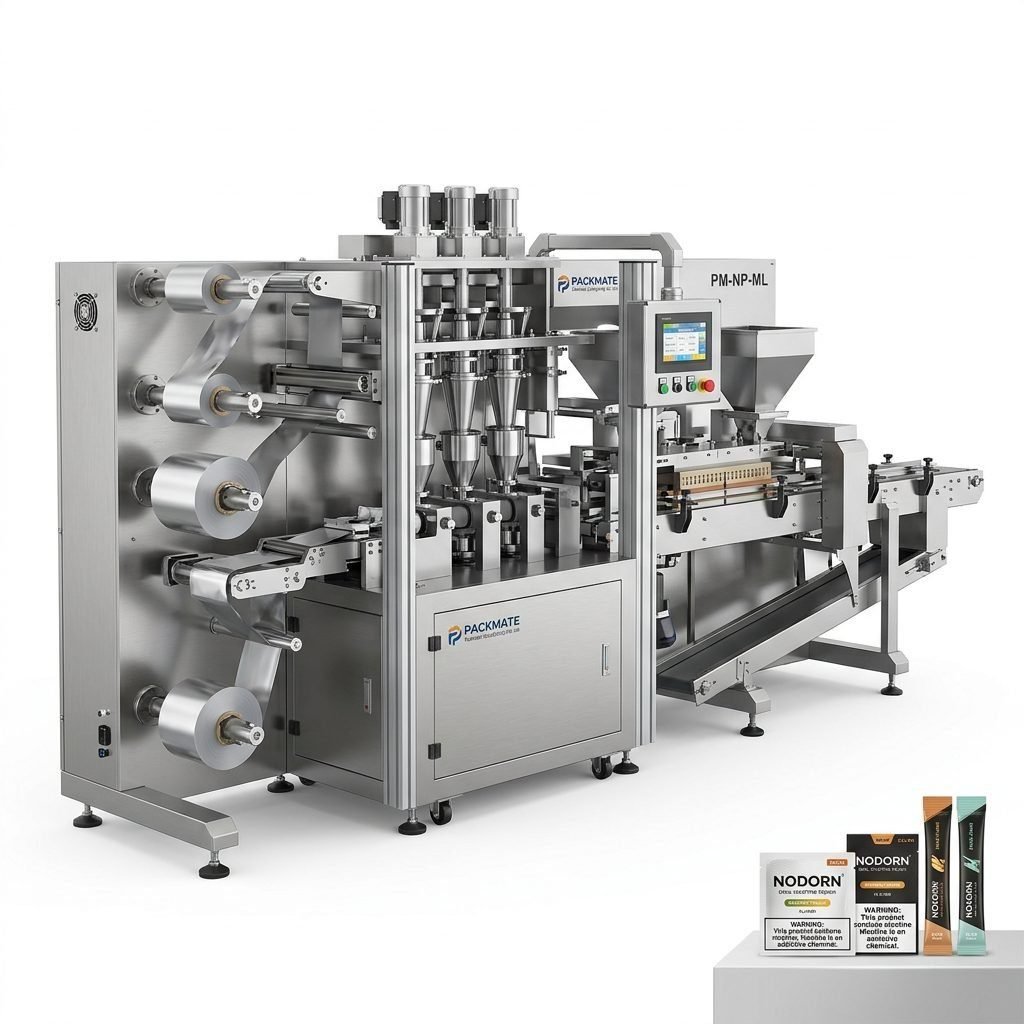
A streamlined nicotine pouch production line for small businesses typically includes the following equipment. Each component should prioritize reliability, ease of use, and compact design.
1. Raw material dosing & blending — precise micro-dosing systems that handle nicotine salts, fillers, and flavoring with minimal waste.
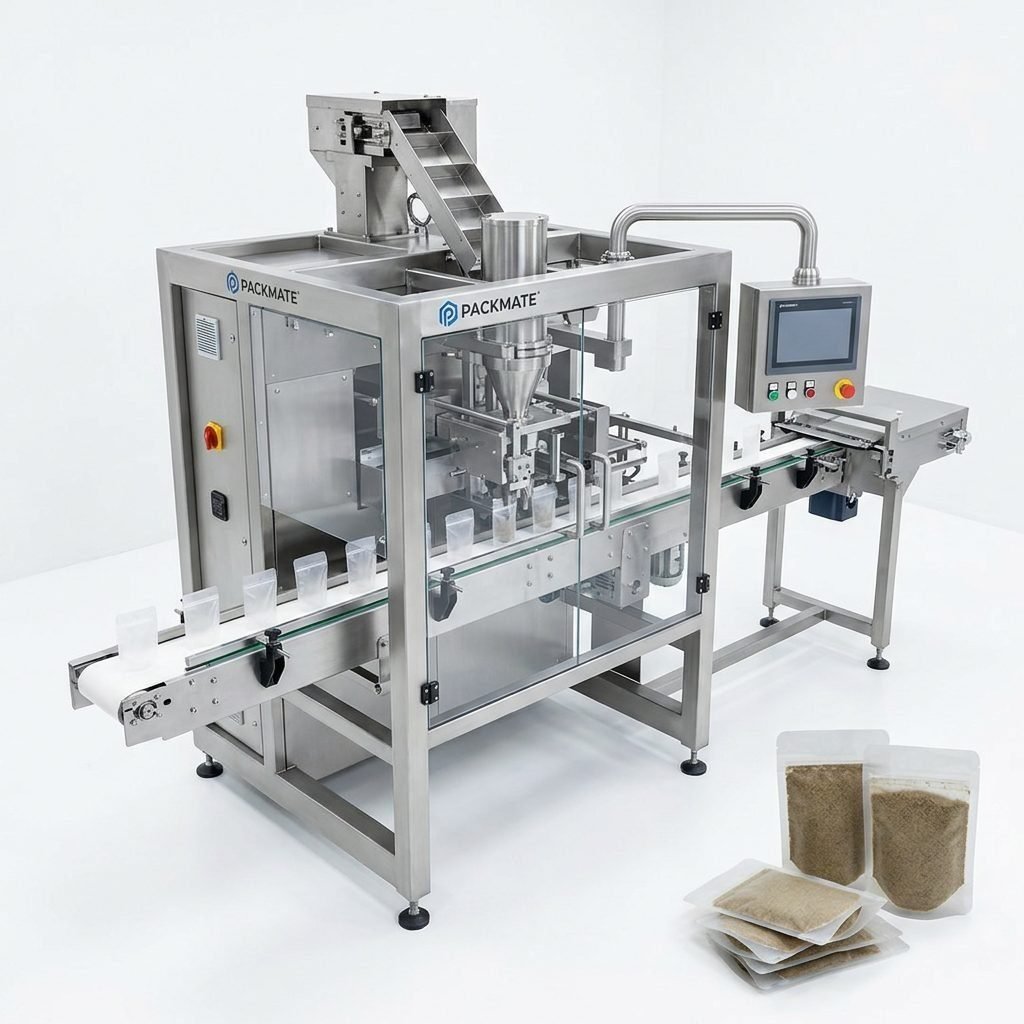
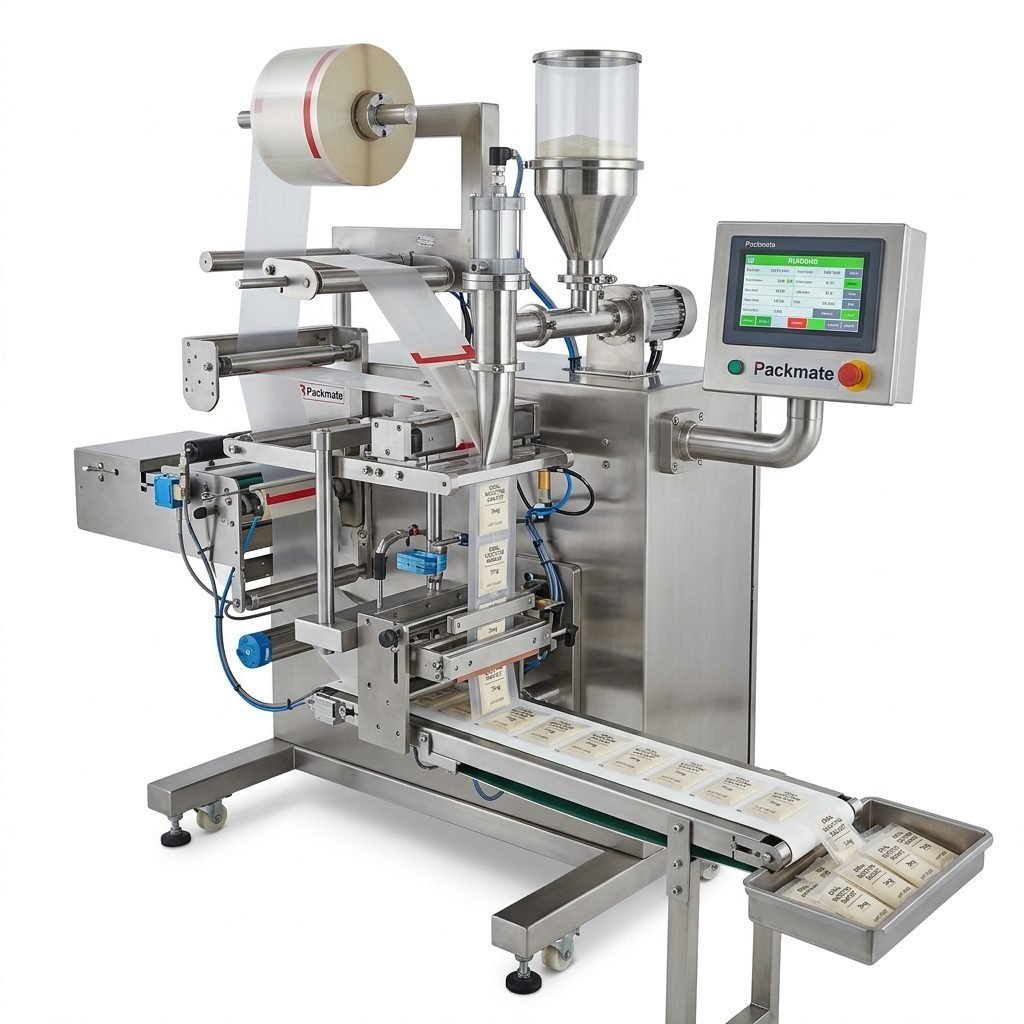
2. Filling & pouch forming — compact pouch formers or pre-made pouch feed for sachet-style nicotine pouches.
3. Sealing & cutting — heat-seal units with accurate timing to ensure airtight, tamper-evident packages.
4. Metal detection & quality control — inline inspection to meet safety standards.
5. Secondary packaging — small cartoning or flow-wrapping machines for retail-ready presentation.
Recommended Machine Types and Where to Source Them
For small operations, look for vendors that specialize in snus and nicotine packaging equipment. Modular suppliers offer compact configurations tailored to low-volume production. Explore trusted product lines such as Snus & Nicotine Packaging Machines and compact solutions under Sachet & Stick Pack Machines. These categories often include multi-lane, small-dose capable equipment ideal for startup brands.
Design Principles: Affordable, Compact, and Easy to Scale
Designing or selecting a production line requires a clear strategy. Prioritize the following design principles:
Affordability: Choose machines with proven durability and low maintenance parts to minimize total cost of ownership.
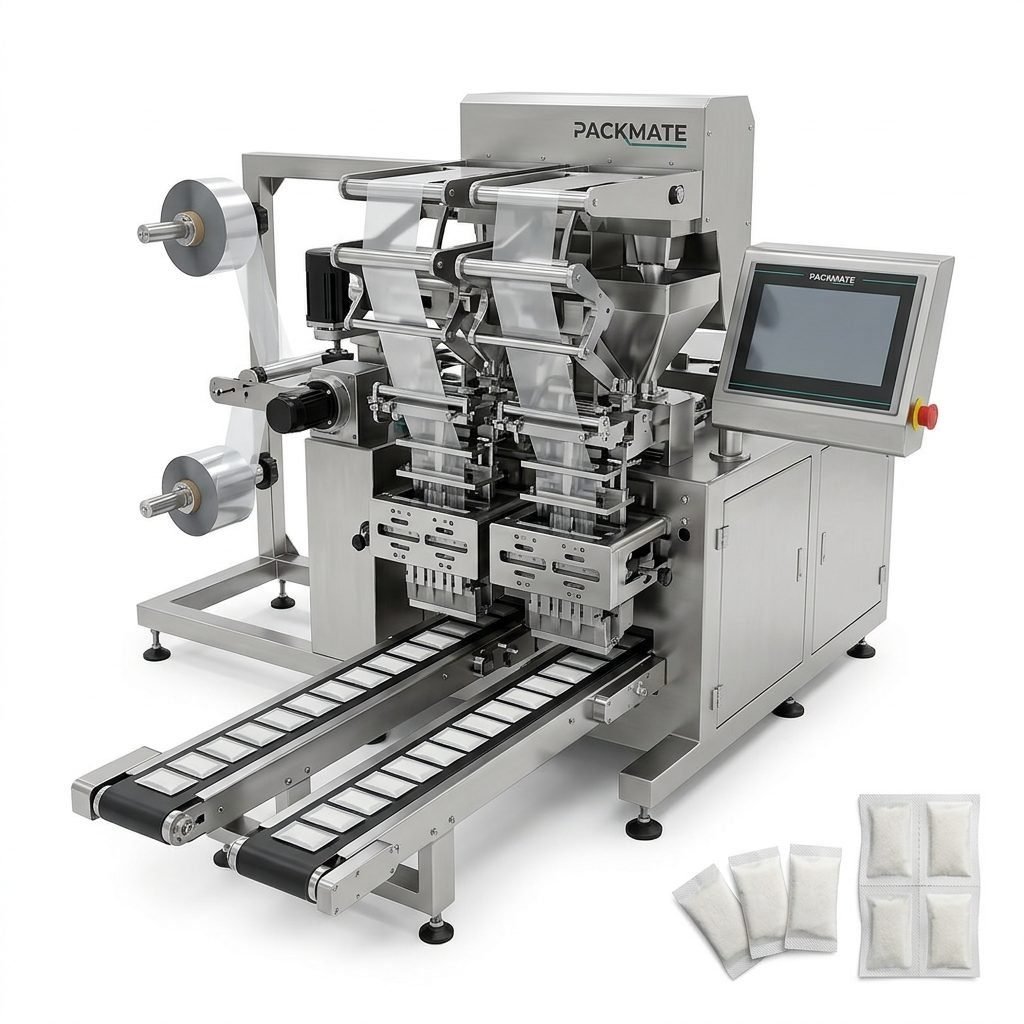
Compactness: Multi-function or vertical-integrated units reduce floor space. Multi-lane options increase throughput without multiplying footprint.
Scalability: Modular architecture lets you add lanes, automated feeders, or a cartoner as demand grows, avoiding expensive replacements.
Practical Layout Tips for Small Facilities
A smart layout can make a small factory operate like a much larger one. Consider linear production flow, easy-to-clean surfaces, and space-saving vertical storage. Keep quality control stations close to the filling and sealing areas to catch problems immediately.
Costing and Return on Investment
Evaluate both upfront capital expenditure and ongoing operational costs. A compact nicotine pouch line reduces initial investment but be sure to account for:
• Consumables: pouch material, seals, labels.
• Labor: consider semi-automated lines to reduce headcount.
• Utilities and facility upgrades: compressed air, HVAC for controlled humidity, electrical supply.
• Service & spare parts: vendor support agreements can lower downtime cost.
Estimating ROI
Calculate ROI by projecting production volume, yield loss, and price per unit. Small businesses can often recover costs within 12–36 months if they maintain strong margins and efficient operations. Use conservative yield estimates and plan for a few months of optimization after commissioning.
Regulatory Considerations and Quality Control
Regulatory compliance is non-negotiable for nicotine products. Invest in equipment that can support traceability, batch records, and hygienic design. Inline metal detection, weight checking, and vision systems help maintain product safety and reduce recalls.
Important: Choose machines compliant with CE and ISO where applicable, and ensure documentation for audits. Suppliers often provide validation support and factory acceptance testing to speed regulatory approval.
Supplier Selection: What to Ask
When you evaluate vendors, prioritize experience in snus/nicotine packaging, proven case studies, and local service availability. Reputable manufacturers often publish case references — review them and request references from customers with similar production scales. For a reliable start, consider suppliers with comprehensive product ranges such as Filling & Packaging Lines.
Installation, Commissioning and After-sales Support
Installation and commissioning are critical to hitting production targets quickly. Work with suppliers who offer:
🔧 On-site commissioning: ensures equipment runs to spec in your environment.
🛠 Spare parts kits: minimize downtime for routine wear parts.
📞 Remote support & training: fast troubleshooting and operator training reduce learning curves.
Why Turnkey Solutions Matter for Small Producers
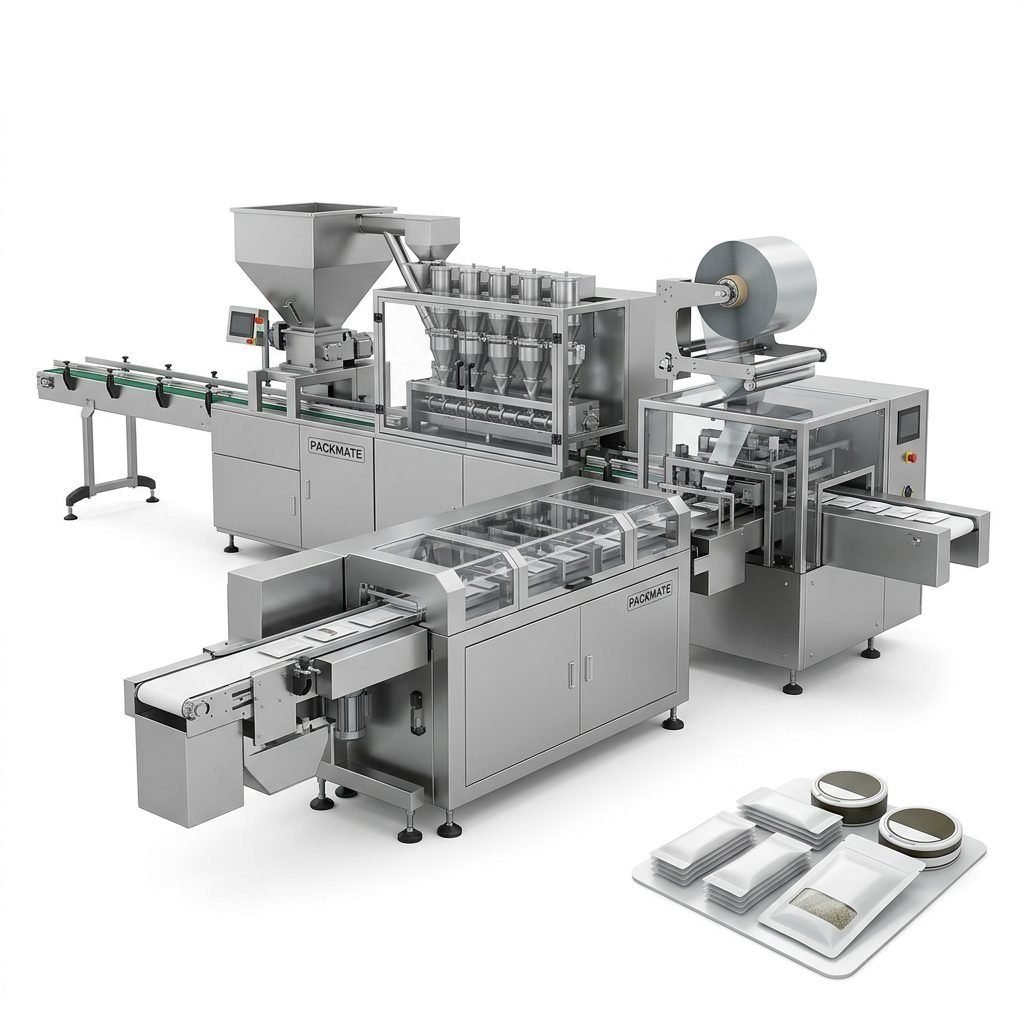
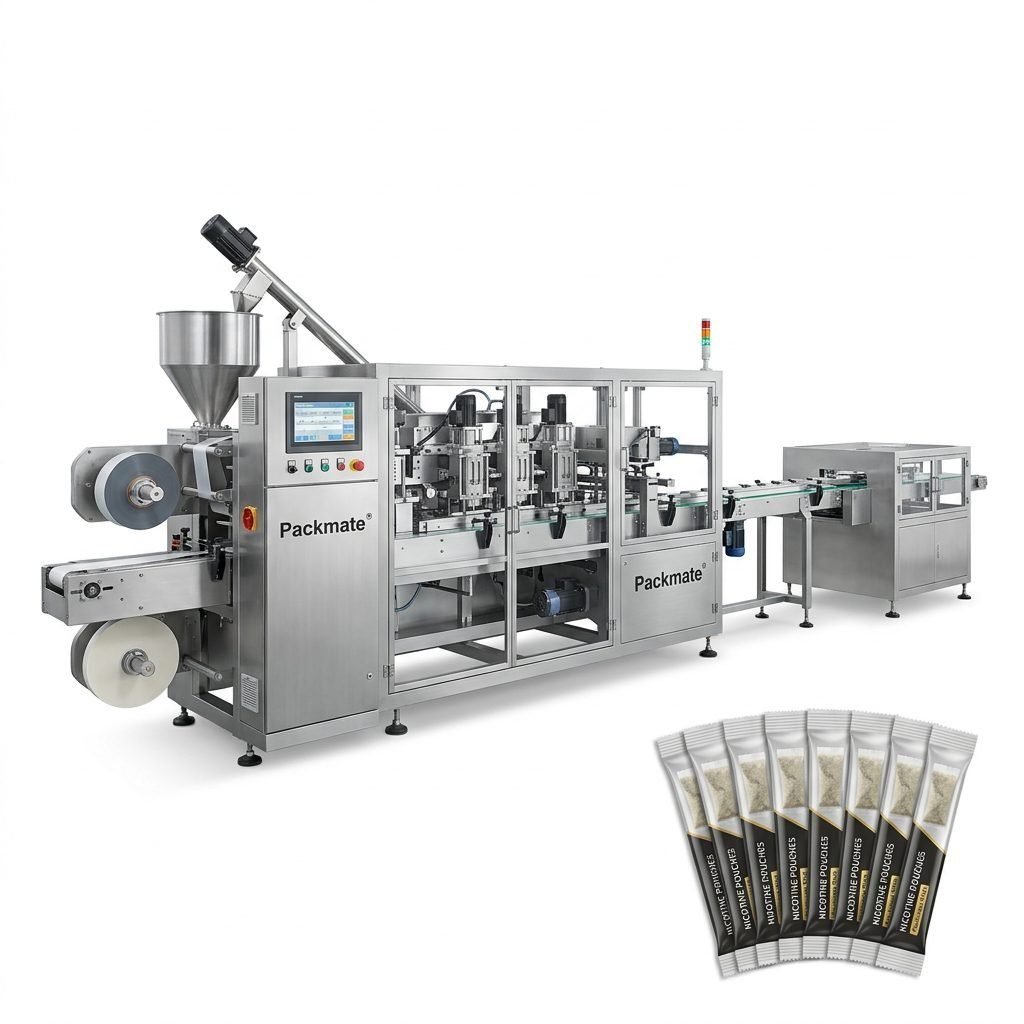
Turnkey systems reduce complexity by bundling dosing, filling, sealing, and quality control in one integrated line. This approach shortens ramp-up time and helps with regulatory paperwork. If you are exploring complete solutions, review product portfolios and case studies from well-known vendors to find a match for your needs — see the manufacturer’s company profile and references for confidence in experience: About Packmate.
Real-world Scaling Strategies
Scaling doesn’t always mean buying a giant line. Consider these practical growth paths:
1. Add lanes: Multi-lane modules multiply output while keeping footprint low.
2. Introduce automation in stages: Start semi-automatic and add robotic pick-and-place for secondary packaging later.
3. Outsource peak runs: For seasonal spikes, partner with contract packers rather than over-investing in permanent capacity.
Case Snapshot: Typical Small-Scale Line
A realistic starter configuration might include a micro-doser, a 4-lane pouch former, a servo-driven heat sealer, a metal detector, and a small cartoner. This setup can produce thousands of pouches per hour with a low footprint and the ability to add more lanes or a horizontal flow-wrapper as demand increases.
Maintenance and Hygiene Practices
Robust maintenance and sanitation protocols are essential. Plan a preventive maintenance schedule focused on wear parts: belts, heaters, and dosing components. Hygienic design, easy-to-disassemble sections, and accessible seal areas reduce cleaning time and contamination risk.
⚠ Tip: Use stainless steel contact surfaces and maintain environmental controls for humidity to protect pouch integrity and sealing consistency.
Sourcing and Partnerships
Partner with suppliers who can offer ongoing support, spare parts, and training. Manufacturers with a global presence and experience in snus/nicotine packaging — and a record of turnkey projects — provide confidence. For additional machine categories to complement production, explore Bag & Pouch Packaging Machines.
Final Considerations Before Buying
Before committing to equipment, validate the following checklist with the vendor and your operations team:
• Performance guarantees: throughput, yield, and downtime expectations.
• Training packages: onsite and remote training for operators.
• Spare parts availability: lead times and local stocking options.
• Documentation: electrical, pneumatic, SOPs, and validation support for audits.
Where to Get More Information
Review manufacturer catalogs and service pages, and request references for small-scale installations. Learn more about supplier capabilities, certifications, and exhibition demonstrations through the vendor’s exhibition and service pages: Our Exhibition and Service.
Conclusion
Small businesses can successfully enter and grow in the nicotine pouch market by choosing a production line that balances affordability, compact design, and scalability. Focus on modular systems, strong supplier partnerships, and a clear path to incremental automation. With the right planning and vendor support, a small-scale production line can deliver consistent product quality, regulatory compliance, and a fast return on investment.
Frequently Asked Questions
Q1: What is the minimum investment for a small nicotine pouch line?
A1: Initial costs vary by configuration, but compact, semi-automatic lines designed for small batches are typically the most budget-friendly. Consider total cost of ownership when evaluating options.
Q2: Can I start with pre-made pouches and upgrade later?
A2: Yes. Using pre-made pouches for initial runs reduces capital expense and simplifies setup. As volumes increase, you can add a pouch former or multi-lane modules to reduce per-unit packaging costs.
Q3: How important is vendor support for regulatory compliance?
A3: Extremely important. Experienced vendors provide validation documentation, machine certificates like CE/ISO, and commissioning support that help streamline audits and approvals.
Q4: Where can I see real machine demonstrations?
A4: Attend trade shows or request a live demo from the manufacturer. Many suppliers host exhibitions and online demos — check their exhibition pages for schedules.
Q5: Who can I contact for turnkey solutions and customization?
A5: Reach out directly to the manufacturer or their authorized representatives via the contact or service pages to discuss tailored solutions and turnkey installations: Contact Us.