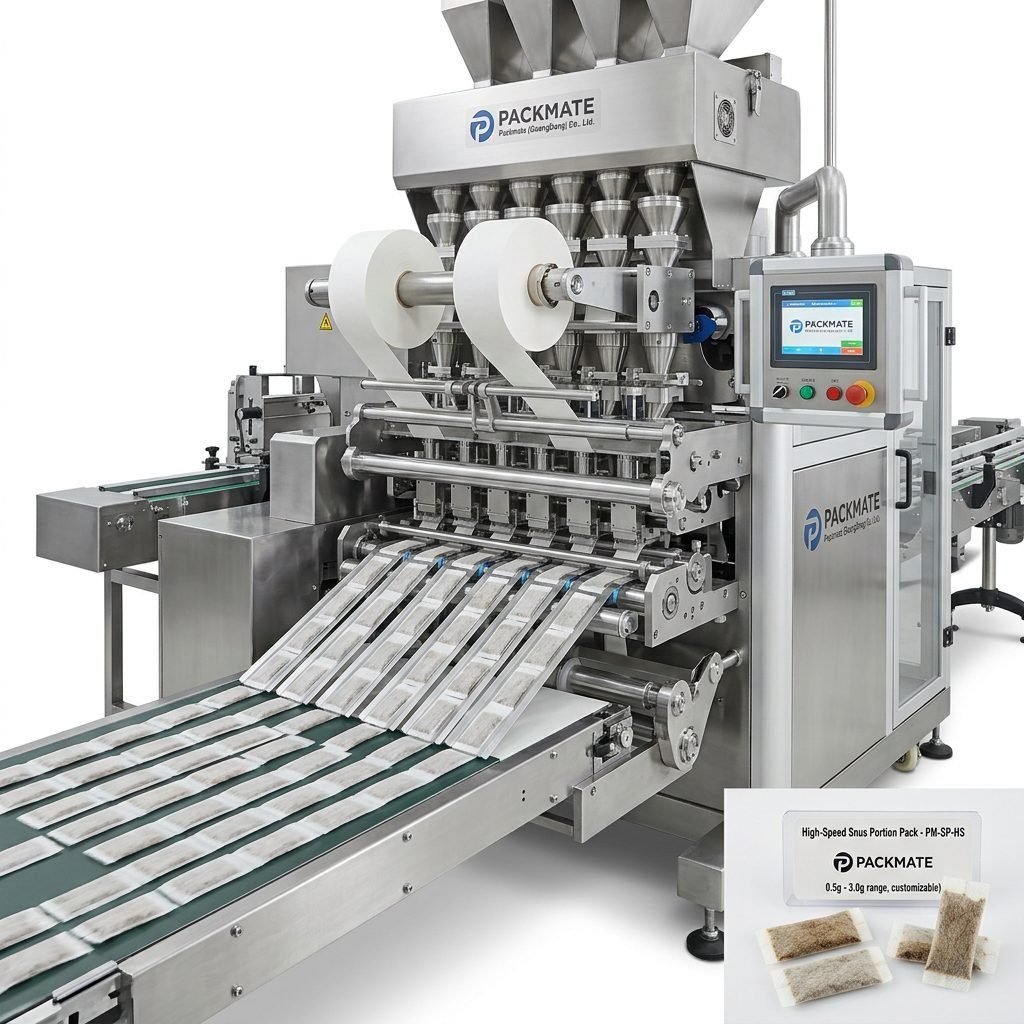
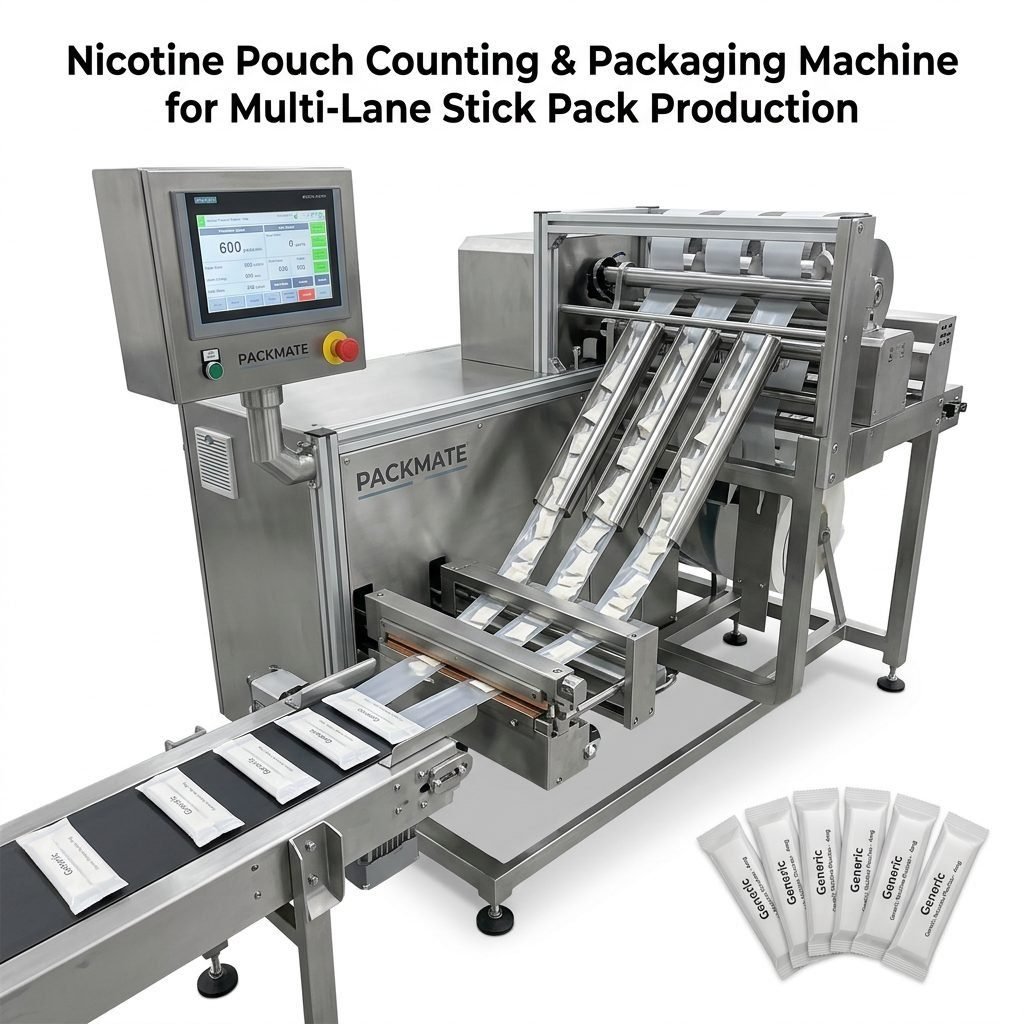
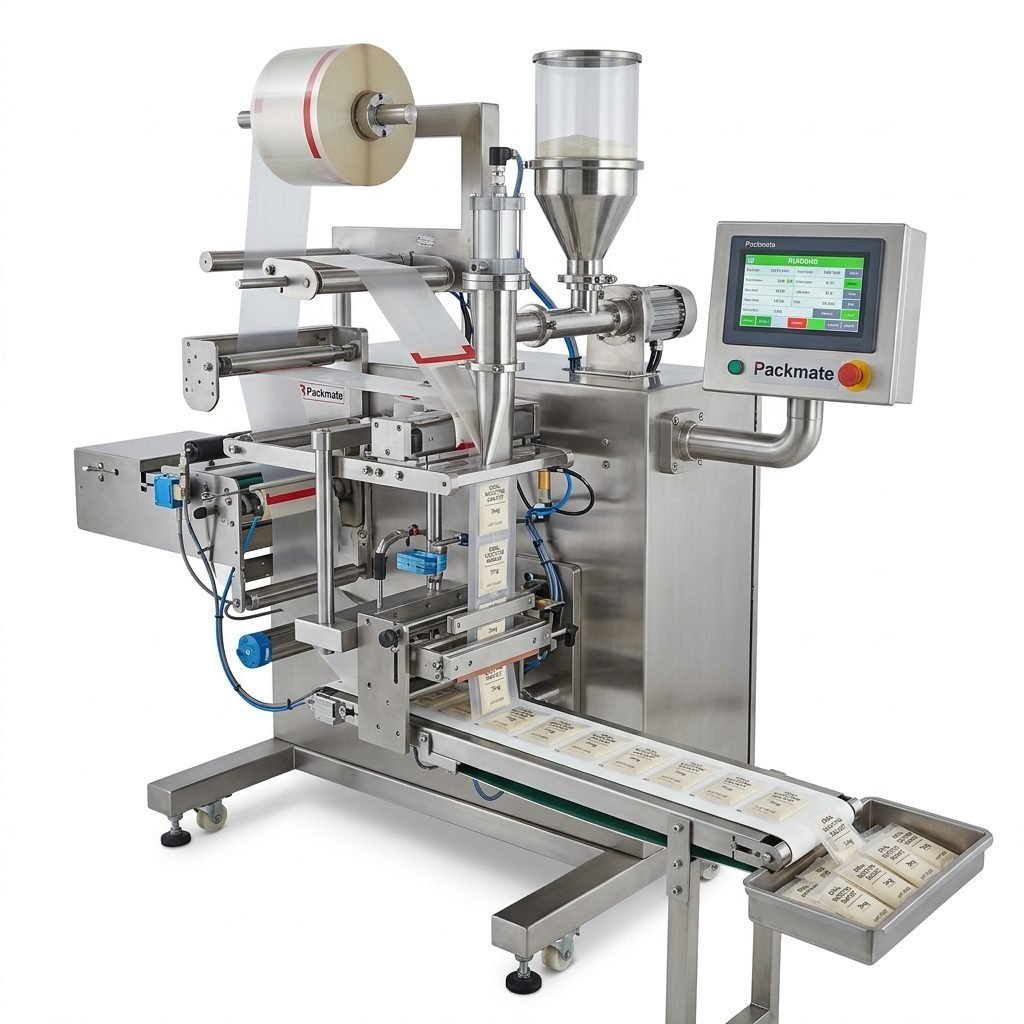
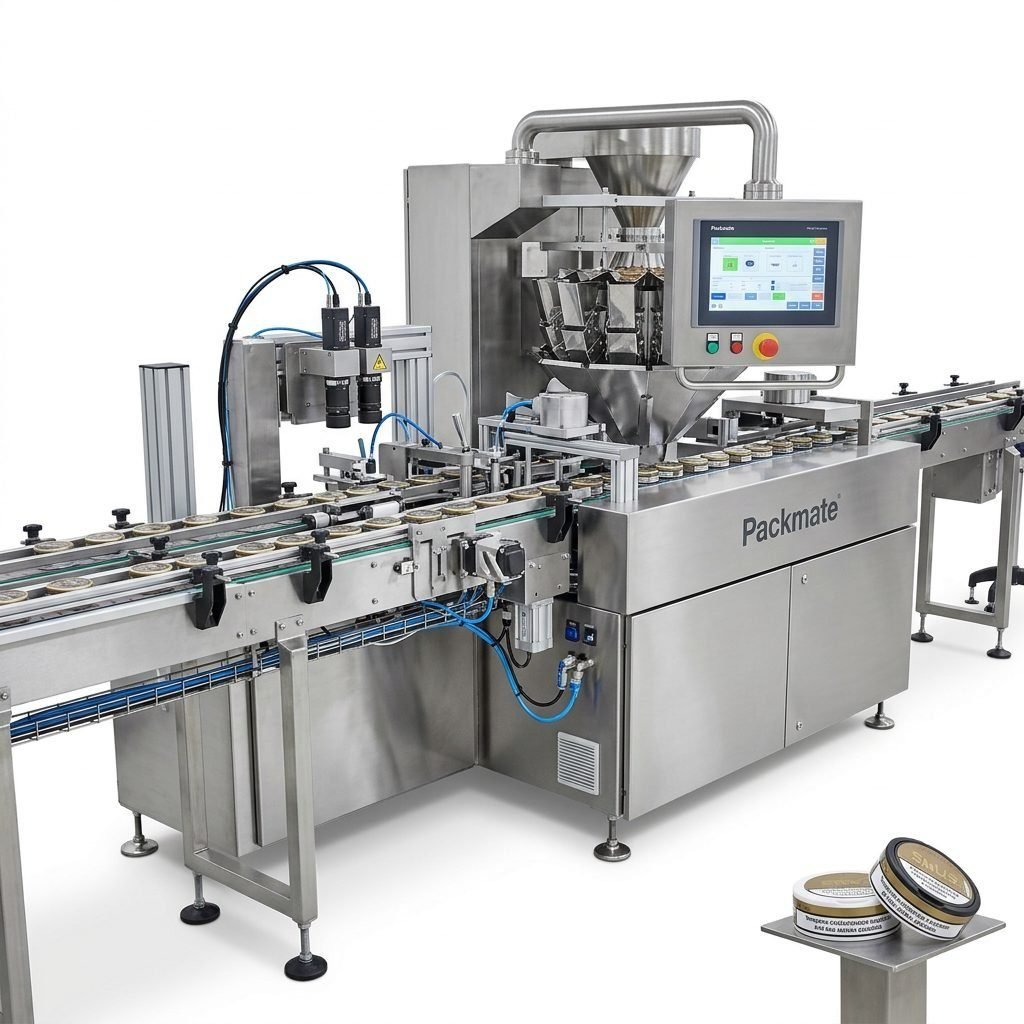
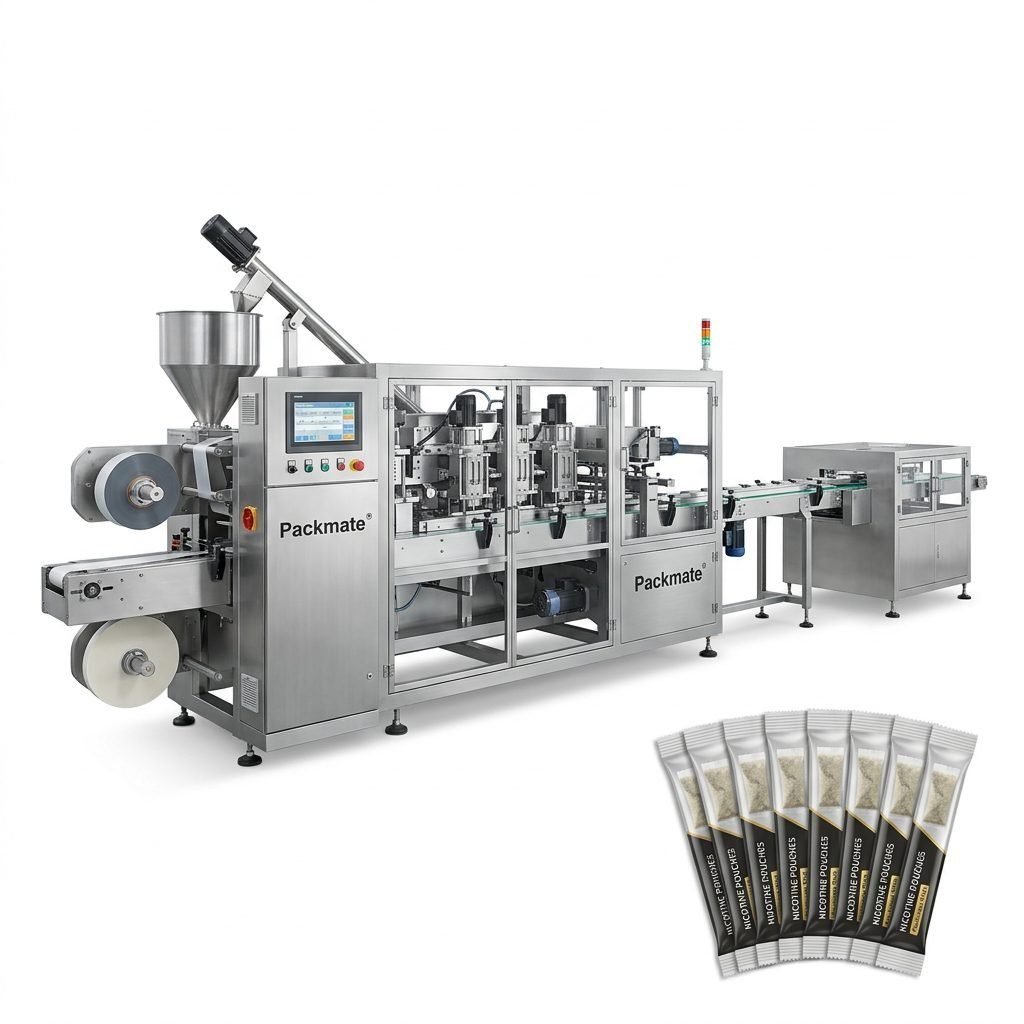
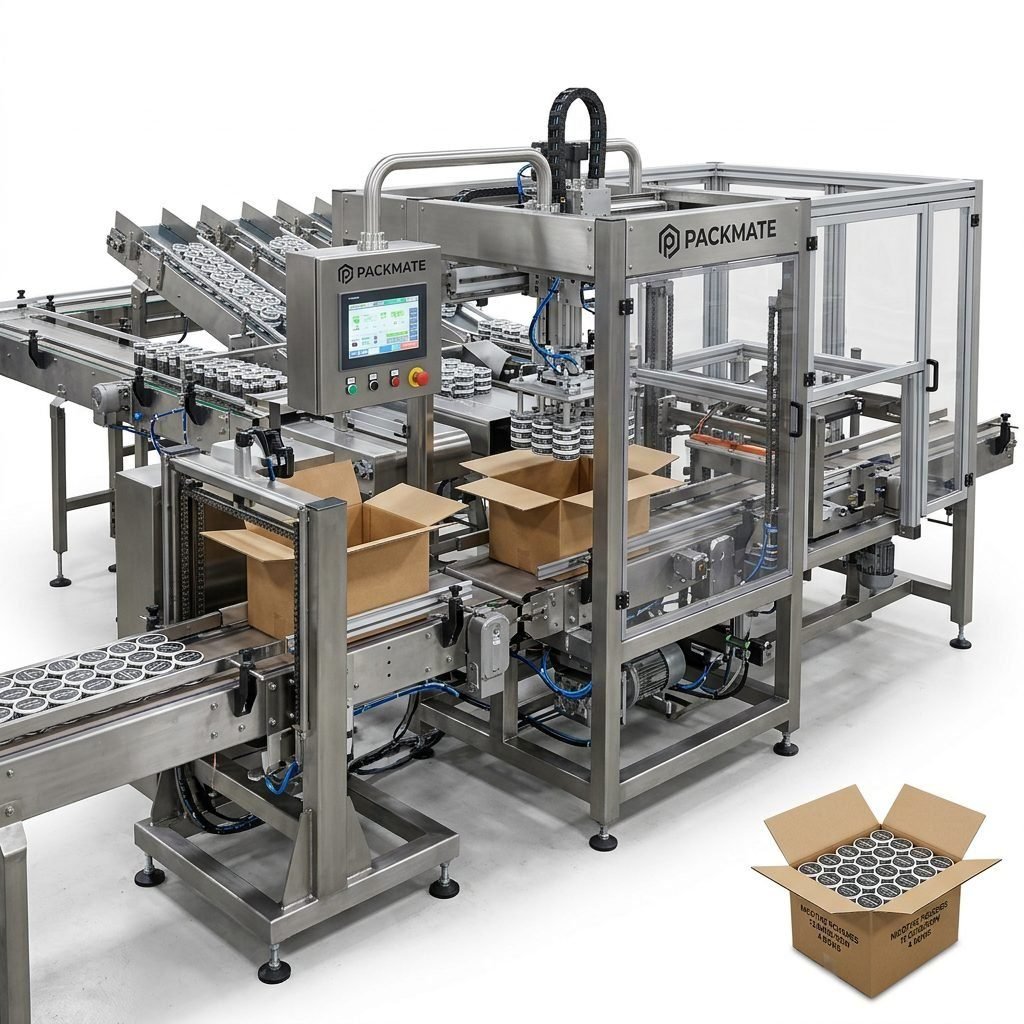
Snus and nicotine pouch brands targeting European consumers need packaging solutions that combine precision dosing, attractive presentation, regulatory compliance, and high uptime. Choosing the right automatic snus packaging machine means balancing speed, flexibility, hygiene standards, and after-sales support. This guide explains how to evaluate machines, what European market characteristics matter, and why a turnkey partner with proven engineering experience can shorten your route-to-market.
European Market Overview: Cultural Habits & Regulatory Nuances
Europe is diverse in product habits and legal frameworks. Sweden remains the notable exception in the EU: snus has a long cultural history and legal status there, while most other EU member states restrict or ban the sale of traditional snus. In recent years, nicotine pouches (often tobacco-free) have grown in popularity across many European countries due to their ease of use, discreet format, and variety of flavors. Manufacturers must therefore design packaging and production strategies that respect local rules, label requirements, language needs, and consumer preferences.
Key regional considerations
Compliance: Ensure products meet CE and local health regulations; labels must include mandated health warnings and ingredient lists in the appropriate languages.
Packaging formats: Swedish consumers often expect traditional can formats and loose snus, while many Western and Central European users prefer pre-portioned pouches or sachets.
Customs & taxation: Different countries apply varying excise regimes and import rules—packaging must support traceability, batch coding, and tamper-evident features to pass audits.
Machine Types: Which Format Suits Your Product?
Choosing the right machine starts from the pouch or can format you intend to produce. Automatic packaging solutions for snus and nicotine pouches commonly include:
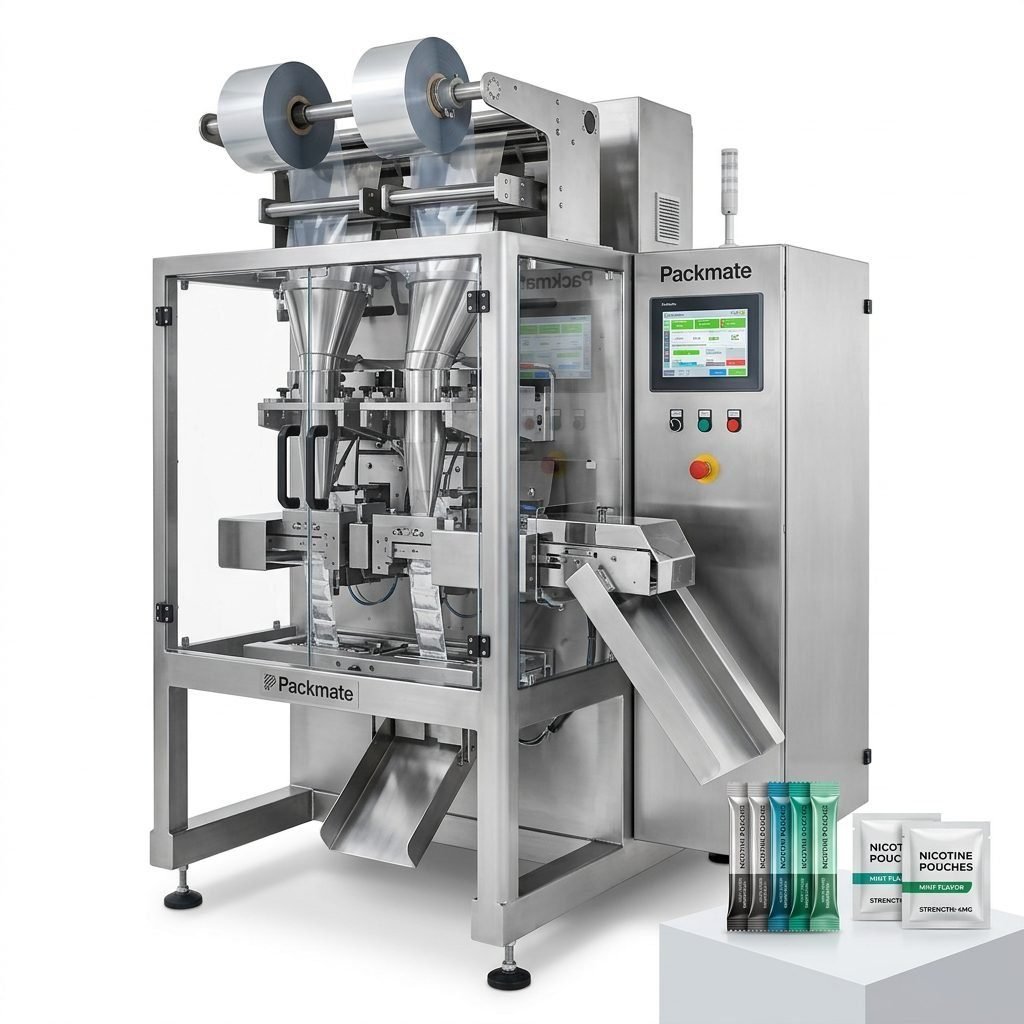
Stick pack & single-portion sachets — ideal for single-use pouches with tight portion control. These are popular for flavored nicotine pouches.
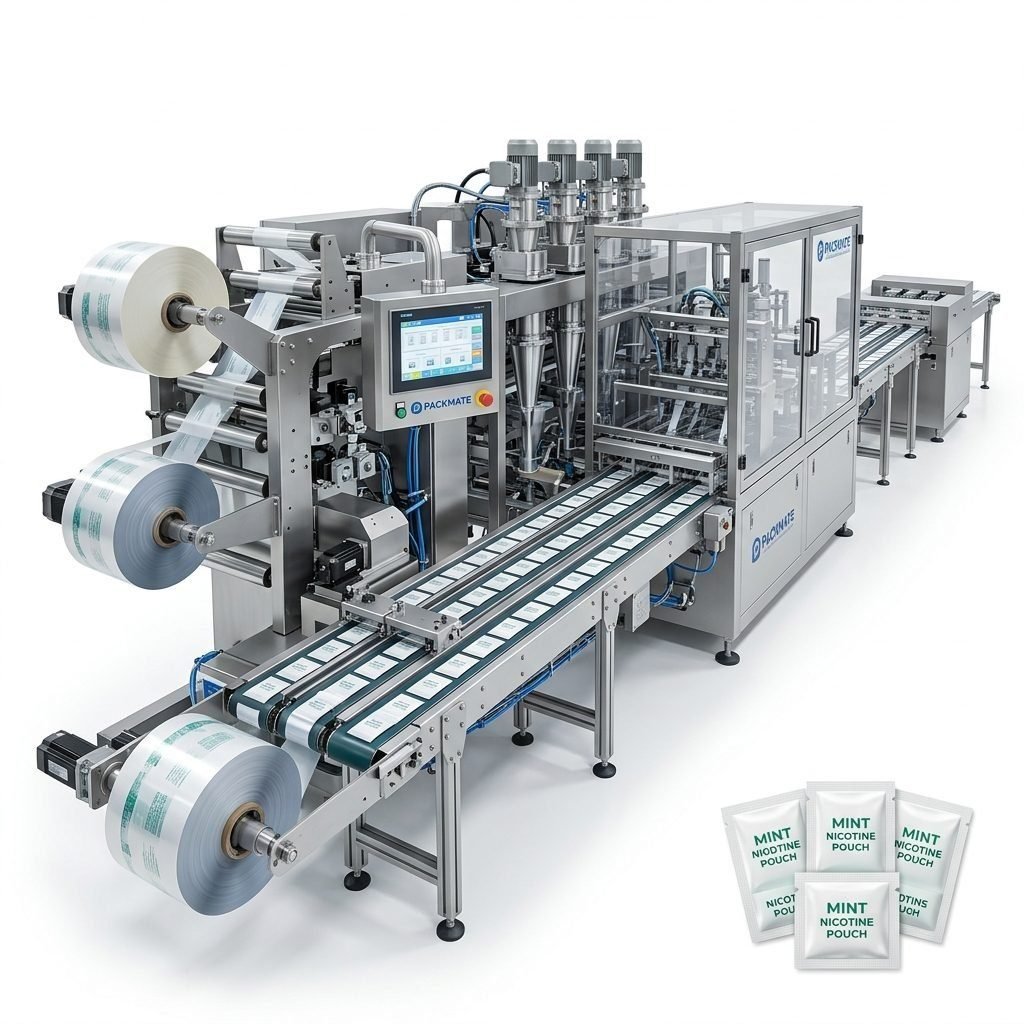
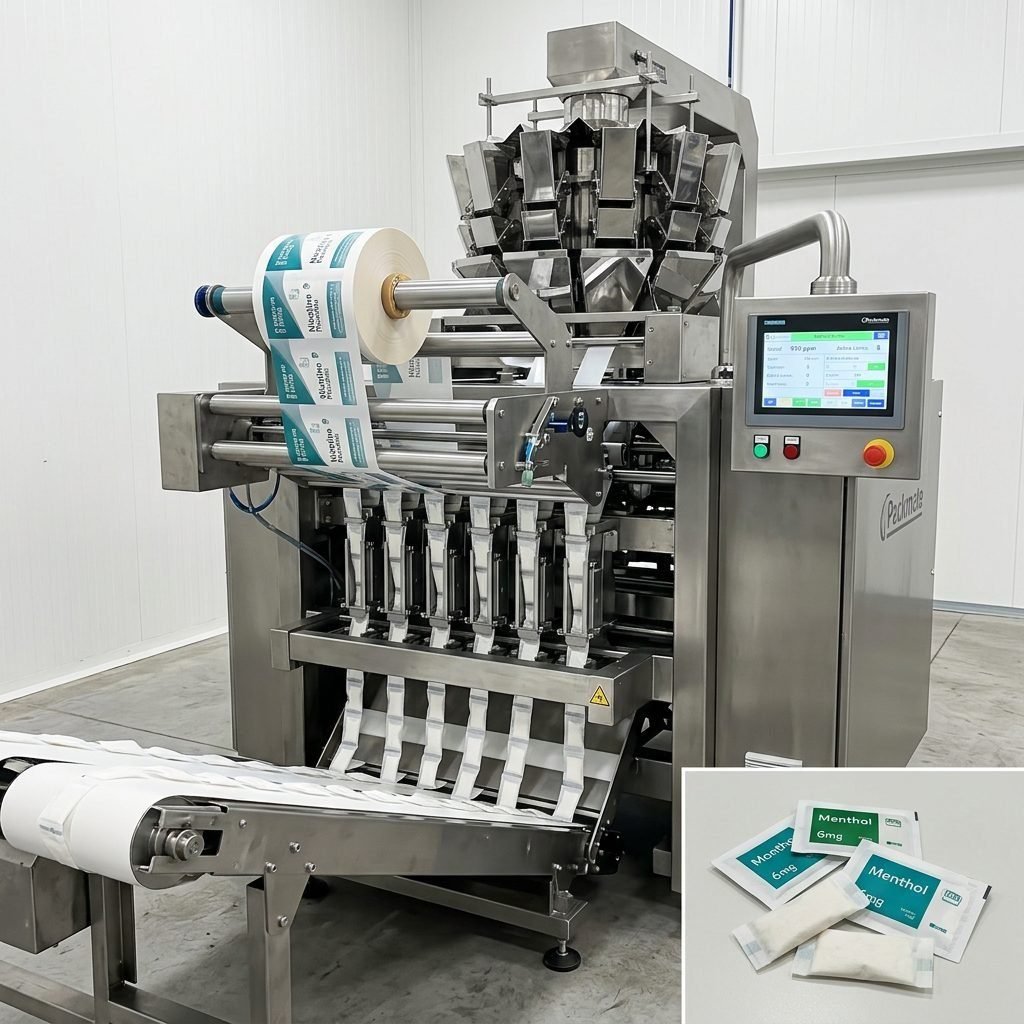
Multi-lane pouch lines — increase throughput by forming and filling several pouches in parallel. Best for high-volume production and consistent dosing across lanes.
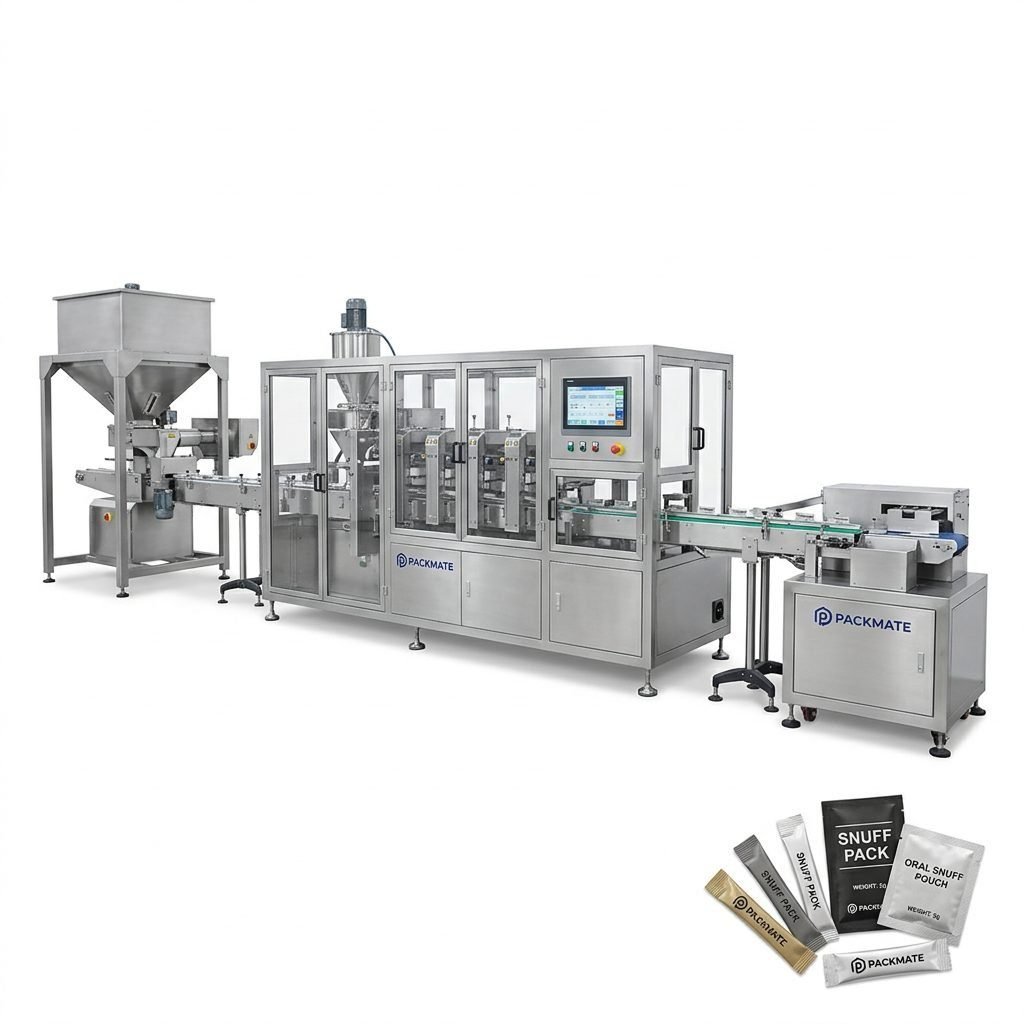
Can & tub filling systems — required if you plan to produce traditional snus cans or resealable tubs with lid application.
📌 Quick tip: If you expect to serve multiple European markets, prioritize machines that handle quick format changeovers and multi-language label printing to reduce downtime and avoid repacking.
Performance Criteria: Speed, Accuracy & Hygiene
When evaluating automatic packing machines, three performance pillars stand out:
Speed & throughput
Throughput requirements influence the choice between single-lane and multi-lane systems. High-volume European distributors often require lines exceeding tens of thousands of pouches per hour — multi-lane snus machines achieve this while maintaining compact floor footprints.
Dosing accuracy
Precise dosing is essential for cost control and regulatory compliance. Look for feeders and weighers with high-resolution load cells, minimal CV% (coefficient of variation), and consistent portion weights. Integration with a high-speed checkweigher or in-line weighing system further reduces out-of-spec batches.
Hygiene & materials
Food-grade stainless steel (SS304/SS316 where required), sanitary design with minimal crevices, and CIP-friendly components are mandatory in Europe. Machines that are easy to disassemble and clean reduce downtime and help with audits.
✅ Must-have feature: CE and ISO certification, plus modular electronics that allow remote diagnostics and software updates.
Automation & Integration: Building a Turnkey Line
A complete packaging solution often requires more than a single wrapper. Integration points include:
• Feeders and dosing systems (vibratory, auger, or multi-head weighers) that match your product characteristics.
• Form-fill-seal modules for sachets or stick packs; can fillers and lid application for tubs and cans.
• Ancillary equipment: checkweighers, metal detectors, date/lot coders, and cartoning or end-of-line palletizing systems.
Control systems & user interface
Modern machines offer PLC control with intuitive HMI touchscreens, recipe-driven changeovers, and remote access capabilities. For multi-country operations, built-in recipe management and password-protected user levels ensure repeatable setups and compliance with GMP documentation.
Quality Assurance: Vision Systems & Traceability
Vision inspection verifies seal integrity, pouch placement, print quality, and label presence. In Europe, traceability is increasingly important — integrate batch coding and allow export of production logs, rejection reports, and weight statistics for regulatory and retailer audits.
ℹ️ Quality reminder: A vision system combined with automated rejection dramatically reduces customer complaints and returns.
Service, Spare Parts & Local Support in Europe
Fast service response and spare parts availability are critical. Choose suppliers that provide:
• Clear spare parts lists and BOMs.
• European exhibition presence and local partners—this speeds up commissioning and reduces shipping delays.
• Training programs and detailed SOP documentation in English and local languages where necessary.
Cost, ROI & Scaling Strategy
Investment decisions should include total cost of ownership: purchase price, installation, validation, spare parts, and expected yield. Factor in flexibility for format changes and expansion (for example, adding lanes) to protect against fast-moving market trends. A machine that reduces product waste and improves yields often pays back faster than the cheapest alternative.
Example ROI drivers
Higher accuracy → lower material waste and fewer rejected packs.
Faster changeovers → more production time and lower labor costs.
Modularity → easier upgrades as volumes grow, protecting your original investment.
Why Choose an Experienced Manufacturer like Packmate?
Packmate Snus Machine brings over 30 years of experience designing high-performance snus packaging lines. With a full manufacturing facility and over 50 machine models, Packmate offers turnkey solutions from dosing to final case packing. Their machines comply with international standards such as CE and ISO, and they routinely participate in global exhibitions so clients can evaluate live demonstrations.
Explore product lines and case studies:
– Snus & Nicotine Packaging Machines
– Case — real-world installations and performance data
– About Packmate — company profile and factory capabilities
Selection Checklist: Questions to Ask a Supplier
📌 Performance: What are guaranteed speeds and CV% for dosing?
🔧 Hygiene: Which materials are used in product contact zones?
🛠️ Support: What spare parts lead times and training programs are offered?
📄 Compliance: Can the supplier provide CE/ISO certificates and FAT documentation?
Installation, Testing & Ramp-up
A successful installation includes FAT (Factory Acceptance Test), SAT (Site Acceptance Test), operator training, and a short ramp-up period with dedicated commissioning engineers. For multi-country deployments, document all procedures and provide localized training materials.
Case Snapshot: Typical European Launch Scenario
A new nicotine pouch brand targeting Northern and Central Europe chose a modular multi-lane filling and form-fill-seal line. The line included high-speed weighers for dosing, an HMI with multi-language recipes, vision inspection for print quality, and integrated coding for batch traceability. Within weeks, the brand scaled from pilot runs to full production while passing retailer audits and local compliance inspections.
Final Recommendations
When seeking the best snus packaging machine for Europe, prioritize regulatory compliance, dosing accuracy, hygiene, and serviceability. A supplier with turnkey experience and visible European case studies reduces your business risk. For more technical specifications and tailored solutions, consult manufacturer product pages and request a full proposal that includes FAT/SAT plans and spare parts support.
📞 Next step: If you plan to scale across multiple European markets, request a feasibility review and ROI calculation from your chosen supplier to align capacity, format flexibility, and compliance needs.
Frequently Asked Questions
Q1: What certifications should a snus packaging machine have for European use?
A1: Ensure CE conformity and relevant ISO certifications. Machines should support hygienic design (SS304/316), and suppliers should provide FAT documentation and material declarations.
Q2: Can one machine platform handle multiple pouch sizes and formats?
A2: Yes—many modern platforms are modular with recipe-driven changeovers to support stick packs, sachets, and multi-lane pouch formats. Confirm changeover times and tooling costs.
Q3: How do I ensure dosing accuracy for low-dose nicotine pouches?
A3: Use precise feeders, high-resolution load cells, multi-head weighers where needed, and integrate inline checkweighers for statistical control and rejection of out-of-spec portions.
Q4: What after-sales support should I expect from a reputable supplier?
A4: Expect training, spare parts kits, remote diagnostics, local partner support in Europe, and clear SLA options for on-site visits.
Q5: Where can I learn more about turnkey snus packaging lines and see real installations?
A5: Visit manufacturer pages and case studies such as Snus & Nicotine Packaging Machines and Case to review live examples and technical specifications.