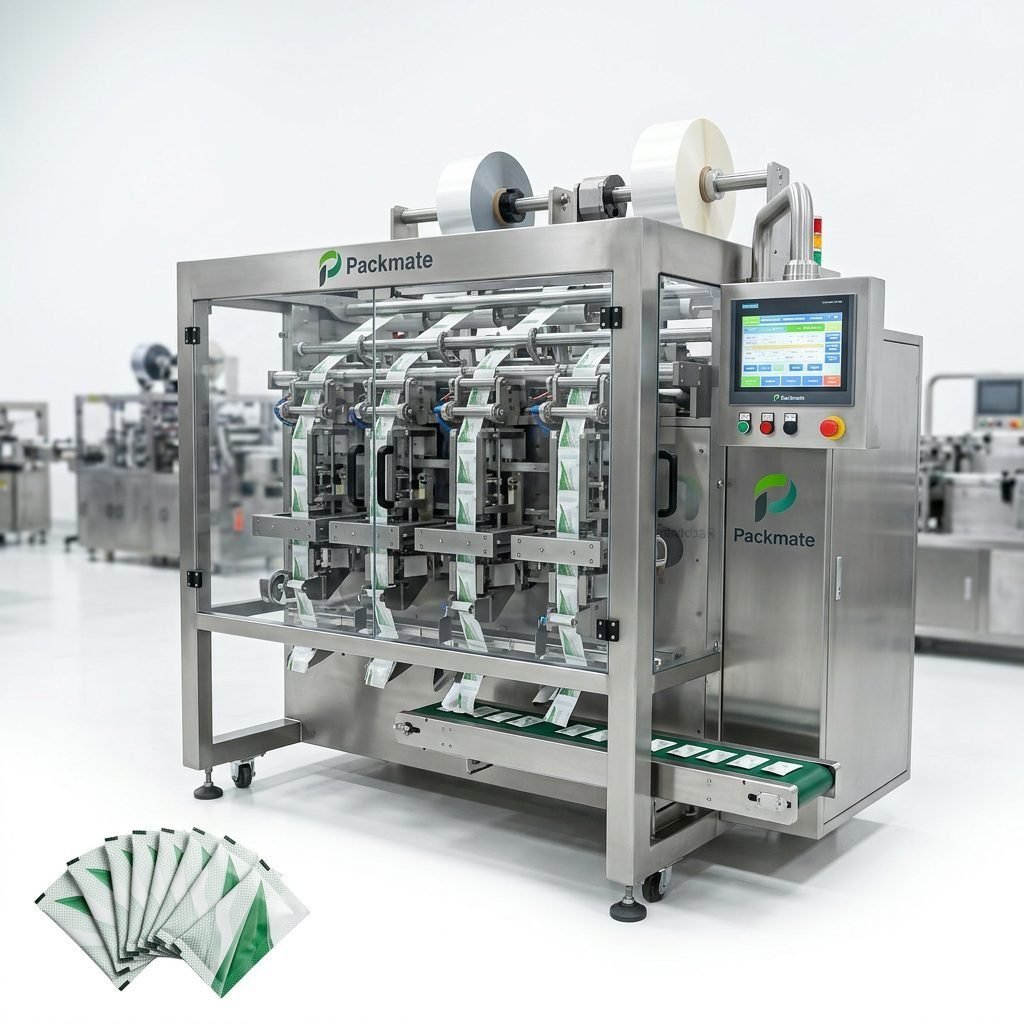
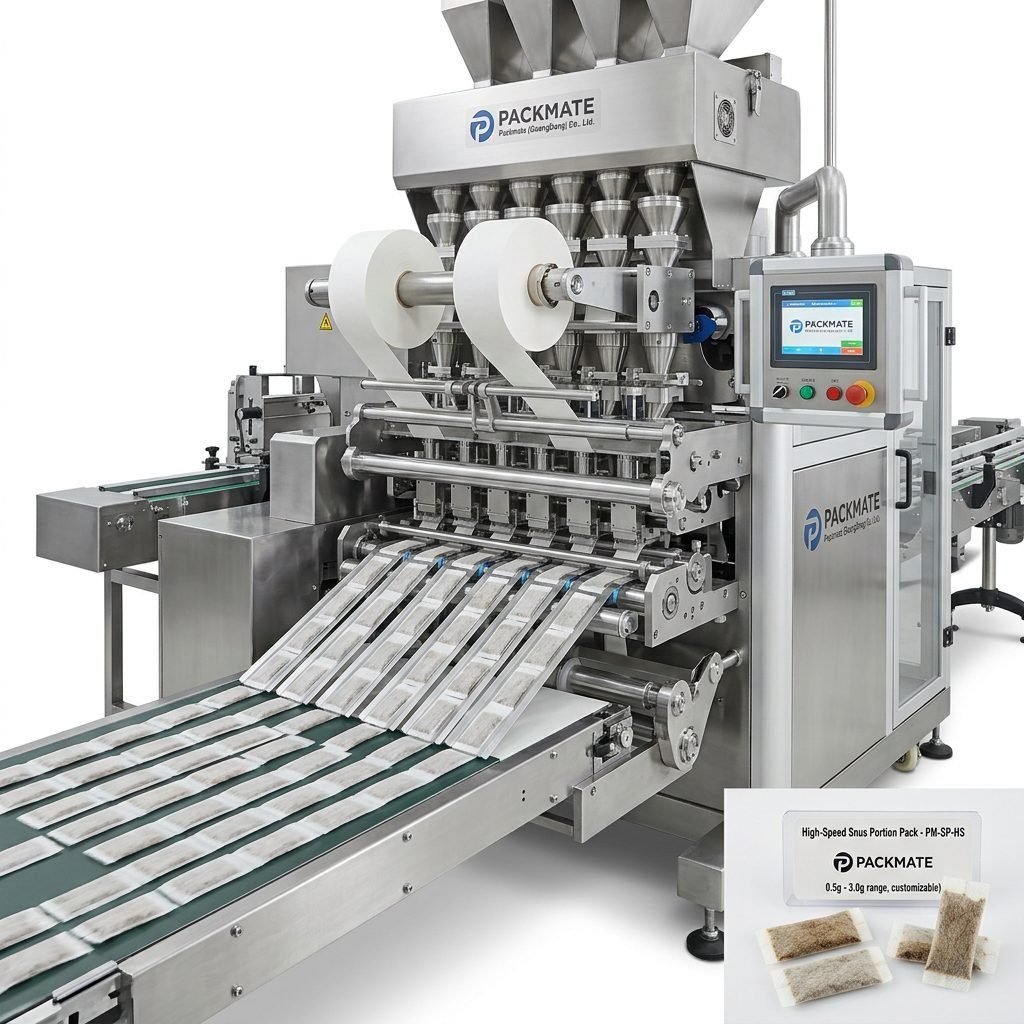
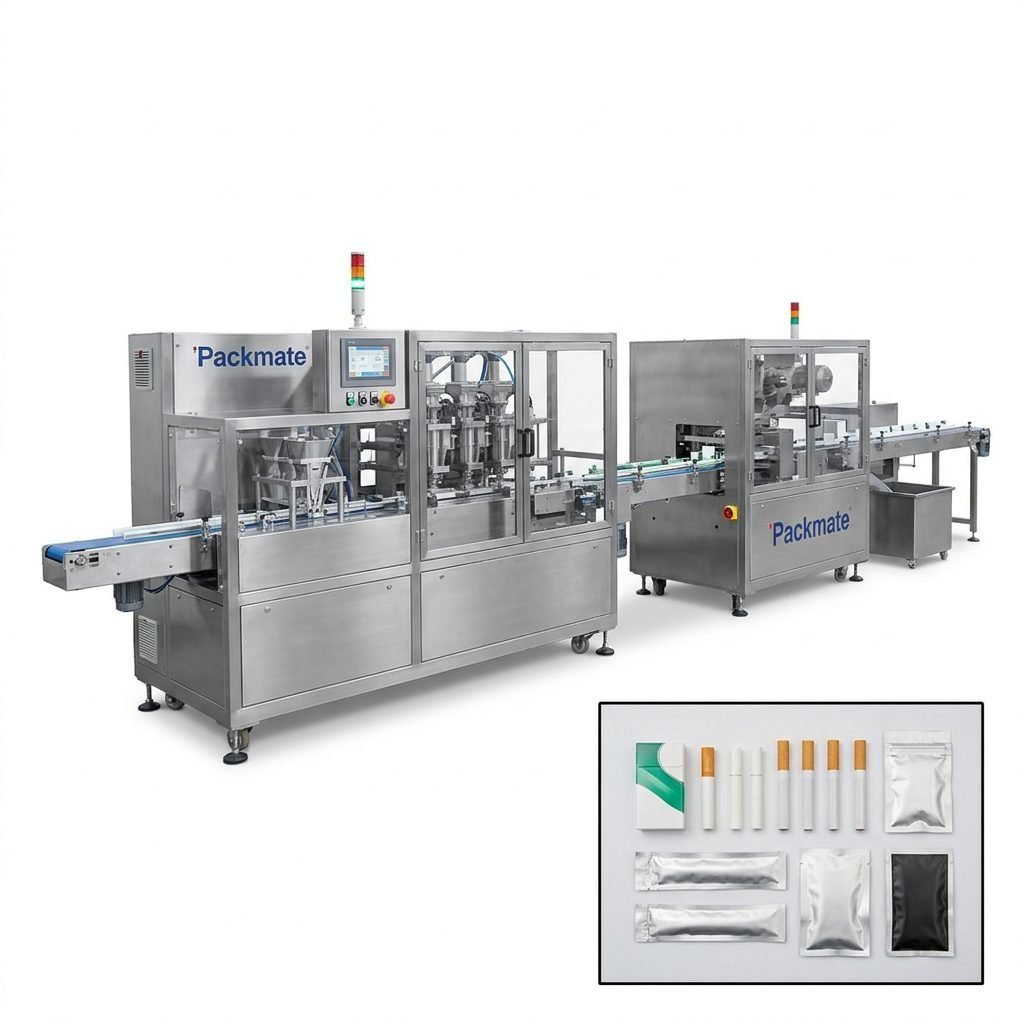
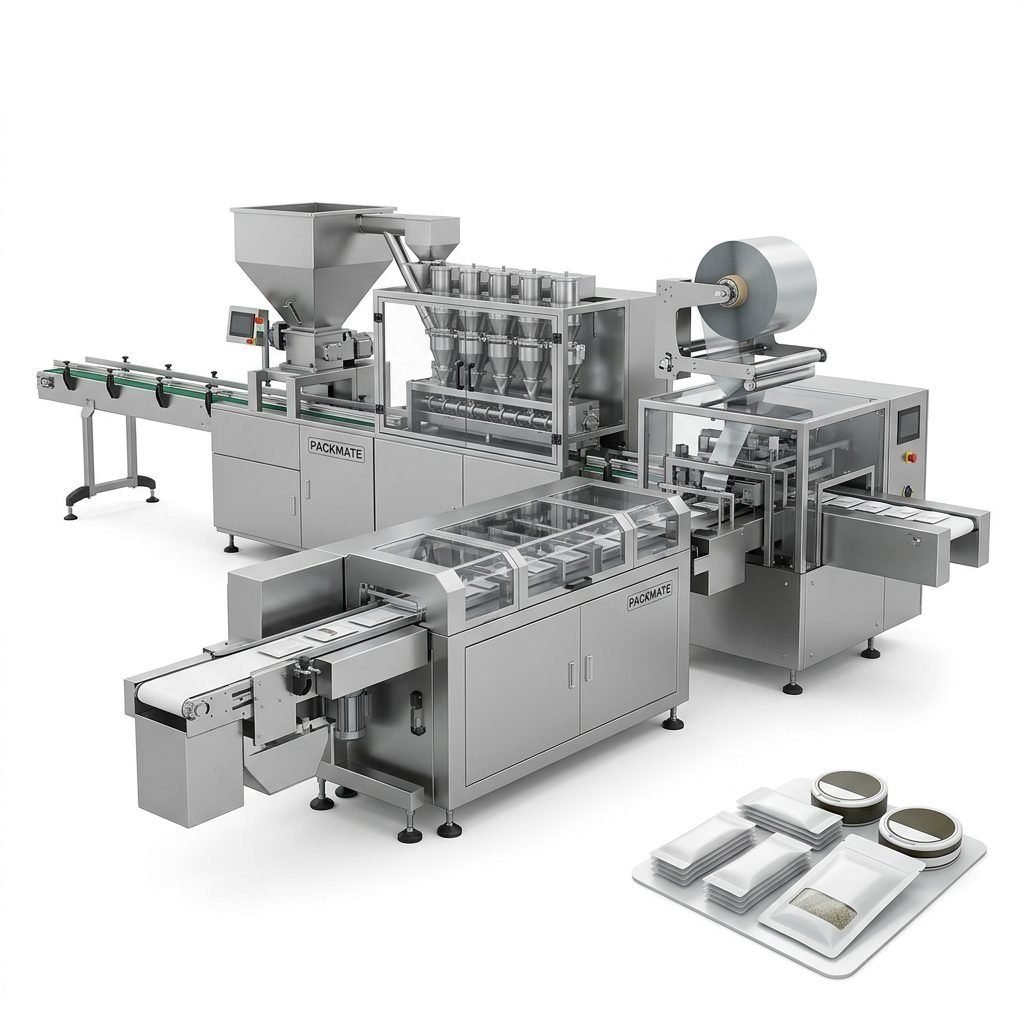
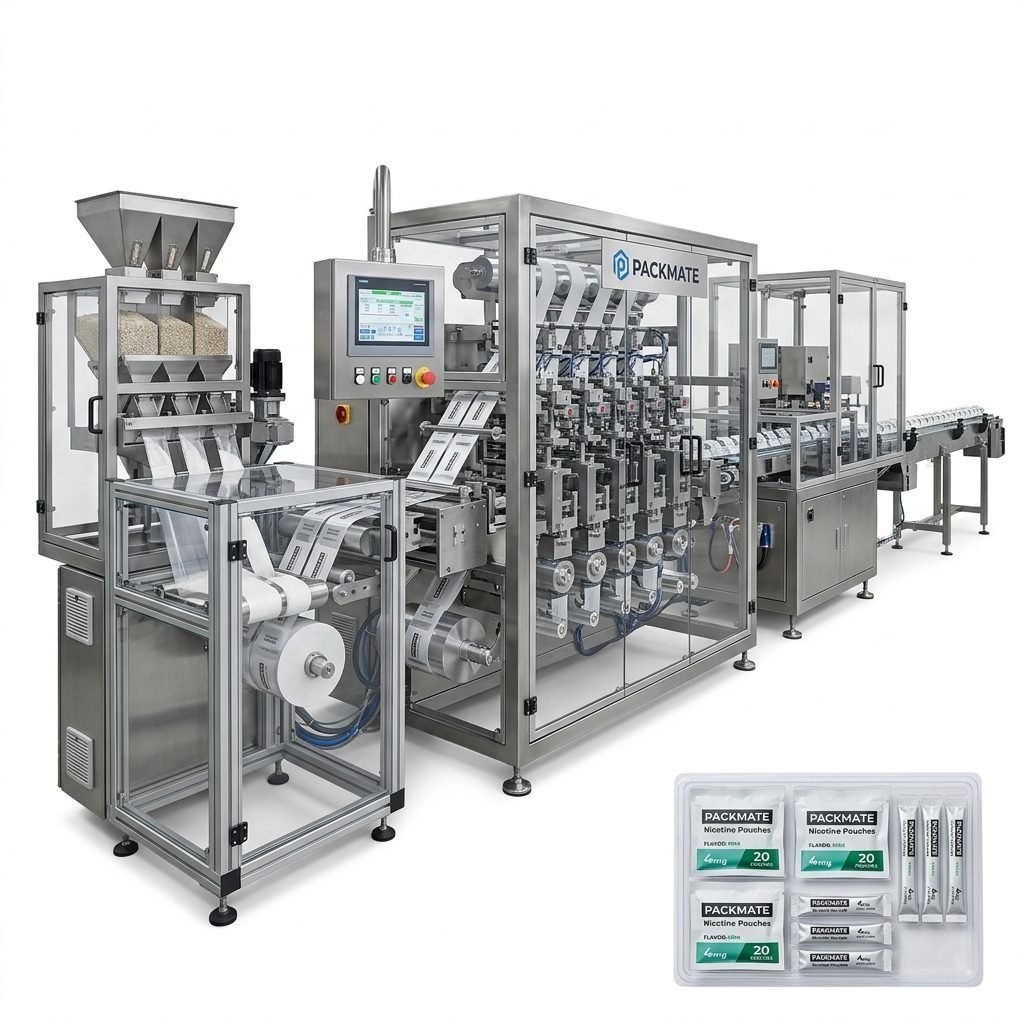
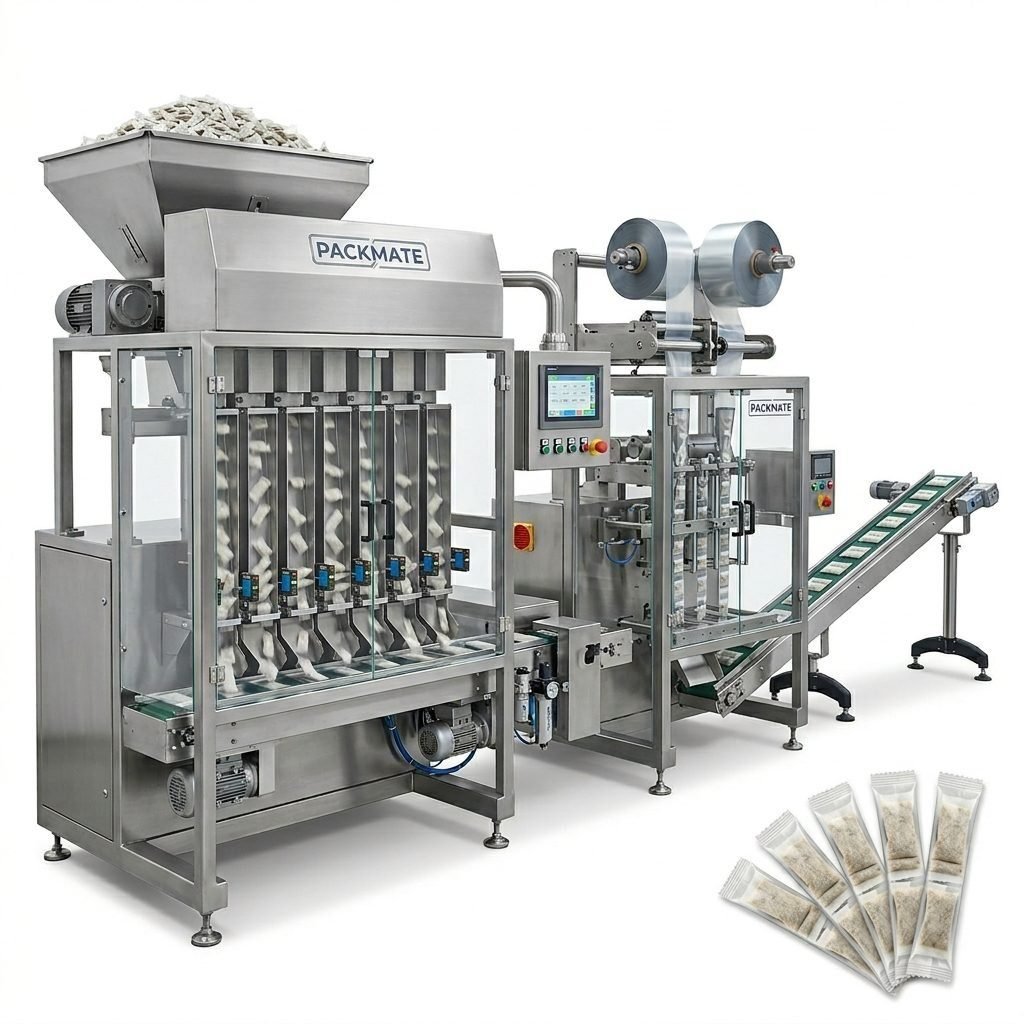
In the evolving world of snus and nicotine pouch production, manufacturers demand packaging systems that deliver speed, consistency and compliance without sacrificing flexibility. A servo driven snus machine represents the pinnacle of modern pouch-packing technology — combining electronic precision, rapid changeover, and energy efficiency to meet high-volume production targets while protecting product quality. This guide explores why servo-driven solutions are increasingly favored, how they work, what features matter most, and how to evaluate options for long-term performance and return on investment.
What Is a Servo Driven Snus Machine?
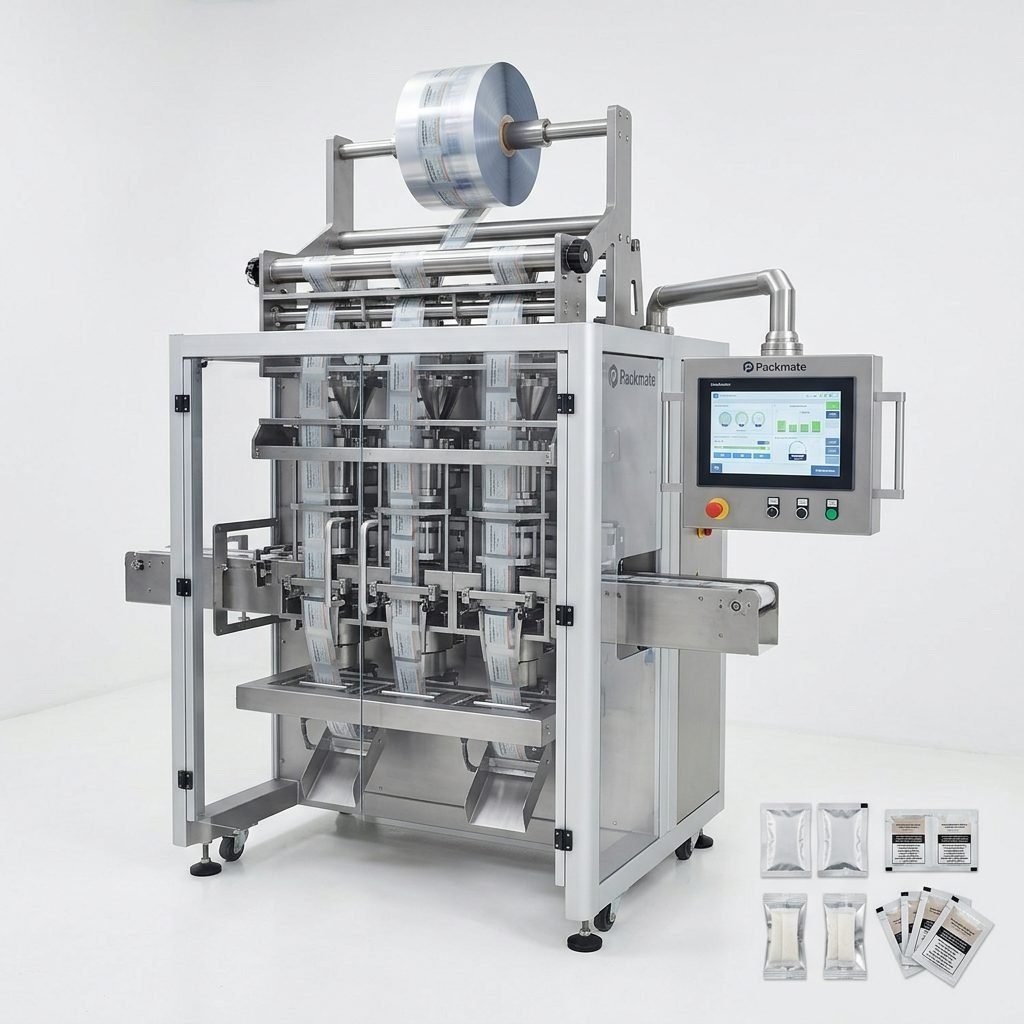
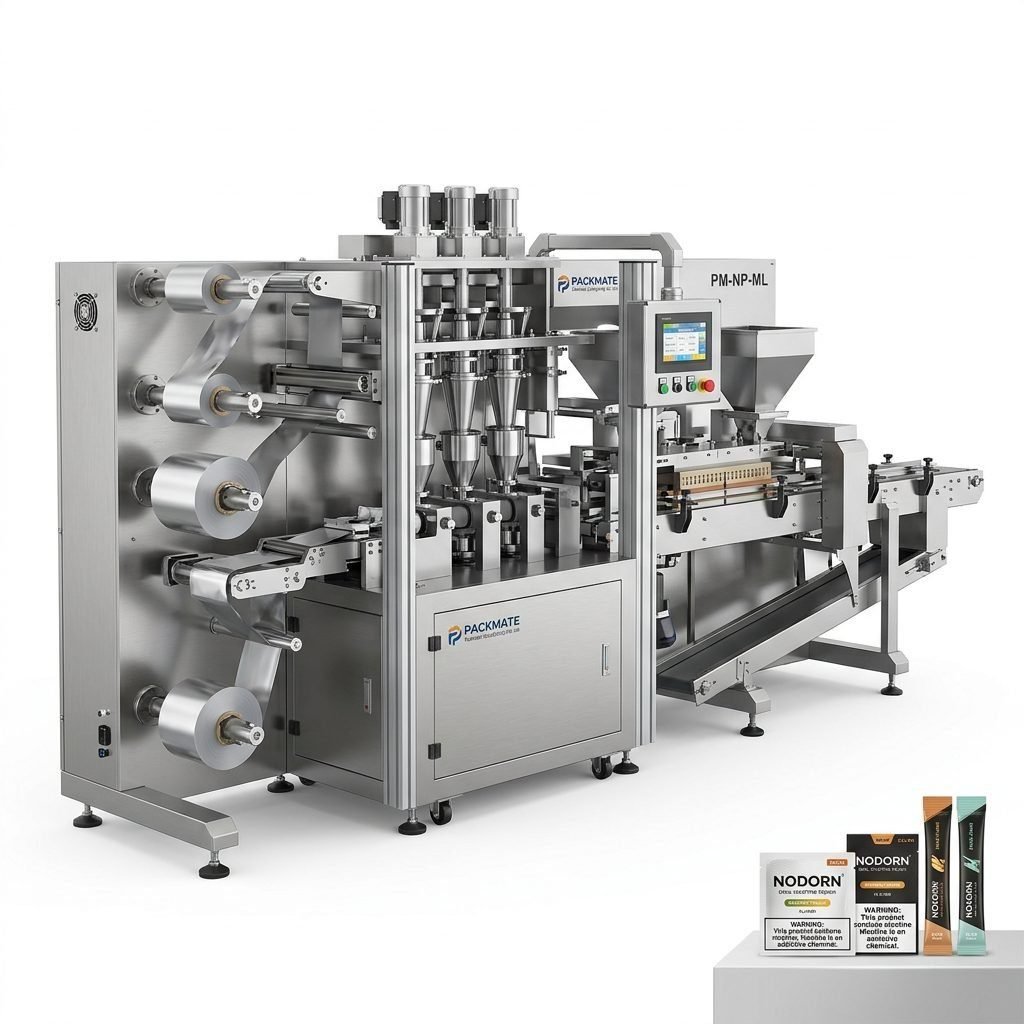
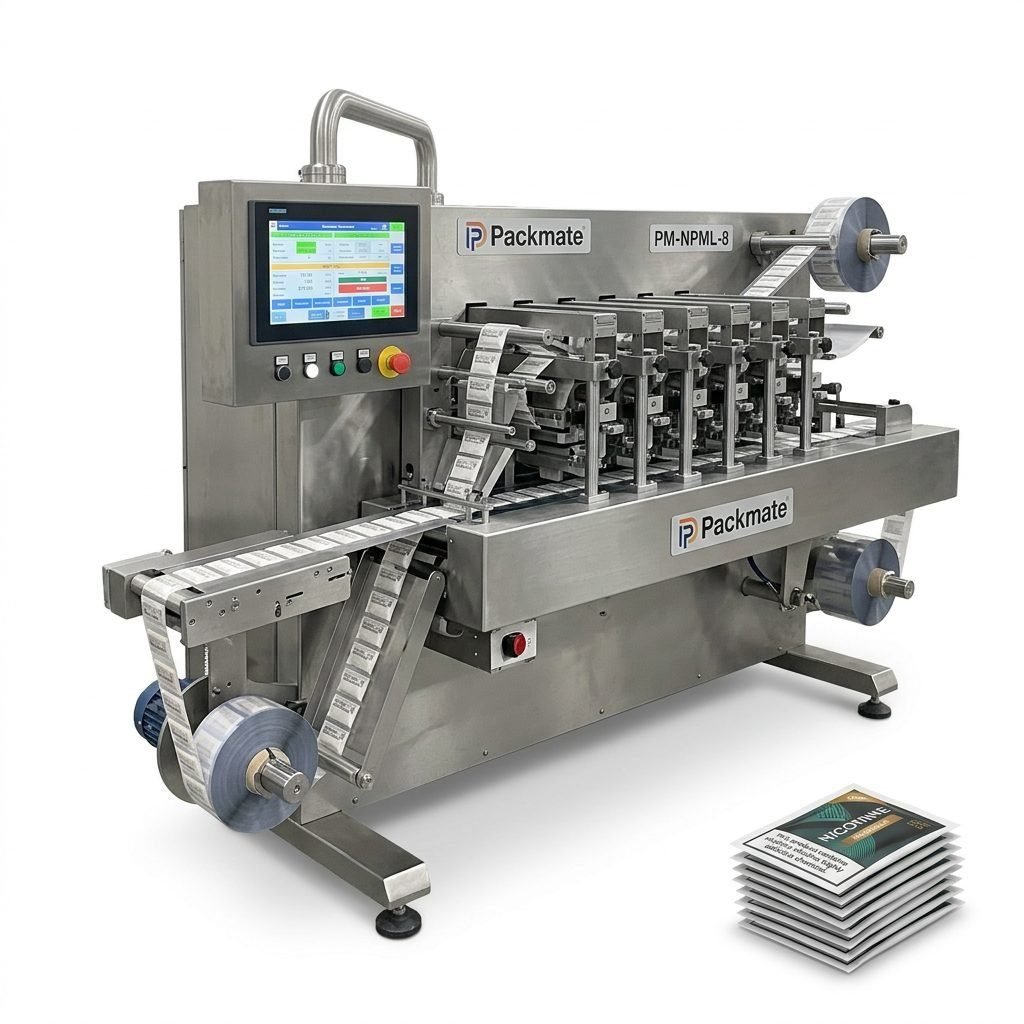
A servo driven snus machine uses servo motors to control key motion elements — film feeding, pouch forming, dosing, sealing and cutting — replacing older pneumatic or cam-driven systems. The result is precise motion control, smoother acceleration and deceleration, and programmable synchronisation of all mechanisms. This allows manufacturers to optimize pouch weight, seal integrity, and multi-lane output without mechanical retooling.
Core advantages at a glance
🔧 Precision dosing — servo control ensures repeatable pouch weight within tight tolerances, critical for regulated nicotine portions.
⚡ High-speed production — multi-lane servo lines can achieve much higher throughput than traditional setups.
🔁 Fast changeover — recipe-based settings allow instant format adjustments without mechanical adjustments.
♻️ Energy efficiency — servos consume power only when moving, reducing overall energy use compared to continuously driven cams.
Key Features to Look for in a High-Performance Servo Snus Machine
Not all servo-driven machines are created equal. When evaluating equipment, prioritize the following features to ensure consistent quality and low total cost of ownership:
Electronic recipe control — allows storage of multiple pouch formats and parameters for instant recall during product changeovers.
Closed-loop servo feedback — ensures repeatability and compensates for tension variations in film or web.
Multi-lane capability — expand output by adding lanes without multiplying floor space proportionally.
Hygienic design — accessible parts and stainless contact surfaces for easy cleaning and compliance with food/pharma standards.
Typical technical components
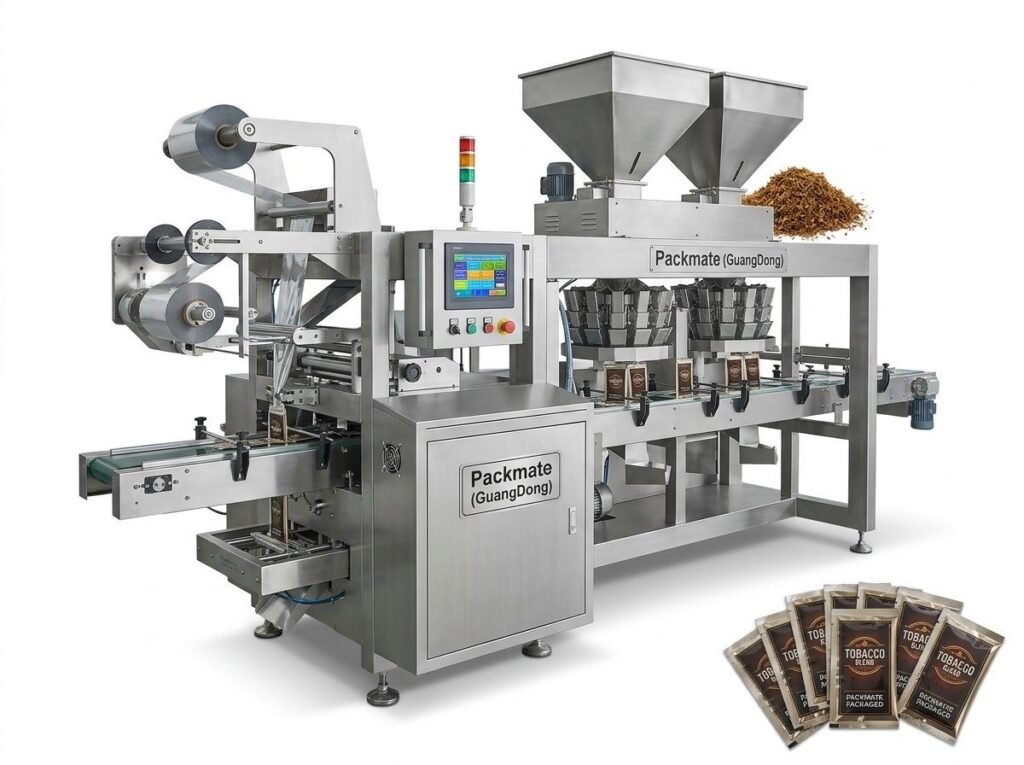
Servo motors and drives, PLC controls with HMI touchscreen, servo-indexed dosing systems, precision forming tubes and sealing jaws, automatic film registration sensors, and integrated weighing or multi-head feeders for powder and granules. Combined, these components allow complex operations such as multi-lane dosing and cross-sealing at high speeds with minimal scrap.
Choosing the Right Machine for Your Application
Selecting the correct servo driven snus machine depends on product format (pouch/stick/sachet/mini-pouch), dose type (powder, granule, liquid), output targets, and regulatory needs. Use this checklist to match machine capabilities to your production goals:
⚙️ Format flexibility — can the machine handle the smallest portion sizes used in nicotine pouches as well as larger snus sachets?
📈 Throughput capacity — choose a single high-speed multi-lane unit or multiple single-lane machines based on floor layout and risk tolerance.
🔒 Quality control integration — does the system accept inline weight checks, metal detectors, or vision inspection for printed codes?
🛠️ Service & spare parts — ensure manufacturer support, modular spare kits and local service options to reduce downtime.
Applications: Where Servo Machines Deliver the Most Value
Servo-driven machines are ideal for markets where precision and speed matter. Typical applications include:
– High-volume nicotine pouches and snus where consistent portion weight and fast output are mandatory.
– Multi-flavor or multi-strength production runs that require quick format changeover.
– High-mix, low-volume lines where recipe control reduces setup time and scrap.
– Pack formats that require printing, coding and tamper-evident seals in a single pass.
Integration with complete lines
For turnkey operations, servo snus machines are frequently integrated with upstream filling systems and downstream packing, cartoning and case-packing equipment. Explore entire line options such as filling & packaging lines and auxiliary packaging equipment to ensure smooth handoffs and consistent throughput. See examples of integrated solutions in case studies provided by manufacturers.
Helpful resources: Snus & Nicotine Packaging Machines, Filling & Packaging Lines and Auxiliary Packaging Equipment.
Operational Benefits: Accuracy, Uptime and Compliance
Servo driven systems provide measurable operational improvements:
✅ Lower giveaway — tighter weight control reduces overfill and saves material costs.
✅ Reduced downtime — electronic diagnostics and predictive maintenance lower mean time to repair.
✅ Regulatory compliance — consistent portioning and traceable batch records support audits and labeling requirements.
Energy and environmental considerations
Modern servo drives reduce energy consumption compared to legacy systems. In addition, precise cutting and sealing reduce scrap — delivering environmental benefits that align with corporate sustainability goals.
Customization & Flexibility: Preparing for Market Changes
A future-proof packaging investment should allow easy adaptation to new formats, regulatory labels, and recipe changes. Key customization options include:
• Modular lane add-ons for scalability.
• Optional inline weight-checkers and metal detectors for quality gates.
• Upgradable HMI software and recipe libraries.
• Language and regional configuration for operators and service teams.
Installation, Commissioning and Training
Proper installation and commissioning are crucial for maximizing uptime. Reputable suppliers will provide factory acceptance testing, on-site installation, and operator training. Choose partners that offer sustained technical support and spare parts supply to minimize production interruptions. For examples of how manufacturers support global customers, view their case studies and exhibition shows.
Learn more about proven implementations via manufacturer references and real-world examples: Case and discover attendance and demos at Our Exhibition.
Maintenance Best Practices for Servo Snus Machines
Scheduled maintenance and a culture of inspection reduce surprises. Recommended practices include:
🔍 Daily visual checks for wear and film alignment.
🧰 Weekly lubrication and checking of mechanical linkages as advised by the OEM.
📈 Monthly calibration of dosing systems and verification of servo feedback parameters.
📦 Maintain a local kit of critical spares (belts, sensors, sealing elements) to reduce MTTR.
Return On Investment: How to Evaluate
When justifying a new servo snus machine, quantify benefits beyond sticker price:
– Reduced material giveaway and scrap.
– Labour savings from faster changeovers and simplified operation.
– Increased throughput enabling new sales opportunities.
– Lower energy and maintenance costs over machine lifecycle.
Case example
A mid-size manufacturer replacing legacy cam-driven machines with a four-lane servo line reported a 30% reduction in material giveaway and a 40% increase in effective throughput within the first quarter — illustrating how technology upgrades pay off quickly when aligned with production strategy.
Regulatory and Market Considerations
Nicotine pouch and snus production is closely watched by regulators and consumers. Machines must support accurate labeling, batch traceability and hygienic processing. Look for equipment with CE and ISO compliance and documented validation protocols to streamline approval in target markets.
For global buyers, confirm the supplier’s experience with international markets and after-sales service — explore manufacturer credentials on their About and Certificate pages for reassurance: About Packmate and Certificate.
Selecting a Supplier: Questions to Ask
During vendor evaluation, ask targeted questions to reveal capabilities and long-term fit:
• What is your experience specifically with snus and nicotine pouch formats?
• Can you provide turnkey solutions including fillers, checkweighers and case packers?
• What are standard warranties, lead times for spare parts and options for on-site service?
• Do you support factory acceptance testing and provide operator training?
Why Packmate Snus Machine Is a Strong Option
With over 30 years of engineering experience, Packmate Snus Machine specializes in snus and nicotine pouch packaging. Their factory footprint, experienced R&D and multi-model portfolio make them a viable partner for manufacturers seeking reliable servo-driven systems. Packmate offers multi-lane designs, complete production line integrations, and global service — all backed by CE and ISO compliance and real-world case studies.
Explore product families and solutions: Bag & Pouch Packaging Machines and Sachet & Stick Pack Machines for complementary formats.
Practical Tips for a Smooth Transition
Transitioning to servo-driven technology can be painless with planning:
• Pilot small production runs to fine-tune recipes and verify tolerances.
• Train operators and maintenance staff with hands-on sessions during commissioning.
• Keep a documented parts list and spare kit matched to your line’s critical components.
• Schedule regular firmware and software updates through the OEM to keep control systems current.
Final Considerations
Investing in a servo driven snus machine is a strategic decision that impacts product consistency, compliance and profitability. Evaluate suppliers based on technical competence, service reach, and demonstrated success in nicotine pouch production. A well-chosen system will pay for itself through reduced waste, higher output, and greater operational agility.
Next steps
Request detailed specifications, a factory acceptance test (FAT) and references from the vendor. If you need integrated solutions, look for suppliers who provide complete lines including weighing & packaging systems and auxiliary equipment to minimize integration risks.
More information and direct contact: Contact Us and review service offerings at the manufacturer’s Service page.
Frequently Asked Questions
Q: How much faster are servo-driven machines compared to traditional systems?
A: Speed gains depend on format and lane count, but typical improvements range from 20% to 50% in effective throughput, thanks to faster indexing, multi-lane scalability and reduced changeover times.
Q: Are servo systems more expensive to maintain?
A: Initial investment is higher, but lifecycle costs are usually lower due to reduced mechanical wear, energy savings and fewer consumable parts. Ensure access to qualified service and spare parts to maximize uptime.
Q: Can a servo snus machine handle multiple pouch sizes and recipes?
A: Yes — recipe-based controls enable rapid format changes without mechanical modifications; modular forming tools and lane adjustments further increase flexibility.
Q: What compliance certifications should I expect?
A: Look for CE and ISO conformity as baseline certifications, plus documentation for hygienic design and material traceability where applicable.
Q: Where can I see real-world implementations and get technical details?
A: Review manufacturer case studies and product catalogs for line examples and technical specs; visit the company’s case and catalog pages for demos and documentation.