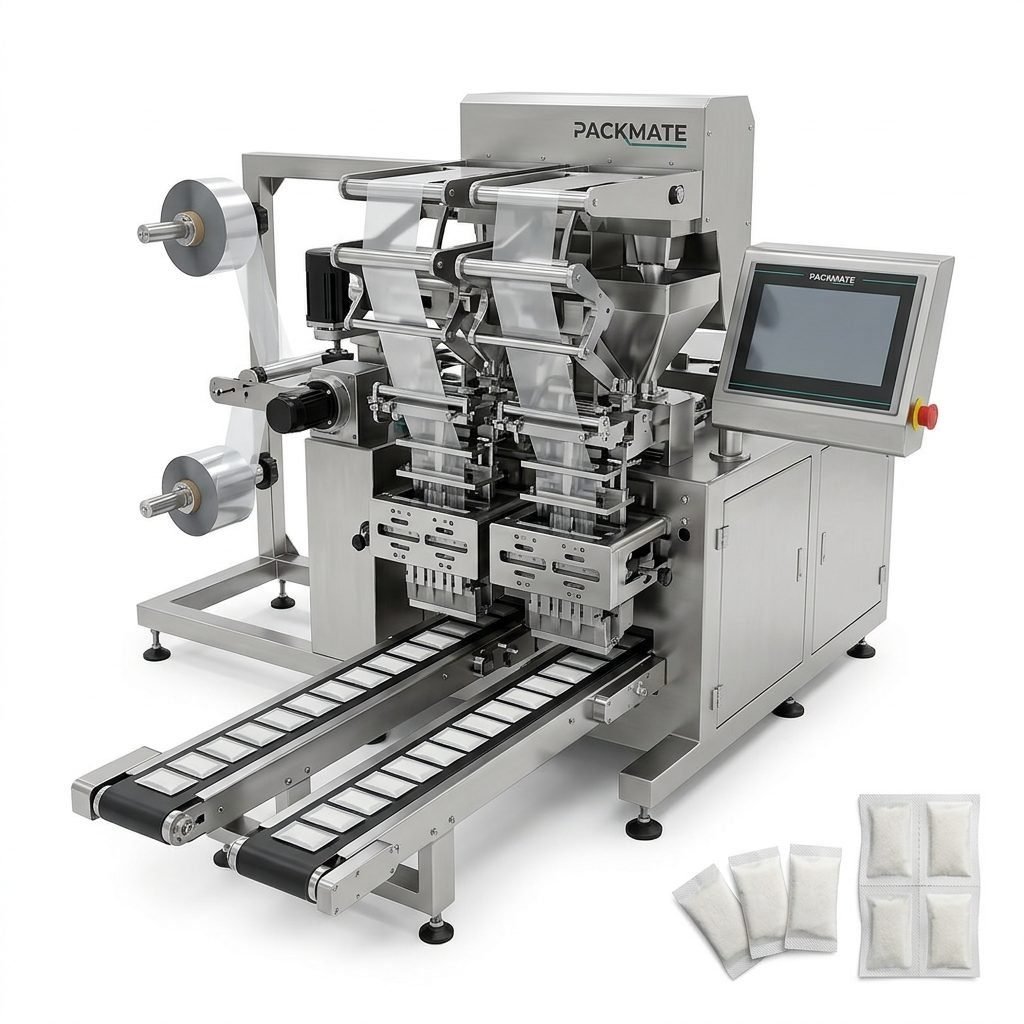
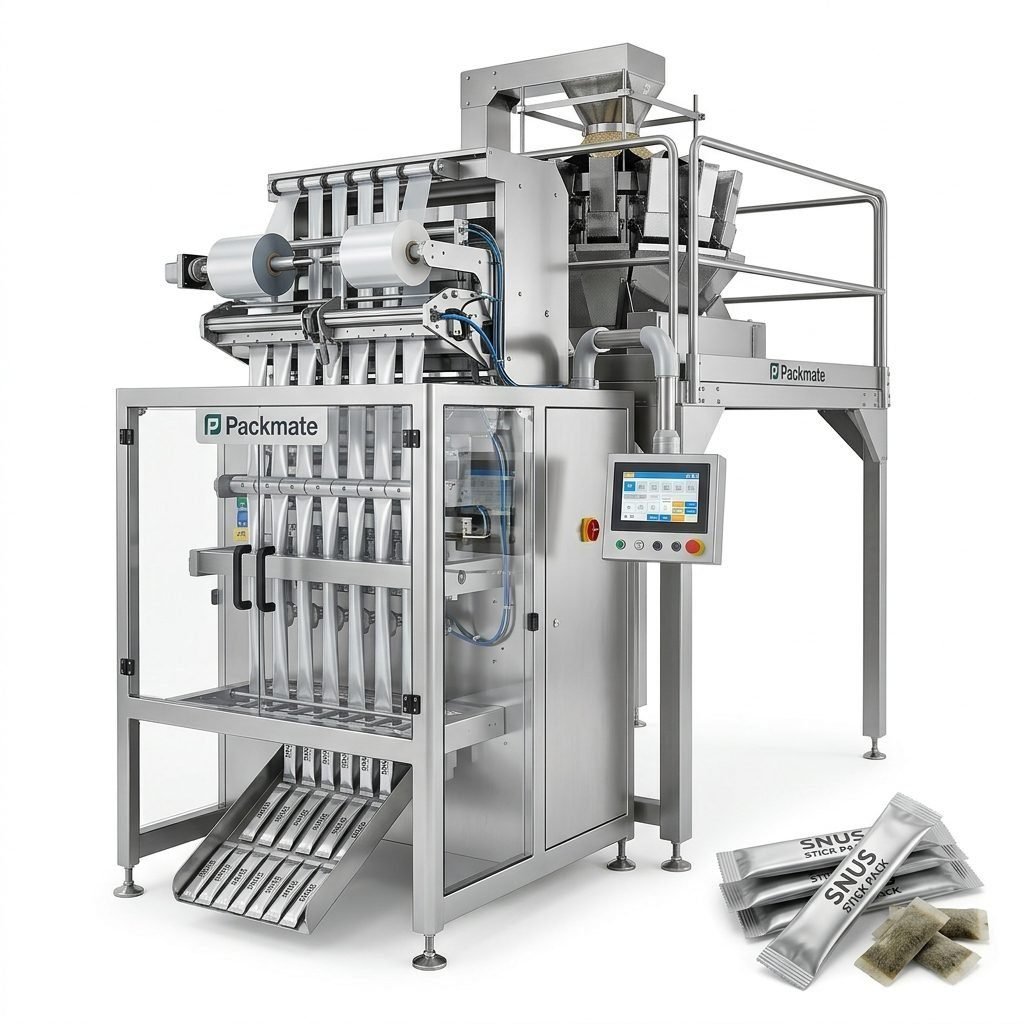
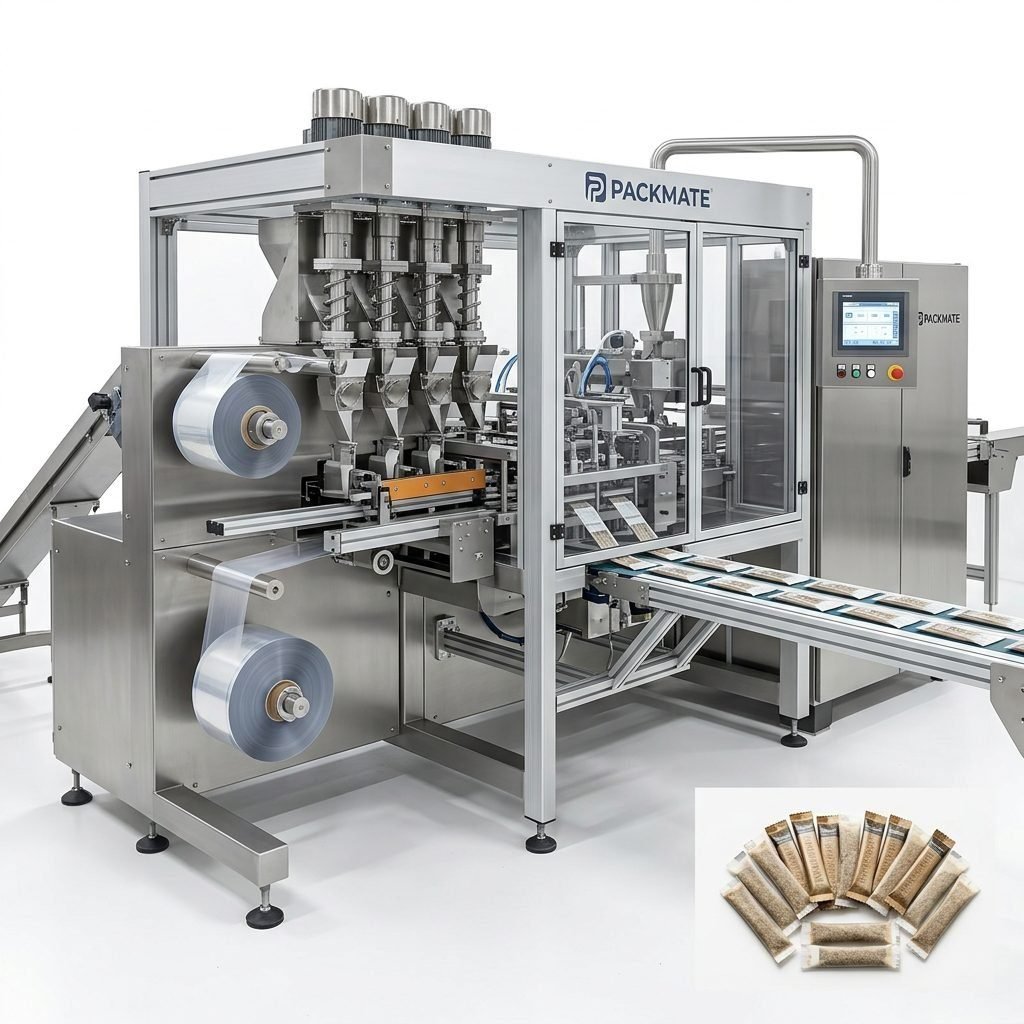
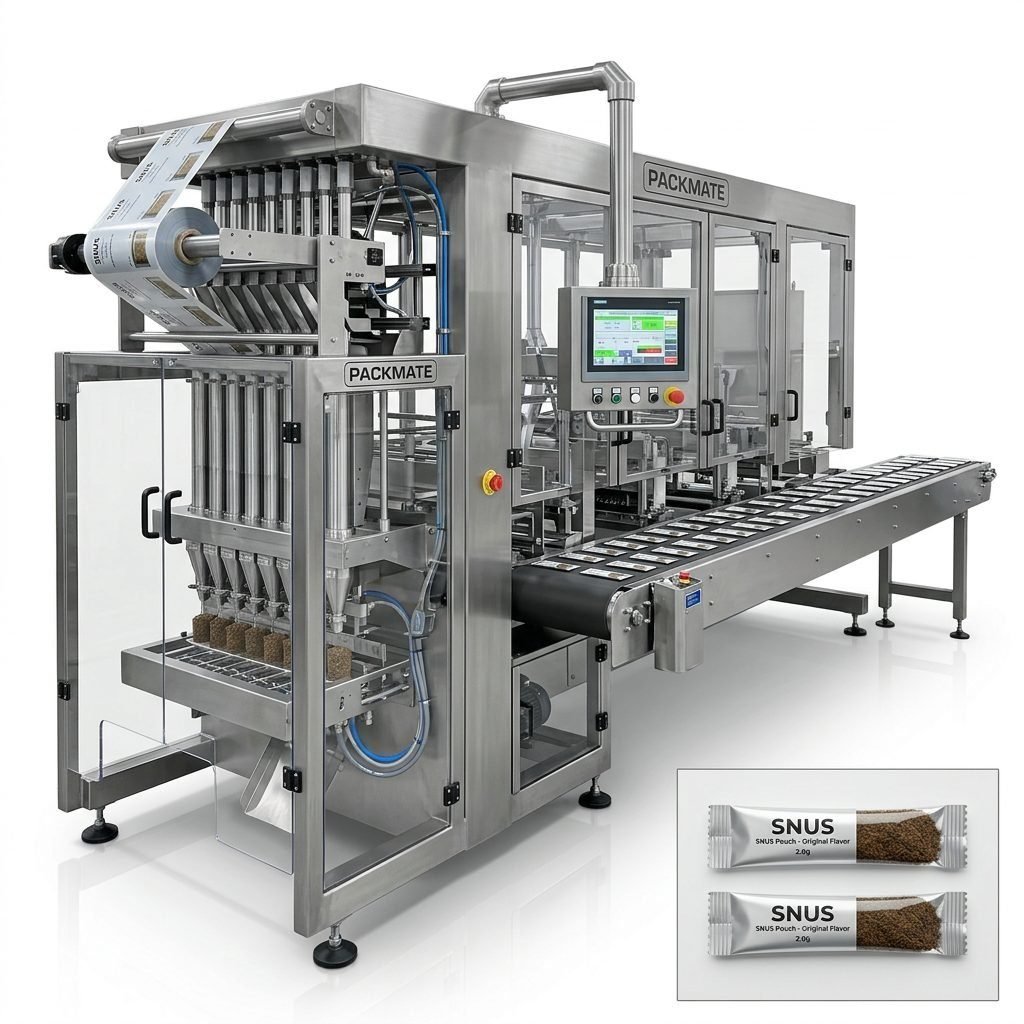
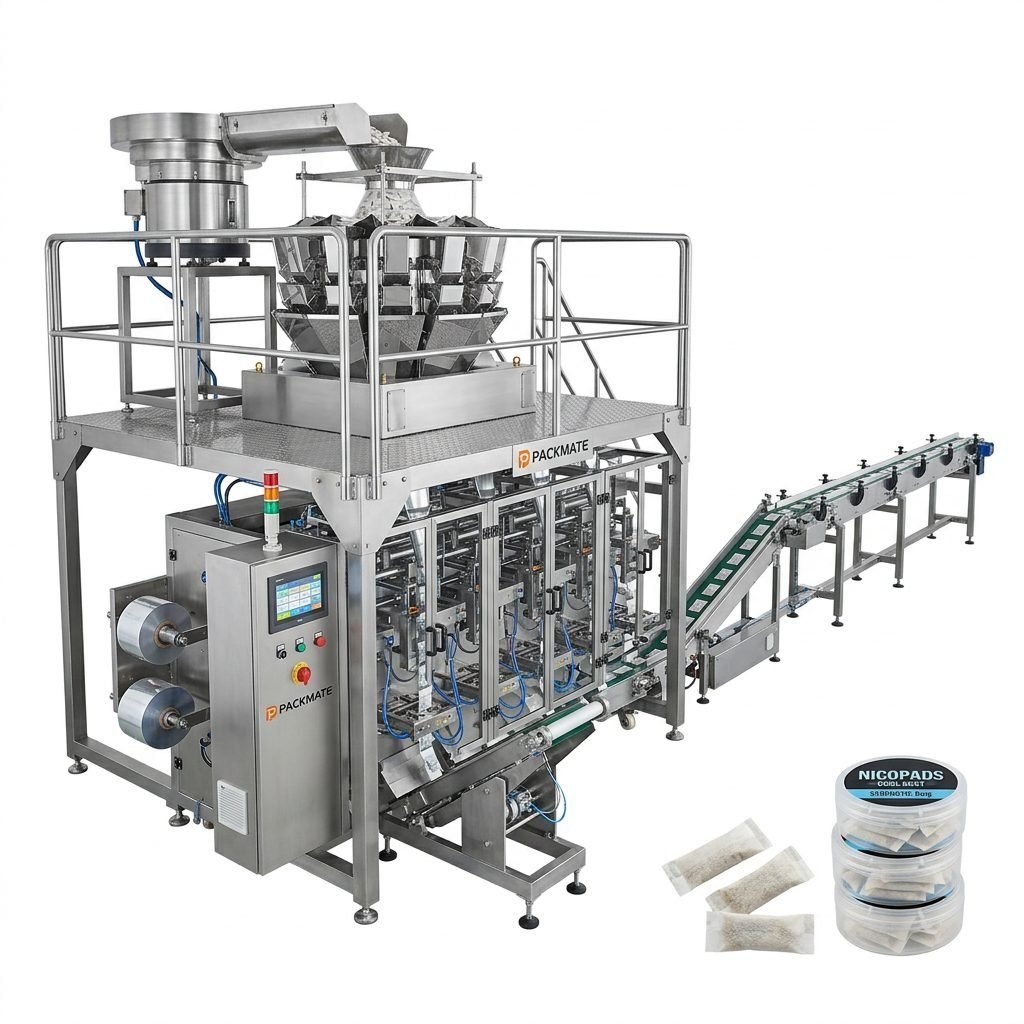
Choosing the right stainless steel snus machine can make the difference between inconsistent batches and a high-efficiency production line that delivers hygienic, repeatable results. Whether you are a small artisan producer exploring nicotine pouches at home or a large factory scaling up multi-lane snus sachet operations, this guide walks you through the most important factors, machine types, and practical buying tips to help you select the best stainless steel snus packaging solution.
Why Stainless Steel Matters for Snus Machines
Stainless steel is the industry standard for snus and nicotine pouch machinery because it combines durability, corrosion resistance, and ease of sanitation. Machines made from high-grade stainless steel ensure:
✓ Hygiene first: Stainless surfaces are non-porous and resist bacterial growth, making cleaning and validation easier.
✓ Long-term durability: Less wear and better resistance to chemical cleaners and moisture compared to painted steel.
✓ Regulatory compliance: Easier to meet food and pharma hygiene standards (CE, ISO) with stainless contact parts.
Types of Stainless Steel Snus Machines — Which Is Right for You?
There are multiple machine formats optimized for different product styles and output requirements. Below are the most common types and use cases.
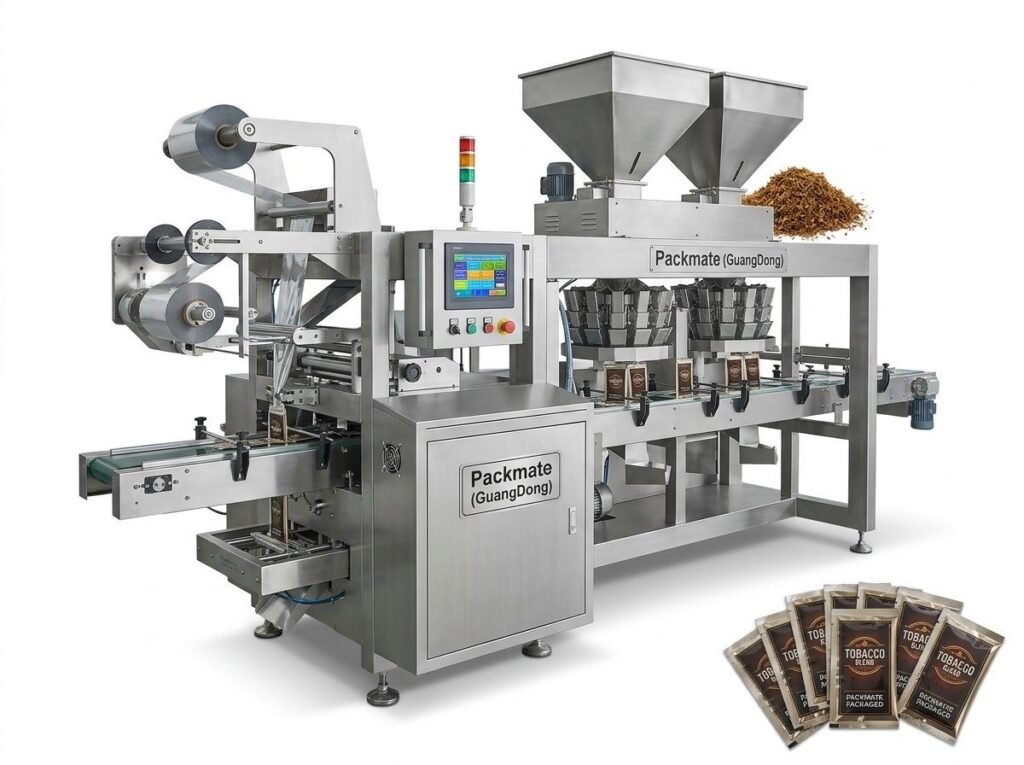
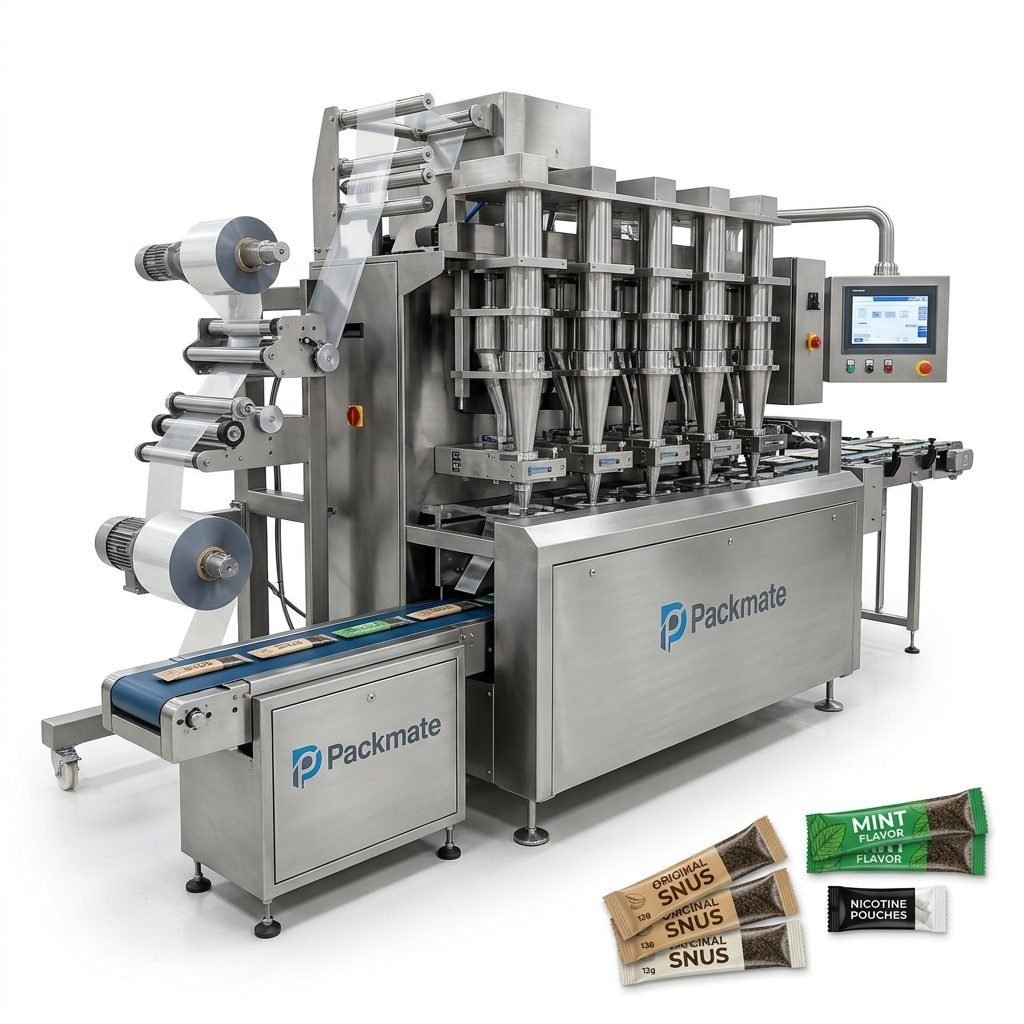
Automatic Multi-Lane Snus Pouch Machines
Multi-lane systems are ideal for mid-to-high volume manufacturers who need to produce small-dose nicotine pouches at high speed. They can run several lanes simultaneously, dramatically increasing throughput while maintaining uniform filling and sealing.
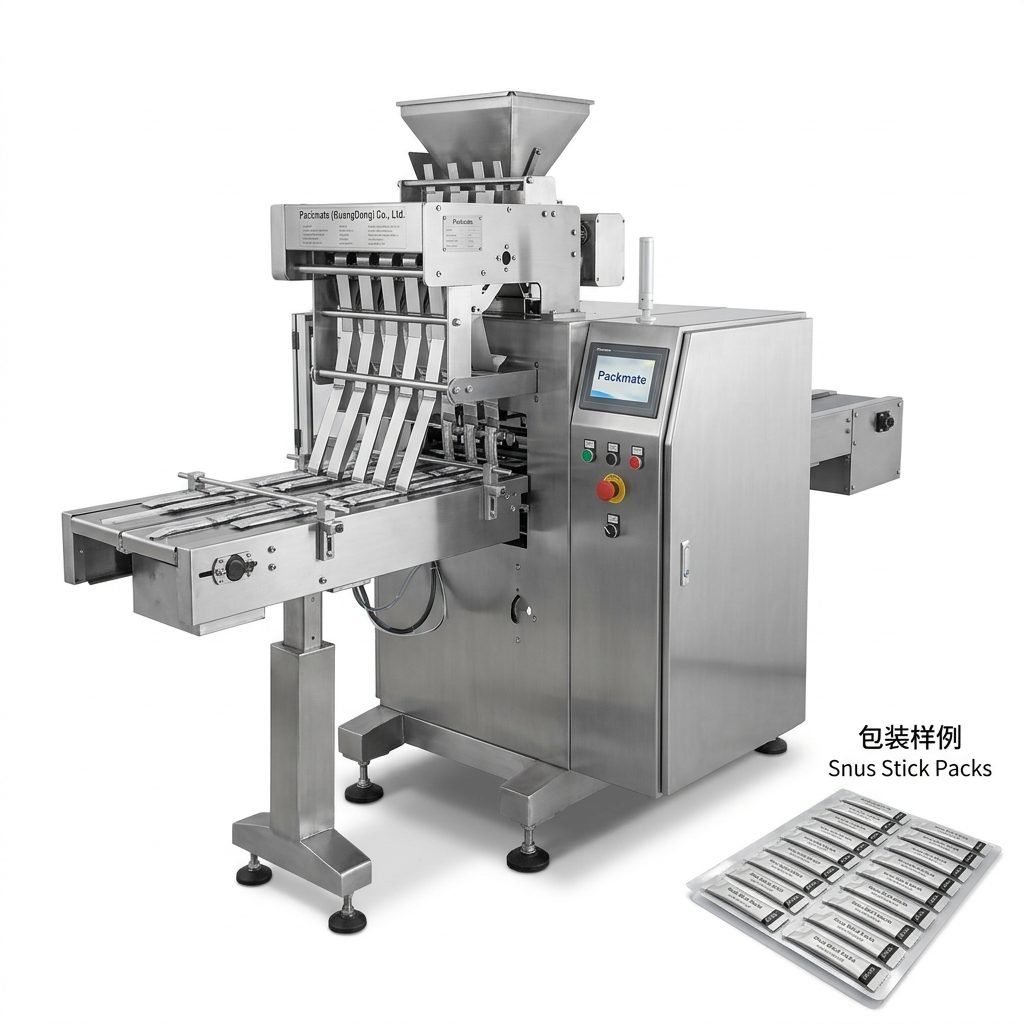
Sachet & Stick Pack Machines
For single-serve or portioned formats, stick pack and sachet machines provide precise dosing and neat presentation. These machines are also commonly used for tea, powder, and granule formats, making them versatile investments.
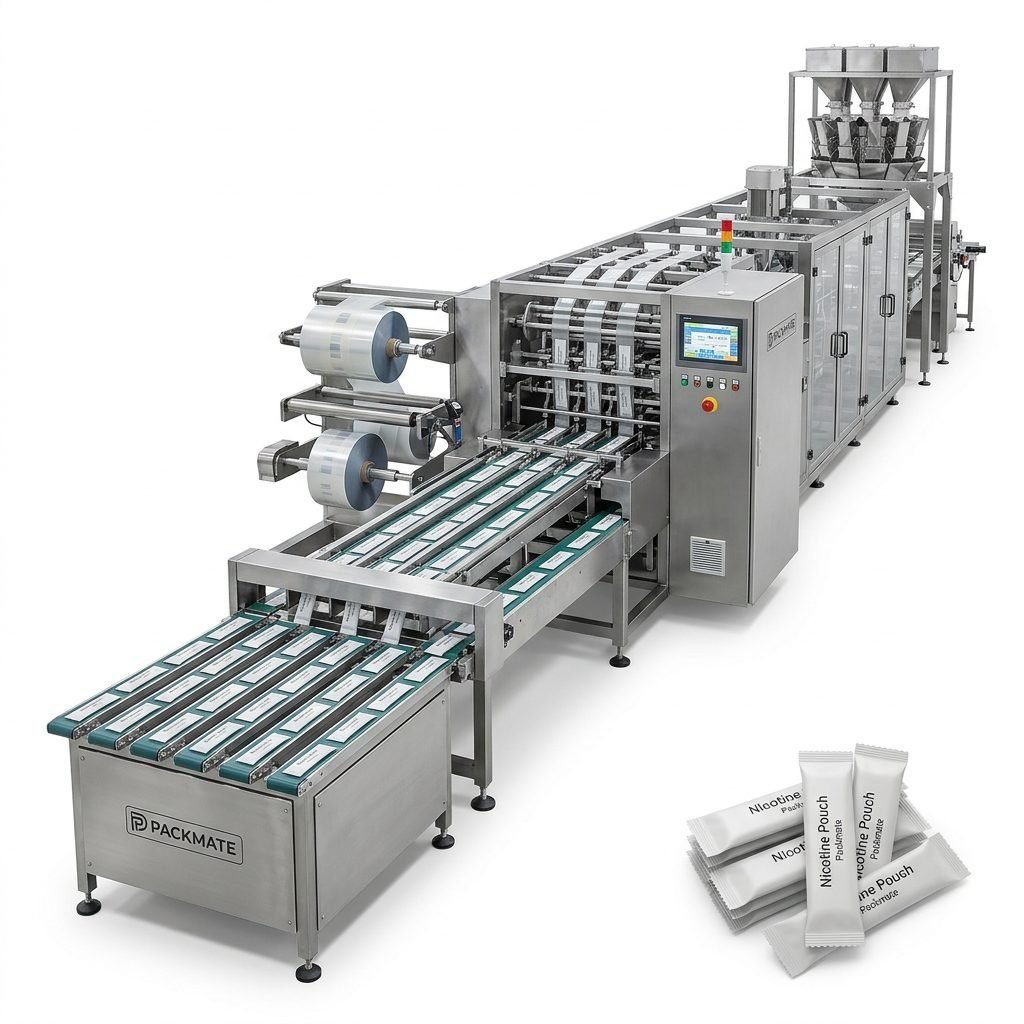
Integrated Filling & Packaging Lines
Turnkey production lines combine weighing, filling, sealing, and secondary packaging into one controlled process — perfect for factories that require automation and minimal manual handling. Packmate offers such integrated solutions for full-scale operations.
Pro tip: If you are scaling from small batches to industrial volumes, choose machines designed for modular upgrades so you can add lanes or automation modules without replacing the base machine.
Key Features to Look For in a Stainless Steel Snus Machine
A great snus machine should combine precision, hygiene, durability, and ease of maintenance. Below are the primary technical and usability features to prioritize.
- Precision dosing systems (weighers or augers) for consistent pouch weight
- PLC control and touch-screen HMI for recipe-driven production and traceability
- Sanitary design: easy-to-clean, tool-less disassembly for product-contact parts
- Modular construction allowing lane expansion and quick format changes
- Robust sealing systems for moisture-proof, tamper-evident pouches
- CE and ISO certification to facilitate export and market acceptance
Safety & Traceability
Look for machines with clear production logs, batch counters, and fault history. Safety interlocks, guarded moving parts, and emergency stops are essential for operator protection.
Top-Rated Durable & Hygienic Machine Designs
Industry leaders design machines with full stainless frames and sanitary contact zones. Below are characteristics that separate top-rated machines from commodity units.
⚙️ Hardened sealing jaws: consistent sealing across varying pouch thicknesses.
🧼 Quick-clean modules: quick-release product rails and contact components for fast sanitation cycles.
🔒 Food-grade fittings: certified valves, sensors, and gaskets suitable for nicotine product handling.
Hygiene, Cleaning and Maintenance Best Practices
Maintaining a hygienic snus production line requires scheduled cleanings, proper disassembly procedures, and validated cleaning agents. Stainless steel reduces hotspots for contamination, but procedures still matter:
- Develop SOPs for daily, weekly, and monthly cleaning tasks.
- Use compatible detergents — avoid harsh chlorides that can pit stainless steel.
- Replace wearable seals and gaskets on preventive maintenance intervals.
- Keep spare parts (belts, jaws, sensors) in stock to reduce downtime.
- Document cleaning logs and include photographic or digital records if required by auditors.
Factory vs Home Use: Practical Considerations
The intended use case should determine the machine class. For home or small-scale artisan use, you might prefer compact, semi-automatic units. For factory use, full stainless automated lines bring the necessary throughput and compliance.
Home / Small Batch: Lower throughput, easier manual control, lower capital expenditure.
Factory / Commercial: High-speed multi-lane lines, full automation, integration with upstream blending and downstream cartoning.
Compliance, Certifications and Global Markets
Choosing machines from certified manufacturers simplifies international distribution. Look for equipment that meets CE, ISO and local safety standards. Packmate Snus Machine emphasizes certification and global compatibility for export-ready production lines.
For more information about product lines and certifications, you can review Packmate’s product categories and credentials:
- Snus & Nicotine Packaging Machines
- Bag & Pouch Packaging Machines
- About Packmate
- Customer Cases & Installations
Customization & Turnkey Solutions
Many projects benefit from a tailored approach. Customizations commonly include multi-lane configurations, bespoke format tooling, integrated weighing systems, and full CIP (clean-in-place) capabilities. Choosing a supplier with a proven track record of turnkey deliveries reduces risks and shortens time-to-market.
Questions to Ask a Supplier
When evaluating vendors, ask about lead times, spare part availability, on-site commissioning, training, and warranty support. Confirm the supplier’s factory capabilities and experience in snus equipment manufacturing.
Installation, Training and After-Sales Support
A reliable after-sales package includes on-site commissioning, operator training, and remote support. For complex lines, ask whether the manufacturer provides detailed commissioning checklists and remote diagnostic tools to minimize downtime.
📦 Spare parts kits: Ensure critical spare components like seals, belts and sensors are included in a startup kit.
🧑🏫 Training & manuals: Operator manuals, maintenance schedules, and hands-on training sessions accelerate safe operation.
How to Evaluate Total Cost of Ownership (TCO)
TCO is more than initial purchase price. Factor in maintenance, spare parts, cleaning downtime, labor, energy consumption, and expected lifetime. Stainless steel machines may have a higher upfront cost but often deliver lower operational and maintenance expenses over their service life.
Return on Investment (ROI) Considerations
Calculate ROI based on increased throughput, reduced waste, lower sanitation labor, and compliance advantages (fewer recalls or rework events). Automation pays back faster in high-volume scenarios.
Final Recommendations
If you need guidance on selecting the right stainless steel snus machine, start by defining your product format, target speed, and hygiene requirements. For flexible mid-scale production, consider modular multi-lane machines. For high-output commercial operations, look for fully integrated turnkey lines with robust remote support and international certifications.
To explore proven equipment options and see machine configurations, visit Packmate’s product pages for sachet & stick pack machines and weighing & packaging systems.
Common Questions
Q1: How do stainless steel snus machines differ from painted steel machines?
A1: Stainless steel offers superior corrosion resistance and easier sanitation, enabling compliance with stricter food and pharma hygiene standards. Painted steel can chip and harbor contaminants over time.
Q2: Is automation necessary for small-batch snus producers?
A2: Not always. Semi-automatic machines are cost-effective for small-batch producers, but if you plan to scale up or need consistent dosing, automation is a worthwhile investment.
Q3: What certifications should I ask for when buying a snus machine?
A3: Request CE and ISO documentation, sanitary design verifications, and any supplier test reports. If you plan to export, confirm compliance with target market standards.
Q4: Can I expand a machine’s capacity later?
A4: Many modern stainless steel snus machines are modular — you can add lanes, upgrade control systems, or integrate additional peripheral equipment without replacing the entire line.
Q5: Where can I get spare parts and service?
A5: Choose a manufacturer with global spare parts support and proven after-sales service. For manufacturer details including service options and catalogs, visit Packmate’s service and catalog pages.