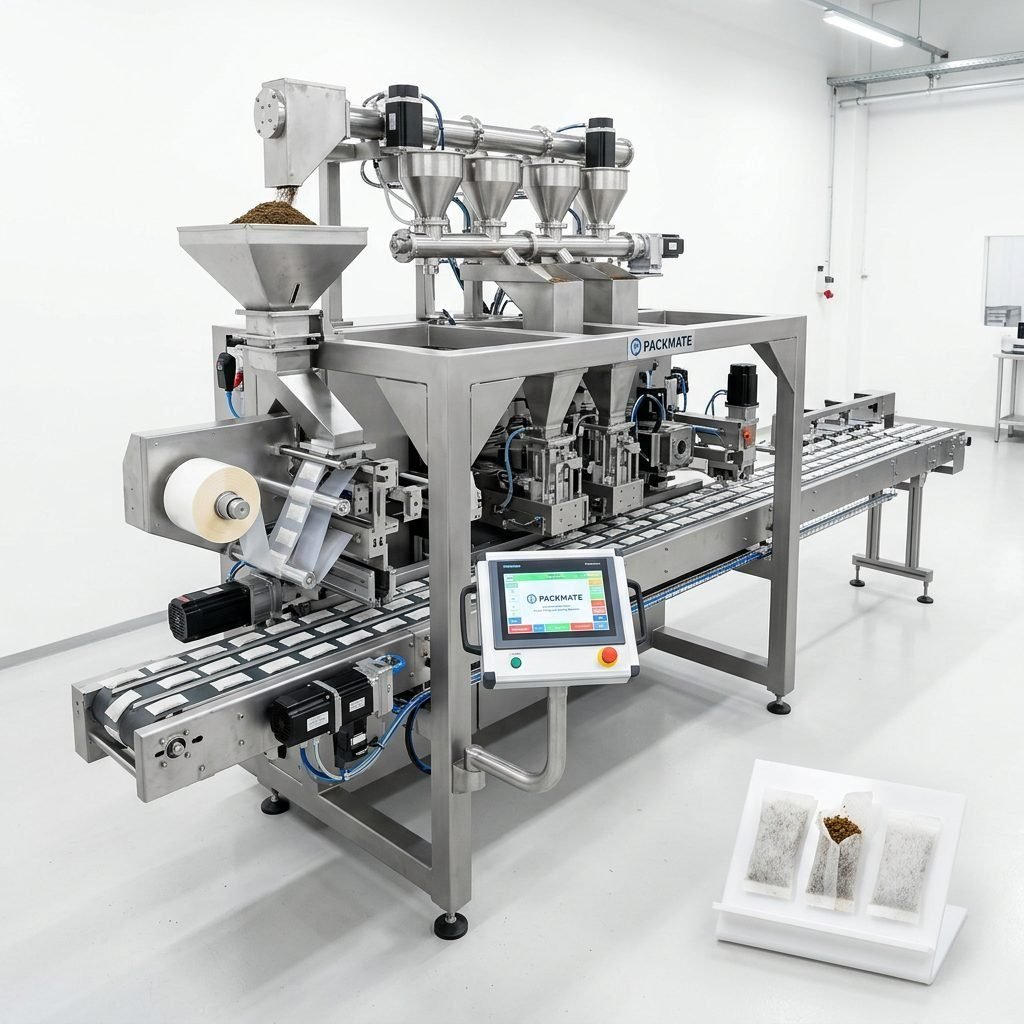
Choosing the right pouch packaging machine for snus and nicotine pouches is a strategic decision that affects product quality, production efficiency, regulatory compliance, and long-term profitability. This guide walks you through the practical factors to consider when investing in an automatic snus packing solution, explains different machine types and configurations, and offers actionable tips to help packaging managers, production engineers, and business owners make a confident selection.
Why invest in an automatic snus pouch packaging machine?
Automated pouch packaging machines deliver consistent portioning, high-speed output, and reliable seal quality — essential for nicotine pouches and snus where dose uniformity and moisture control are critical. Beyond performance, automation reduces labor costs, improves hygiene control, and supports traceability features that are increasingly required by global markets.
Key benefit snapshot:
🔹 Consistent pouch weight and portioning
🔹 Faster production and lower operating cost
🔹 Better shelf life through precise sealing and film selection
Understand your product and packaging format
The first step is clarifying the pouch format and product characteristics. Snus and nicotine pouches vary in size, fill weight, moisture sensitivity, and whether an inner portion pouch or overwrap is required. Decide on the pouch style you need: sachet, stick pack, or small-lane multi-pouch format. Each format has different machine architectures and tooling requirements.
Important product questions to answer
🔧 What is the target pouch weight and acceptable tolerance?
🔧 Is the product powder, granule, or a pre-formed pouch fill?
🔧 Do you need single-portion sachets, multi-lane stick packs, or custom shaped pouches?
Answering these will narrow down suitable machine models and dosing systems.
Key machine performance metrics to compare
When evaluating machines, look beyond the marketing speed to real, run-time output under your product conditions. Consider these performance metrics:
✅ Throughput (pouches/min): What is the achievable speed with your pouch size and filling method?
✅ Dosing accuracy: Critical for nicotine products — smaller tolerance improves regulatory compliance and customer consistency.
✅ Operating uptime: Look for robust design, A-class bearings, and accessible spares to maximize production time.
✅ Changeover time: Fast format changeover reduces downtime when producing multiple SKUs.
Pro tip:
If you plan to scale volumes, prioritize machines with modular multi-lane options and advanced servo controls — they deliver higher yield per footprint.
Dosing and filling systems — match the technology to the material
Dosing for snus pouches can be done using vibratory feeders, auger fillers, or multi-head weighers depending on product type and dose precision. For small-dose nicotine pouches, high-precision auger or multi-head weighing systems provide the best consistency. When selecting a supplier, verify the repeatability numbers under real product testing.
Machine types: Which is right for your line?
There are several common snus packaging machine categories:
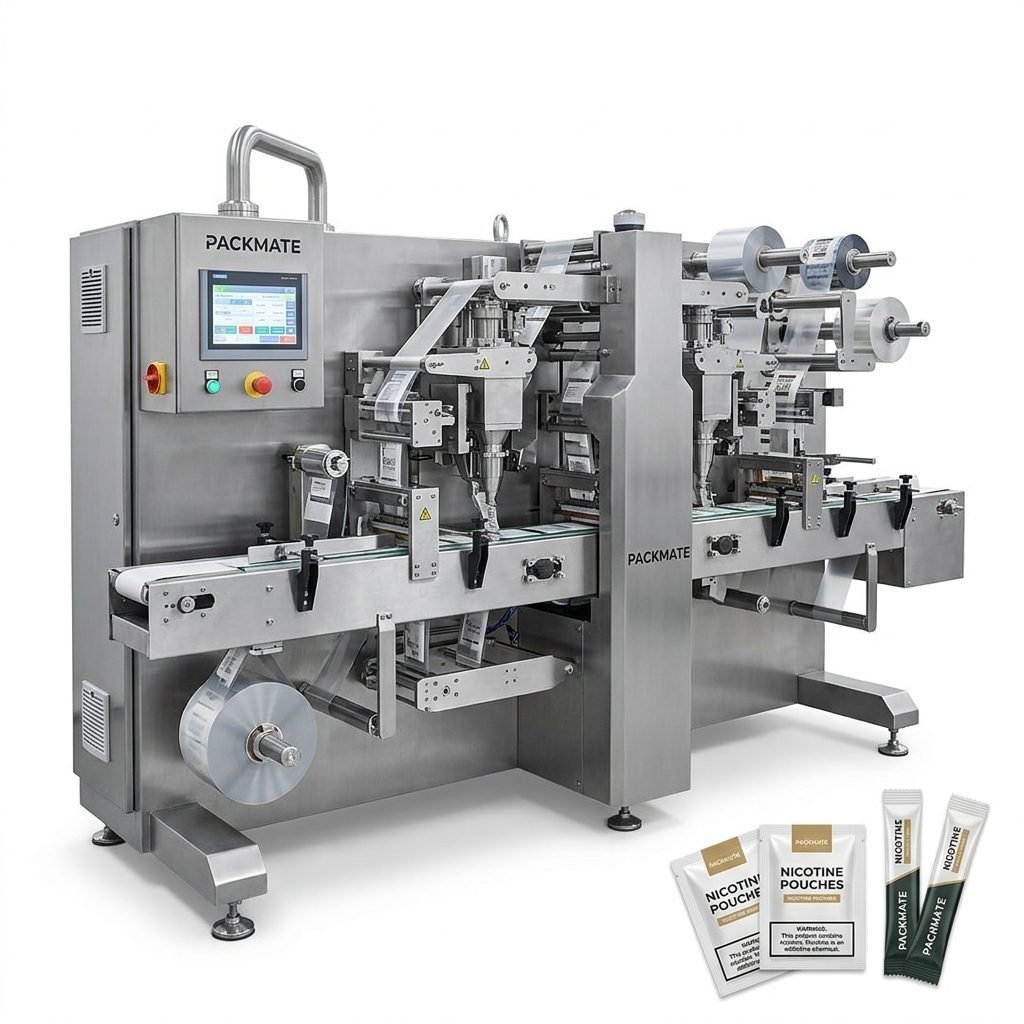
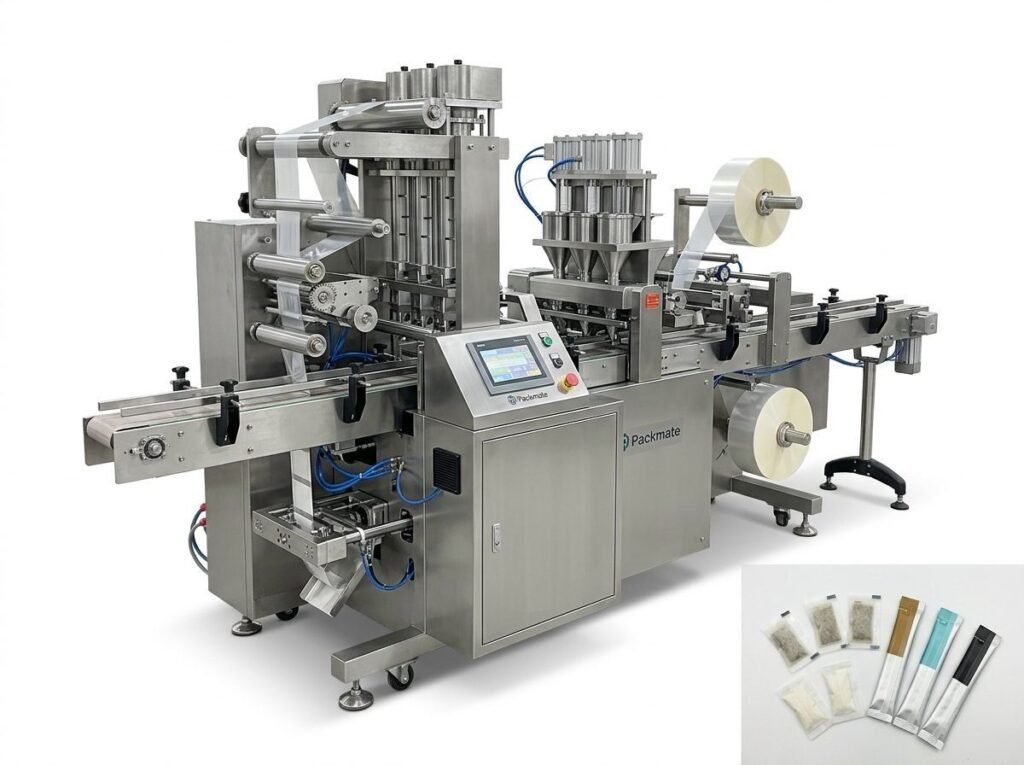
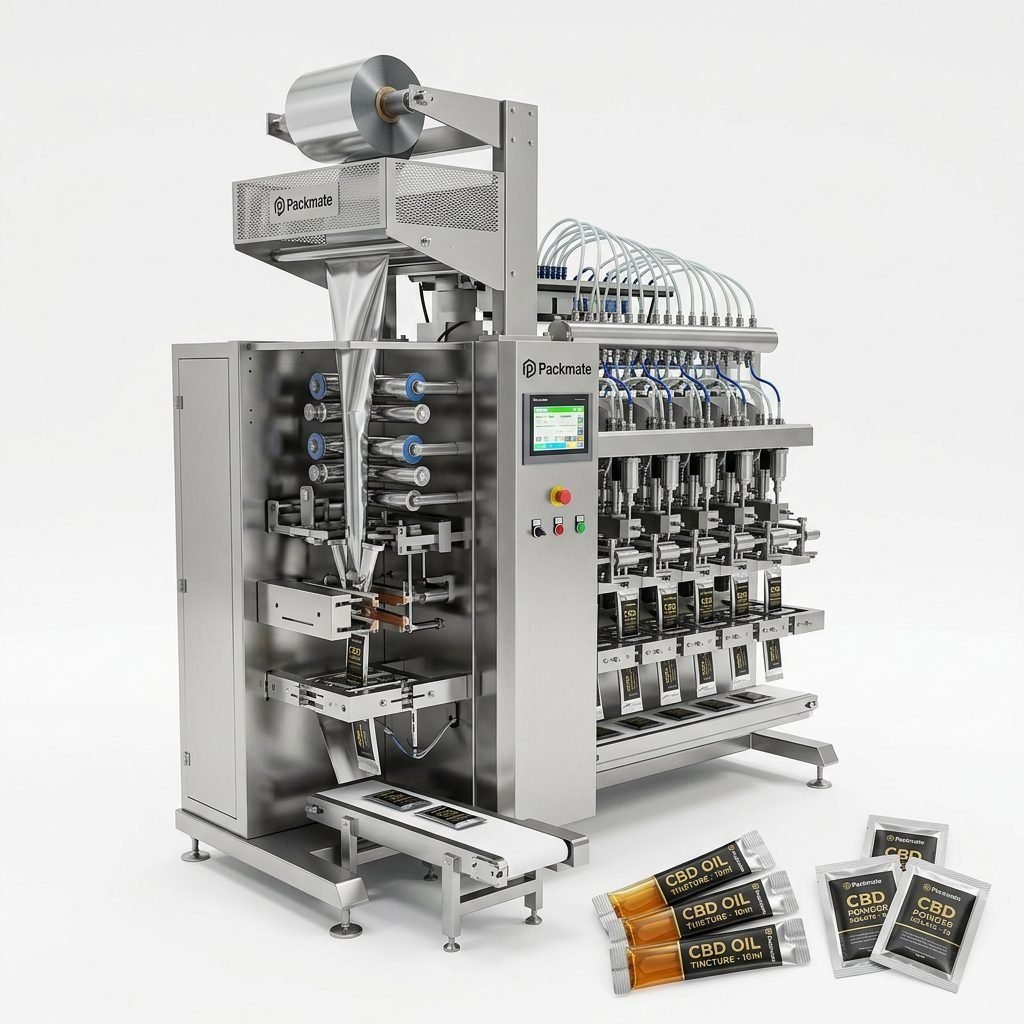
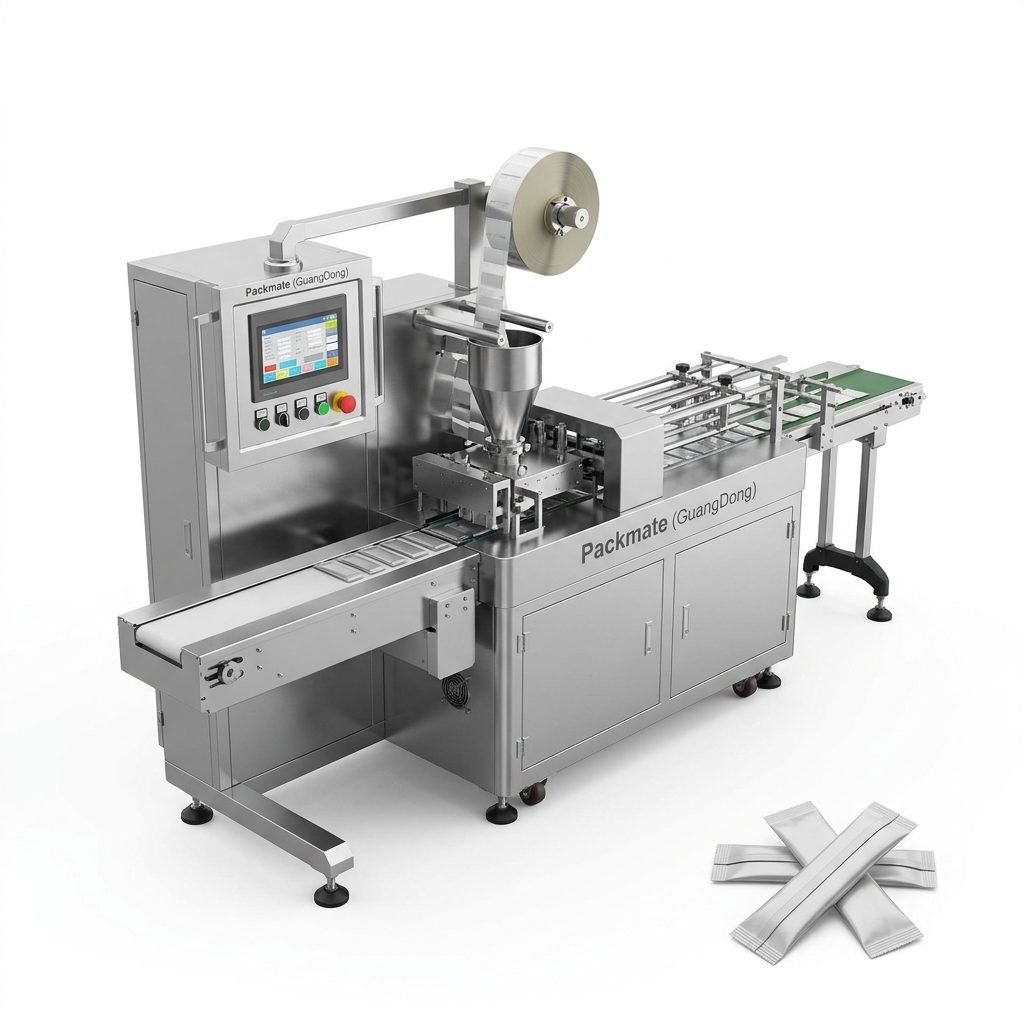
🔹 Stick pack and sachet machines — Ideal for single-portion pouches and small-dose formats, often high-speed and suitable for retail-ready packs.
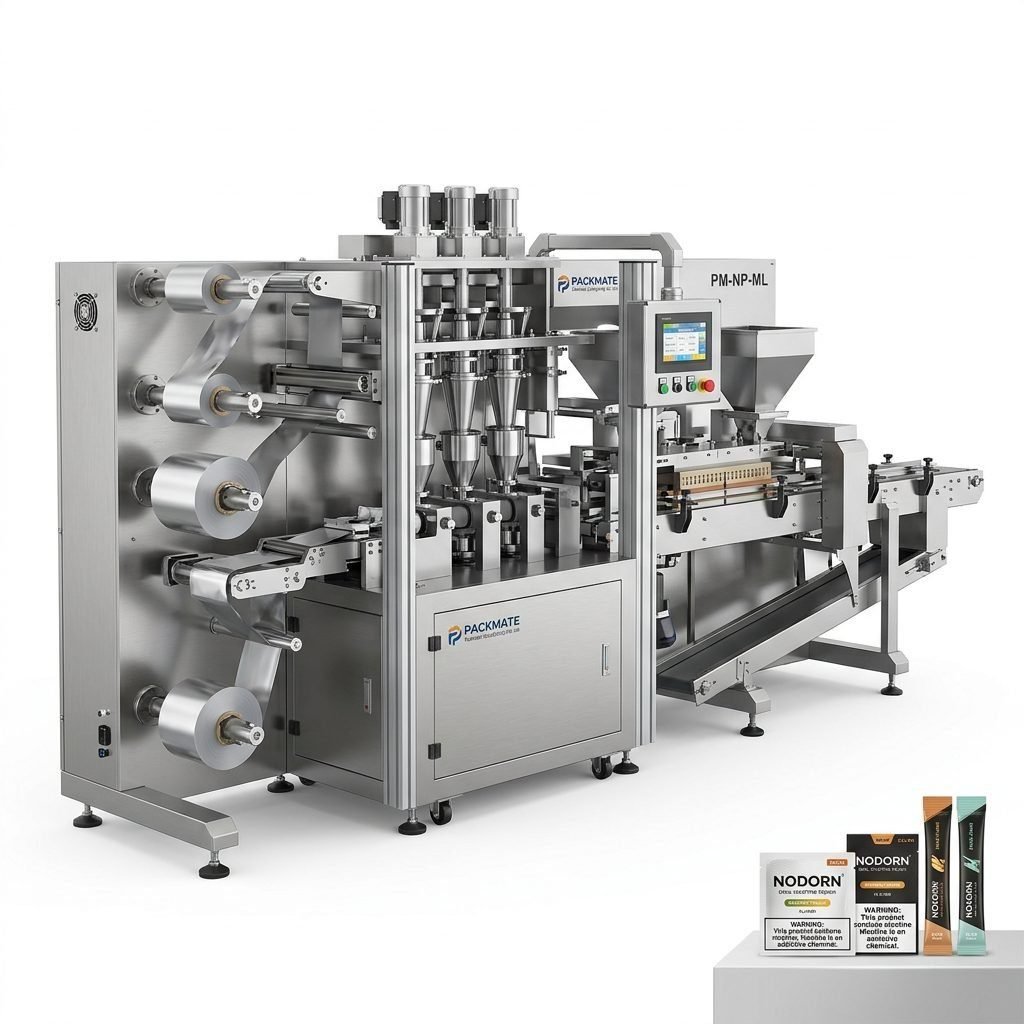
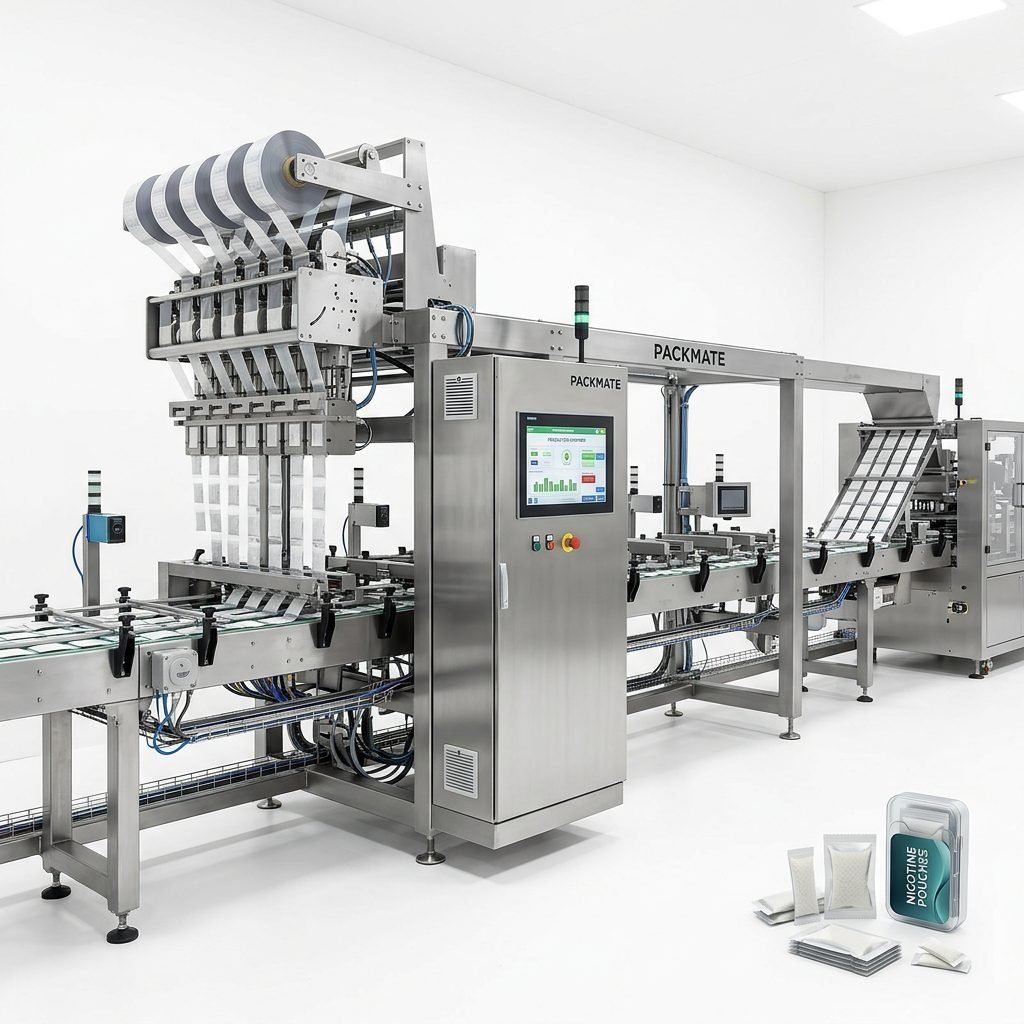
🔹 Multi-lane snus pouch machines — Best when you need high capacity in a compact footprint; they run multiple lanes simultaneously for small-dose pouch production.
🔹 Pre-formed pouch systems — Used when using pre-made pouches, often for high-end consumer packaging where pouch look and print quality matter.
Material compatibility and sealing quality
Packaging films and laminates play a crucial role in moisture barrier, odor control, and seal integrity. Ensure the machine supports your chosen laminate’s sealing temperature and pressure range. For nicotine pouches, hermetic sealing and consistent crimping are essential to protect potency and shelf life.
Sanitation and maintenance
Machines designed for tobacco-like or nicotine products often include stainless-steel contact parts, quick-release tooling, and smooth surfaces for easy cleaning. Verify the machine design for CIP (clean-in-place) compatibility if needed, and ask about maintenance schedules and recommended spare parts lists.
Regulatory compliance, certifications & traceability
Choose manufacturers with CE and ISO certifications and a track record of supplying to regulated markets. Traceability features such as batch coding, date stamping, and integration with upstream ERP systems are often required by retailers and regulators. Packmate Snus Machine highlights compliance with CE and ISO standards, which is a useful baseline when vetting suppliers.
Customization and turnkey solutions
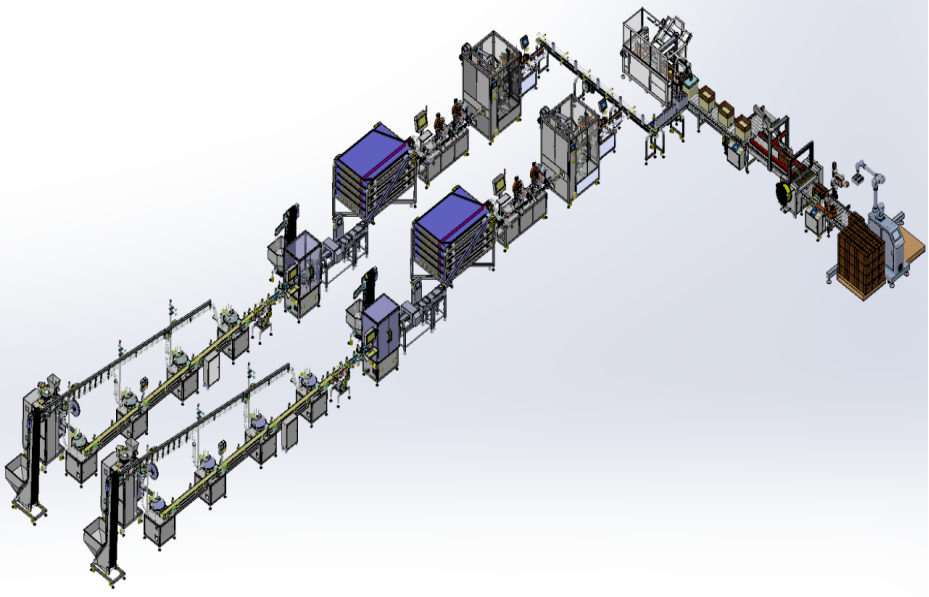
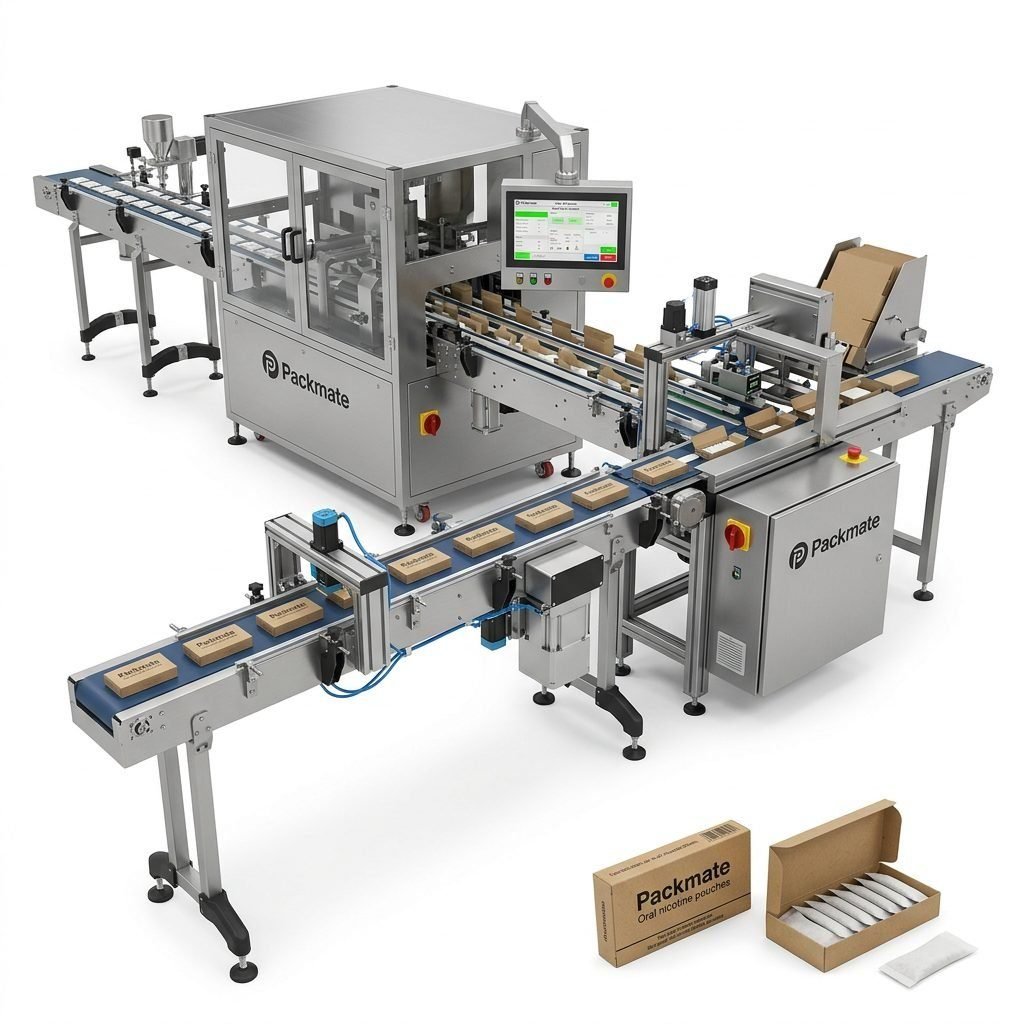
If you have specific pouch shapes, unique filler blends, or a complex downstream packaging line, look for vendors offering turnkey systems and full line integration — weighing, filling, vertical packaging, and case packing. Packmate’s experience in multi-lane systems and full production lines is an example of a supplier capable of delivering end-to-end solutions.
For a detailed look at the types of machines available, review product collections such as:
Snus & Nicotine Packaging Machines,
Bag & Pouch Packaging Machines,
and Sachet & Stick Pack Machines.
Evaluating supplier capability and factory strength
Inspecting a supplier’s factory capabilities helps reduce risk. Key indicators include:
✅ Large-scale manufacturing area and CNC centers — for precise machining and consistent assembly.
✅ Dedicated assembly lines and testing stations — minimize variation and ensure performance verification.
✅ After-sales service and spare parts availability — reduces downtime and total cost of ownership.
Packmate snapshot
Packmate Snus Machine operates a 20,000㎡ factory with 30+ years of engineering experience and 50+ machine models — an example of the scale and capability to support global turnkey packaging lines.
Installation, training and after-sales support
A machine is only as good as the support behind it. Confirm the supplier’s installation procedure, operator training, and preventative maintenance programs. On-site commissioning and operator certification reduce start-up time. Remote diagnostics and a clear spare parts policy are invaluable for international operations.
Total cost of ownership and ROI
Initial purchase price is only a portion of the investment. Evaluate:
🔹 Energy consumption and consumables cost
🔹 Mean-time-between-failures (MTBF) and spare parts cost
🔹 Labor savings from automation and increased throughput
Create a 3-5 year ROI model using realistic throughput assumptions and downtime figures to compare vendor options.
Testing and validation before purchase
Ask for an on-site machine demo or product trial using your actual pouch film and product. Key validation steps:
✅ Run samples on the candidate machine and check dosing accuracy
✅ Verify seal integrity under temperature and humidity cycles
✅ Assess changeover time and cleaning procedures
A validated trial reduces surprises and ensures the machine meets your production targets.
Global reach, references and exhibition presence
Suppliers that participate in global exhibitions and can provide international case studies are often better prepared to handle compliance variations across regions. For example, reviewing case examples or attending live demonstrations gives insight into real-world performance. Visit the supplier’s case pages and exhibition calendars:
Case,
Our Exhibition.
Checklist: Questions to ask potential vendors
When comparing quotes, use this checklist:
🔹 Can you provide references and machine performance data with our product type?
🔹 What are the lead times for machines and critical spare parts?
🔹 What certifications does the machine hold (CE/ISO)?
🔹 Is on-site commissioning and training included?
🔹 What are typical maintenance intervals and included warranties?
Making the final decision
Prioritize compatibility with your product, verified performance through trials, and a supplier with robust after-sales support. If you need a proven manufacturer with experience in snus and nicotine pouch lines, review suppliers that explicitly specialize in these products and can deliver turnkey solutions. For additional product lines and technical references, explore relevant product pages such as:
Weighing & Packaging Systems
and Filling & Packaging Lines.
Final recommendations
1. Start with a product-focused specification — pouch size, weight, and material.
2. Request real-product trials and validate dosing accuracy and seal integrity.
3. Choose machines with modular or multi-lane options if you expect volume growth.
4. Confirm CE/ISO certifications and review factory capabilities and references.
5. Secure a clear service and spare parts agreement to protect uptime.
Need more information or a quote?
For manufacturer details, product catalogs, and direct contact, visit the supplier’s about and contact pages:
About Packmate |
Contact Us.
FAQs
Q1: What machine type is best for small-dose nicotine pouches?
A: Multi-lane snus pouch machines or high-precision auger dosing systems coupled with multi-head weighers typically deliver the required accuracy and high throughput for small-dose nicotine pouches.
Q2: How do I verify a supplier’s machine performance?
A: Request an on-site demonstration or sample run using your exact pouch film and product. Ask for performance data (pouches/min, dosing tolerances) under your conditions and check customer references.
Q3: What certifications should I look for?
A: CE and ISO are common baseline certifications for safety and manufacturing quality. Also verify that the supplier has experience meeting regional regulatory requirements where you will sell the product.
Q4: Is turnkey integration worth the extra cost?
A: If you need a fully automated line with coordinated material handling, weighing, filling and case packing, turnkey integration reduces integration risk and shortens ramp-up time — often worth the additional investment.
For more technical details, product catalogs and personalized support, consult the supplier’s product pages and service information linked above or request a direct consultation to discuss your production targets and packaging specifications.