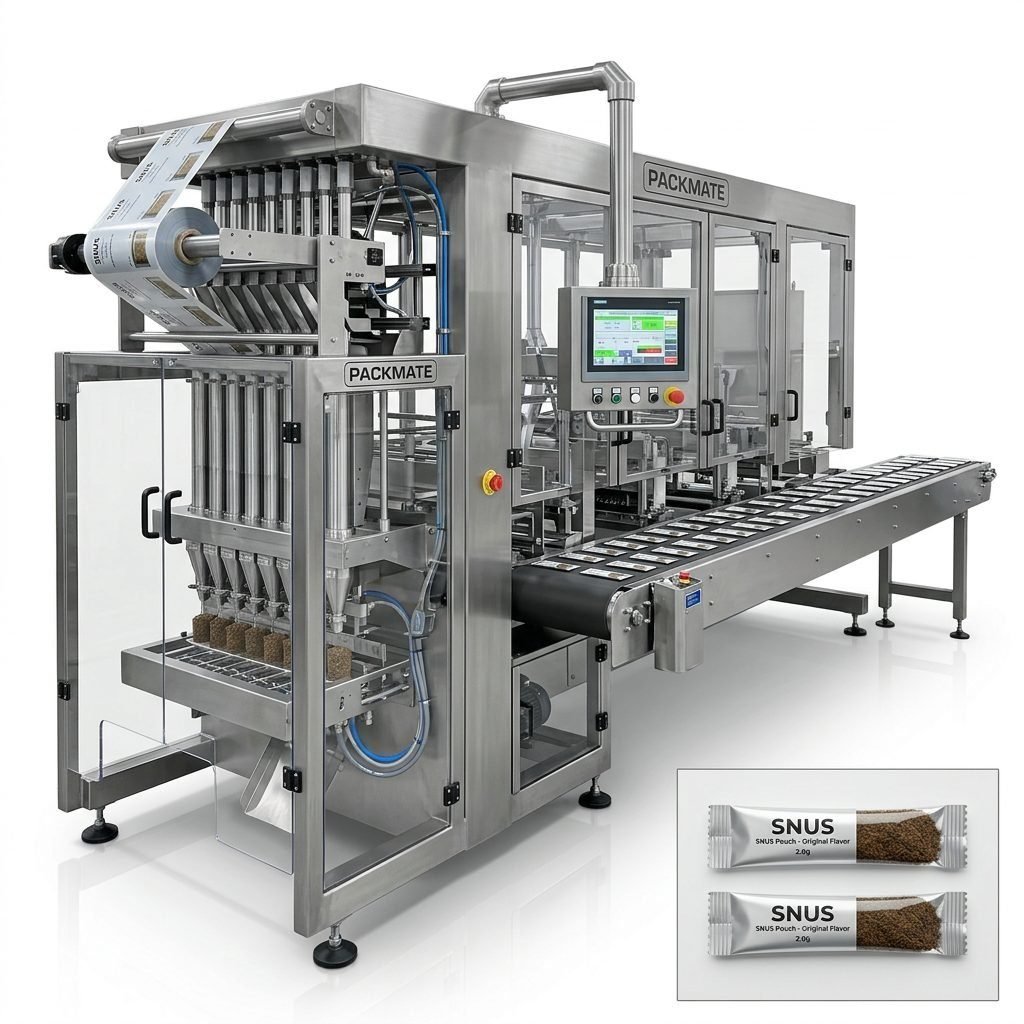
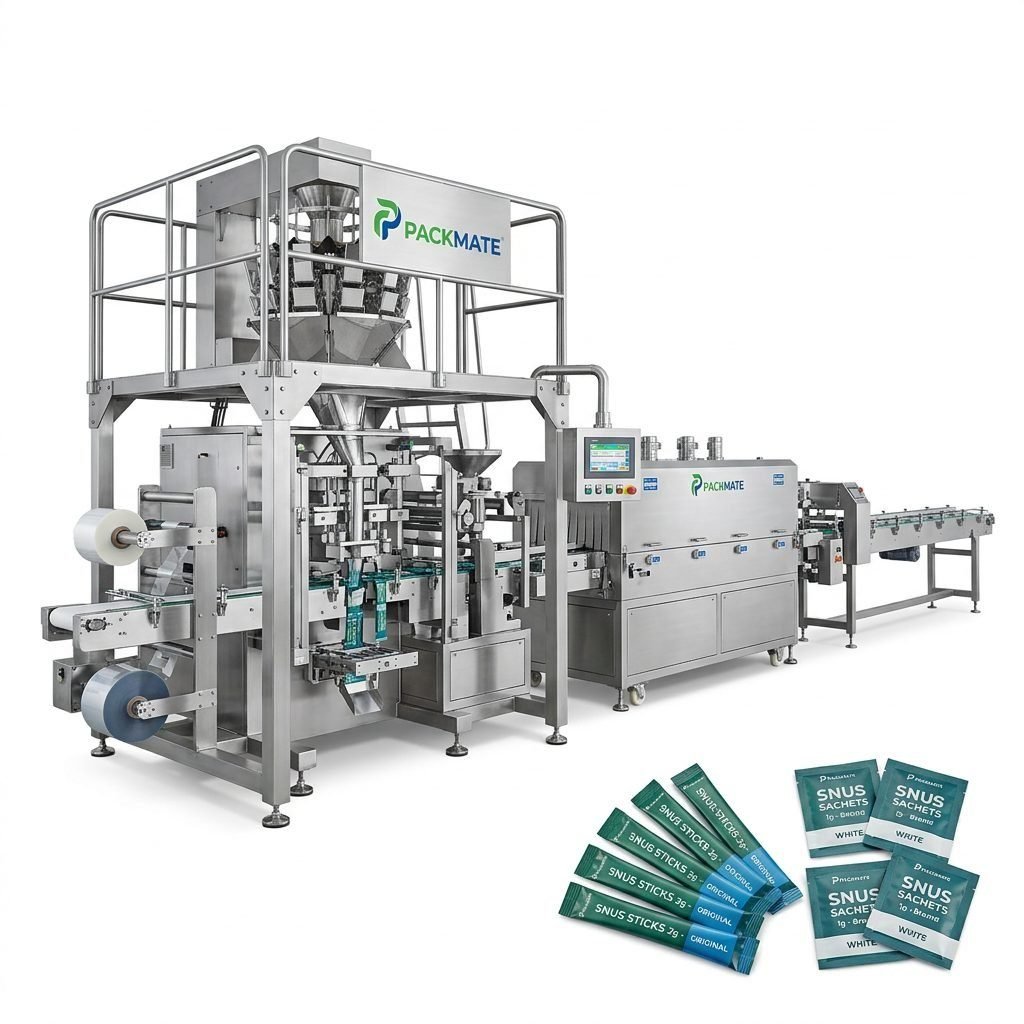
Choosing the right snus pouch sealing machine is one of the most important decisions a manufacturer of nicotine pouches, snus, or similar small-dose products will make. A well-chosen automatic packaging solution improves product shelf life, ensures consistent quality, reduces labor costs, and enables scalable production. This guide walks you through practical considerations, sealing technologies, machine types, integration needs, and supplier selection steps so you can select the best snus pouch sealing machine for your operation.
Why Sealing Matters for Snus and Nicotine Pouches
A robust seal protects product integrity, controls moisture and aroma, and complies with regulatory expectations. For nicotine pouches the margin for error is small: inconsistent seals cause leakage, contamination, or rapid degradation. Investing in a modern sealing machine that handles your pouch format reliably is not a luxury — it is a core part of product quality control and brand reputation.
✓ Key outcomes: consistent barrier performance, repeatable cycle times, lower scrap rates, and simplified traceability for each batch.
Common Snus Pouch Types and Their Sealing Needs
Understanding the pouch format guides the sealing technology choice. Typical pouch types include sachets, stick packs, flat pouches, and multi-layer nicotine pouches. Each format has specific sealing challenges: heat-sensitive printed films, thin nonwovens, laminated barrier films, and sachets with tear notches or resealable zippers.
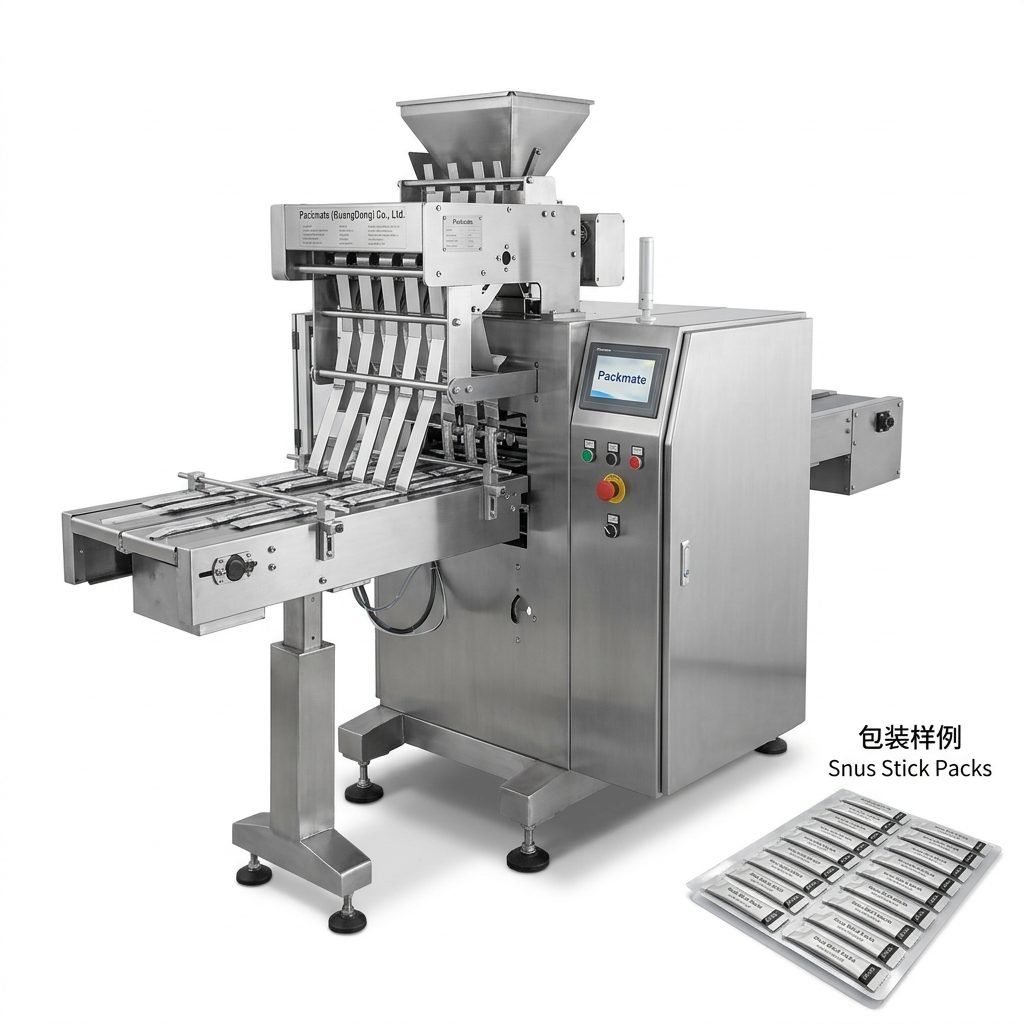
Sachets and Stick Packs
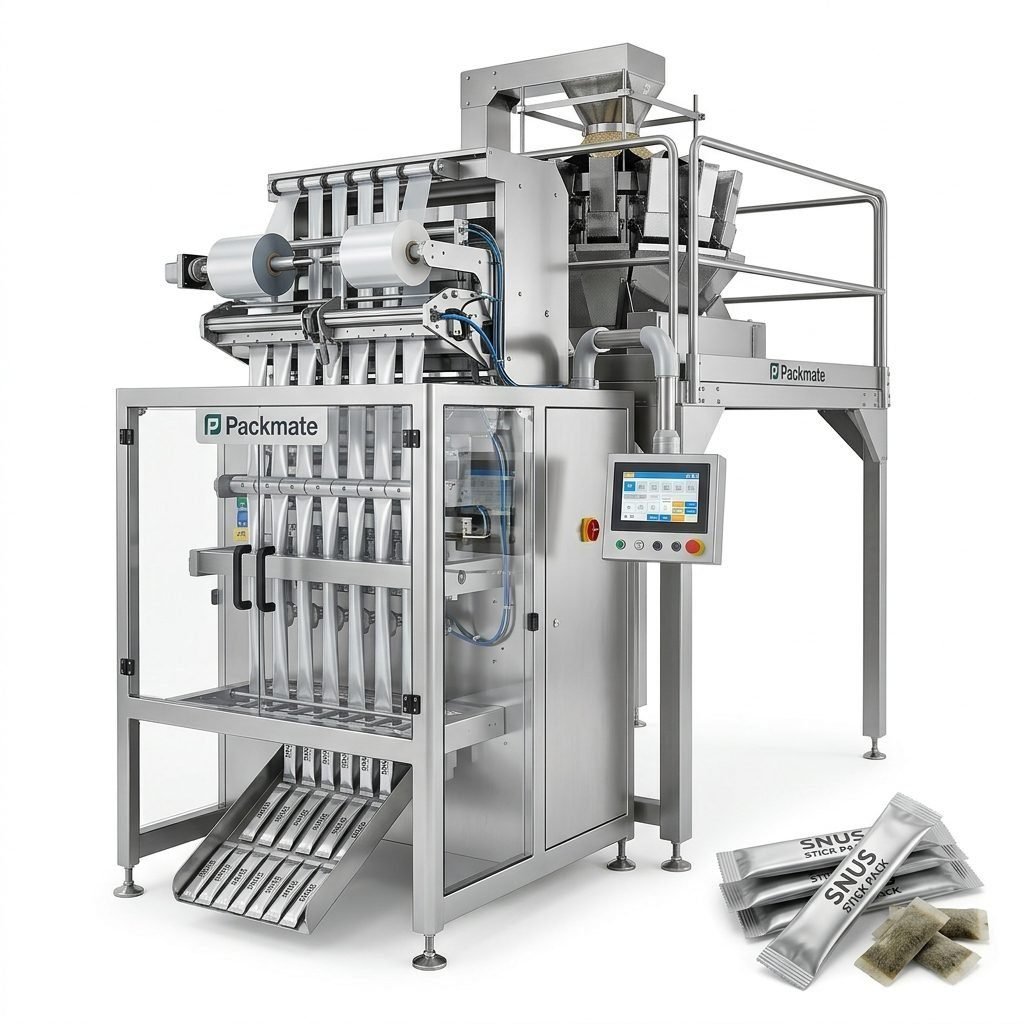
These are widely used for single-dose nicotine pouches and often require precise longitudinal and cross seals. Machines that support constant temperature control and precise film feed are essential to avoid wrinkles and incomplete seals.
Multi-Lane Pouch Lines
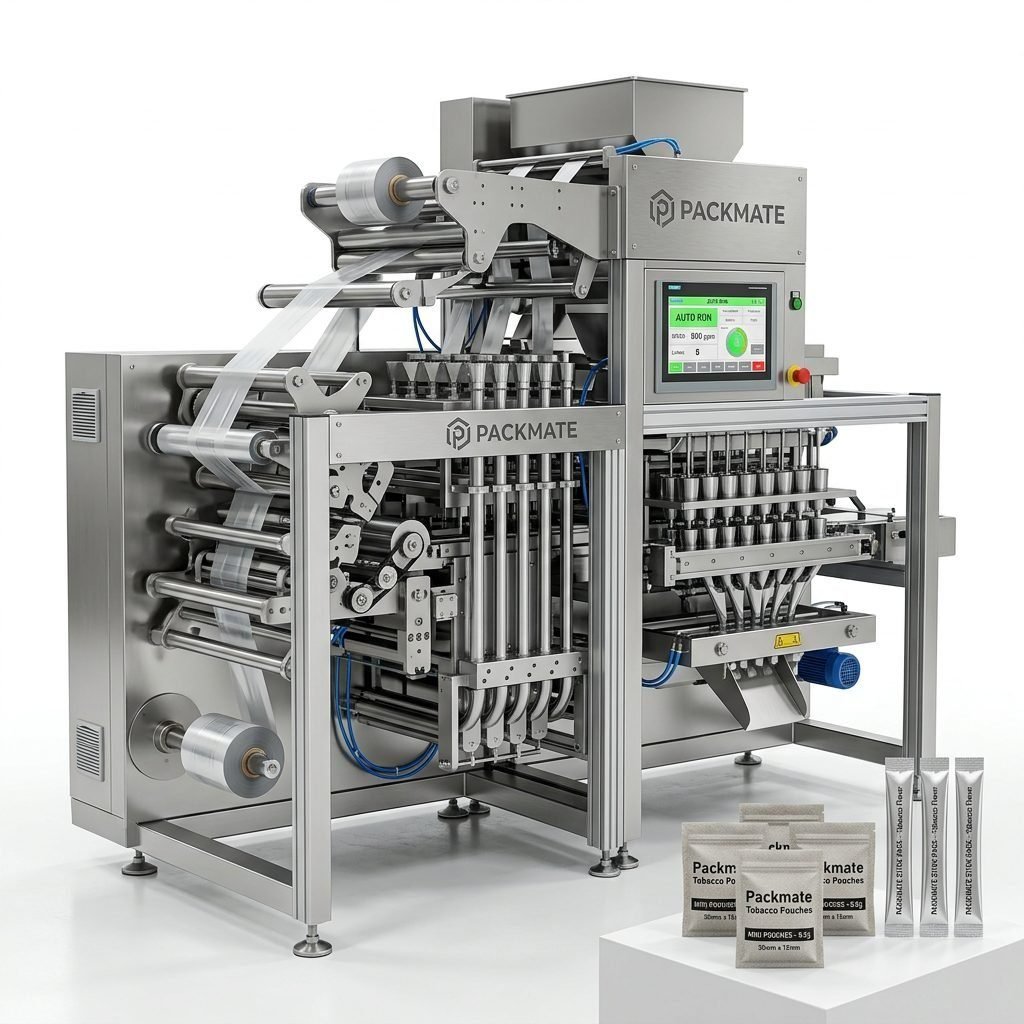
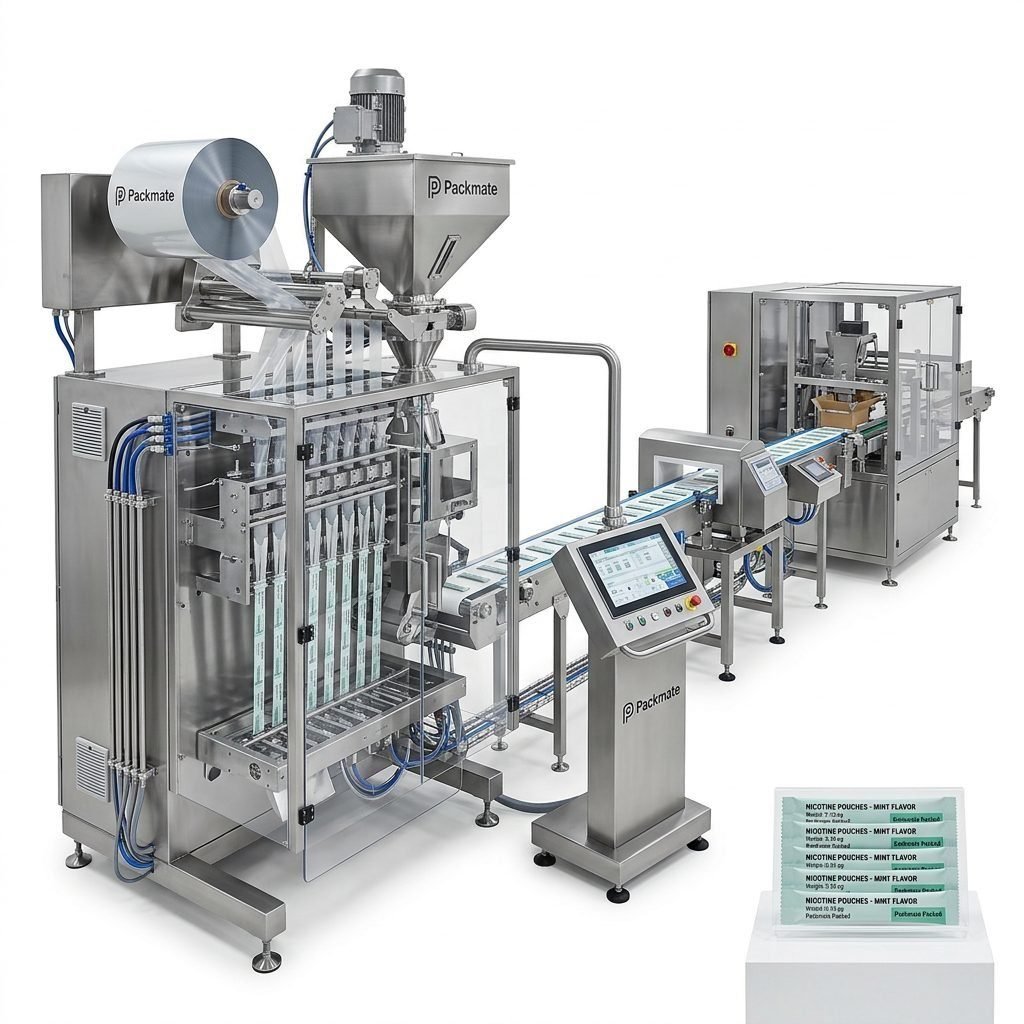
If you produce small-dose pouches at scale, multi-lane systems multiply output per cycle. These systems demand tight synchronization between dosing/weighing modules and sealing cylinders to keep per-lane consistency.
Types of Sealing Machines for Snus Pouches
There are several machine architectures to consider; choose based on product, speed, and footprint:
-
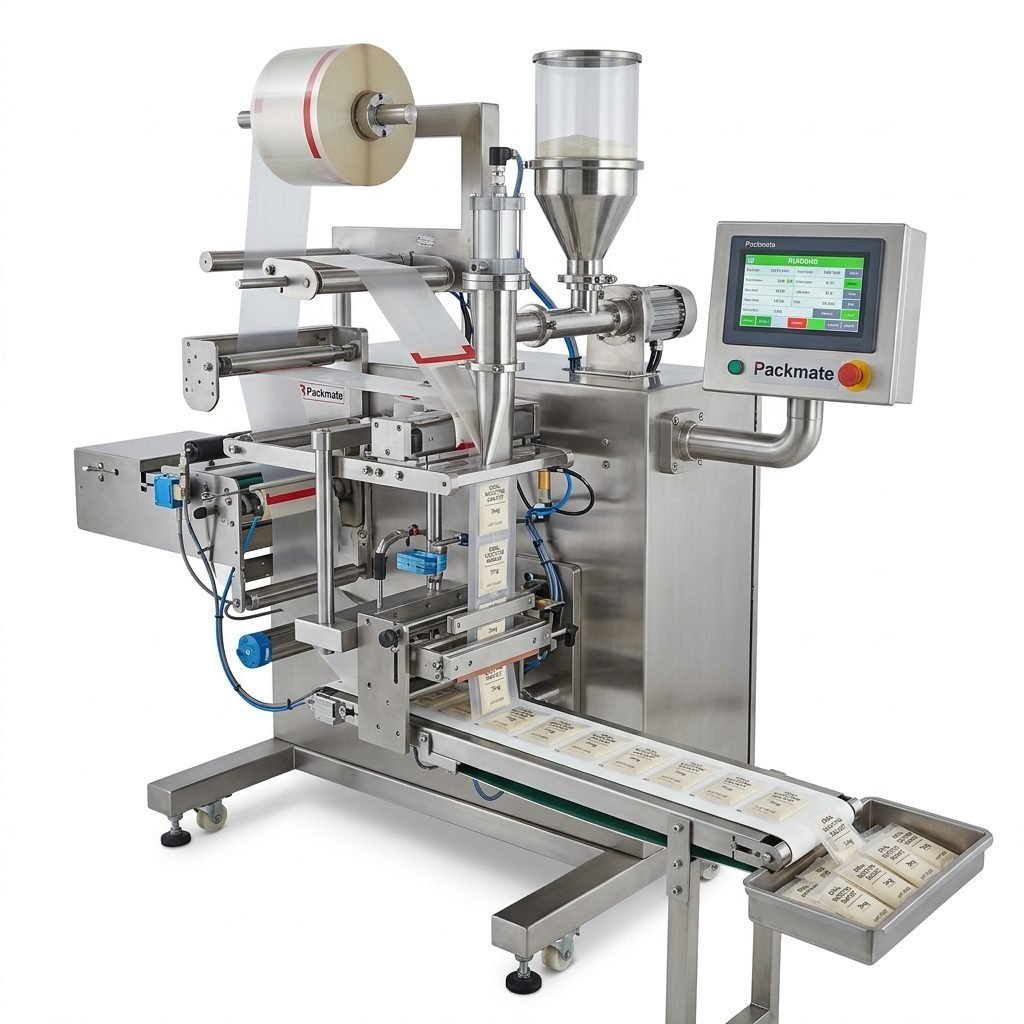
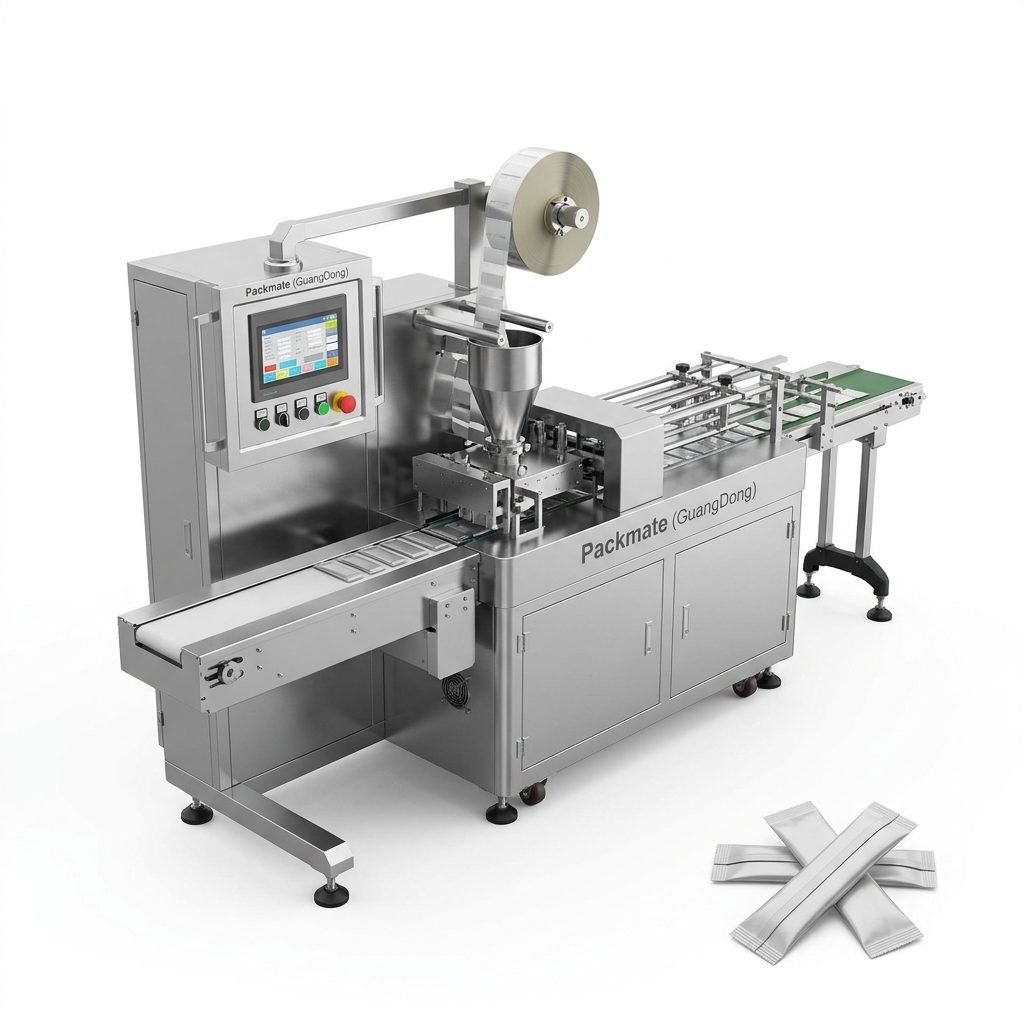
Form-Fill-Seal (FFS) vertical machines for sachets and stick packs—compact, versatile, and ideal for single-lane production.
-
Rotary pouch machines for pre-made pouches—excellent for high-speed operations and multi-lane sealing.
-
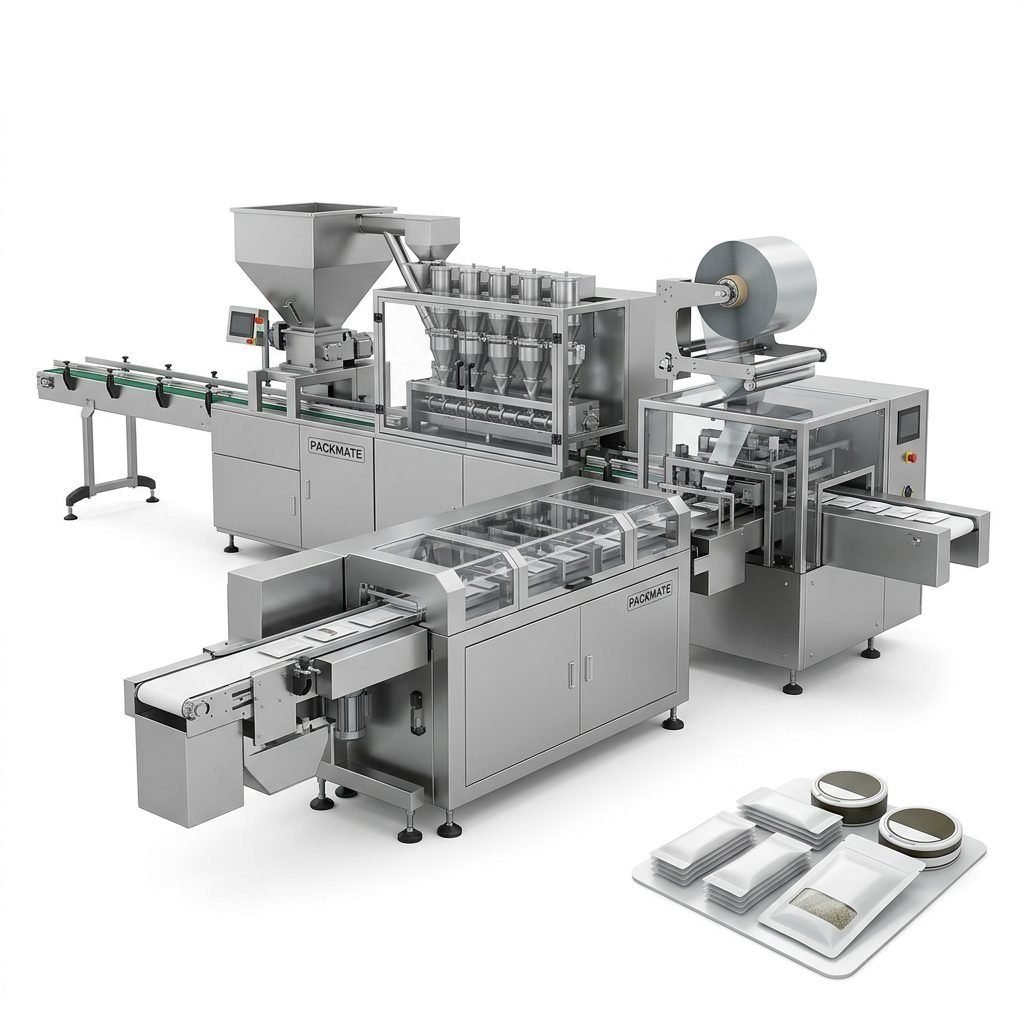
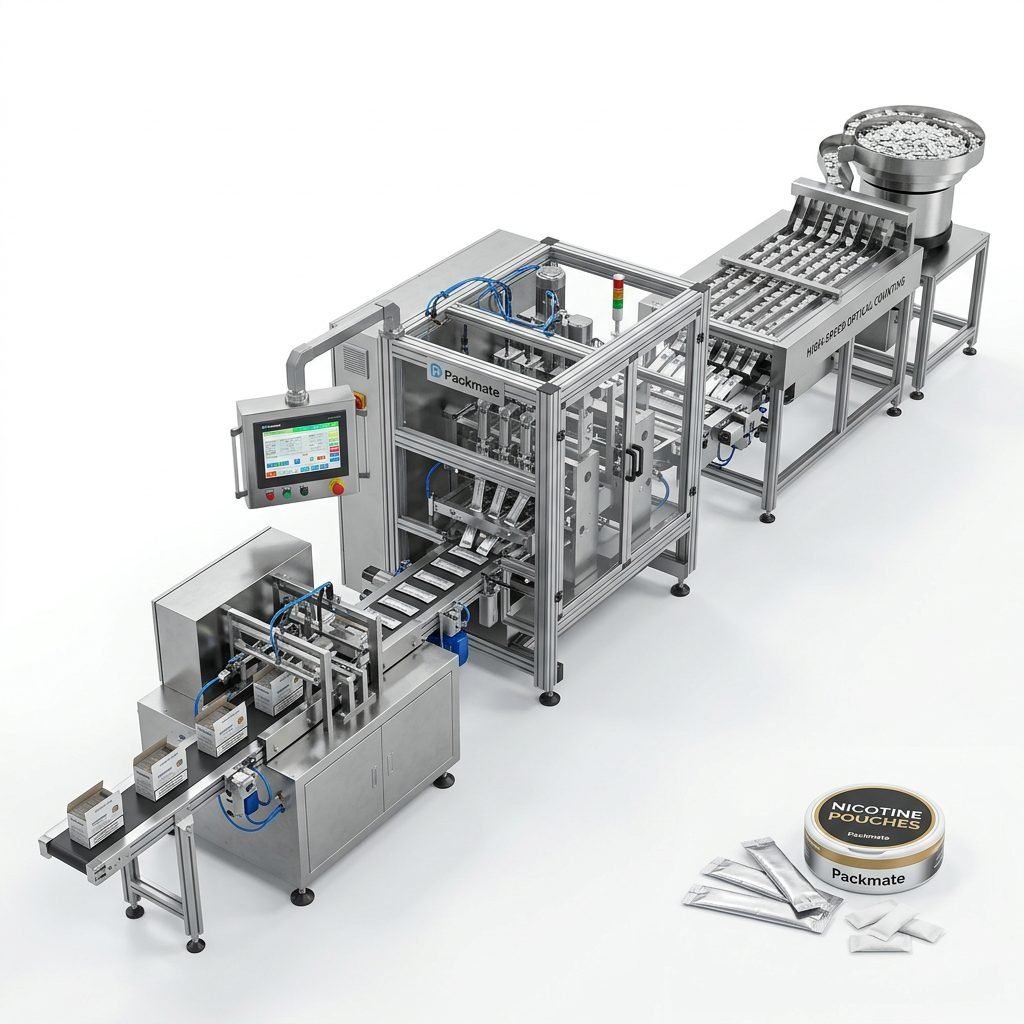
Multi-lane automated lines that integrate dosing, filling, and sealing modules—suitable for large-volume nicotine pouch manufacturers.
Sealing Technologies: Heat, Ultrasonic, and Hybrid
Selecting the sealing method depends on the film type and desired seal strength.
Heat Sealing
Heat sealing is the most common method for laminated films. Modern machines use precision temperature controllers, zoned heaters, and pressure regulation to produce reliable seals without damaging the film surface or printed graphics.
Ultrasonic Sealing
For some nonwoven or delicate films, ultrasonic sealing offers clean seals without excessive heat. Advantages include no need for consumable heating elements and fast seal cycles; however, suitability must be bench-tested for each material combination.
⚠️ Tip: Always run sealing trials with your exact film stack and printed materials. Visual inspection, peel tests, and accelerated aging give clarity on long-term seal performance.
Key Features to Evaluate When Choosing a Machine
Not all machines are created equal. Below are the critical criteria procurement teams should evaluate.
Sealing Quality and Control
Look for machines with precise temperature control, automatic heating compensation, and real-time seal monitoring. Features like PID controllers and in-line seal inspection sensors reduce variability and scrap.
Speed and Throughput
Consider current and near-term capacity needs. Multi-lane systems increase throughput but require synchronized dosing. Choose machines that scale (add lanes or modules) without major line changes.
Format Flexibility and Changeover
Quick, tool-less changeovers save downtime. Evaluate how quickly the machine adjusts to different pouch lengths, gusset sizes, or film widths. Some premium systems store recipe parameters for instant recall at changeover.
Material Compatibility
Confirm that the machine supports your film lamination, lacquer, and barrier requirements. If you plan to switch between films (e.g., heat-sealable laminate vs. nonwoven), validate each combination with supplier tests.
Automation & Integration
Best-in-class lines integrate weighing, dosing, vibrating feeders, and error handling. PLC/HMI systems that allow recipe management, remote diagnostics, and OEE tracking simplify operations and maintenance.
Hygiene and Regulatory Compliance
Choose machines built from sanitary stainless steel with easy access for cleaning. Compliance to CE, ISO, and pharma-grade build options helps in cross-border shipments and regulatory audits.
Evaluating Total Cost of Ownership (TCO)
Upfront price is only one part of the picture. Calculate TCO by including energy consumption, spare parts, consumable heaters, maintenance labor, downtime costs, and expected production yield. Machines with better control and fewer consumable parts often deliver lower TCO despite a higher capital cost.
ℹ️ Consider: Multi-lane systems require robust upstream dosing to avoid per-lane variance. Investing in a quality weighing and feeding system reduces reject rates.
Integration with Upstream and Downstream Equipment
A complete production line may include mixers, dosing/weighing machines, vibratory feeders, conveyors, serialization and secondary packaging. When selecting a sealing machine, confirm electrical interfaces, mechanical infeed/outfeed heights, and control communication (Ethernet/IP, Profinet, or Modbus) for smooth integration.
For integrated solutions see Packmate’s product categories: Snus & Nicotine Packaging Machines and the Bag & Pouch Packaging Machines pages.
Operational Factors: Training, Maintenance & Spare Parts
Good supplier support reduces the learning curve. Ask about operator training, local spare parts distribution, remote diagnostics, and preventive maintenance schedules. Check whether the manufacturer provides recommended spare parts kits and service contracts.
Supplier Evaluation Checklist
A robust selection process compares technical capability, references, and after-sales care. Key questions:
-
Can the supplier run tests with your film and formula in-house?
-
Are spare parts and service available regionally?
-
Does the supplier provide documented OEE and performance data for similar installations?
-
What are warranty terms, and are installation and commissioning included?
Packmate (GuangDong) Co., Ltd. combines over 30 years of packaging engineering experience with in-house testing and tailored line design. Learn more about the company on the About Packmate page and explore real-world examples in the Case section.
Material Testing and Validation Protocols
Before committing to a sealing technology, follow a validation protocol: material compatibility tests, seal strength (peel and shear), package integrity after thermal cycling, and accelerated shelf-life trials. Record each parameter and establish acceptable limits for production use.
Common Pitfalls and How to Avoid Them
Common reasons lines underperform include inadequate upstream dosing, under-specified heaters, insufficient machine rigidity at high speeds, poor spare parts planning, and lack of operator training. Mitigate risk by requesting full-scale trials, performance guarantees, and clear spare parts lead times before purchase.
✓ Avoid: Choosing a machine solely on price. Hidden costs in downtime, scrap, and upgrades can surpass initial savings.
Case Example: Scaling from Single-Lane to Multi-Lane Production
A medium-sized snus producer faced capacity constraints and inconsistent fills on a single-lane stick pack FFS machine. By partnering with a turnkey supplier that integrated a 4-lane FFS sealing station with synchronized multi-head dosing and automated film reels, the customer increased throughput fourfold and reduced per-unit labor. This highlights the advantage of partnering with suppliers who design complete lines rather than standalone machines.
If you would like to review complete packaging lines including weighing and feeding systems, see the Weighing & Packaging Systems and Filling & Packaging Lines listings.
Installation, Commissioning & After-Sales Support
Plan installation with clear site requirements: power, compressed air, floor load, and utilities. Ensure the supplier provides commissioning, operator training, and documentation. Remote support and timely spare parts shipments are crucial for minimizing downtime and maintaining production continuity.
Checklist Before Purchase
Use this quick pre-purchase checklist to rationalize decisions:
-
Run sealing and fill trials with your exact materials.
-
Confirm machine compatibility with your line control protocols.
-
Obtain references from customers with similar products and volumes.
-
Clarify warranty, spare parts lead times, and service SLAs.
-
Verify regulatory compliance certifications (CE, ISO) for export markets.
🔍 Pro tip: Ask the manufacturer to deliver a document of expected OEE and typical reject rates for your product family — this helps quantify the ROI.
Why Partner with an Experienced Manufacturer?
Manufacturers with decades of engineering experience bring tested design choices, proven multi-lane configurations, and deeper service networks. They typically offer tailored turnkey solutions that include dosing, feeding, and sealing modules optimized to work together. For example, Packmate’s long history and factory capabilities mean they can deliver fully tested production lines and local support for global customers.
To explore turnkey options and project support, visit Packmate’s Contact Us page or view available machine catalogs and documentation in their Catalog.
Final Recommendations
Selecting the best snus pouch sealing machine requires balancing product compatibility, throughput goals, long-term costs, and supplier support. Prioritize proven sealing technology, modular automation, and a supplier that offers trials and clear service commitments. For growing businesses, choose machines designed to scale — either by lane expansion or by straightforward integration with higher-capacity upstream and downstream equipment.
✅ Quick summary: Validate materials, test sealing methods, calculate TCO, require performance guarantees, and confirm spare parts/service accessibility before signing a contract.
Frequently Asked Questions
Q1: How do I know whether to choose heat sealing or ultrasonic sealing for my pouches?
A1: Run lab trials with your exact film stack. Heat sealing is best for laminated barrier films; ultrasonic can be ideal for delicate nonwovens. Performance tests (peel, shear, aging) determine the right choice.
Q2: What throughput can I expect from a multi-lane snus pouch line?
A2: Throughput varies by lane count, pouch size, dosing speed and film feed. Multi-lane lines multiply single-lane rates but require synchronized dosing; ask suppliers for real-world OEE data for comparable products.
Q3: How much space and utilities will a sealing machine require?
A3: Requirements depend on machine type. Provide the supplier with your facility drawings. Typical needs include electrical supply, compressed air, floor load capacity, and clearance for maintenance.
Q4: What after-sales support should I expect from a reputable manufacturer?
A4: Expect operator training, commissioning, spare parts kits, remote diagnostics, and defined SLAs for onsite service. Verify regional spare parts distribution to avoid long downtimes.
Q5: Can I see real examples of installed lines before purchase?
A5: Yes — ask the supplier for case studies, site references, and machine videos. Packmate’s Case section showcases installations and provides context for line performance.