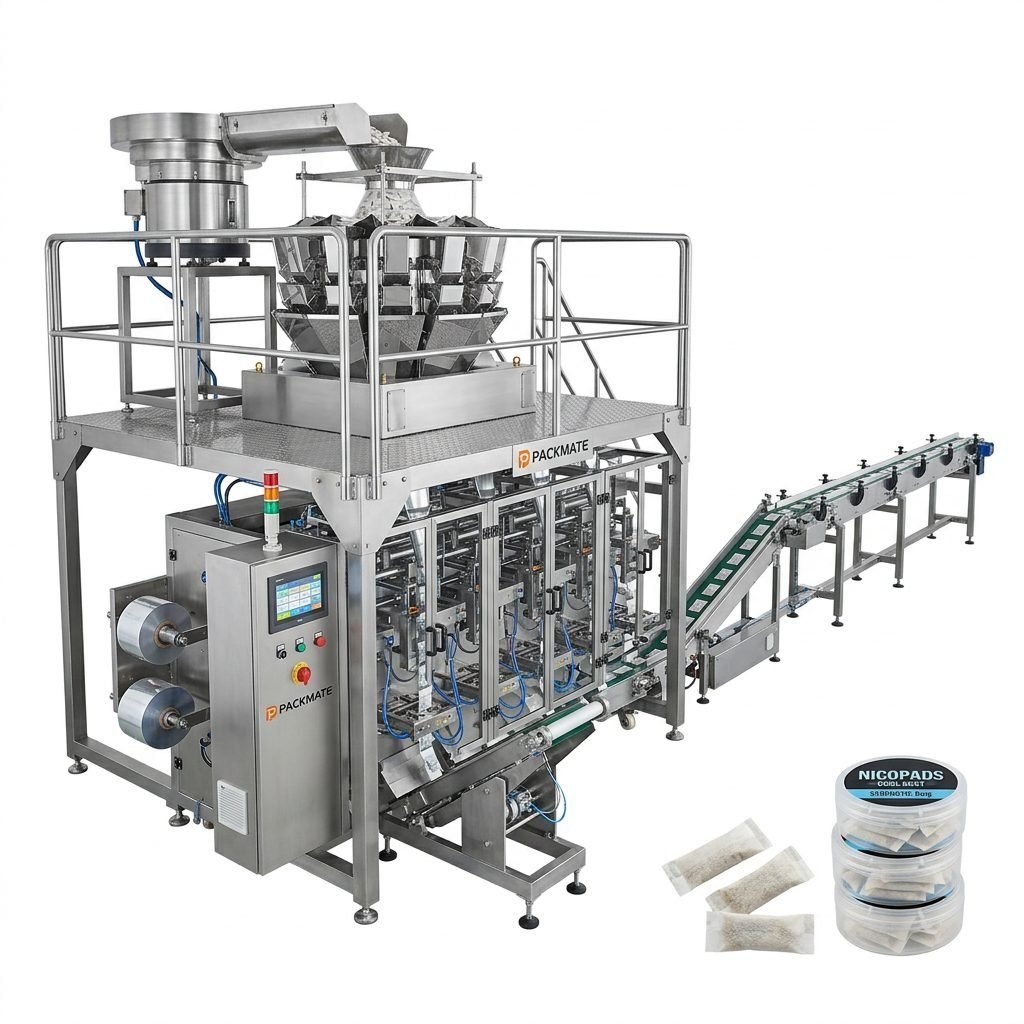
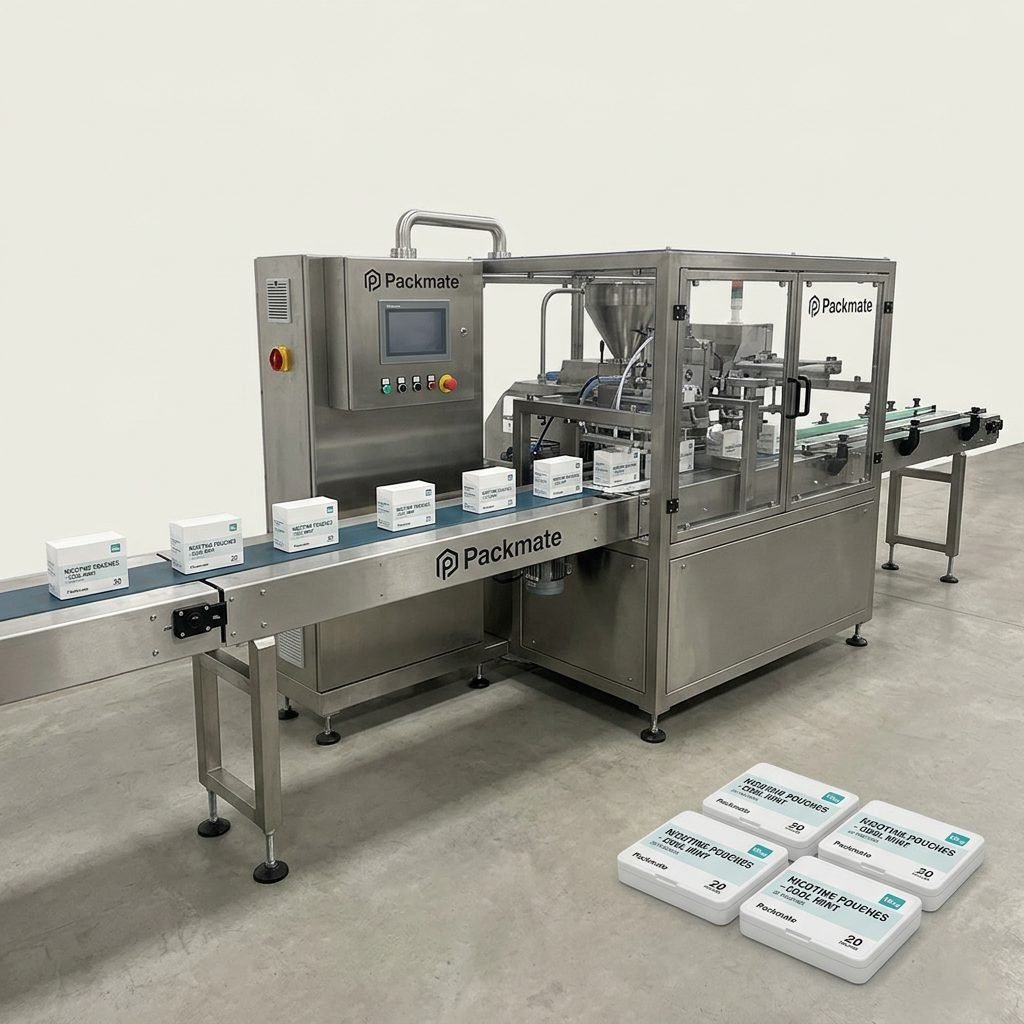
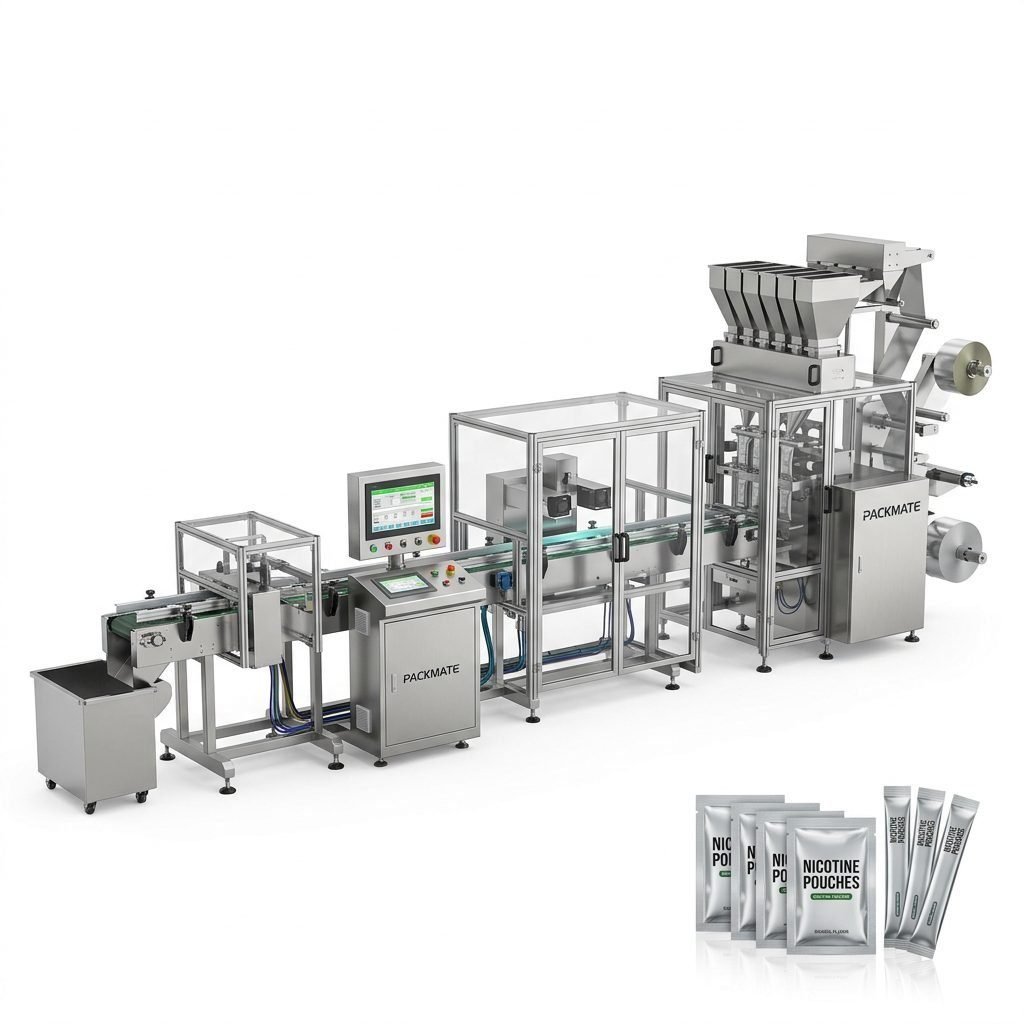
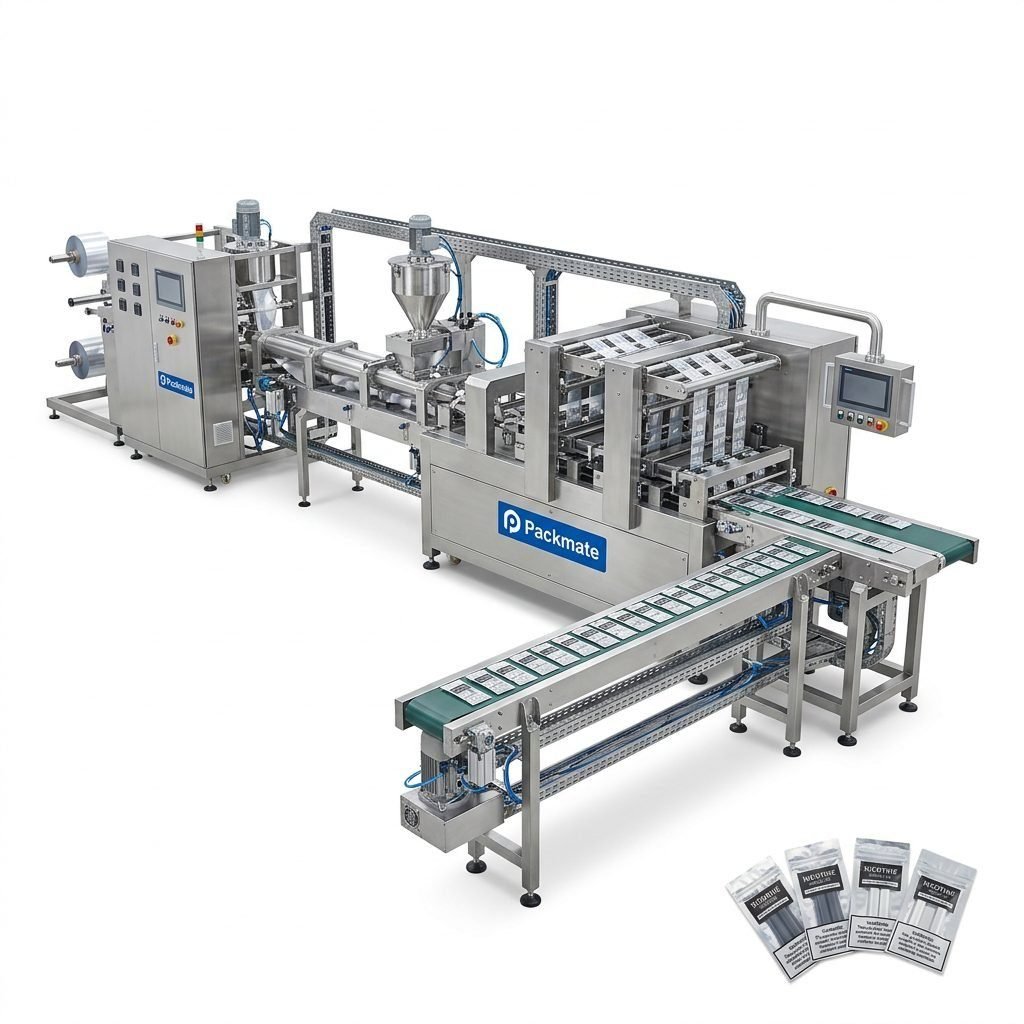
Choosing the right high speed snus machine is a critical investment for any manufacturer aiming to scale efficient pouch packing operations. This buyer’s guide covers the technical priorities, production scenarios, and practical considerations that will help you select a machine that delivers speed, accuracy, reliability, and a strong return on investment.
Why high speed matters in modern snus pouch production
Increased market demand for snus and nicotine pouches pushes manufacturers toward higher throughput while maintaining strict portion accuracy and packaging quality. A high speed snus machine reduces labor costs, shortens lead times, and supports multi-shift operations with stable performance. Prioritize machines that balance maximum speed with consistent pouch integrity and minimal downtime.
Key performance metrics to evaluate
Assess these technical metrics when comparing models: nominal pouch output per minute, dosing precision (mg/portion), lane count (single to multi-lane), changeover time between formats, and allowable pouch sizes. Look for rated speeds backed by case studies or live demonstrations to confirm real-world performance rather than relying solely on marketing numbers.
🔧 Quick tip: Machines that advertise 8+ lanes typically offer the best throughput-per-foot footprint, but also require precise synchronization and advanced feeding equipment for consistent dosing.
Machine types and configurations
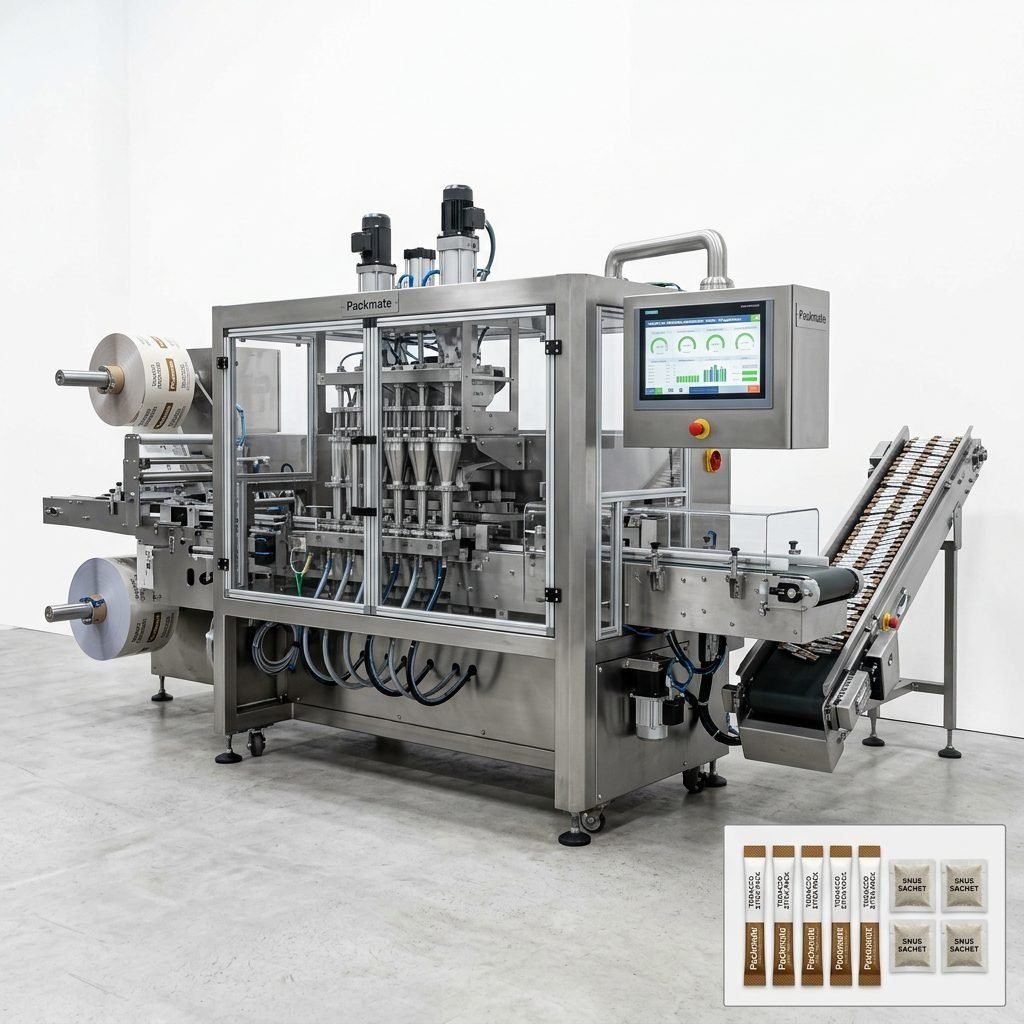
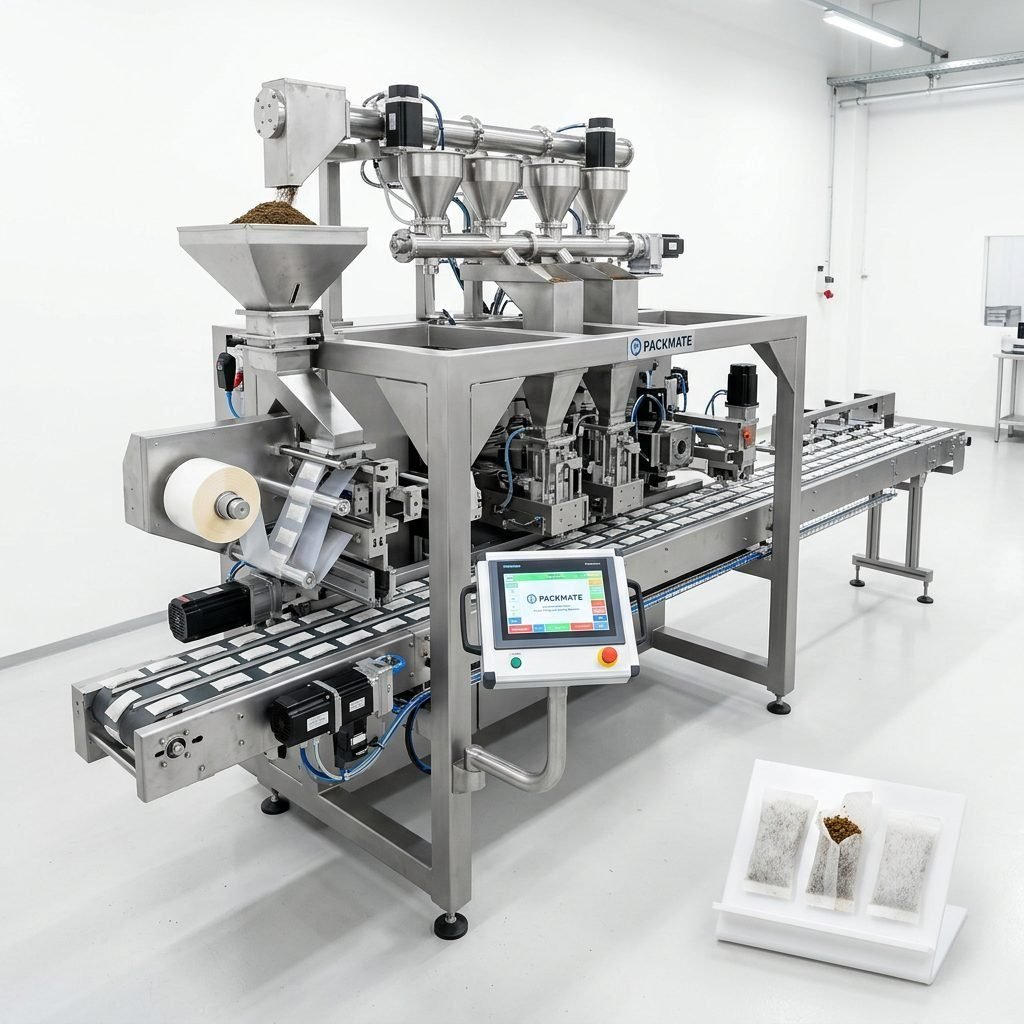
There are several snus packaging approaches: stick packs, sachets, and multi-lane pouch systems (including nicotine pouches). Choose the form factor that matches your product positioning. Multi-lane rotary systems excel for small-dose pouches with very high counts, while sachet machines may offer more flexibility for different pouch shapes and materials.
Material compatibility and pouch design
Pouch material selection (paper, film laminates, biodegradable films) impacts sealing temperature, dwell time, and machine settings. Confirm the machine’s heating and sealing modules are adjustable for your chosen laminate and that its tensioning/pulling mechanisms are gentle enough for delicate films while still providing precise registration.
Dosing accuracy and weighing systems
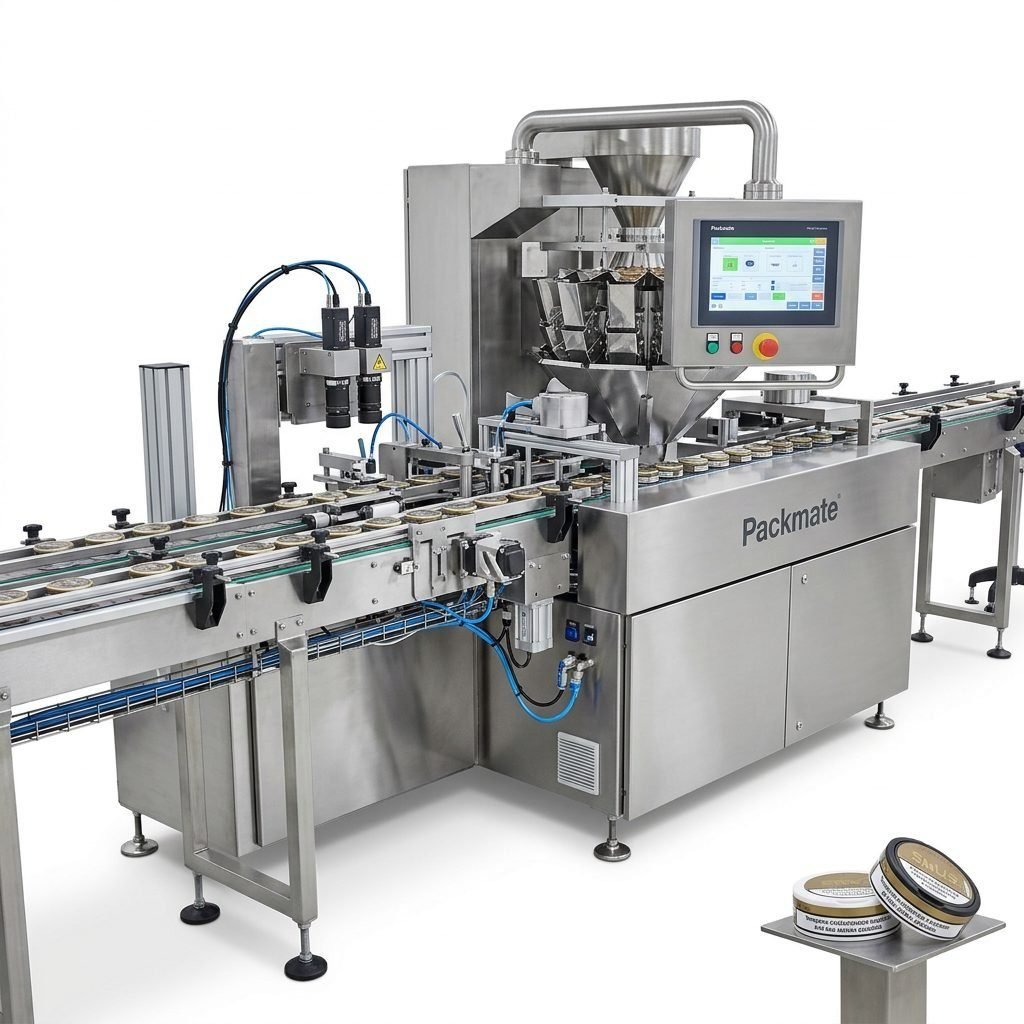
Accurate dosing is non-negotiable for regulatory compliance and product consistency. Check whether the machine integrates with high-speed weighers or auger/volumetric fillers tuned for nicotine powder or granular blends. Integration with multi-head weighers or vibratory feeders reduces giveaway and maintains tight variance tolerances.
📌 Important: If you’re producing small-dose nicotine pouches, insist on dosing variance data from the supplier and a live demo that includes filled pouch weight histograms.
Automation, controls and Industry 4.0 readiness
Modern high speed snus machines come with PLC/HMI systems for recipe management, remote monitoring, and fault diagnosis. Evaluate the control architecture for ease-of-use, data logging, and the ability to export OEE metrics. Remote support capability and optional IoT connectivity can dramatically shorten troubleshooting and keep your line producing.
Hygiene, cleaning and maintenance considerations
Hygienic design reduces downtime during cleaning cycles and simplifies preventive maintenance. Look for stainless steel construction in contact areas, easy-to-remove dosing components, and CIP-compatible modules where applicable. The availability of local spare parts and service technicians is a major factor in long-term uptime.
Spare parts and after-sales support
A strong spare parts strategy minimizes mean time to repair. Verify the supplier’s stock levels, lead times, and whether they provide comprehensive manuals and training. Consider manufacturers with a global footprint and documented case histories to ensure reliable support for multi-national operations.
Packmate Snus Machine, for example, provides extensive turnkey solutions and global technical support, showcasing decades of engineering experience and a robust parts inventory. Learn more about the company and its credentials on the About Packmate page.
Certifications, regulations, and compliance
Ensure machines comply with international standards like CE and ISO, and that they can support traceability and hygiene practices required by your market. When producing regulated products such as nicotine pouches, you must also meet local packaging and labeling requirements—confirm the line can integrate serialization or custom printing modules.
✅ Compliance checklist: CE/ISO certificates, hygienic design, dosing accuracy reports, electrical safety documentation, and software versioning for printing/serialization modules.
Custom solutions and scalability
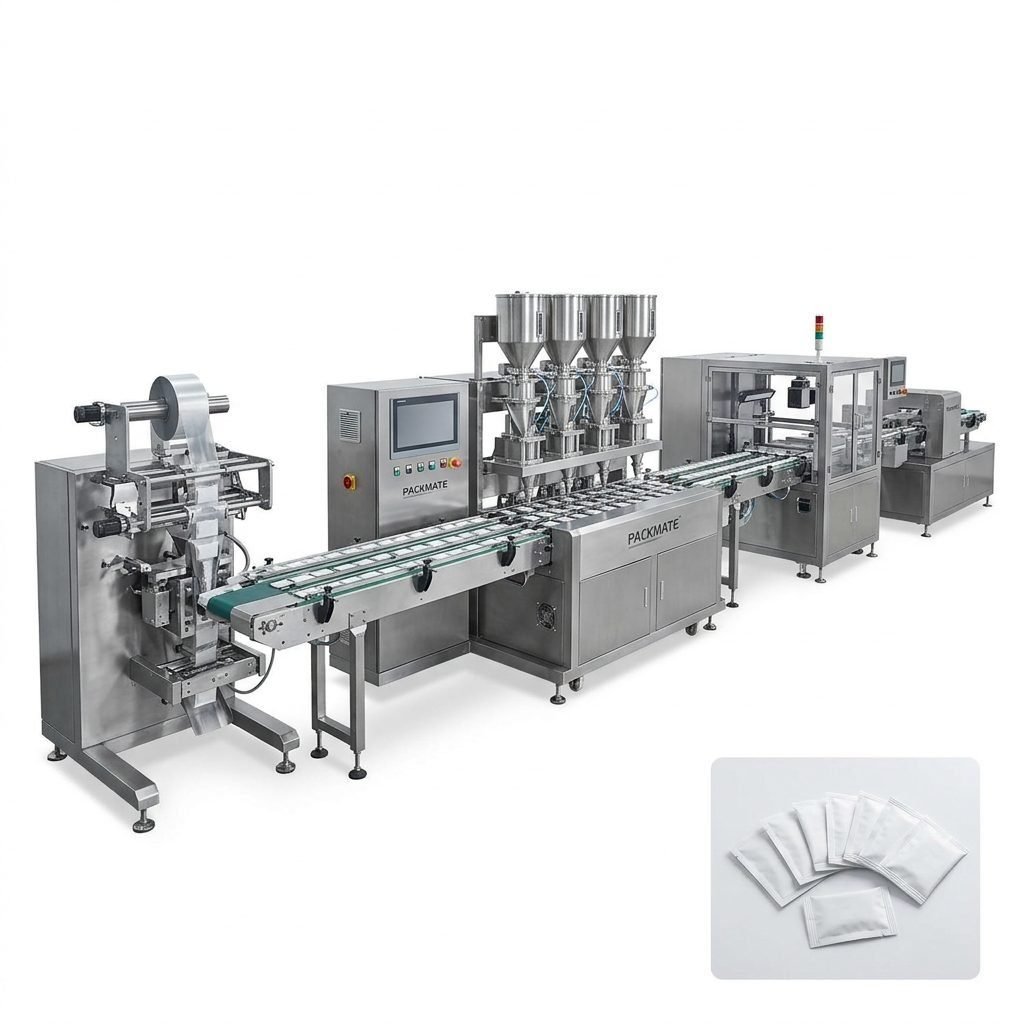
Growth plans should shape your machine choice. If you expect to expand SKUs or increase throughput, choose platforms that are modular and can be upgraded to more lanes, faster dosing heads, or additional packaging modules. Suppliers who provide turnkey lines—including upstream feeding, weighing, and downstream cartoning—reduce integration risk.
Explore examples of integrated solutions on the Filling & Packaging Lines page and review customer deployments in the Case section for real-world performance benchmarks.
Total cost of ownership (TCO) and ROI
Compare machines based on TCO, not just capital price. Include energy consumption, maintenance hours, spare parts cost, expected production yield, and labor savings in ROI calculations. Machines with higher initial investment but lower downtime and reduced giveaway commonly offer superior long-term value.
Factory capabilities and quality assurance
Visit the manufacturer’s facility or request video tours to verify manufacturing standards, CNC machining capability, and assembly/testing workflows. A supplier with a dedicated testing line and documented quality control provides greater assurance that machines will meet promised performance levels.
Packmate’s 20,000㎡ facility, advanced CNC centers, and 50+ machine models are examples of the industrial scale needed to support custom high speed solutions. Read more on their product portfolio in the Snus & Nicotine Packaging Machines section.
On-site validation and FAT/SAT practices
Insist on Factory Acceptance Testing (FAT) with your specific product, pouch material, and fillers to validate performance before shipment. After installation, Site Acceptance Testing (SAT) should confirm integration into your production flow and verify you meet contract guarantees for speed and uptime.
⚠️ Avoid assumption: Warranty claims may be void if FAT is skipped or customer materials differ significantly from those used during testing.
Selecting a supplier: questions to ask
Ask prospective suppliers about lead times, spare parts inventory, installation and training packages, performance guarantees, references from similar customers, and the availability of local service technicians. A transparent supplier will share machine videos, weight variance reports, and client references.
If you want a multi-disciplinary solution—including weighing, bagging, and downstream cartoning—review options under Weighing & Packaging Systems and Bag & Pouch Packaging Machines.
Practical checklist before purchase
1) Confirm pouch specs and materials. 2) Request FAT with your product. 3) Verify spare parts lead times. 4) Get training and documentation included. 5) Review warranty and performance guarantees.
🔍 Vendor highlight: Suppliers who offer turnkey integration and post-sale service often reduce time-to-market. Consider contacting the supplier’s sales team or Contact Us for customized proposals.
Final considerations and next steps
Selecting the best high speed snus machine requires a careful balance between throughput, accuracy, and long-term serviceability. Prioritize vendors that demonstrate real production results, provide robust training and spare parts, and are responsive to custom requests. A well-chosen machine will drive productivity gains and secure product quality for years.
Frequently Asked Questions
1. What production speed should I target for profitability?
Target speeds depend on your market demand and product format; for small-dose nicotine pouches, multi-lane machines offering several thousand pouches per minute are common. Calculate break-even based on fixed costs, labor savings, and expected orders.
2. How important is FAT for high speed lines?
FAT is essential. It validates machine settings with your actual materials and product, preventing surprises during installation and ensuring warranty terms are met.
3. Can these machines handle biodegradable pouch films?
Many modern machines support a range of films, but sealing parameters vary. Always test your specific film in vendor trials to ensure seal integrity and acceptable changeover times.
4. What after-sales services should I demand?
Insist on spare parts availability, remote diagnostics, training for operators and technicians, and documented maintenance schedules. Local support networks can significantly improve uptime.
5. Where can I see examples of installed lines?
Review supplier case studies and exhibition demonstrations. For more examples and product details, visit Packmate’s product sections and exhibition information via Our Exhibition and the product pages linked earlier.