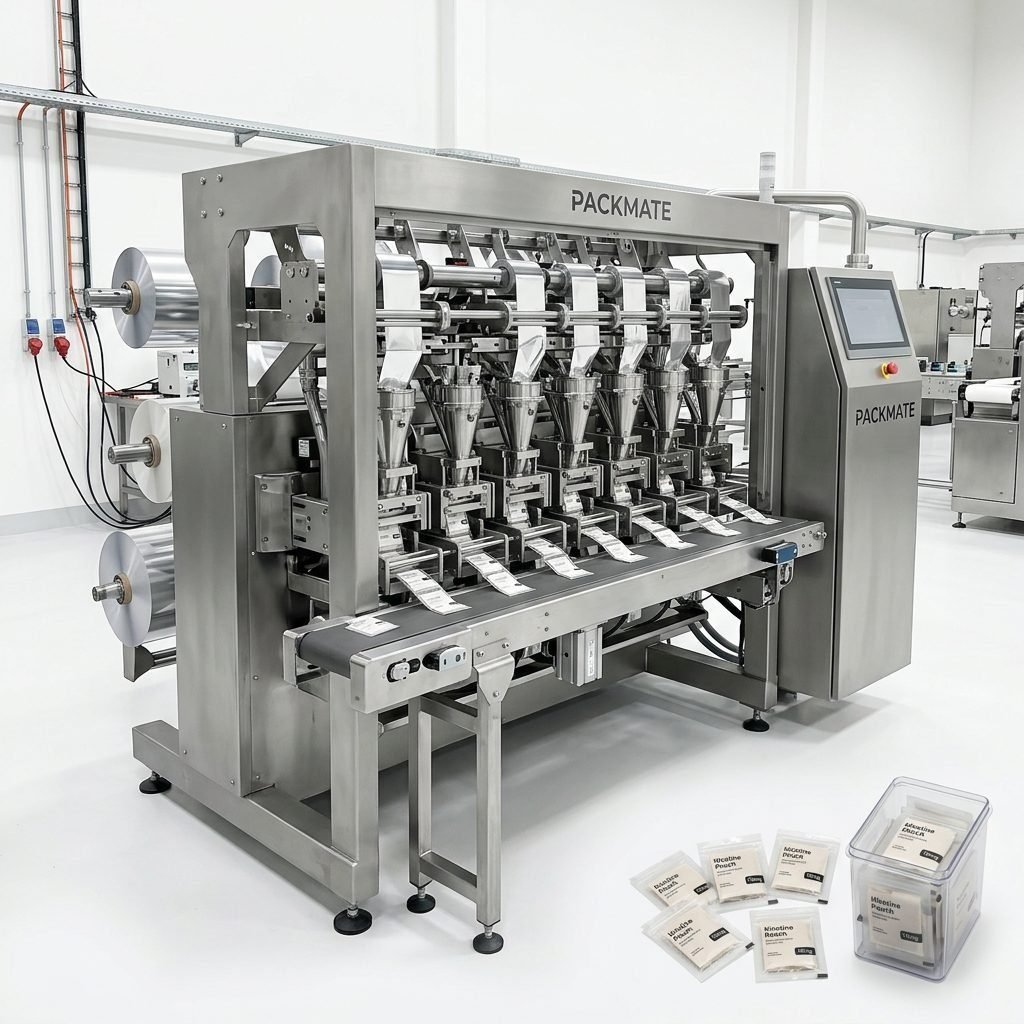
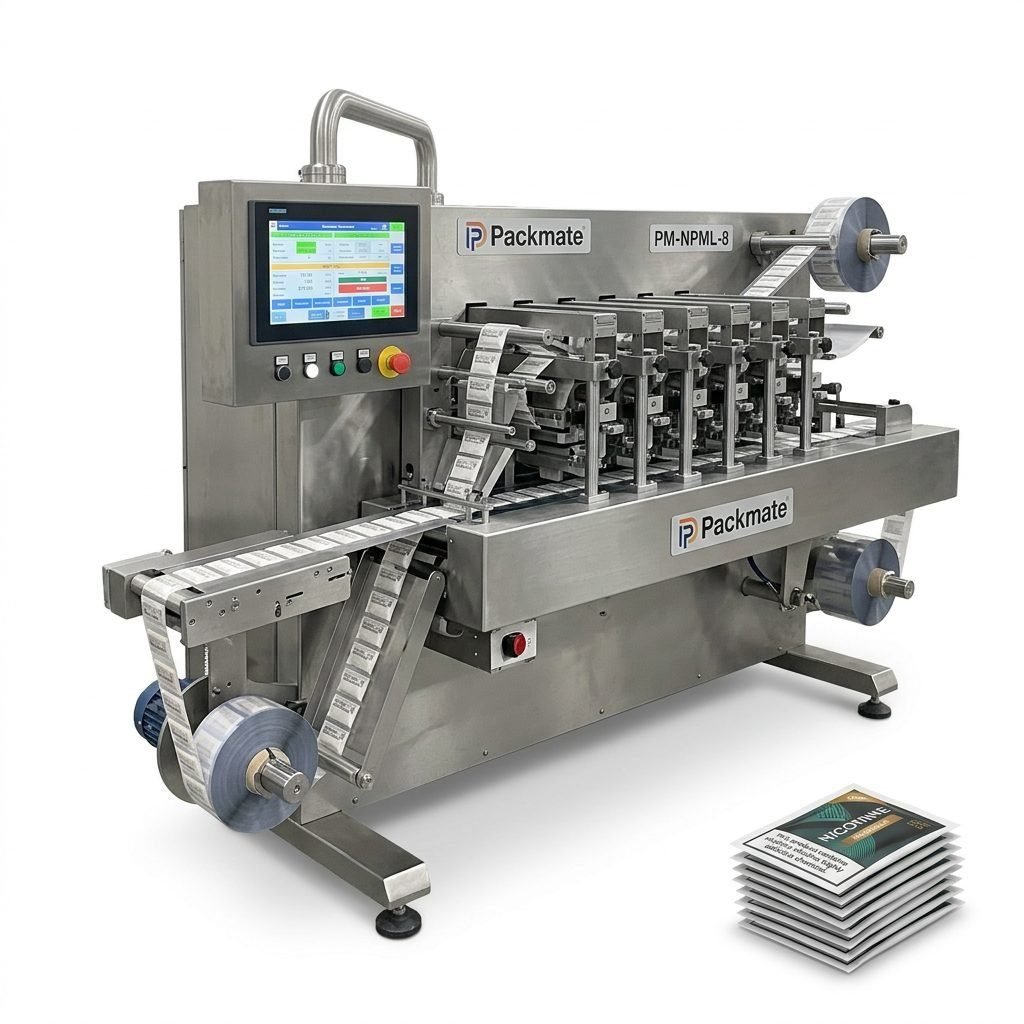
In a market where consistency, compliance, and speed determine success, building the best snus production line requires a strategic blend of machine selection, factory layout, commissioning, and continuous optimization. This guide provides a practical roadmap for manufacturers and entrepreneurs who plan to set up or upgrade a snus or nicotine pouch factory — covering equipment choices, installation best practices, quality assurance, regulatory considerations, and tips for long-term operational excellence.
Why a Purpose-Built Snus Production Line Matters
🔶 Consistency and yield: A specialized line for snus and nicotine pouches delivers repeatable pouch weights, sealing integrity, and accurate dosing — essential for product safety and customer satisfaction.
🔶 Regulatory compliance: Machines designed to meet CE/ISO standards simplify validation and documentation for export and local approvals.
🔶 Scalability: Modular multi-lane systems let you grow capacity without a full redesign. This is particularly important as demand changes seasonally or by region.
Core Components of a Snus / Nicotine Pouch Line
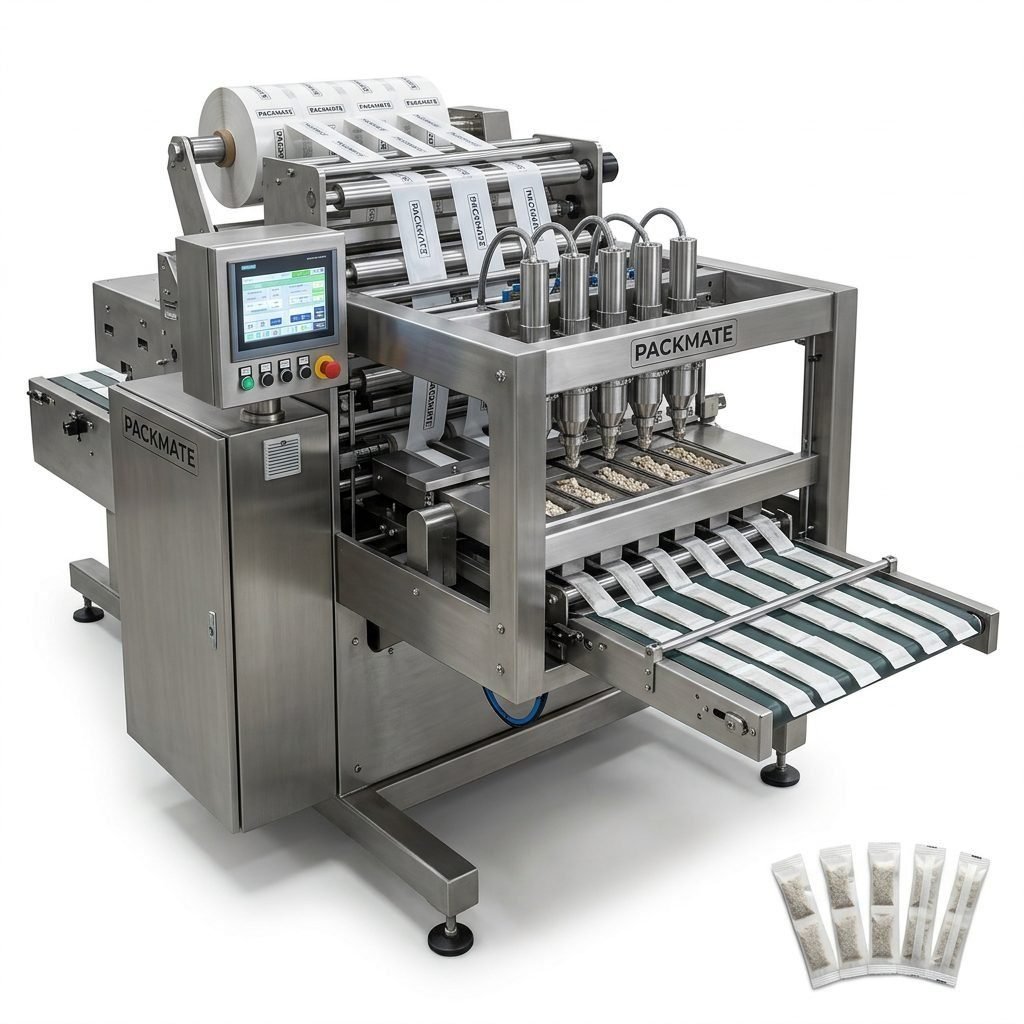
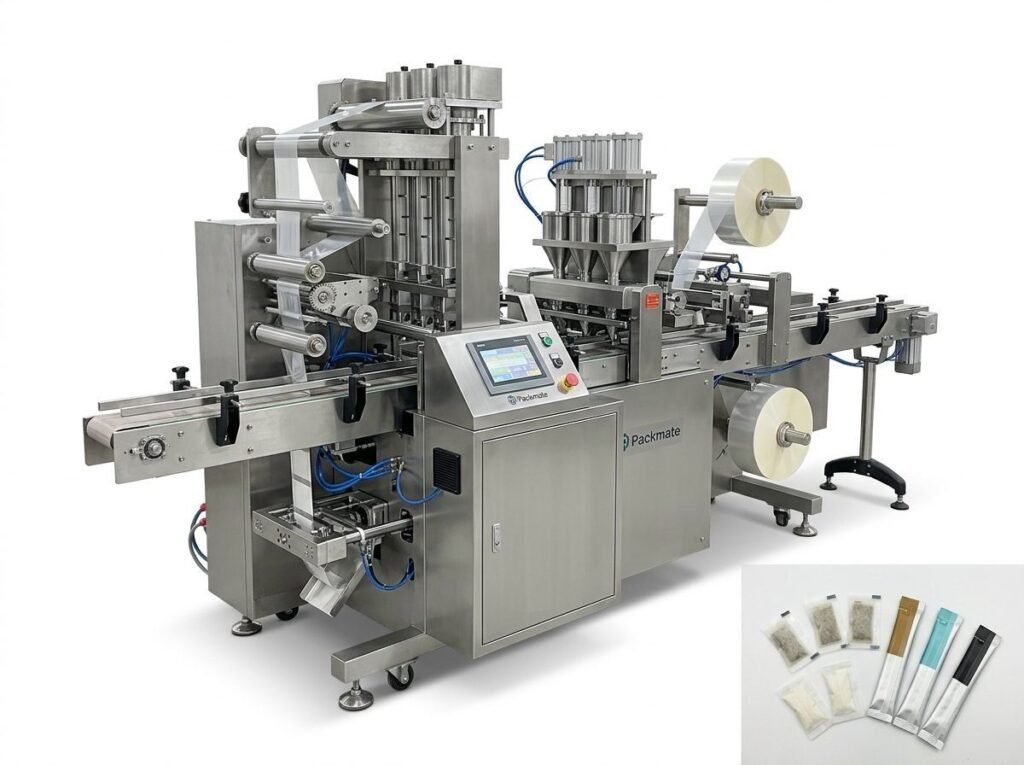
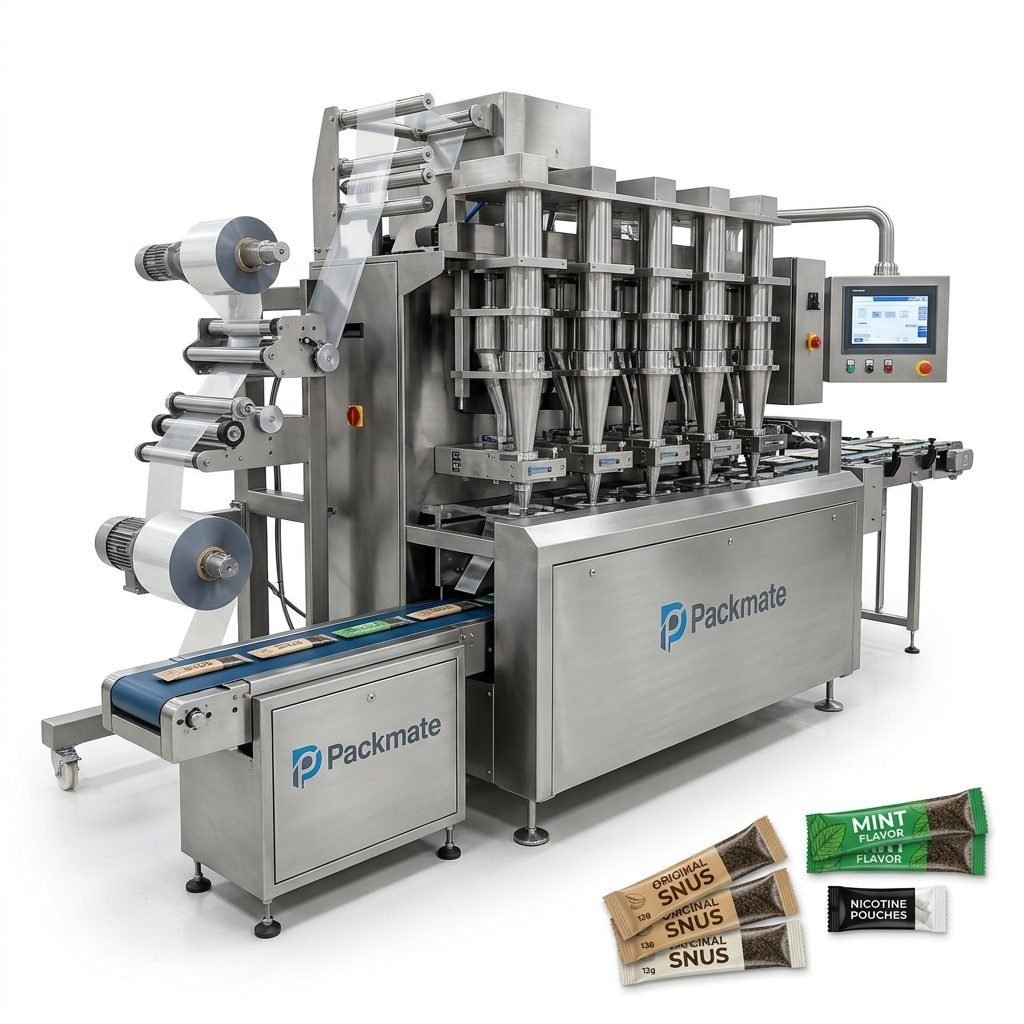
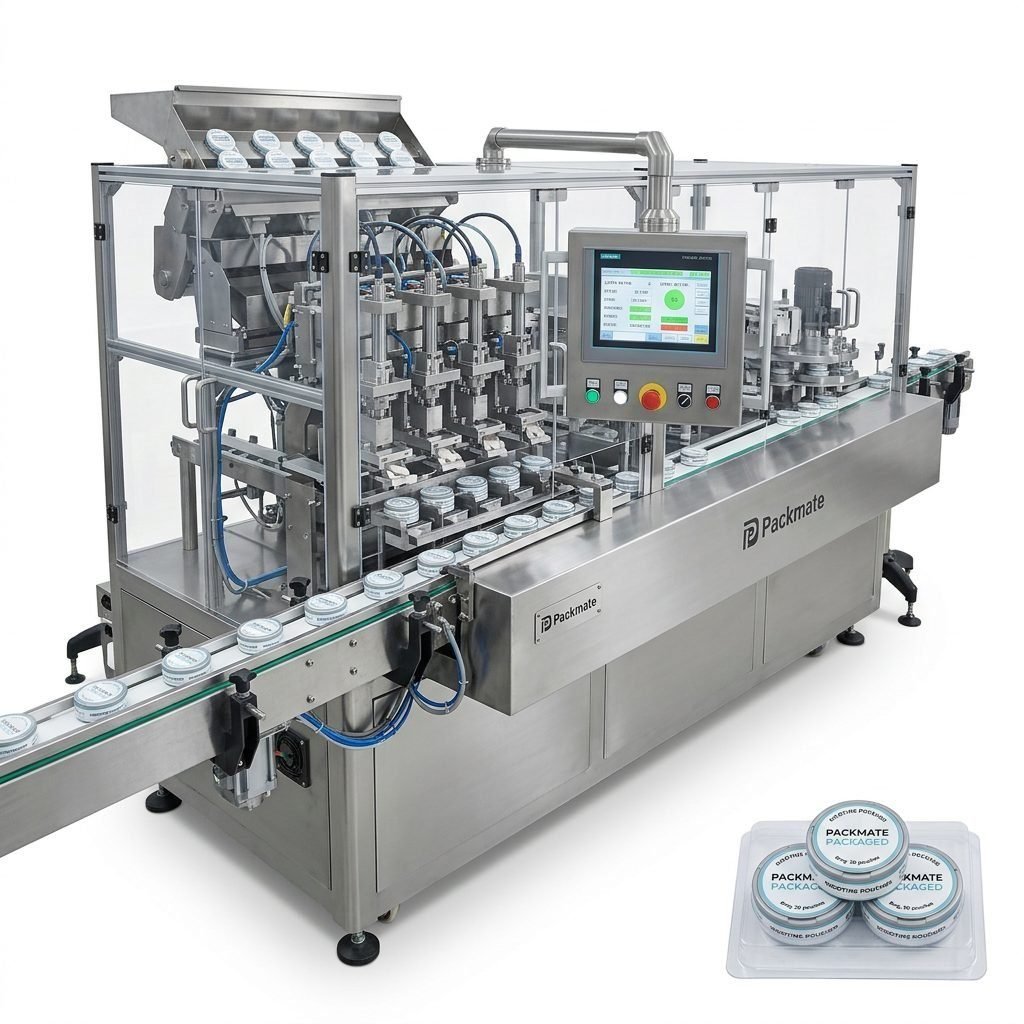
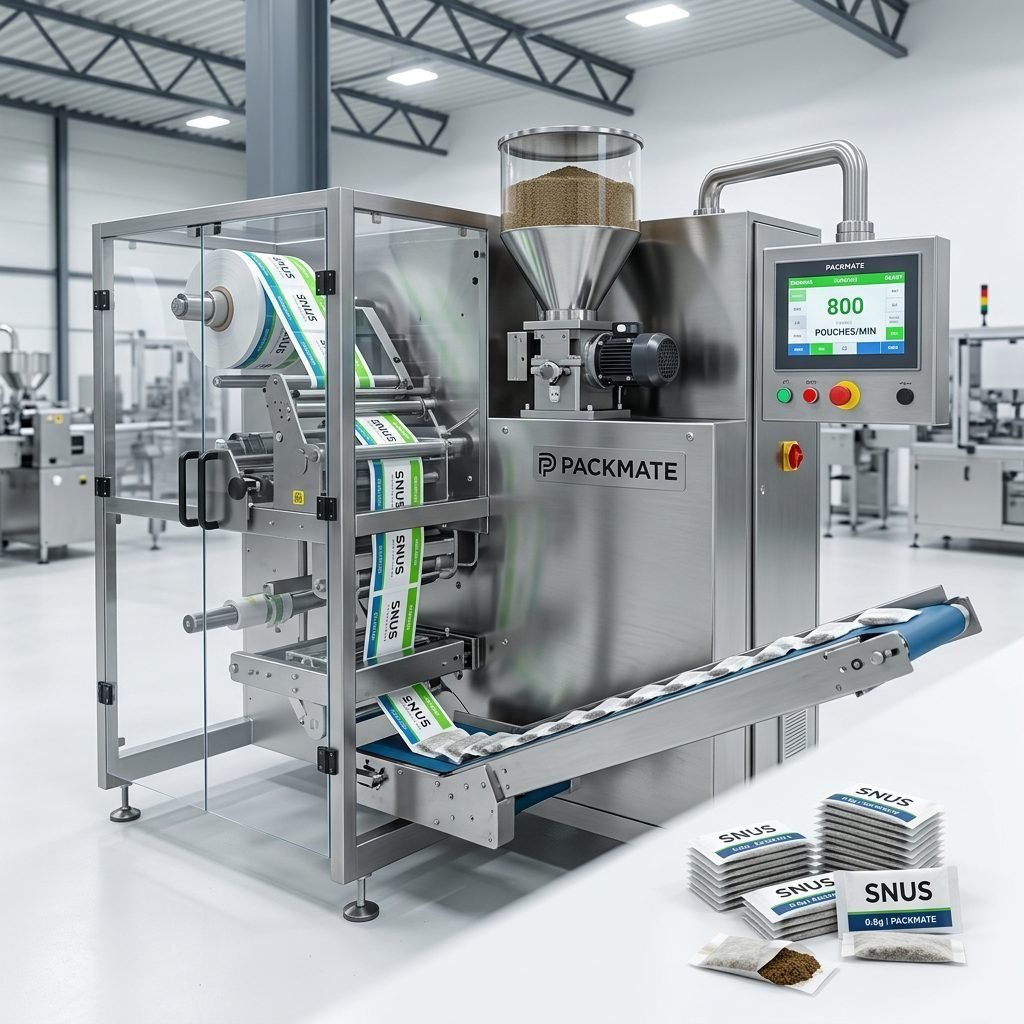
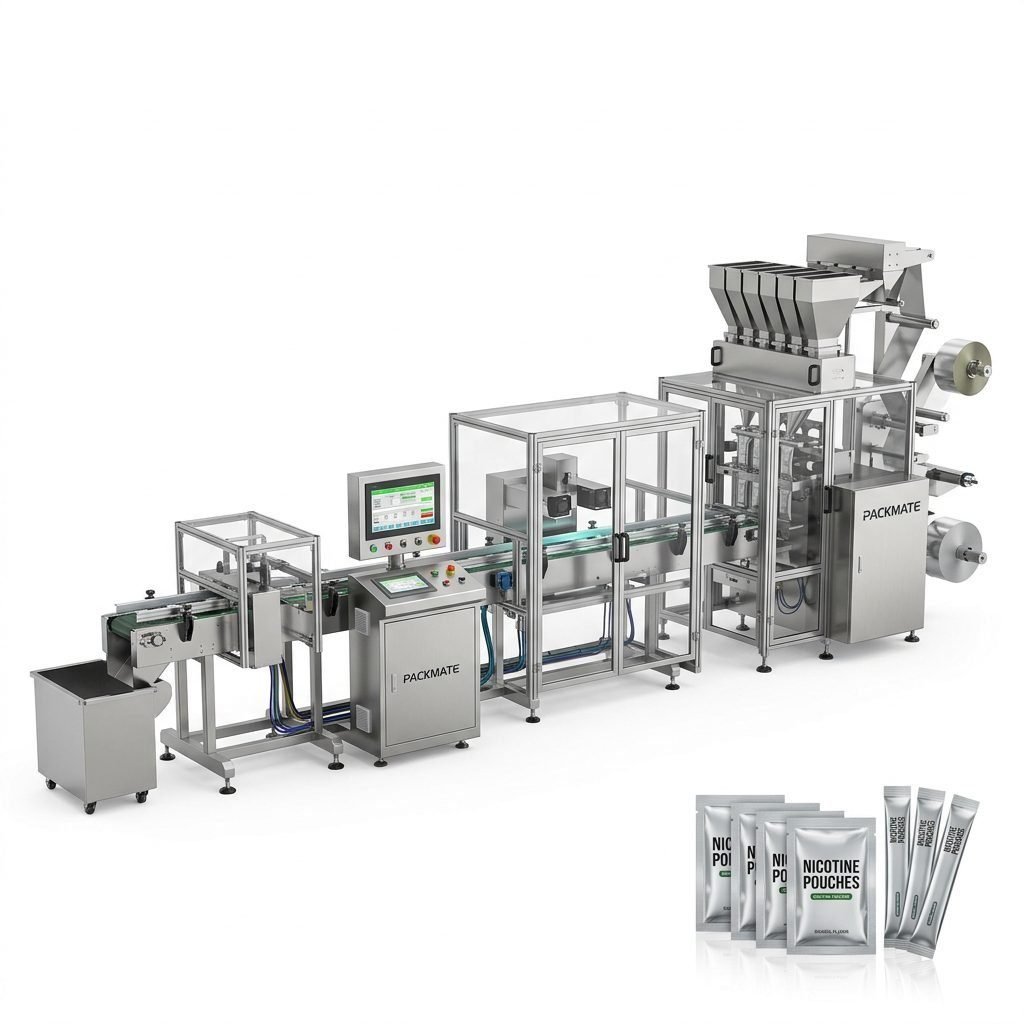
A complete production line typically includes: dosing and weighing systems, pouch forming and filling machines (stick pack, sachet or multi-lane pouch machines), sealing and cutting units, metal detection and checkweighers, secondary packaging (cartoning and flow-wrapping), and palletizing. When selecting equipment, evaluate each module for throughput compatibility, sanitary design, and automation interfaces.
Recommended machine types
• Stick pack machines for single-dose sachets and compact user-friendly pouches.
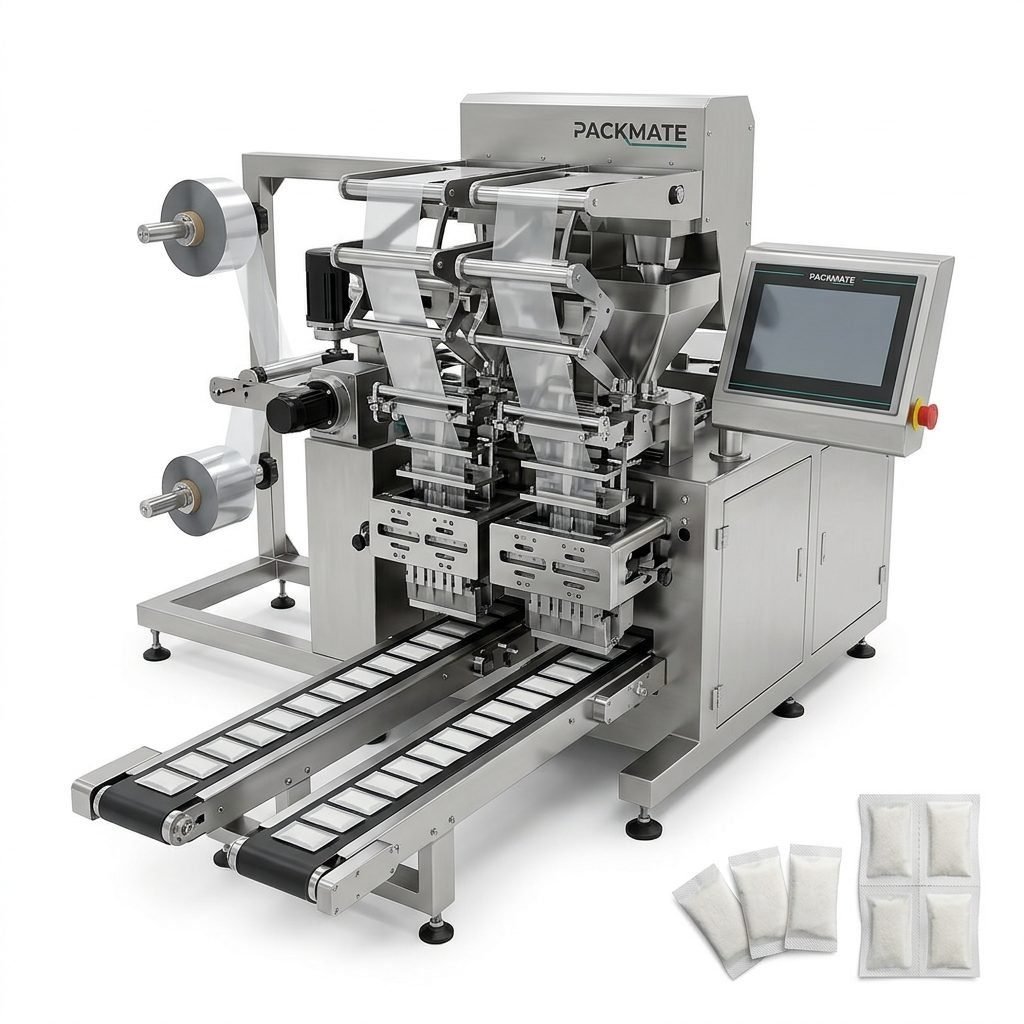
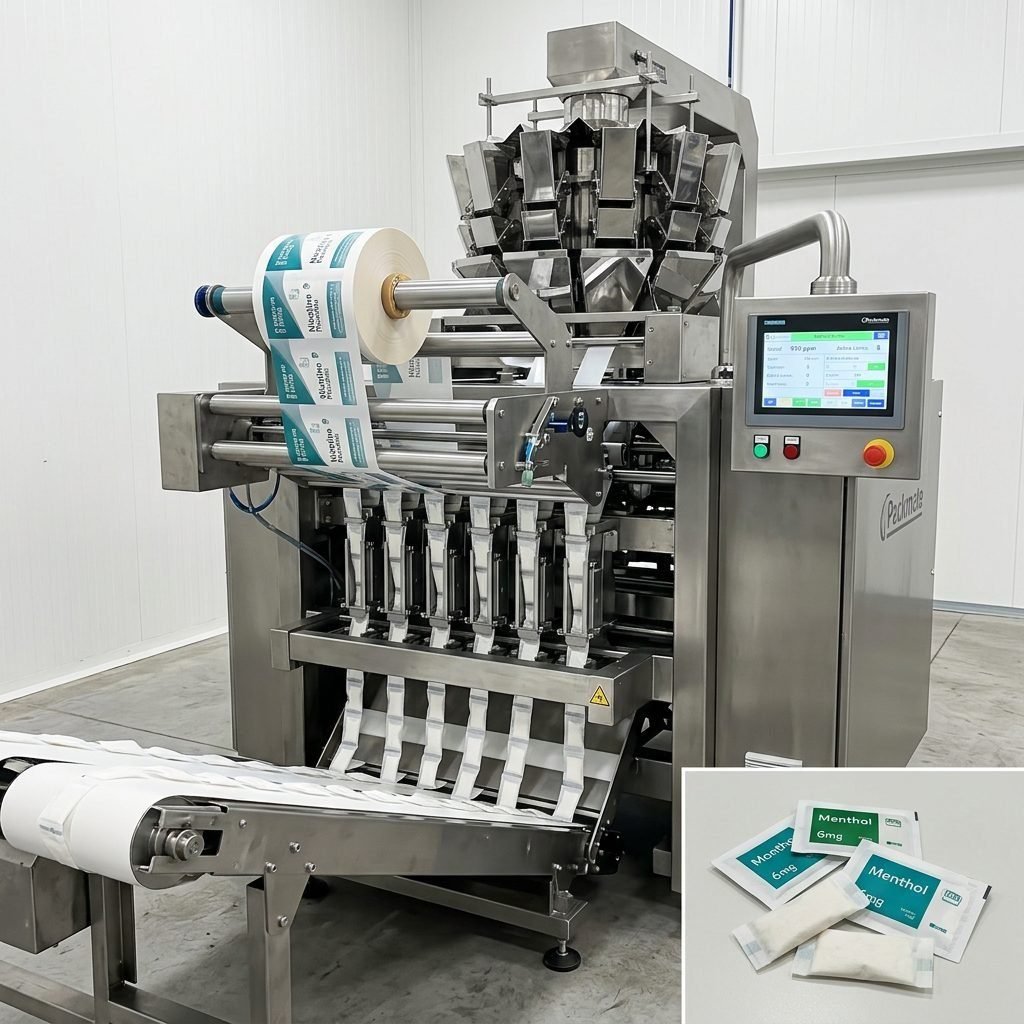
• Sachet & multi-lane pouch machines for small-dose nicotine pouches where high-speed multi-lane output improves economics — see practical models at Sachet & Stick Pack Machines.
• Precision weighing & dosing systems for powder or granular nicotine fills — explore Weighing & Packaging Systems.
How to Select the Right Machinery
Choosing equipment begins with defining product specifications: pouch type (round, teardrop, or sachet), target fill weights, production volume (units per minute/hour/day), and end-user packaging formats. Engage with vendors who can demonstrate relevant case studies and provide turnkey solutions.
Key selection criteria
📌 Throughput vs. precision: Higher speed machines must not compromise dosing accuracy. Verify typical error margins and repeatability data.
📌 Material compatibility: Confirm your pouches and barrier films are supported for heat-seal, cold-seal or ultrasonic sealing methods.
📌 Sanitation & maintenance: Look for easy-clean designs, quick-change parts, and accessible components to reduce downtime.
📌 Vendor support: Local spare parts availability, training, and remote diagnostic support shorten ramp-up time — review service details at Service.
Factory Layout and Workflow Best Practices
Efficient floor planning improves throughput and reduces contamination risks. Organize zones for raw material receiving, pre-processing (blending, sieving), primary packaging (filling/sealing), secondary packaging, QA, and finished goods storage. Ensure logical product flow from raw to finished, with minimal cross-traffic.
Space & utilities planning
• Allocate extra space for conveyors, reject chutes, and access aisles. Multi-lane systems require clearance for web handling and film roll changes.
• Confirm electrical, compressed air, and vacuum requirements before delivery. Modern lines often require three-phase power and dedicated PLC interfaces.
• Consider local environmental and cultural factors: for example, manufacturers exporting to Europe should prioritize stringent hygiene and documentation; markets in Scandinavia often value sustainable materials and traceability.
Installation, Commissioning, and Validation
Proper installation and commissioning sets the foundation for stable production. Follow a stepwise plan: unpack and inspect, position and level machines, connect utilities, perform dry runs, then trial runs with product, followed by full acceptance testing.
Commissioning checklist
✅ Mechanical alignment and film tracking.
✅ Calibration of dosing and weighing modules.
✅ Integration tests for PLC, HMI, and sensors (rejects, overfill alerts).
✅ Safety interlocks and emergency stops.
Quality Control and Regulatory Compliance
A production line is only as valuable as its ability to meet quality and regulatory expectations. Choose equipment from manufacturers with CE and ISO certifications and implement QA processes: in-line checkweighers, metal detectors, and periodic microbiological testing if required by local law.
For exporters and brands operating across regions, maintain documented validation protocols and traceability for raw materials. If you are evaluating vendors, view factory credentials such as certificates and exhibition presence to verify experience — see Certificate and Our Exhibition.
Optimizing Production Performance
Continuous improvement focuses on reducing downtime, improving yields, and lowering total cost of ownership. Implement preventive maintenance schedules, replace wear parts proactively, and monitor key performance indicators (OEE, scrap rate, mean time between failures).
⚙️ Spare parts strategy: Keep critical spares such as sealing jaws, film guides, sensors, and belts on-site to minimize mean time to repair.
⚙️ Operator training: Skilled operators reduce format change time and optimize run quality. Comprehensive training during installation is invaluable.
⚙️ Data-driven decisions: Use simple SPC charts for fill-weight control and production logs to identify trends before they become failures.
Cost Considerations & Return on Investment
When budgeting, assess capital costs (machines, conveyors, ancillary equipment), installation and commissioning fees, facility upgrades (power, HVAC), and working capital for consumables (films, pouches, desiccants). Calculate ROI based on throughput gains, reduced labor, and improved yield.
Consider modular investments: start with a core filling and sealing line and add secondary packaging or additional lanes as demand grows. Vendors like Packmate provide multi-lane scalable lines and turnkey options that reduce integration risk — review product categories at Snus & Nicotine Packaging Machines and Filling & Packaging Lines.
Global Market & Cultural Notes
Market preferences and regulations vary: Scandinavia has a strong snus culture with high expectations for product consistency and sustainability; North American markets demand clear labeling and strong QA; Southeast Asian markets may prioritize cost-effective solutions while still requiring traceability. Adapt packaging sizes, film materials, and the number of pouches per retail strip to local consumer habits.
After-Sales, Training and Long-Term Partnership
Long-term service contracts, remote troubleshooting capabilities, and local spare parts stocking turn an equipment purchase into a partnership. Ask vendors about their global cooperation cases and service network to ensure fast support — learn more about company credentials at About Packmate and their project cases at Case.
Common pitfalls to avoid
⚠️ Purchasing machines that are mismatched in throughput causing bottlenecks.
⚠️ Underestimating utility upgrades (power/air) and foundation or leveling requirements.
⚠️ Skipping operator training or preventive maintenance planning.
Practical Steps to Start Your Project
1) Define product specs and forecasted volumes. 2) Invite detailed proposals from 2–3 experienced suppliers that include layout drawings and test-run videos. 3) Inspect supplier factory capabilities such as CNC machining, assembly lines, and quality testing. 4) Schedule FAT (Factory Acceptance Test) before shipment. 5) Plan for SAT (Site Acceptance Test) and operator training at your plant.
Why choose an experienced manufacturer
Equipment vendors with deep industry history and multiple machine models provide engineering maturity and proven designs. A long-standing manufacturer can often customize solutions, accelerate commissioning, and support you as regulations and product ranges evolve.
✅ Tip: Request a full quote including spare parts list, recommended consumables, and an estimated downtime/performance matrix to evaluate total cost of ownership.
Concluding Recommendations
Building the best snus production line is about aligning product design, machinery capabilities, and operational excellence. Prioritize vendors with validated experience, clear service terms, and flexible modular designs. Validate machine performance with live runs, maintain rigorous QA, and invest in training to ensure your line runs efficiently and compliantly over the long term.
Further resources
For product catalogs, spare parts guides, and technical support, consult manufacturer product pages and contact their service team to discuss turnkey options and local compliance requirements.
Frequently Asked Questions
Q1: How do I estimate the right machine throughput for my business?
A: Start with projected daily demand, factor in running hours, planned downtime, and a safety margin for growth. Use vendor throughput specifications and consult on multi-lane options for scalable capacity.
Q2: What certifications should I require from the equipment supplier?
A: Ask for CE and ISO evidence, FAT documentation, material safety data for contact parts, and traceability documentation. These help speed up regulatory acceptance in most territories.
Q3: How important is spare parts availability?
A: Critical — delayed spares equal lost production. Negotiate lead times for replacement parts and prioritize vendors with local warehouses or authorized distributors.
Q4: Can I upgrade an existing line to multi-lane operation?
A: Many systems are modular; consult your supplier to evaluate mechanical and control upgrades, and ensure supporting conveyors and secondary packaging can handle increased throughput.
Q5: What after-sales support should I expect?
A: Remote diagnostics, scheduled maintenance plans, on-site technical visits, operator training, and clear spare parts pricing are standard expectations. Confirm service response times and warranty coverage in the contract.