Choosing the right snus packaging machine supplier in the Dominican Republic is a strategic decision that affects your production efficiency, product quality, regulatory compliance, and market positioning. Whether you are a new entrant producing nicotine pouches or an established tobacco brand adapting to modern formats, this guide walks you through practical criteria, local considerations, and negotiation tactics to help you select a supplier who supports long-term growth and stable operations.
Understand the Dominican Republic Market and Local Habits
The Dominican Republic has a long-standing tobacco culture—famous for premium cigars—and consumers appreciate traditional quality. At the same time, younger adults are adopting alternative nicotine products, driving demand for modern, discreet formats such as snus and nicotine pouches. Packaging preferences often favor clear branding, portability, and convenience. When sourcing machines, prioritize suppliers who understand:
🔶 Local labeling & language needs — Spanish-language control panels, user manuals, and on-site training in Spanish make commissioning faster and reduce errors.
🔶 Format versatility — The ability to run different pouch types, sizes, and graphics is essential for brands that test multiple SKUs or target export markets.
🔶 Regulatory awareness — Suppliers familiar with international standards (CE, ISO) and experienced in exporting equipment help ensure smoother customs and compliance handling.
Key Technical Features to Evaluate
When you compare machines, focus on features that deliver consistent pouch quality and sustained uptime:
⚙️ Filling accuracy & dosing systems — For nicotine pouches, precision dosing is critical to maintain product consistency and regulatory labeling accuracy.
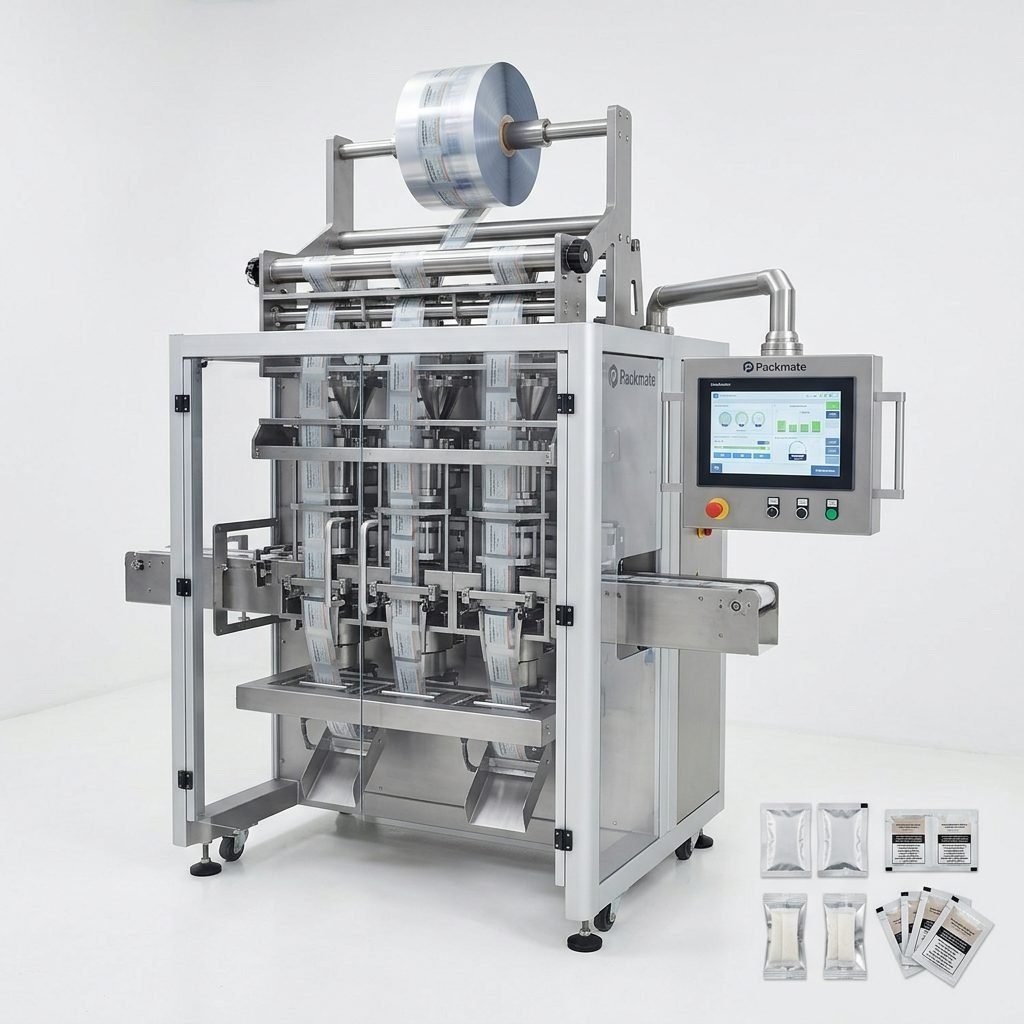
⚙️ Multi-lane & modular designs — Multi-lane machines increase throughput while modular components allow future capacity upgrades.
⚙️ Changeover speed — Quick format changes reduce downtime and support frequent SKU rotation common in test markets and promotions.
⚙️ Hygiene and cleanability — Designs that simplify cleaning shorten maintenance windows and preserve product integrity.
⚙️ Automation & controls — Intuitive HMI, remote diagnostics, and recipe saving are essential for fast, repeatable setups and remote support.
Supplier Credibility: What to Verify
Evaluating a supplier is about verifying proven capability—not just attractive brochures. Prioritize demonstrable credentials:
✅ Factory scale and production capacity — A large, well-equipped facility indicates reliable delivery and spare-parts availability. For example, Packmate operates a 20,000㎡ manufacturing site with advanced CNC centers and precision assembly lines.
✅ Track record and references — Ask for case studies and contact references who run similar products. Seeing machines in operation (or virtual demos) reduces risk.
✅ Certifications and compliance — CE/ISO certifications are important for safety, quality, and export documentation.
Machine Types and When to Choose Them
Different production goals require different equipment. Consider:
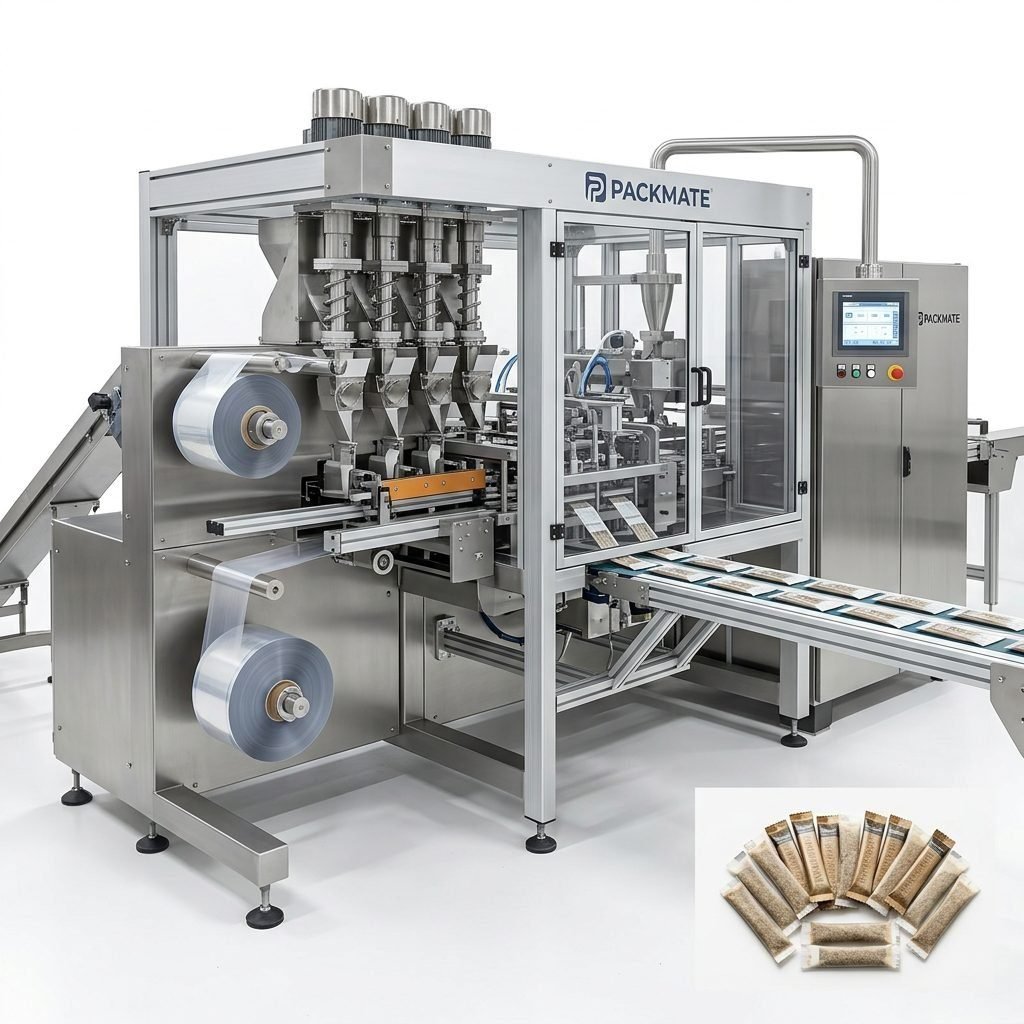
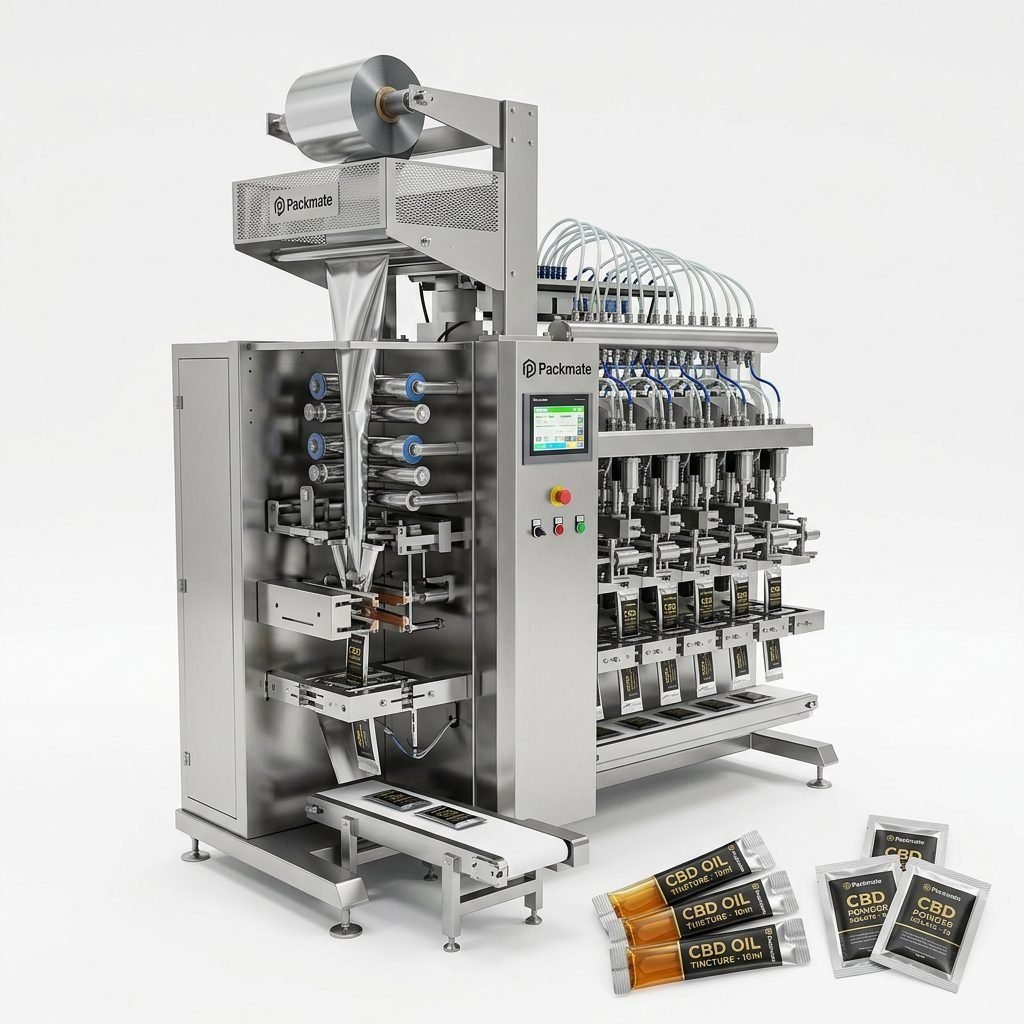
– Stick pack or sachet machines for single-dose products with simple packaging.
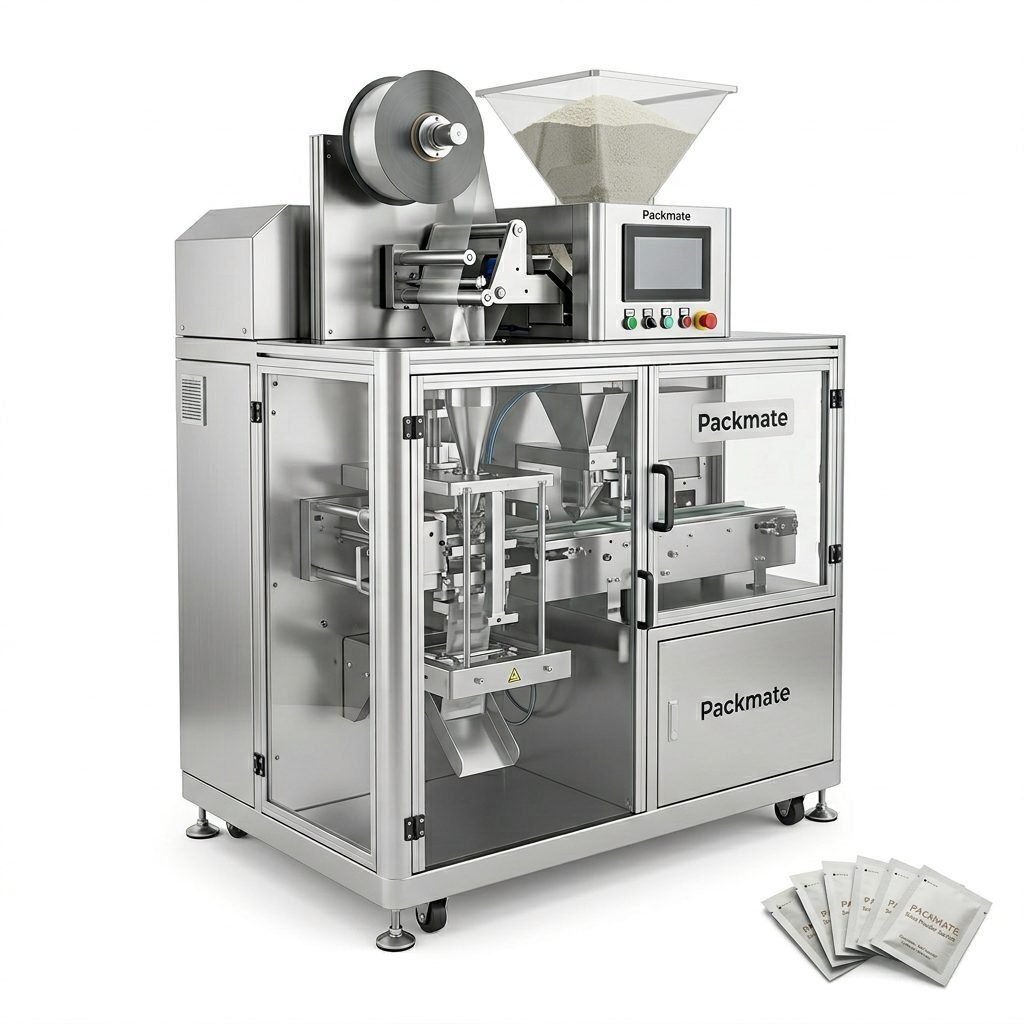
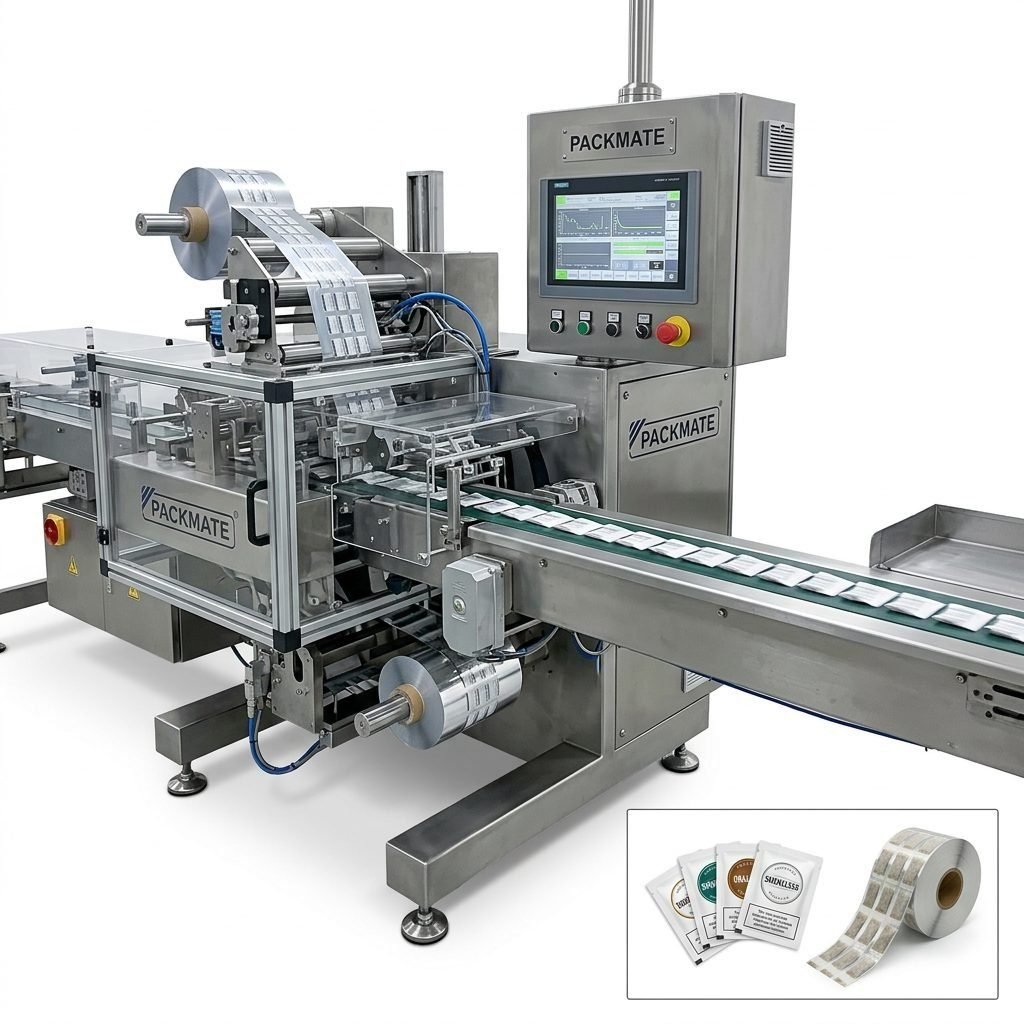
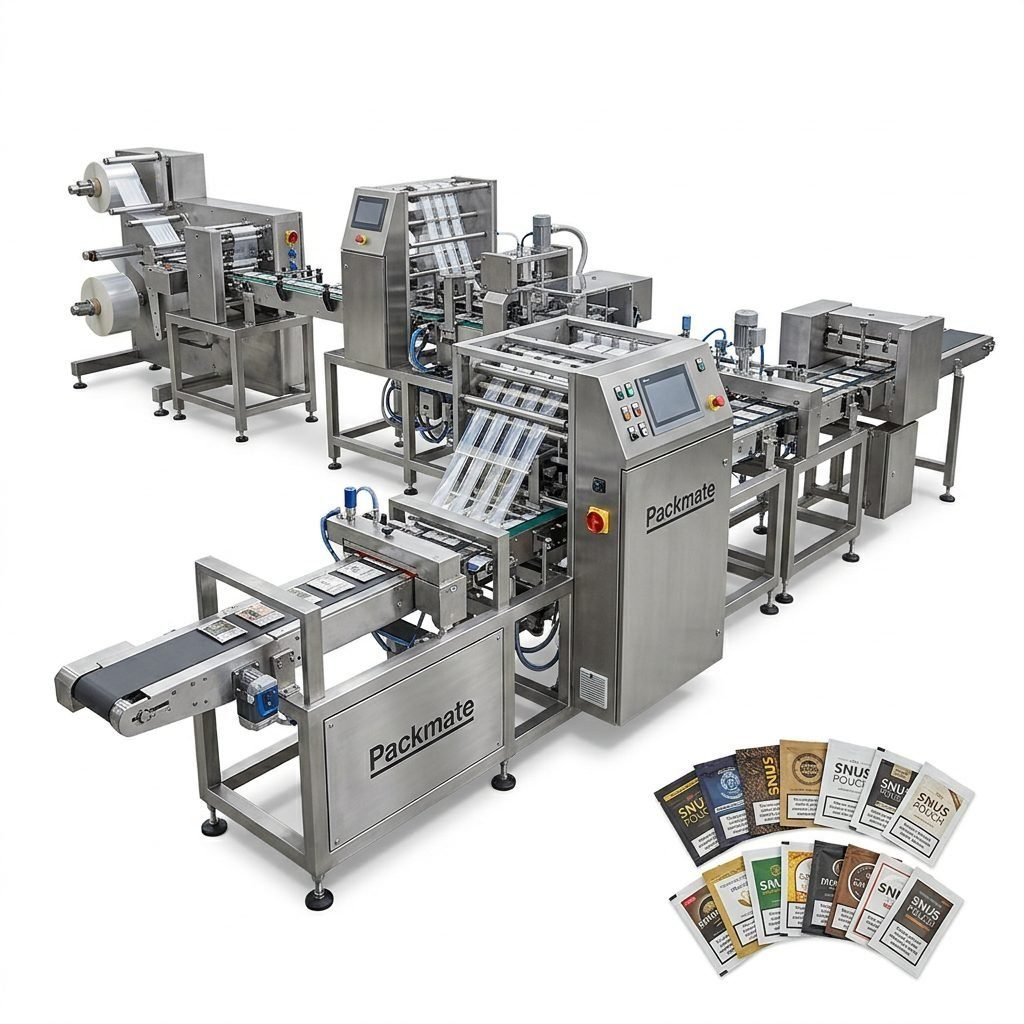
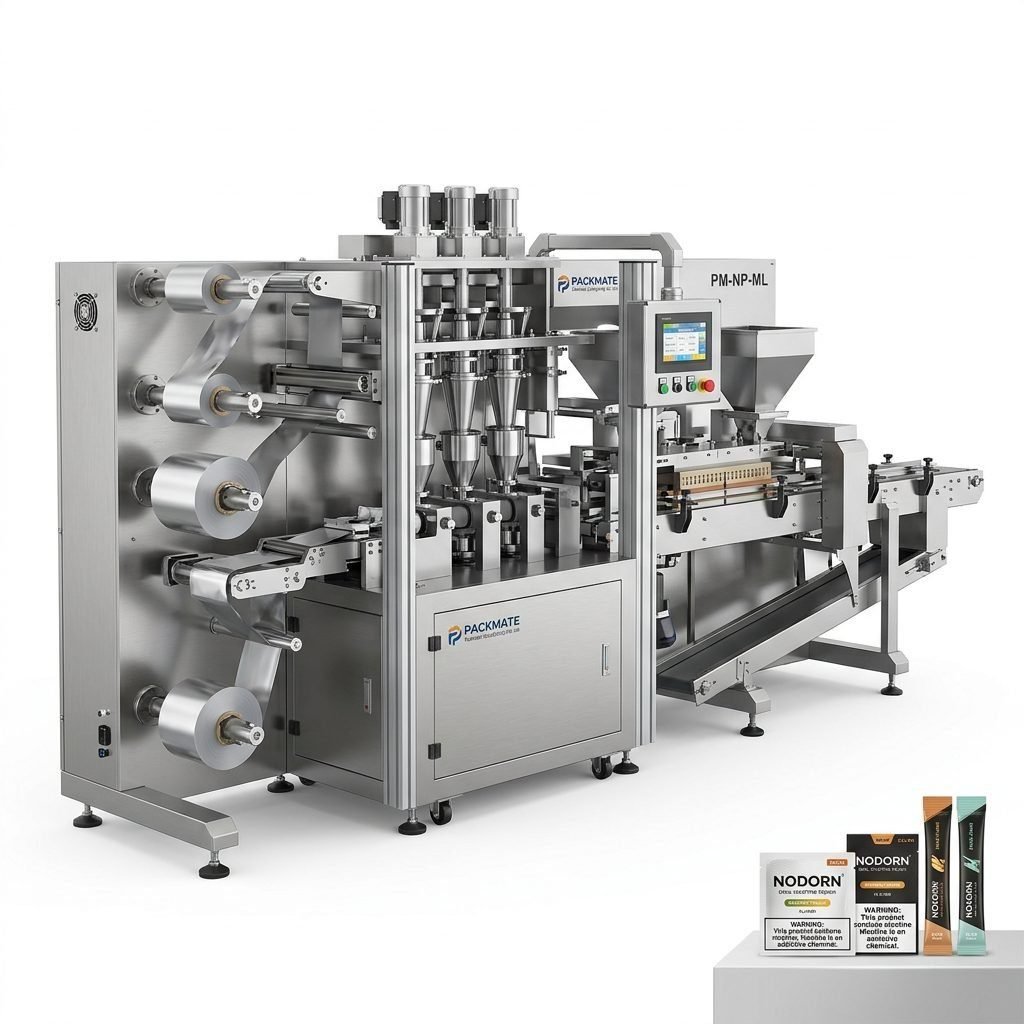
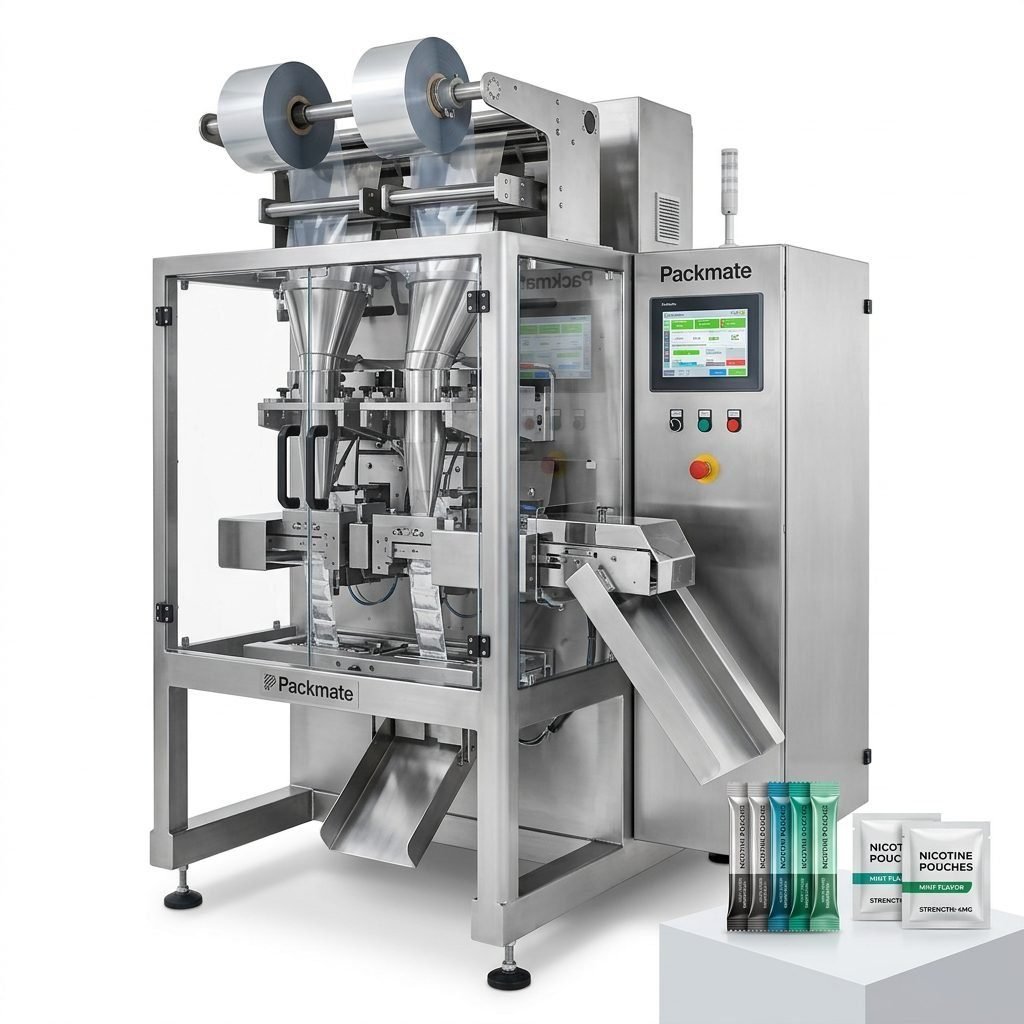
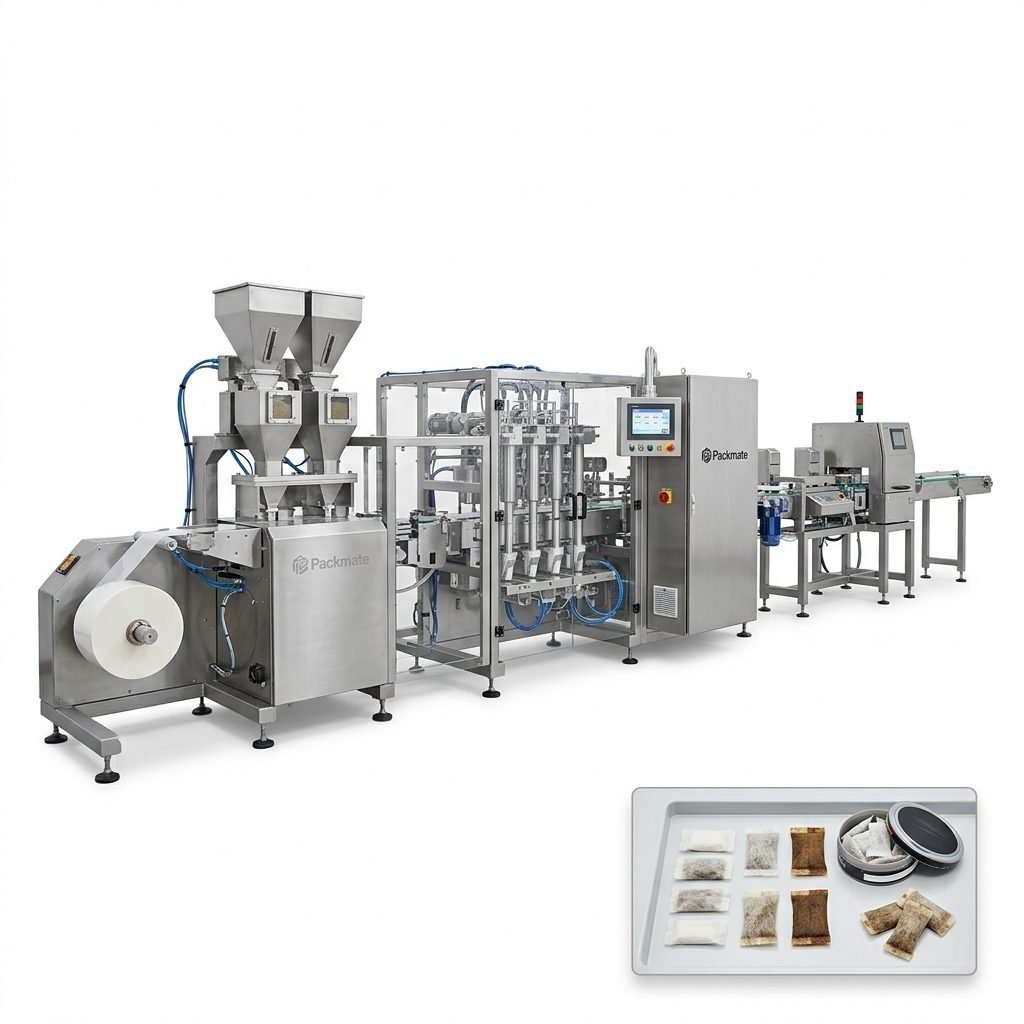
– Dedicated snus/nicotine pouch machines for high-precision dosing and specialized pouch formats.
– Multi-lane high-speed systems for larger volumes and lower unit costs.
See product categories and examples directly: Snus & Nicotine Packaging Machines,
Sachet & Stick Pack Machines.
Service, Training and After-Sales Support
A machine is an investment; service support determines its lifetime performance. Verify:
🧰 On-site installation & commissioning — Experienced engineers who can install and calibrate reduce ramp-up time.
🧰 Local language training — Spanish manuals and training sessions tailored to Dominican teams accelerate operator competence.
🧰 Spare parts & consumable supply — Confirm lead times and local stocking options to minimize downtime.
🧰 Remote support & software updates — Remote diagnostics save urgent site visits and shorten troubleshooting times.
Total Cost of Ownership (TCO) — Look Beyond the Price
When negotiating, consider TCO components:
– Initial equipment cost vs. production capacity and speed.
– Energy consumption and maintenance frequency.
– Cost and availability of spare parts, sealing films, and specialized components.
– Expected lifetime and upgrade paths (e.g., adding lanes or automation modules).
Factory Acceptance Tests (FAT), Warranty and Contract Terms
Protect your investment by specifying acceptance criteria and warranty details:
📦 Factory Acceptance Test (FAT) — Require live runs with your product or a comparable formulation and documented performance data.
📦 Warranty & service-level agreements (SLAs) — Define response times, spare-part delivery windows, and remote support commitments.
📦 Training & documentation — Ensure the supplier provides full documentation, electrical/mechanical drawings, and operator training in Spanish if needed.
Practical Checklist Before You Sign
Before finalizing a supplier, confirm the following items:
✅ Proof of factory capacity and photographs or videos of assembly lines.
✅ Live demo or FAT with comparable product runs.
✅ Clear quotation including shipping, installation, and training costs.
✅ List of local or regional references and case studies.
Why Packmate Could Be a Strong Option
Suppliers with deep experience in snus and nicotine packaging often reduce selection risk. For instance, Packmate Snus Machine:
– Brings 30+ years of engineering experience and specializes in snus packaging formats, from sachets and stick packs to multi-lane nicotine pouch systems.
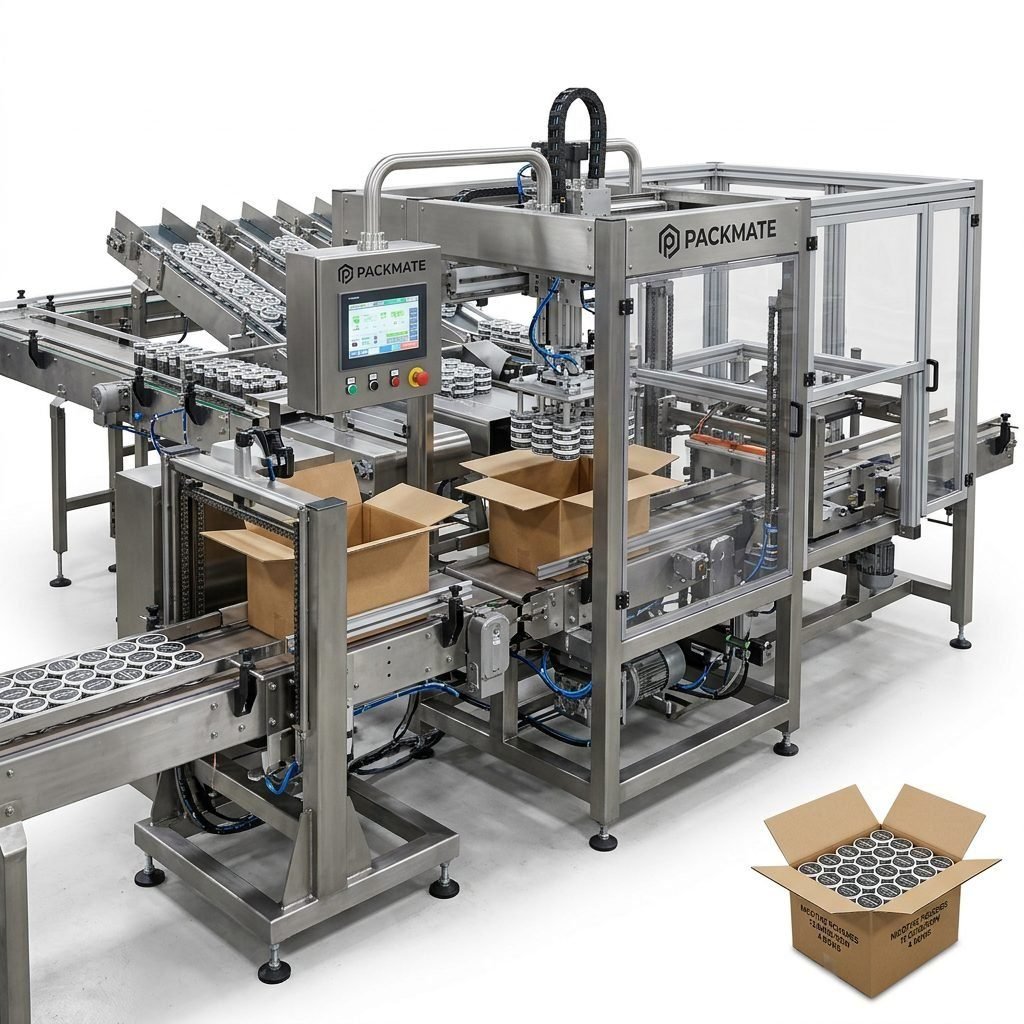
– Operates a 20,000㎡ factory with advanced CNC machining and precision assembly, offering over 50 machine models and bespoke turnkey solutions.
– Holds international certifications and participates in global exhibitions, supporting customers worldwide with installation and long-term technical assistance.
Explore Packmate capabilities and product lines: About Packmate, Case, Contact Us.
Negotiation Tips for Buyers in the Dominican Republic
– Request Spanish-language contracts or bilingual documentation to avoid misinterpretation.
– Negotiate a staged payment schedule tied to FAT completion and successful site acceptance.
– Include clauses for spare-part kits and recommended consumables shipment timing to the Dominican Republic port.
– Consider local installation partners or authorized engineers to speed up commissioning and reduce travel-related downtime.
Final Steps: How to Decide
1. Shortlist 2–3 suppliers that meet technical and service criteria. 2. Request FATs and sample runs. 3. Compare TCO, lead times, and support plans. 4. Negotiate warranty and spare parts. 5. Finalize purchase with clear acceptance metrics.
Actionable Summary
📈 Verify supplier production capability and real-world references.
📈 Prioritize precision dosing, multi-lane options, and fast changeovers for snus products.
📈 Ensure service, Spanish-language support, and spare-part availability in the Caribbean region.
📈 Use FATs and clearly defined acceptance criteria to minimize risk before final payment.
Frequently Asked Questions
Q1: How long does it take to install and commission a snus packaging line?
A: Typical timelines vary with machine complexity. A single-line machine can take a few days to a couple of weeks for onsite installation and tuning; large multi-lane turnkey lines may require several weeks including FAT, shipping, installation, and operator training.
Q2: What certifications should I ask a supplier to provide?
A: Ask for CE and ISO certificates as a minimum, plus documentation for electrical safety, material traceability, and any third-party test reports relevant to dosing accuracy or hygiene standards.
Q3: Can these machines handle multiple pouch sizes and formats?
A: Many modern snus machines are modular and support a range of pouch sizes and formats. Confirm the supplier’s changeover time and ask for demonstrations with your specific product geometry.
Q4: How do I ensure spare parts and consumables arrive quickly in the Dominican Republic?
A: Negotiate spare-part kits as part of the contract, verify the supplier’s shipping partners, and arrange local customs support or a regional distributor to shorten lead times.
Q5: Where can I see real examples and case studies of packaging lines?
A: Ask suppliers for on-site references or virtual tours. For additional examples and product categories, you can review industry pages and case libraries from experienced manufacturers such as Packmate’s product and case pages.