Entering the Paraguayan market with snus or nicotine pouches requires choosing the right packaging machine supplier. The right partner helps you control cost, quality, and compliance while scaling production for domestic sales and regional export. This guide walks you through practical steps to select the best snus packaging machine supplier in Paraguay, with specific attention to local market habits, import logistics, technical support needs, and long-term ROI.
Understand Paraguay’s Market Context and Consumer Habits
Paraguay is a unique hub in South America. Cross-border trade with Argentina and Brazil, strong informal markets, and a culture where traditional chewing and tobacco substitutes are common all affect how snus and nicotine pouch products are received. Many consumers value discreet, portable nicotine options because traditional smoking areas can be limited in urban centers. Offering well-packaged, single-dose pouches that preserve flavor and moisture will resonate with Paraguayan buyers.
Small retailers and kiosks often prefer compact, eye-catching packages that are easy to stock and sell. In Paraguay’s bilingual environment (Spanish and Guarani), clear labeling and regulatory compliance in Spanish are crucial for acceptance by regulators and consumers alike.
Key local considerations
🔍 Cross-border demand — Paraguay’s position near Brazil and Argentina means demand can be regional; plan capacity for export.
🧾 Labeling & language — Spanish (and sometimes Guarani) labeling is expected; ensure your supplier can help adapt packaging artwork and labels.
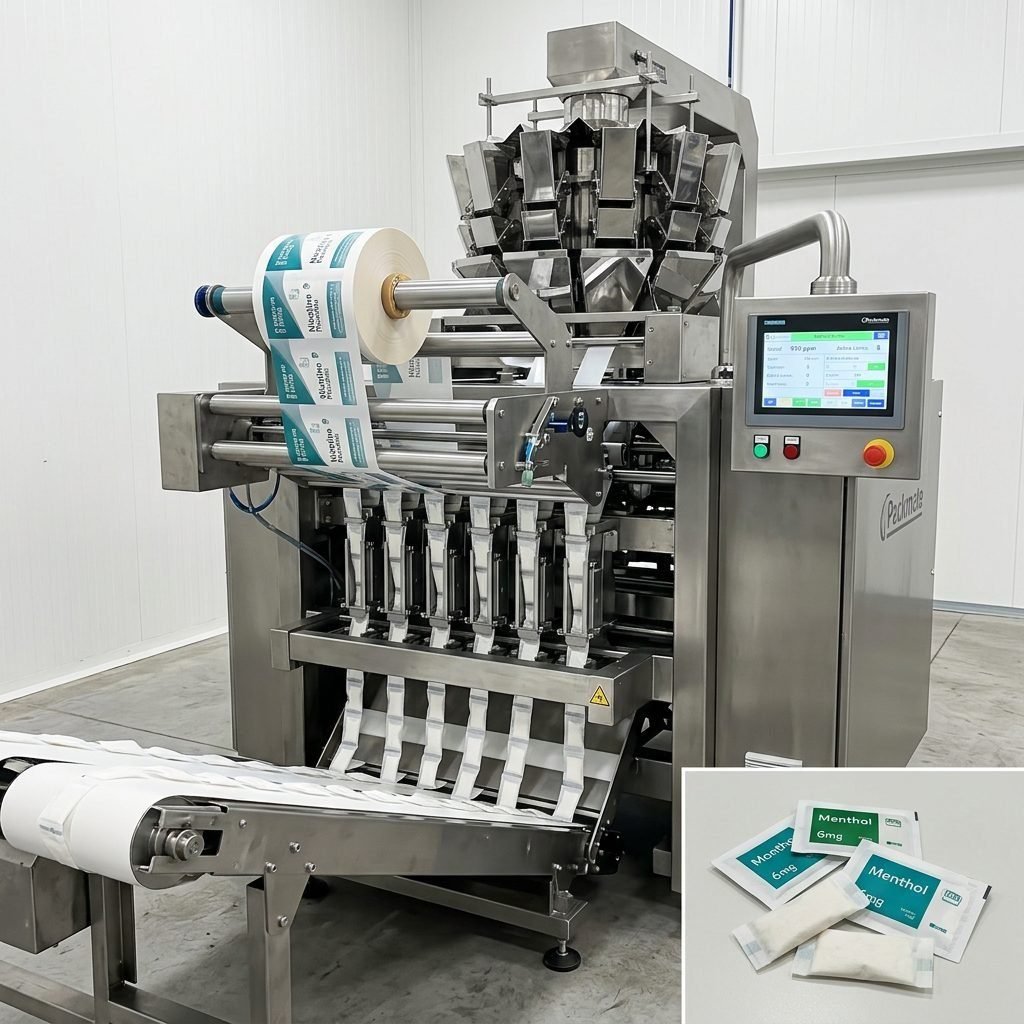
📦 Retail formats — Single-portions and multi-lane sachets are popular for kiosk sales and wholesale distribution.
Top Criteria to Evaluate a Snus Packaging Machine Supplier
Choosing a supplier is about more than price. Prioritize suppliers who demonstrate engineering experience, international certifications, proven machine uptime, and a clear plan for after-sales support. Below are the essential selection criteria.
1. Certifications & Compliance
Look for suppliers whose equipment complies with international standards such as CE and ISO. These certifications indicate safety, build quality, and a design approach that meets global electrical and mechanical standards — important when importing into Paraguay and neighboring countries.
2. Proven Experience in Snus & Nicotine Packaging
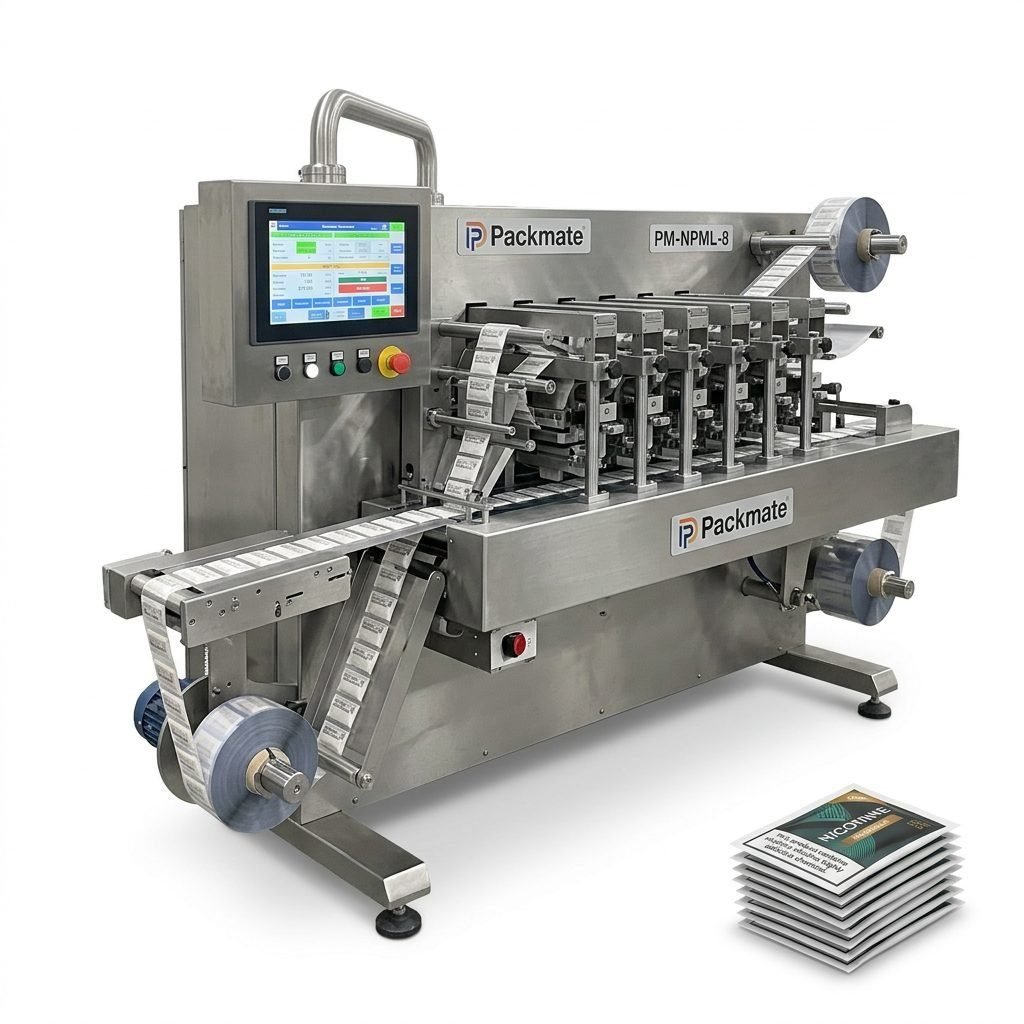
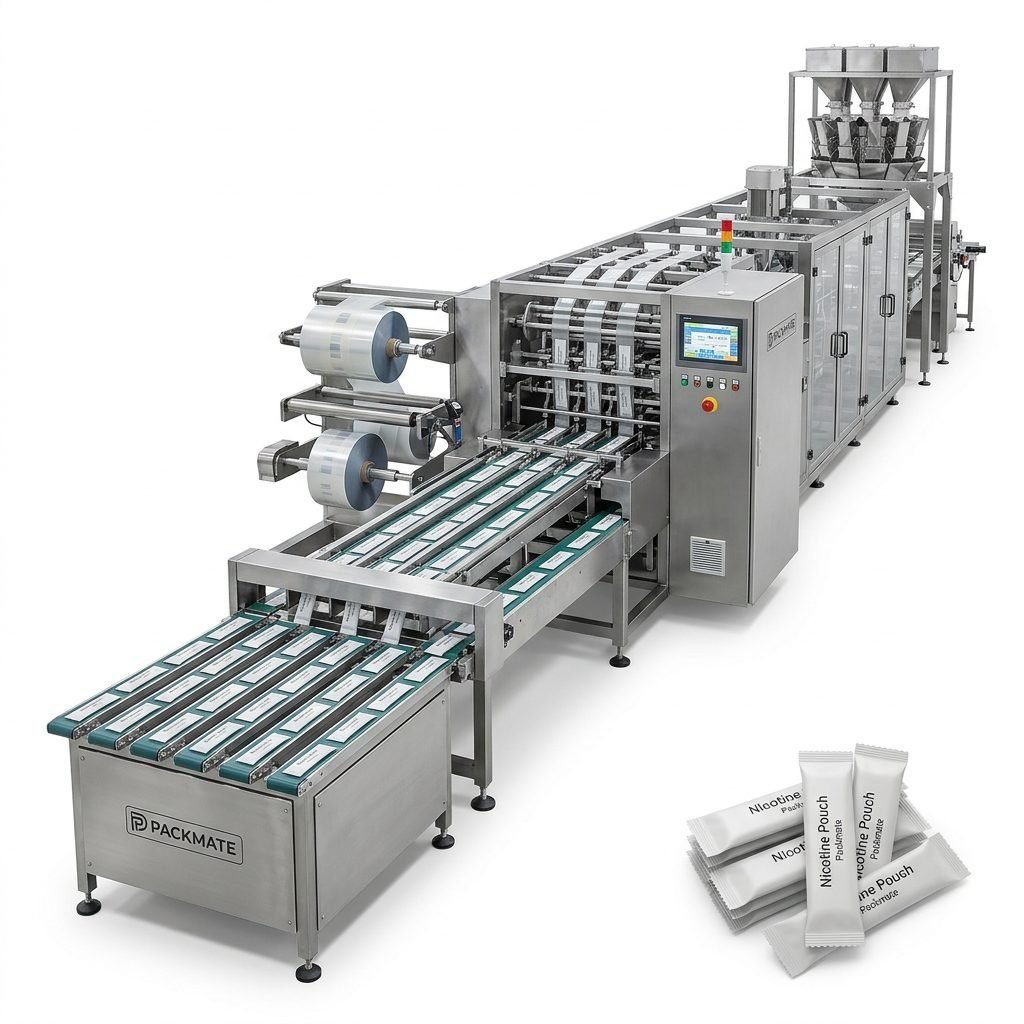
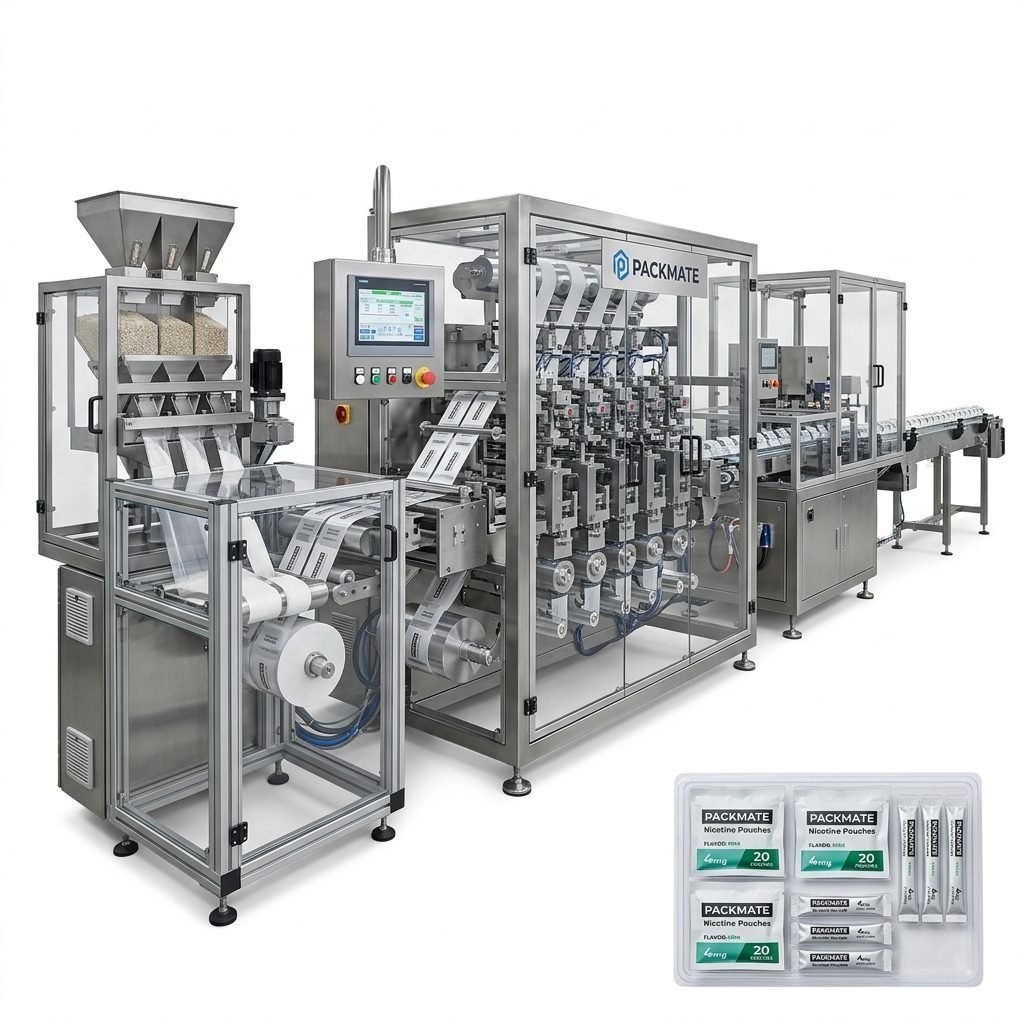
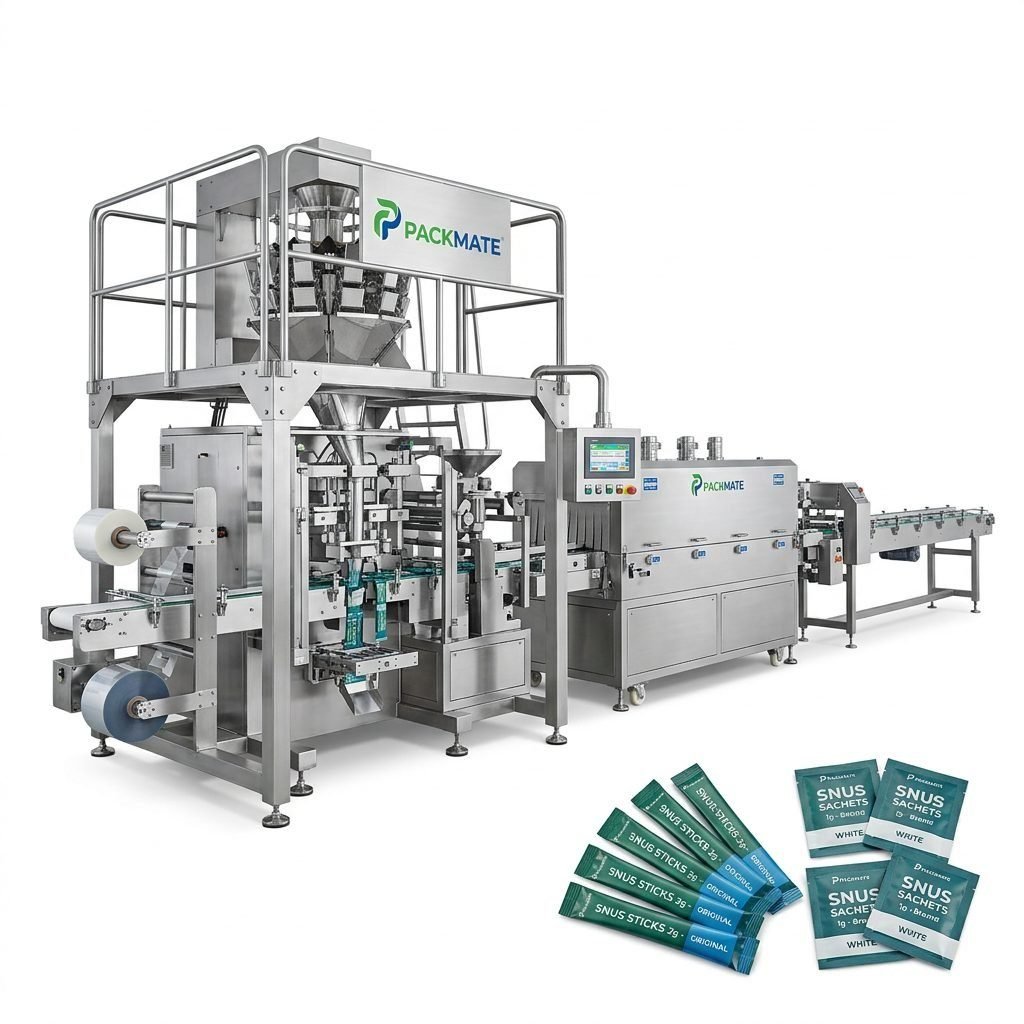
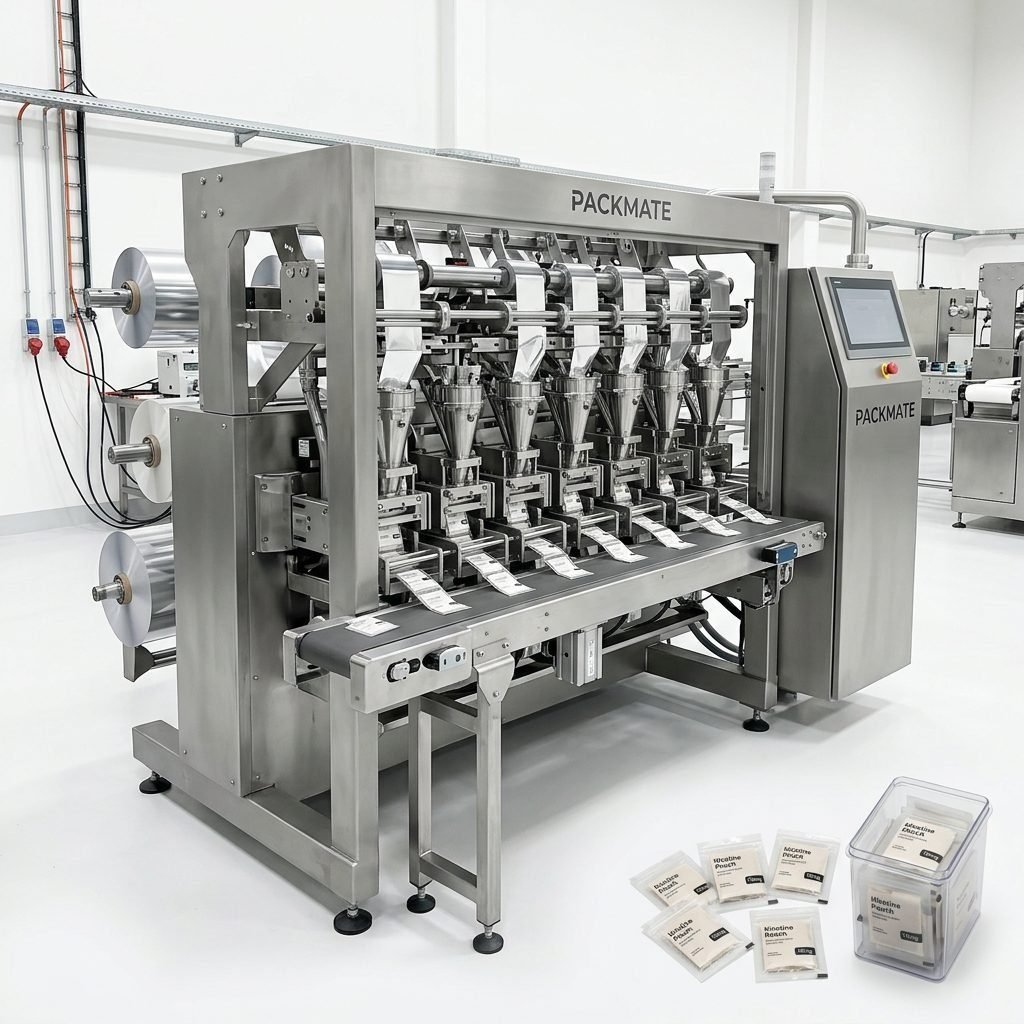
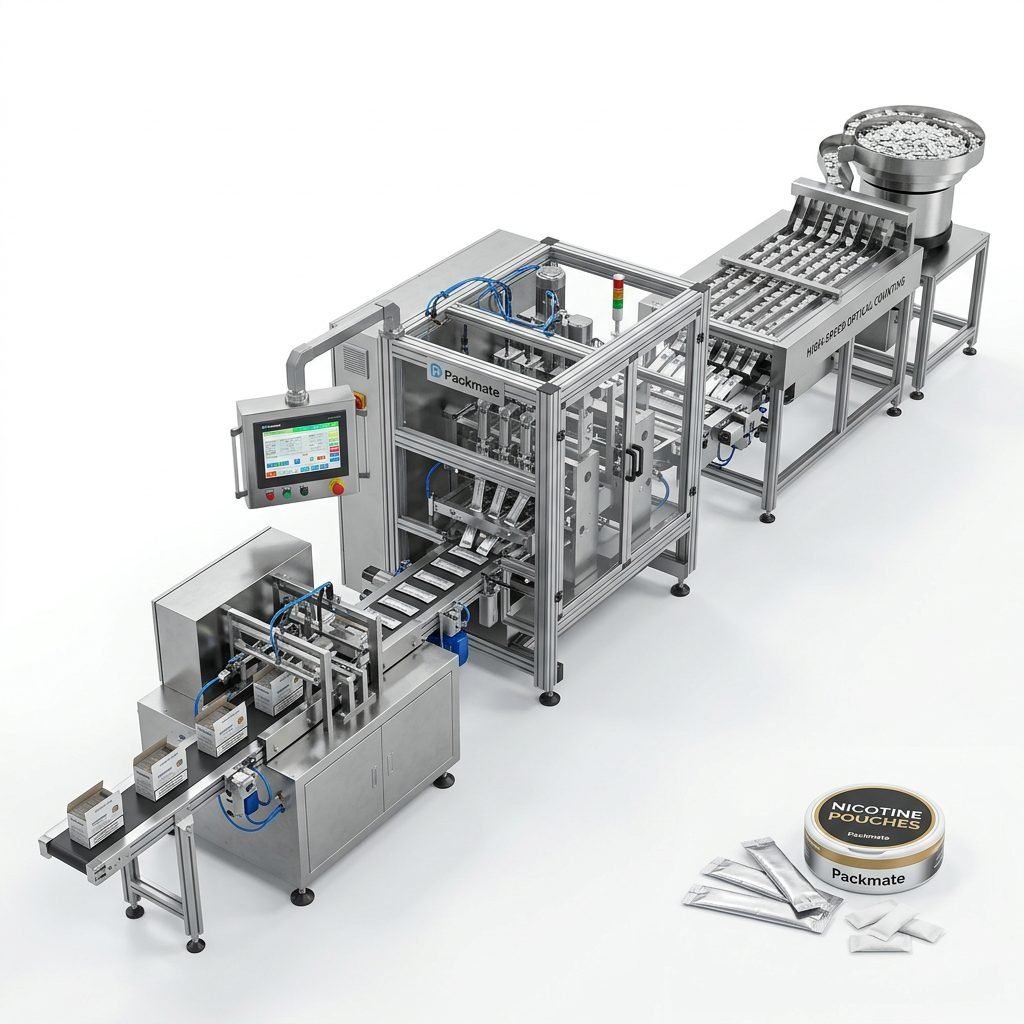
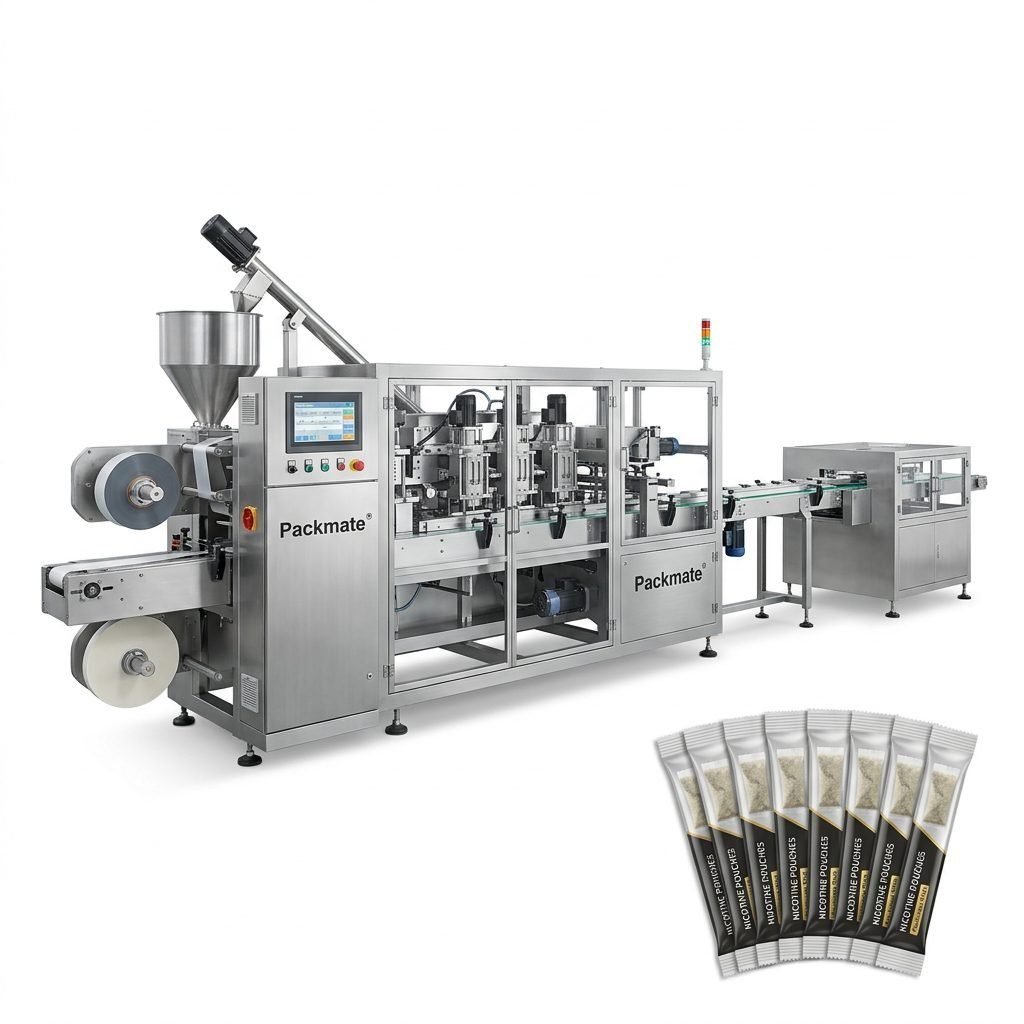
Choose vendors who specialize in snus, nicotine pouches, and small-dose sachets. A supplier with industry-specific experience will understand moisture control, pouch sealing, multi-lane synchronization, and the delicate handling needed for low-dose products. For example, you can review specialized product lines like Snus & Nicotine Packaging Machines when evaluating options.
3. Machine Types & Flexibility
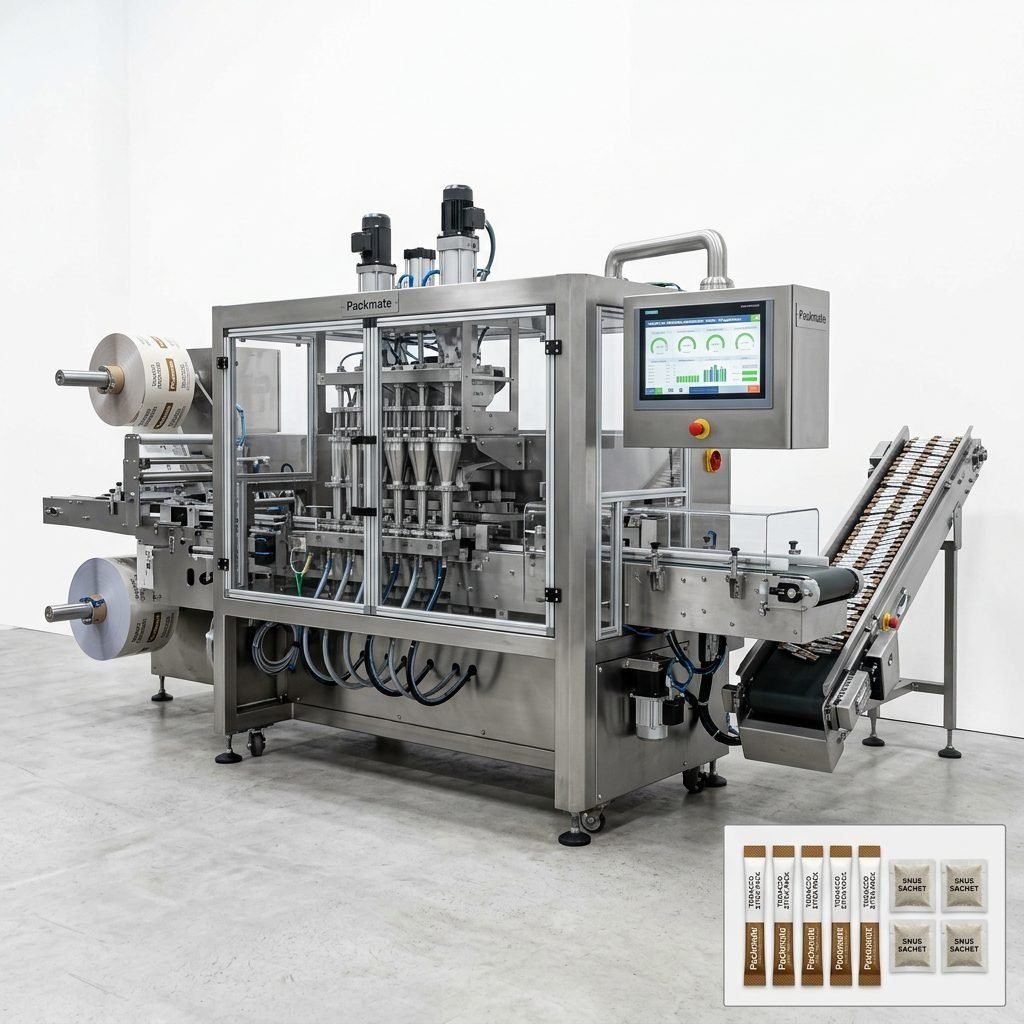
Depending on your SKU mix, choose between stick pack, sachet, multi-lane pouch machines, or fully integrated filling lines. A modular design allows you to switch formats with minimal downtime. Suppliers that provide 50+ machine models and customizable solutions tend to offer the flexibility needed to scale product offerings and adjust to market demands.
Performance, Reliability, and Production Output
Evaluate actual machine performance: throughput (pouches/min), lane count, mean time between failures (MTBF), and maintenance intervals. Ask for real-world case studies and references from customers producing similar products. A reliable supplier will have documented cases showing stable production for nicotine pouches and small-dose packaging — you can often review such evidence in case studies on the supplier’s site.
✅ Ask for performance data — actual output on similar products, not just theoretical max speeds.
🔧 Maintenance plan — check how often parts need replacing and whether spare parts are available locally or via fast shipping.
After-Sales Service, Training and Spare Parts
For operations in Paraguay, robust after-sales service is a core decision driver. Determine whether the supplier provides remote support, on-site commissioning, and training for your technicians. Also confirm spare parts supply times and stocking options to avoid long downtimes.
Suppliers with an experienced global service team — and documentation translated into Spanish — reduce friction during installation and operation. Check if the vendor offers local partners or representatives in South America who can expedite service calls.
What to request before buying
-
A documented installation and commissioning plan.
-
Operator and maintenance training in Spanish.
-
A clear spare parts list with lead times.
-
Warranty terms and remote support SLA.
Customization & Turnkey Solutions
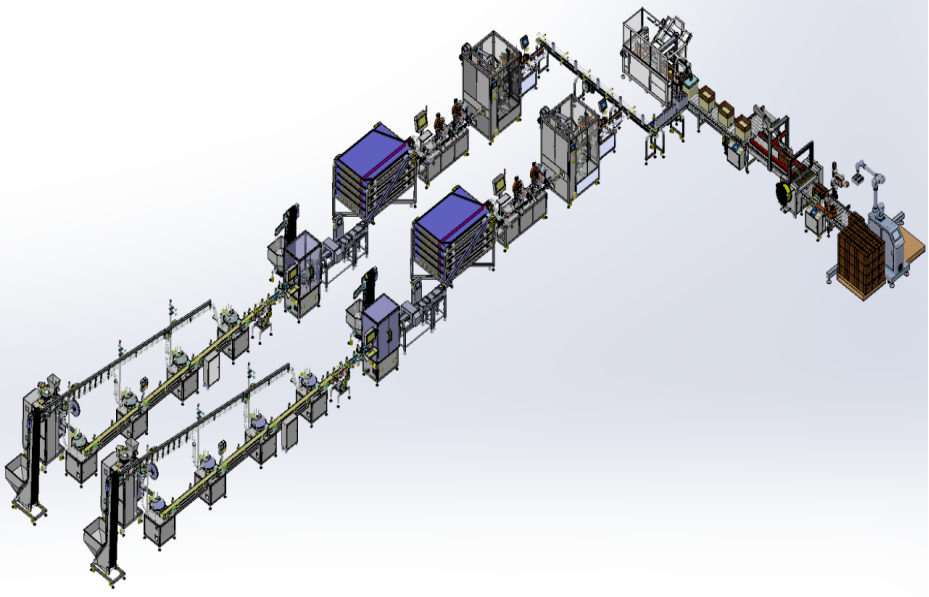
Many Paraguayan entrepreneurs need customized packaging to stand out on shelves. Choose suppliers who offer turnkey solutions — from feeding and filling to multi-lane sealing, checkweighing, and cartoning. A supplier that can integrate weighing and packaging systems, or deliver complete filling & packaging lines, helps you reduce integration risk and time to market. Explore integrated offerings such as Filling & Packaging Lines and Weighing & Packaging Systems.
Factory Capability and Quality Control
Verify a supplier’s manufacturing strength, machining centers, and assembly workflow. Highly automated CNC machining and precision assembly lines produce consistent parts and reduce alignment issues in high-speed packaging machines. Suppliers with a 20,000㎡ factory and strict quality control systems often provide better long-term reliability and parts interchangeability.
If possible, request a factory visit or a virtual tour. Watching machines run with your product during FAT (Factory Acceptance Test) is the most reliable way to validate supplier claims.
Factory visit checklist
-
Observe assembly lines and CNC capabilities.
-
Request FAT with your actual product sample.
-
Check documentation and spare parts inventory.
Price, Financing and Total Cost of Ownership
Price is only one part of the decision. Evaluate the total cost of ownership (TCO): energy use, spare parts consumption, expected lifespan, and ease of maintenance. A slightly higher-priced machine with better reliability and local support can reduce downtime and lower costs over time. Ask for ROI projections based on your production plan and reject offers that lack transparent long-term cost estimates.
Shipping, Customs and Local Regulations in Paraguay
Plan logistic details early. Work with suppliers experienced in exporting machinery to South America, and verify Incoterms, documentation, and customs clearance requirements. Consider warehouses near Asunción or distribution hubs close to border crossings to minimize transit delays. If you plan to export to neighboring countries, verify transport packaging and certifications required by Brazil and Argentina.
References, Case Studies and Global Reputation
A reputable supplier will share case studies and references. Examine success stories from customers producing nicotine pouches, tea sachets, or other small-dose packaged goods. Real cases reveal how suppliers handle unexpected issues, spare parts logistics, and after-sales support. You can review supplier cases and global exhibitions to validate their presence and performance, for example via a company’s case pages and exhibition history.
For background on a potential partner’s company history and exhibition records, see their company profile and exhibition highlights such as About Packmate and Our Exhibition.
Negotiation Tips and Contract Clauses to Secure
During negotiation, secure these key points in writing:
-
Detailed delivery schedule and penalties for delays.
-
Scope of warranty and response times for support calls.
-
Acceptance testing criteria (FAT) and remedies if machines don’t meet agreed performance.
-
Spare part kits and recommended inventory levels for continuous operation.
How to Run a Successful Factory Acceptance Test (FAT)
A thorough FAT reduces surprises during installation. Bring your product samples and packaging film, and validate real production speeds, sealing quality, and weight accuracy. Confirm that the control system has language options for Spanish and that operator interfaces are intuitive for local staff.
Ensure the supplier documents the FAT results and creates a remediation plan for any discrepancies. A well-documented FAT becomes part of the contract and a benchmark for later acceptance.
FAT checklist
-
Use your actual pouch material and nicotine pouch samples.
-
Verify multi-lane synchronization and sealing integrity.
-
Test changeover times between SKUs.
-
Confirm operator training plan and documentation delivery.
Practical Next Steps to Find and Validate Suppliers
1) Shortlist suppliers with snus-specific experience and international certifications. 2) Request technical proposals including machine model, layout, required utilities, and spare parts list. 3) Ask for FAT with your samples and at least two reference customer contacts. 4) Verify export experience to South America and obtain quotes for CIF or DAP to your chosen Paraguayan port or warehouse. To start the conversation with a proven manufacturer, you can reach out via their service and contact pages, for example Service and Contact Us.
🔎 Tip — prioritize a supplier that can demonstrate real snus packaging lines and multi-lane experience; it reduces development time for small-dose products.
🌐 Global track record — a partner with export references and exhibition presence often has a mature service network and tested logistics for Paraguay.
Conclusion: Building a Long-Term Partnership
Selecting the best snus packaging machine supplier for Paraguay is an investment in product quality, brand reputation, and operational uptime. Focus on suppliers with targeted experience in snus and nicotine packaging, solid factory capabilities, international certifications, detailed FAT procedures, and clear after-sales support. With careful evaluation of technical specs, references, and service commitments, you can secure a partner who helps you scale sustainably within Paraguay and the wider South American market.
Further resources
For more product information and case studies, review the supplier’s product categories and client stories: Sachet & Stick Pack Machines, Case.
Frequently Asked Questions (FAQs)
Q1: How long does delivery and installation typically take for a snus packaging line shipped to Paraguay?
A1: Delivery times vary by machine complexity and export logistics. Typical lead time for a standard multi-lane pouch machine is 8–16 weeks for manufacturing plus shipping. Allow additional 2–4 weeks for customs clearance and on-site commissioning. Ensure the supplier provides a detailed timeline in the contract.
Q2: What certifications should I insist the supplier have for exporting machines to Paraguay?
A2: Request CE and ISO certifications for mechanical and electrical safety. If you plan to export to Brazil or other markets, confirm any additional certifications they can support for customs and local authorities.
Q3: Are spare parts and technical support readily available for snus packaging machines?
A3: Reputable suppliers maintain spare parts inventories and offer fast shipping to South America. Ask about local partners or recommended spare parts kits to keep on-site. Confirm SLA response times for remote troubleshooting and on-site visits.
Q4: Can suppliers assist with packaging design and regulatory labeling in Paraguay?
A4: Many turnkey suppliers provide artwork and labeling support, and can help localize text to Spanish (and Guarani where needed). Clarify whether label approval, printing specifications, and artwork setup are included in your package.
Q5: How to verify a supplier’s real-world performance before placing a large order?
A5: Request FAT with your actual product, ask for client references producing similar products, review case studies, and if possible, visit an installed line or watch a live demo during an exhibition to confirm throughput and product quality.