Choosing the right snus packaging machine supplier for operations in Mauritania demands a balance of technical knowledge, respect for local market habits, and practical logistics planning. This guide walks you through the critical criteria—from machine type and factory capability to after-sales support and regulatory sensitivity—so you can select a supplier who delivers long-term reliability and value.
Understand Mauritania’s market, culture, and regulatory context
Local customs and consumption patterns matter. Mauritania is a predominantly Muslim country with conservative social norms. While nicotine pouch and snus demand may exist among certain consumer groups, packaging and marketing should be discreet, culturally sensitive, and compliant with local advertising restrictions. Consider low-profile, compact pack formats and labeling that respects local language preferences (Arabic and French).
Regulatory checks are essential. Before procurement, confirm local import rules for nicotine products, excise duties, and packaging regulations in Mauritania. Some requirements you must verify: product classification, required warning texts, allowable ingredients, and local customs clearance documentation. Suppliers who can provide compliance documentation (CE/ISO and material certificates) will simplify approval and customs processes.
Climate & storage influence machine choice
Mauritania’s climate ranges from hot and dry inland to coastal humidity. Choose machines and materials that tolerate temperature fluctuations and dust. Ask suppliers about specially coated components, sealed electrical cabinets, and humidity control recommendations for finished goods storage.
🔍 Quick tip: For coastal operations (Nouakchott, Nouadhibou), prioritize corrosion-resistant parts and protective measures against salt-laden air.
Decide the right machine type and production capacity
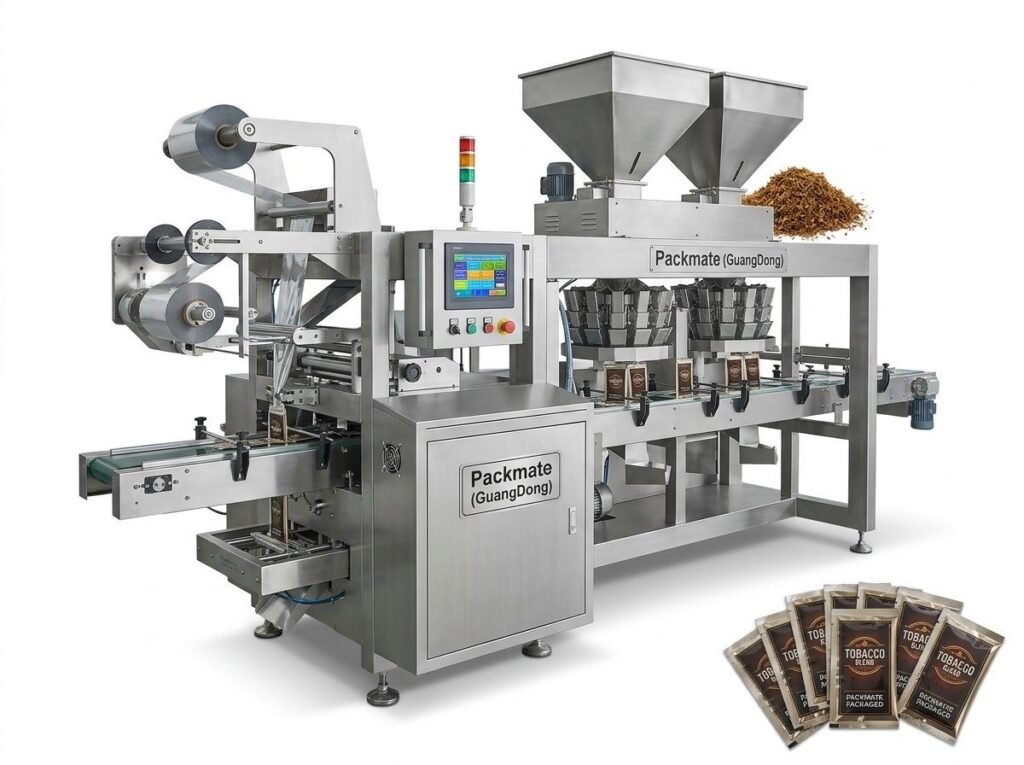
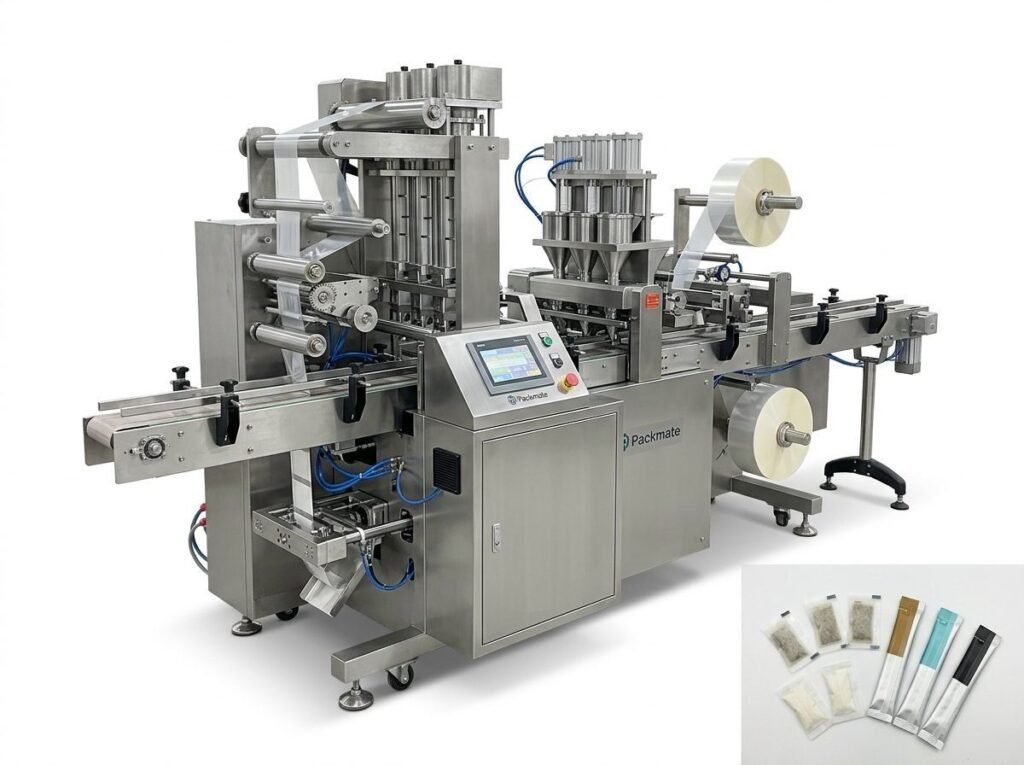
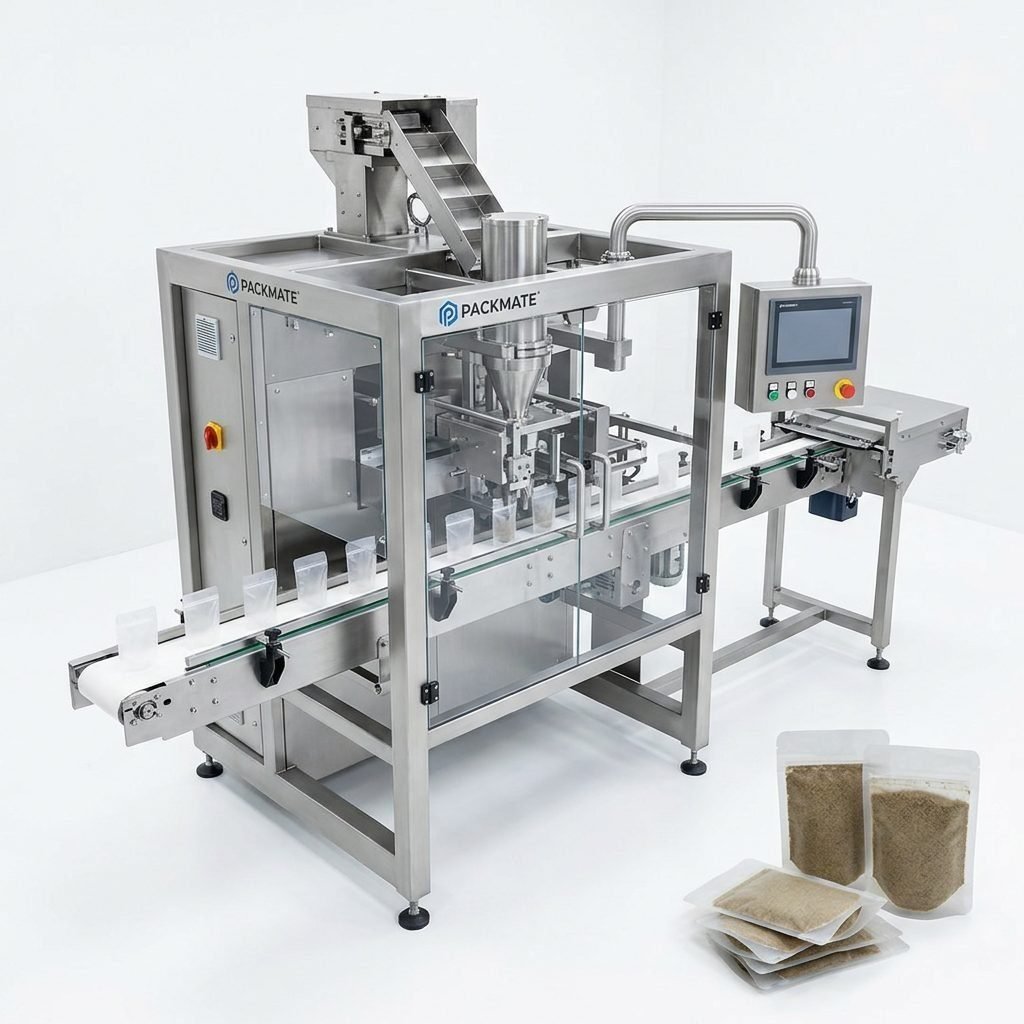
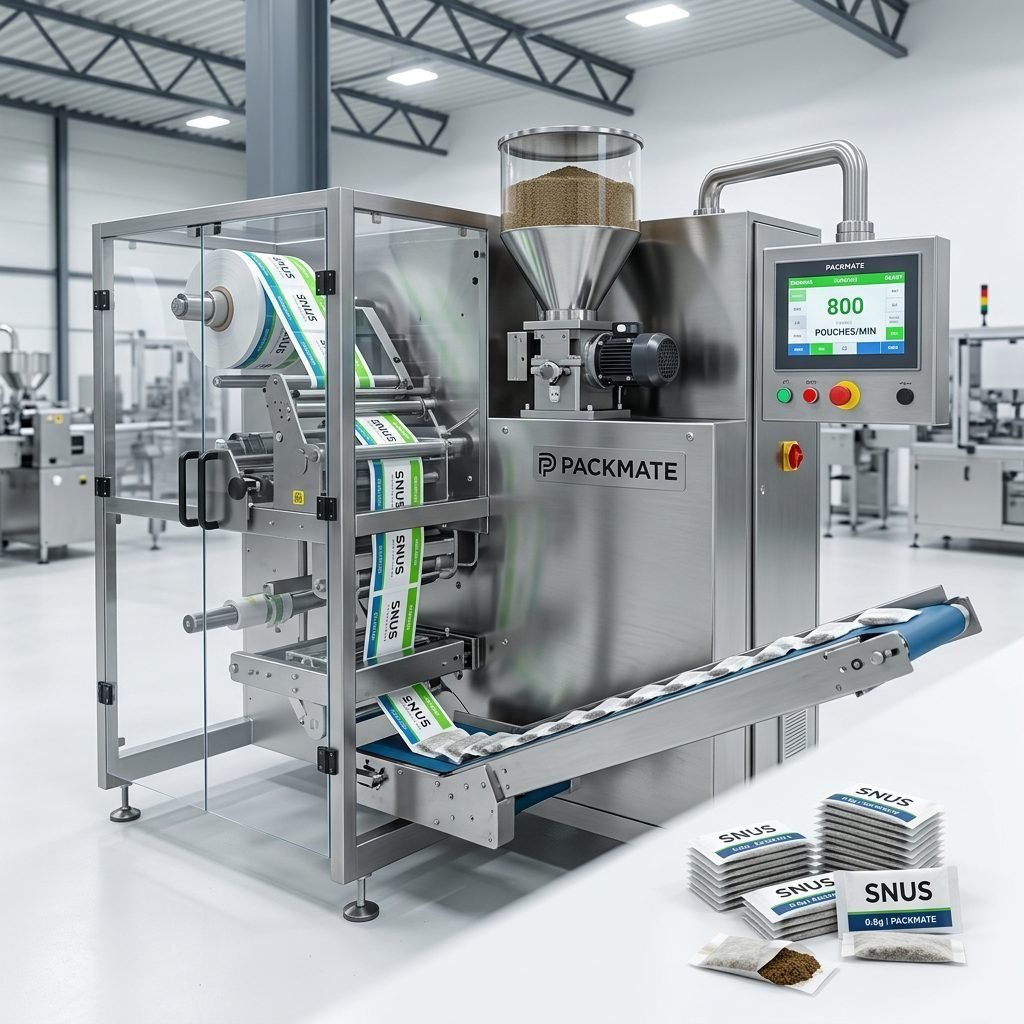
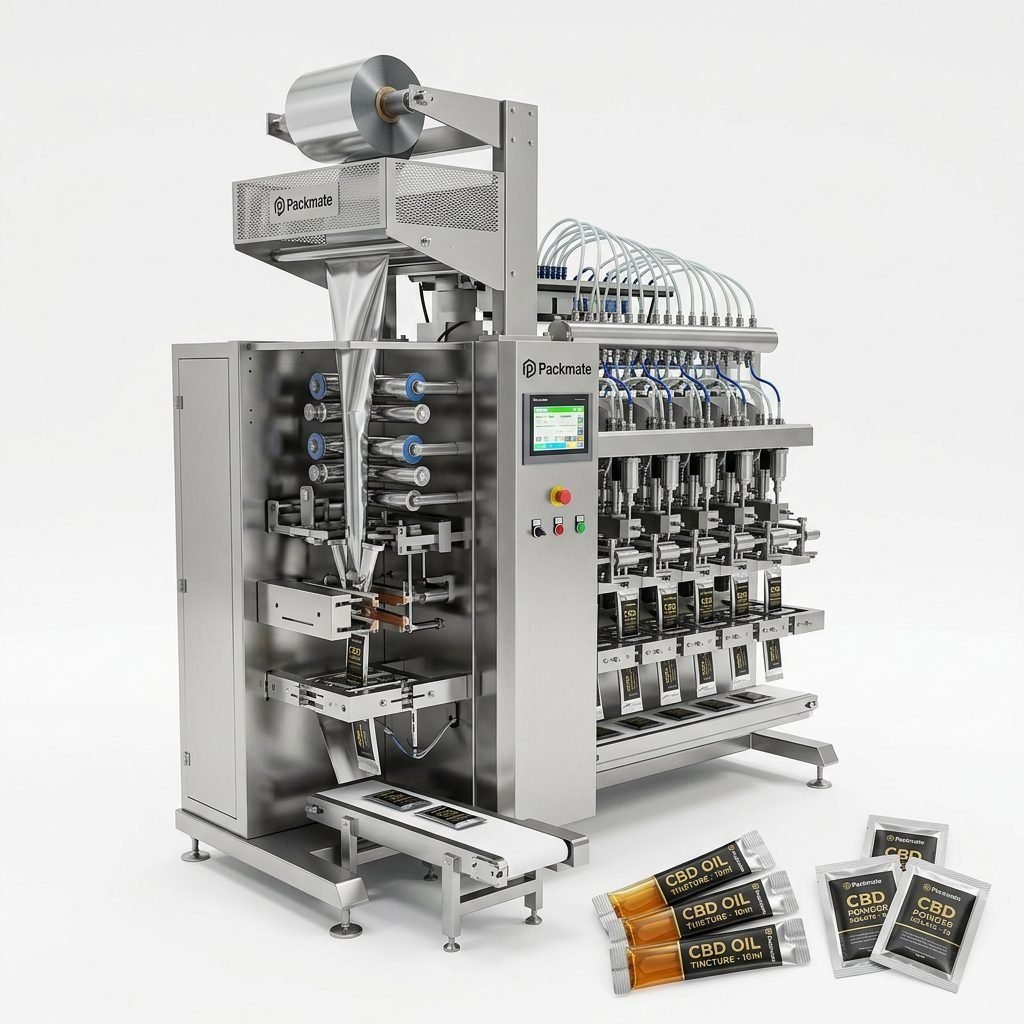
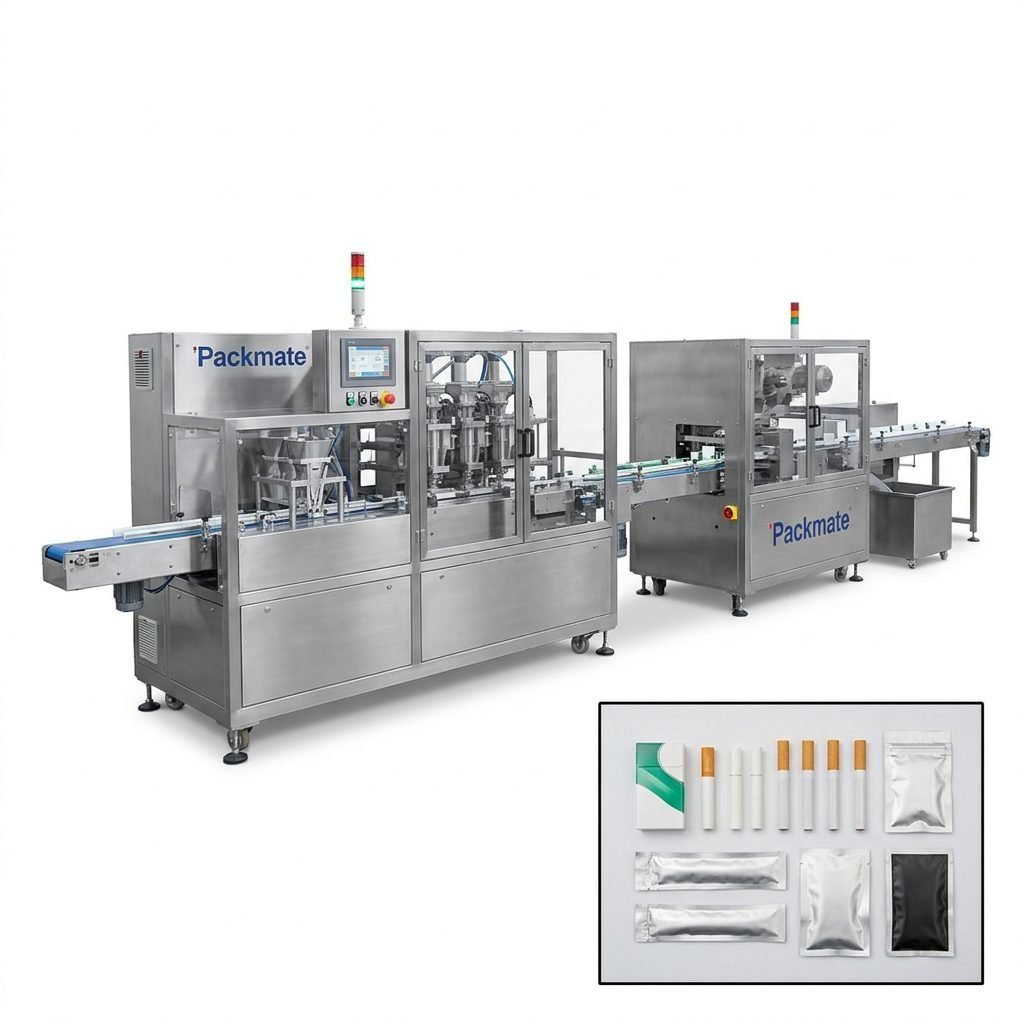
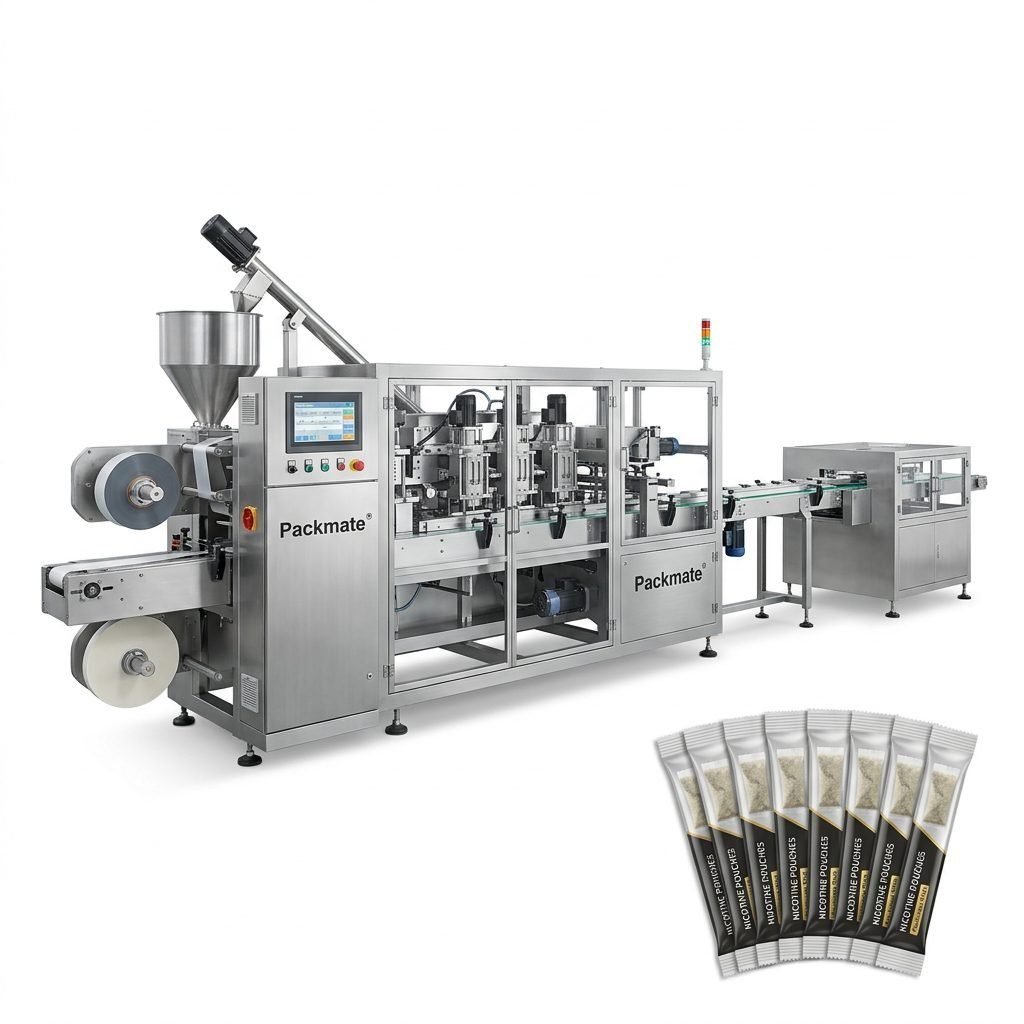
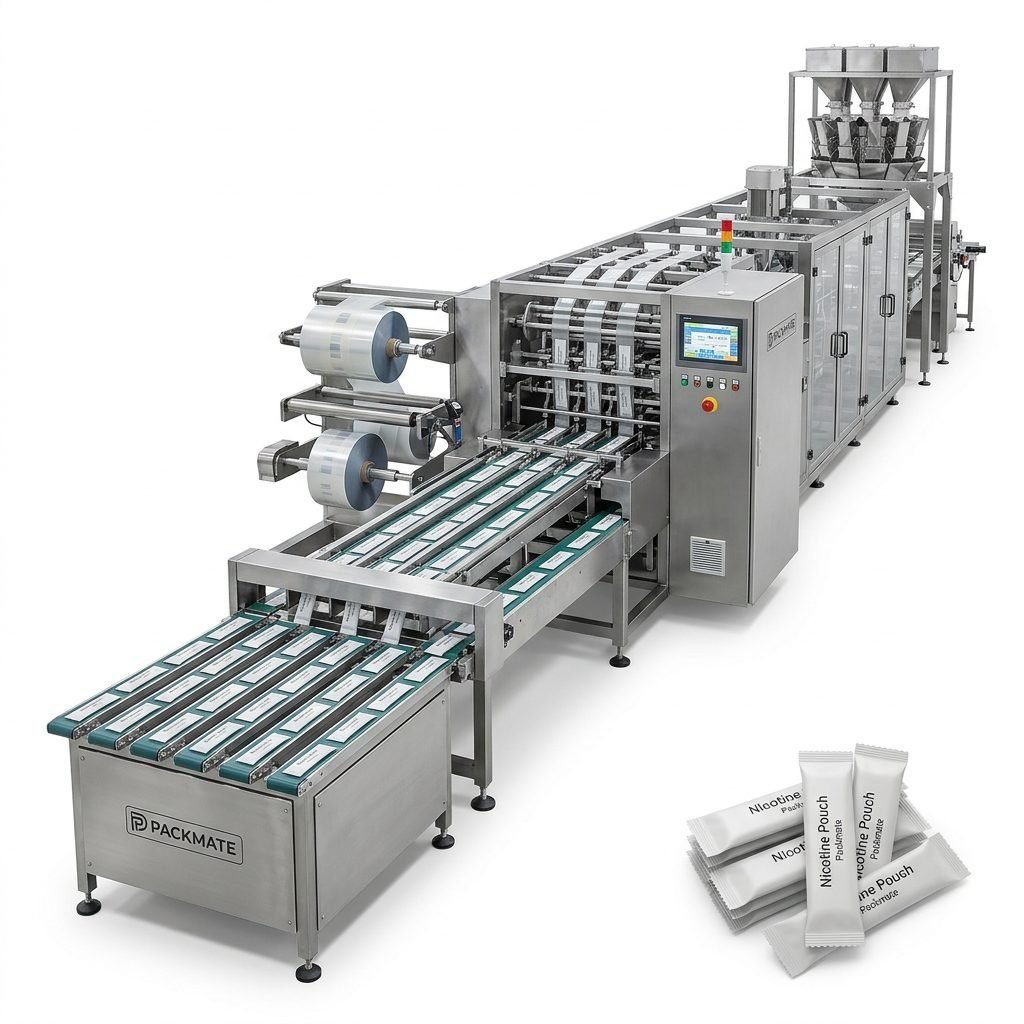
Different formats require different equipment. Typical machine categories include stick pack, sachet, multi-lane pouch systems, and specialized snus/nicotine pouch lines. Match machine capabilities to your product and volume goals:
• Low to medium volume: Compact sachet or single-lane snus machines for pilot runs or regional distribution.
• Medium to high volume: Multi-lane systems with integrated weighing and counting for efficient, high-output production.
• Flexible production: Look for modular lines that can switch between stick pack, sachet, and pouch formats to adapt as your market grows.
Key technical parameters to compare
Evaluate each machine on: speed (packs/min), dosing accuracy, lane count, film compatibility, cleaning ease, PLC & HMI sophistication, power requirements (confirm 220V/380V options and frequency), and spare-parts availability. Suppliers who provide detailed spec sheets and live demonstrations (video or onsite) are preferable.
Supplier selection checklist: what to ask and verify
✅ Factory capacity & experience: Does the supplier have a real factory footprint, CNC capability, and at least decades of experience building packaging lines?
✅ Certifications & compliance: Can they provide CE, ISO, and material/certification documents to satisfy Mauritanian import and safety rules?
✅ References & case studies: Request customer cases and references in similar markets. Check performance and reliability through testimonials or published case studies.
Other important checks:
⚙️ Spare parts policy — lead times for parts shipped to Mauritania can be long; confirm stock levels, local partner availability, and express shipping options.
📦 Packaging & transport support — ask if the supplier helps prepare export documentation, crating, and recommends freight routes through Nouakchott or Nouadhibou.
🛠️ Installation & training — verify whether remote commissioning, on-site setup, and operator training are included or available as add-ons.
Factory capability & certifications matter
A credible supplier maintains a modern manufacturing facility with CNC machining, precision assembly lines, and rigorous quality control. Look for details such as factory size, number of machine models, and history of continuous R&D. For example, suppliers with 20,000㎡ facilities and multiple proven packaging models demonstrate the scale and expertise to handle customized snus packaging lines.
You should request factory photos, production process descriptions, and certificates (CE/ISO). These documents accelerate customs clearance and build confidence in long-term serviceability.
Useful links to compare machine families and verify credentials:
– Snus & Nicotine Packaging Machines
– Case studies showing global installations may indicate readiness for Mauritania.
After-sales service: the long game
Effective local or regional support is a deciding factor. Ask the supplier about:
– Availability of technical staff who can travel to Mauritania or provide urgent remote support.
– Spare parts kits included with your machine, service response SLAs, and preventive maintenance plans.
– Training programs for operators and maintenance technicians (language options are important—French and English support is a practical requirement).
⚠️ Important: In Mauritania, distance and customs can extend repair timelines. Prioritize suppliers with clear spare-part logistics and remote diagnostics capability.
Commercial terms, warranty and contracts
Negotiate clear terms: delivery timeline, payment milestones, warranty length, and scope (electrical, mechanical, firmware). A common approach:
• Stage payments based on delivery milestones and successful factory acceptance testing (FAT).
• Include a commissioning clause that requires the supplier to ensure production targets are met within a defined window.
Confirm the warranty covers critical components and specify remedies (parts, labor, remote troubleshooting).
Consider financing and total cost of ownership
Look beyond initial price. Factor in installation costs, spare parts inventory, staff training, local modifications, and expected uptime. Suppliers that offer modular upgrades can protect your investment as business scales.
Installation, training & commissioning in Mauritania
Plan for on-site commissioning and operator instruction. The supplier should provide:
• Comprehensive start-up service including IQ/OQ procedures and trial production runs.
• Training materials in French or English, and optional hands-on sessions for your local team.
• A commissioning checklist and KPI targets for first-month production (reject rates, throughput, downtime).
How to validate suppliers before you buy
Visit the factory when possible, or request live-feed demos and FAT video sessions. Verify build quality, assembly practices, and test reports. Ask for references in similar climates or in neighboring West African countries to confirm the supplier’s ability to handle regional challenges.
Useful product lines to inspect online: Sachet & Stick Pack Machines, Weighing & Packaging Systems, and integrated Filling & Packaging Lines.
Checklist before signing
– Confirm electrical compatibility and voltage options.
– Insist on a detailed spare-part list and recommended initial spares bundle.
– Lock in training, manuals, and accessible remote support.
✅ Final decision: Choose a supplier who combines technical fit, local market understanding, credible factory capacity, and dependable after-sales service.
Why Packmate-style suppliers stand out (example criteria)
Suppliers with 30+ years of engineering experience, a large factory area, advanced CNC centers, and over 50 machine models provide strong assurance. They typically offer turnkey solutions for snus and nicotine pouches, including modular multi-lane systems that can meet varying demand levels. Look for brands that publish exhibition presence, certifications, and global cases.
For more about company support and exhibition presence, review the supplier’s about and exhibition pages: Our Exhibition, Service, and the FAQs.
Conclusion: practical steps to buy with confidence
1) Map your product specs, desired throughput, and local distribution plan. 2) Shortlist suppliers with proven snus/nicotine packaging experience and verified factory capabilities. 3) Validate certifications, request FAT demonstrations, and confirm spare-parts and service coverage for Mauritania. 4) Negotiate clear delivery, warranty, and commissioning clauses. 5) Plan operator training and a local spare parts stock to minimize downtime.
Frequently Asked Questions
Q: What certifications should a snus packaging machine have for export to Mauritania?
A: Look for CE and ISO certifications and material compliance certificates. These documents simplify customs clearance and demonstrate safety and international compliance.
Q: How important is local after-sales support in Mauritania?
A: Extremely important. Remote locations, customs delays, and limited local service networks make spare-part availability, remote diagnostics, and clear SLA terms critical for minimizing downtime.
Q: Can a supplier help with regulatory and labeling requirements in Mauritania?
A: Many experienced suppliers provide compliance guidance and documentation, but you should pair this with local legal advice to ensure labels and product formulations meet Mauritanian rules.
Q: Which machine types are best for a small start-up in Nouakchott?
A: For small startups, single-lane sachet or compact snus pouch machines offer flexibility and lower capital costs. Choose models that allow later upgrades or multi-lane expansion.
Q: Where can I see real machine examples and case studies?
A: Supplier websites with product pages and case sections provide machine specifications and project examples. See product groups such as Bag & Pouch Packaging Machines and review published case studies.