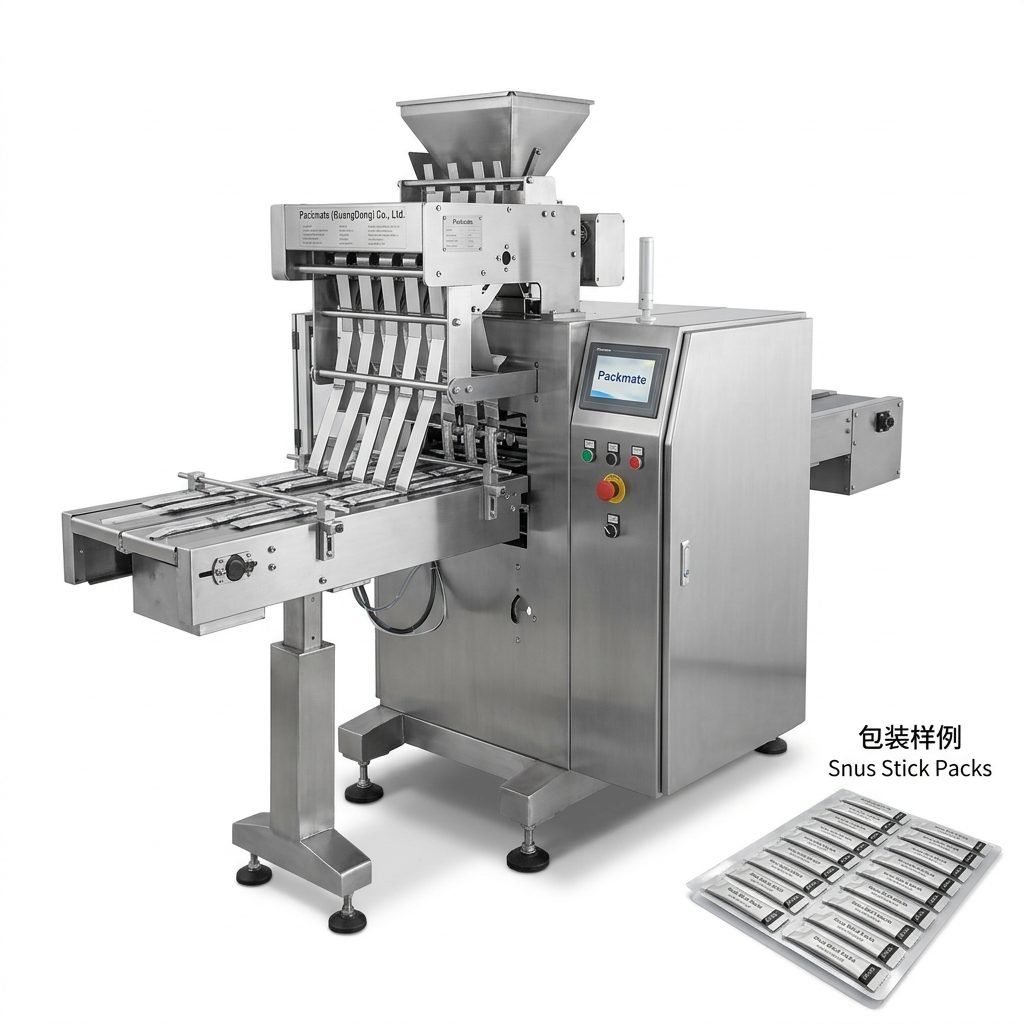
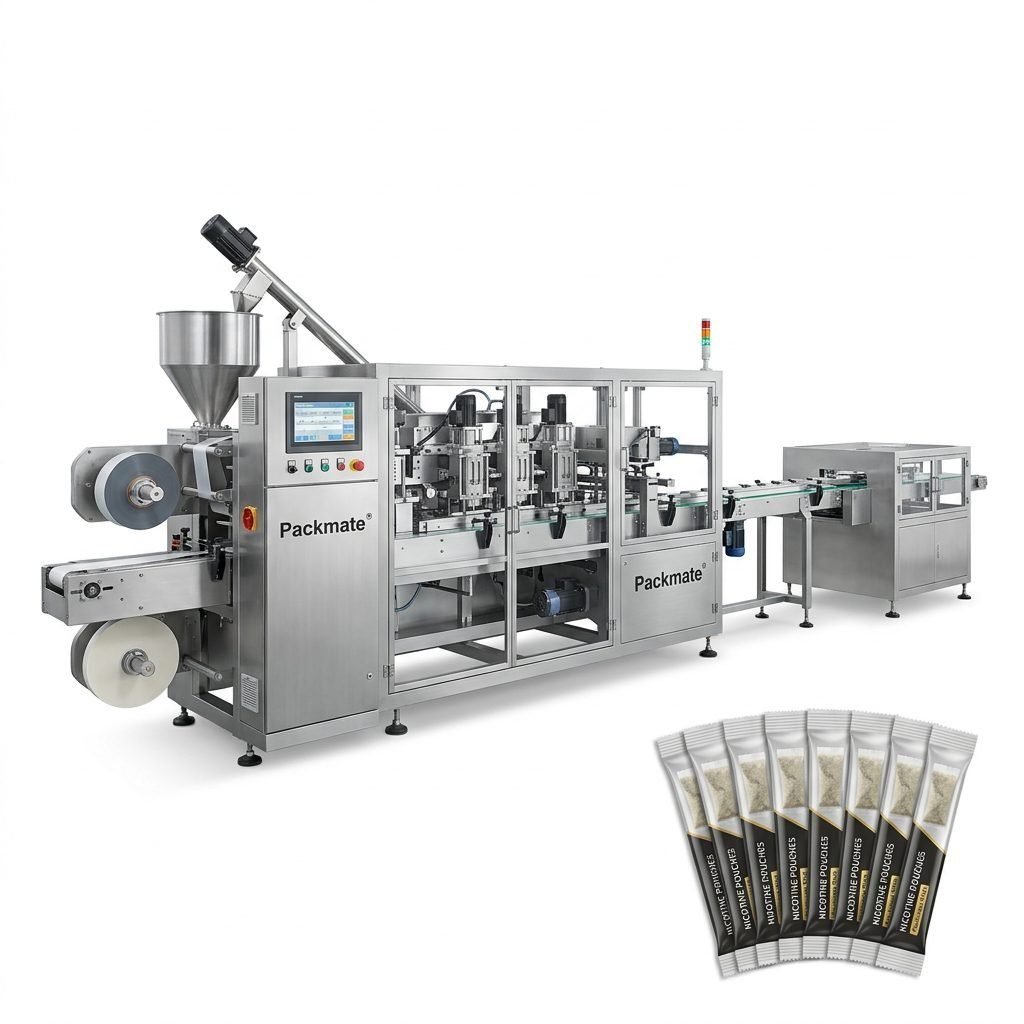
Entering the East Timor market with snus or nicotine pouch packaging equipment requires a careful balance of technical knowledge, local sensitivity, and reliable supplier selection. This guide walks you through practical steps to choose the best snus packaging machine supplier for East Timor — from understanding local habits and regulations to evaluating machine performance, after-sales service, and logistics. Follow this structured approach to minimize risks, optimize total cost of ownership, and ensure a successful installation and market entry.
Why the Right Supplier Matters for East Timor
Choosing the right supplier is not only about machine specifications. In East Timor, with a small but growing consumer base and unique cultural considerations, you must rely on a supplier who understands regulatory compliance, export logistics to Dili, and on-the-ground support needs. A strong supplier reduces downtime, ensures compliance with international standards such as CE and ISO, and helps adapt packaging formats to local preferences.
Local habits and cultural considerations
East Timor is culturally conservative and predominantly Catholic. When introducing snus or nicotine pouch products, respect community norms and legal frameworks. Packaging design and marketing should avoid offensive imagery around religious holidays, and business meetings often benefit from formal, relationship-focused approaches. Make sure your supplier can advise on discreet, consumer-friendly packaging options and compliance documentation for import authorities.
Key Technical Criteria: What to Inspect
When evaluating suppliers, focus first on machine performance metrics that directly affect your cost and output: speed, accuracy, downtime rates, and flexibility. A machine that supports multiple pouch sizes and formats (stick pack, sachet, multi-lane) will give you greater versatility for different products and batch sizes.
✦ Essential checks:
✓ Machine throughput (pouches per minute) versus your target monthly output.
✓ Fill accuracy and weight control systems (important for nicotine dosing).
✓ Format changeover time and tool-less adjustments for small runs.
✓ Compatibility with your chosen pouch materials and seal technologies.
Machine categories to consider
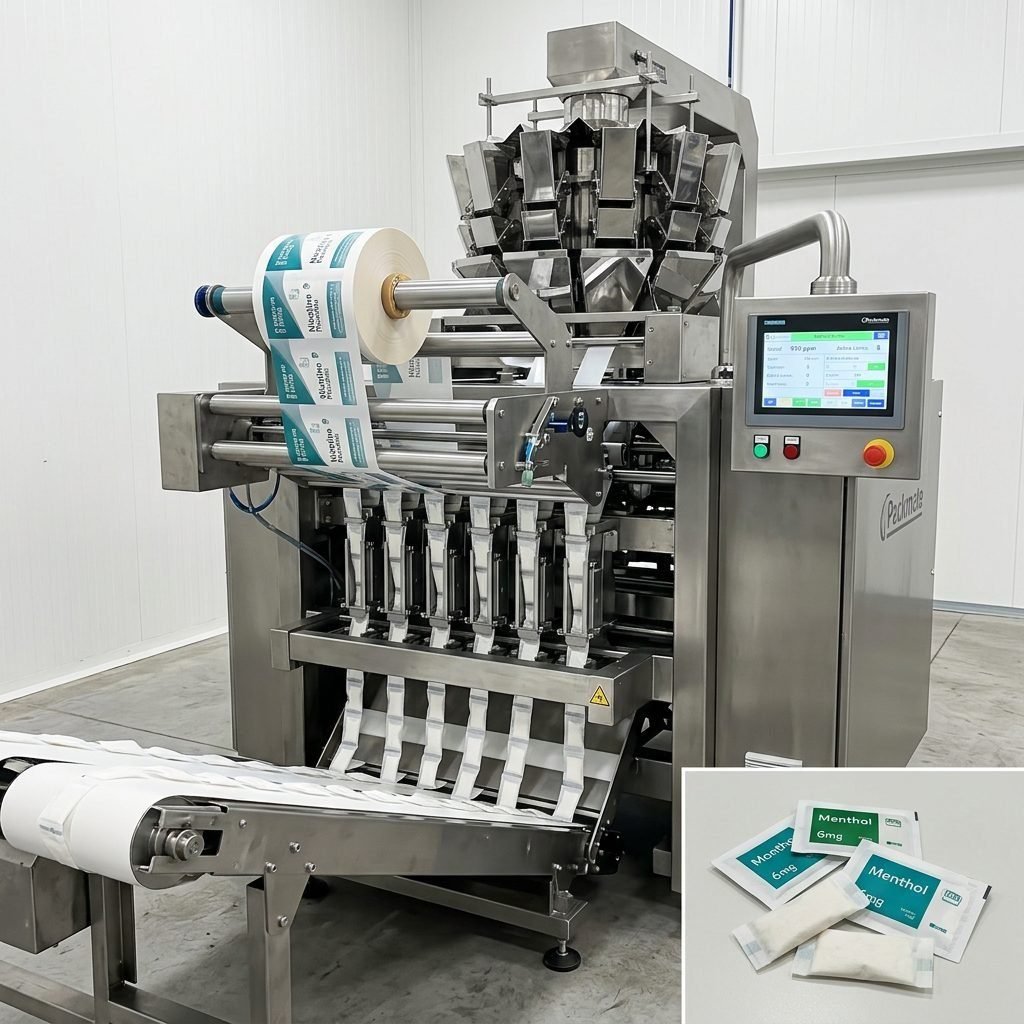
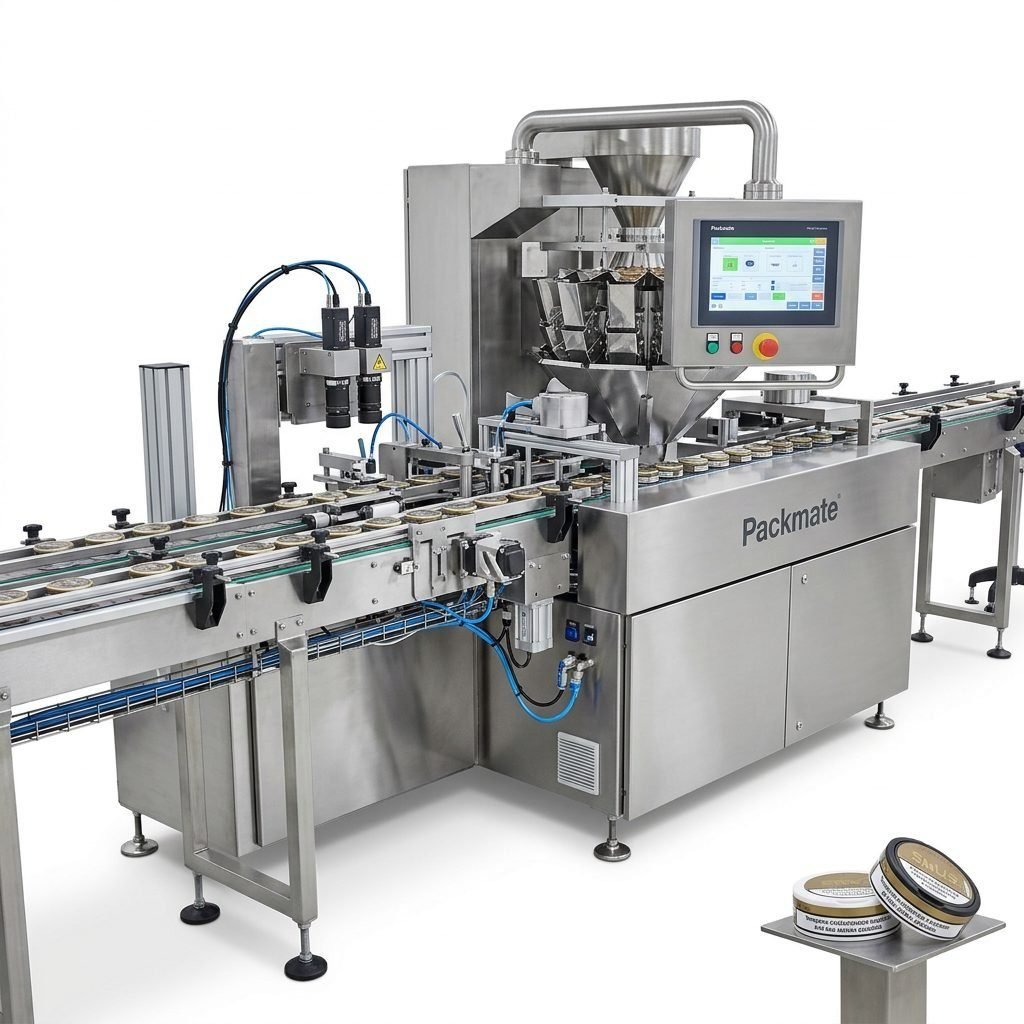
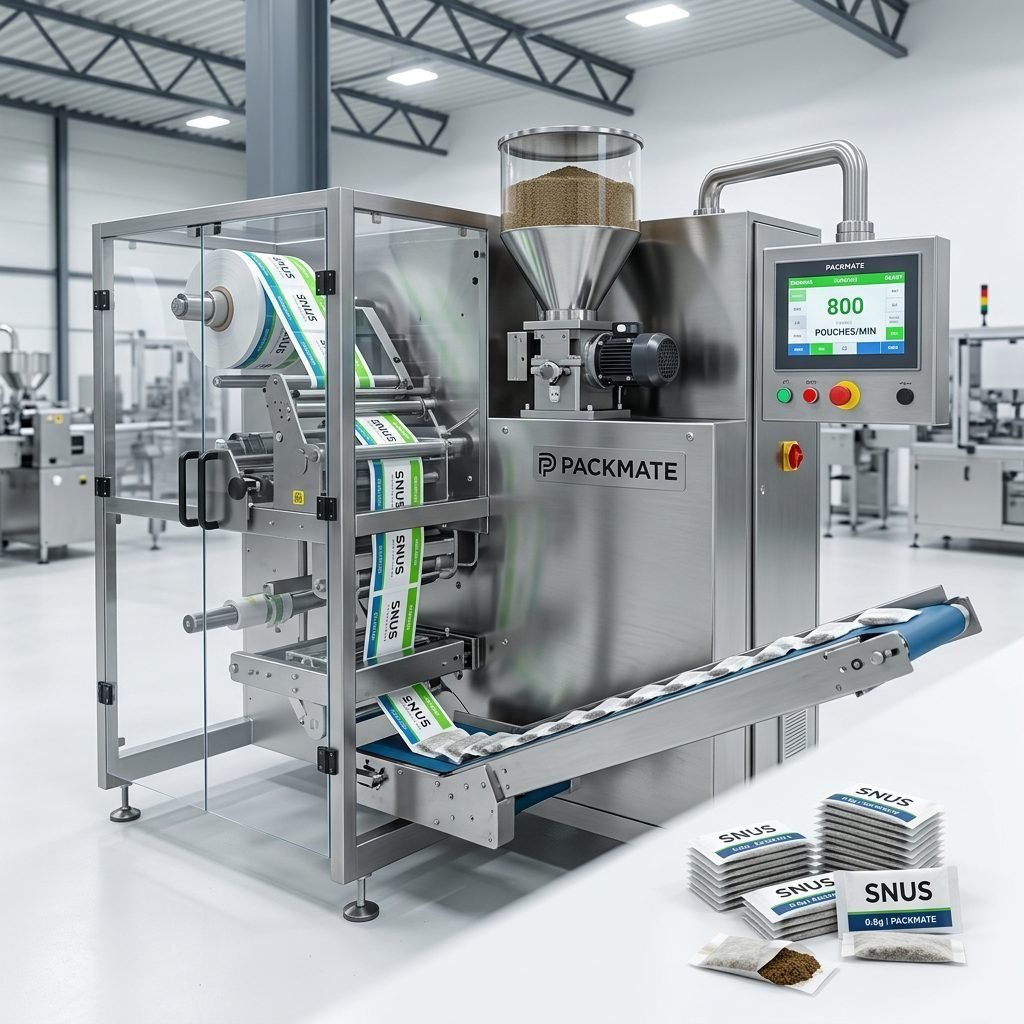
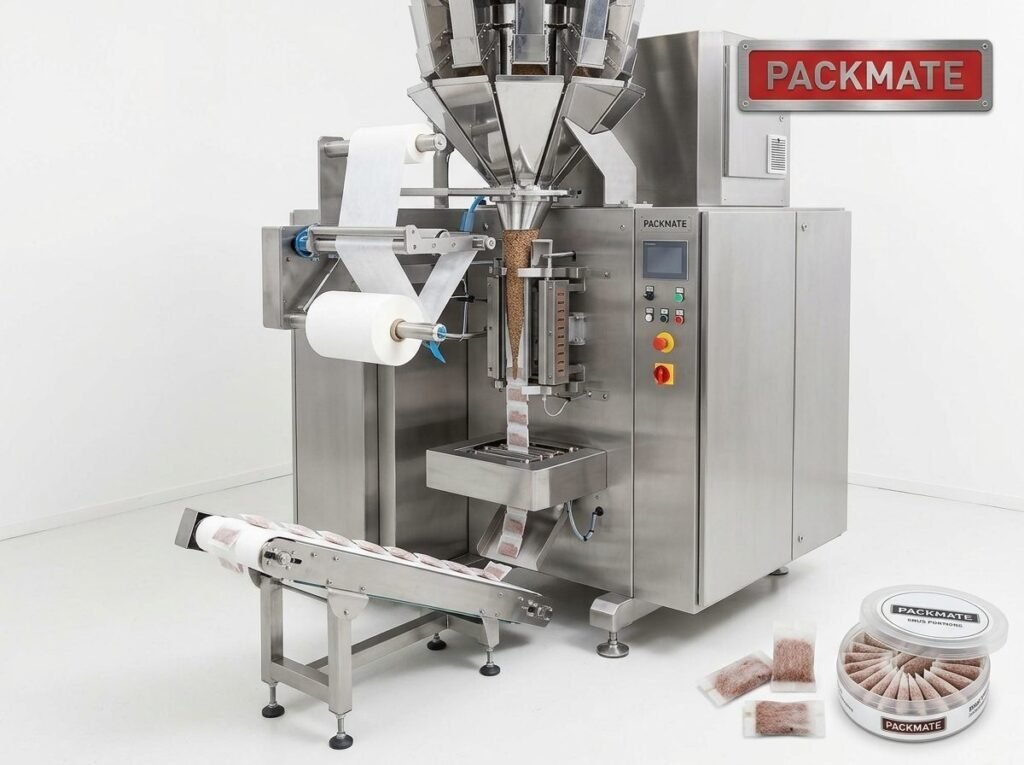
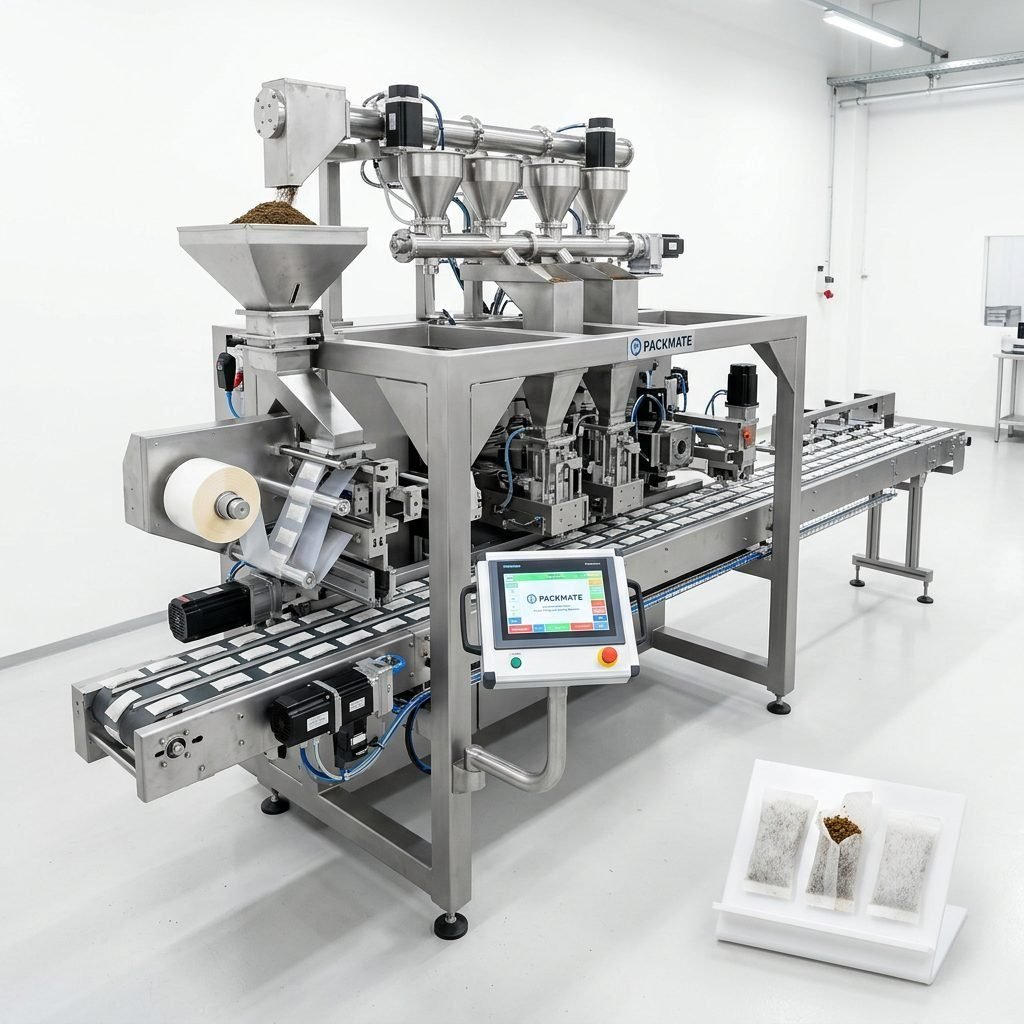
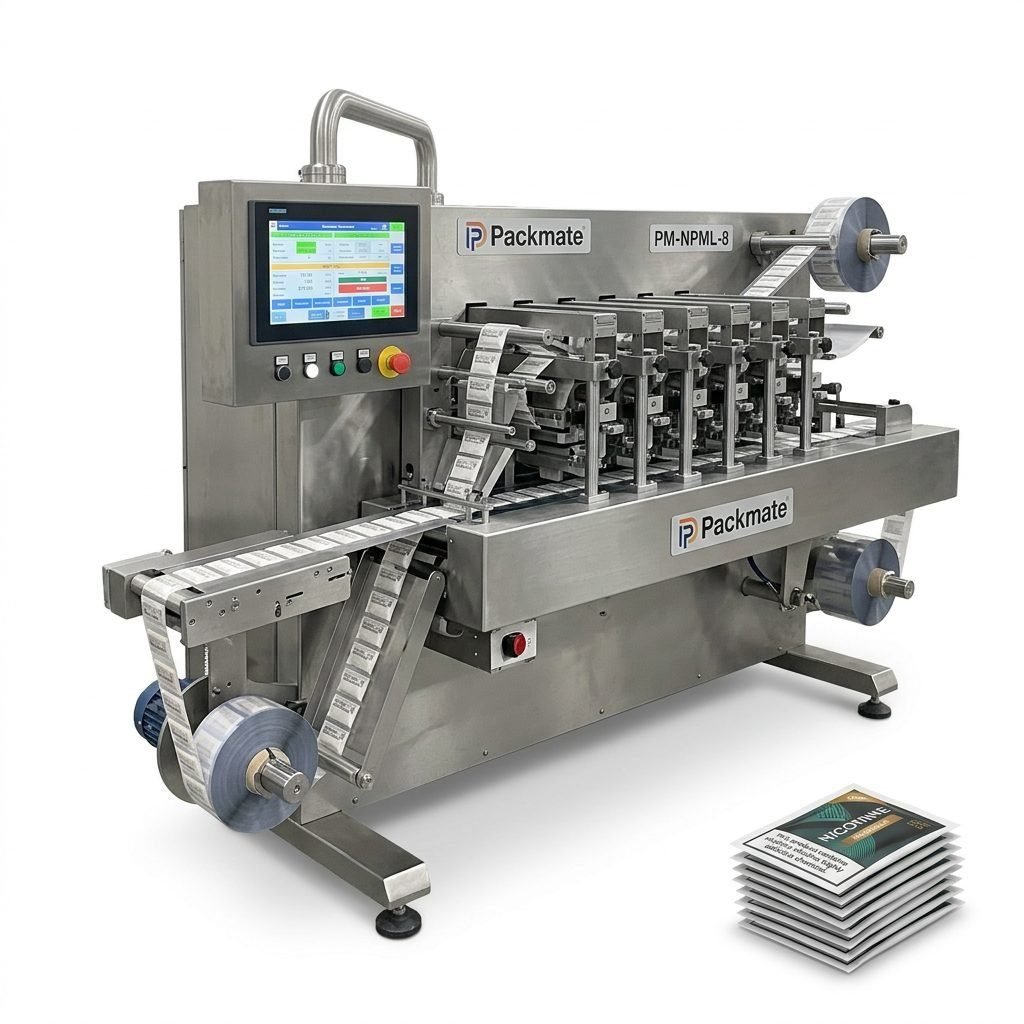
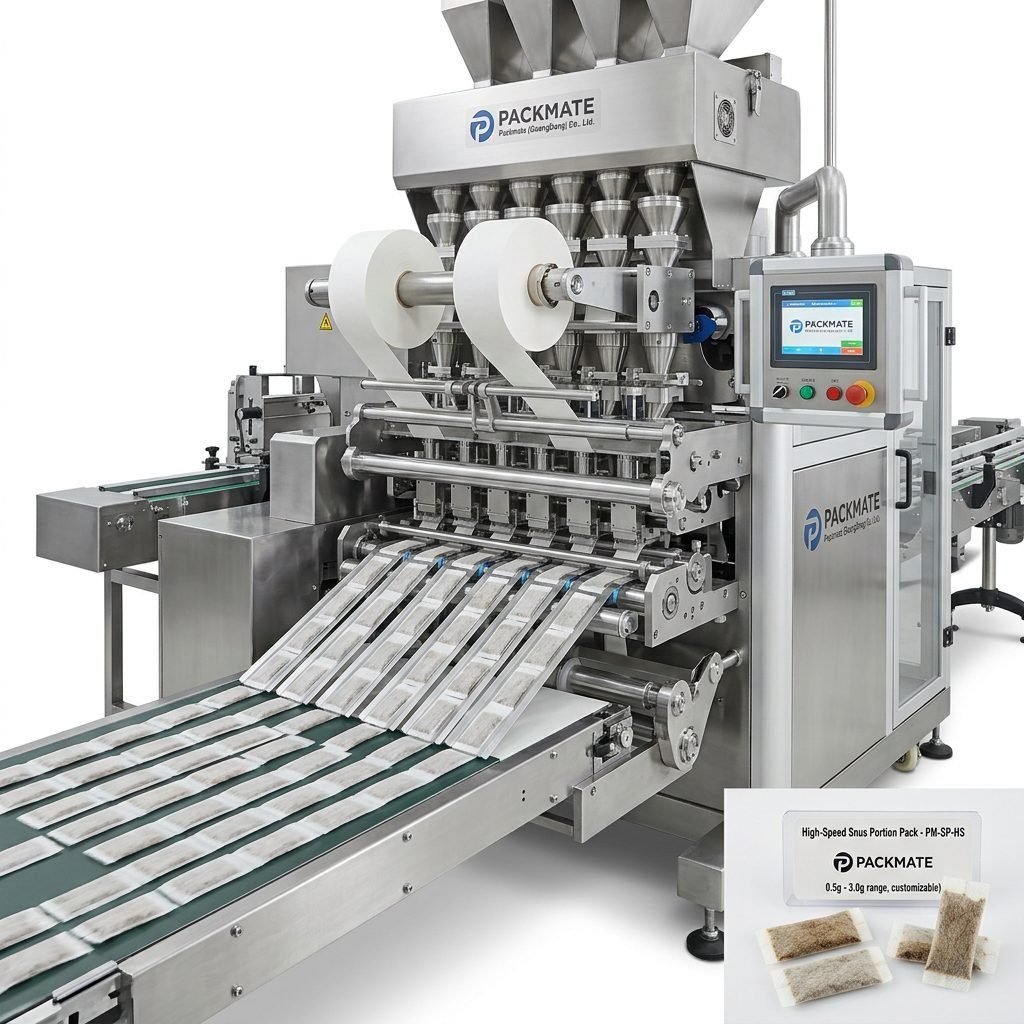
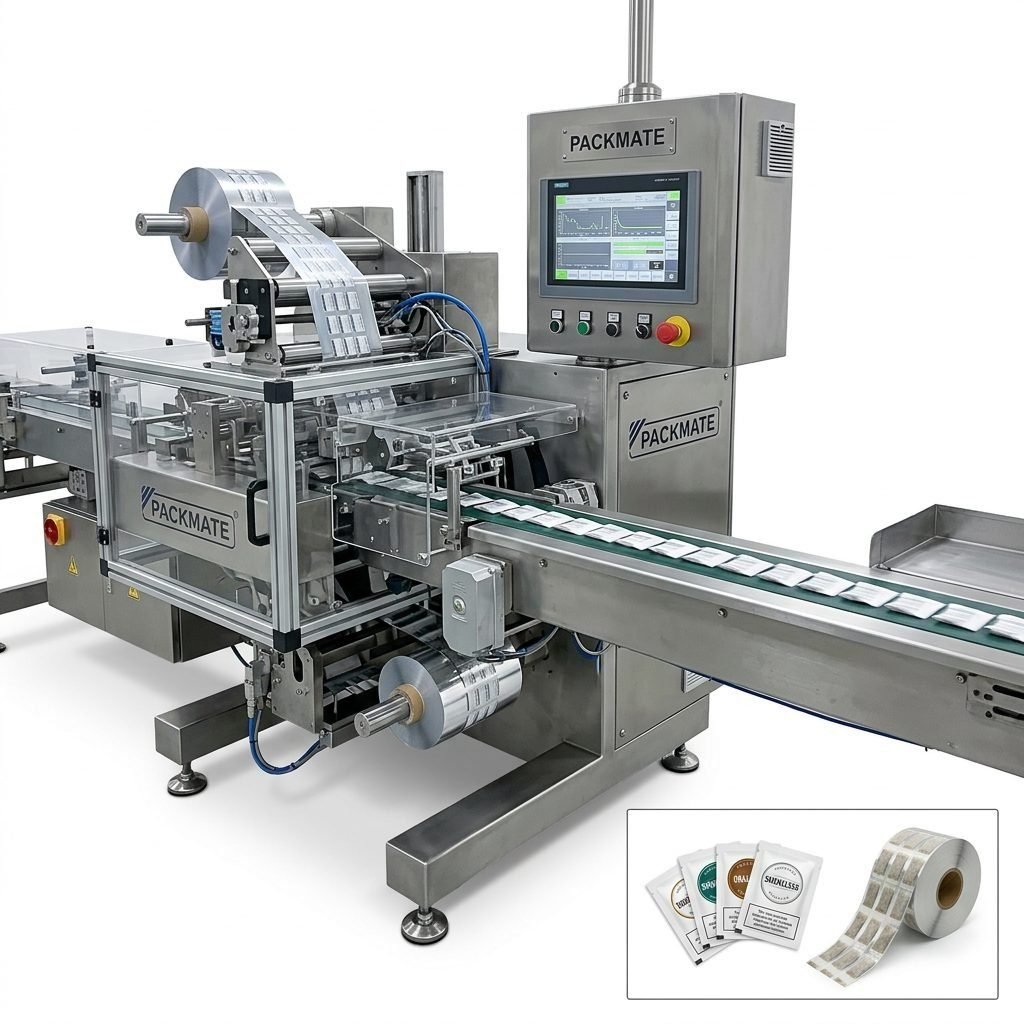
Modern suppliers provide several designs: single-lane stick pack machines, vertical sachet systems, and high-speed multi-lane lines tailored for small-dose pouches. Multi-lane systems are often preferred for high-volume nicotine pouch production because they maintain precision while multiplying throughput. For a quick view of machine offerings and specifications, review product categories like Snus & Nicotine Packaging Machines and Bag & Pouch Packaging Machines.
Supplier Capabilities: What Signals Reliability
Past performance and manufacturing strength are strong predictors of a supplier’s ability to deliver. Verify factory size, production capacity, and quality management practices. Suppliers with robust CNC machining, precision assembly lines, and documented testing procedures are more likely to provide durable, consistent machines.
⚠️ Look for concrete evidence:
• Factory area and capacity (e.g., 20,000㎡ manufacturing space).
• Years of industry experience (over 30 years is a strong indicator).
• Range of models (50+ models implies customization capability).
• International certifications (CE, ISO) and exhibition presence.
Ask for documentation and references
Request certificates, performance test reports, and references from installations in similar markets. A trusted supplier can provide videos of machines running, a list of global clients, and case studies. For more context on supplier background and company story, see pages like About Packmate and their Case examples.
After-Sales Service: The Deciding Factor
In East Timor, prompt after-sales service can be the difference between a smooth launch and months of lost production. Ensure the supplier offers clear terms for warranty, spare part availability, remote diagnostics, and on-site commissioning. With potential language and travel barriers, prioritize suppliers that provide training materials in accessible languages and remote support options.
What to require in the contract
Contract terms should include lead time, delivery INCOTERM, acceptance testing procedures, warranty duration, spare parts list with pricing, training plan, and service response times. If possible, negotiate a service agreement that includes periodic preventive maintenance and a stocked spare-parts kit for critical wear parts.
Logistics and Compliance for East Timor
Shipping heavy machinery to East Timor requires careful planning. Dili is the primary port for containerized imports, but local handling capacity is limited compared with larger regional ports. Factor in customs clearance, duties, and potential delays. Work with freight forwarders experienced in Timor-Leste and ensure all documentation (packing list, commercial invoice, certificate of origin, CE/ISO certificates) is in order.
✦ Practical logistics tips:
• Confirm port-of-entry capabilities in Dili and inland delivery options.
• Prepare clear spare-parts packing to avoid customs issues for replacements.
• Plan for import approvals — some local authorities may require additional documentation for nicotine or tobacco-related equipment.
Commercial Terms and Payment Considerations
Negotiate payment milestones aligned with manufacturing and testing milestones: deposit, factory acceptance test (FAT) payment, shipment, and final acceptance payment. Suppliers with flexible financing or leasing options can be advantageous for smaller operations in East Timor. Request a detailed quotation that breaks down machine price, tooling, packaging, freight, taxes, and commissioning costs.
Total cost of ownership (TCO)
Look beyond purchase price. Evaluate energy consumption, spare parts costs, expected mean time between failures (MTBF), maintenance labor, and training. A slightly more expensive machine with lower downtime and better local support often yields a lower TCO.
Factory Acceptance Test (FAT) and Commissioning
Insist on a Factory Acceptance Test to verify performance under conditions that mimic your production requirements. FAT should include sample runs, speed and accuracy measurement, sealing strength tests, and operator training. After shipment, plan for on-site commissioning and accept a final Acceptance Test in East Timor with the supplier’s technicians present.
Remote support and training
Given geographical distance, ensure the supplier offers robust remote support (video guidance, PLC parameter transfer, spare parts identification) and can provide training materials or sessions in English and, where possible, Portuguese or Tetum-friendly documentation for local staff.
Customization and Future-Proofing
Your supplier should be able to customize end-of-line solutions, such as secondary packaging, cartoning, or case packing — or integrate with weighing and feeding systems. Consider suppliers that provide modular solutions so you can scale from manual to semi or fully automated lines as market demand increases. Explore related product lines like Weighing & Packaging Systems and Filling & Packaging Lines for integrated solutions.
✓ Tip: Plan machine configurations with spare I/O and communication ports so future upgrades (vision inspection, traceability systems) can be added with minimal downtime.
Evaluating Packmate as a Potential Supplier
When considering manufacturers like Packmate Snus Machine, note their industry credentials: over 30 years of engineering experience, a 20,000㎡ facility, 50+ models, and CE/ISO-compliant equipment. Such capabilities indicate the capacity to deliver customized and reliable solutions. For more on their portfolio and services, you can review the Sachet & Stick Pack Machines and explore their Service offerings.
Questions to ask Packmate or any supplier
• Can you provide FAT videos and customer references in markets with similar logistics?
• What is your typical lead time from order to shipment?
• How is spare-part pricing structured and how quickly can parts be shipped to Timor-Leste?
• Do you provide local-language documentation or can you support Portuguese/Tetum translations?
• What warranty and remote support options are available after commissioning?
Negotiation Tips and Final Selection Checklist
During negotiation focus on measurable guarantees: guaranteed output rates, acceptance testing criteria, and penalties or remedies for missed delivery or performance shortfalls. Evaluate proposals on the basis of net present value (NPV) of expected service costs rather than just upfront price.
Final checklist before signing:
• Technical spec sheet and FAT acceptance criteria agreed in writing.
• Spare parts list and warranty terms included.
• Delivery INCOTERM, customs documents, and freight plan confirmed.
• Training and commissioning schedule with language support clarified.
• After-sales SLA and remote support windows specified.
Conclusion
Successfully sourcing a snus packaging machine for East Timor requires a supplier that pairs technical excellence with practical service and cultural awareness. Prioritize suppliers with proven manufacturing strength, international certifications, clear FAT procedures, and dependable after-sales support. With careful planning around logistics, compliance, and local sensitivities, you can build a reliable packaging line that supports both market entry and long-term growth.
Frequently Asked Questions
Q1: Is it legal to import snus packaging machines into East Timor?
A1: Regulations vary and can change. Always verify current import rules and any restrictions for tobacco-related products with local authorities and your customs broker before ordering. Ensure the supplier provides all necessary compliance certificates (CE, ISO) and product documentation.
Q2: How long does commissioning typically take on-site in East Timor?
A2: Commissioning time depends on machine complexity and local preparations. Plan for 3–10 working days for standard lines; multi-lane or integrated lines can require longer. Confirm travel arrangements, visas, and local working schedules with your supplier in advance.
Q3: What spare parts should I stock locally?
A3: Prioritize critical wear parts such as sealing blades, belts, servo motors, and sensors. Ask the supplier for a recommended starter kit and expected consumption rates. Fast access to these parts reduces downtime significantly.
Q4: Can suppliers provide integration with weighing and feeding systems?
A4: Yes — many suppliers offer integrated solutions. Check options under weighing and packaging systems and discuss interfacing protocols and PLC compatibility during the specification stage.
Q5: How do I arrange service if language is a barrier?
A5: Confirm whether the supplier can provide training materials in Portuguese or simple English, remote video support, and local partner contacts. A supplier with a clear remote-support plan and multilingual documentation will streamline maintenance and troubleshooting.
For direct inquiries or to view full machine catalogs and contact details, check the supplier’s Contact Us and Catalog pages.