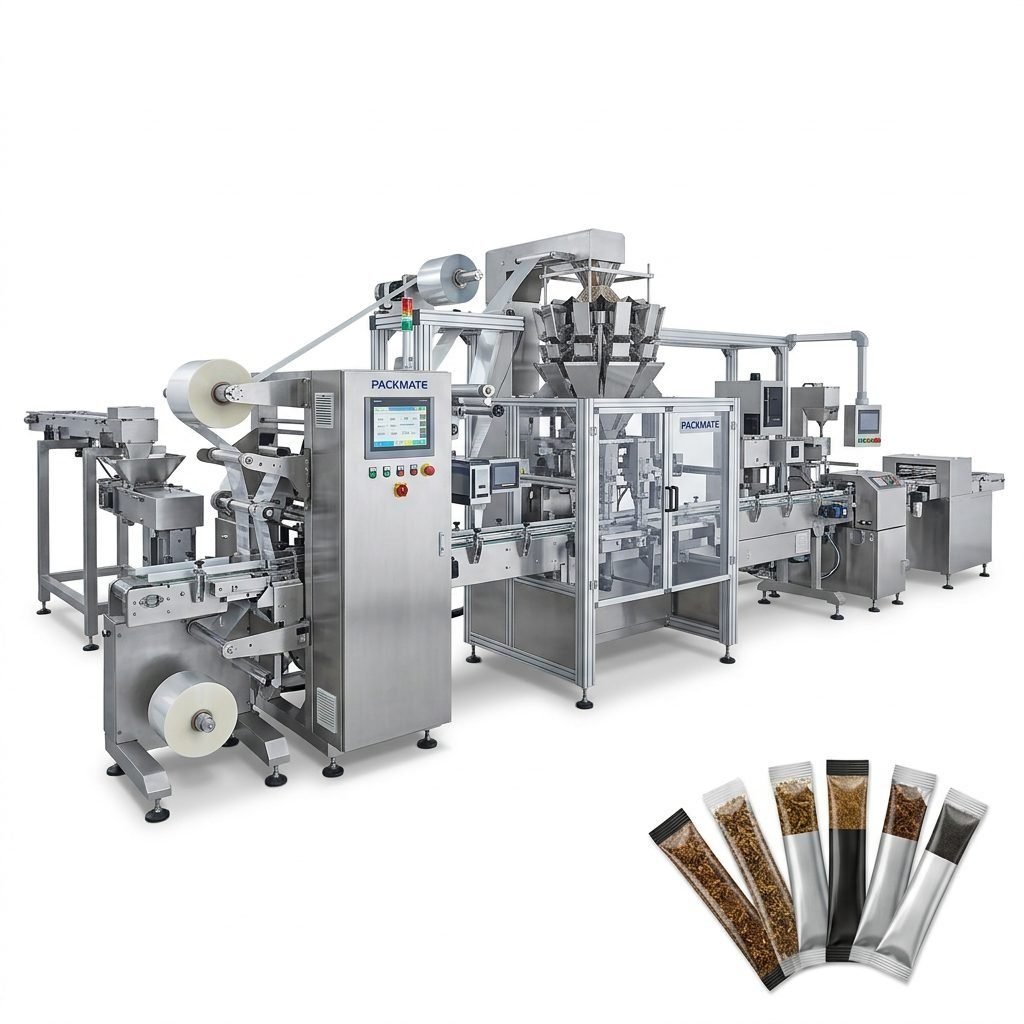
Choosing the right snus packaging machine supplier for your factory in Djibouti is more than a procurement decision — it’s a strategic move that affects product consistency, regulatory compliance, and your ability to serve both local and regional markets. This guide walks you through practical, culturally aware, and technical checkpoints to help you select a supplier who matches your production goals, budget, and the unique market realities of Djibouti.
Why the supplier choice matters in Djibouti
Djibouti’s geographic position at the entrance to the Red Sea makes it a logistics hub for the Horn of Africa, but it also means you must pay close attention to import regulations, port handling rules, and local business customs. The country is predominantly Muslim and influenced by French and Arabic administrative frameworks — so working with a supplier that understands local sensitivities, customs clearance processes, and can provide clear documentation in English and French will save time and reduce legal risk.
Key Djibouti-specific considerations
✔︎ Customs & documentation: Ensure the supplier provides complete CE, ISO certificates and packing lists that match Djiboutian import requirements. Having clear French-language documentation can be a plus.
✔︎ Religious & social usage trends: While snus and nicotine pouches are legal commodities in many jurisdictions, consumer acceptance in Djibouti and neighboring markets can vary. Suppliers who can advise on market packaging aesthetics and labeling sensitivity will help you introduce products more thoughtfully.
✔︎ Logistics & spare parts: Choose a supplier with reliable export experience to East Africa and the ability to ship spare parts quickly, or provide local stocking options through regional partners.
Technical factors: what your factory needs to evaluate
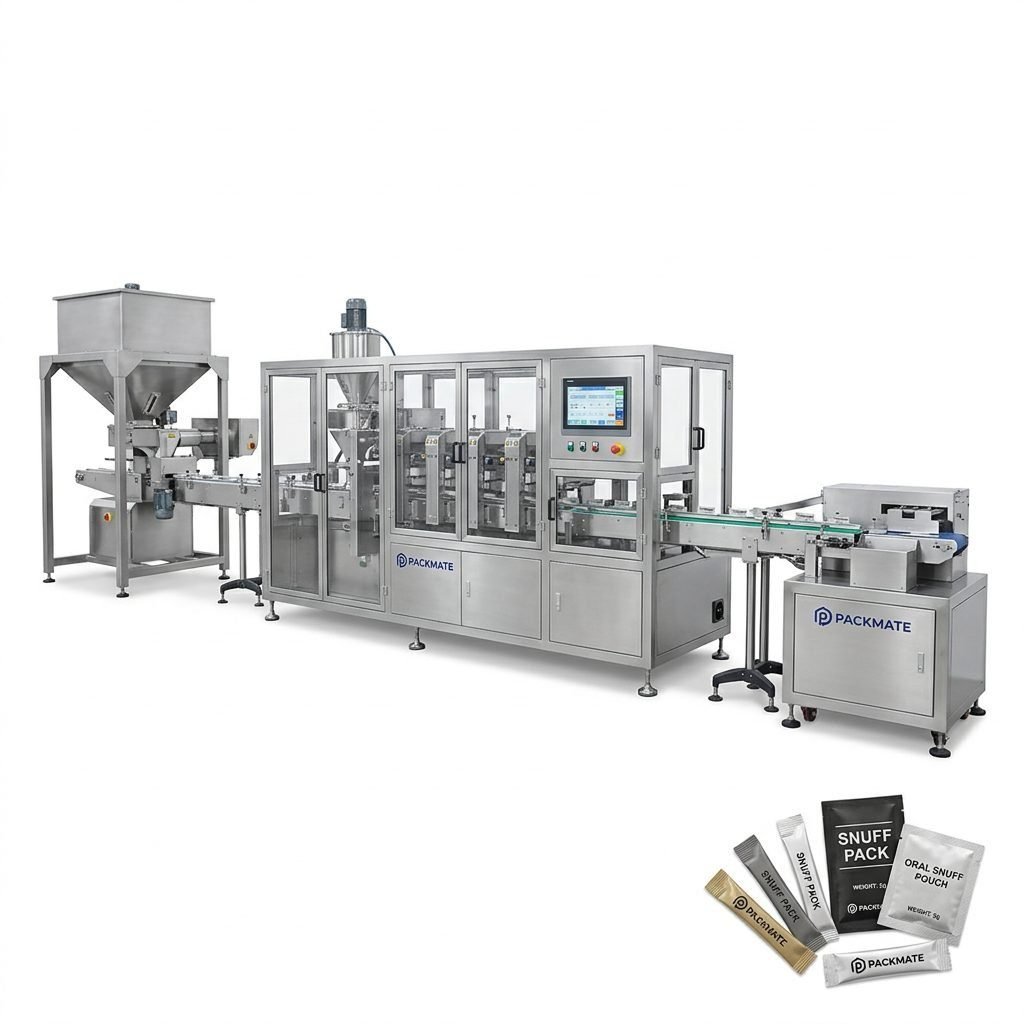
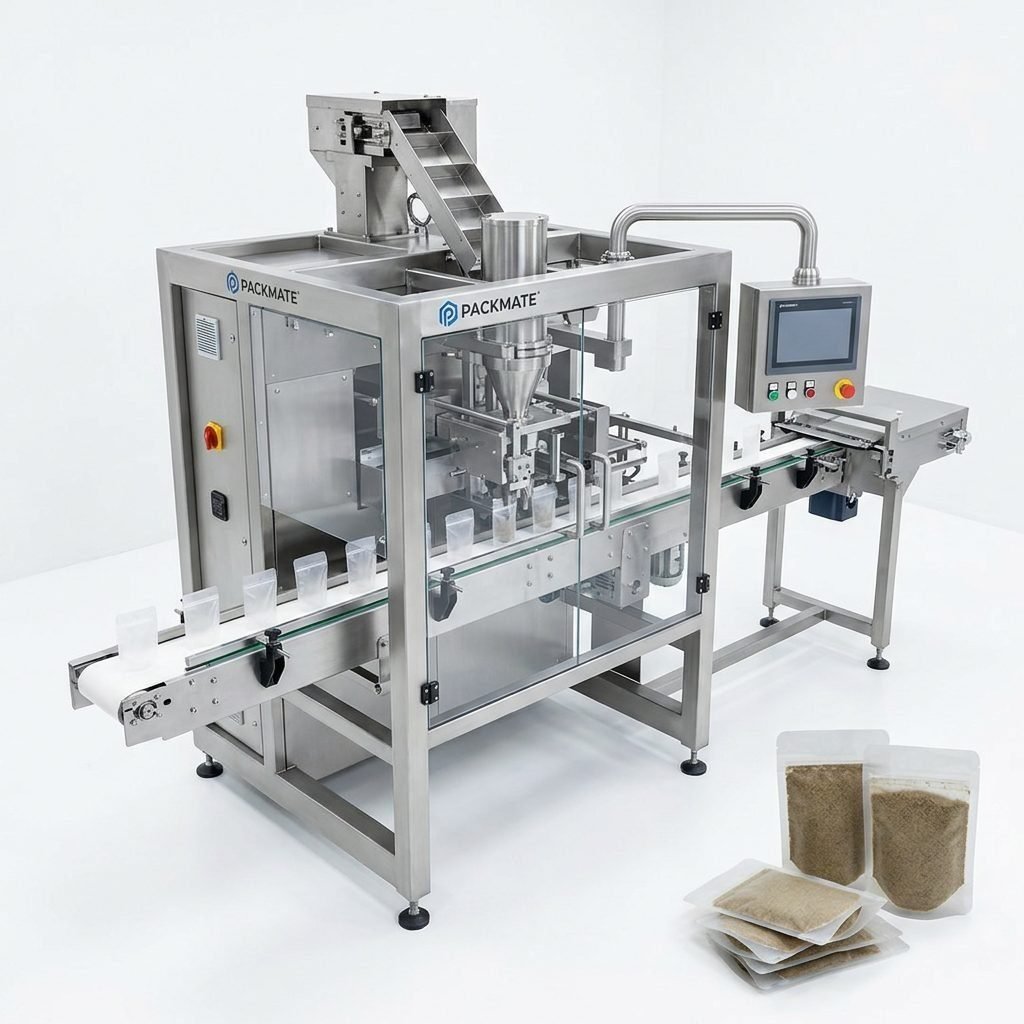
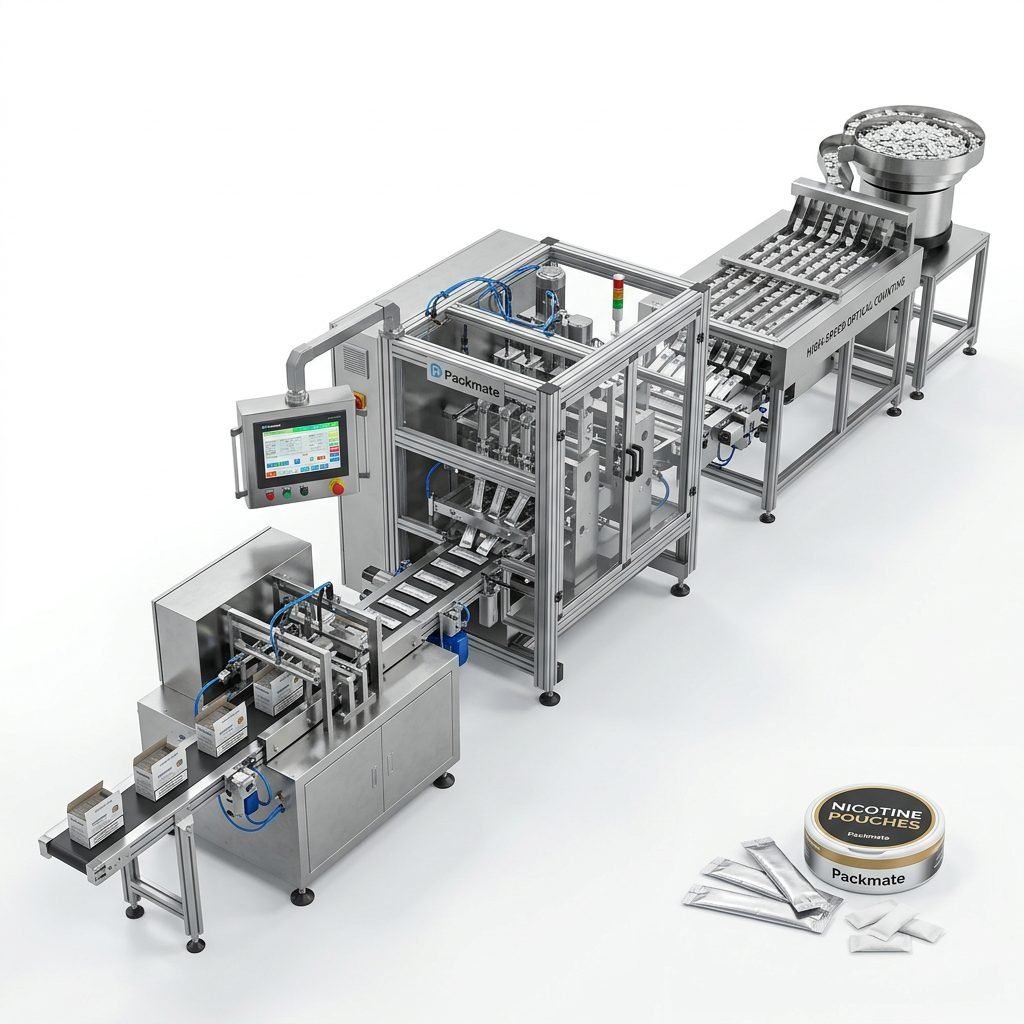
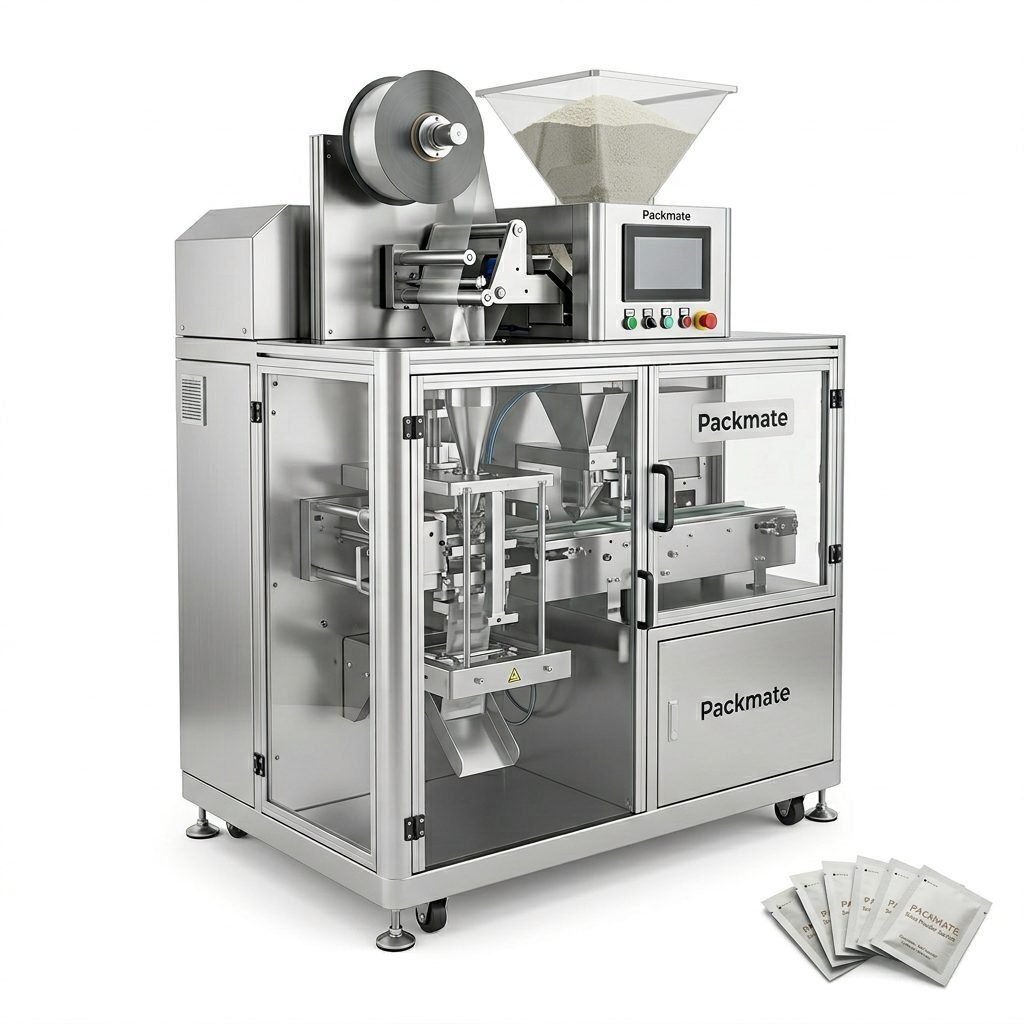
Machines differ in lane count, speed, dosing accuracy, and compatibility with different pouch formats. For a snus production line you should evaluate:
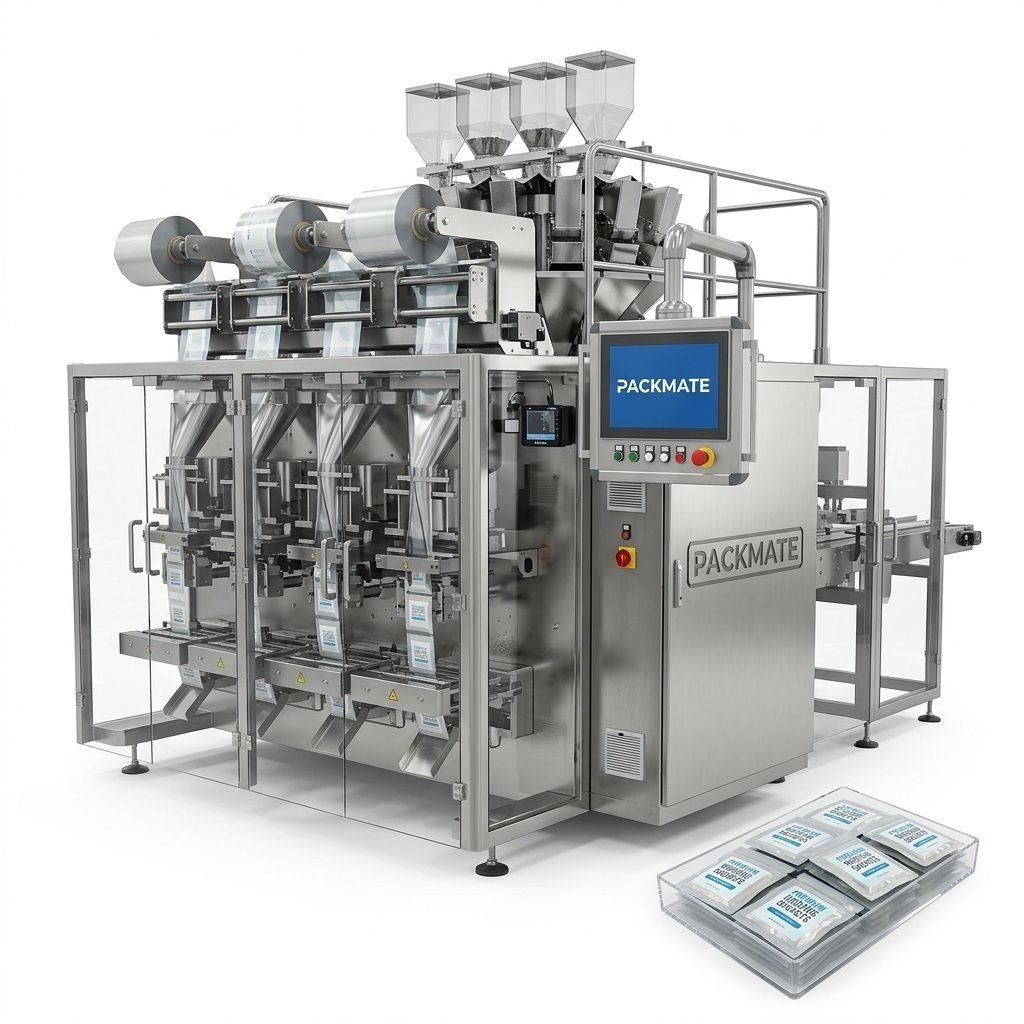
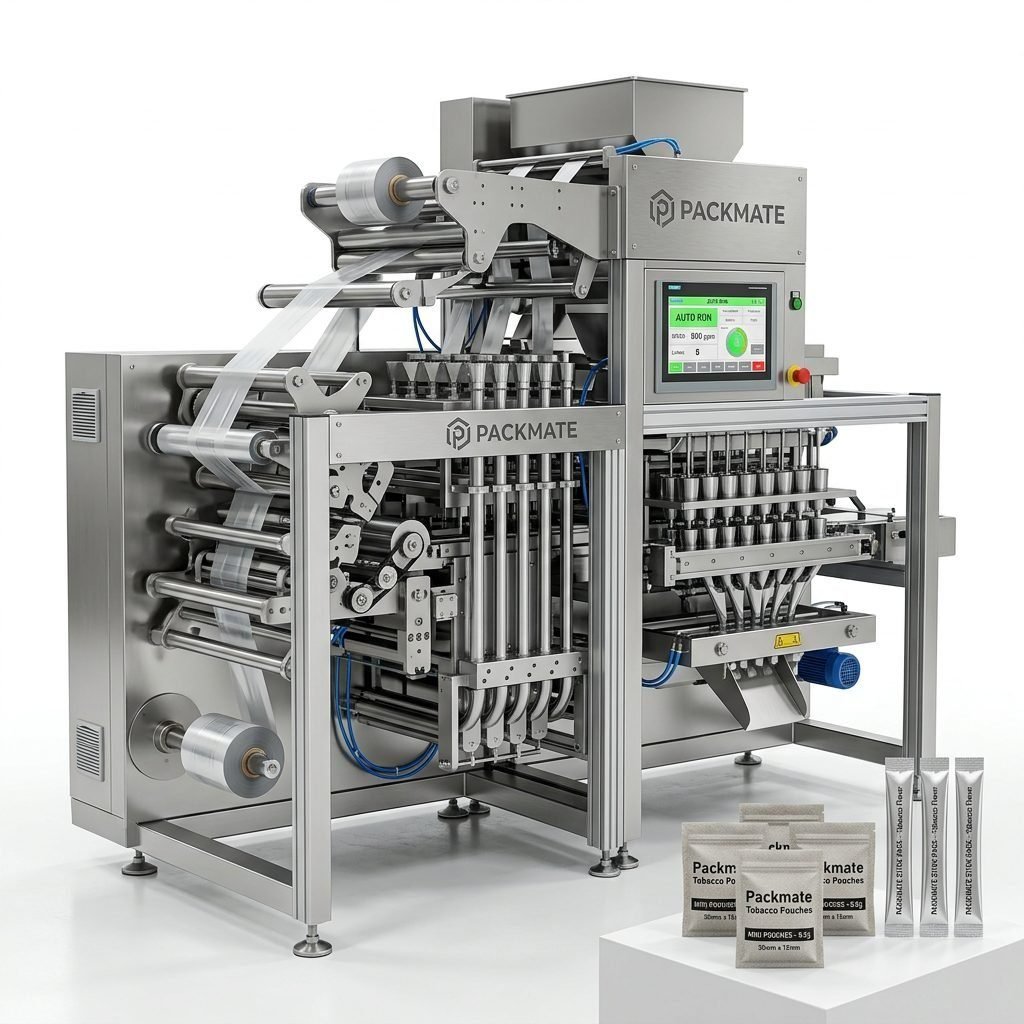
• Format versatility: multi-lane systems for small-dose pouches, stick pack, sachet and pouch formats allow you to diversify SKUs without major retooling.
• Speed & throughput: choose machines aligned with your target output; higher speed machines require more precise installation and maintenance.
• Accuracy & waste reduction: look for accurate weigh-dosing and low rejection rates — these impact raw material cost and product quality.
• Hygiene & cleanability: stainless contact parts and easy-to-clean designs are critical for nicotine pouch lines to prevent cross contamination and simplify sanitation.
Supplier capabilities to verify
A strong supplier will demonstrate manufacturing strength, after-sales support, and relevant industry experience. When evaluating a supplier, confirm the following:
Manufacturing footprint: verify factory size, machining centers, and production capacity. Suppliers with advanced CNC and precision assembly lines typically produce more reliable machines.
Experience in snus & nicotine packaging: Packaging nicotine pouches requires specific dosing and sealing expertise. Check for a proven product portfolio and industry references.
Compliance & certifications: CE and ISO certifications are useful indicators of compliance with international safety and quality standards.
Use Packmate’s strengths as an example
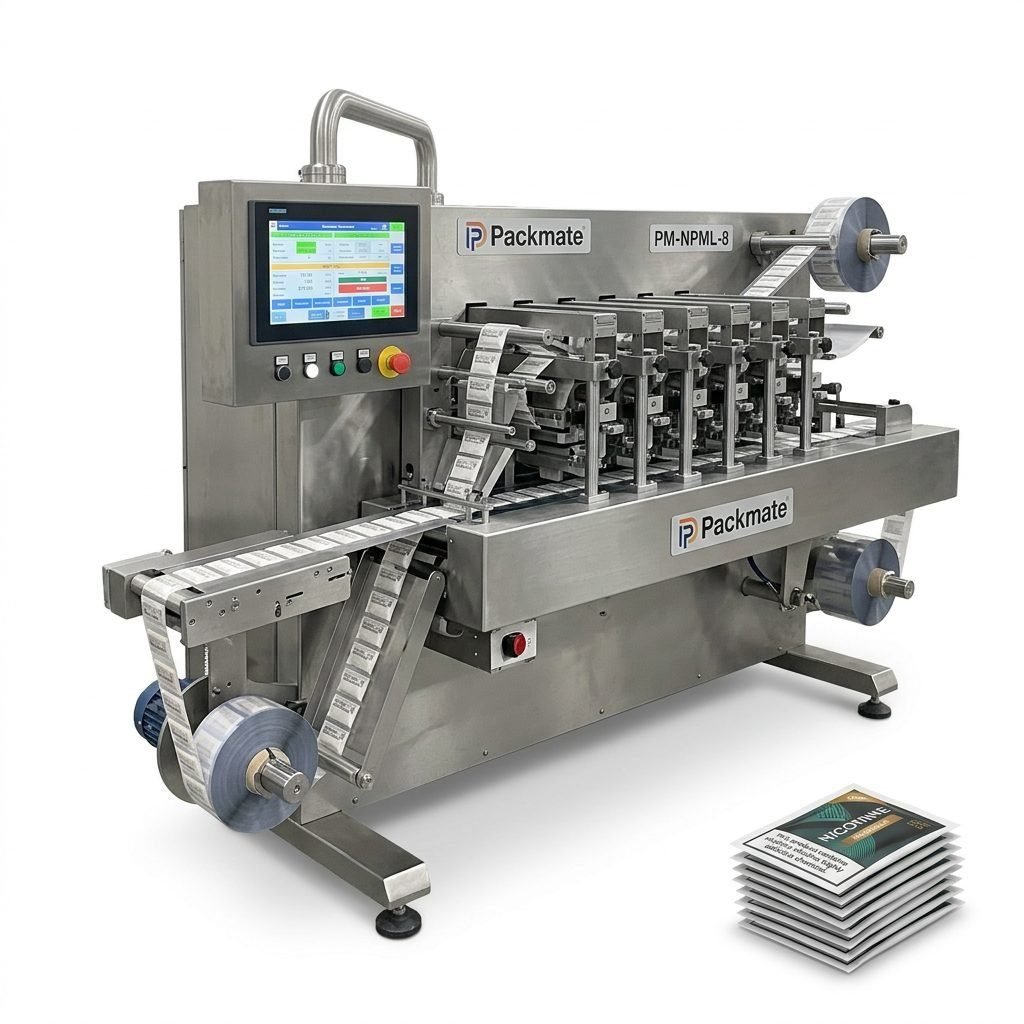
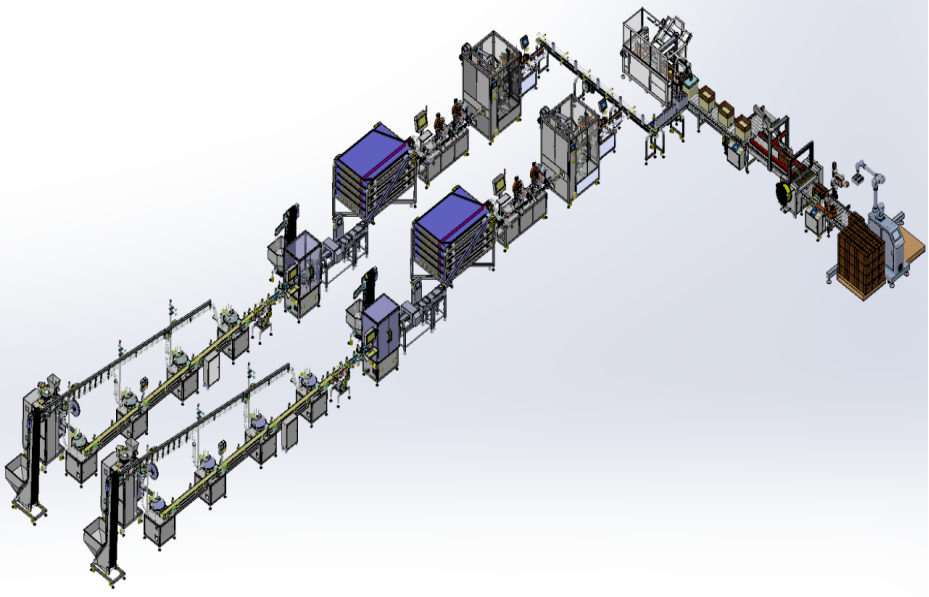
If you want a concrete example of a capable supplier, consider a manufacturer with over 30 years of engineering experience, a 20,000㎡ factory, and a portfolio of snus-specific machines and turnkey lines. Such a supplier typically offers:
• Multi-lane systems and stick pack/sachet equipment compatible with nicotine pouches.
• On-site testing, pre-shipment inspections, and sample runs to validate performance.
• Global exhibition presence and case studies demonstrating international installations.
Practical procurement checklist
Before placing an order, go through this practical checklist. Each item reduces risk and helps ensure the supplier delivers what you expect:
✅ Detailed technical specs: motor types, PLC brand, electrical requirements, and spare parts lists.
✅ Factory acceptance testing (FAT): request live trials with your product formulation or a close analogue.
✅ Lead time & shipping plan: clear manufacturing timeline and FOB/CIF terms that account for Djibouti port transit times.
✅ Spare parts and maintenance: kits for wear parts, recommended stocking levels, and remote troubleshooting options.
✅ Training & on-site commissioning: ensure supplier provides installation engineers and operator training upon arrival.
Negotiating warranty, support and training
Emphasize warranty terms that cover both parts and workmanship. For Djibouti, where local technical resources may be limited, consider the following:
• Remote support: video troubleshooting, PLC password access, and online spare parts portals.
• Training programs: structured operator and maintenance training with certificates; request training materials in English and French if possible.
• Local partner options: ask if the supplier has regional agents or service partners who can provide faster support on-site in East Africa.
Cost versus value: total cost of ownership
The lowest purchase price rarely equates to the best value. Look at the total cost of ownership (TCO) which includes spare parts, downtime risk, energy consumption, operator training, and expected machine lifetime. A robust machine with a higher upfront cost may deliver lower TCO through reduced waste, higher uptime, and easier maintenance.
Testing, samples, and acceptance
Arrange for sample development and testing before final acceptance. A supplier that can run your exact snus or nicotine pouch formulation on their machines and provide video evidence or invite you to a factory acceptance test is demonstrating transparency and confidence in performance.
Useful resources and links
Explore trusted product pages for further technical details and examples of packaging solutions:
• Snus & Nicotine Packaging Machines
• Sachet & Stick Pack Machines
• About Packmate — learn about factory capability and company history.
Selecting the right partner — step-by-step
Follow this pragmatic sequence to finalize your supplier decision:
1. Define your product formats, target throughput, and budget range.
2. Shortlist suppliers with proven snus/nicotine packaging experience and relevant certifications.
3. Request detailed proposals including technical specs, FAT videos, spare parts lists, and lead times.
4. Negotiate warranty, training, and commissioning terms; require bilingual documentation if needed.
5. Finalize shipping terms and customs support; plan for spare parts stocking and local maintenance capability.
Common red flags to avoid
⚠️ Vague technical specs: ambiguous motor power, missing PLC or servo brand, or unclear electrical requirements.
⚠️ No FAT or sample runs: refusing to demonstrate machine performance is a major risk.
⚠️ Limited spare parts availability: long replacement lead times increase downtime costs in Djibouti’s remote context.
Final decision: balancing risk, cost and local fit
The best supplier for a Djibouti-based factory is the one that delivers reliable technical performance, clear documentation for customs and regulatory review, and accessible after-sales support. Prioritize suppliers that offer transparent testing, proven spare parts logistics, and training programs — especially those who have exported to East Africa or have regional partners.
Frequently Asked Questions
Q1: How important are CE and ISO certificates when importing machines into Djibouti?
A1: Very important — customs and import authorities often require recognized certificates to clear industrial machinery. Certificates also give assurance on safety and quality.
Q2: Can a supplier assist with customs clearance and shipping logistics to Djibouti port?
A2: Many experienced suppliers provide shipping support and documentation; ask for references and confirm Incoterms (FOB/CIF) during negotiation.
Q3: What spare parts should I stock locally for snus packaging machines?
A3: Keep motor belts, sealing jaws, sensors, PLC spare modules, and common wear parts on hand; suppliers usually recommend a starter kit based on machine model.
Q4: Is on-site training necessary for local operators in Djibouti?
A4: Yes. On-site commissioning and training accelerate ramp-up time and reduce operator errors. Request bilingual manuals if needed.
Q5: How can I verify a supplier’s claims about machine performance?
A5: Ask for FAT videos, sample runs with your product, client references, and case studies; if feasible, visit the factory or attend an exhibition demonstration.