Finding a reliable snus packaging machine supplier is a critical step for Icelandic entrepreneurs and distributors planning to enter the nicotine pouch or related markets. This guide explains how to evaluate suppliers, what technical and regulatory factors to consider in Iceland, and practical buying steps — so you can select equipment that matches your production goals, local customs, and compliance requirements.
Understand the Icelandic Market and Local Considerations
Iceland has a small but discerning consumer base, high environmental standards, and careful oversight of tobacco and nicotine products. Before purchasing equipment, take into account:
- 🔍 Regulatory clarity — Verify whether your intended product (snus, nicotine pouches, or herbal pouches) is permitted for sale or import in Iceland and ensure labeling and ingredient disclosures meet local rules.
- 📦 Sustainability expectations — Icelandic customers tend to value eco-friendly packaging and low-waste production. Consider machines that support recyclable pouches or reduced material use.
- 🧑🔧 Serviceability and remote support — Due to Iceland’s geography, pick suppliers offering robust remote diagnostics, spare parts shipping, and clear service plans.
Know the Main Types of Snus Packaging Machines
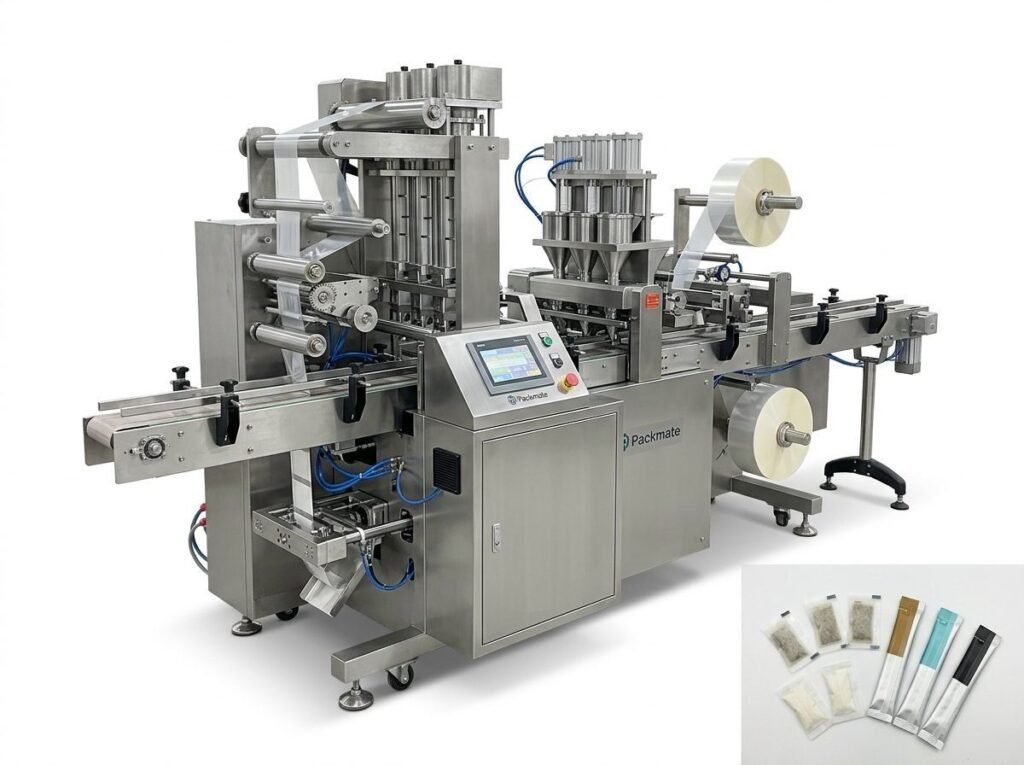
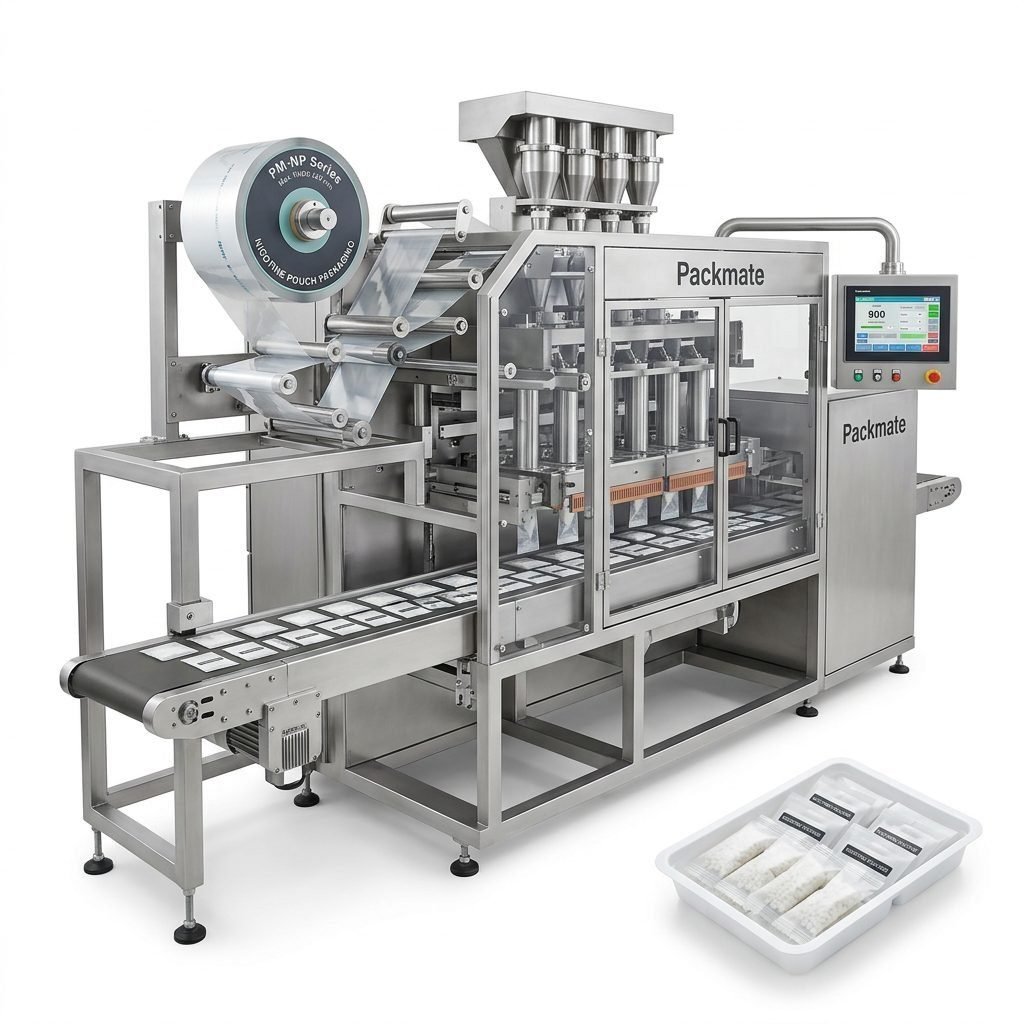
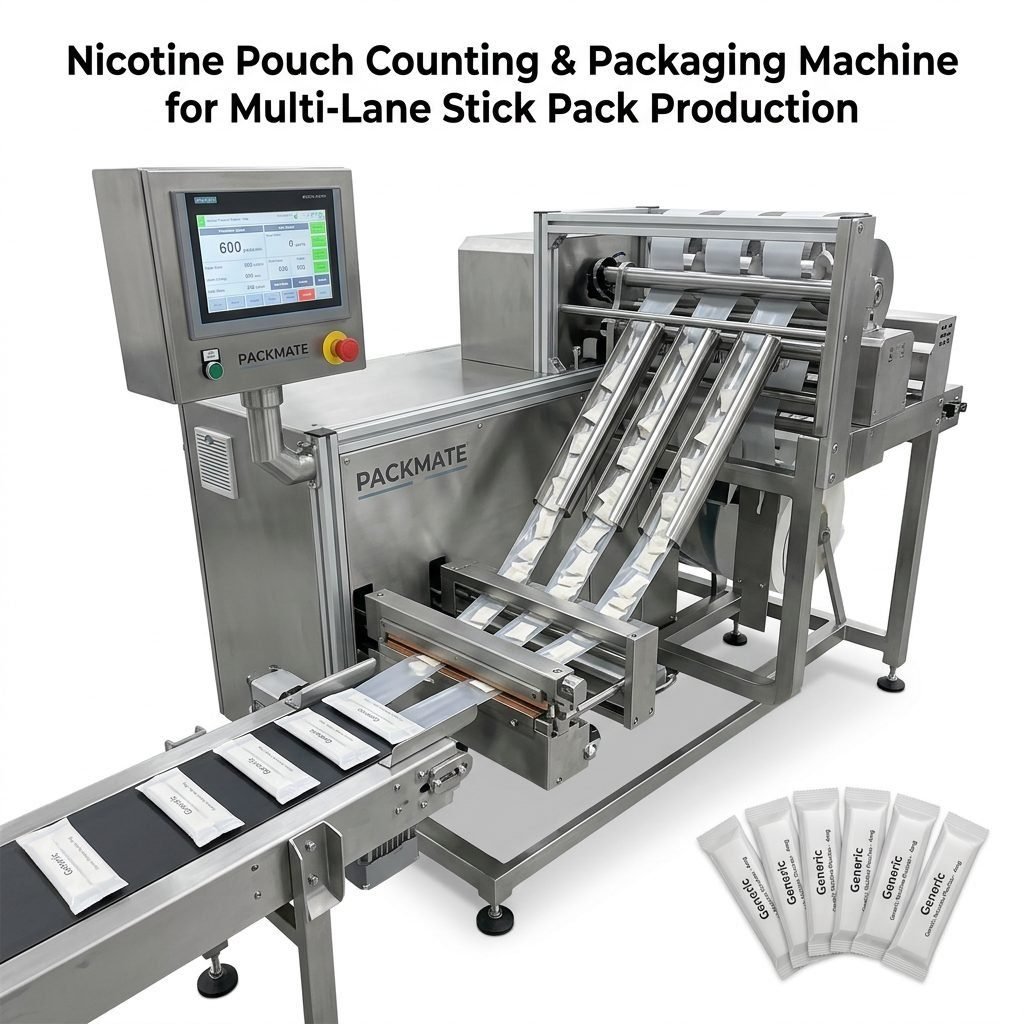
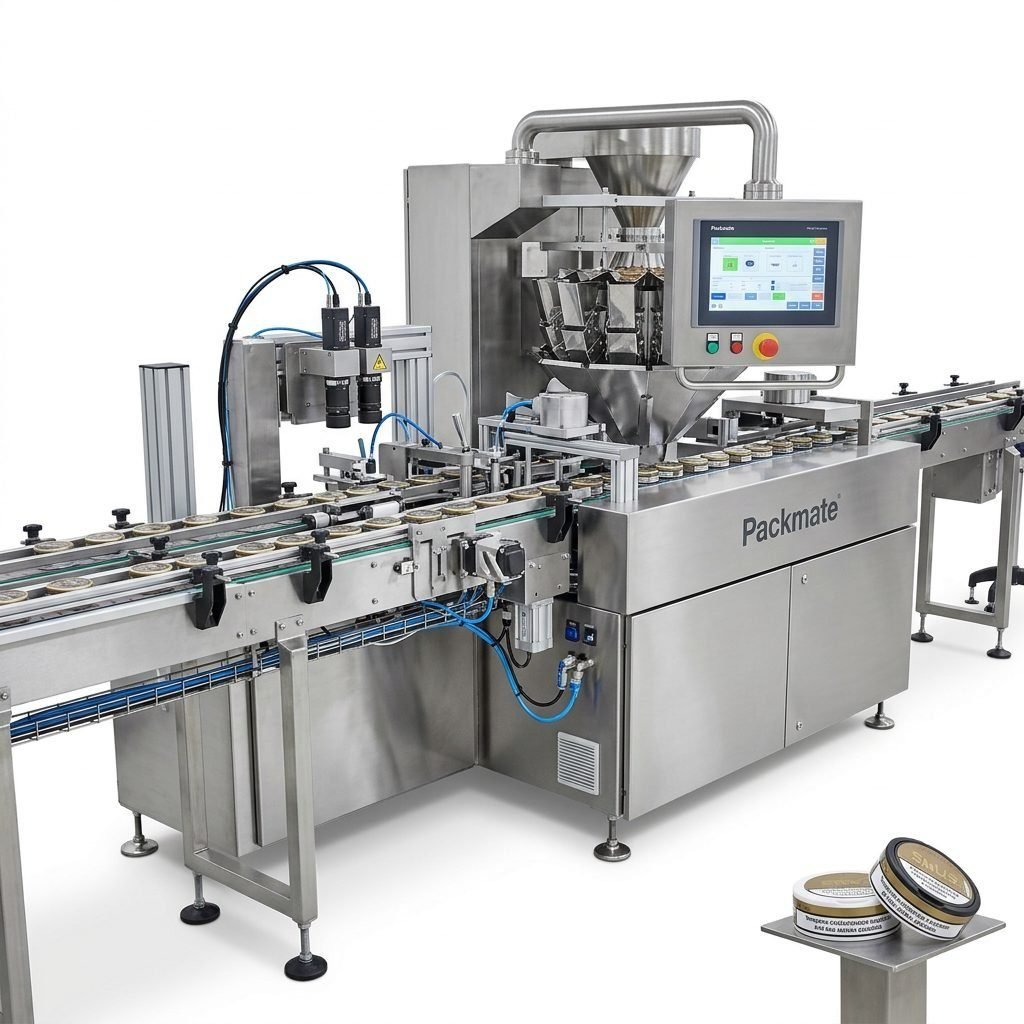
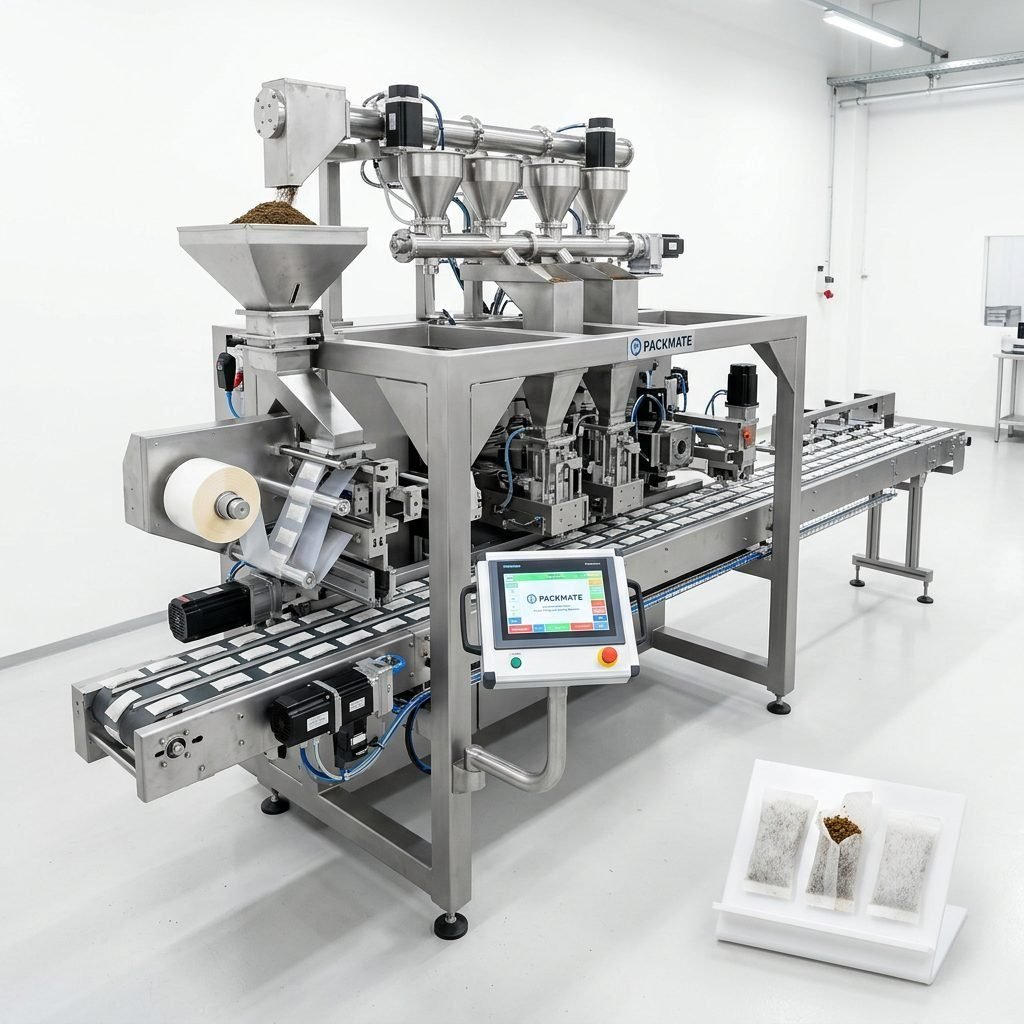
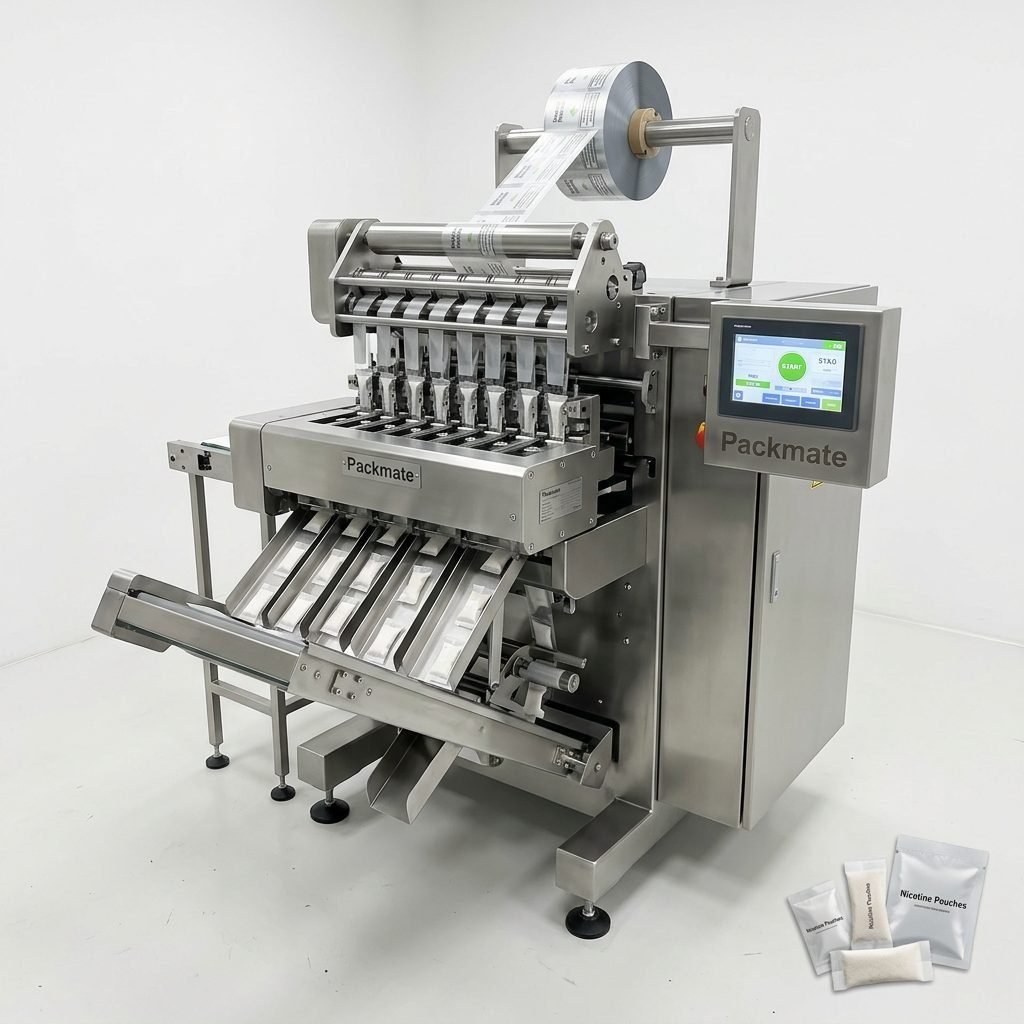
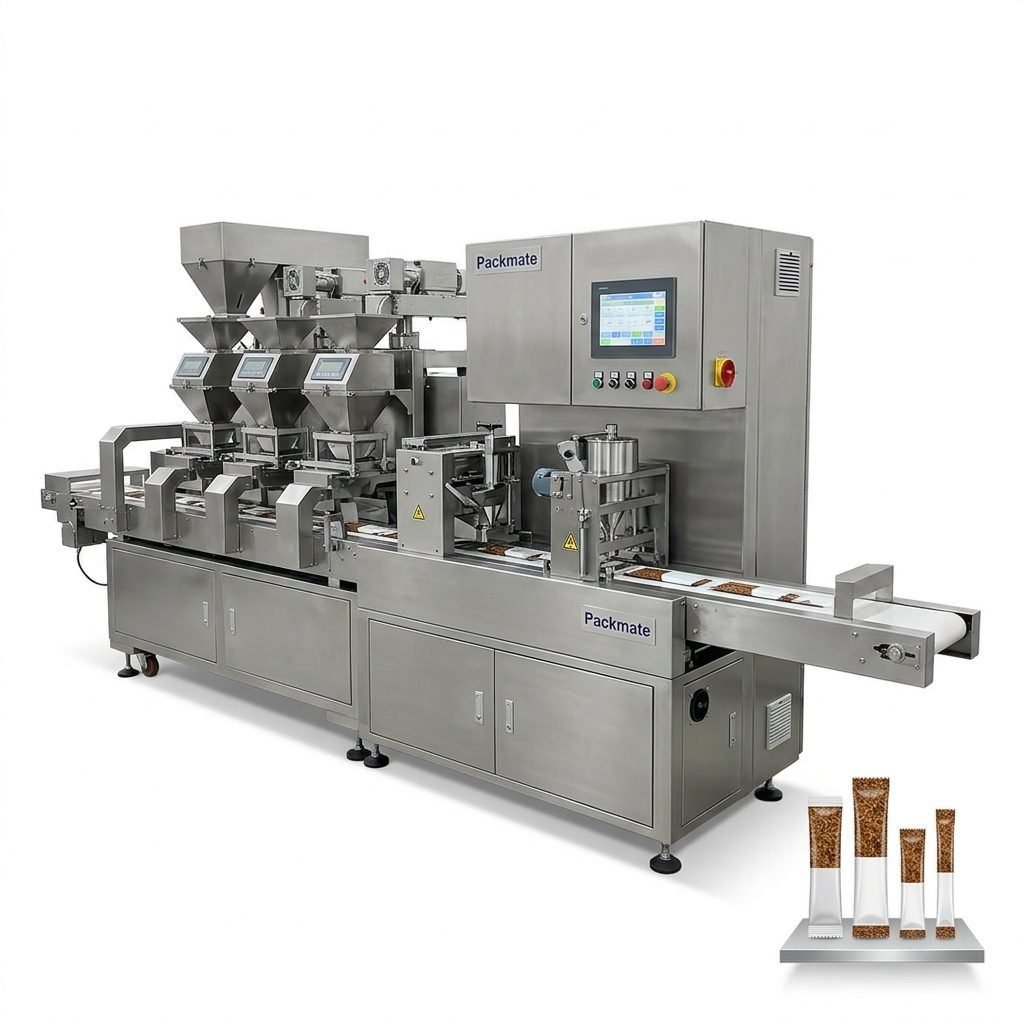
Different product formats require different solutions. Common machine categories include multi-lane pouch fillers, stick pack machines, sachet machines, and complete filling and packaging systems. Learn the differences so you choose the right line for product format, speed, and budget.
- Multi-lane snus pouch machines for high output and small-dose pouches.
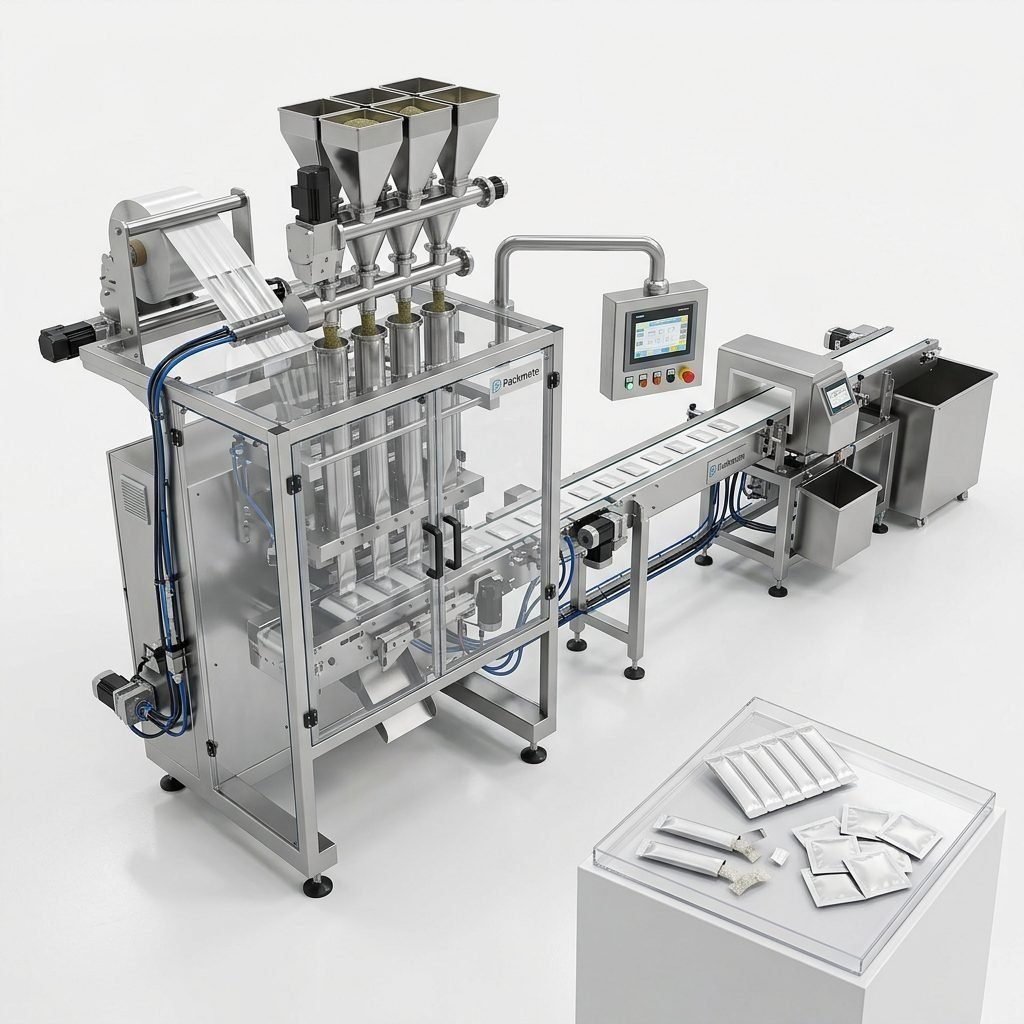
- Stick pack or sachet machines for single-dose formats and promotional packs.
- Integrated weighing and filling systems for powder or granular tobacco alternatives.
For manufacturer product lines see Snus & Nicotine Packaging Machines.
Key Specifications to Compare
When evaluating machines, focus on performance metrics and adaptability:
- ⚙️ Output speed (pouches per minute) — ensure it matches your estimated production and scalability plans.
- 🔧 Changeover time — quick format changes reduce downtime when experimenting with different pouch sizes.
- 🔒 Precision and dosing accuracy — critical for nicotine content control and regulatory compliance.
- 🧼 Hygiene and material compatibility — look for food/pharma-grade contact parts if producing consumable pouches.
Factory Capabilities and Certifications
Assess the supplier’s manufacturing strength and quality assurance processes. A reputable supplier should offer clear evidence of:
✅ Certifications — CE and ISO compliance are industry expectations for export-grade equipment.
✅ Experience — companies with multi-decade experience typically handle custom requests and complex lines better.
For one example of a manufacturer profile and credentials, review About Packmate.
Questions to Ask Potential Suppliers
A checklist of technical and commercial questions can reveal a supplier’s reliability:
- 📄 What reference installations or case studies can you share? (Ask for photos, videos, or customer contacts.)
- 🛠 What warranty, spare parts availability, and service options do you provide in remote regions like Iceland?
- 🔁 Can the machine handle my planned pouch formats and future expansions?
- 🚚 What logistics and packaging provisions are made for safe sea/air shipment to Iceland?
- 📊 Can you provide test runs or sample packs demonstrating dosing accuracy and sealing quality?
Factory Visit and Machine Testing
If possible, schedule a factory visit or request a live demo. Important checks during a visit:
- 👀 Observe a full production run with your materials or close analogs.
- 🧩 Inspect component quality: conveyors, filling heads, PLC/HMI systems, and safety guards.
- 📄 Review assembly and quality control documentation, calibration certificates, and test logs.
After-sales Support and Spare Parts
Long-term uptime depends on quick access to spare parts and responsive technical support. Ask about:
- ⏱ Average spare-parts lead times to Iceland and options for air shipment.
- 💬 Remote troubleshooting tools (video support, remote PLC access) and language support.
- 🔁 Preventive maintenance plans, training packages for local technicians, and documentation in English (and Icelandic if available).
Logistics, Import Duties and Compliance in Iceland
Shipping heavy machinery to Iceland requires planning. Key points:
- 🚢 Choose suppliers experienced in ocean freight packaging, skid securing, and customs documentation.
- 💼 Confirm HS codes, expected import duties, and any licensing needed for nicotine-related equipment or consumables.
- 🌍 Environmental and recycling requirements — ensure packaging materials comply with Icelandic waste regulations.
How to Compare Quotes and Avoid Hidden Costs
A thorough quote should include machine price, testing, packaging, shipping to port, installation, commissioning, training, and warranty terms. Watch for:
- 💡 Clear scope — ensure responsibilities for installation, electricity, piping, and local mounting are defined.
- 🧾 Spare parts kit — include a starter parts kit to reduce initial downtime risk.
- 📅 Lead time and penalties — confirm delivery timelines and any contractual remedies for delays.
Selecting a Supplier: Practical Scoring Approach
Create a weighted scoring sheet to compare suppliers objectively. Common criteria and suggested weight:
- Performance & technical fit — 30%
- Quality & certifications — 20%
- Service & spare parts — 20%
- Price & total cost of ownership — 20%
- References & factory capability — 10%
Why a Turnkey Solution Might Make Sense for Iceland
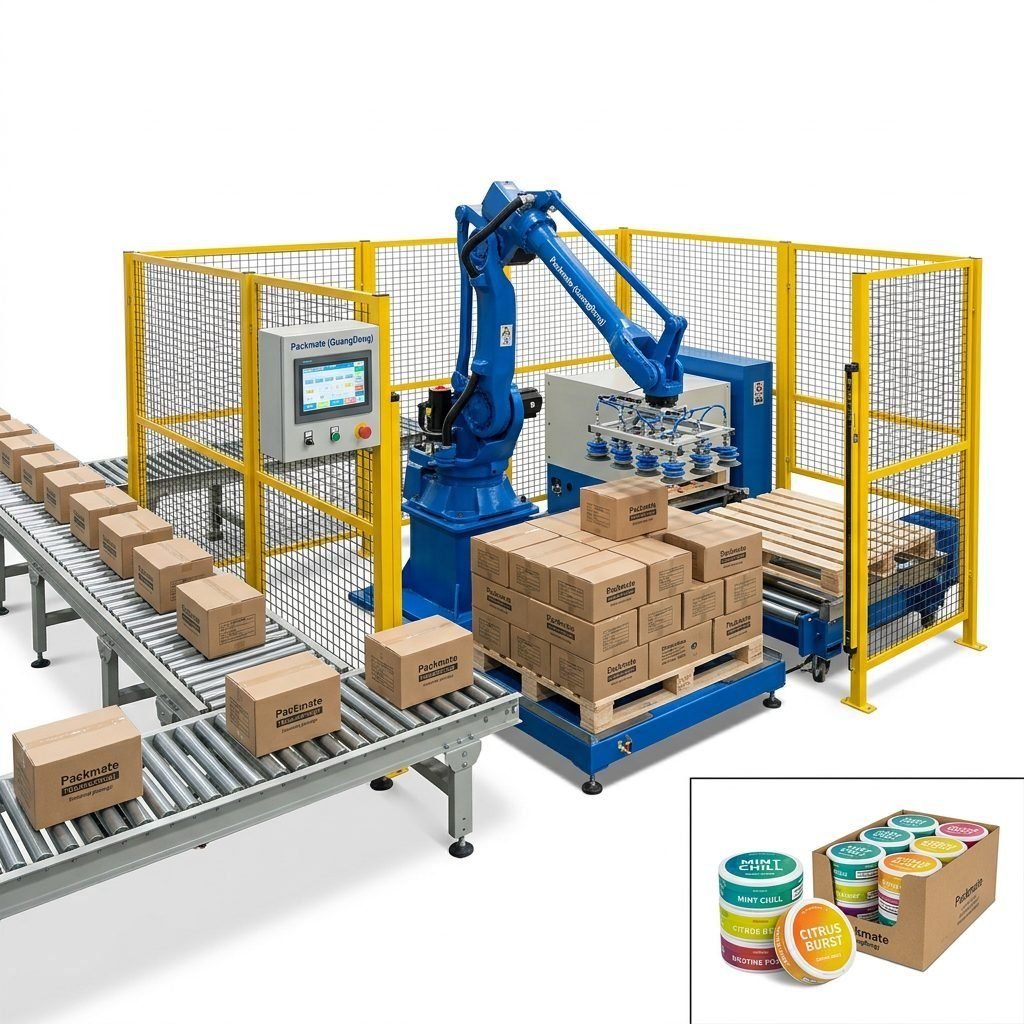
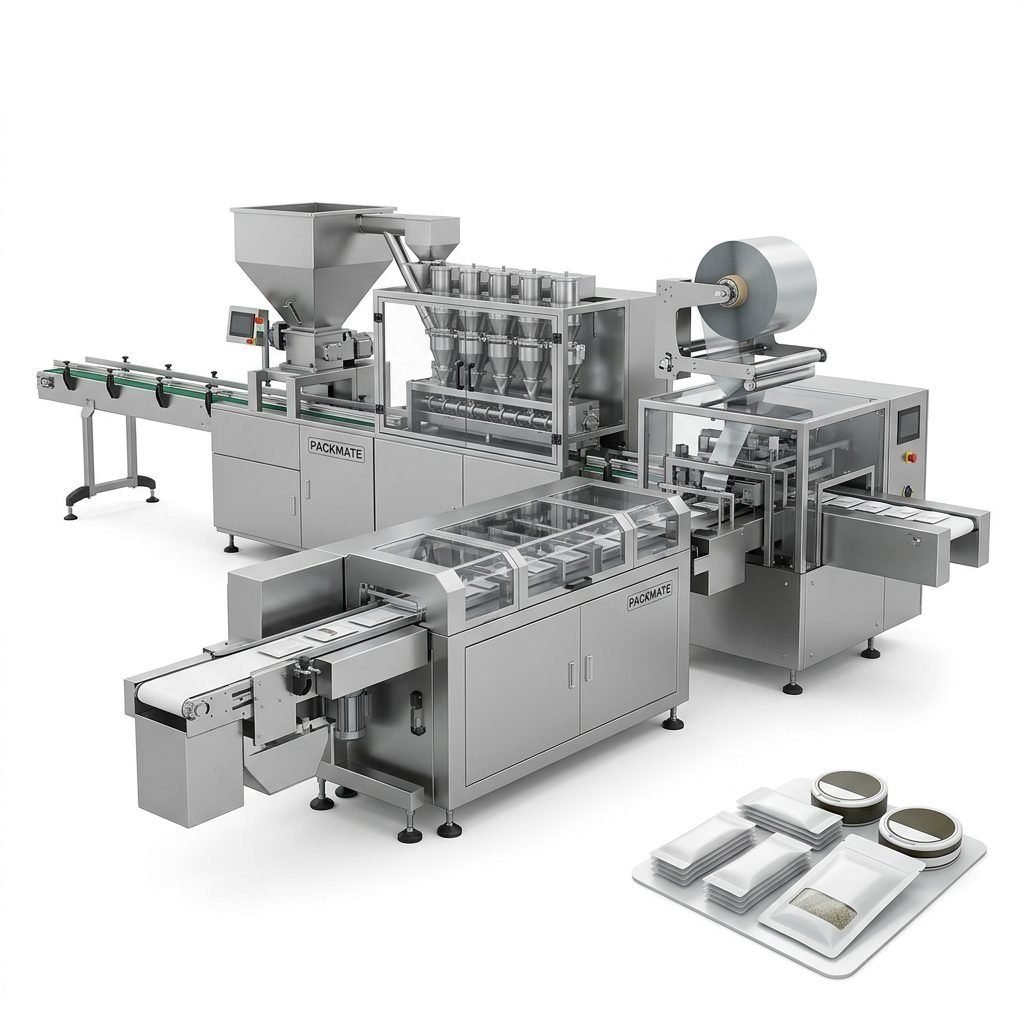
Because of the logistical complexity and the need to meet strict standards, many Icelandic buyers prefer turnkey suppliers who deliver integrated lines: weighing, filling, sealing, and secondary packers. A turnkey approach reduces interface risks between equipment vendors and simplifies commissioning and training.
If you are evaluating turnkey providers, investigate their full-line offerings including auxiliary equipment. See examples of complete solutions in Filling & Packaging Lines.
Vendor Trust Signals
- 📑 Transparent documentation, downloadable catalogs, and clear contact channels.
- 🌐 Regular exhibition presence and international shows indicate market engagement — check their Exhibition page.
- 🏅 Verified certifications (CE, ISO) and published mission/vision statements reflect long-term reliability — see their Mission & Vision.
Final Selection Checklist Before Purchase
- Confirm product legality and labeling rules in Iceland with local counsel or customs officials.
- Obtain sample packs produced on your machine configuration and verify dosing accuracy.
- Agree on installation, training, and warranty terms in writing.
- Ensure spare parts kit and recommended consumables are included in the shipment list.
- Plan for remote support paths and local technician training after commissioning.
When you are ready to request quotes or arrange a demo, contact the supplier’s sales team and request a detailed technical proposal and a timeline. For direct contact and service inquiries, you may use the manufacturer’s contact channels such as Contact Us.
Conclusion
Selecting a reliable snus packaging machine supplier for Iceland requires balancing technical fit, regulatory preparedness, and long-term serviceability. Prioritize suppliers with proven factory capability, clear certifications, robust after-sales support, and transparent logistics experience. With careful vetting and the right contractual protections, you can obtain a packaging line that meets Icelandic expectations for quality and sustainability.
Frequently Asked Questions
Q1: How do I confirm a supplier’s machine will meet Icelandic regulatory requirements?
A1: Ask the supplier for material safety data sheets, labeling support, and sample packs. Consult a local regulatory advisor to confirm product categories and import conditions.
Q2: What after-sales services should I insist on for a remote location like Iceland?
A2: Ensure availability of spare parts kits, defined lead times for replacements, remote diagnostic tools, structured training for your technicians, and clear warranty terms.
Q3: Is it better to buy a single machine or a turnkey packaging line?
A3: If you need fast market entry and minimal integration risk, a turnkey line reduces interface complexity. If you plan gradual scaling or custom product experimentation, modular machines allow flexibility.
Q4: How many references should I request from a supplier?
A4: Ask for multiple recent references, including at least one similar installation (format, speed, and region). Ideally view videos or visit installations where feasible.
Q5: Where can I learn more about machine models and technical specs?
A5: Review the supplier’s detailed product pages and catalogs for specifications and case studies; many manufacturers list product groups like Sachet & Stick Pack Machines and Weighing & Packaging Systems.