Choosing the right snus packaging machinery supplier in Africa requires more than just comparing price tags: it demands an understanding of local market habits, regulatory landscapes, climate challenges, after-sales support expectations, and production goals. This guide walks you through key factors and practical buying tips so you can select a supplier who delivers reliable machines, timely support, and a long-term partnership for your snus, nicotine pouch, or related pouch-packaging business.
Understand Local Market and Cultural Nuances
Africa is not a single market — it is a collection of diverse regions with different consumer habits, purchasing power, and regulatory approaches. In many countries, tobacco and nicotine products may face strict regulation or cultural stigma, while others have evolving markets for alternative nicotine pouches. When evaluating suppliers, consider whether they have experience delivering equipment and solutions to African clients or regions with similar customs and regulations.
📌 Tip: Ask suppliers about prior projects in Africa, how they handled import paperwork, and whether they adapted machine settings for local climate conditions (heat and humidity can affect sealing, pouch materials, and product preservation).
Regulatory Compliance and Certifications
Regulatory standards differ across African countries. Choose a supplier whose machines comply with internationally recognized certifications such as CE and ISO — this shows they follow global safety and quality procedures. Suppliers with documented certification can also help you navigate local approvals more easily.
Types of Machines and Production Flexibility
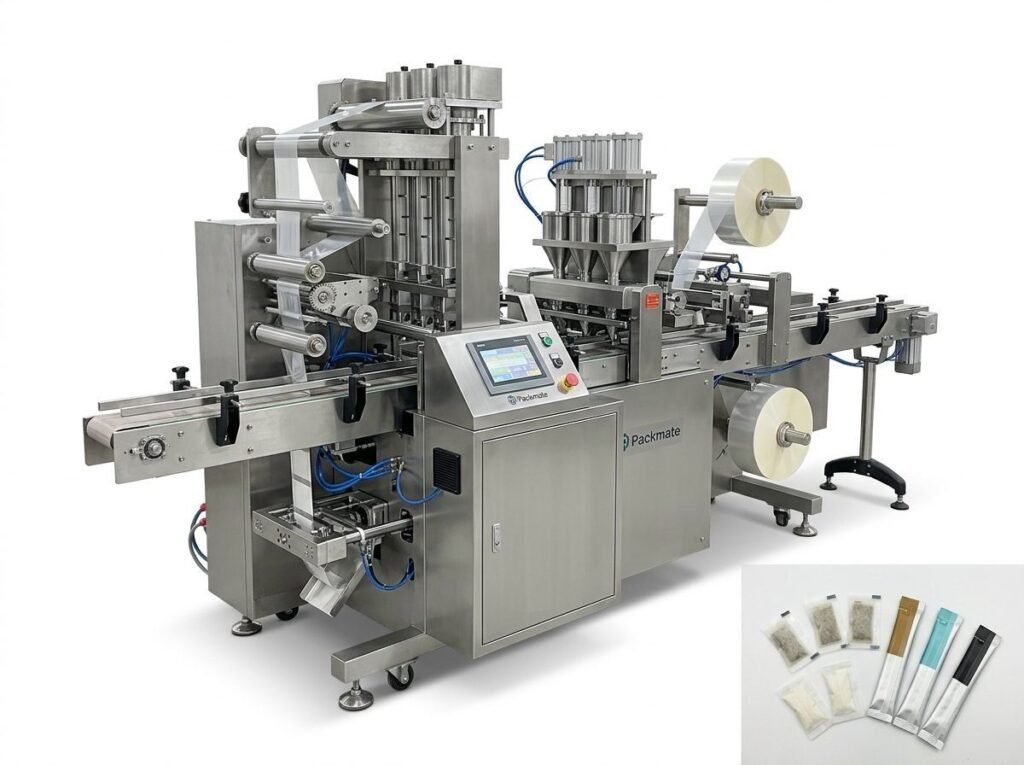
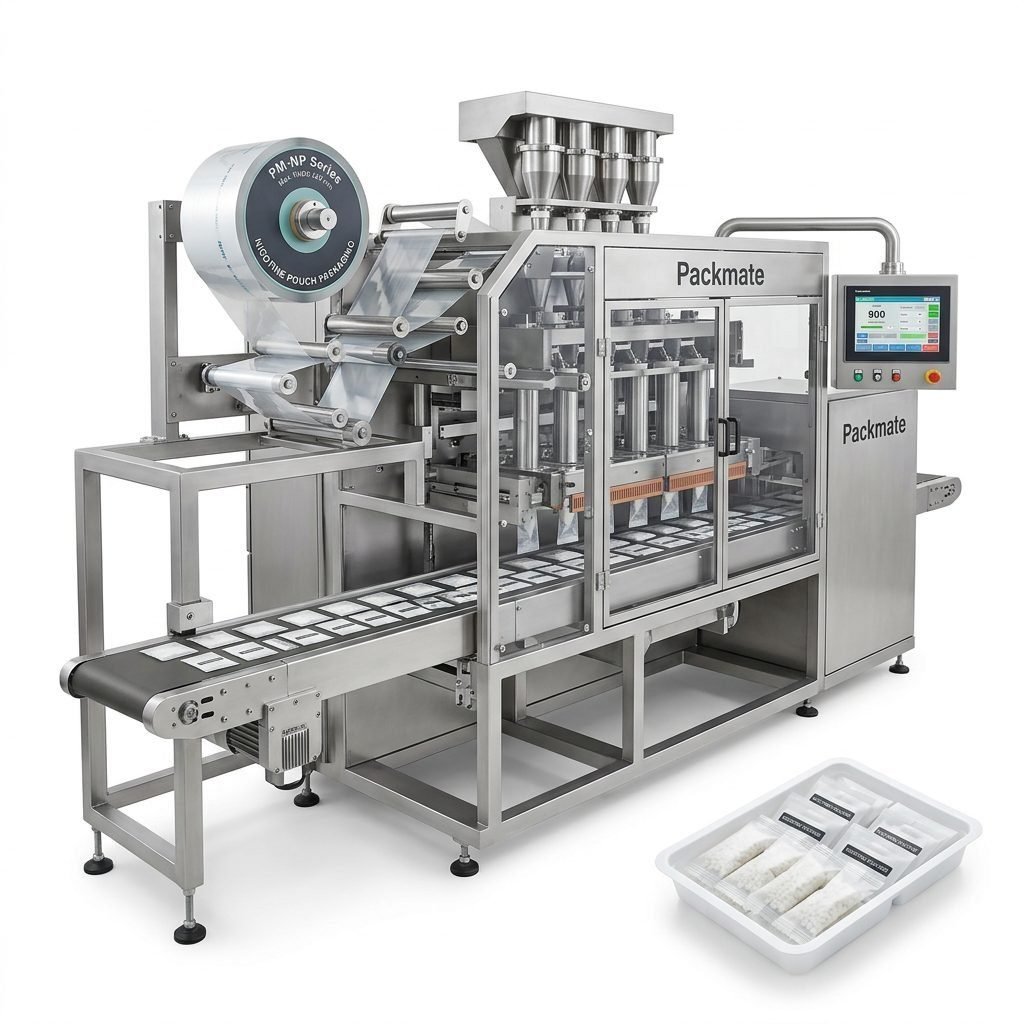
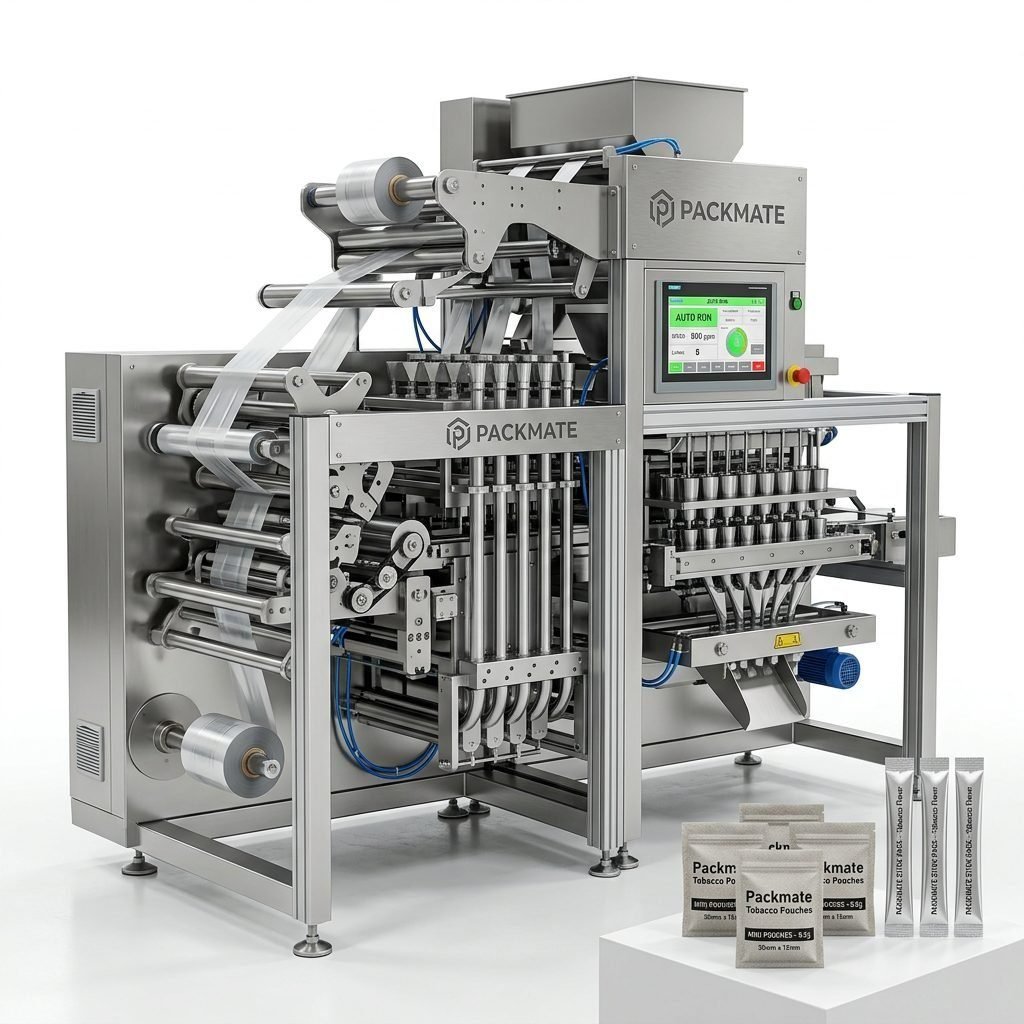
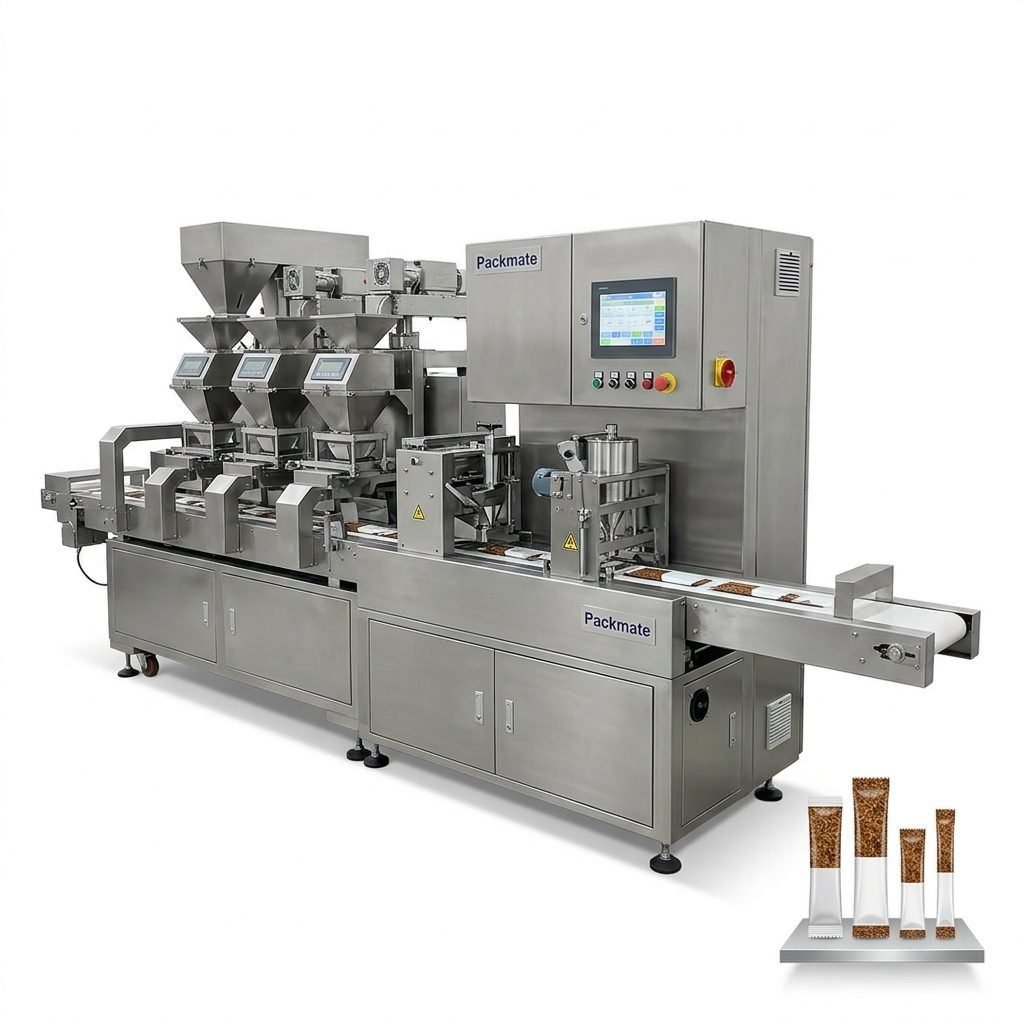
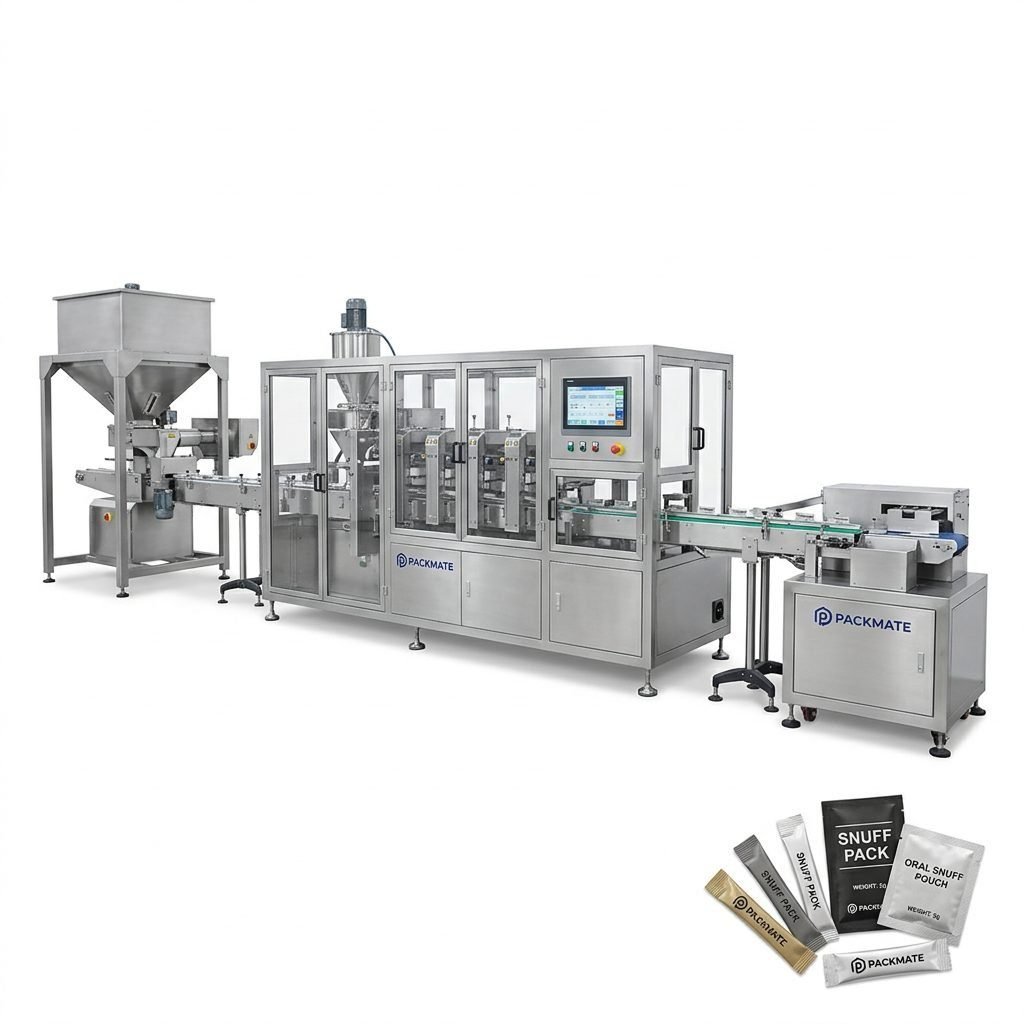
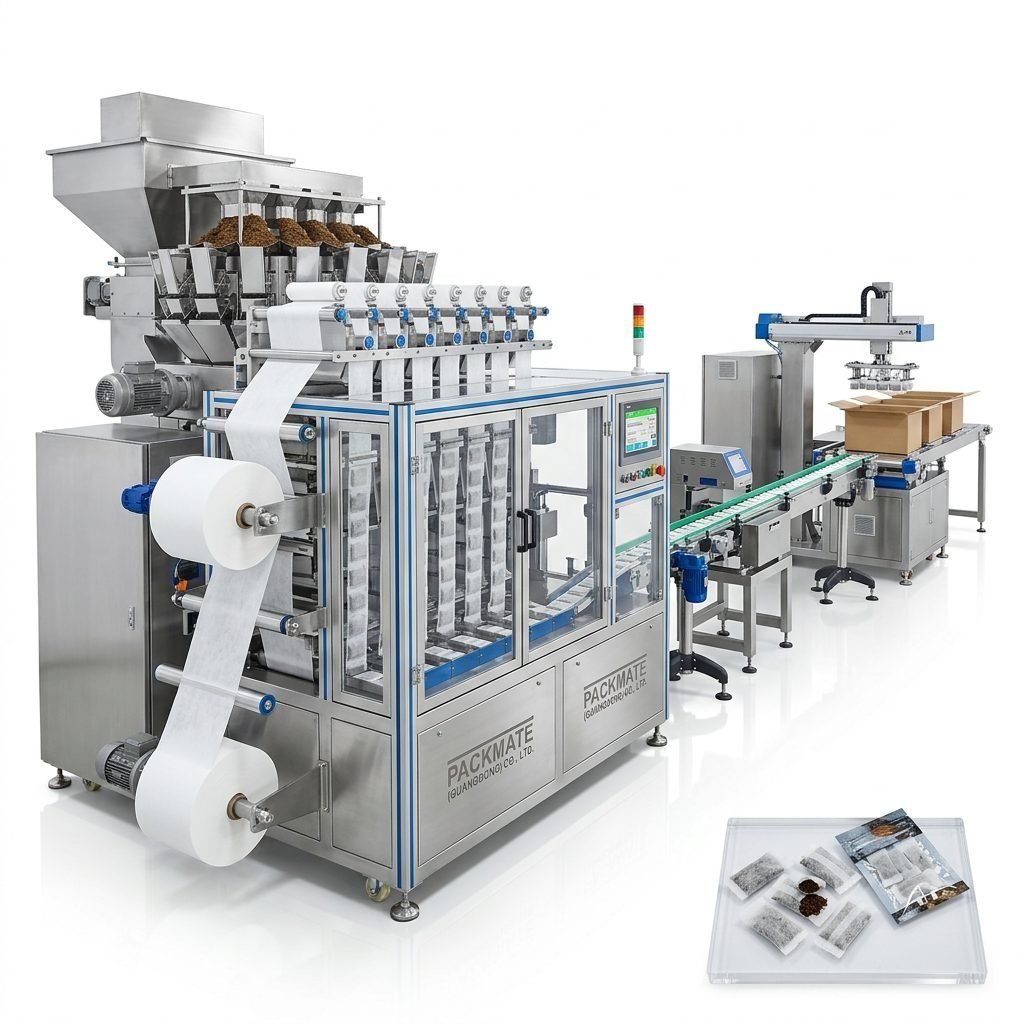
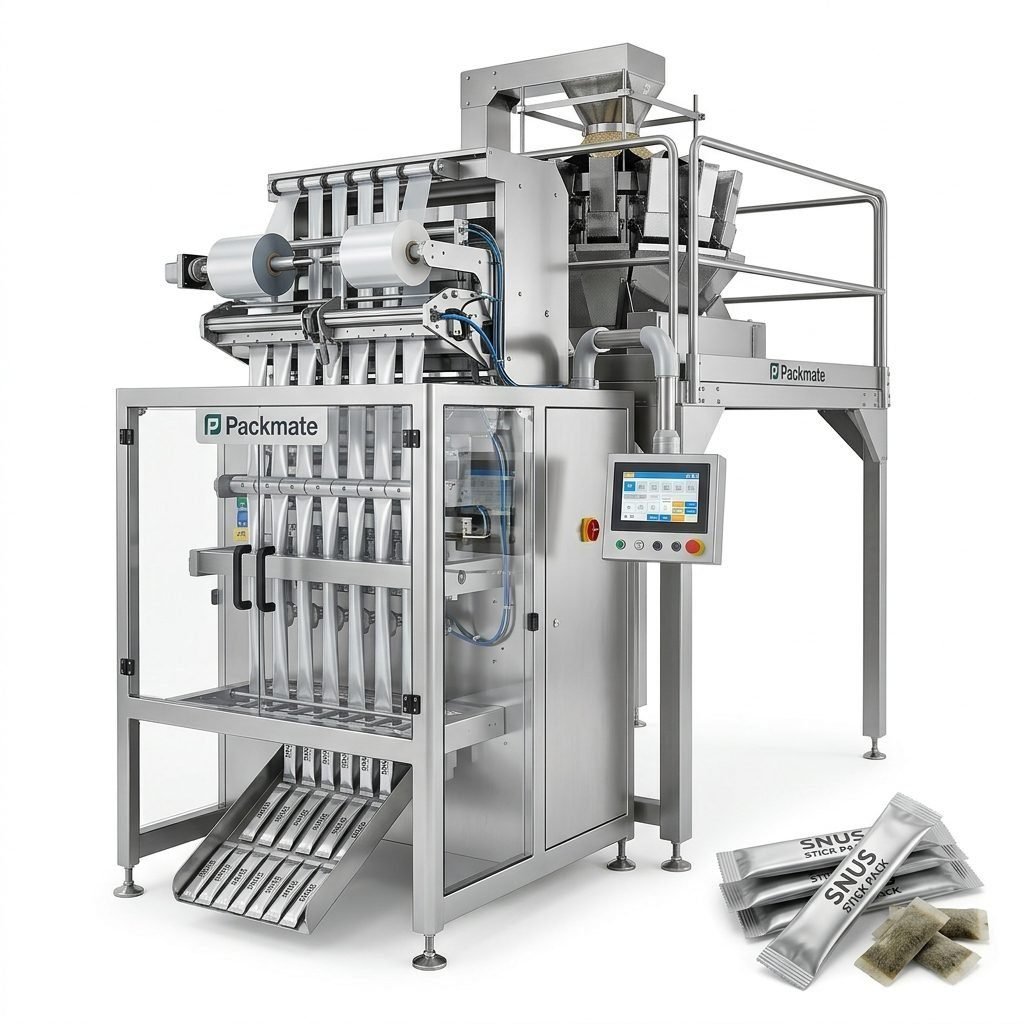
Assess the range of machines offered and whether they match your product types and production scale. Common systems include multi-lane snus machines, stick pack, sachet machines, and complete filling & packaging lines. A supplier with modular solutions can scale your investment as demand grows without requiring a full replacement of equipment.
For reference, explore equipment categories like Snus & Nicotine Packaging Machines and Sachet & Stick Pack Machines to see model varieties and technical capabilities.
Quality, Precision and Manufacturing Capability
Reliable suppliers emphasize precision engineering and stable production — look for manufacturers with advanced CNC machining centers, precision assembly lines, and strict quality control. A factory with extensive experience (for example, over 30 years in packaging engineering) is often better equipped to deliver robust machines and continuous improvement.
✅ Must-check: Ask for factory photos, production capacity details (e.g., number of models and factory area), and whether they offer turnkey lines that integrate weighing, filling, and auxiliary equipment.
After-Sales Service, Spare Parts and Local Support
After-sales service is the lifeblood of continuous production. In Africa, local technical support, fast spare parts availability, and remote troubleshooting capabilities are essential. Confirm whether the supplier provides:
- Local agents or service partners
- Quick spare parts shipment and reasonable stock levels
- Remote diagnostics and training (video calls, documentation)
- On-site installation and commissioning options
If you operate in regions with intermittent power, ask about machinery features that protect electronics and motors (e.g., voltage stabilizers and UPS integration) and whether the supplier offers ruggedized components for harsh environments.
Turnkey Solutions vs Single Machines
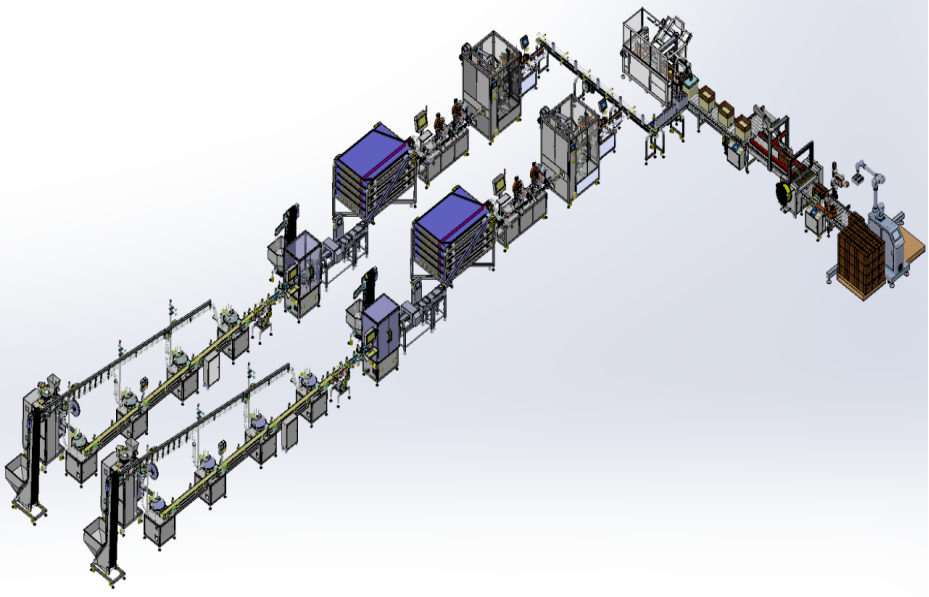
Decide if you need a single machine or a complete production line. Turnkey projects that include auxiliary equipment, weighing systems, and packaging conveyors often shorten ramp-up time and reduce compatibility issues between components. Suppliers who can provide turnkey solutions typically demonstrate stronger engineering capacity and project management.
See examples of integrated systems in Filling & Packaging Lines and Weighing & Packaging Systems.
📌 Note: Turnkey providers often include pre-shipment testing and full documentation which simplifies customs clearance and local commissioning.
Customization, Flexibility and Speed to Market
A good supplier can adapt machines to your product formulation, pouch types, and packaging materials. For nicotine pouches and snus, small-dose filling accuracy and gentle handling are critical to maintain product integrity. Evaluate whether the supplier can:
- Adjust dosing ranges and sealing parameters
- Support multiple pouch formats (stick, sachet, multi-lane pouches)
- Integrate custom marking, promotion printing, or child-resistant features where required
Manufacturers with a large model portfolio — for example 50+ machine models — are more likely to offer the exact combination you need without costly R&D.
Testing, Trials and Sample Runs
Insist on factory trials and sample runs. A reputable supplier will test your product on their machine and provide video proof or sample packs. This reduces risk and ensures that the machine’s performance matches your quality standards before shipment.
Logistics, Delivery and Installation Considerations in Africa
Transporting heavy equipment to African ports and across land borders can be challenging. Clarify Incoterms, shipping timelines, and whether the supplier helps with export documentation. Also plan for local installation: will the supplier send technicians, or will local engineers require training? Strong suppliers provide complete commissioning services and operator training to minimize downtime.
⚠️ Red flag: Vague delivery promises, unclear warranty terms, or no on-site commissioning support increase operational risk in regions with limited technical resources.
Warranty, Spare Parts and Long-Term Service Contracts
Confirm warranty coverage, the availability of spare parts, and options for extended maintenance contracts. A clear warranty policy and transparent spare parts pricing provide peace of mind. Consider a supplier that offers parts kits and scheduled maintenance plans designed for regions with long lead times for replacement components.
Supplier Reputation and Track Record
Review past projects, case studies, and references. Suppliers who attend global exhibitions, hold relevant certificates, and publish case studies demonstrate transparency and market engagement. For example, look for exhibition activity, certificate pages, and customer case references as part of your due diligence.
You can learn more about manufacturer capabilities and trust signals on pages like About Packmate, Certificate, and Case.
Commercial Terms and Total Cost of Ownership
Beyond the purchase price, estimate total cost of ownership: energy consumption, spare parts, maintenance visits, operator training, and downtime risk. Seek transparent quotations that list all components, installation fees, spare parts packages, and recommended consumables. Negotiate payment milestones tied to factory acceptance tests and successful on-site commissioning.
Practical Buying Checklist
Use this checklist when evaluating suppliers:
- Proof of prior projects and references in similar markets.
- Factory tour (virtual or in-person) and machine test reports.
- Clear warranty, spare parts availability, and response time commitments.
- Compliance with CE/ISO and capability for customizations.
- Turnkey solutions and integration capability with weighing & auxiliary systems.
- After-sales training, remote support, and on-site commissioning plans.
- Transparent shipping, installation, and payment terms.
✅ Quick action: Arrange a factory acceptance test (FAT) and request sample packaging runs before final payment. This protects your investment and confirms machine performance.
Why Packmate and What to Expect
Manufacturers like Packmate Snus Machine bring decades of engineering experience, a wide product range, and global turnkey project experience. Their factory strengths include advanced CNC machining, 20,000㎡ production area, and a diverse portfolio of over 50 machine models — factors that help ensure machine reliability and customization for specific snus or nicotine pouch needs.
If you want to explore product lines and support services directly, consider visiting the Contact Us page to discuss requirements, or browse product categories to identify suitable machines.
Final Buying Tips
– Prioritize suppliers who offer proven solutions and local support pathways.
– Negotiate terms that include training, spare parts kits, and clear SLA response times.
– Plan for environmental conditions and regulatory requirements in your target African markets.
– Start with a pilot line or smaller multi-lane system to validate market acceptance before scaling.
Conclusion
Selecting the best snus packaging machinery supplier in Africa is a strategic decision that touches product quality, regulatory compliance, and long-term production reliability. By focusing on supplier experience, certifications, localized support, and total cost of ownership — and by insisting on testing and clear service agreements — you can minimize risk and build a resilient production capability for snus and nicotine pouches.
Common Questions
Q1: How important are CE and ISO certificates when importing packaging machines into African countries?
A1: Certificates like CE and ISO are important indicators of safety and manufacturing quality. They can ease customs clearance in many countries and demonstrate that the supplier adheres to international standards.
Q2: Can suppliers train local technicians for maintenance and operation?
A2: Reputable suppliers include training as part of commissioning. Confirm training duration, language support, and whether training materials and spare parts manuals will be provided.
Q3: What is the typical lead time for snus packaging machines and turnkey lines?
A3: Lead times vary based on customization, factory workload, and shipping arrangements. Typical delivery ranges from several weeks for standard models to a few months for fully customized turnkey lines. Always confirm factory production schedules and shipping timelines.
Q4: How do I ensure machine compatibility with local power supplies and environmental conditions?
A4: Discuss voltage and frequency requirements with the supplier and request ruggedized components for dusty or humid environments. Suppliers should provide options for voltage stabilizers, enclosures, and protective coatings where needed.
Q5: Where can I view models and request more information?
A5: Visit the supplier’s product pages and contact portal to request catalogs, machine specs, and sample run videos. For more details about machines and services, check product listings and documentation.