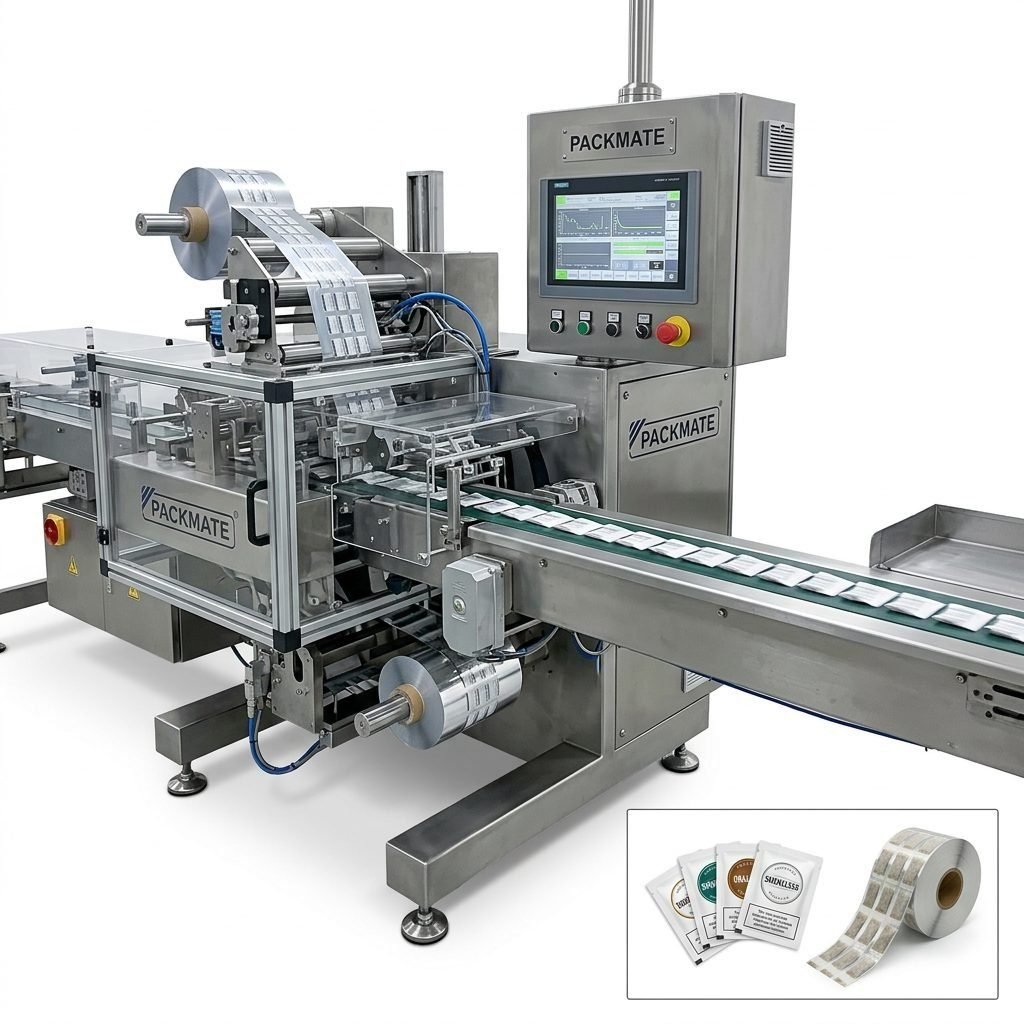
Choosing the right snus packaging machinery supplier in North America is a strategic decision that affects product quality, compliance, and your bottom line. This guide walks you through the most important factors—technical, regulatory, commercial, and cultural—so you can select a partner that delivers reliable equipment, timely support, and packaging solutions tailored to the North American market.
Understand Local Market and Regulatory Realities
North America has a fragmented regulatory environment for nicotine products. In the United States, the Food and Drug Administration (FDA) rules and state-level legislation affect labeling, child-resistant packaging, and permissible ingredients. In Canada, provincial regulations and Health Canada guidance add another layer. When evaluating suppliers, prioritize those who understand FDA/Health Canada compliance, tamper-evident features, and local labeling needs.
Why regional insights matter
🔍 Practical point: A machine that supports variable label layouts, bilingual printing (English/Spanish), and child-resistant pouch sealing will better serve a North American rollout. Suppliers familiar with cross-border shipping and customs clearance reduce surprises during import.
Technical Capabilities: What to Inspect
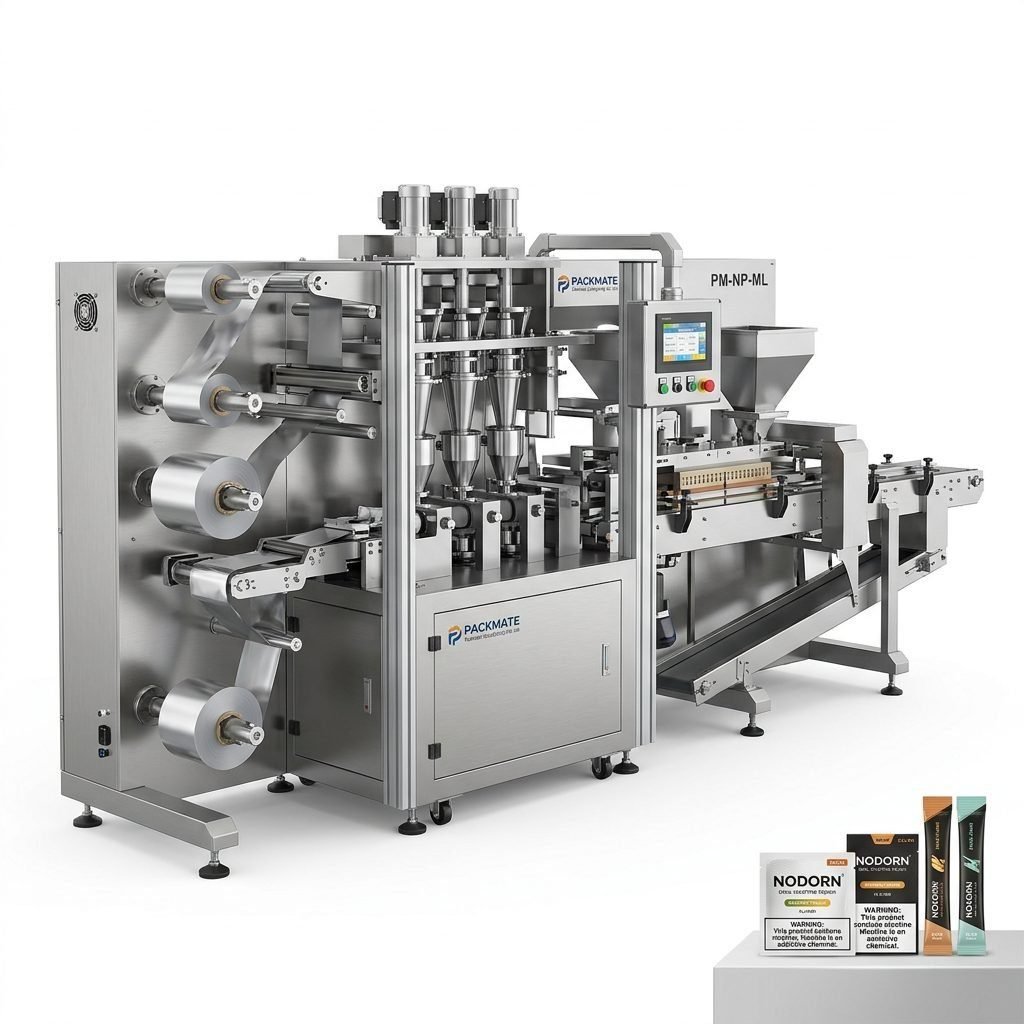
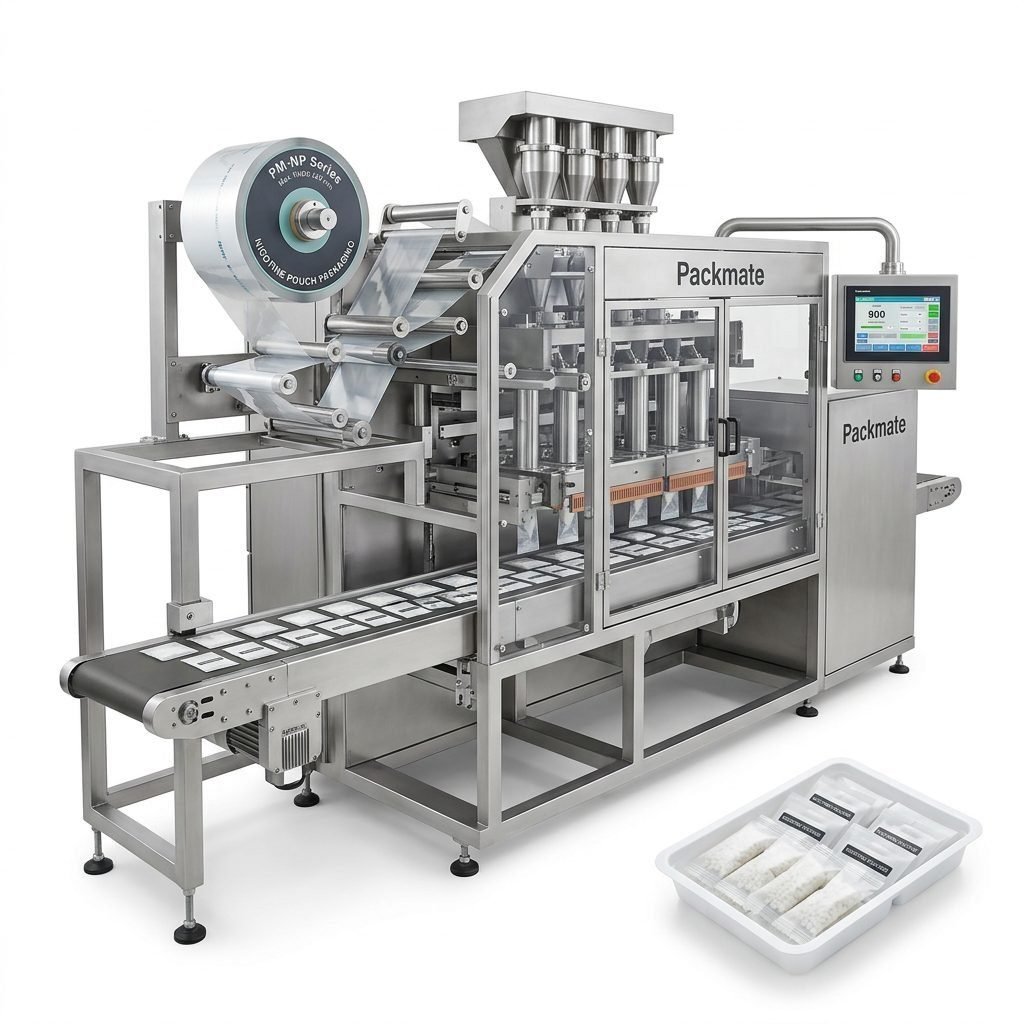
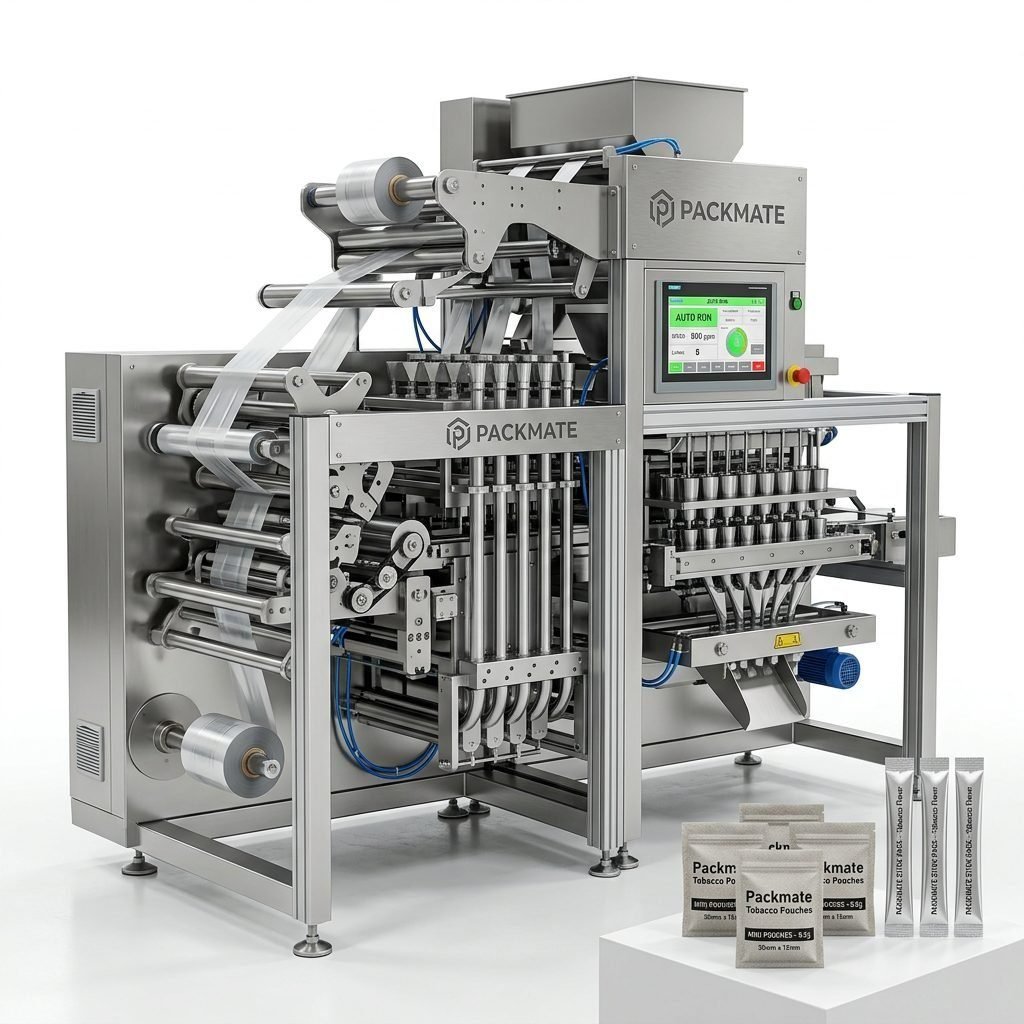
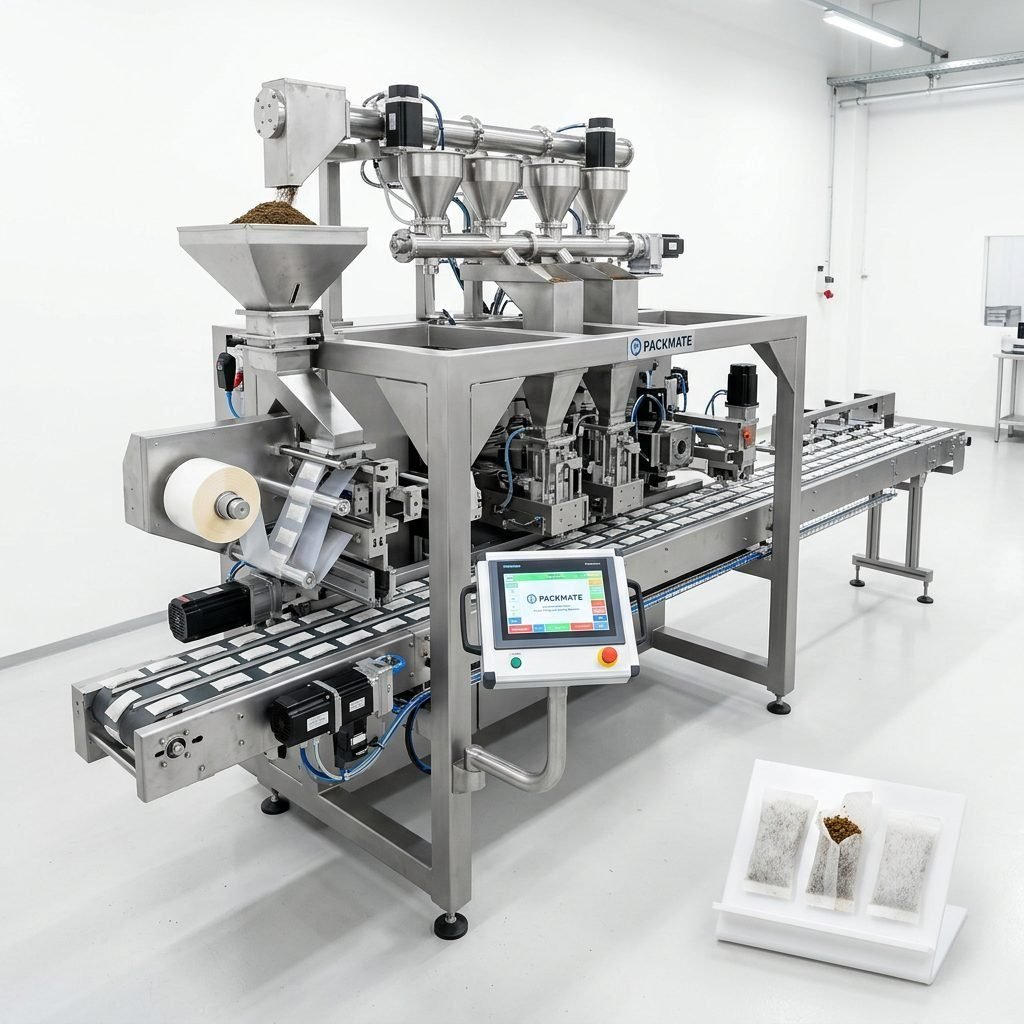
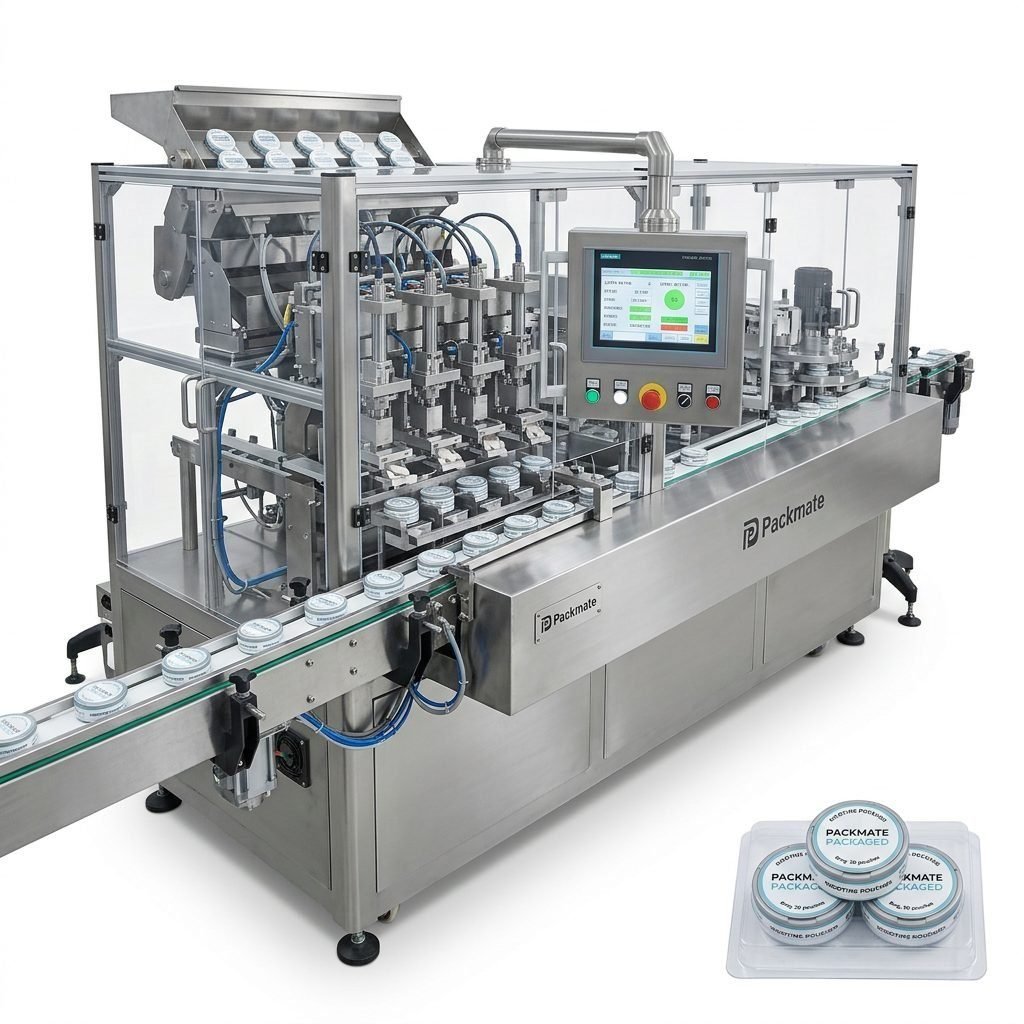
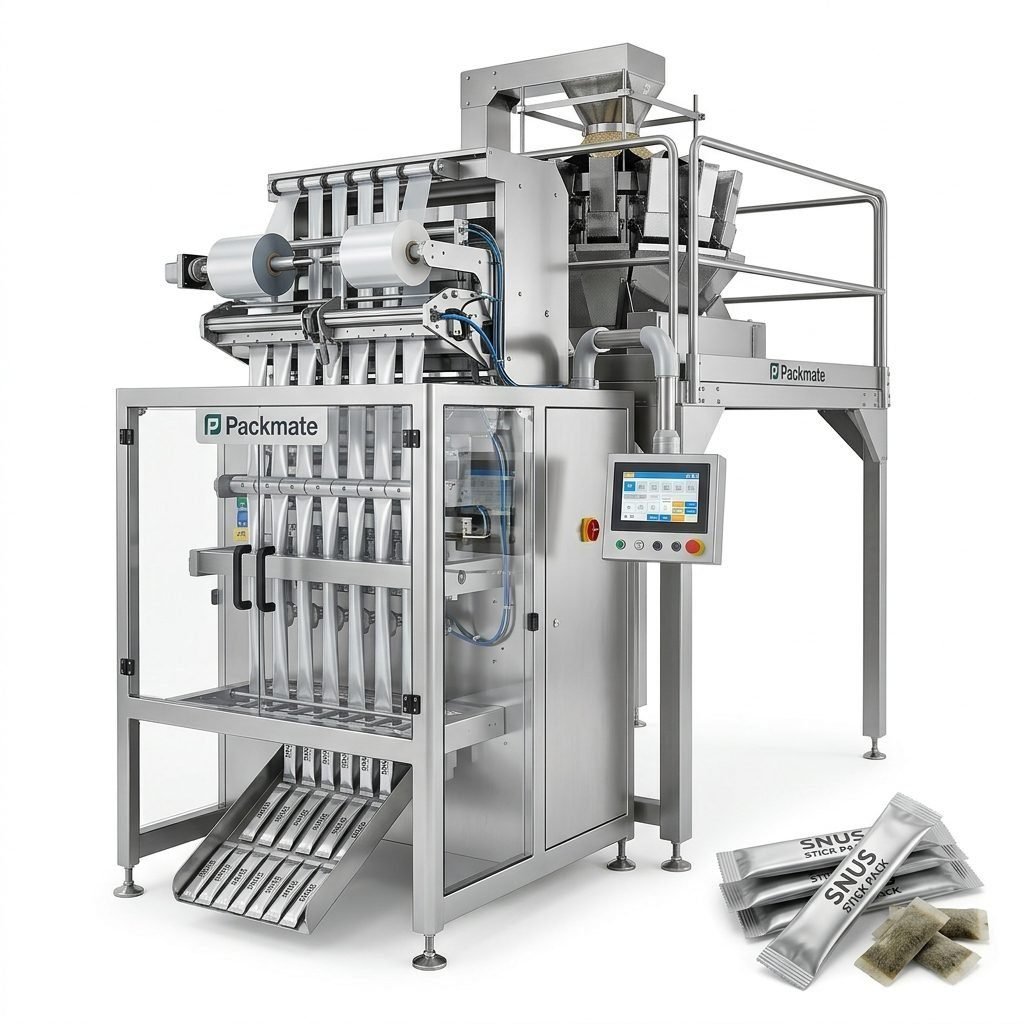
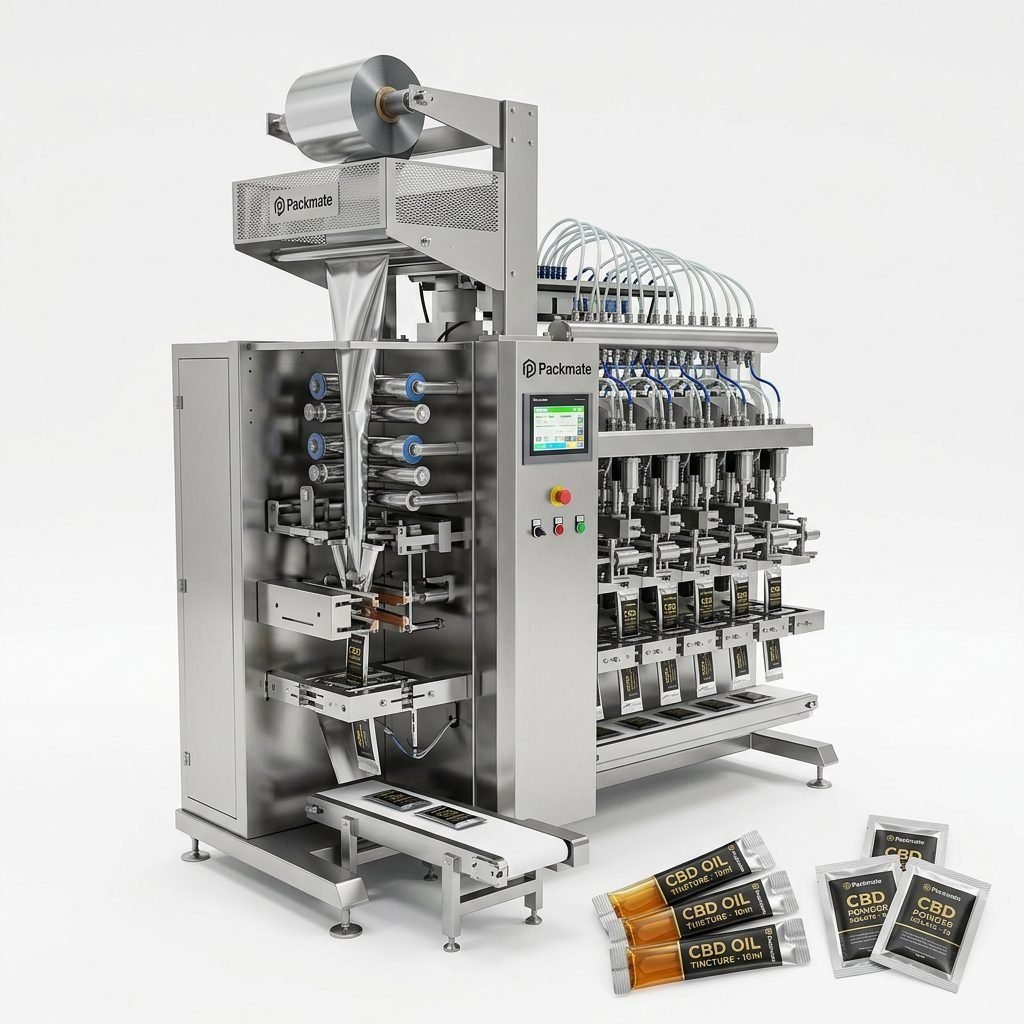
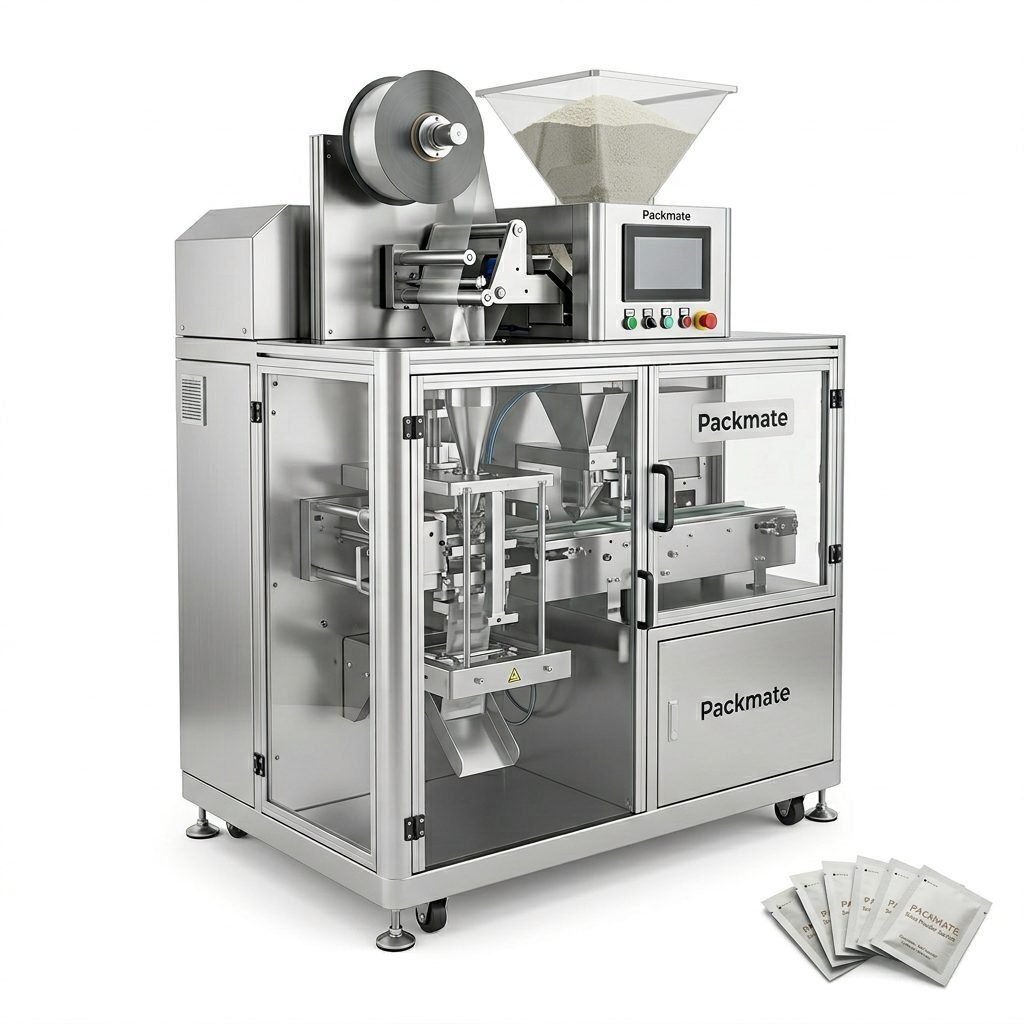
Your supplier must prove machine capabilities with documented specs, videos, and reference installations. Look closely at speed (packs/min), lane count for multi-lane filling, dosing accuracy for low-dose nicotine pouches, and adaptability to different pouch formats (stick, sachet, tin-ready pouches).
Key technical checklist
📌 Filling accuracy: Verify ± tolerance for micro-dose pouches.
📌 Line integration: Can the supplier provide integrated solutions—weighing, feeding, sealing, and cartoning?
📌 Sanitary & materials: Food-grade contact parts and easy-clean designs for hygiene and maintenance.
Production Capacity and Customization
Suppliers should offer flexible configurations: single-lane prototypes for R&D, multi-lane high-speed systems for mass production, and modular add-ons (labelers, cartoners, case packers). Ask for timelines on customization and ask whether they can deliver turnkey lines that include auxiliary equipment.
If your brand in North America aims for premium shelf presence, you might need special pouch finishes, barrier laminates, or custom tear notches. The right supplier will collaborate on mechanical modifications and film handling to protect shelf life and user experience.
Quality, Certifications and Proven Track Record
Look for suppliers with verifiable certifications (ISO, CE where applicable). Performance guarantees, long-term test reports, and third-party validations strengthen supplier credibility. Ask for case studies and reference contacts located in North America so you can evaluate real-world uptime and service responsiveness.
For example, suppliers that document global turnkey projects and provide machine performance records help you assess reliability. Explore their published case studies and exhibition demos to see equipment in operation.
Useful links: Case, Our Exhibition, Certificate.
Service, Spare Parts and Local Support
Rapid access to spare parts and technical support is essential for North American operations. Confirm whether the supplier maintains local inventory, authorized service agents, or remote troubleshooting capabilities. Downtime costs are often more significant than the initial equipment price.
⚠️ Service tip: Insist on a spare-parts list, lead times for critical components, and a support SLA. Remote diagnostics and PLC/SCADA access can reduce on-site service calls.
Total Cost of Ownership (TCO) vs. Initial Price
Don’t be swayed by the lowest quote. Calculate TCO considering energy use, maintenance frequency, spare part pricing, and expected lifespan. Machines engineered for robust, continuous operation often save money over five years compared to cheaper, high-maintenance alternatives.
Factors to include in TCO
– Energy consumption and utilities
– Mean time between failures (MTBF) and mean time to repair (MTTR)
– Cost and lead time of consumables and spare parts
– Training and labor costs for operators and technicians
Factory Visits, Trials and Acceptance Testing
Whenever possible, request a factory acceptance test (FAT) or witness a live trial with your product. A reputable supplier will welcome factory visits and record performance metrics. Detailed acceptance criteria—speed, accuracy, scrap rate—should be part of your purchase contract.
✅ Acceptance checklist: production speed verification, weight/dose consistency, seal integrity tests, and operator training verification.
Cultural and Commercial Nuances in North America
North American buyers value transparency, after-sales support, and predictable delivery. Additionally, consider:
– Bilingual packaging options (English/Spanish) for broader market reach.
– Sustainability preferences: recyclable or reduced-film packaging is increasingly important to retailers and consumers.
– Retailer packaging requirements: many large US and Canadian retailers have strict packaging and labeling specs—confirm your supplier can meet them.
Supplier Reputation and Long-term Partnership
Packaging equipment is a long-term investment. Evaluate suppliers for company history, financial stability, and ongoing R&D. A partner with decades of experience and global installations often provides better engineering evolution and parts availability.
Reference: For detailed product lines and machine types, explore the supplier’s portfolio such as Snus & Nicotine Packaging Machines, Bag & Pouch Packaging Machines, and Sachet & Stick Pack Machines.
Logistics, Lead Time and Installation
Confirm realistic lead times for fabrication, shipping, customs clearance, and on-site installation. North American projects often require CE/ISO documentation plus additional paperwork for import. A supplier that coordinates logistics and provides site planning for installation eases your ramp-up process.
Training, Documentation and Operator Usability
Effective handover includes operator training, maintenance manuals, PLC code documentation, and spare-parts catalogs. Consider suppliers that provide ERP/SCADA integration options and intuitive HMI interfaces in English and Spanish for diverse workforces.
📌 Usability note: Hands-on training and video resources reduce operator errors and improve first-pass yield.
Warranty, Upgrades and Future-Proofing
Ensure your contract includes clear warranty terms, upgrade paths, and options for retrofits. The snus market evolves quickly—choose a supplier that can adapt machines for new pouch sizes, film types, or regulatory-modified labeling requirements.
How to Shortlist Suppliers — A Practical Approach
1) Create a weighted scorecard covering technical fit, TCO, service network, references, and compliance support.
2) Request machine demos or FAT videos with your product.
3) Check references in North America and review downtime and spare-parts responsiveness.
4) Compare contract terms—warranty length, consumables supply, and training commitments.
Why a Global Manufacturer With Local Focus Often Wins
Suppliers that combine global manufacturing capacity with local North American support provide the best of both worlds: competitive pricing, mature engineering, and fast after-sales service. They typically maintain robust R&D, produce multiple machine models, and can deliver turnkey production lines.
If you want to explore a full range of systems—from snus pouch lines to weighing and auxiliary equipment—review comprehensive product resources such as Weighing & Packaging Systems and Filling & Packaging Lines.
Final Checklist Before You Sign
✔️ Regulatory alignment: FDA/Health Canada compliance and labeling flexibility.
✔️ Proven performance: FAT results, references in North America, and uptime records.
✔️ Service & parts: Local support network or guaranteed fast shipment.
✔️ Commercial terms: Clear TCO, warranty, and training commitments.
Where to Start: Next Steps
Start by compiling your product specs, target throughput, and packaging formats. Reach out to shortlisted suppliers with a Request for Quotation (RFQ) that includes acceptance criteria, expected production schedule, and site constraints. Consider visiting an exhibition or scheduling a remote demo to accelerate decision-making.
To evaluate supplier company profiles and global solutions, you may find useful information on their About pages and service sections, for example About Packmate and Service. When ready, contact suppliers directly via their Contact Us page.
Quick summary
Choosing the best snus packaging machinery supplier in North America is about matching technical performance to regulatory needs, ensuring strong after-sales service, and evaluating long-term costs. Prioritize suppliers who demonstrate local market knowledge, clear documentation, and proven installations.
Frequently Asked Questions
Q1: How important is FDA/Health Canada compliance when buying a snus packaging line?
A1: Extremely important. Compliance impacts labeling, packaging safety (child-resistant designs), and permissible claims. Ensure your supplier understands local regulatory nuances and can provide documentation and design features to meet requirements.
Q2: Should I buy a multi-lane high-speed machine or start with a smaller single-lane line?
A2: It depends on your production forecast. If you expect rapid scaling, a multi-lane system may lower unit costs and increase throughput. For new product launches or R&D, a single-lane line allows flexibility and lower initial investment.
Q3: What is the typical lead time and what affects it?
A3: Lead times vary from a few weeks for standard modules to several months for fully customized turnkey lines. Factors include customization, spare-part availability, factory scheduling, and export logistics.
Q4: How can I reduce downtime costs after installation?
A4: Arrange preventive maintenance plans, stock critical spare parts locally, secure remote diagnostic access, and implement operator training programs provided by the supplier.
Q5: Are turnkey solutions a better option for North American newcomers?
A5: Turnkey solutions reduce integration headaches by delivering a coordinated line with tested interfaces, training, and documentation—often the best choice for companies entering a regulated market like North America.