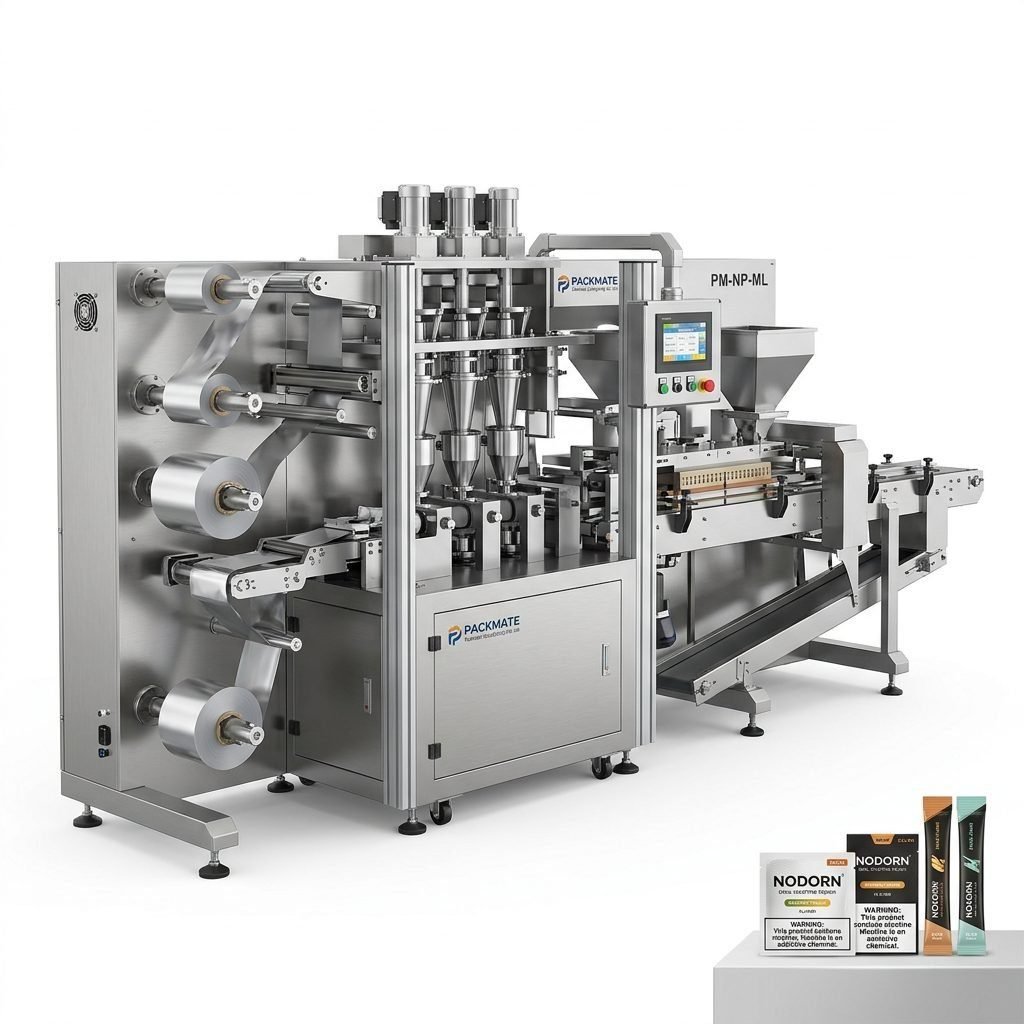
Choosing the right snus packaging machinery supplier in South America is a strategic decision that affects production quality, regulatory compliance, and your brand’s ability to scale. This guide helps packaging managers, plant owners, and procurement teams evaluate suppliers quickly and confidently, focusing on practical selection criteria, local business practices across South American markets, and the technical features that matter most for snus and nicotine pouch production.
Understand the Market Context in South America
South America is diverse in consumer habits, regulation and logistics. While traditional snus consumption is relatively low compared to Northern Europe, the nicotine pouch market is growing fast in countries with relaxed nicotine product regulations. Key markets include Chile, Colombia and parts of the Southern Cone, where convenience formats and discreet nicotine delivery appeal to urban consumers. Brazil, however, maintains stricter tobacco regulations — you must research local laws carefully before investing. Local language preferences (Spanish and Portuguese) and packaging aesthetics matter when launching region-specific SKUs.
Why local customs and packaging design matter
Consumers in South America often prefer bold branding, clear dosage cues, and easy-open formats. Seasonal and cultural elements — such as soccer events, local festivals, and urban trends — can influence promotional packaging runs. A supplier who understands these nuances will help you adapt line formats, labeling capacity and print customization to local tastes and marketing cycles.
Key Technical Criteria to Evaluate
Focus on core machine capabilities first. The right machine should balance speed, accuracy, and reliability to match your SKU mix.
Production speed & throughput: Verify maximum pouches per minute and whether the machine achieves rated speed for your specific pouch type (round, oval, portion). Higher speeds require robust upstream dosing and downstream sealing.
Filling accuracy & weight control: For nicotine pouches, strict dosing control is essential to maintain compliance and minimize waste. Check integrated weighers or volumetric systems.
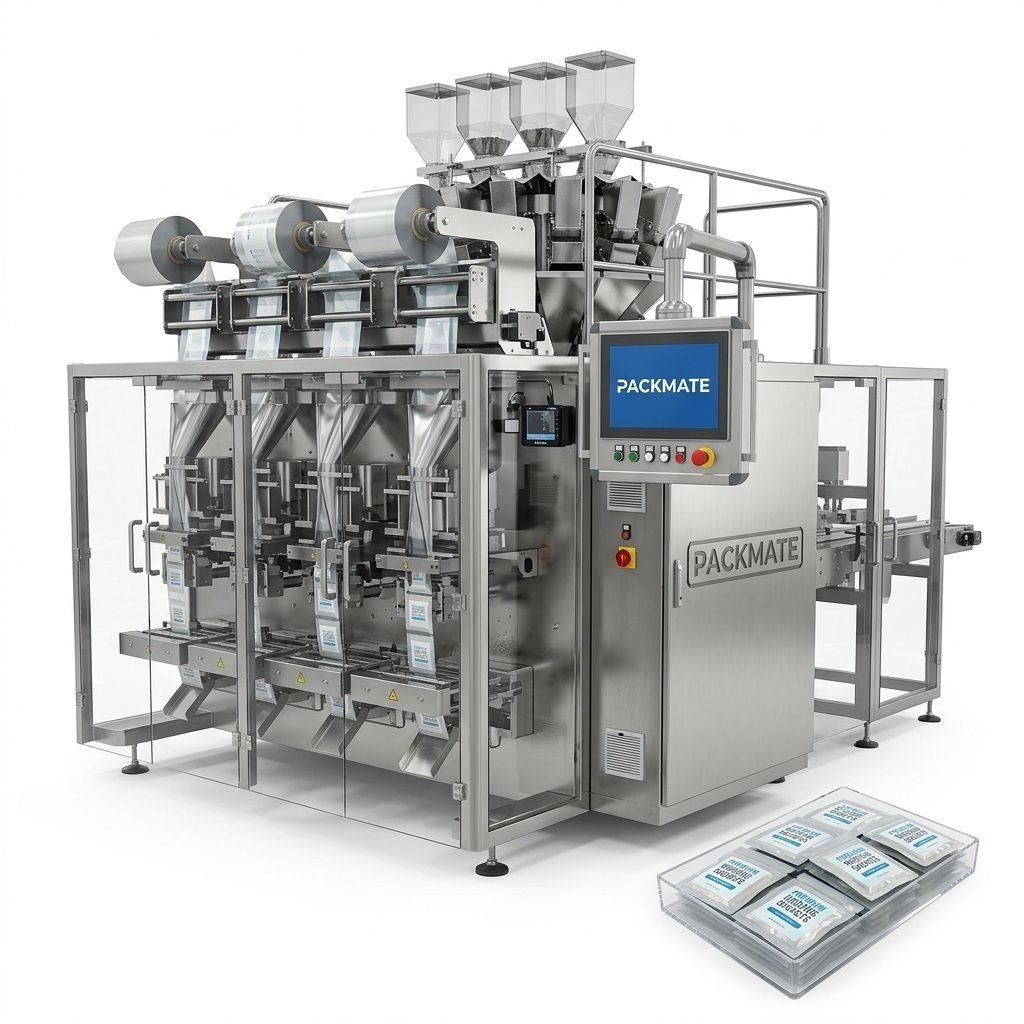
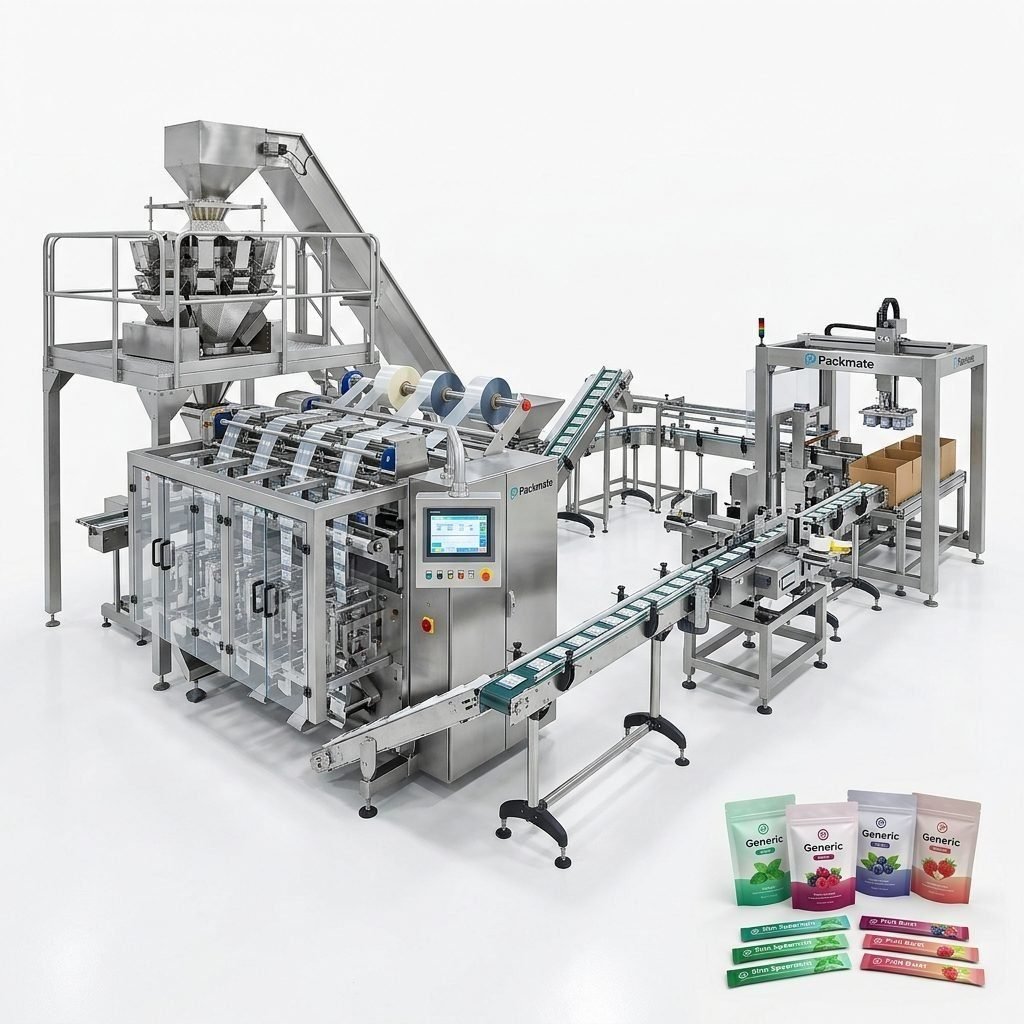
Multi-lane capability & scalability: Multi-lane machines deliver higher throughput with smaller pouch sizes. Confirm changeover time between lane configurations.
Material & format compatibility
Ensure the machine supports your chosen film structures (laminated PE/PA/Alu), pouch styles (sachets, stick packs, tear-top cans) and optional features like nitrogen flushing or tray feeding for finished product presentation. If you plan to offer varied SKUs for different South American markets, flexibility is crucial.
Compliance, Safety & Certification
Working with a supplier that adheres to international standards reduces risk. Look for CE and ISO certifications and proven GMP practices. Machines must support safe cleaning practices and material traces for food or pharmaceutical-grade products.
Regulatory notes for South America
Regulations differ widely — Argentina, Chile and Uruguay may have more permissive labelling rules for nicotine alternatives than Brazil. Consult local legal counsel to confirm labeling, warning requirements and import restrictions for nicotine pouches. A supplier experienced with exports to the Americas can advise on documentation and technical adjustments to meet local compliance.
After-Sales Support & Local Service
After-sales support is the most important long-term factor. In South America, remote support plus reliable on-site service are critical due to distances and customs delays.
✅ Local spare parts availability: Ask whether spare parts are stocked in a nearby warehouse or if the supplier has regional partners to avoid long downtime.
✅ Remote troubleshooting & training: Confirm online troubleshooting tools, remote HMI access, and multilingual manuals (Spanish/Portuguese).
✅ Installation & commissioning: Clarify whether installation costs, commissioning and operator training are included.
Questions to Ask Potential Suppliers
Prepare a shortlist of technical and commercial questions. You will use answers to benchmark vendors objectively.
• What is the typical OEE for this model when running nicotine pouches?
• Can you provide references or case studies in Latin America? (Site visits are ideal.)
• How long is lead time from order to shipment? Are spare parts included?
• Does the machine come with a warranty, and what does it cover?
• What are the electrical and air requirements for installation?
What Packmate Brings to South American Customers
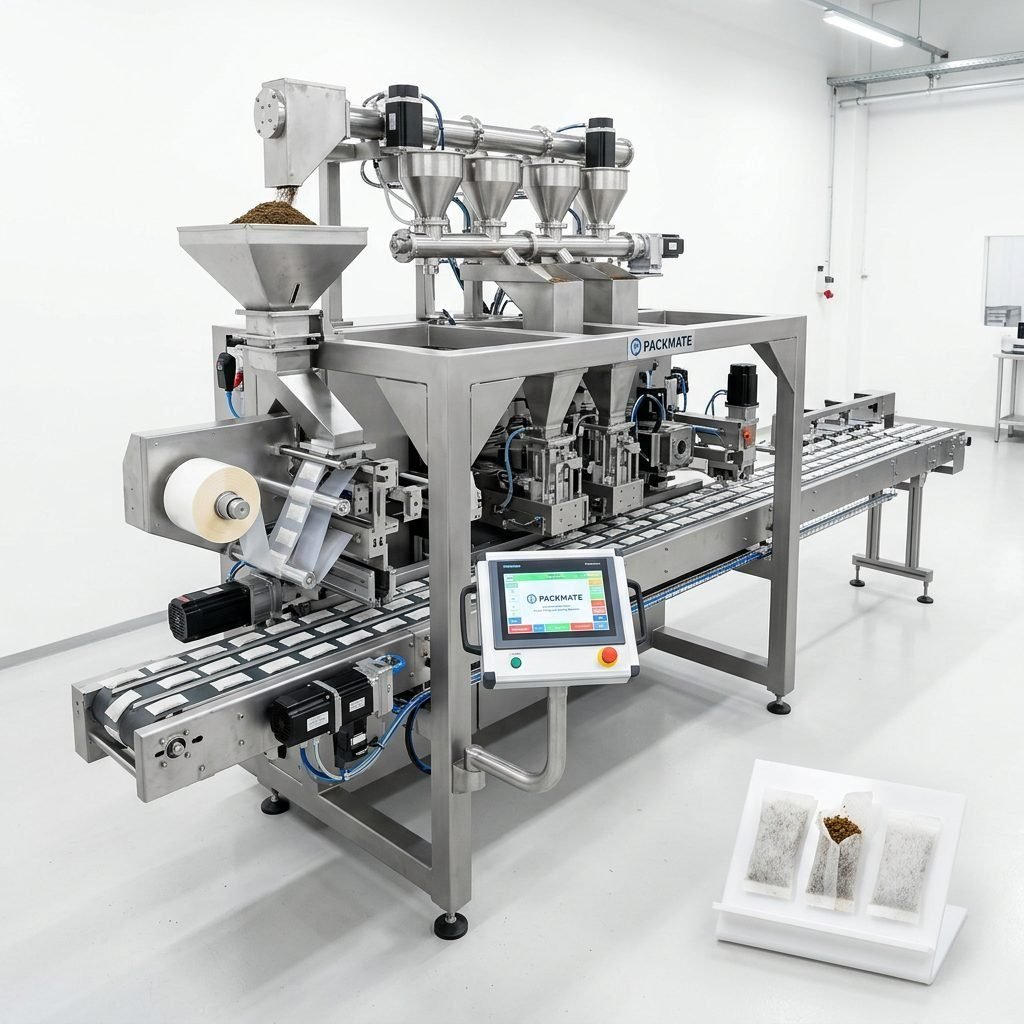
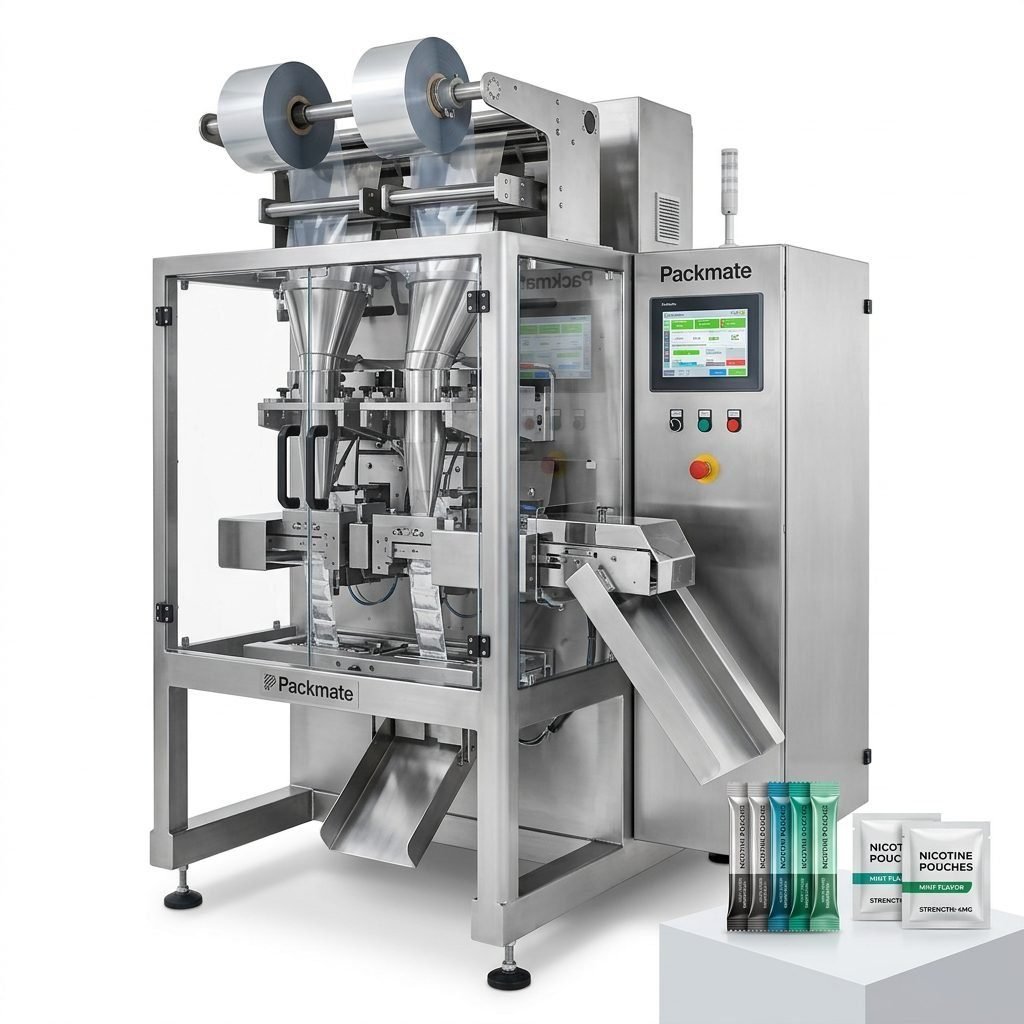
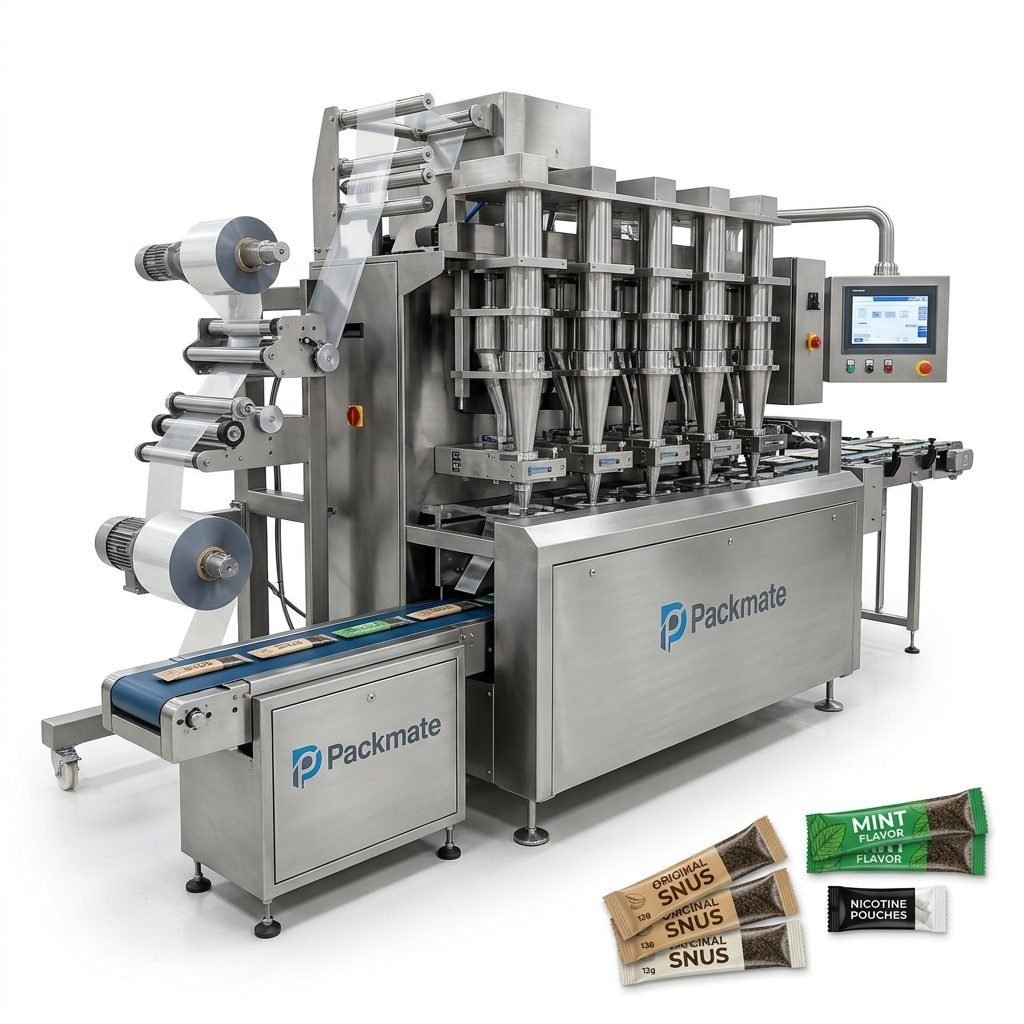
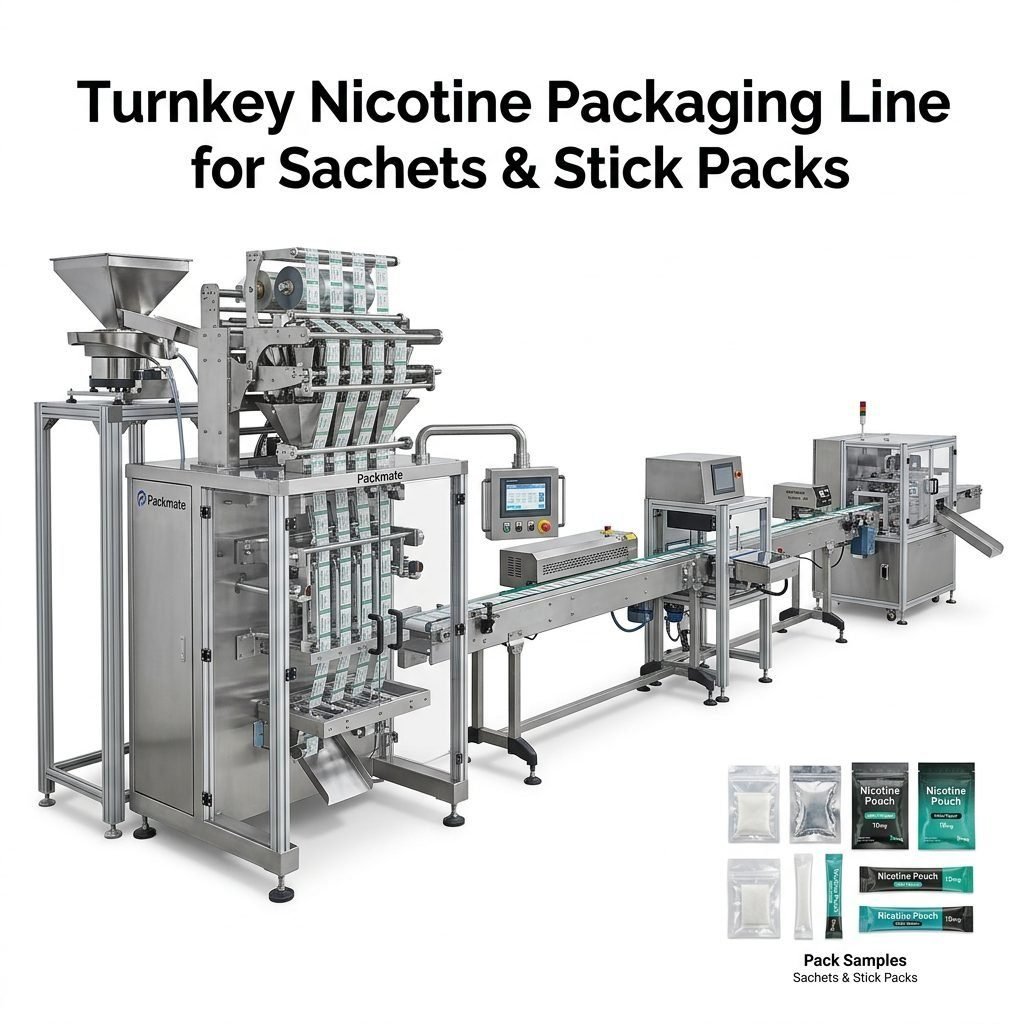
Packmate Snus Machine has 30+ years of engineering experience and a large manufacturing facility built for precision. Their portfolio includes multi-lane snus lines, stick pack and sachet machines that fit the evolving South American nicotine pouch market. Packmate emphasizes turnkey solutions and global compliance — useful for brands entering multiple countries with different regulatory environments.
Learn more about specific product ranges and technical specs on Packmate’s product pages:
Snus & Nicotine Packaging Machines,
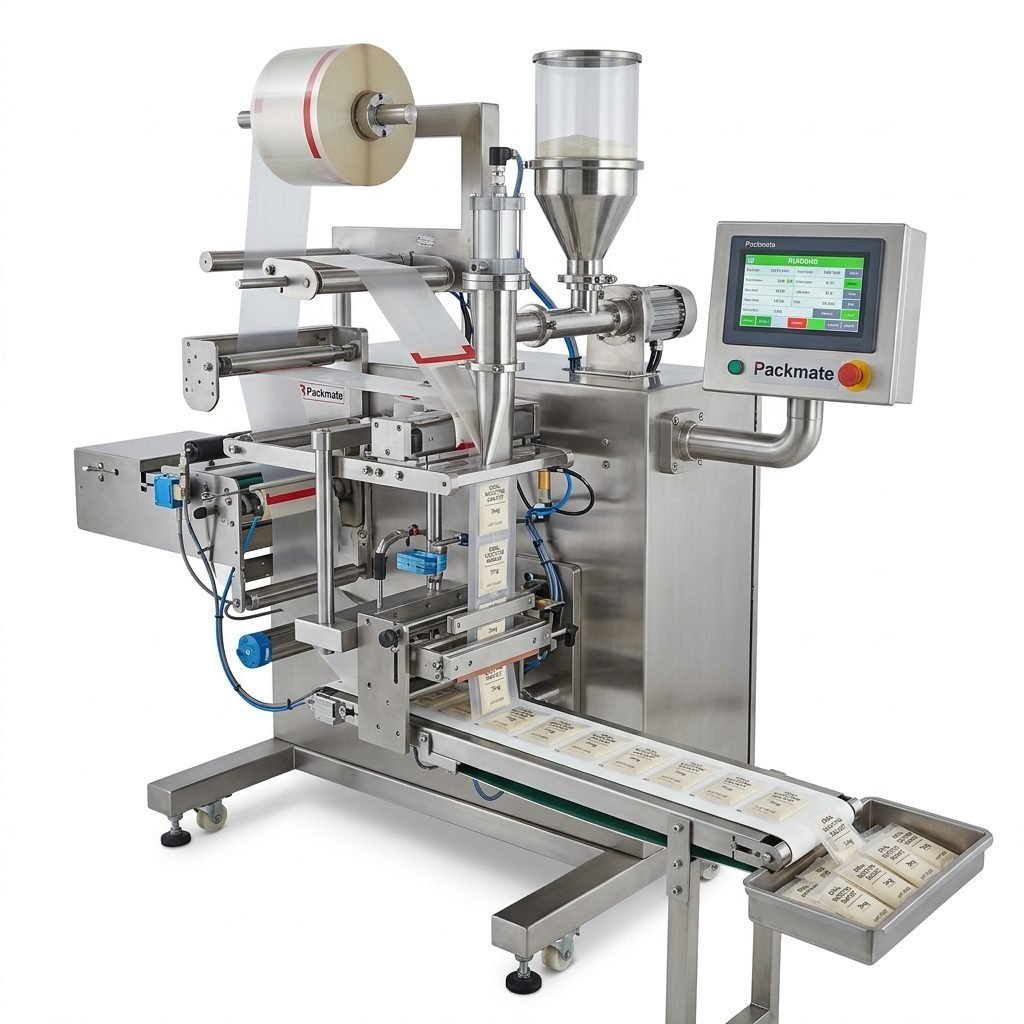
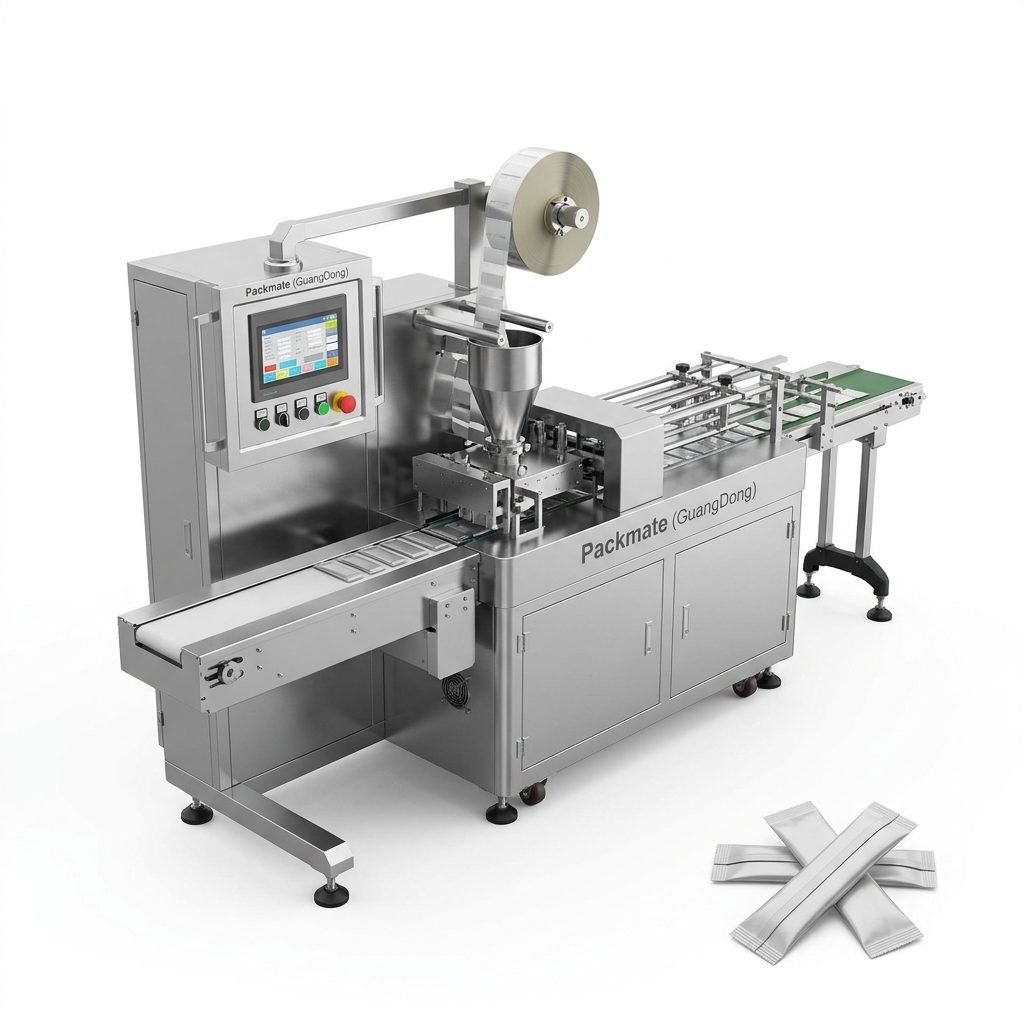
Sachet & Stick Pack Machines,
and Bag & Pouch Packaging Machines.
Site Visit Checklist & Factory Audit
If possible, visiting the supplier’s factory or a local customer site will reveal how machines perform in production. During a visit, review:
• Running machines at production speed — watch for vibration, stability and consistent sealing.
• Build quality: frame rigidity, stainless contact parts, easy-to-clean zones.
• PLC and HMI interface language options, spare parts storage and test documentation.
• Quality control processes, calibration records and material traceability.
Installation, Validation & Training
A responsible supplier will include on-site installation, performance qualification, and operator training. Ask for a training syllabus that covers routine maintenance, troubleshooting and safety checks. For regulated markets, request validation support and a checklist for commissioning that you can use to demonstrate compliance to authorities.
Language and documentation
Ensure manuals and training materials are available in Spanish and Portuguese. Local operator familiarity reduces errors and speeds time-to-market.
Logistics, Customs & Import Tips for South America
International machinery imports require careful planning. Choose a supplier experienced with South American shipping to avoid customs delays:
🚚 HS codes & documentation: Confirm Harmonized System codes, origin certificates and packing lists to prevent hold-ups.
⚠️ Local agent & brokerage: Hire an experienced customs broker to manage duties, taxes and temporary import permits.
🛠️ Spare parts consignment: Consider shipping critical spare parts separately on an expedite route to minimize downtime risk.
Cost Considerations & Total Cost of Ownership
Compare not just purchase price but lifetime costs: energy consumption, spare parts, downtime risk, and required upgrades. A cheaper machine with frequent stoppages can damage your brand reputation and margins.
Negotiate service-level agreements, spare parts kits and training packages into your contract. If you anticipate high SKU variety, prioritize modular machines that reduce future upgrade costs.
Case Examples & References
Ask suppliers for case studies and references in Latin America or similar emerging markets. Packmate’s global cooperation cases and exhibition participation provide proof of cross-border experience — review their Case pages and meet them at trade shows when possible via Our Exhibition.
Final Pre-Purchase Checklist
Before signing, verify these essentials:
• Written warranty terms and SLA for spare parts.
• Installation, commissioning and operator training included.
• Manuals and HMI language options match your team’s needs.
• Clear lead times for machine and consumables.
• Compliance certificates (CE/ISO) and export documentation.
Useful supplier resources
For full product portfolios and technical lines check Packmate’s product catalog and services:
Catalog,
Service,
and detailed company information at About Packmate.
Quick decision flow
1. Define production target and SKU mix.
2. Shortlist suppliers with relevant nicotine pouch experience.
3. Audit factory or review performance footage.
4. Confirm documentation, training and spare parts strategy.
5. Negotiate contract with clear SLAs and warranty.
📦 Need a quote or technical discussion? Reach out to suppliers with detailed specs — film type, pouch size, expected throughput and local regulatory limits — to receive tailored proposals.
🔗 Connect directly through a vendor contact page: Contact Us
Selecting the best snus packaging machinery supplier for South America combines technical due diligence with understanding local market behavior and import realities. Prioritize suppliers that offer robust machines, local-language support, and a concrete plan for spare parts and training — these will keep your line running and your brand responsive in a fast-growing nicotine pouch market.
Frequently Asked Questions (FAQs)
Q1: What certifications should I require for a snus packaging line for export to South America?
A1: At minimum, ask for CE and ISO certificates plus documentation for electrical safety and material contact compliance. For pharmaceutical-quality nicotine pouches, GMP-adjacent documentation is recommended.
Q2: How important is multi-lane capability for small-dose pouches?
A2: Multi-lane systems dramatically increase throughput for small pouches and reduce per-unit cost, but they require precise synchronization and higher initial investment.
Q3: Can I get manuals in Spanish or Portuguese?
A3: Yes — request multilingual manuals and on-site training in local languages to ensure efficient operation and fewer errors.
Q4: What are the biggest logistical challenges when importing machinery into South America?
A4: Customs paperwork, HS classification, duty calculations and spare parts lead times. Use an experienced customs broker and ensure the supplier provides complete export documentation.
Q5: How do I verify a supplier’s performance before purchase?
A5: Request production footage at rated speed, client references in similar markets, or a factory visit. Evaluate spare parts policies and warranty commitments.