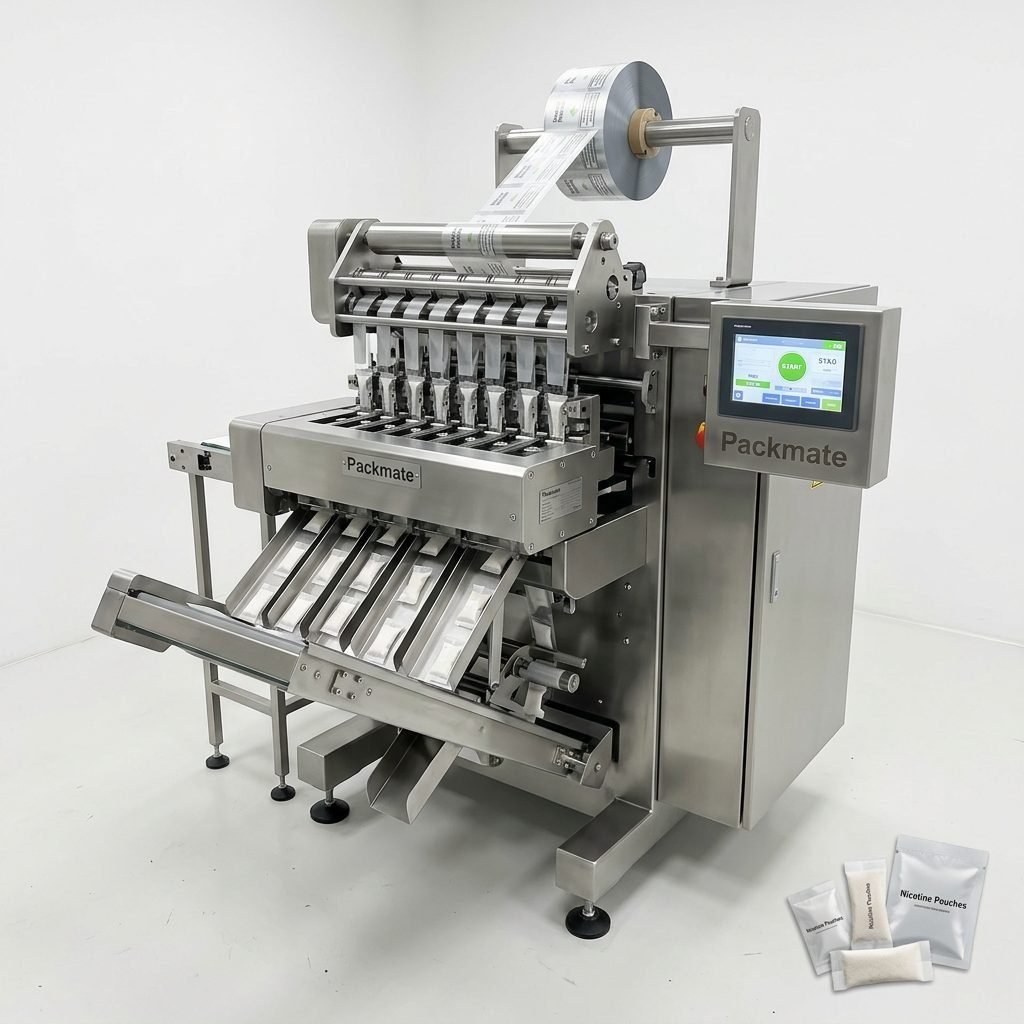
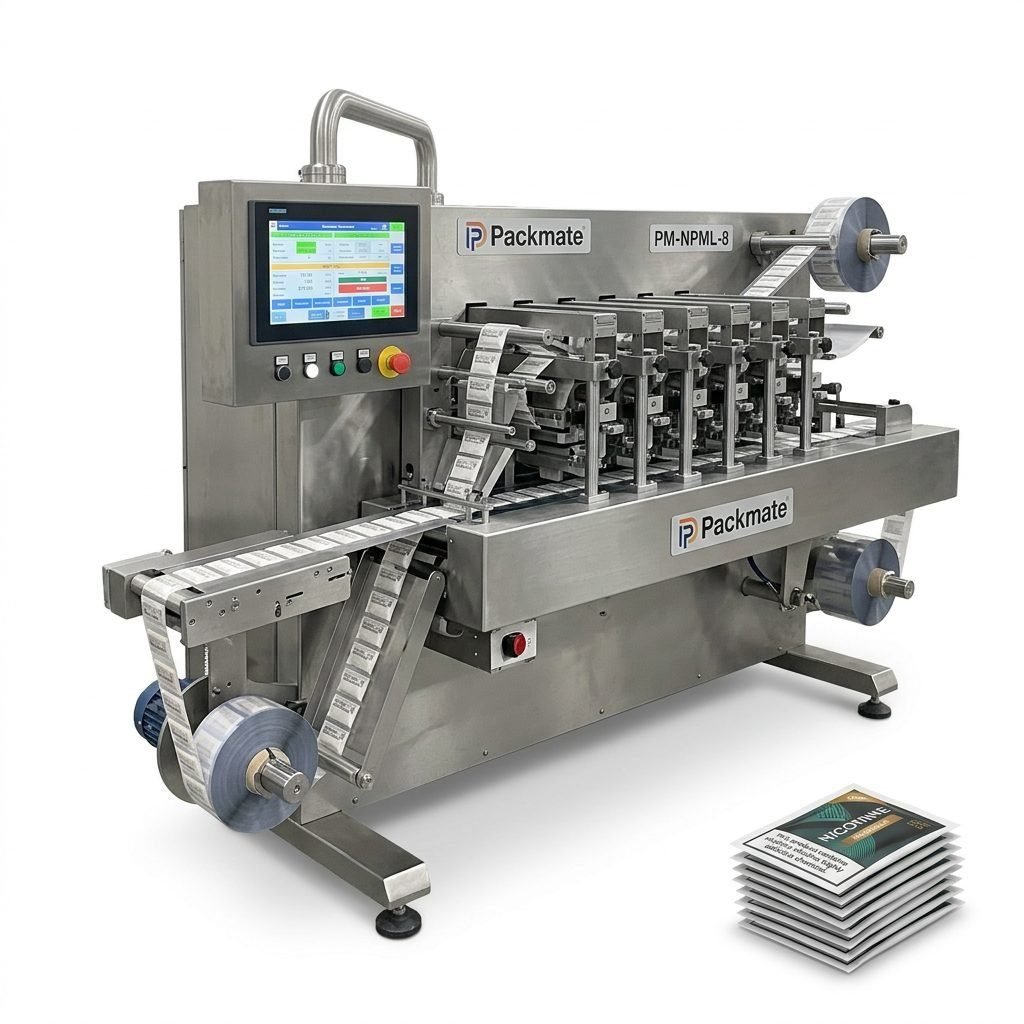
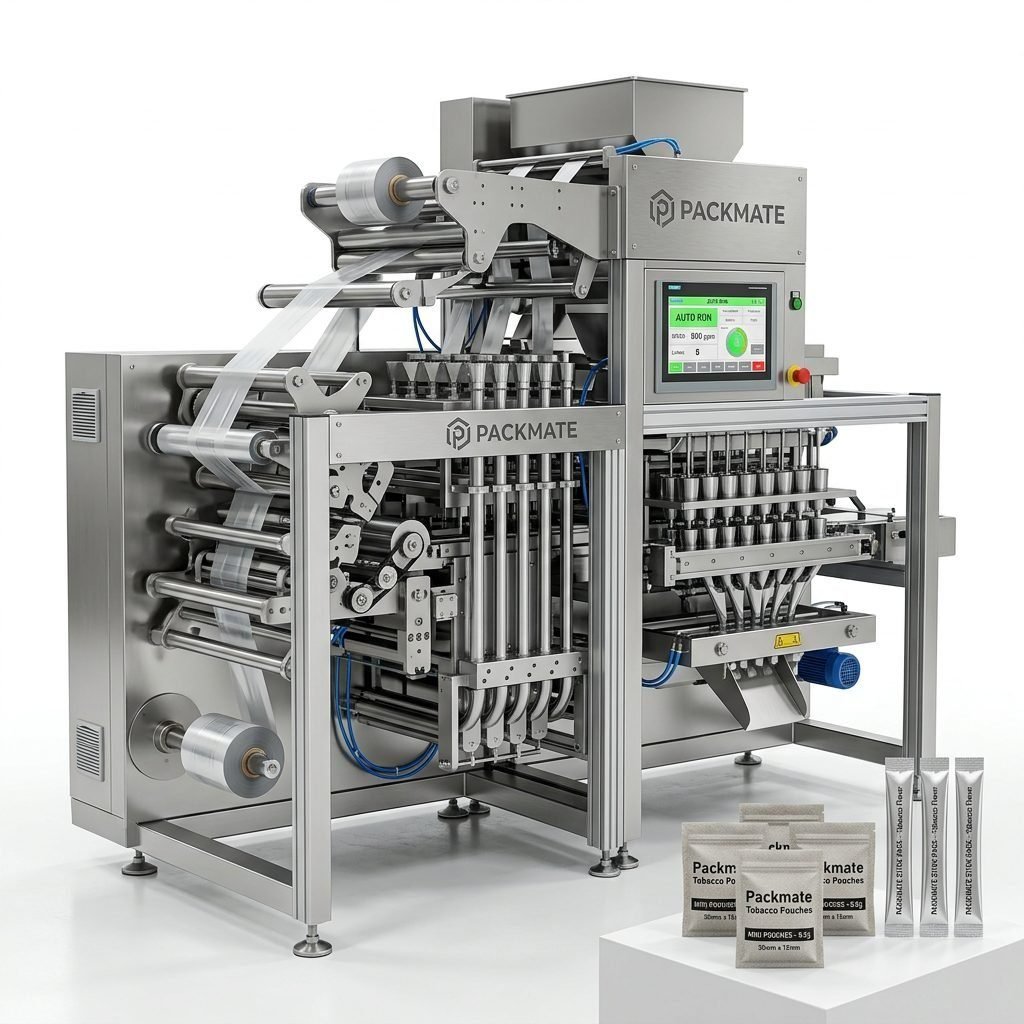
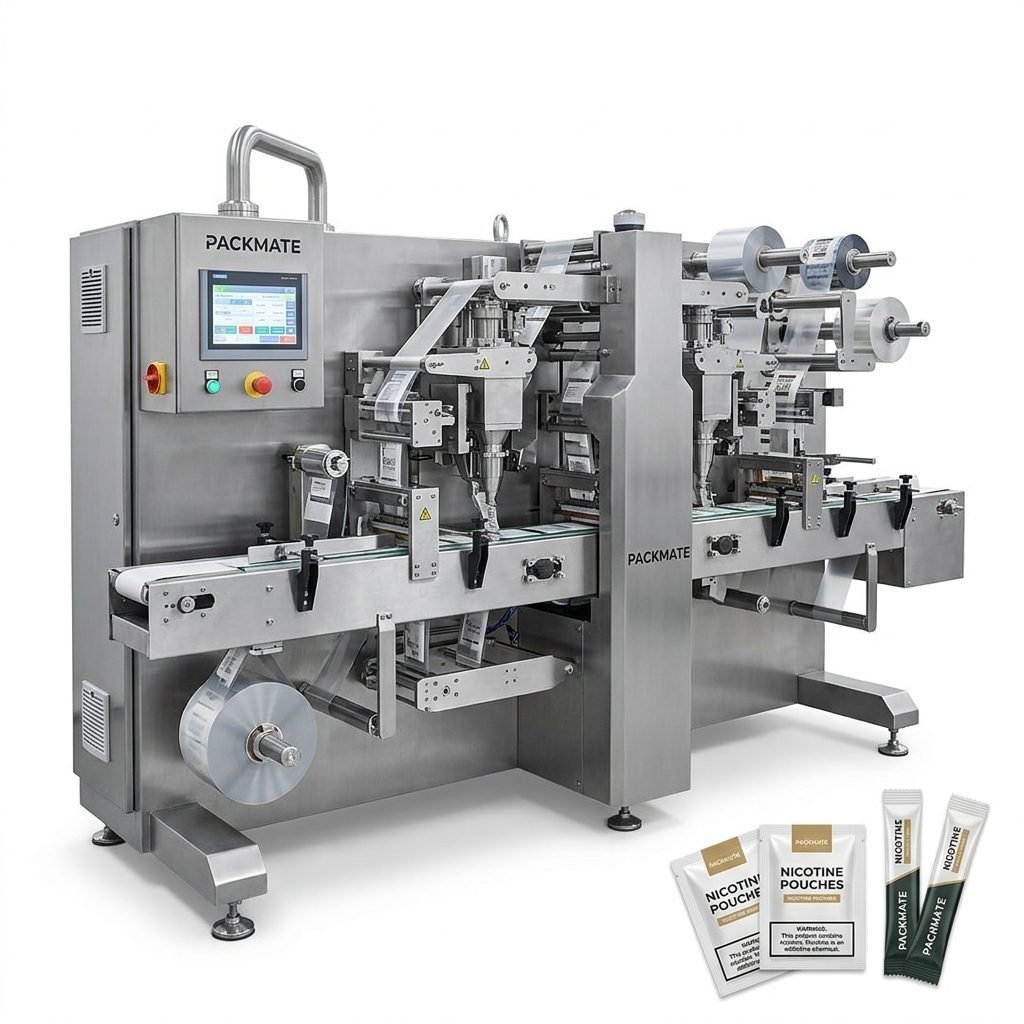
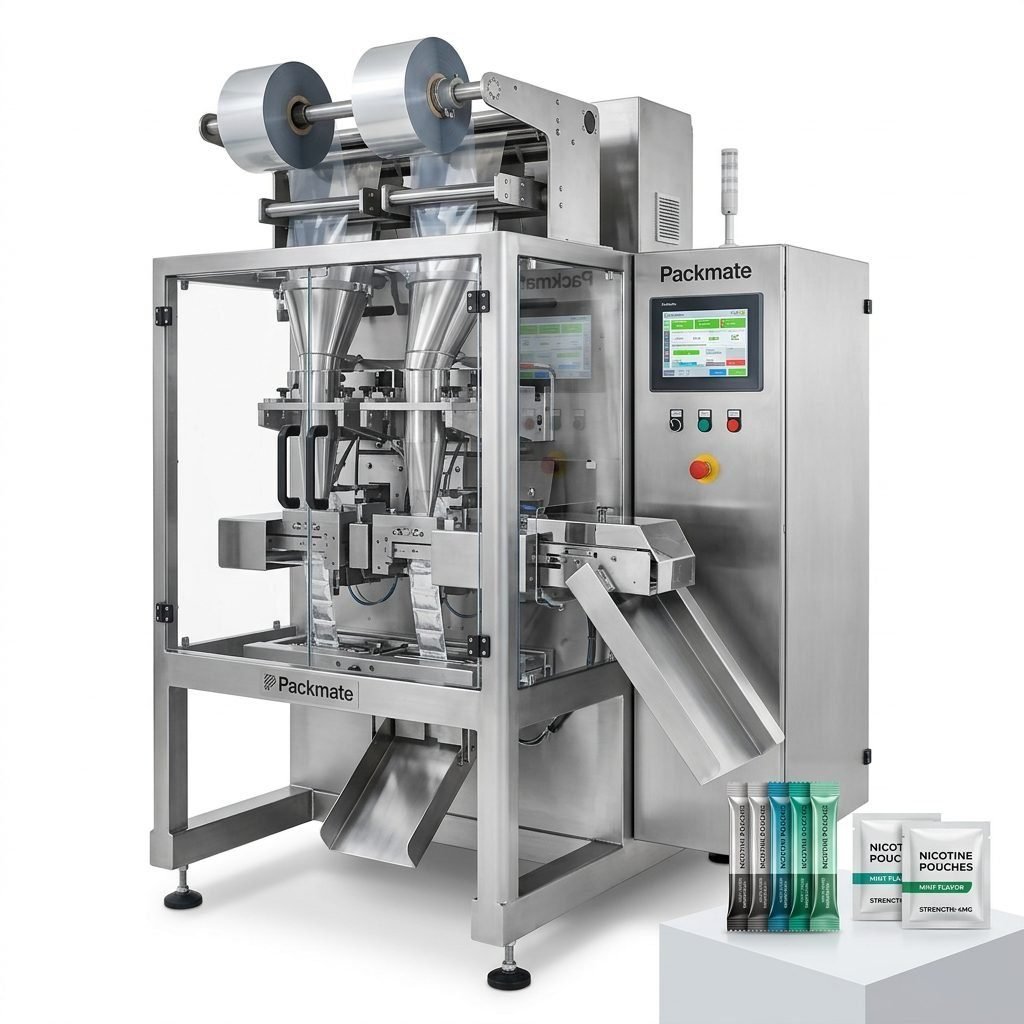
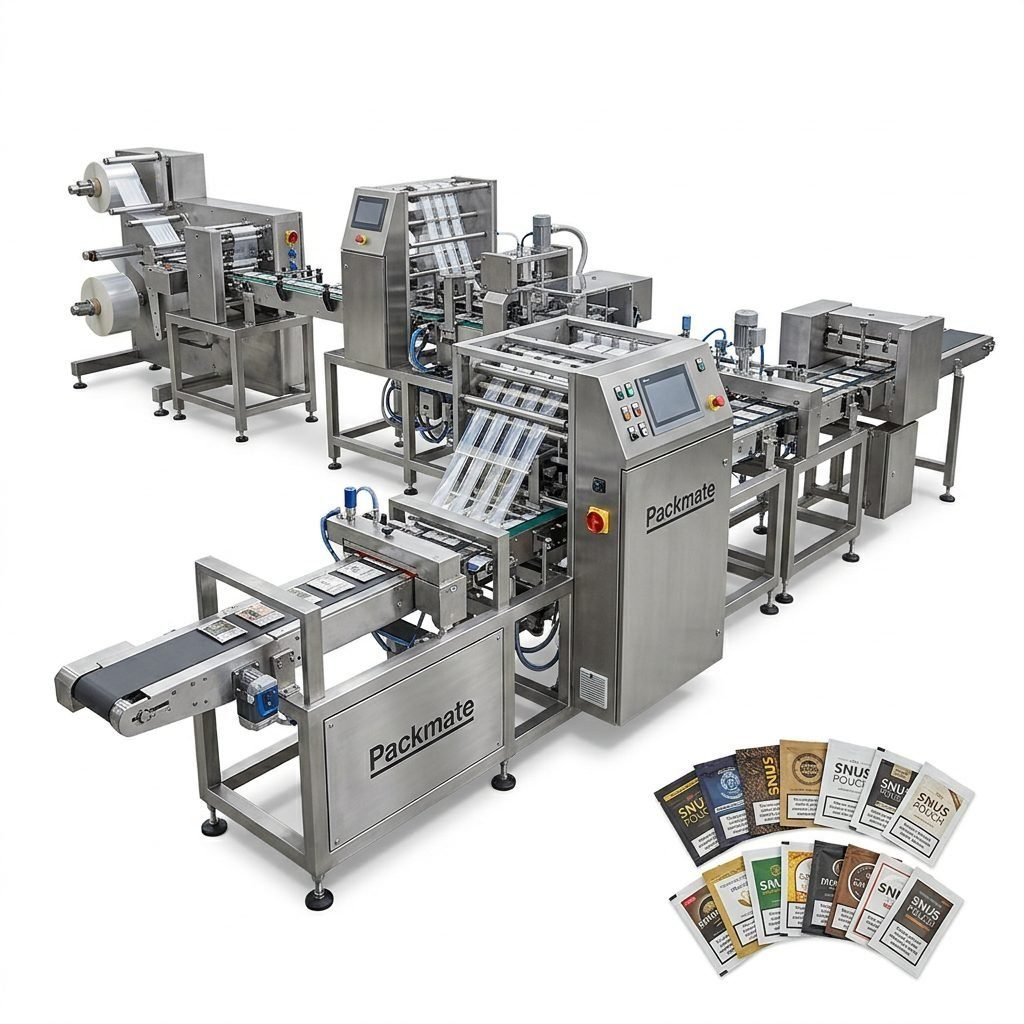
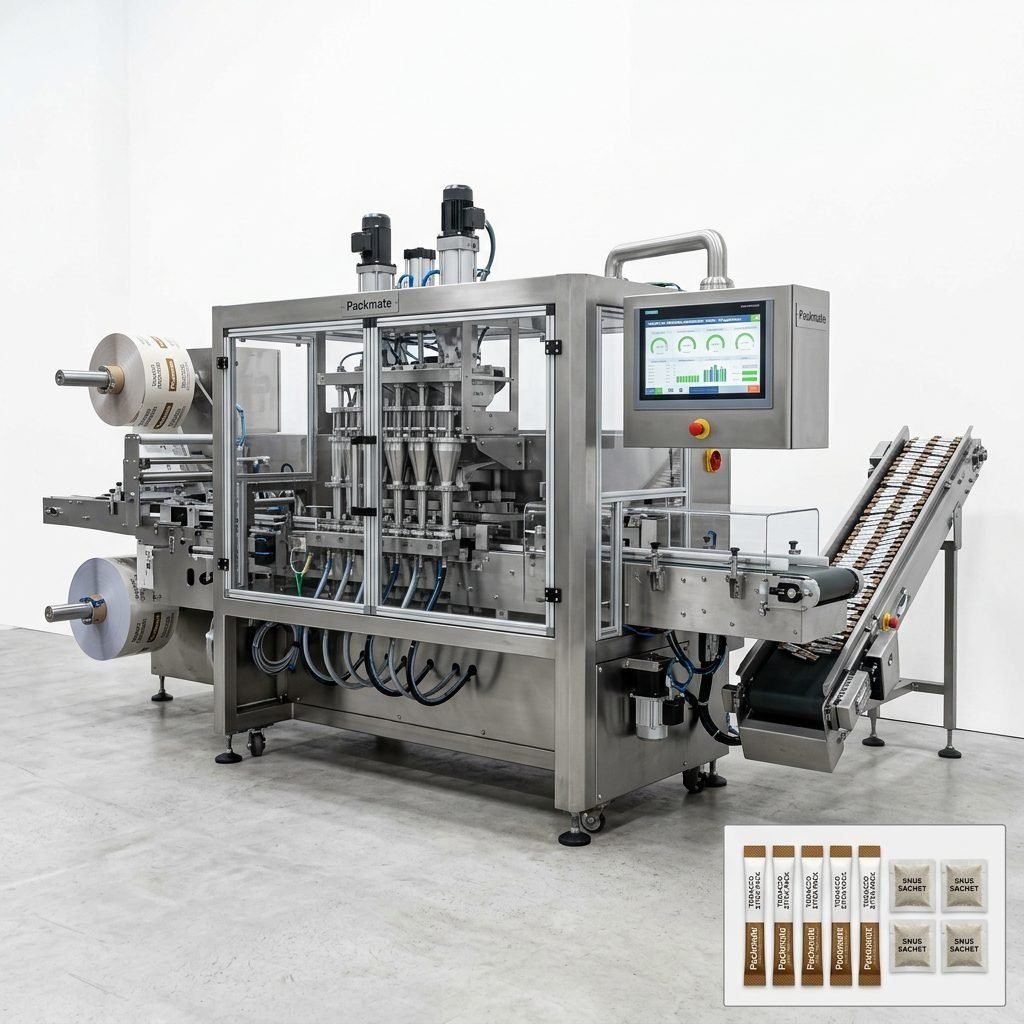
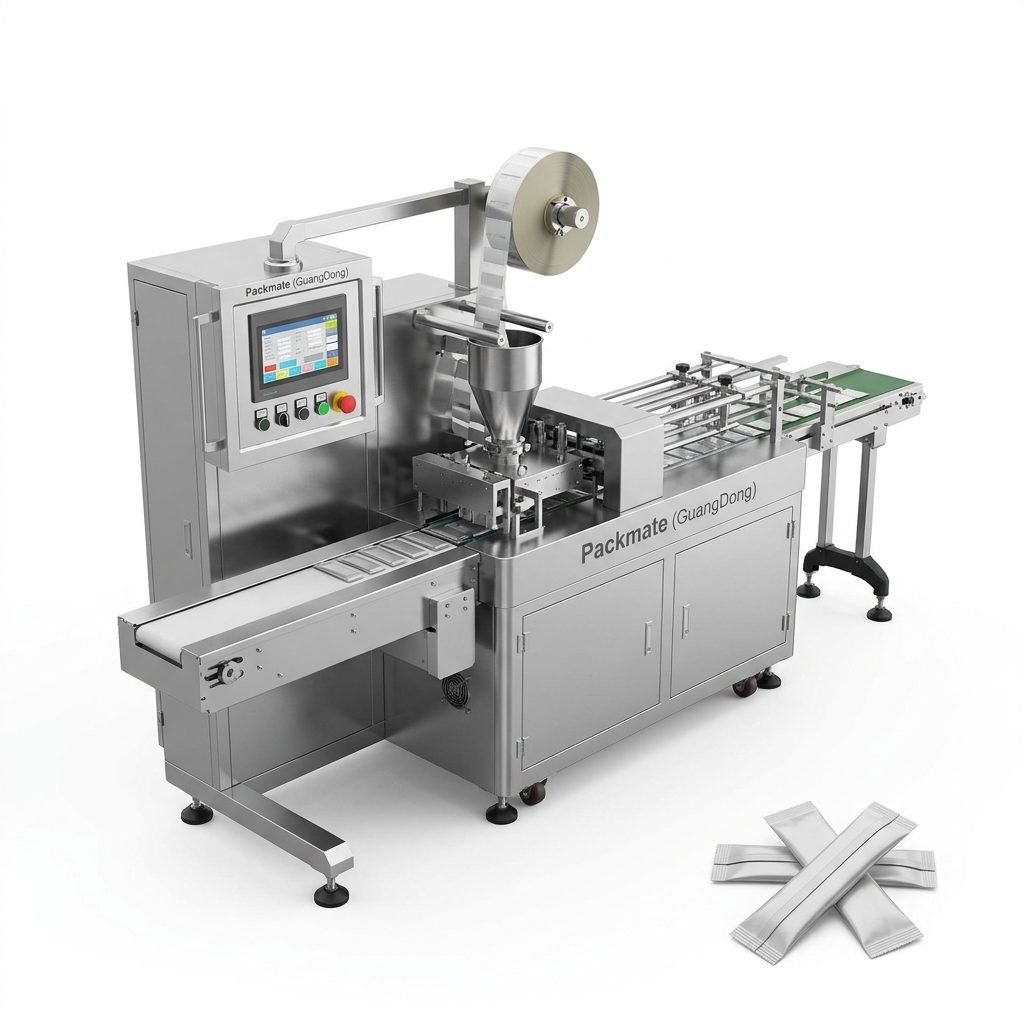
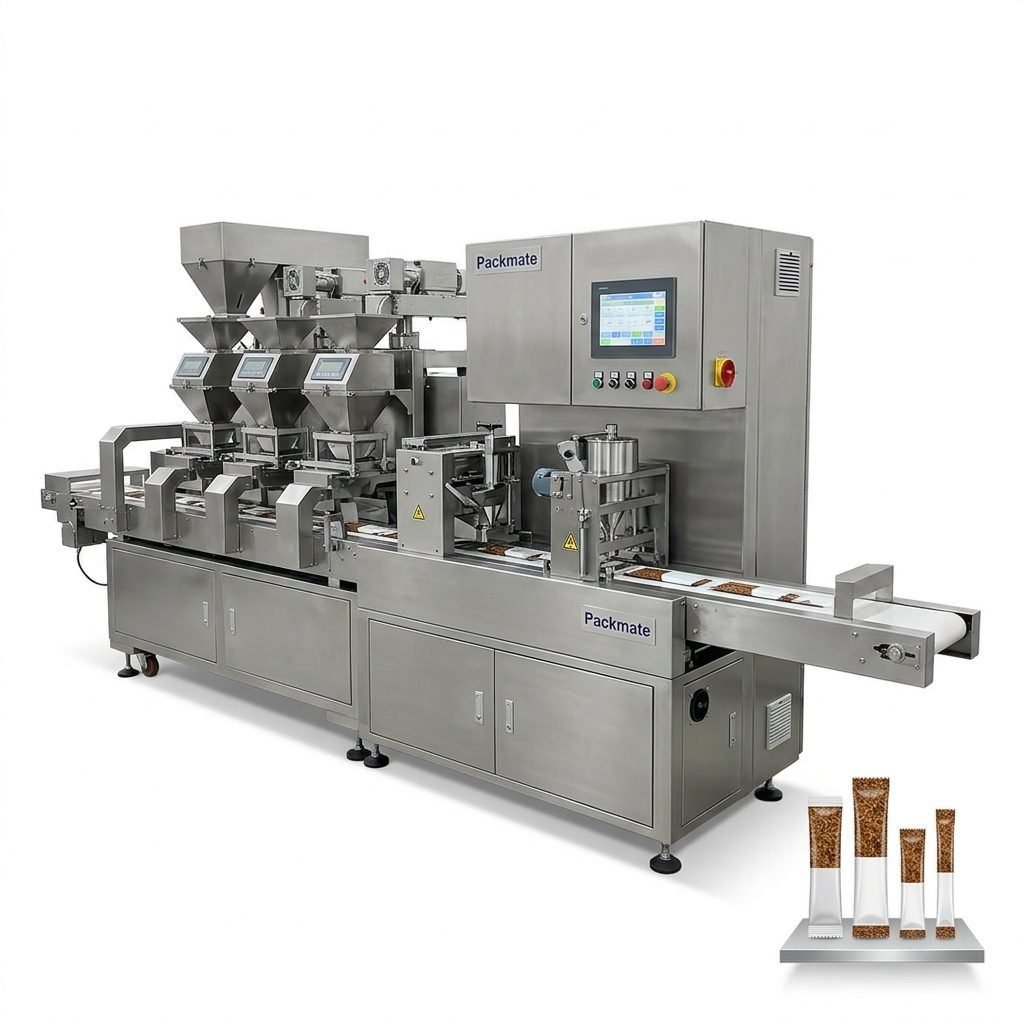
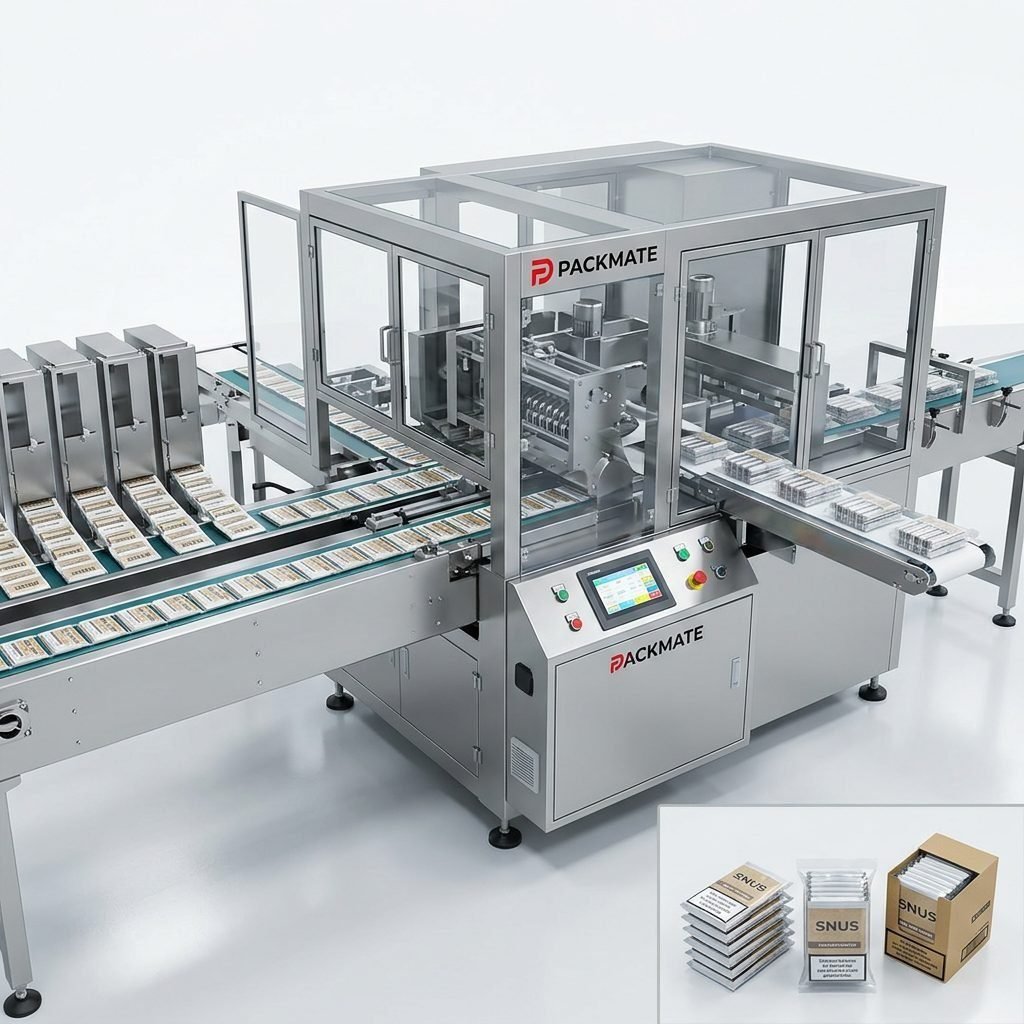
Finding a reliable snus packaging machinery supplier in Turkey requires a blend of technical know-how, cultural awareness, and careful due diligence. This practical buyer’s guide walks you through the selection process step-by-step — from defining your production needs to factory visits, contract negotiation, and after-sales support. The tips below are tailored for buyers working in or with Turkish partners, highlighting local business customs and logistics considerations that will help you secure a dependable long-term supplier.
Understand Your Product and Production Needs
Before you start contacting suppliers, document your product specifications and production targets clearly. For snus or nicotine pouch production you should define:
– Target output (pouches per minute, lanes required).
– Pouch formats (stick pack, sachet, multi-lane pouches).
– Fill materials (powder, granular, moist tobacco, liquid additives).
– Packaging materials (film type, barrier requirements, laminate structures).
– Automation level (manual feeding vs. fully automated turnkey line).
Why details matter
Suppliers will quote very different machines for the same “snus line” depending on whether you need multi-lane speeds, nitrogen flushing, integrated weighing, or secondary packaging. A precise brief avoids surprises and ensures technical proposals are comparable.
Search and Shortlist Potential Suppliers
Use a mix of sources to compile an initial shortlist:
– Trade exhibitions in Turkey and nearby Europe (Istanbul fairs are common meeting points).
– Industry directories and B2B platforms.
– Manufacturer websites and product catalogs — review machine photos, specifications, and certifications.
– Referrals from existing snus or nicotine pouch manufacturers.
✓ Quick tip: Prioritize suppliers who display clear product pages and downloadable catalogs. For example, check specialized product groups like
Snus & Nicotine Packaging Machines and related lines to understand market standards.
Evaluate Technical Capability and Product Range
When assessing suppliers, validate their engineering depth and product range. Look for:
– Experience with multi-lane systems and small-dose pouch production.
– Capability to deliver integrated lines (weighing, filling, sealing, secondary packaging).
– Availability of standardized models and the ability to offer tailored turnkey solutions.
– Clear documentation: machine datasheets, electrical and pneumatic diagrams, and PLC/HMI specifications.
Documentation & Compliance
Verify international certificates (CE, ISO) and ask for machine-specific compliance statements. Reputable manufacturers provide testing reports and FAT (Factory Acceptance Test) records. A good online resource to compare product lines is the supplier’s bag & pouch categories; reviewing similar equipment helps with technical comparisons — for instance, see
Bag & Pouch Packaging Machines.
Assess Manufacturing Strength and Quality Control
Strong manufacturing capabilities reduce risk. Key indicators include:
– Facility size and layout (separate CNC, assembly, and testing areas).
– In-house machining (CNC centers) vs. outsourced parts.
– Dedicated assembly lines and quality testing stations.
– Spare parts inventory and documented QC procedures.
ℹ️ Inspect: Request a virtual or in-person factory tour. Turkish business culture values face-to-face relationships — a site visit or live demonstration builds trust quickly.
Quality, Customization and After-Sales Support
A supplier may have excellent machines but poor support. Ensure:
– Clear warranty terms and response times for service calls.
– Availability of spare parts and consumables (cutters, belts, sensors).
– Training programs for operators and maintenance staff (onsite commissioning or remote training).
– Reference customers and case studies that verify long-term performance — view real examples under the supplier’s case pages, such as
Case.
Service Level Agreements (SLA)
Negotiate SLAs that cover telephone support hours, typical response time for onsite visits, and penalties for missed deadlines. Also, ask about remote diagnostic options — modern PLC/HMI systems often allow secure remote troubleshooting.
Verify Legal and Regulatory Compatibility in Turkey
When importing or producing snus/nicotine pouches in Turkey, ensure full compliance with national and local laws. While machinery itself is subject to safety and CE/ISO standards, product regulations for nicotine-containing products may involve labeling, taxation, and sales restrictions.
Local customs and market norms: Turkey is a majority-Muslim market with consumers sensitive to health messages and labeling clarity. Work with local legal counsel to confirm permissible product claims, import duties, and any required approvals for nicotine products.
Pricing, Payment Terms and Lead Times
Price is important but not everything. Compare quotes on a total-cost basis:
– Base machine cost and optional modules.
– Shipping, customs, and installation expenses.
– Training, commissioning, and spare parts kits.
– Payment terms (deposit + balance on shipment or after FAT).
– Lead time and production schedule — factor in holidays (Turkish national holidays) and peak demand times.
⚠️ Negotiation note: Turkish suppliers often appreciate personal relationships and transparent negotiation. Building rapport can make payment or warranty negotiations smoother.
Factory Acceptance Test (FAT) and Pre-Shipment Checks
A comprehensive FAT mitigates risk. Insist on:
– Full-speed test runs with representative product and packaging material.
– Measurement of output rates, seal integrity, and packaging quality.
– Recording of electrical, mechanical, and software parameters.
– Signed acceptance protocol before shipment.
Remote FAT
If travel is not feasible, request a live-streamed FAT with a structured checklist and recorded video evidence. Ensure timestamps and clear operator commentary are included.
Logistics, Installation and Training in Turkey
Plan the installation phase carefully. Consider port options (Istanbul, Izmir) and domestic transport. A supplier who offers local commissioning and operator training reduces ramp-up time. Clarify:
– Scope of installation (mechanical, electrical, control integration).
– Operator and maintenance training duration and language (Turkish/English).
– Spare parts shipment lead times to Turkey and local stocking options.
Key Red Flags to Avoid
Watch out for:
– Vague technical specs or no FAT documentation.
– No clear warranty, spare parts plan, or training options.
– Poor communication or delayed responses during pre-sales — it often predicts post-sale support quality.
– Extremely low quotes without explanation — may imply inferior components or missing services.
✓ Pro tip: Ask for references from customers in similar markets. Contact them directly to validate performance claims and service responsiveness.
How Packmate-Like Suppliers Differentiate Themselves
Leading manufacturers in the snus packaging sector differentiate through:
– Decades of engineering experience and a wide model range for flexible production needs.
– In-house advanced CNC and assembly systems ensuring consistent quality.
– Turnkey lines that integrate weighing, filling, sealing, and secondary packaging.
– Documentation of global cooperation cases and exhibition presence that affirm international credibility — see company background information on pages like
About Packmate and exhibition highlights at
Our Exhibition.
Final Checklist Before You Sign
Use this checklist to finalize your supplier decision:
– Clear technical specification and agreed machine configuration.
– Confirmed lead time and FAT schedule.
– Documented warranty, spare parts list, and SLA.
– Training plan and commissioning responsibilities.
– Export, shipping, and import documentation responsibilities.
– References verified and any custom requirements captured in the contract.
📌 Reminder: Keep communications and approvals in writing. This minimizes misunderstandings, especially for custom integrations or regulatory documentation.
Useful Resources and Next Steps
After narrowing your list, arrange: (1) a technical Q&A call; (2) FAT scheduling; (3) a contract draft with detailed scope; and (4) logistics planning. For more technical product groups and auxiliary equipment to complete a production line, review supplier product categories such as
Auxiliary Packaging Equipment and integrated systems under
Weighing & Packaging Systems.
Local Cultural Tips When Working with Turkish Suppliers
– Build trust: Turkish business interactions often emphasize relationship-building. Allocate time for introductory meetings and follow up personally.
– Communication style: Clear, respectful, and punctual communication is valued. Confirm key points after calls via email.
– Negotiation: Expect some bargaining on price and terms — however, avoid aggressive tactics that can damage long-term cooperation.
If you are ready to reach out to suppliers, use the contact page of trusted manufacturers to request tailored proposals and arrange a factory visit or FAT:
Contact Us.
Summary
Choosing the right snus packaging machinery supplier in Turkey means combining technical evaluation with cultural and logistical awareness. Define your product needs, verify manufacturing and quality systems, insist on FATs, secure clear after-sales support, and build a strong working relationship. With a careful approach you can secure a partner capable of delivering high-performance, reliable snus packaging lines that meet your production and compliance needs.
Common Questions
Q1: What certifications should I ask for when buying snus packaging machines?
A: Request CE and ISO certificates for the manufacturer and machine-specific safety documentation. Also ask for FAT reports and compliance declarations for electrical and mechanical safety.
Q2: How can I verify a supplier’s references remotely?
A: Ask for recent case studies, client contact details, and recorded FAT videos. Schedule calls with referees and request permission to see production footage or performance data.
Q3: What should be included in a warranty and spare parts agreement?
A: Clearly define warranty duration, covered components, response times for service, availability of critical spare parts, and costs for consumables. Include agreements on training and remote support.
Q4: Is it common to demand a factory visit before purchase in Turkey?
A: Yes. Turkish suppliers generally expect buyers to show due diligence. A factory visit or live FAT builds trust and reduces the chance of post-sale disputes.
Q5: Where can I find product catalogs and model comparisons?
A: Review supplier product pages and downloadable catalogs for model specs. For a broad view of related equipment, explore categories like
Filling & Packaging Lines and the supplier’s catalog page
Catalog.