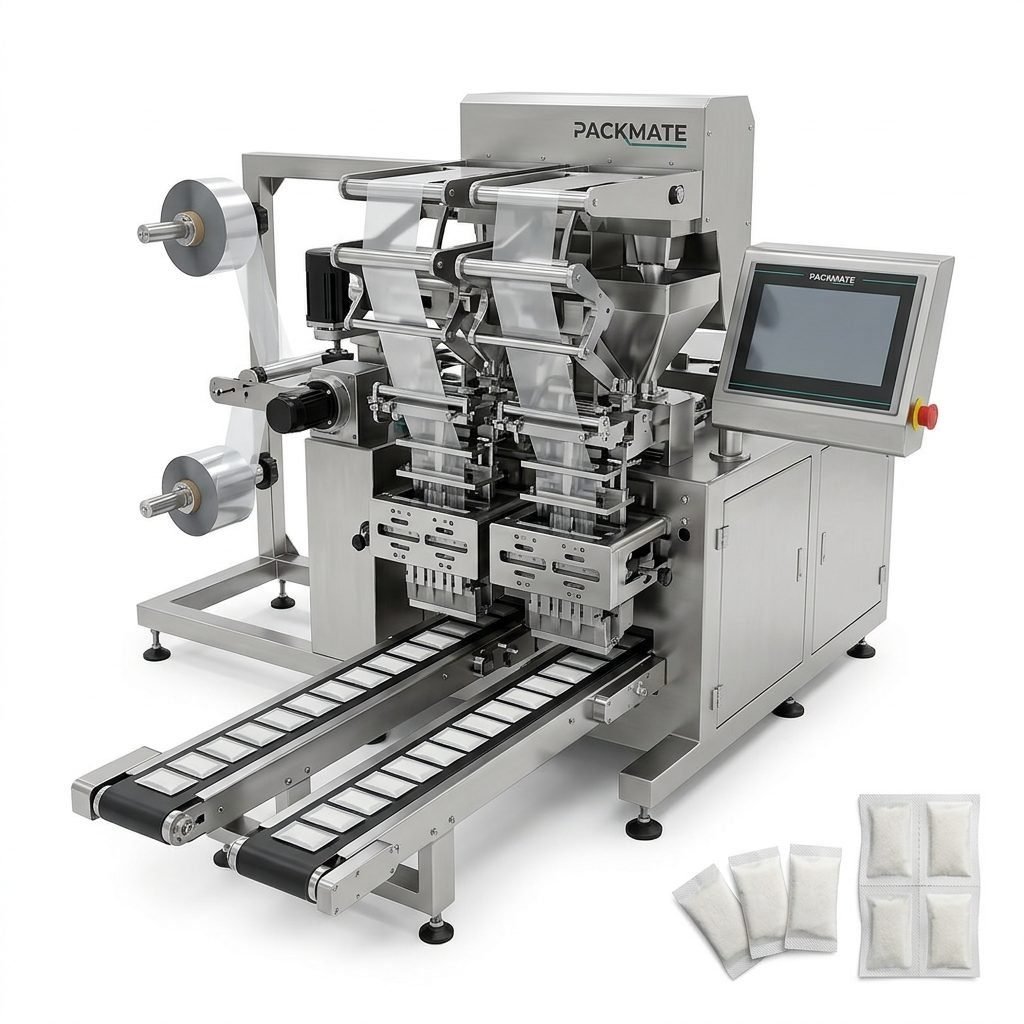
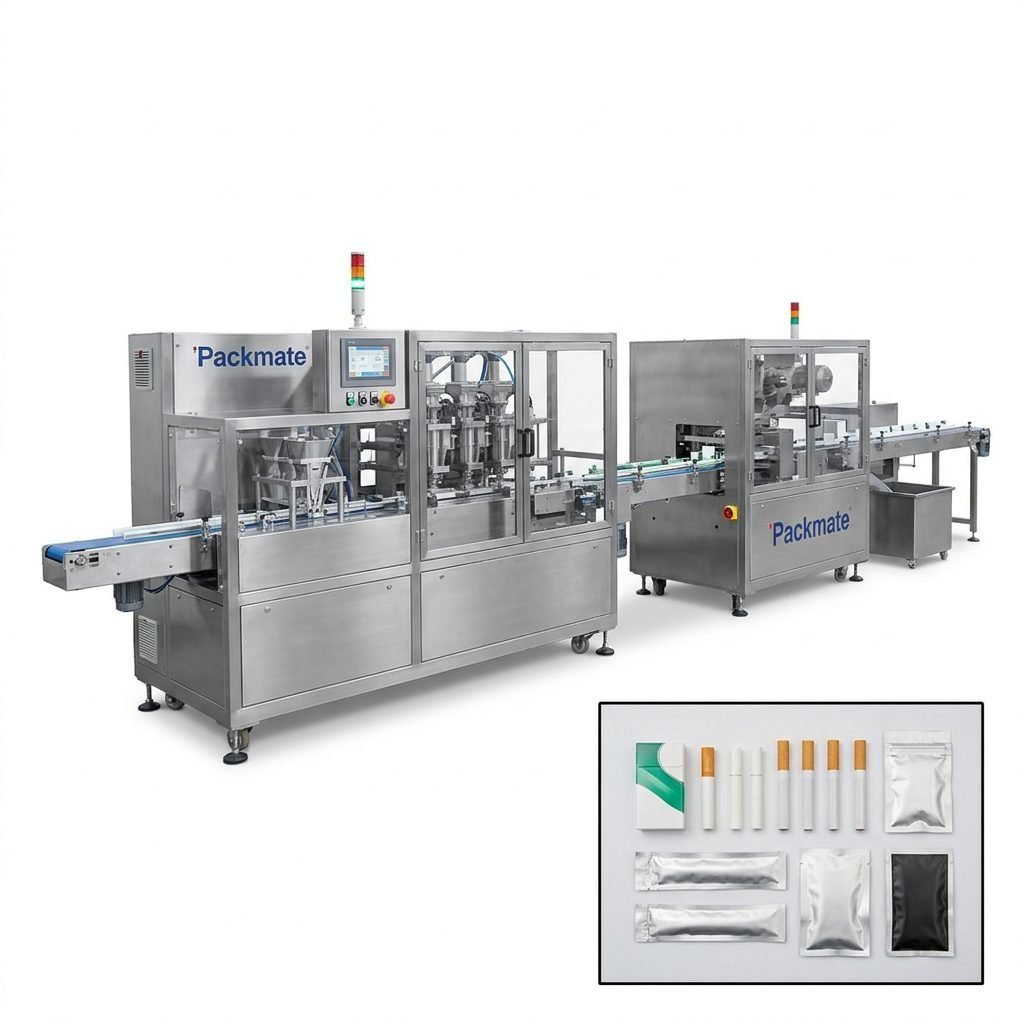
Choosing the right snus packaging machinery supplier in Thailand is a strategic step for companies aiming to enter or expand in the Southeast Asian smokeless nicotine market. This guide explains what to evaluate—technical performance, regulatory compliance, after-sales support, and cultural factors specific to Thailand—so you can make a confident, long-term investment decision.
Understand Thailand’s Market & Regulatory Landscape
Thailand has strict tobacco and nicotine regulations and a culture that emphasizes public health. Before sourcing equipment, confirm whether your intended product format (nicotine pouches, snus) is legally allowed and what labeling, testing and import rules apply. Work with legal advisors or local partners to assess regional restrictions and market acceptance.
Key local considerations
📌 Regulatory compliance: Ensure machines support traceability and labeling systems required by Thai authorities and potential export markets.
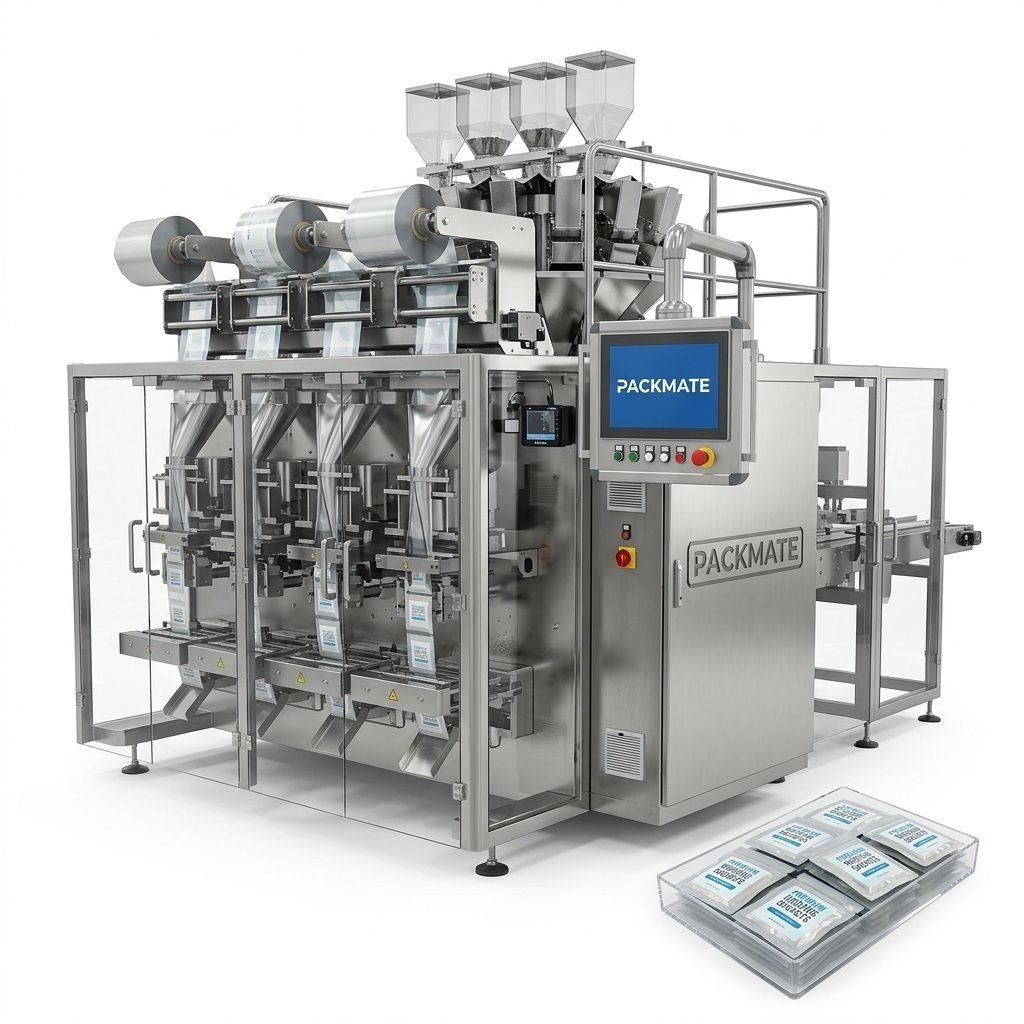
📌 Cultural preference: Thai consumers may prefer low-dose, discreet pouch formats—plan multi-lane or stick pack options accordingly.
📌 Business etiquette: Face-to-face meetings, clear contracts in Thai or bilingual documentation, and reliable after-sales service are highly valued.
Technical Capabilities: What to Verify
A supplier must provide machines that consistently meet production targets and product quality. Evaluate the mechanical design, automation level, and integration options.
Must-check technical items
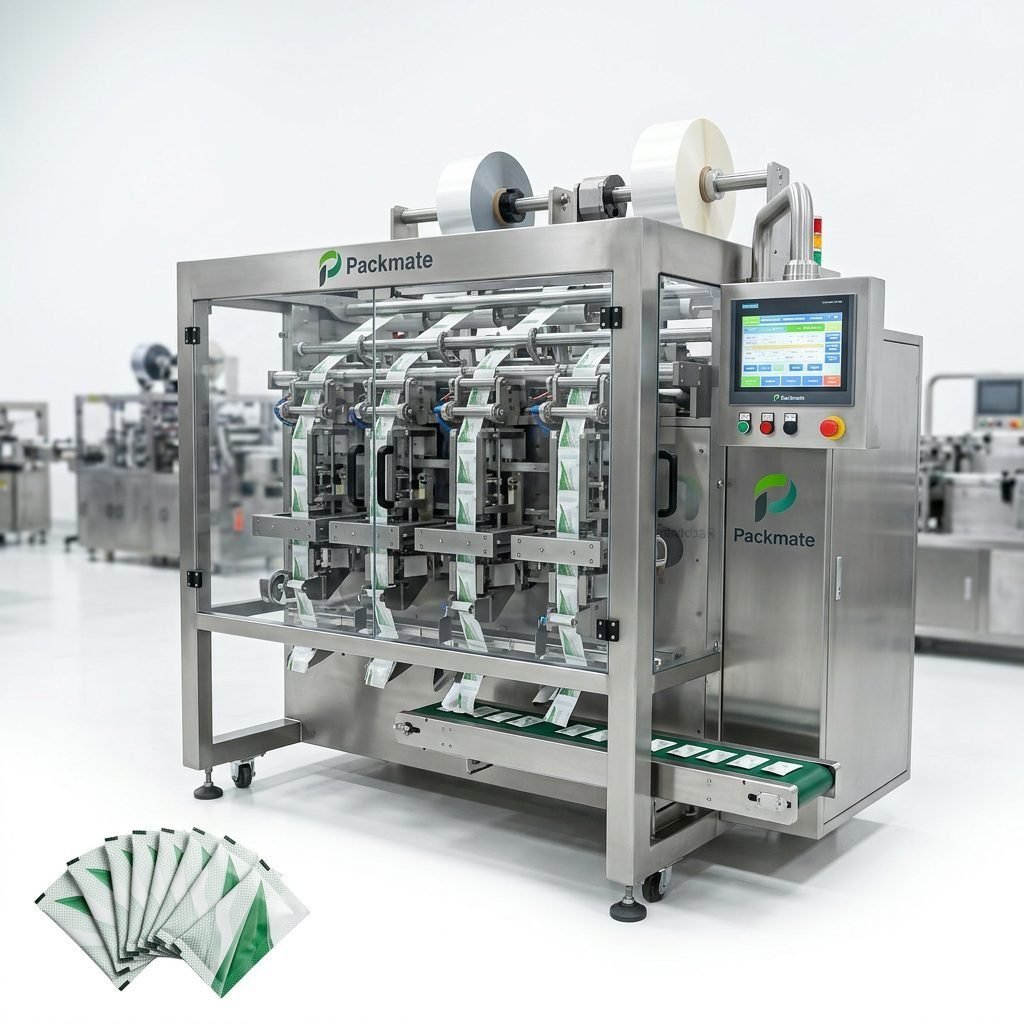
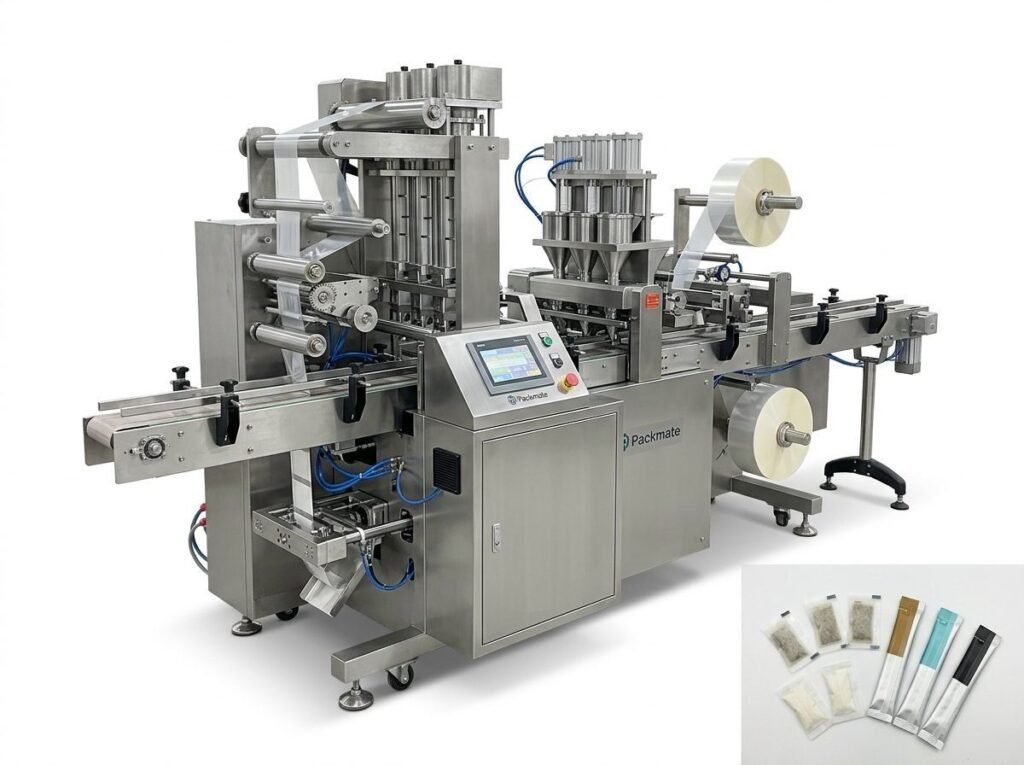
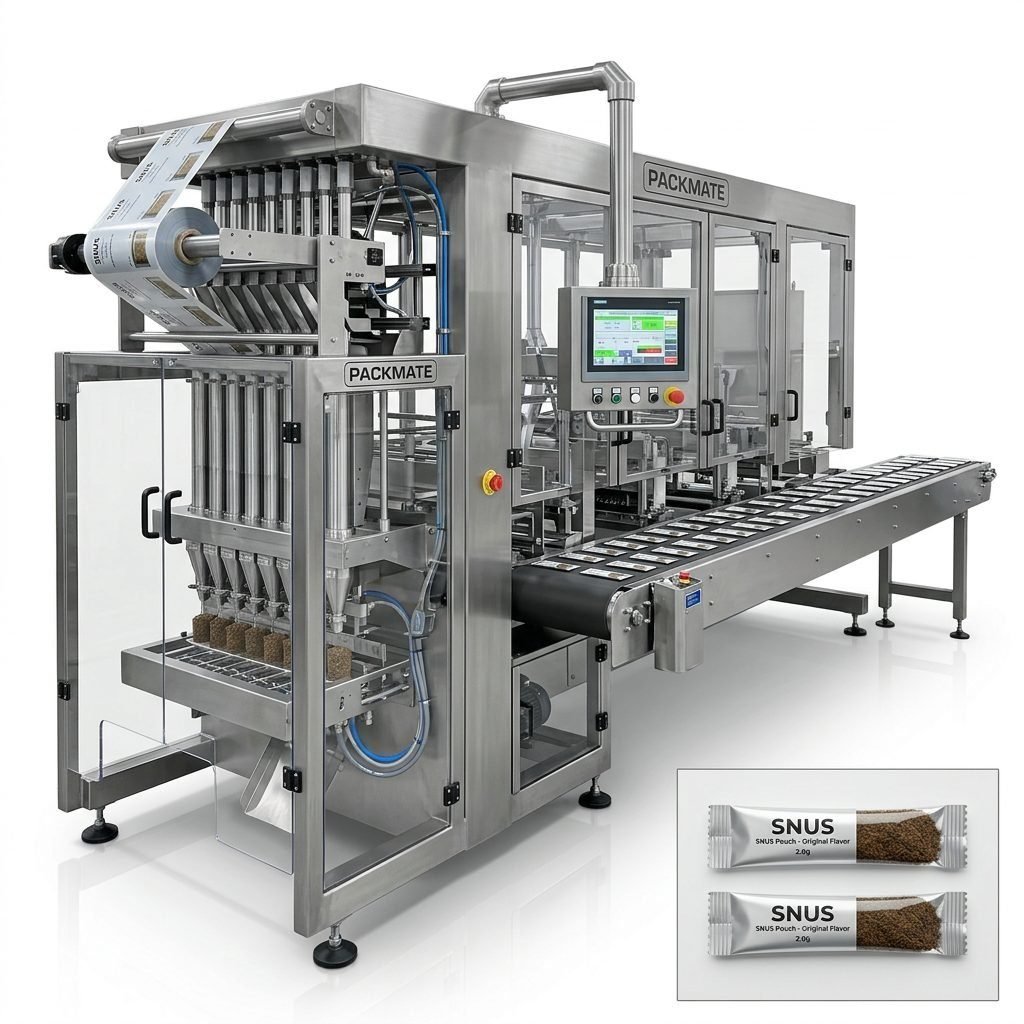
🔍 Production speed & stability: Request cycle-speed data for your product weight and packing format (e.g., multi-lane snus pouches, sachets, stick packs).
🔍 Accuracy & yield: Inspect filling accuracy, weight control systems, and acceptable reject rates. High-precision CNC components and calibrated weighing systems matter.
🔍 Flexibility & upgradeability: Can the machine handle different pouch types and sizes? Is it easy to add lanes or integrate with upstream/downstream lines?
Supplier Credentials and Factory Strength
Choose suppliers with proven manufacturing facilities, international certifications and a track record in snus or nicotine pouch equipment. Check for CE, ISO certifications and examples of turnkey lines.
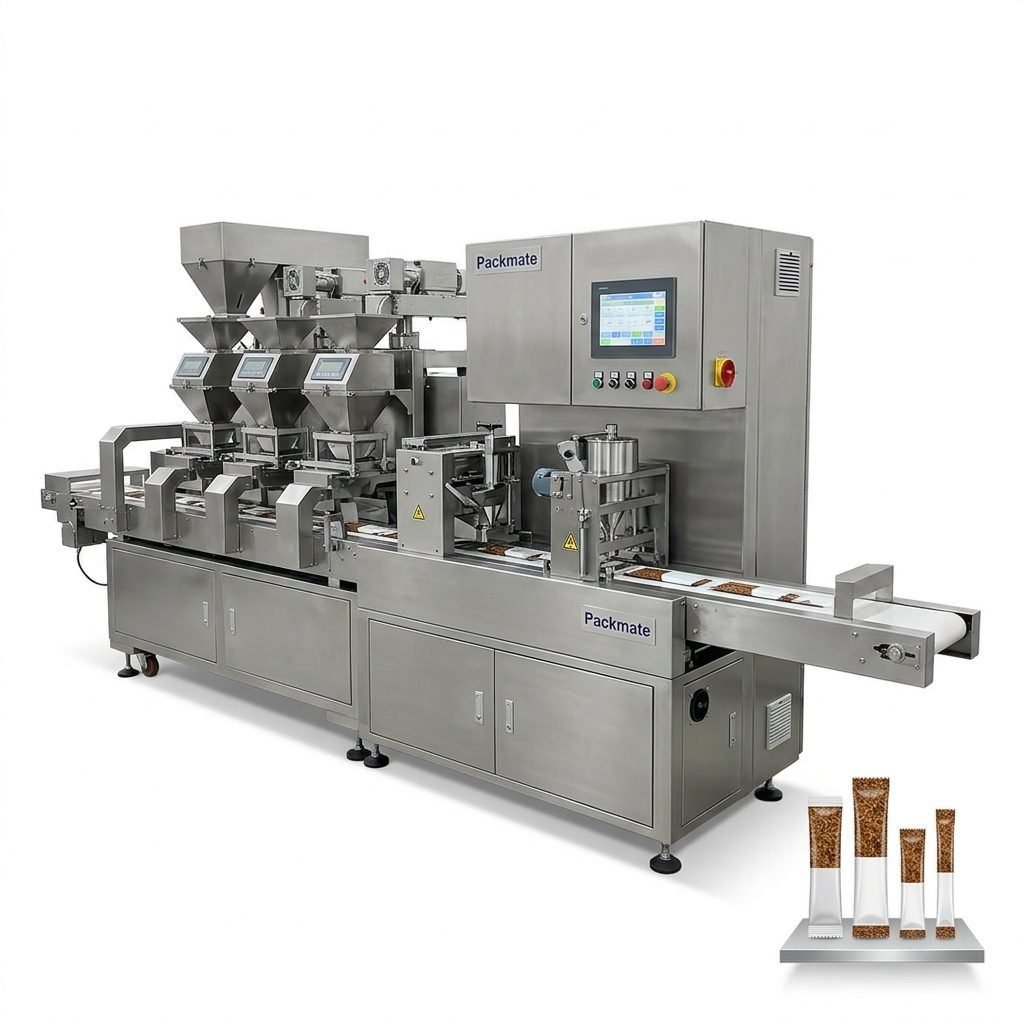
For reference, experienced manufacturers often highlight factory scale (e.g., 20,000㎡), decades of engineering experience, and a portfolio of 50+ machine models—indicators of production capacity, R&D depth and customization capability. See product offerings like Snus & Nicotine Packaging Machines and Bag & Pouch Packaging Machines for details and specifications.
Quality Control, Testing & Certifications
Strong quality control processes reduce downtime and ensure consistent product output. Ask suppliers about inspection protocols, pre-shipment testing, and whether they provide documentation for international compliance. Certification evidence (CE, ISO) is essential when importing equipment into regulated markets.
Testing & validation checklist
✔ Factory acceptance testing (FAT) with your product
✔ Performance data showing throughput and yields
✔ Spare parts lists and maintenance manuals in English (and Thai if possible)
✔ Certificates: CE, ISO quality management, and any export-related docs
After-Sales Support & Spare Parts
In Thailand, quick and reliable after-sales support is a competitive advantage. Vendors should provide clear warranty terms, remote troubleshooting capability, and rapid spare parts shipping. Consider a supplier that maintains regional partners or can dispatch engineers on-site.
Evaluate service offerings such as commissioning, operator training, preventive maintenance schedules, and long-term spare parts availability. Visit supplier case studies or galleries to see real-world installations; the Case page is a useful resource for examples.
Total Cost of Ownership (TCO) & Financing
Beyond purchase price, calculate TCO including installation, local modifications, tooling, consumables, energy use, and spare parts. Some manufacturers offer financing options or phased payment schedules—negotiate terms that match your production ramp-up plan.
Cost evaluation tips
⚖ Compare energy and air consumption per 1,000 pouches
⚖ Assess mean time between failures (MTBF) and mean time to repair (MTTR)
⚖ Estimate training and labor costs for local operators
Customization & Turnkey Solutions
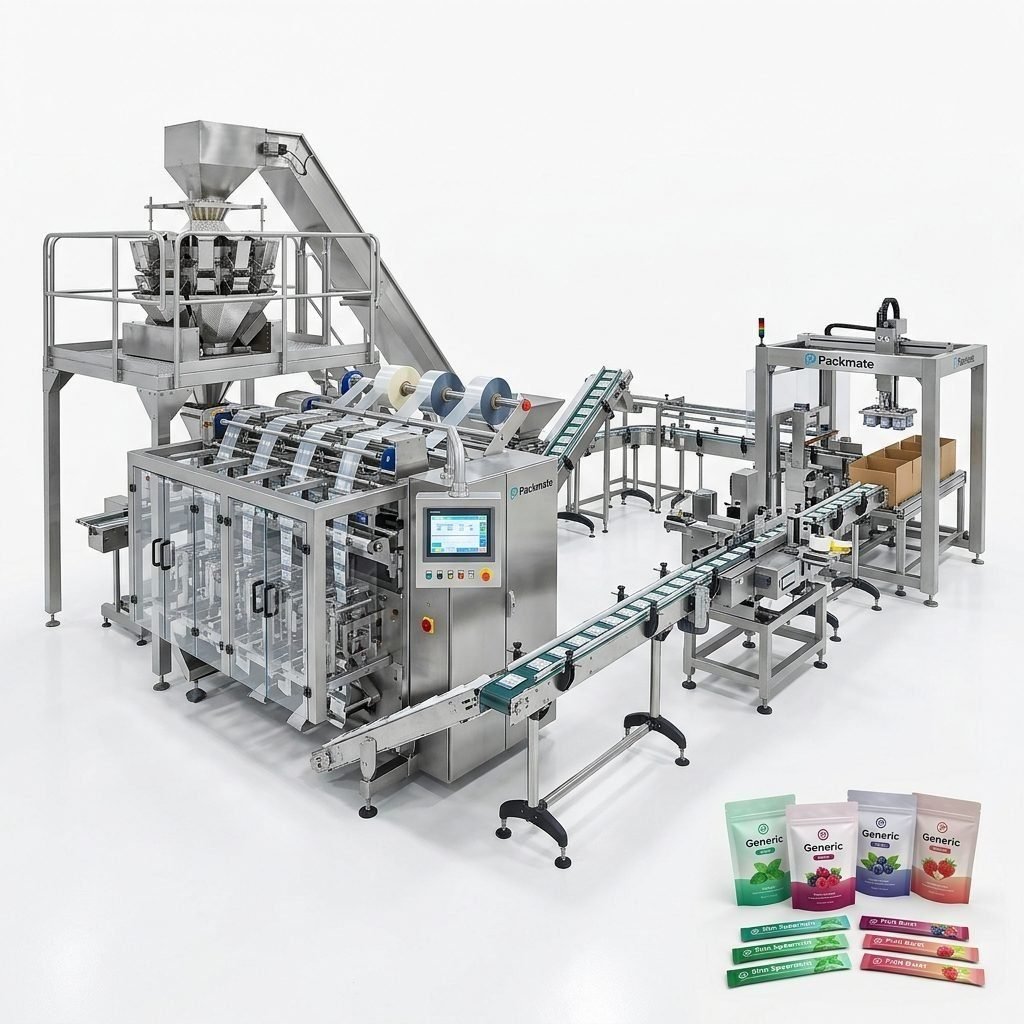
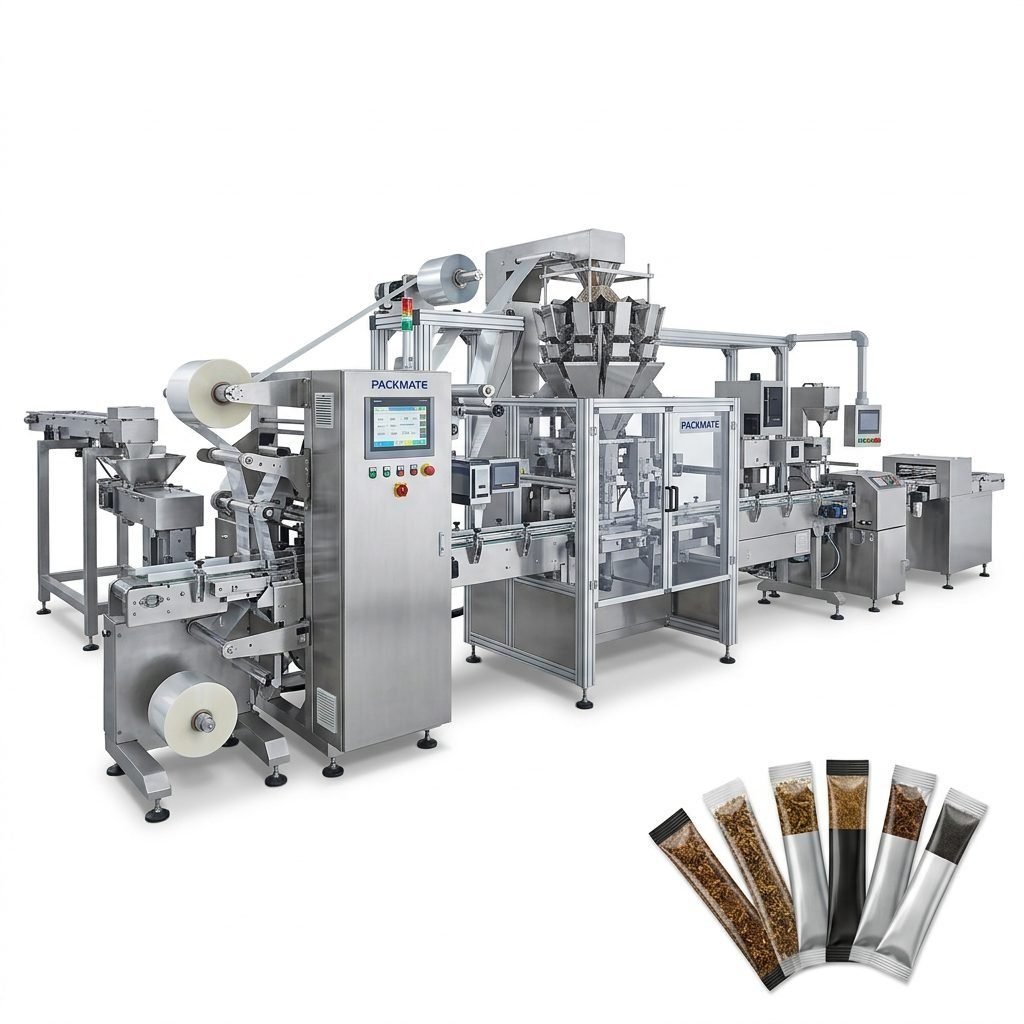
For companies producing niche formats or aiming for integrated lines, turnkey solutions are valuable: integrated weighing, filling, sealing, case packing and labeling. Choose suppliers that offer modular designs and proven multi-lane systems for small-dose pouch production.
Learn more about integrated lines and auxiliary equipment on the Filling & Packaging Lines and Auxiliary Packaging Equipment pages. Suppliers with long history and multiple models can better adapt to your product roadmap.
Factory Visits, Demos & Exhibitions
In Thai business culture, trust is often built through direct interaction. Schedule factory visits or attend trade exhibitions to witness live demonstrations and meet engineers. Reliable suppliers participate in global events—check their exhibition calendar to plan a meeting.
If on-site travel is impractical, request detailed video demos using your materials, machine run-time footage, and references from customers in similar regulatory environments.
Key Questions to Ask Potential Suppliers
When evaluating vendors, prepare a focused questionnaire covering performance guarantees, spare parts lead times, training scope, warranty coverage, and local compliance support. Request references from customers who produce snus or nicotine pouches and ask for documented performance data.
Must-ask topics
• Spare parts stock and typical shipping times to Thailand
• On-site commissioning timeline and travel terms
• Availability of Thai language manuals or local technical partners
• Evidence of performance with similar products and formats
How to Finalize a Safe Procurement
Once you select a supplier, sign a detailed contract that includes delivery timelines, acceptance criteria (FAT & SAT), warranty, spare parts commitments, and penalties for missed milestones. Ensure intellectual property and confidentiality clauses protect proprietary recipes or processes.
Confirm shipping terms and customs documentation for Thailand, and plan for local installation, operator training and production trials prior to full-scale launch.
Supplier Recommendations & Resources
For in-depth product exploration, review the supplier product pages covering complete solutions such as Snus & Nicotine Packaging Machines, Sachet & Stick Pack Machines, and Weighing & Packaging Systems. Check the About Packmate and Certificate pages for company background and compliance records. When evaluating, request case studies and customer references to validate claims.
Final selection checklist
✔ Legal & regulatory feasibility in Thailand
✔ Proven machine performance with small-dose pouches
✔ Strong after-sales & local service plan
✔ Transparent TCO and spare parts availability
✔ Clear contract terms including FAT/SAT and warranty
Useful Links
• Snus & Nicotine Packaging Machines
• Sachet & Stick Pack Machines
• About Packmate
• Case studies
• Contact Us
Conclusion
Selecting the best snus packaging machinery supplier for Thailand means balancing technical performance, regulatory readiness, and strong local support. Prioritize suppliers with proven multi-lane, high-precision solutions, transparent testing and warranty policies, and a commitment to after-sales service that fits Thai market expectations. A careful procurement process reduces launch risk and helps build a reliable production capability for both domestic and export opportunities.
Frequently Asked Questions
Q1: Is snus or nicotine pouch manufacturing legal in Thailand?
A1: Regulations can be strict and subject to change. Always verify current Thai laws and consult local legal counsel before investing in production or importing finished products.
Q2: What documents should I request from a packaging machine supplier?
A2: Request FAT records, machine specifications, CE/ISO certificates, spare parts lists, wiring diagrams, and references from similar projects.
Q3: How important is local technical support in Thailand?
A3: Extremely important. Fast access to spare parts and on-site technicians reduces downtime and ensures consistent production—factors that matter greatly in Thai business relationships.
Q4: Should I opt for turnkey lines or modular machines?
A4: If you plan rapid scale-up or integrated throughput, turnkey is convenient. If you need flexibility or phased investment, modular machines allow incremental upgrades.
Q5: How can I verify a supplier’s claims before purchase?
A5: Schedule factory visits, request live demos with your materials, check case studies and customer references, and require FAT with acceptance criteria in the contract.