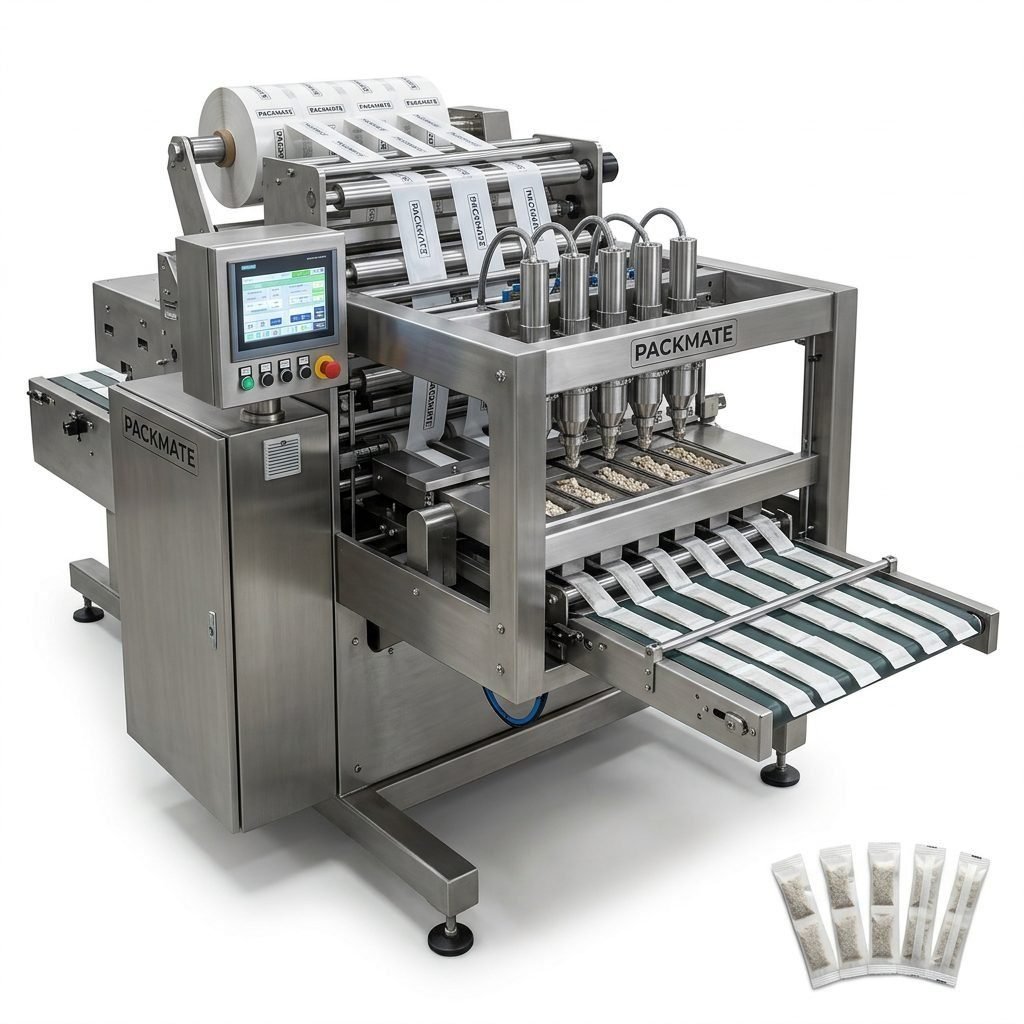
Choosing the right snus packaging machinery supplier in Spain requires more than comparing prices — it demands an understanding of local market preferences, regulatory expectations, production targets, and long-term service needs. This guide walks Spanish manufacturers, distributors, and entrepreneurs step-by-step through the practical considerations for selecting a reliable partner for nicotine pouch and snus packaging equipment. You will learn what machine types matter, which factory capabilities to prioritize, how to verify certifications and after-sales support, and how to assess total cost of ownership for a successful investment.
Why Spain Needs a Localized Approach to Snus Packaging
Spain sits in a unique position in Europe: while traditional snus consumption is higher in Northern Europe, the Spanish market is evolving. Spanish consumers value high-quality design and clear labeling in Spanish, and the hospitality and tourism sectors create seasonal demand for compact, attractive single-dose formats. Additionally, Spain follows EU packaging and labeling regulations strictly, so any supplier must be able to deliver machines that produce compliant packs and clear traceability marks. Consider these local realities when evaluating suppliers:
- Packaging aesthetics are important for tourist and retail segments.
- Spanish-language printing and allergen/ingredient declaration capabilities are often required.
- Regulatory compliance (EU/CE) and traceability for nicotine products are non-negotiable.
Common Spanish Customer Expectations
Spanish buyers often prioritize compact factory layouts, energy-efficient machines for higher utility savings, and rapid local support. For export-oriented producers based in Spain, multi-lane systems that enable high throughput with small-dose precision are highly desirable. Look for suppliers with proven experience integrating production lines that match Southern European plant footprints.
Types of Snus Packaging Machines and Which Fit Your Needs
Selecting the right machine family is the foundation of a good purchase. Below are core categories and their Spanish market advantages:
Sachet & Stick Pack Machines
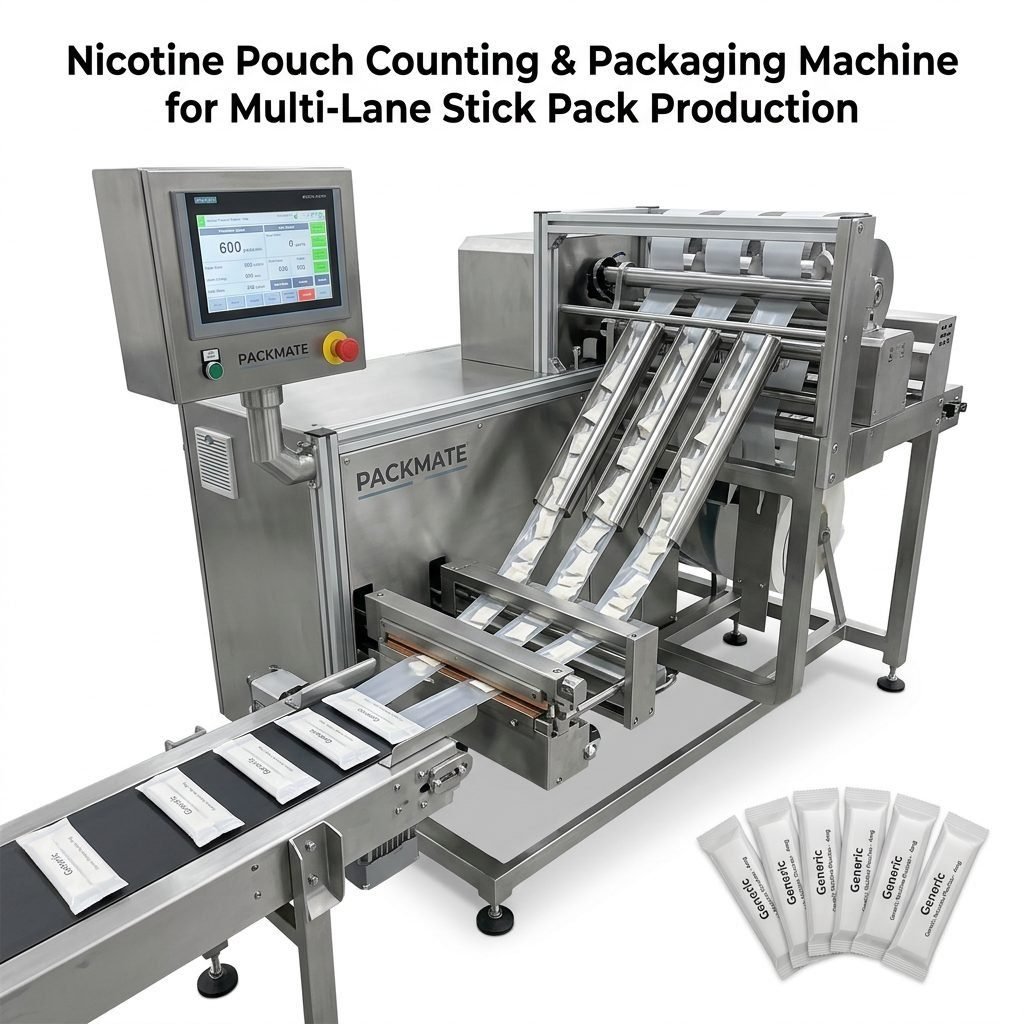
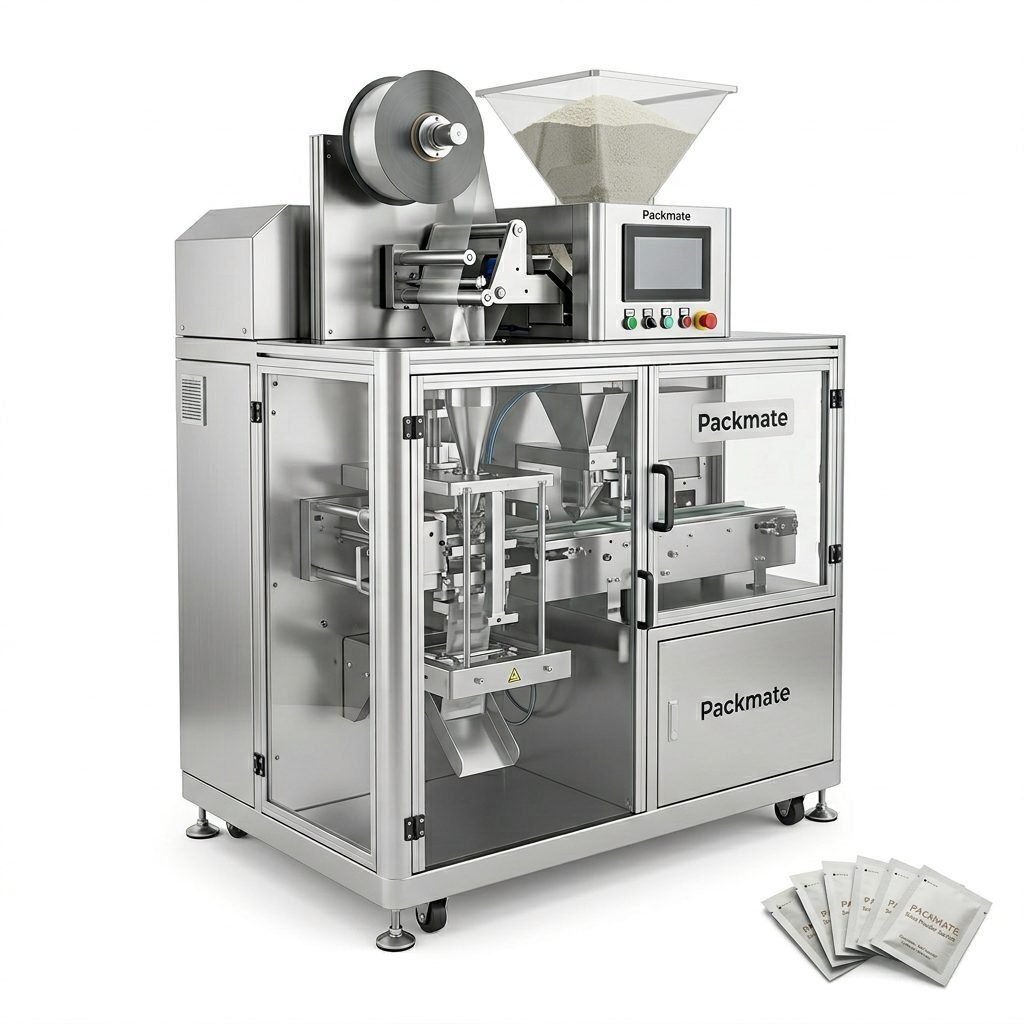
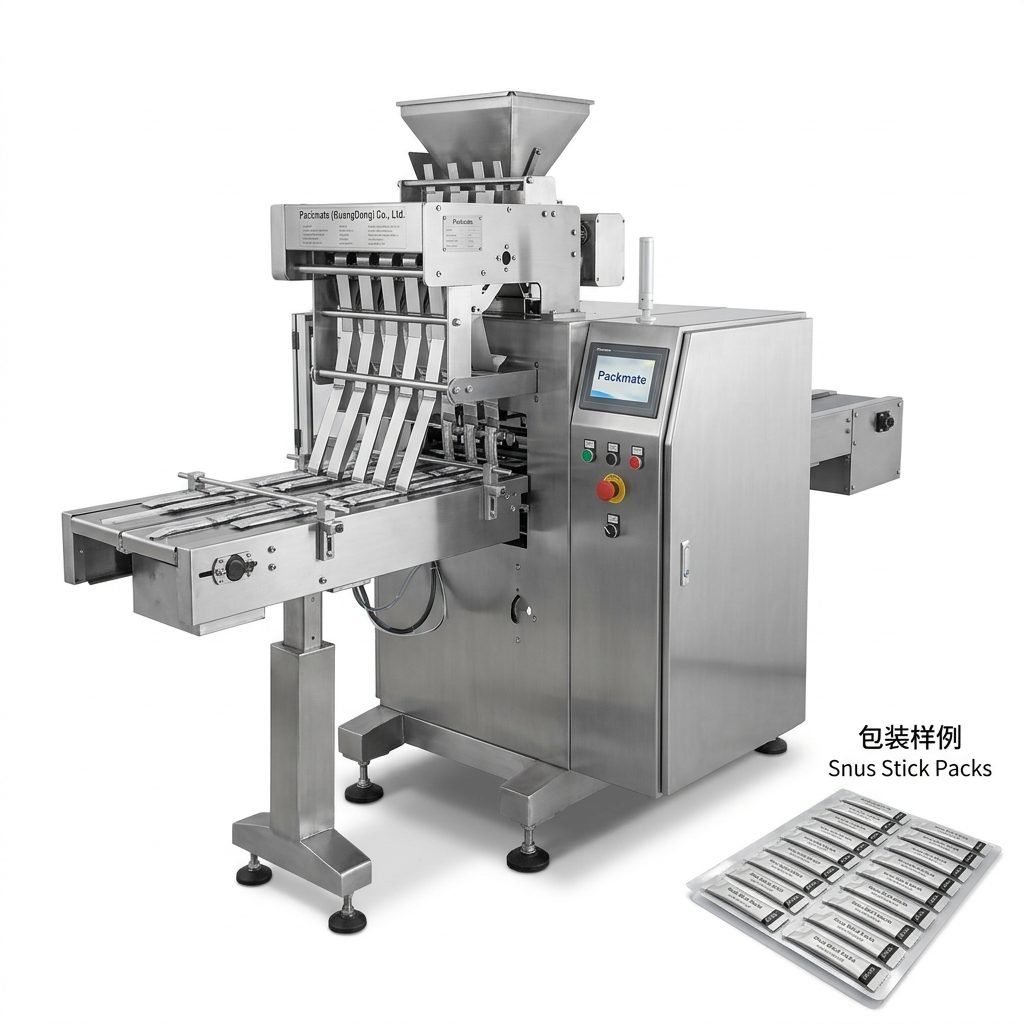
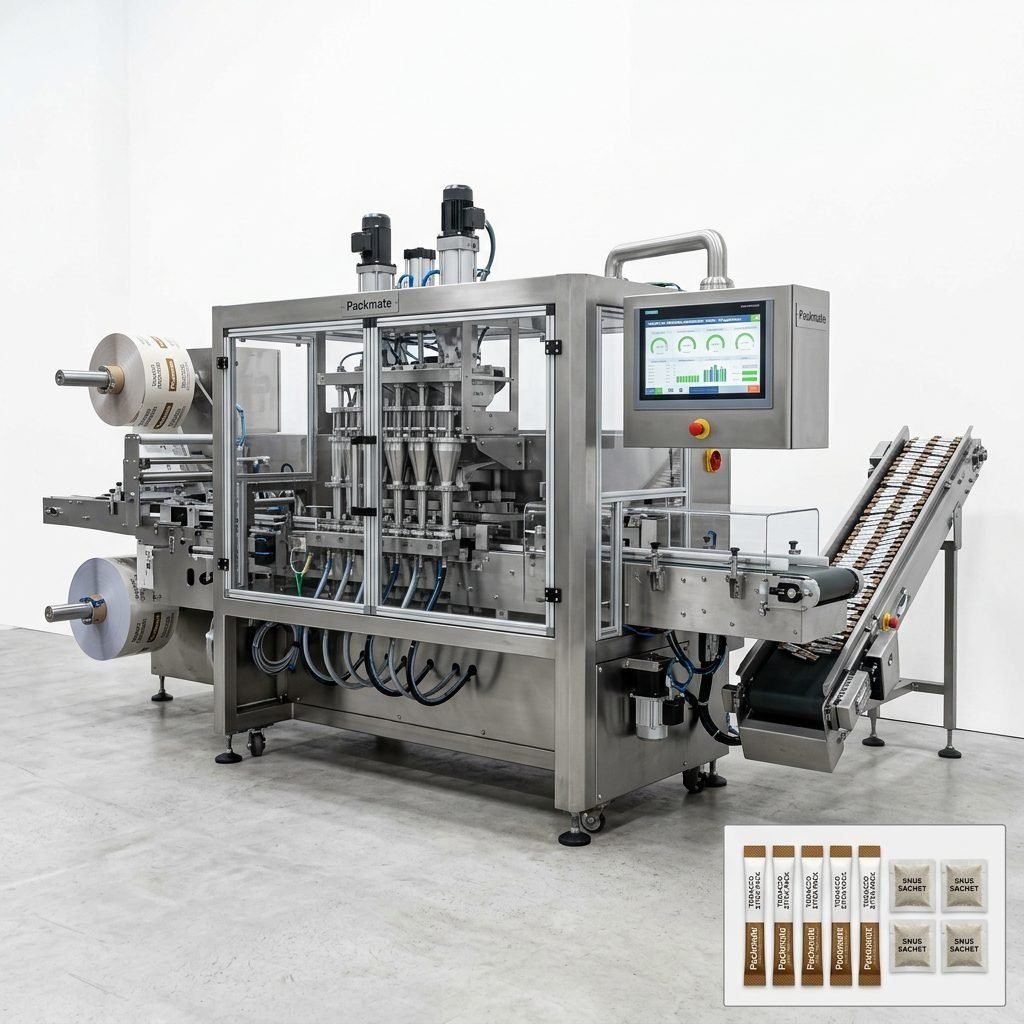
Sachet and stick pack machines create sealed single-dose or small multi-dose packs. They are excellent for premium single-use products commonly sold in tourist shops and convenience channels. These machines generally offer fast format changes and high-speed sealing solutions. See examples of high-quality sachet and stick solutions at Sachet & Stick Pack Machines.
Multi-Lane Snus / Nicotine Pouch Machines
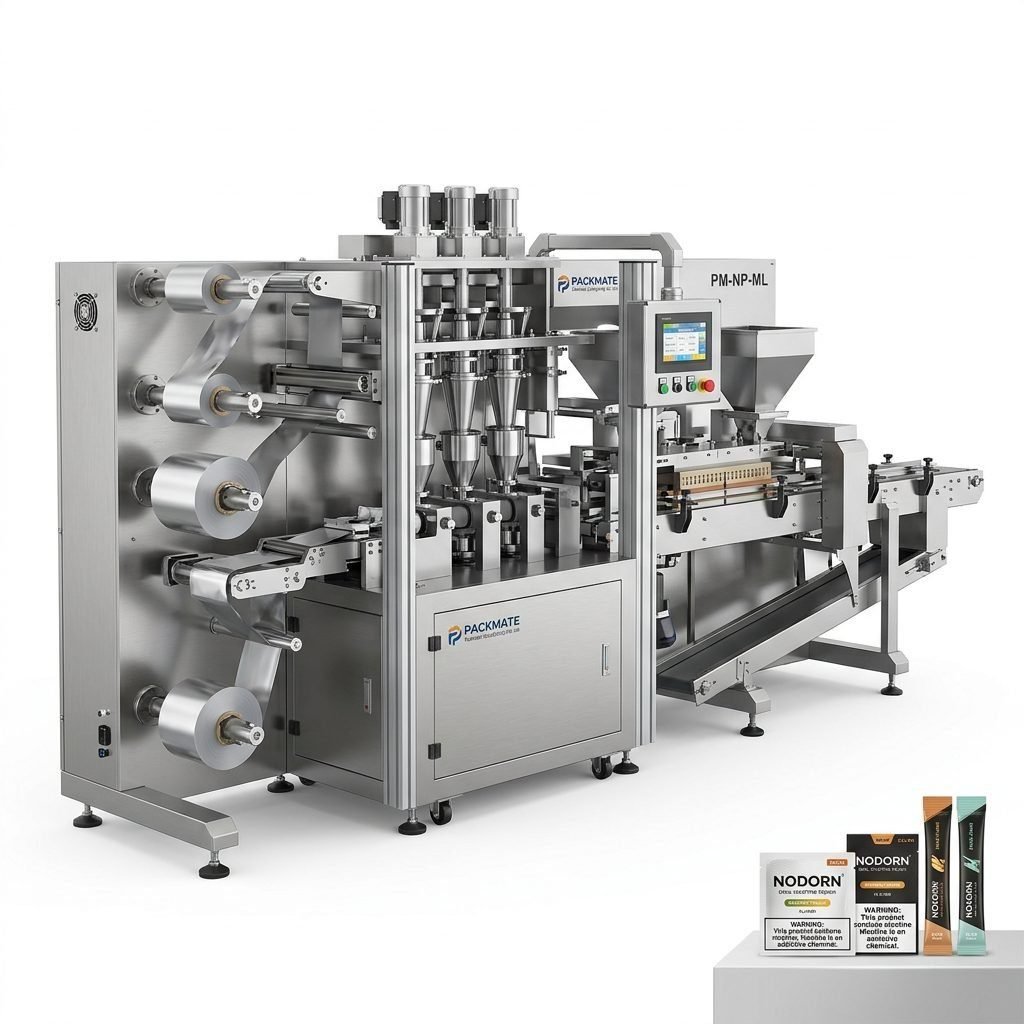
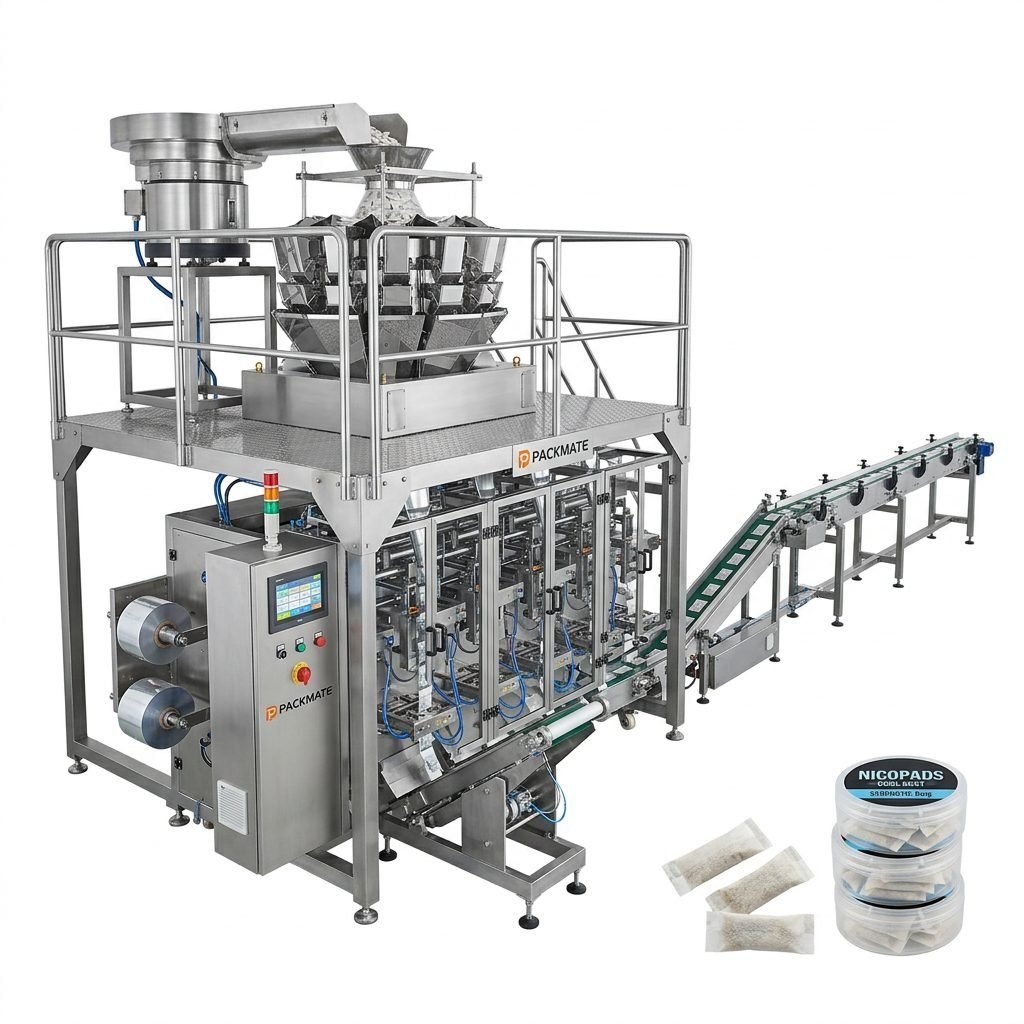
For manufacturers targeting volume or multiple SKUs, multi-lane snus machines deliver high throughput with precise portion control. They reduce footprint costs per output and are ideal for producers aiming to supply Spanish and broader European markets. Explore the technology behind these lines at Snus & Nicotine Packaging Machines.
Filling & Integrated Packaging Lines
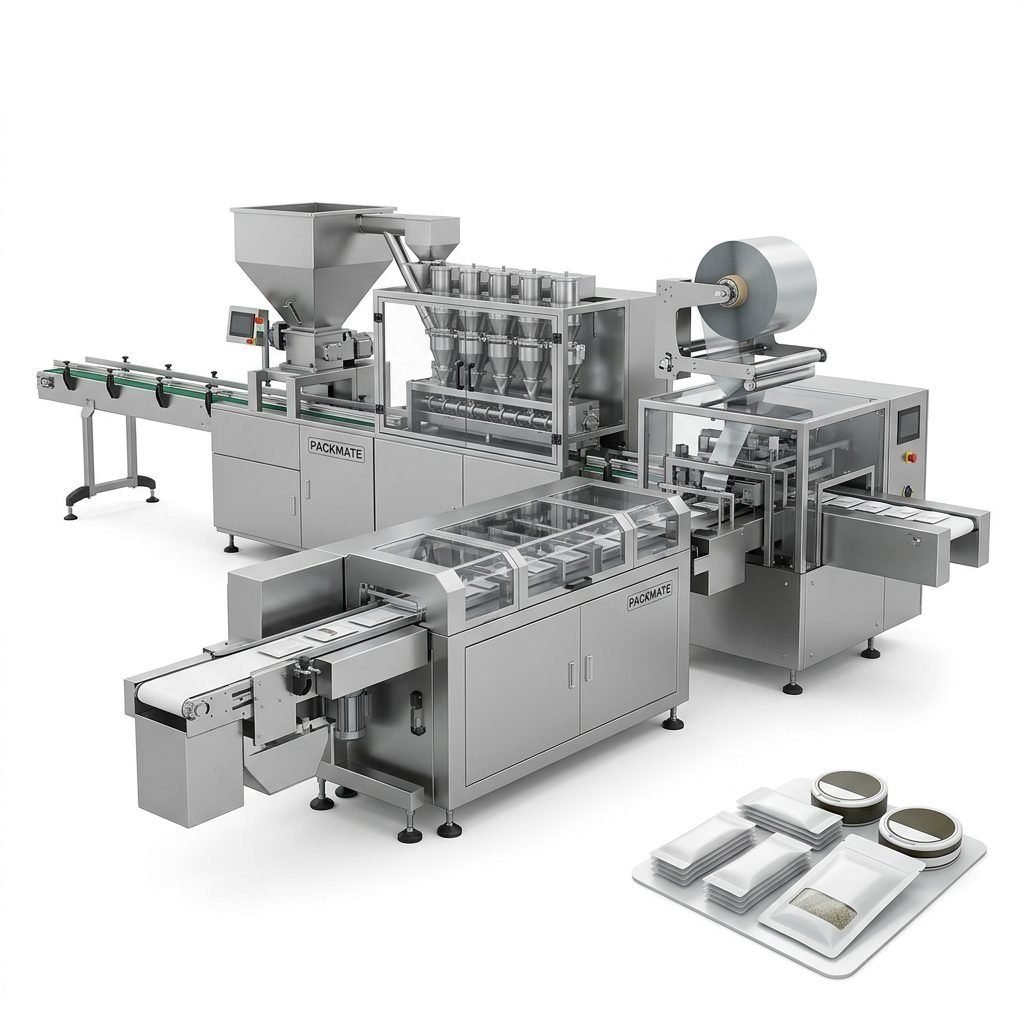
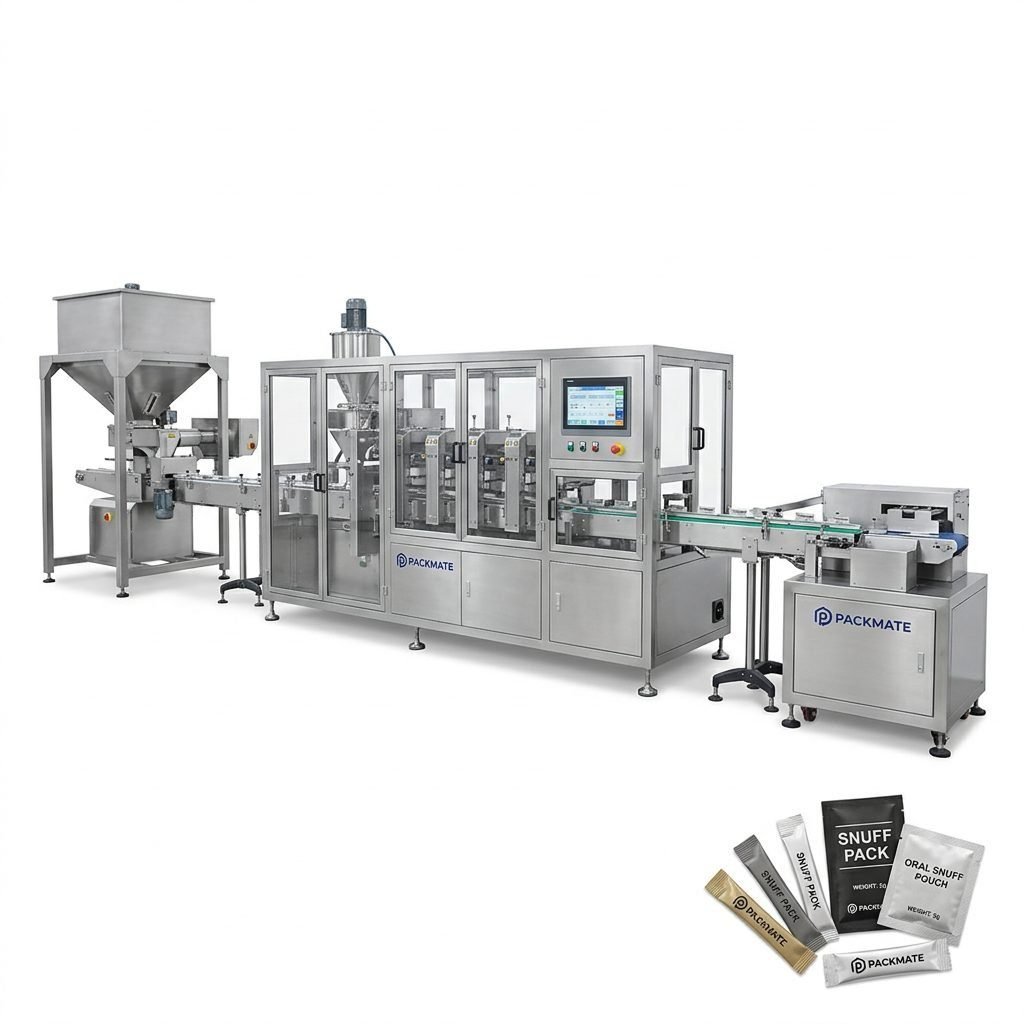
Integrated lines that combine weighing, filling, and final packaging reduce manual handling and improve traceability — key factors for compliance and consistent quality in Spain. For examples of fully integrated systems, review Filling & Packaging Lines.
Quick Tip ⚠️: If your SKU lineup includes fragile paper labels or printed pouches in Spanish, prioritize machines with gentle handling modules and in-line printing that supports Spanish language characters.
Key Evaluation Criteria When Choosing a Supplier
Use a balanced scorecard to evaluate potential suppliers. Below are the essential dimensions and practical checks you should perform.
1. Technical Capability and Machine Range
Verify the supplier’s product portfolio: do they offer stick pack, sachet, and multi-lane systems? Do they provide auxiliary equipment like feeders, metal detectors, and weighers? A broad portfolio signals maturity and the ability to deliver turnkey lines. For reference on different machine classes, check Bag & Pouch Packaging Machines and Weighing & Packaging Systems.
2. Factory Strength & Traceability
A large, well-equipped factory (for example, manufacturers with dedicated CNC centers and precision assembly areas) usually correlates with consistent build quality. Ask for a virtual tour or documentation about their manufacturing area, machining centers, and assembly lines. Suppliers that demonstrate strict quality control and documentation processes add value when you need consistent uptime and spare parts.
3. Certifications & Compliance
Ensure the equipment carries CE and ISO certifications; these make customs clearance and local acceptance in Spain easier. Confirm that control software and electronic components follow EU standards for safety and electromagnetic compatibility.
4. After-Sales Care, Spare Parts, and Local Support
Reliable after-sales service minimizes downtime. Ask whether the supplier has local partners or service agents in Spain or nearby EU countries. Evaluate spare parts lead times and whether they provide remote diagnostics, training, and installation assistance. Suppliers offering comprehensive service packages, preventive maintenance contracts, and local spare parts hubs should score higher.
Checklist Highlight ✔️: Request documented references for installations in Europe and ask for a case study. Review live demo videos or ask for a live remote demo of the machine operating with your materials.
Important Questions to Ask Prospective Suppliers
Prepare a consistent set of questions for all suppliers. This will help you compare proposals objectively and avoid surprises:
- What is the expected throughput (pouches per minute) for my target pouch size and product?
- Can you provide references or case studies for similar projects? (Ask for local EU references if possible.)
- What is included in the warranty and what is the typical response time for on-site service?
- Are spare parts stocked in Europe or shipped from the factory? What are typical lead times?
- Do you provide FAT (Factory Acceptance Test) and SAT (Site Acceptance Test) documentation?
Evaluating Total Cost of Ownership (TCO)
Purchase price is only the beginning. TCO includes installation, training, spare parts, energy consumption, tooling, and the expected maintenance schedule. Spanish manufacturers often operate with tight margins, so optimizing TCO — for example, by choosing energy-efficient motors, modular spare parts, and machines with remote support capabilities — can deliver a faster payback.
Key TCO Components
- Initial equipment cost and freight to Spain
- Installation, commissioning, and training
- Annual servicing and spare part consumption
- Downtime cost per hour (calculate using expected production value)
- Energy usage and utilities
Factory Acceptance and Testing: What to Insist On
Before shipment, insist on a comprehensive Factory Acceptance Test (FAT). A FAT should include running your exact material (or the closest available) to demonstrate sealing integrity, portion accuracy, printing/label quality, and speed. If you cannot attend in person, request a live-streamed FAT with high-resolution video and a recorded test run for your records.
Red Flags to Watch For
Alert ⚠️: Be cautious if a supplier cannot provide any European references, refuses FAT, has vague spare parts policies, or avoids providing clear warranty terms.
- Unclear documentation or missing CE/ISO proof.
- No clear local support or spare parts plan for Spain.
- Excessive delivery lead times without alternative options.
Negotiation Tips and Contract Essentials
When negotiating, cover delivery terms (Incoterms), payment schedule, acceptance criteria, training, installation, performance guarantees, spare parts list, and penalty clauses for missed timelines. Ensure software, HMI languages, and labeling support Spanish characters if required. Ask the supplier to include an itemized spare parts kit for the first year of operation.
Warranty & Support Clauses to Include
Request clear warranty start dates tied to successful SAT, defined service response times (48 hours or less for remote support, on-site response times agreed by region), and options for extended warranties or preventive maintenance contracts.
Why Choose Experienced Manufacturers Like Packmate Snus Machine
Suppliers with decades of focused experience bring engineering refinements that reduce downtime and simplify operation. For example, manufacturers with 30+ years of engineering history and a sizable factory footprint — equipped with CNC machining centers and dedicated assembly lines — typically offer robust quality control and a wide range of customizable models. If you want to explore a proven partner profile and their global cases, see About Packmate and their Case studies.
Best Practice 🔍: Prioritize suppliers that demonstrate clear turnkey capabilities — from portioning and filling to final packaging — and who can supply auxiliary equipment and integration services.
Practical Steps to Finalize Your Choice
- Shortlist 3–5 suppliers and request complete technical proposals and references.
- Schedule FAT sessions and gather video proof of performance on similar products.
- Compare TCO and service agreements, not only initial quotes.
- Negotiate clear delivery, installation, and training terms with penalties for missed milestones.
- Plan for spare parts inventory and local technical training during installation.
Final Recommendations for Spanish Buyers
In Spain, focus on machine vendors who can support Spanish-language labeling and local regulations, provide fast service in Southern Europe, and supply machines that balance high precision with compact footprints. Look for suppliers who can provide on-site training and documented FAT/SAT results, and prefer vendors with international exhibition presence and certifications. If you’d like to explore machine families and supporting systems for a complete solution, see the categories for Auxiliary Packaging Equipment and full Catalog listings.
Frequently Asked Questions
Q1: What certifications should I insist on for snus packaging machines?
A1: Insist on CE and relevant ISO certifications (such as ISO 9001). Also request documentation proving compliance with EU safety standards and electromagnetic compatibility. Certification helps clear customs and meets local Spanish regulatory expectations.
Q2: How important is a Factory Acceptance Test (FAT)?
A2: A FAT is critical. It demonstrates that machines meet performance specs with materials close to your product. If you cannot attend in person, require a live-streamed FAT with recorded runs and signed acceptance documentation.
Q3: Should I prefer a local European distributor or buy direct from the manufacturer?
A3: Both have pros and cons. Local distributors may provide faster on-site support and spare parts availability in Spain, while buying direct from a reputable manufacturer may lower purchase cost and provide deeper technical customization. Evaluate the combined value of price, support response time, and spare parts logistics.
Q4: What spare parts should I stock locally?
A4: Stock consumables and high-wear parts such as sealing jaws, belts, sensor modules, lubricants, and critical electronic spares. Ask the supplier for a recommended spare parts kit for Year 1.
Q5: How can I ensure printing and labeling are compliant with Spanish market needs?
A5: Verify that the in-line printing or pre-printed film supports Spanish characters and regulatory text. Ask for sample prints and confirm ink types, curing methods, and registration accuracy with the supplier during FAT.