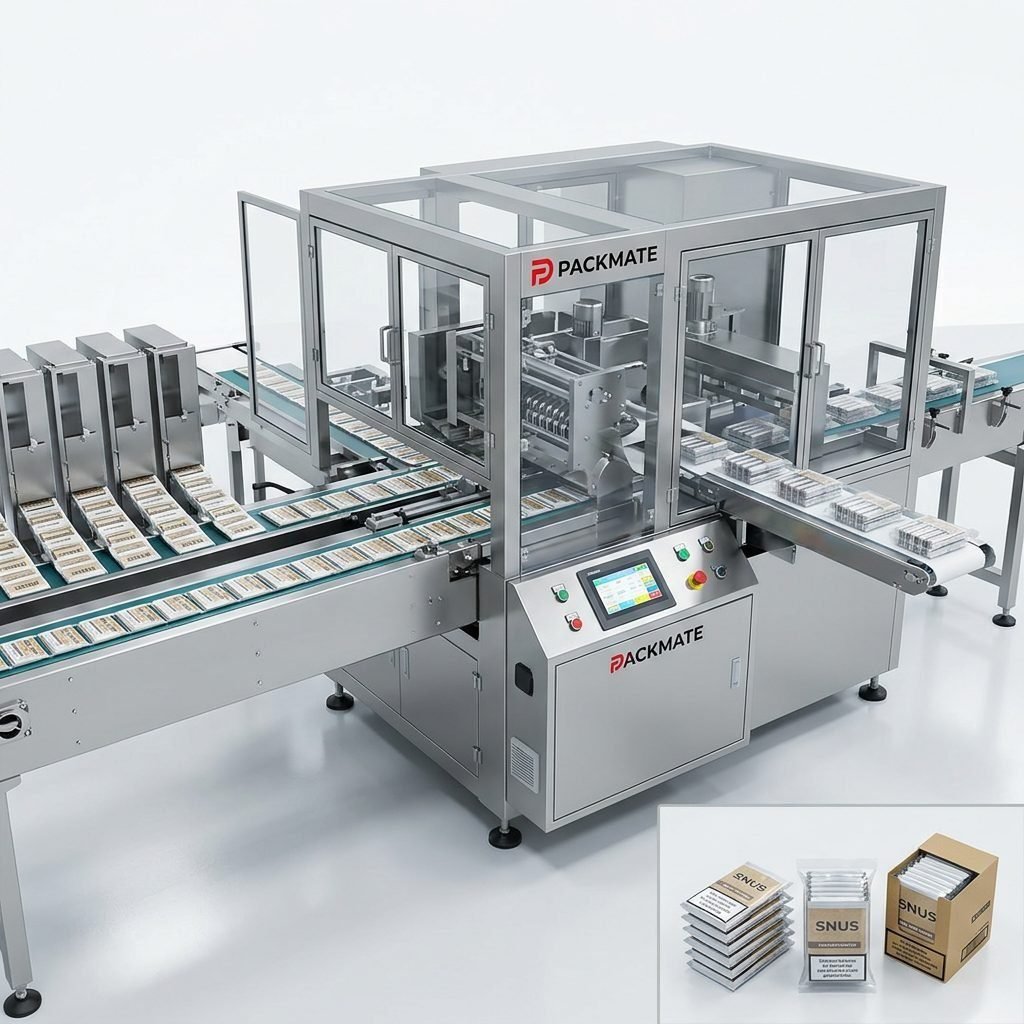
Choosing the right snus packaging machinery supplier for your factory in Uzbekistan requires a blend of technical know-how, local market understanding, and reliable after-sales support. Uzbekistan’s growing consumer goods and nicotine pouch markets present opportunities, but local customs, regulatory frameworks, and logistical realities make supplier selection especially important. This guide walks you through the practical steps, cultural considerations, procurement tips, and technical checks to help you select a supplier who delivers performance, compliance, and long-term partnership.
Understanding Uzbekistan’s Market and Local Considerations
Before comparing machines, understand the Uzbek market specifics: consumers often prefer clear labeling in Uzbek and Russian; distribution channels frequently include regional wholesalers and small retail kiosks; and import procedures are governed by customs that favor thorough documentation. Because Uzbekistan is a predominantly Muslim country, it’s important to be culturally sensitive in product presentation and marketing, especially for nicotine products. When discussing packaging solutions, emphasize discretion, responsible marketing, and compliance with local age-restriction laws.
Regulatory and labeling requirements
Verify local standards for tobacco and nicotine products, including labeling language, health warnings, and permissible ingredients. Suppliers should be familiar with Uzbekistan’s import documentation and any Central Asian transit rules, and be able to assist with CE/ISO certification documentation if required for customs clearance.
Key Technical Factors to Evaluate
When assessing snus packaging machinery, prioritize reliability, speed, flexibility, and hygiene standards. Machines for nicotine pouches must seal consistently at high speed while protecting product integrity and avoiding cross-contamination. Evaluate a supplier across multiple technical dimensions to ensure the line meets your production goals.
Performance and capacity
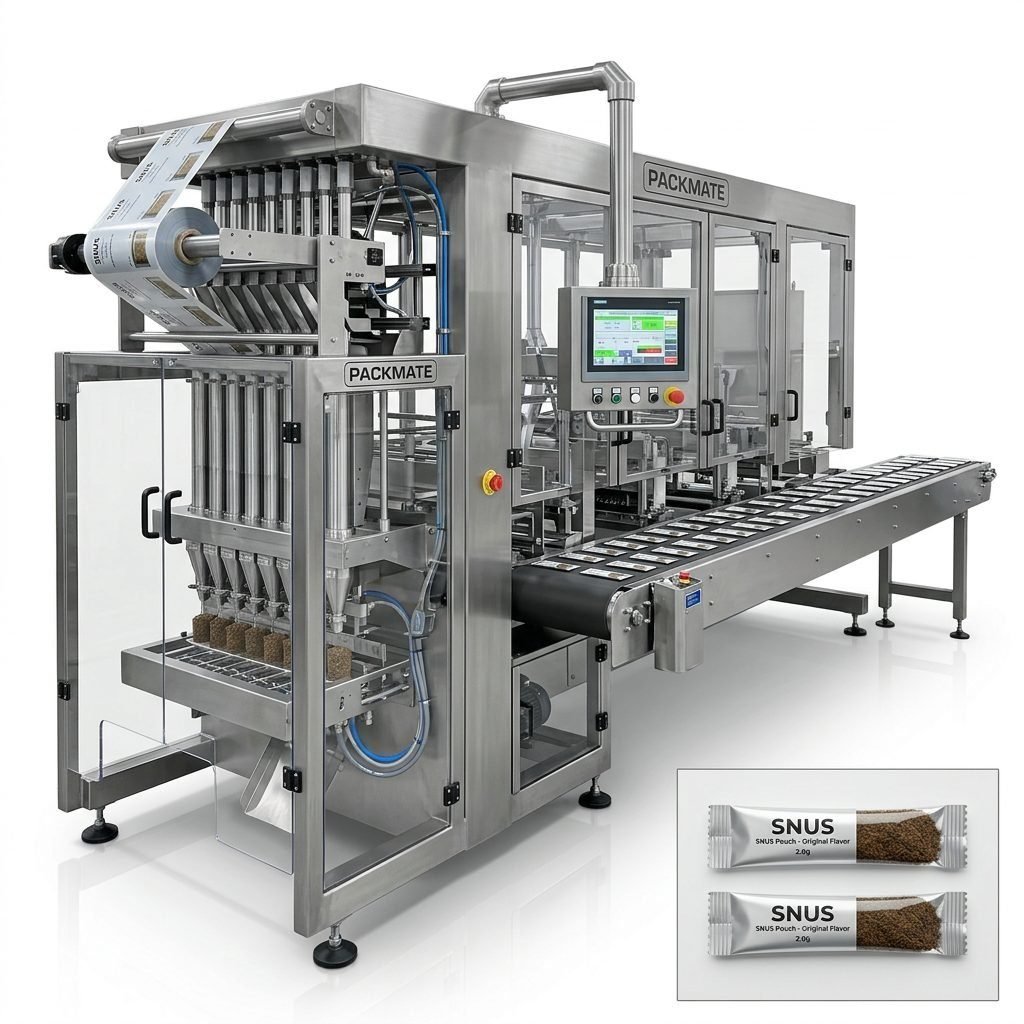
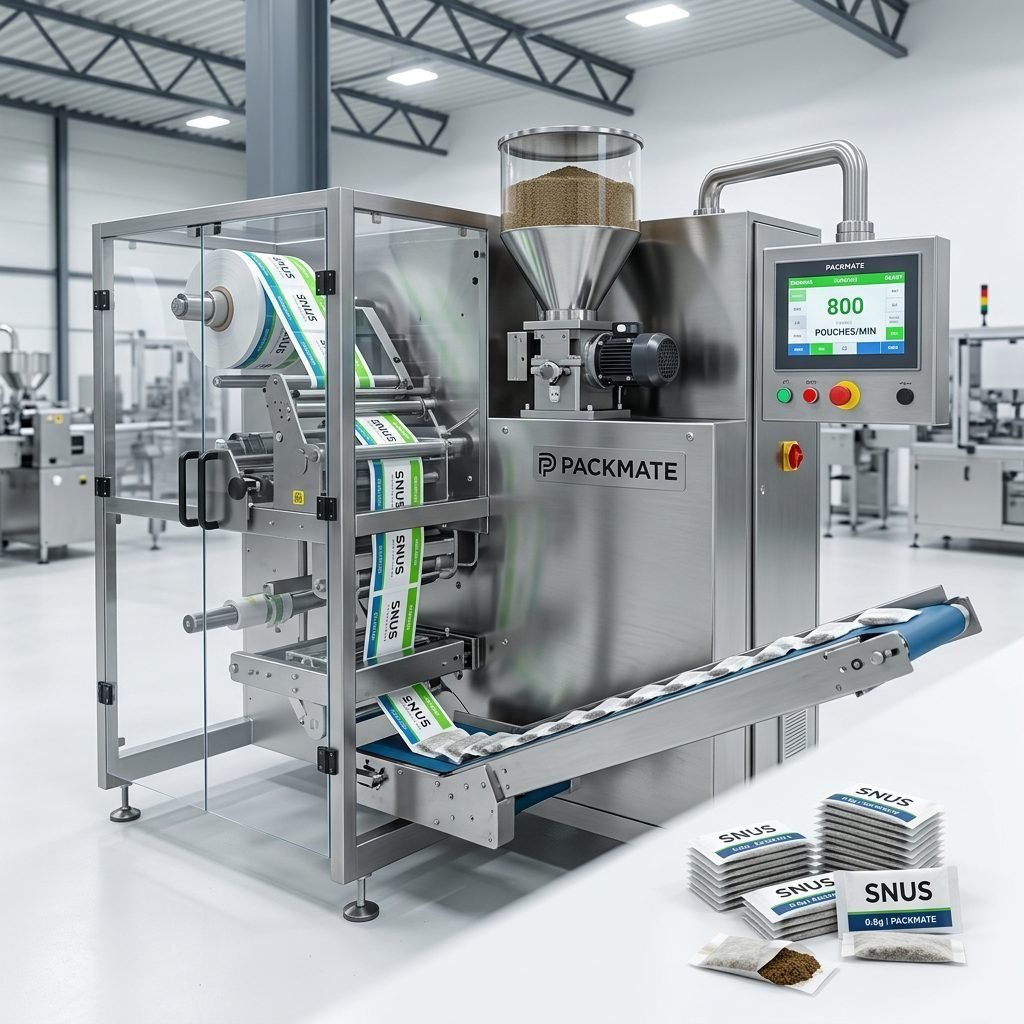
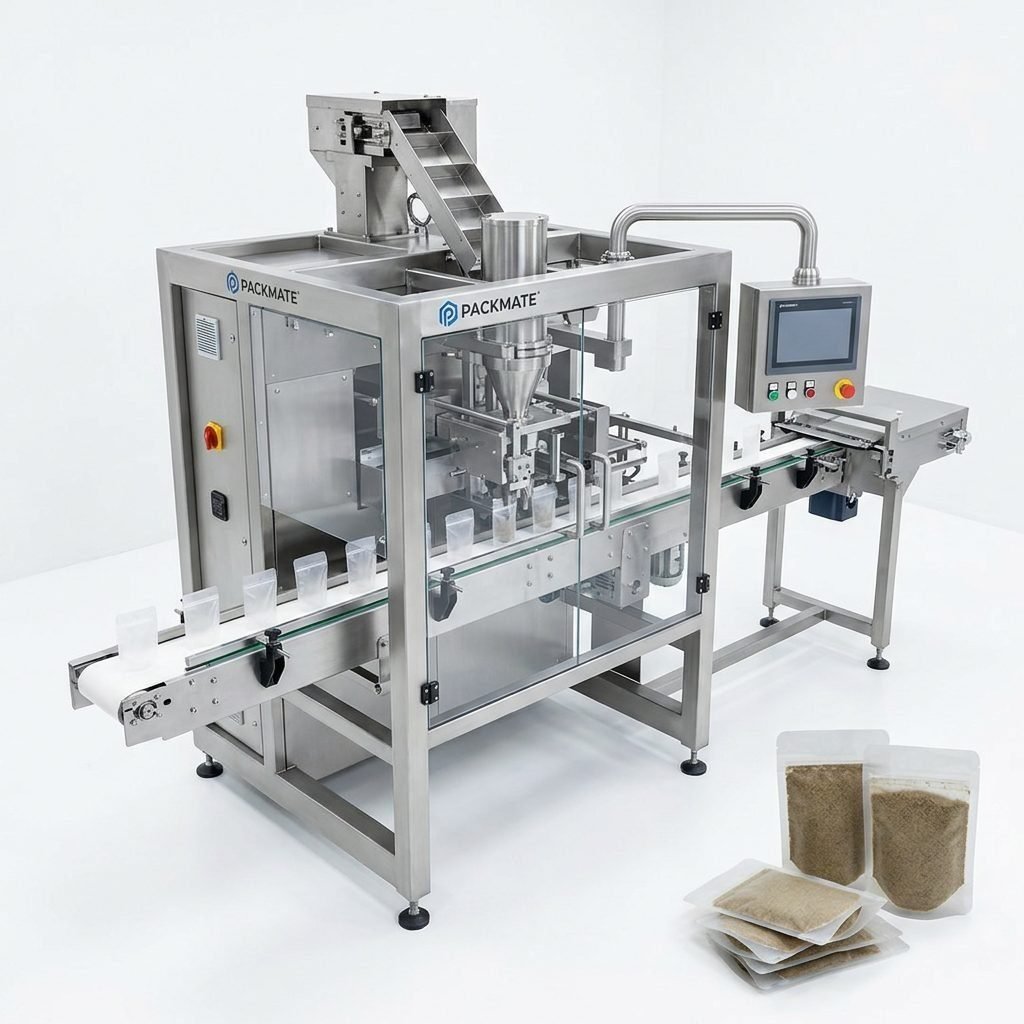
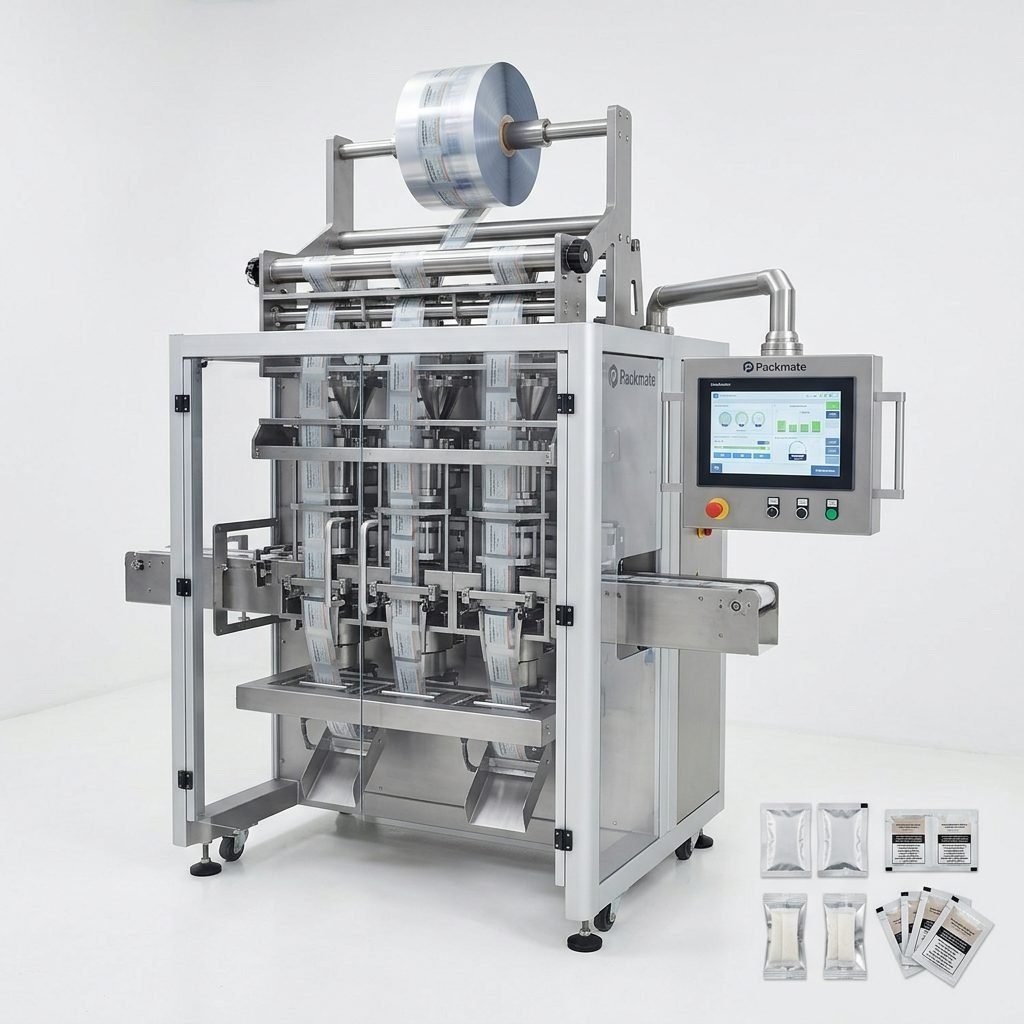
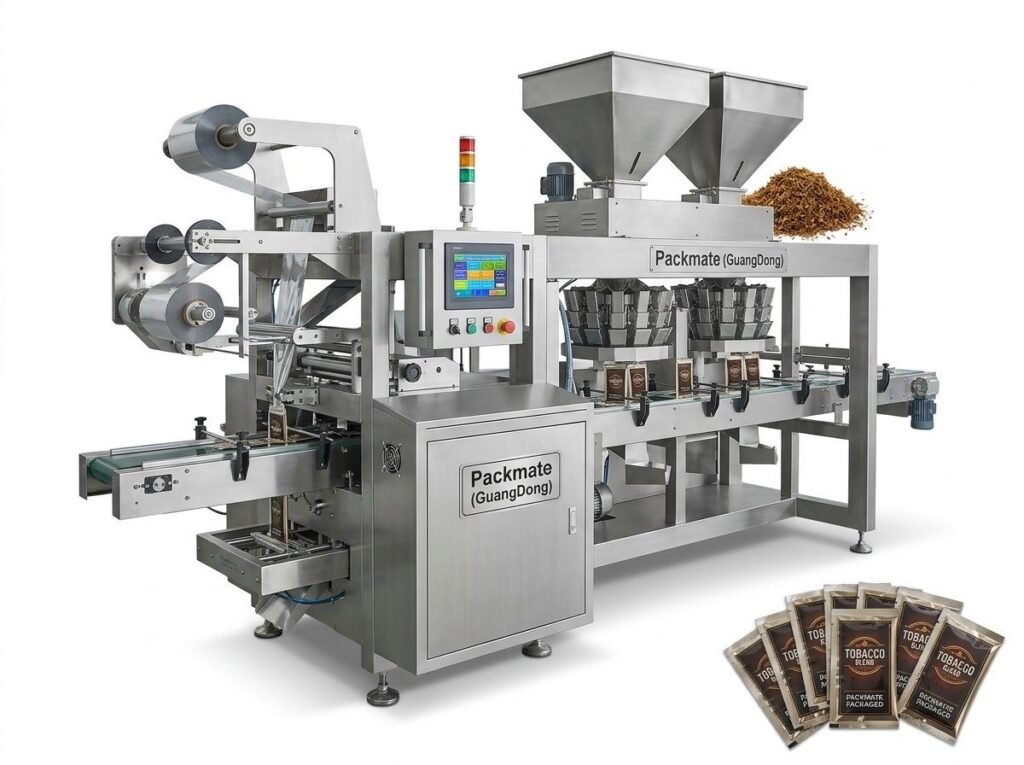
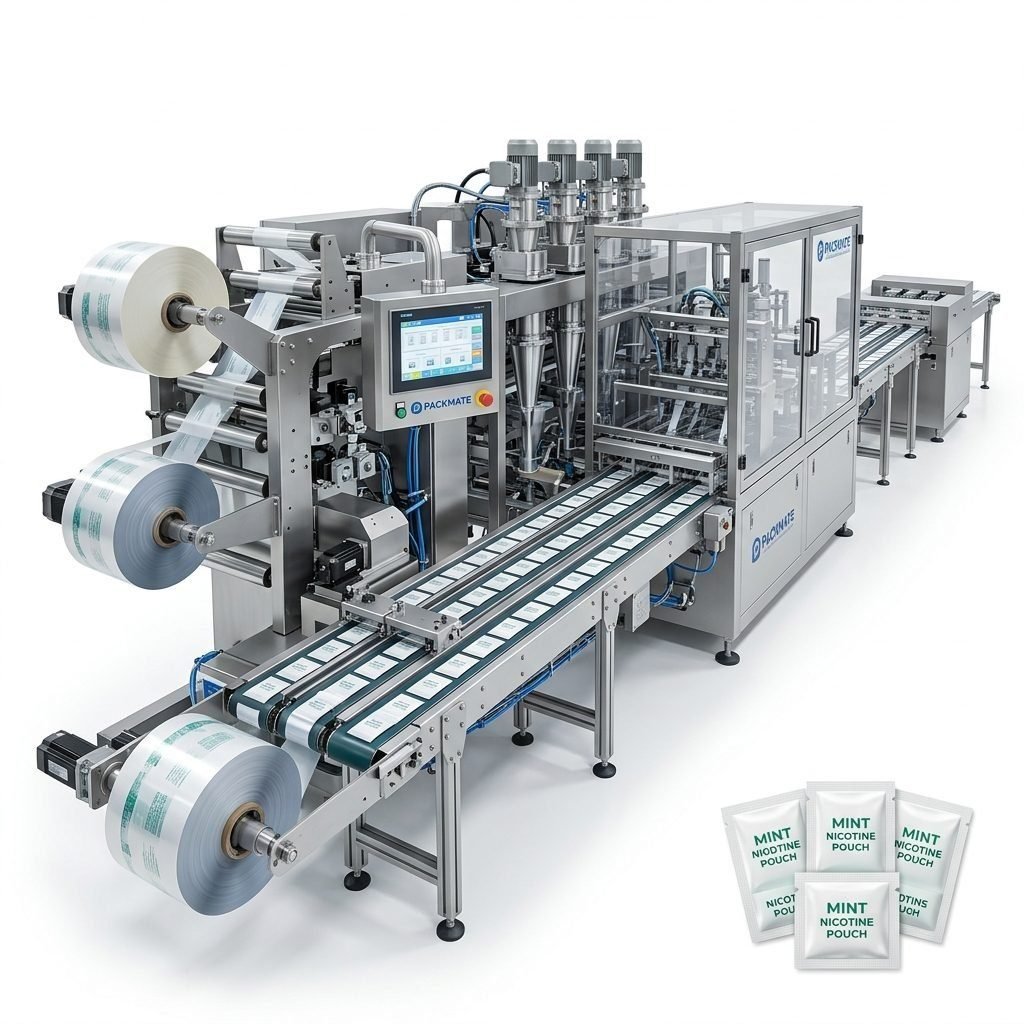
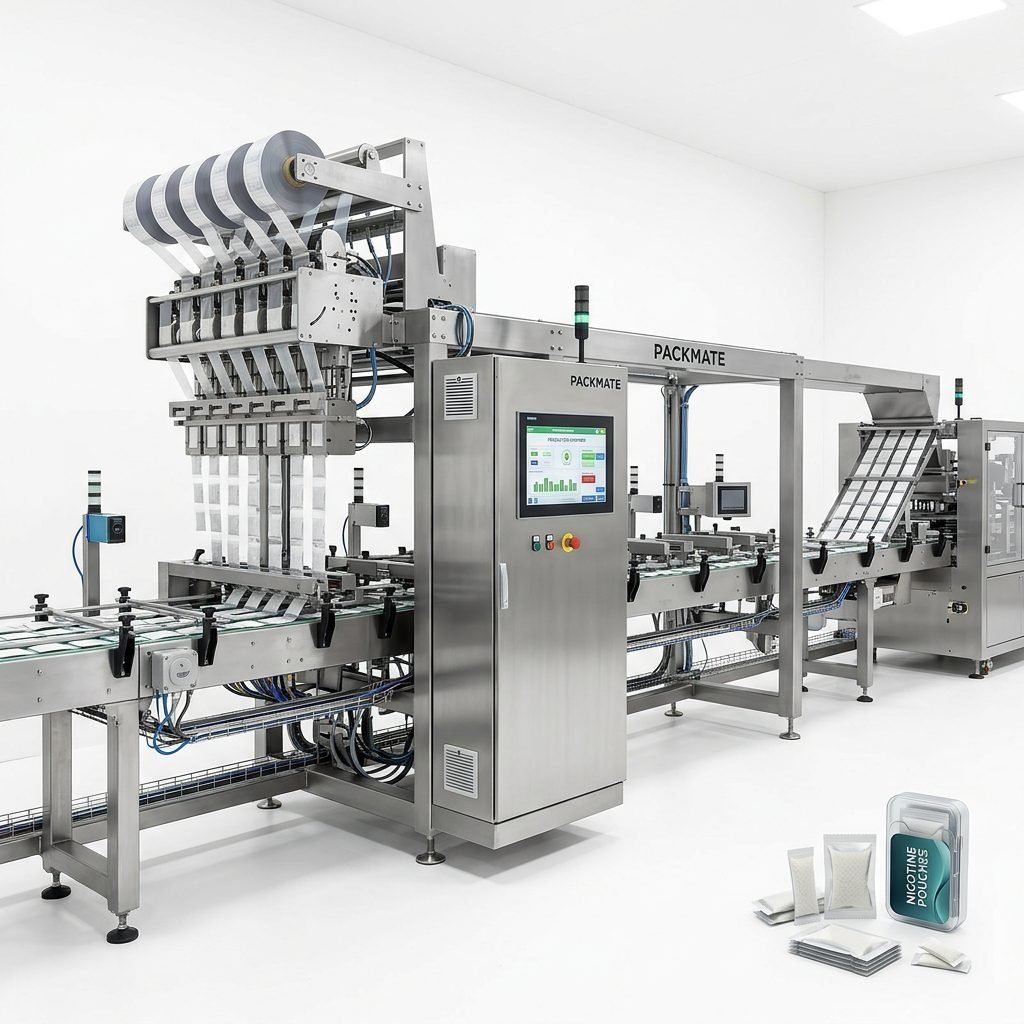
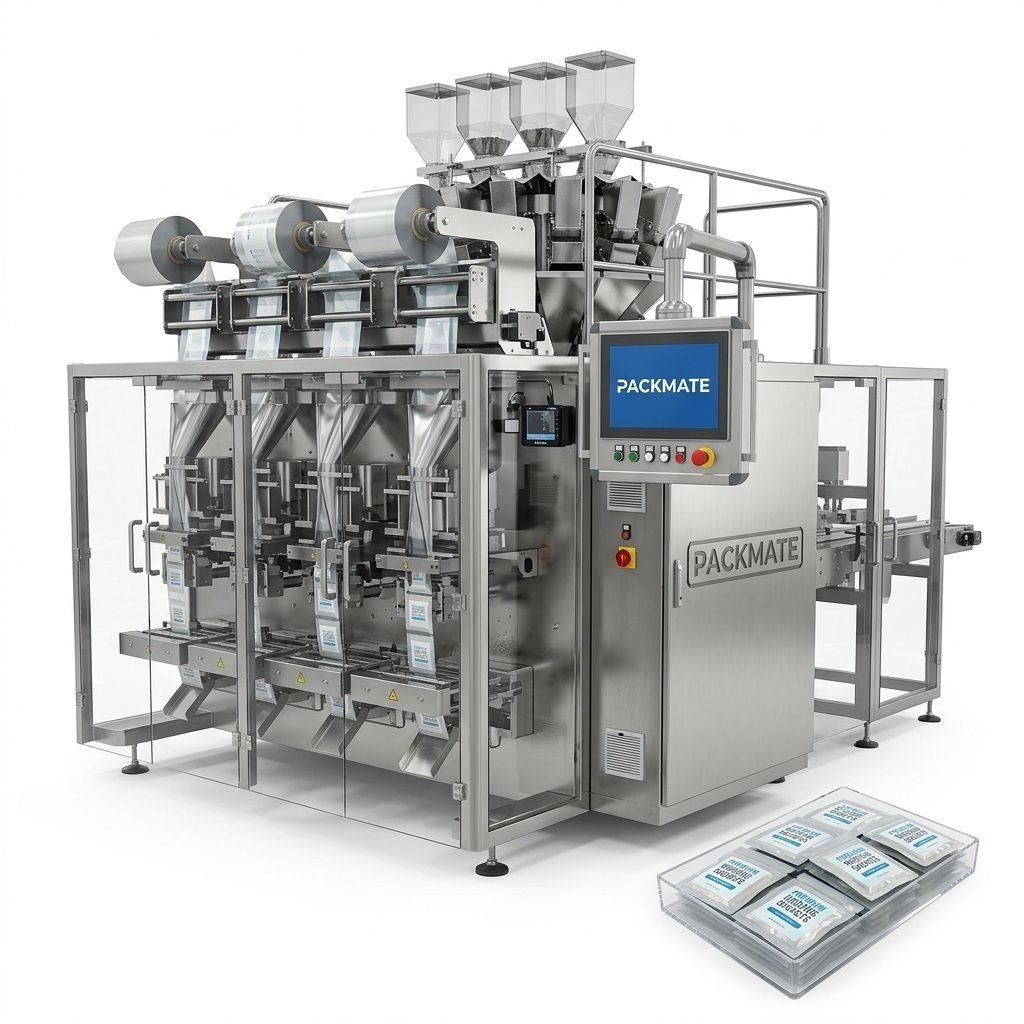
Match machine throughput to your projected volumes. Small-dose multi-lane systems are ideal for compact nicotine pouch production, while stick pack or sachet machines can address different formats. Confirm the supplier’s ability to supply models that scale from pilot lines to full production.
Accuracy and filling systems
Check weighing and dosing accuracy for powders and granules — fluctuations can lead to regulatory breaches or customer complaints. Consider suppliers who offer integrated weighing & packaging systems or customized dosing modules tailored for nicotine pouches.
Hygiene and materials compatibility
Machines should be easy to clean and constructed from food-grade stainless steel where in contact with product. Ask about CIP (clean-in-place) options and recommended cleaning intervals to maintain product safety and operator health.
📌 Quick tip: Insist on performance data from existing installations—run rates, downtime statistics, and Mean Time Between Failures (MTBF). A supplier who openly shares case performance is often more reliable.
Supplier Credibility and Track Record
Trustworthy suppliers back machines with real-world references, factory tours, and demonstrable quality systems. Look for long-term companies with manufacturing depth and global references. For example, suppliers with decades of engineering experience and large factories typically offer better spare parts availability and customization capabilities.
Factory strength and certifications
Evaluate factory scale, machining capabilities, and certifications like CE and ISO. A 20,000㎡ facility with advanced CNC centers and precision assembly lines reflects strong production capability and quality control.
See real-world machine categories such as Snus & Nicotine Packaging Machines, Sachet & Stick Pack Machines, or additional auxiliary equipment to understand supplier breadth.
After-sales Service, Training and Local Support
For operations in Uzbekistan, local or regionally available support is invaluable. Verify lead times for spare parts, availability of local service engineers, and training packages for your operators. A supplier that provides on-site commissioning, remote support, and detailed maintenance documentation reduces downtime and helps build internal competencies.
⚠️ Service checklist: Ask about spare part kits included with delivery, local warranty response times, and availability of English/Russian documentation and training. Confirm remote diagnostics options for faster troubleshooting.
Language and cultural fit
Ensure manuals and HMI interfaces are available in Russian or Uzbek if needed. Suppliers who accommodate local language preferences and adapt operator training to regional practices will shorten the learning curve and foster safer operations.
Logistics, Delivery and Payment Terms for Uzbekistan
Uzbekistan is landlocked, so shipping solutions often involve rail, road, or multimodal transit via neighboring ports. Confirm the supplier’s experience exporting to Central Asia, handling customs paperwork, and offering CIF/CIP delivery options. Payment terms such as L/C (Letter of Credit) are common; negotiate performance milestones tied to payment release.
Installation and commissioning
Clarify whether installation is included, the expected onsite time for engineers, and who handles local permits. Reliable suppliers will provide a detailed commissioning plan and operator training schedule.
Customization and Future-proofing
Your factory’s needs will evolve. Select suppliers who can customize tooling, adapt multi-lane formats, or upgrade electronics and software. Modular design and spare compatibility across models help protect your investment.
A supplier with a wide product portfolio — covering snus packaging, stick packs, sachets, and full filling lines — offers flexibility for product diversification. Explore their catalogs and case studies to see proven solutions for nicotine pouch lines: Catalog and Case pages are useful starting points.
Commercial Terms and Total Cost of Ownership (TCO)
Beyond purchase price, calculate the TCO including installation, training, spare parts, energy consumption, and expected maintenance. A lower upfront price can lead to higher operating costs if spare parts are expensive or downtime is frequent. Request detailed lifetime cost projections and warranty conditions.
✅ Negotiation tip: Ask for a pilot or test run, extended warranty options, and bundled spare parts discounts. Suppliers committed to partnership often provide better pricing on service contracts and upgrade paths.
Evaluating the Supplier: A Practical Checklist
Use a scoring matrix to compare candidates on technical specs, references, after-sales support, factory capability, compliance documentation, and commercial terms. Below is a condensed checklist to guide on-site visits or factory audits.
🔧 Technical & Production
• Machine throughput and multi-lane flexibility
• Filling accuracy and material compatibility
• Ease of cleaning and maintenance access
• Spare parts list and interchangeability
📈 Commercial & Support
• Warranty terms and local service network
• Training in Uzbek/Russian and documentation availability
• Export and customs experience for Central Asia
Why Choose Experienced Global Suppliers like Packmate
Established manufacturers with decades of engineering experience and large production facilities bring predictable quality, fast spare part turnaround, and global installation experience. Companies offering turnkey solutions — from filling systems to auxiliary equipment — reduce the complexity of integrating multiple vendors. Learn more about the company background, certifications, and global exhibitions to validate supplier reliability on their About and Exhibition pages.
Long-term partnership matters
The right supplier becomes a partner: offering upgrades, process optimization, and shared responsibility for quality. Seek suppliers that showcase long-term global cooperation cases and provide a clear roadmap for lifecycle support.
Steps to Finalize Your Supplier Decision
1) Create a technical specification and production forecast. 2) Shortlist suppliers based on credibility and fit. 3) Request factory visits and live demos (or remote video demos). 4) Obtain detailed proposals with TCO and lead times. 5) Negotiate test acceptance criteria and after-sales agreements.
If you want to explore specific machines or request tailored turnkey solutions, review product categories such as Filling & Packaging Lines and connect with suppliers via their Contact pages for quotes and project consultations.
Final Thoughts: Balancing Tech, Culture, and Support
Choosing a snus packaging machinery supplier for Uzbekistan demands a practical approach: prioritize certified machines with proven field performance, ensure the supplier understands local language and customs, and secure a robust after-sales plan. By evaluating technical specs, factory strength, commercial transparency, and cultural fit, you reduce risk and accelerate production startup.
🔎 Pro tip: Before placing an order, request a site-specific installation plan and a spare parts kit for the first 12 months. Confirm training schedules and language preferences to ensure a smooth handover.
Frequently Asked Questions
Q1: What certifications should a snus machine supplier provide for exports to Uzbekistan?
A1: Look for CE and ISO certifications as baseline quality markers, plus compliance documents for components. Suppliers with documented export experience and clear customs paperwork are preferable.
Q2: How important is local language support for machine operation?
A2: Very important. Training materials, HMI translations, and maintenance manuals in Russian or Uzbek significantly reduce operator errors and accelerate ramp-up.
Q3: What is a reasonable lead time for a complete snus packaging line?
A3: Lead time depends on customization and capacity. Standard machines may ship in a few months, while fully customized turnkey lines can take longer. Always confirm production and shipping timelines in writing.
Q4: Should I choose multi-lane lines or single-lane for starting production in Uzbekistan?
A4: If you anticipate scaling quickly or producing many small-dose items, multi-lane systems offer higher throughput and efficiency. Single-lane systems can be suitable for niche or small-batch projects.
Q5: How do I ensure quick spare part supply after installation?
A5: Negotiate spare part kits with your purchase, confirm local stock levels or express shipping options, and obtain a parts list with item numbers. Suppliers with global logistics and regional partners shorten downtime.