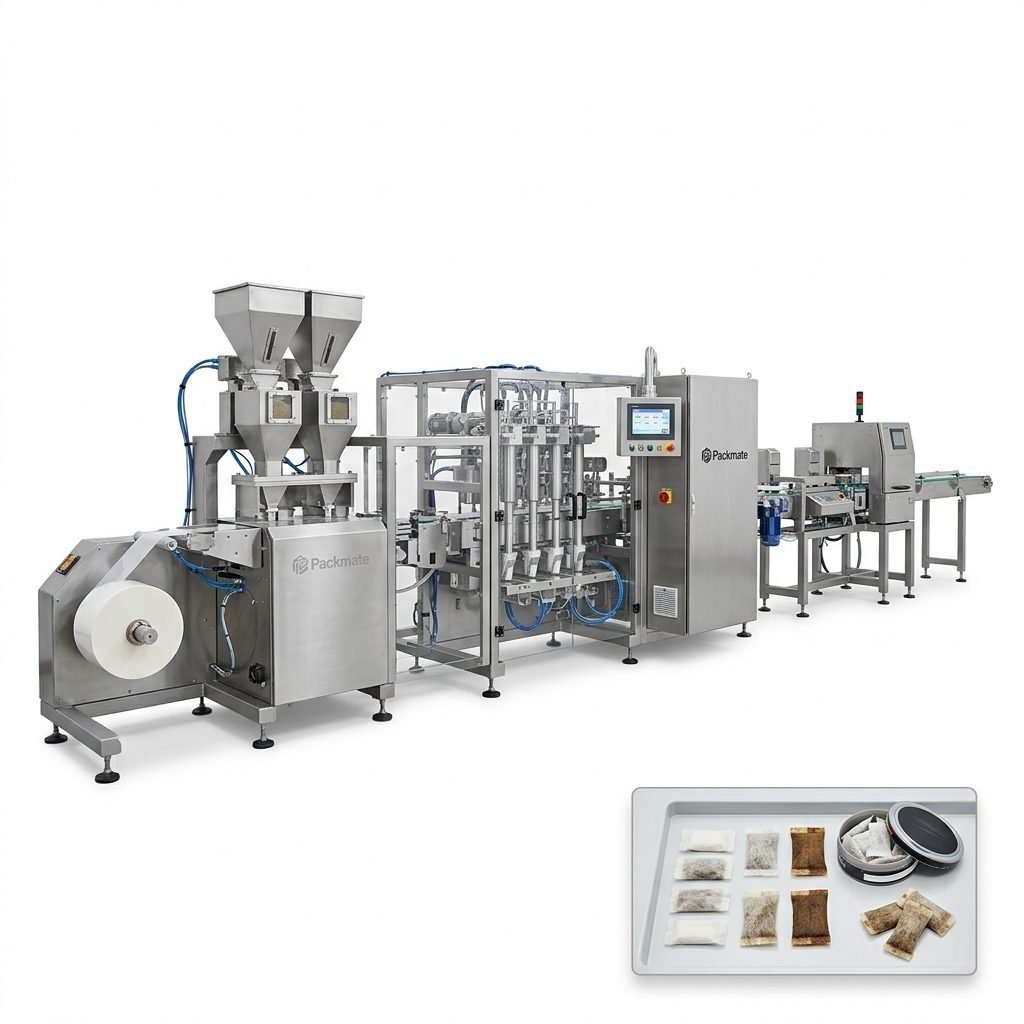
Choosing the right snus packaging machinery supplier for your Chilean operations is a critical decision that affects product quality, regulatory compliance, and long-term profitability. This guide walks manufacturers, brand owners, and production managers through a practical, locally informed selection process so you can identify a supplier who meets Chile’s market needs, logistical realities, and cultural expectations.
Understand Your Production Needs First
Before you evaluate suppliers, map out your production requirements in detail. Consider daily output targets, pouch formats (single-dose nicotine pouches, snus sachets, stick packs), multi-lane vs. single-lane throughput, and whether you need integrated weighing, filling, sealing, or secondary packaging. Chilean market segments — from larger metropolitan distributors in Santiago to niche retailers in Valparaíso or Concepción — often demand different packaging formats and run sizes. A clear specification sheet helps you compare machines on speed (pouches per minute), accuracy, and flexibility.
Key production parameters to define
📌 Daily and monthly output targets (units/day, units/month)
📌 Product formats (pouch size, stick, sachet, lids, labels)
📌 Fill material and dosing needs (powder, granule, liquid, nicotine pouches)
📌 Required level of automation (manual feeding vs. fully automated line)
📌 Space constraints in your Chile facility and electrical/air supply specs
Tip: Include anticipated product line expansions — choosing modular machines or multi-lane systems can protect your capital investment as your brand grows in Chile and neighboring Latin American markets.
Regulatory and Market Considerations in Chile
Chile has specific sanitary and import regulations that can affect machine selection and packaging materials. Local authorities and retailers care about hygiene standards, traceability, and labeling that often includes Spanish-language information and health warnings for nicotine products. When evaluating suppliers, ensure their machines support GMP-compliant surfaces, easy-to-clean parts, and serialization or printing modules for batch codes and expiry dates. Suppliers familiar with Latin American logistics will help you avoid delays at Chilean customs and ensure documentation aligns with local standards.
Cultural and business customs to note
Business relationships in Chile are built on reliability and trust. Spanish-language support and documentation are highly valued; on-site training and responsive after-sales service will make Chilean partners more comfortable. Consider suppliers who offer local or regional representatives, bilingual manuals, and virtual or in-person commissioning.
Machine Types and Core Features to Compare
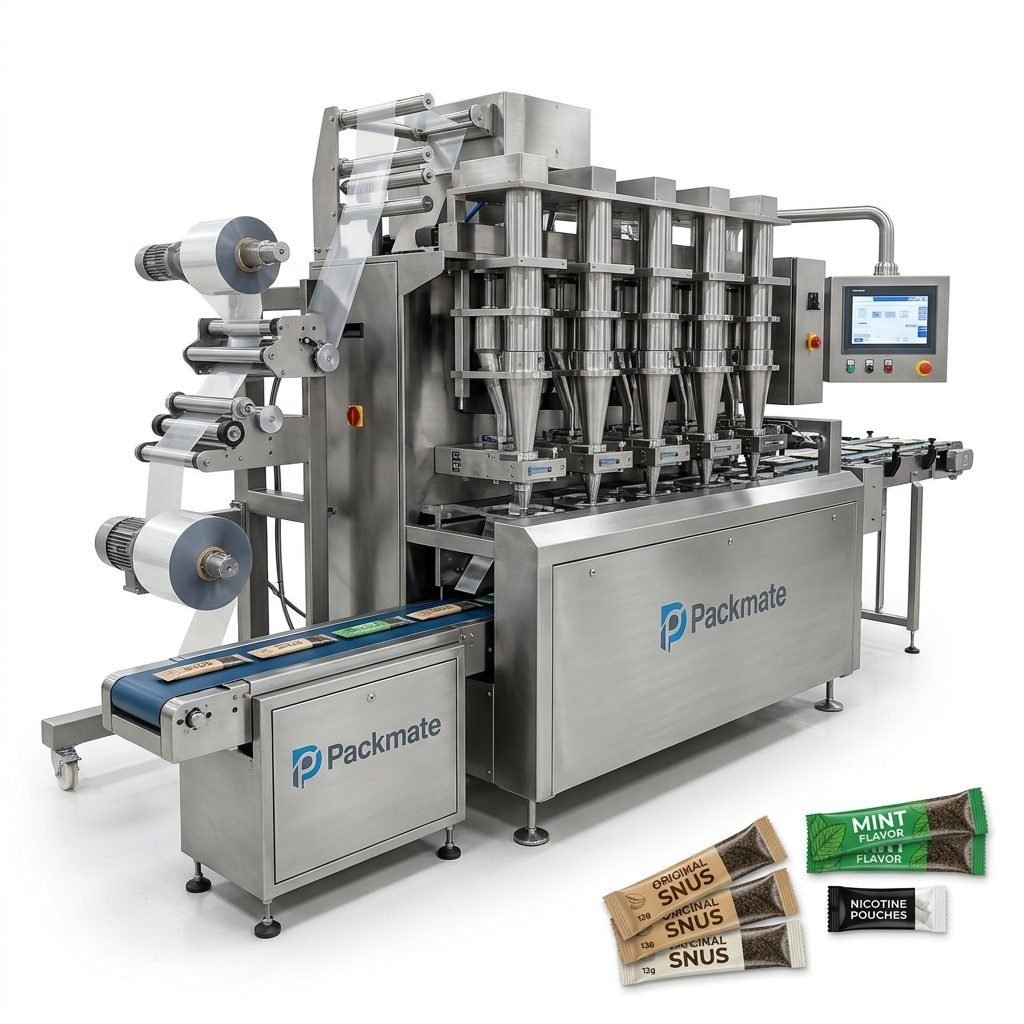
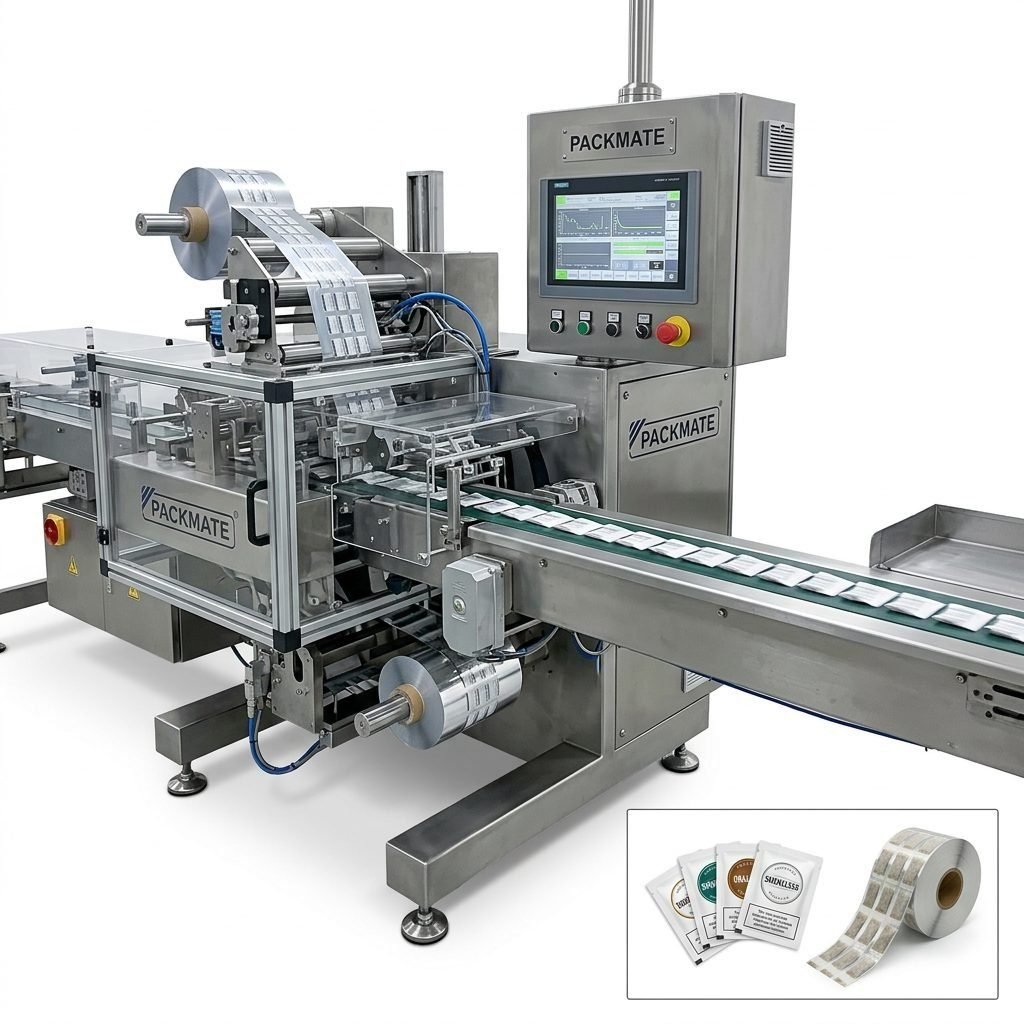
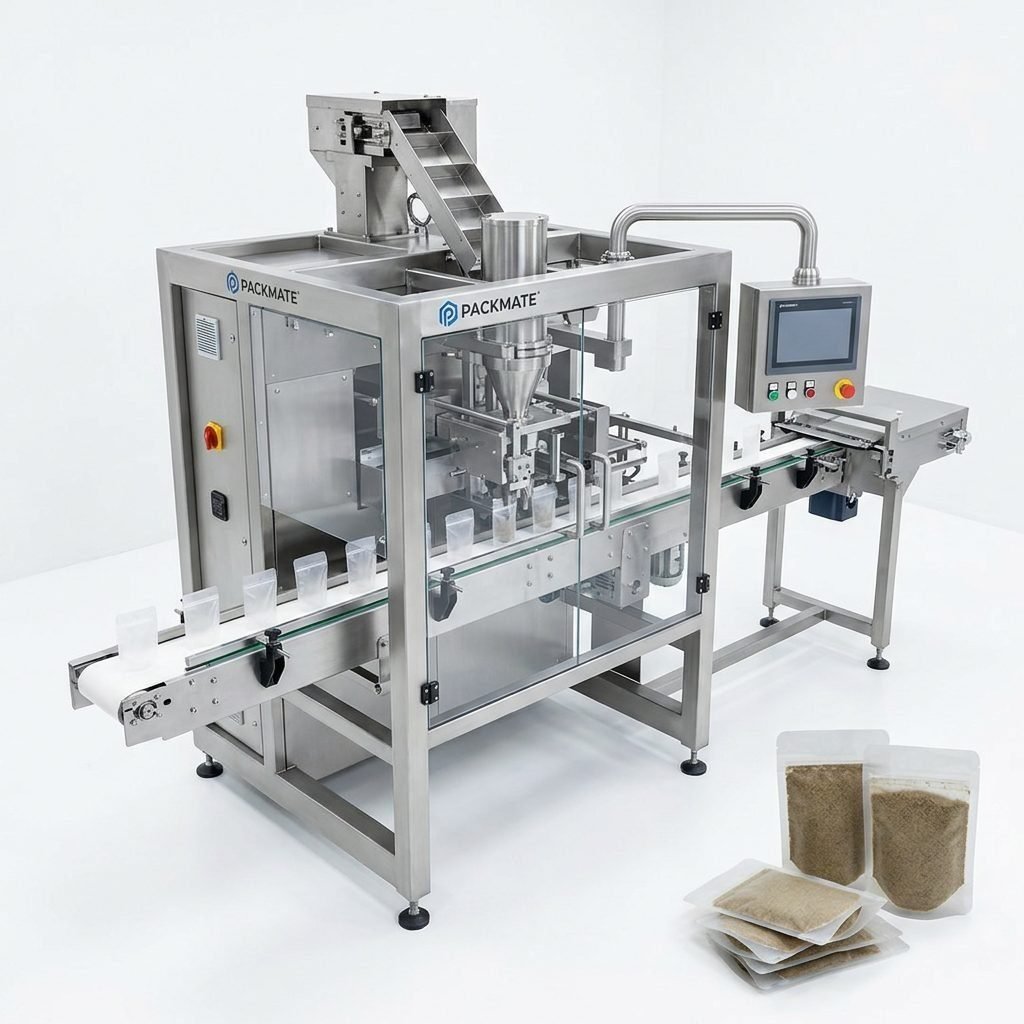
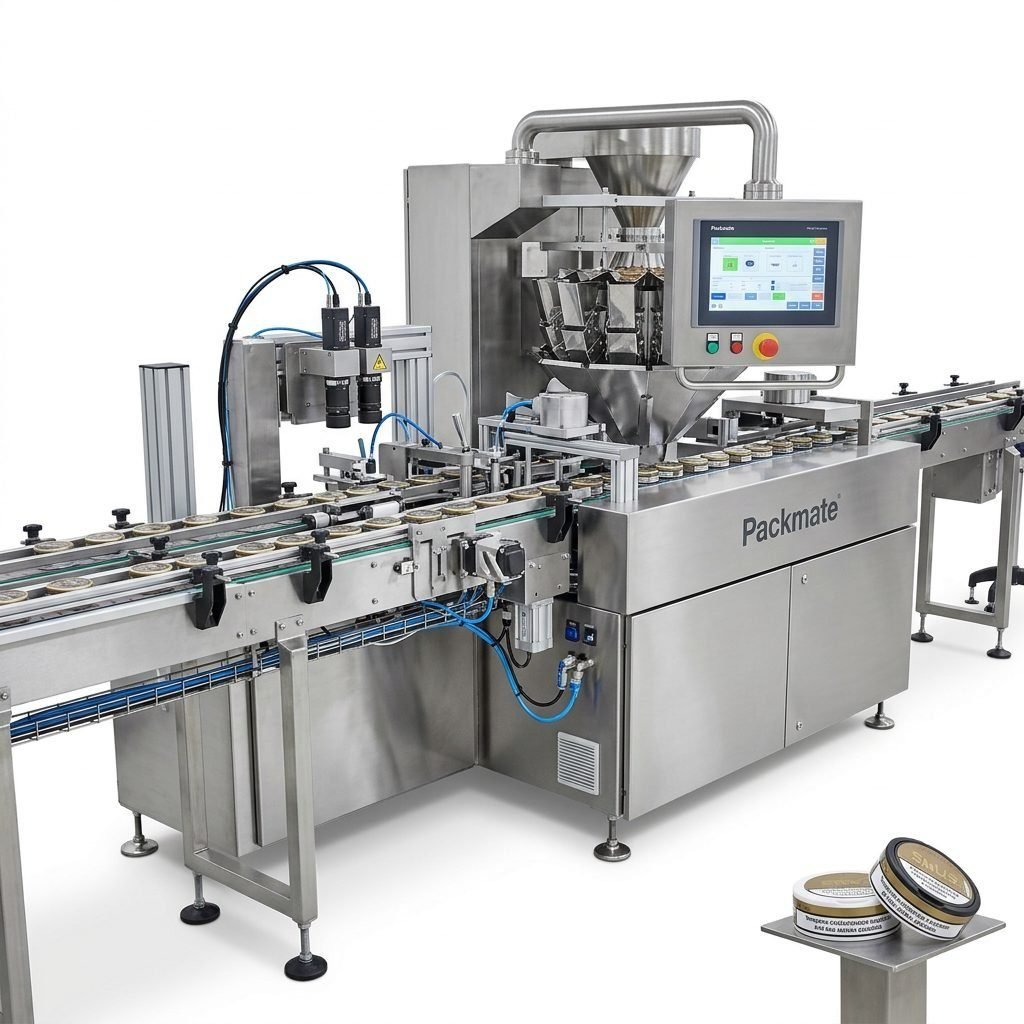
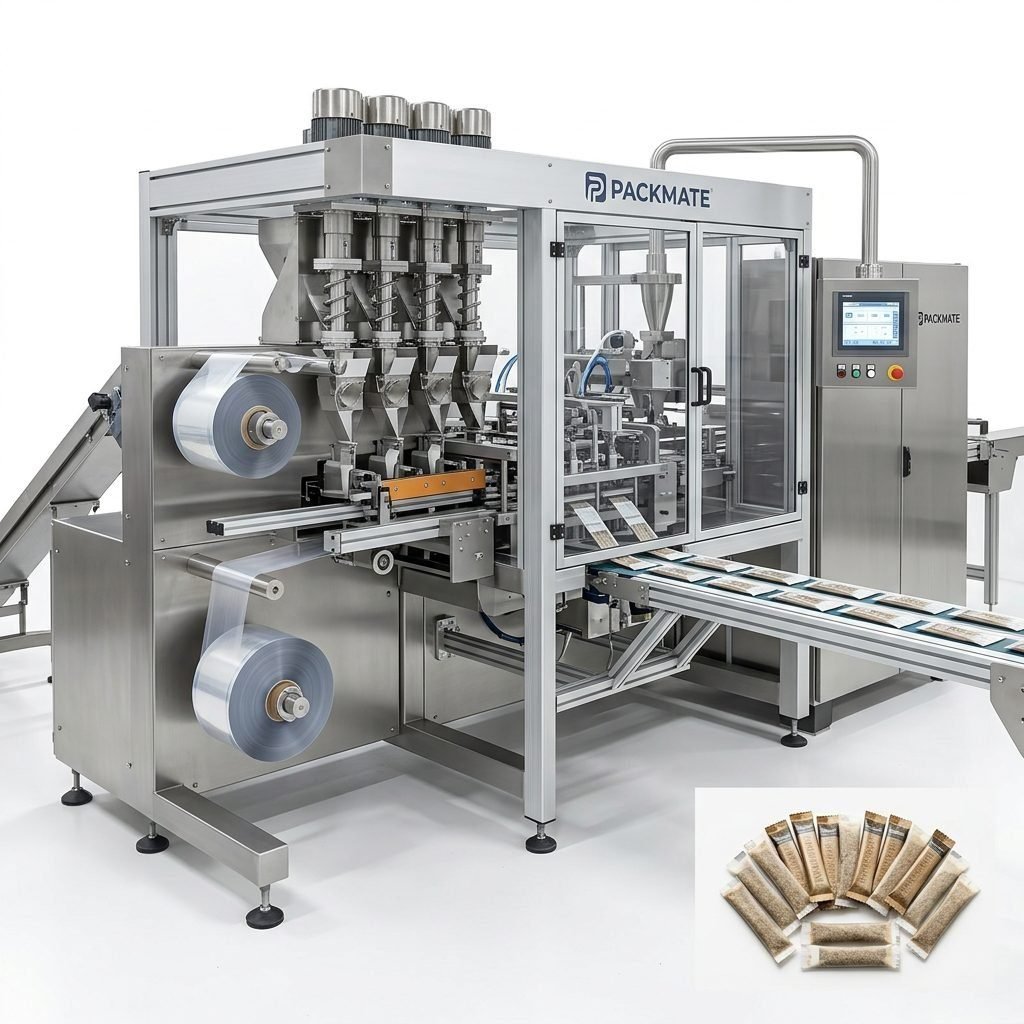
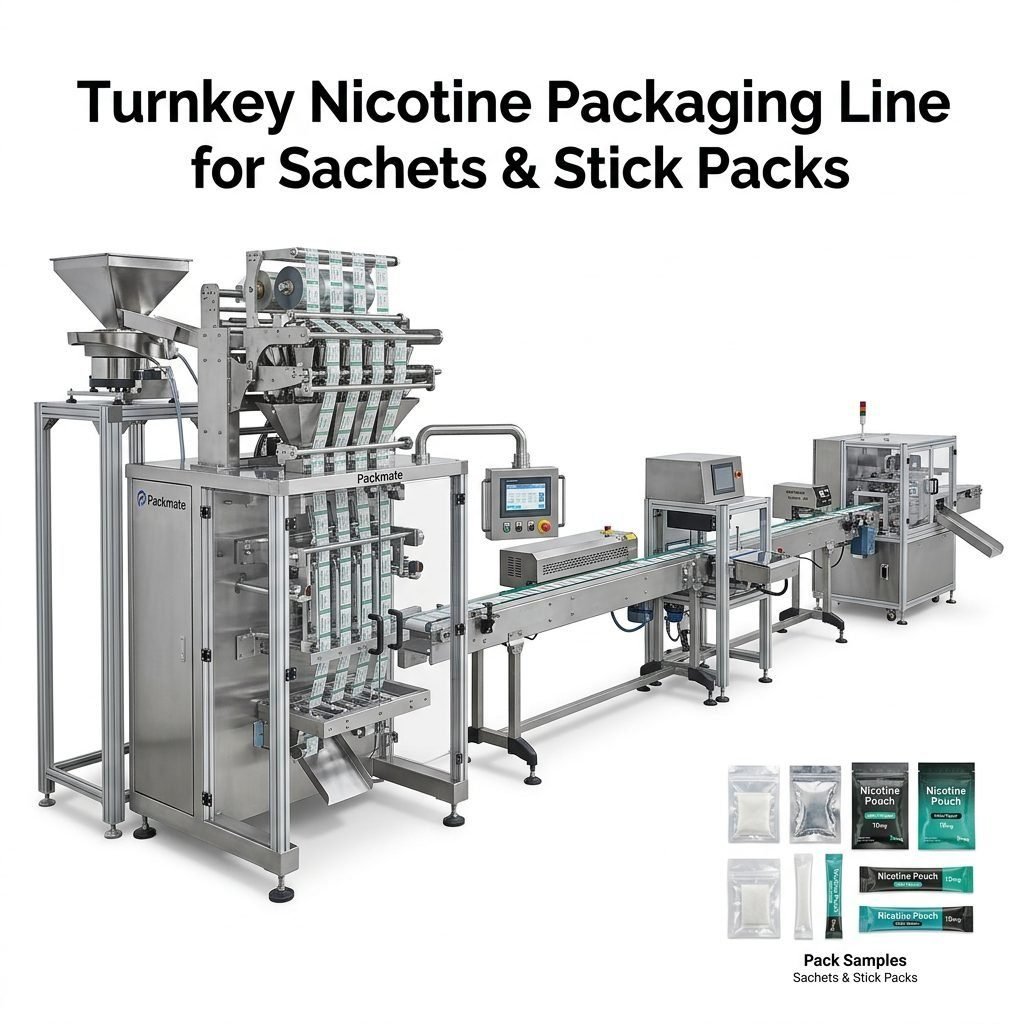
Choose machines that match your format and quality expectations. Common machine types for snus and nicotine pouches include stick pack machines, sachet packing machines, multi-lane pouch machines, and complementary weighing and filling systems. Each type comes with critical options: servo-driven motion for precision, multi-lane lanes for higher throughput, dovetail feeding systems for correct alignment, and integrated check-weighers or metal detectors.
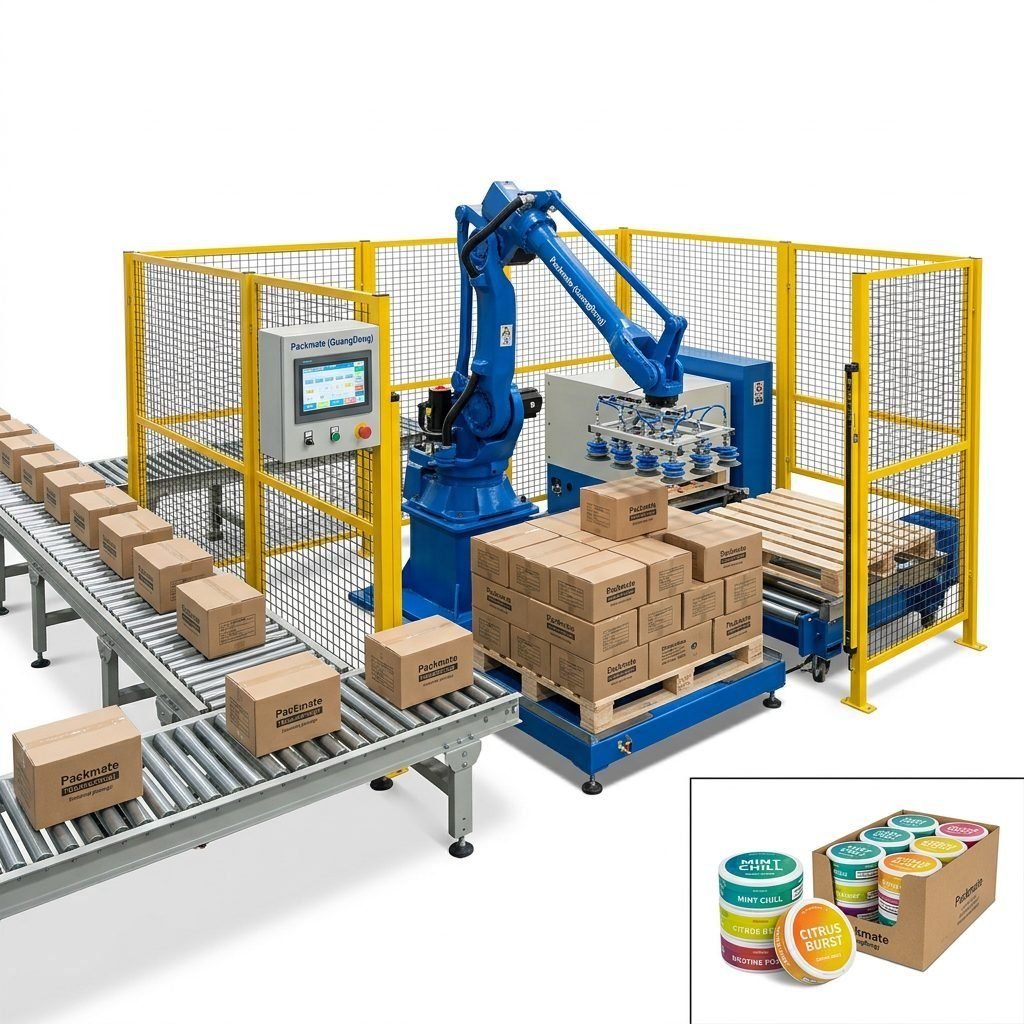
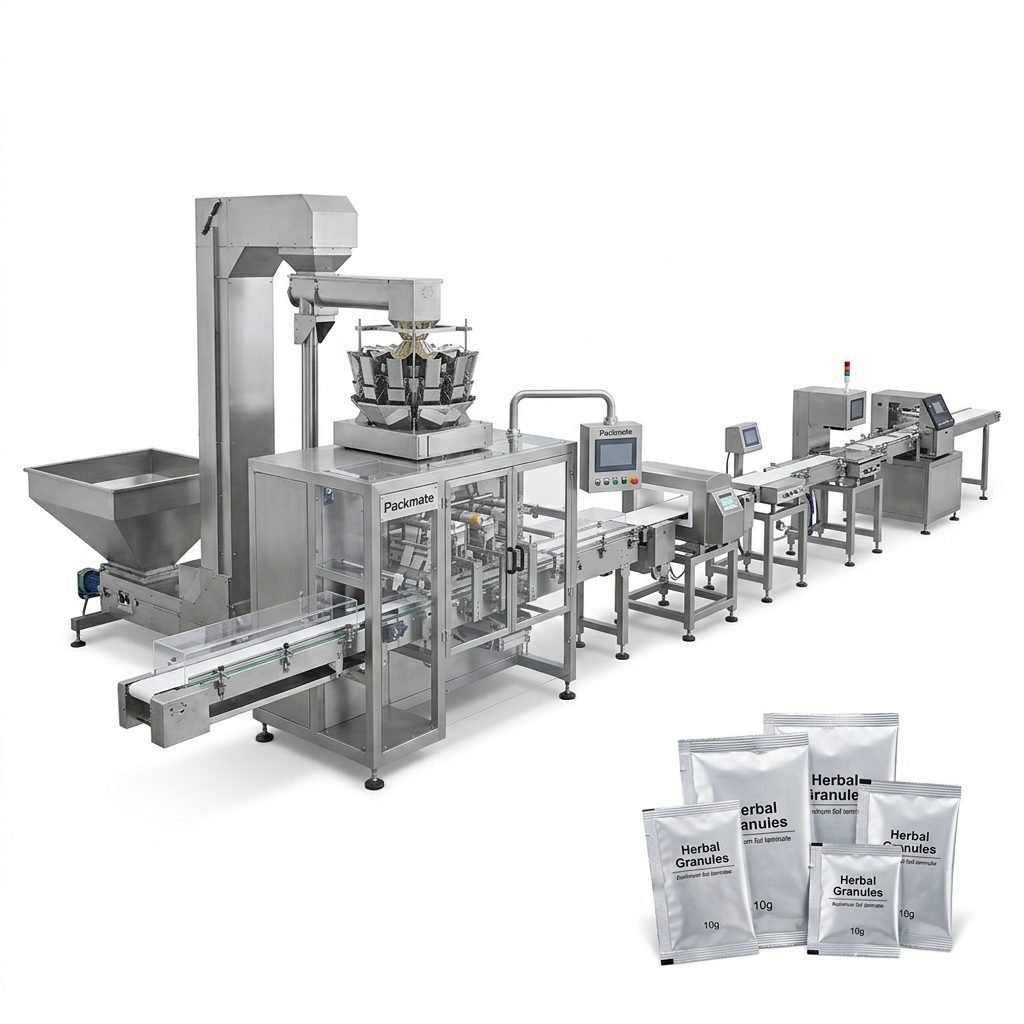
For turnkey lines, review how suppliers integrate upstream and downstream equipment: do they provide pouch forming, filling, sealing, coding, and case packing in one synchronized system? Integrated lines reduce manual handling and contamination risk — a significant consideration for nicotine products.
You can explore specialized models to match your needs from catalog pages such as Snus & Nicotine Packaging Machines and Sachet & Stick Pack Machines.
Supplier Evaluation Criteria
When you evaluate vendors, consider a checklist that includes technical competence, production capacity, quality management, certifications, references, and after-sales services. Below are the most impactful criteria.
1. Experience and technical reputation
Look for suppliers with proven experience in snus or nicotine pouch packaging. A history of multi-lane, small-dose pouch systems indicates expertise handling fine tolerance products. Companies with decades of specialized engineering typically offer more stable, robust machines. For example, manufacturers that highlight 20,000㎡ factories, advanced CNC machining, and 30+ years of engineering experience are often better positioned to deliver long-term reliability.
2. Certifications, quality control, and test reports
Ensure the supplier has international certifications such as CE and ISO and can provide factory acceptance tests (FAT), performance reports, and material traceability documentation. Machines used for nicotine products should have hygienic design and easy-clean features to meet Chilean GMP expectations.
3. After-sales support, spare parts, and training
A local service network or rapid spare parts shipment option to Chile is a major advantage. Confirm lead times for critical spares and whether the supplier offers remote diagnostics, bilingual technical manuals, and on-site commissioning. Quick response times reduce downtime and protect revenue.
⚠ Verify warranty terms, service-level agreements, and whether training is included for Chilean operators. Language support in Spanish can accelerate operator competence and reduce setup time.
Logistics, Installation, and Local Support in Chile
Shipping heavy machinery to Chile requires planning for port handling, customs clearance, and inland transport. Suppliers experienced in Latin American exports will help with correct HS codes, packing lists, and certificates required by Chilean customs. Consider whether the supplier offers installation services or partners with local integrators to ensure smooth line commissioning. Local spare parts stock in regional warehouses can dramatically cut downtime.
Local-language documentation and training
Chilean teams respond better to Spanish-language control interfaces, manuals, and training. Ask if the supplier provides operator training in Spanish, bilingual support, or on-site start-up engineers who can stay until your line reaches target performance.
Cost vs. Value: Total Cost of Ownership (TCO)
Machine price is only one component of TCO. Consider installation, spare parts, consumables (sealing jaws, belts), power consumption, preventive maintenance, downtime risk, and expected service life. A lower upfront cost may increase long-term expenses if reliability or support is lacking. Evaluate ROI by estimating throughput improvement, labor savings, and reduced waste. Suppliers who offer performance guarantees or performance validation during FAT provide more predictable ROI.
Questions to Ask Potential Suppliers
Use this checklist in supplier meetings and RFP responses. Keep answers documented for fair comparison.
➤ Can you provide FAT videos or live demonstrations of the exact model with a similar product?
➤ What certifications and sanitary design features does the machine include?
➤ What is the typical lead time, and what export documentation do you provide for Chile?
➤ Are spare parts stocked regionally, and what are typical replacement lead times?
➤ Do you offer bilingual manuals, remote support, and on-site commissioning in Chile?
Why Turnkey Suppliers Add Value
Turnkey suppliers coordinate the entire line: format changeovers, synchronized controls, integrated conveyor lines and end-of-line case packers. They can reduce integration risks, simplify responsibilities, and offer one point of contact for troubleshooting. If you prefer modular purchases, ensure the different vendors you select have compatible control protocols and mechanical interfaces.
Note: For companies scaling in Chile, a turnkey approach often streamlines regulatory compliance, sanitary design, and operator training.
Evaluating a Supplier Like Packmate for Chilean Operations
When assessing suppliers similar to Packmate Snus Machine, look for their industry experience, production facility capacity, and range of product models. Packmate’s factory size, advanced CNC machining, and multi-lane snus systems are tailored for small-dose pouch production and can be strong matches for Chilean manufacturers seeking reliable throughput and quality.
You can review detailed product families and turnkey solutions to understand capability fit: Filling & Packaging Lines, Weighing & Packaging Systems, and About Packmate.
Checklist when requesting quotations
Request clear quotes that include machine model numbers, performance data, power and air consumption, spare parts list, warranty, FAT acceptance criteria, shipping incoterms, and training scope. Comparative quotes should allow apples-to-apples evaluation on TCO.
Local Partnerships and Case Studies
Ask for case studies or references from Latin America or markets with similar distribution patterns. Suppliers experienced with partners across Europe, Asia, and the Americas bring best practices for integration and validation. You can view global cooperation examples and exhibition presence which indicate a supplier’s commitment to international customers.
For reference and to learn more about installed solutions, check supplier showcases like Case and their exhibition history Our Exhibition.
Making the Final Decision: Pilot Runs and FAT
Before final acceptance, conduct FAT with your product or a close simulant. Insist on performance validation for speed, weight accuracy, seal integrity, and reject handling. If possible, arrange for a pilot production run at the supplier’s factory or a regional demo. Clear acceptance criteria reduce the risk of post-installation surprises in Chile.
Essential: Have written acceptance tests and a plan for follow-up commissioning support in Chile. Ensure spare parts and consumables are identified before shipment.
Summary: Steps to Choose the Best Supplier for Chile
Start by clarifying production needs and regulatory requirements in Chile. Shortlist experienced suppliers with proven snus packaging lines, strong quality control, international certifications, and demonstrable after-sales support. Compare TCO rather than price alone, validate performance through FAT and pilot runs, and confirm logistics and training arrangements that include Spanish-language materials or local engineers.
Useful links for further exploration
Explore product families and services to refine your shortlist: Snus & Nicotine Packaging Machines, Bag & Pouch Packaging Machines, and Service. When ready, contact suppliers through their official channels: Contact Us.
Frequently Asked Questions
Q1: What machine features are most important for nicotine pouches in Chile?
Rapid, accurate dosing; hygienic surfaces for easy cleaning; sealed pouch integrity; batch coding and printing capabilities; and options for multi-lane configurations to increase throughput while keeping footprint manageable.
Q2: How do I ensure smooth customs clearance when importing machines into Chile?
Work with suppliers experienced in Latin American exports who provide complete documentation (packing list, certificates, HS codes). Consider hiring a local customs broker familiar with industrial equipment imports and Chilean regulations.
Q3: Should I choose a turnkey supplier or assemble components from different vendors?
Turnkey suppliers simplify integration, reduce risk, and often include commissioning and training. If you choose multiple vendors, ensure compatibility and clear integration responsibilities to avoid scope gaps.
Q4: What after-sales services are critical for Chilean operators?
Quick spare parts shipment, remote diagnostics, bilingual manuals, on-site commissioning, routine maintenance training, and readily available consumables. These services minimize downtime and align with Chilean expectations for reliable partnerships.
Q5: How can I validate supplier claims about machine performance?
Request FAT with your product, performance test reports, video demonstrations, and customer references. A well-documented FAT and a clear warranty help validate performance claims.