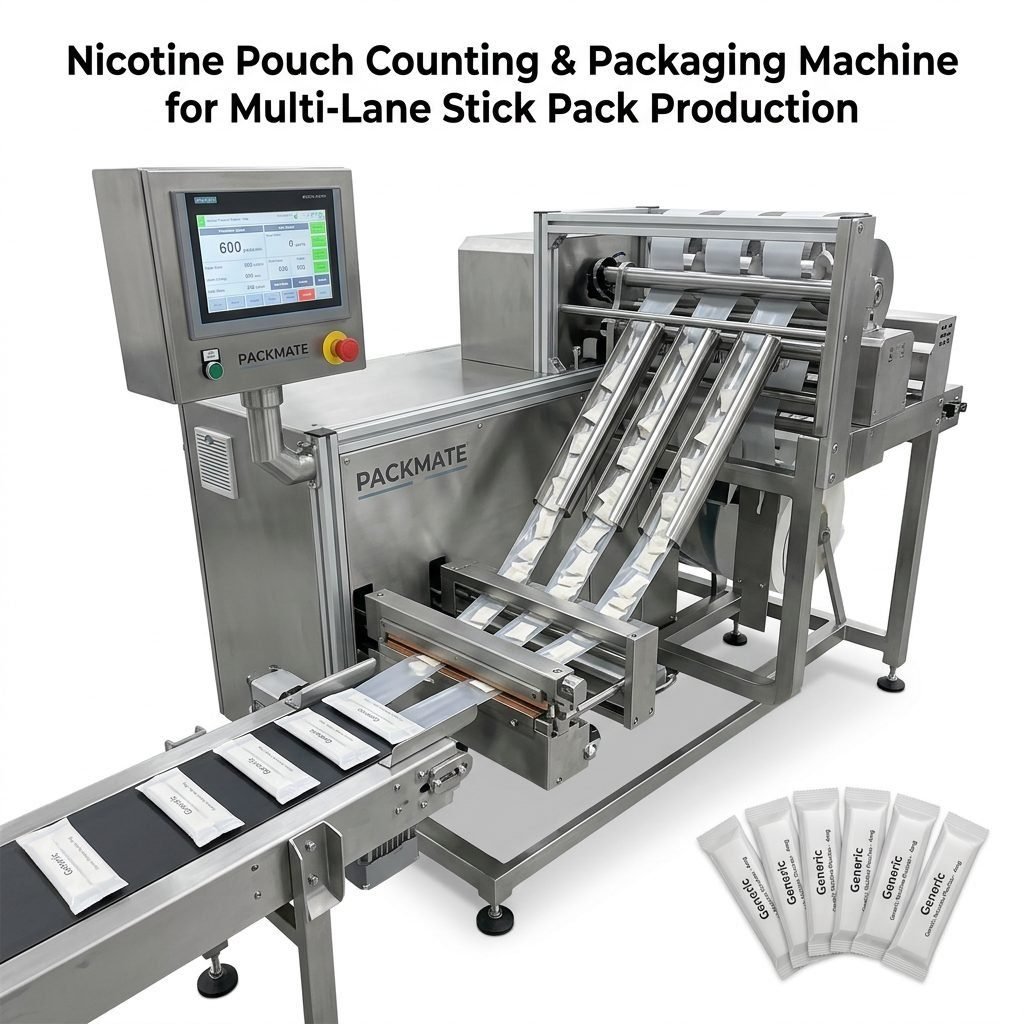
Choosing the right snus packaging machinery supplier for your production line in the Netherlands is more than comparing price tags. It means evaluating technical capability, regulatory compliance, after-sales support in Europe, and the supplier’s experience with nicotine pouch formats that Dutch and European consumers expect. This guide walks you through practical steps and local considerations so you can select a machine partner who will keep your line running reliably and scale with your business.
Why the Netherlands Matters for Snus Packaging Suppliers
The Netherlands is an important logistics and trade hub for Europe, with world-class ports such as Rotterdam and efficient distribution networks. For manufacturers of snus and nicotine pouches, being able to source machinery that understands EU regulations, Dutch consumer habits, and local sustainability expectations is essential. Dutch consumers typically favor high-quality, discreet packaging and increasing environmental responsibility in product choices — so your packaging machinery must deliver precision, consistency, and options for recyclable or minimal-pack formats.
Local regulations and compliance (EU focus)
Compliance with EU directives and CE/ISO standards is non-negotiable. Machines should support documentation for CE certification, electrical safety for 230V systems, and hygienic design for nicotine products. A supplier with experience exporting to Europe will better handle customs paperwork, conformity assessment, and machine labelling practices that meet Dutch and EU requirements.
Key Technical Criteria to Evaluate
When evaluating manufacturers, focus on the combination of capability, precision, and compatibility with your product format. Below are essential technical criteria to guide your assessment:
⚙️ Filling Accuracy: For nicotine pouches, dosing tolerance must be tight (mg-level accuracy). Look for machines with high-precision auger or volumetric dosing systems and verification options (in-line weighing).
📦 Multi-Format Capability: The ability to handle sachets, stick packs, and multi-lane small-dose pouches gives flexibility as consumer demand shifts.
🔄 Changeover & OEE: Fast, tool-less changeovers reduce downtime. Evaluate overall equipment effectiveness (OEE) and modular upgrades for future capacity.
Production speed vs. product integrity
Speed matters, but not at the expense of sealing integrity or pouch quality. Machines with precise temperature control for sealing, web-tracking systems, and in-line inspection cameras help maintain consistent pouch quality at higher throughput.
Operational and Commercial Considerations
The best supplier is not only technically competent but also commercially reliable. Look beyond initial price to total cost of ownership, warranty terms, spare part availability, and training or commissioning support in Europe.
✅ Spare parts & lead times: A supplier that stocks critical wear parts or has distribution partners in Europe reduces downtime risk. Ask for typical lead times on motors, PLC modules, and sealing jaws.
✅ After-sales support: Remote diagnostics, training for Dutch operators, and documented commissioning checklists are vital. Confirm language options for manuals and support (English and ideally Dutch).
Service network and spare parts
If your supplier has European partners or technicians who can be dispatched quickly, you’ll reduce downtime. Ask for references from other European customers and sample service level agreements (SLA).
Choosing the Right Machine Type for Dutch Market Demand
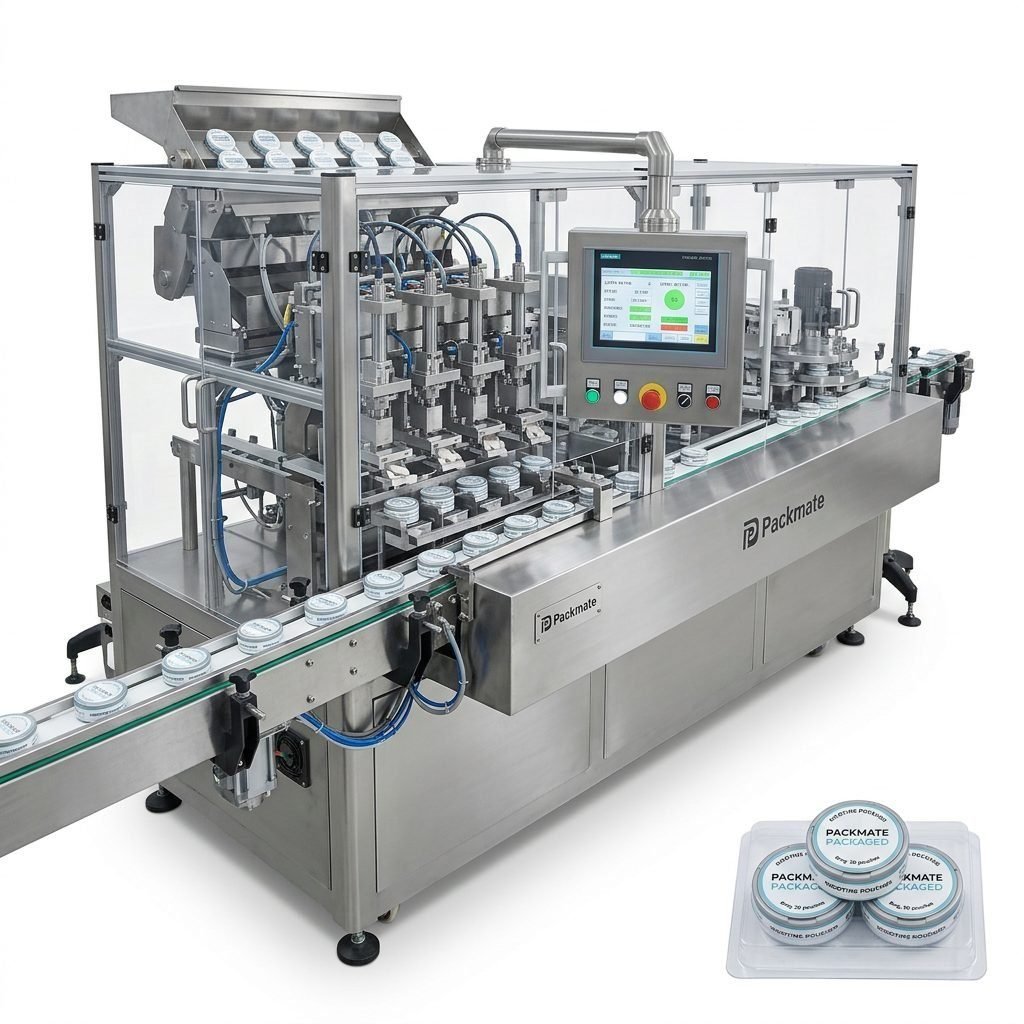
Dutch consumers and retailers often favor compact, neat packaging that’s easy to shelf or carry. This creates demand for formats like discreet sachets, multi-pouch blister packs, and stick packs. Evaluate suppliers who specialize in:
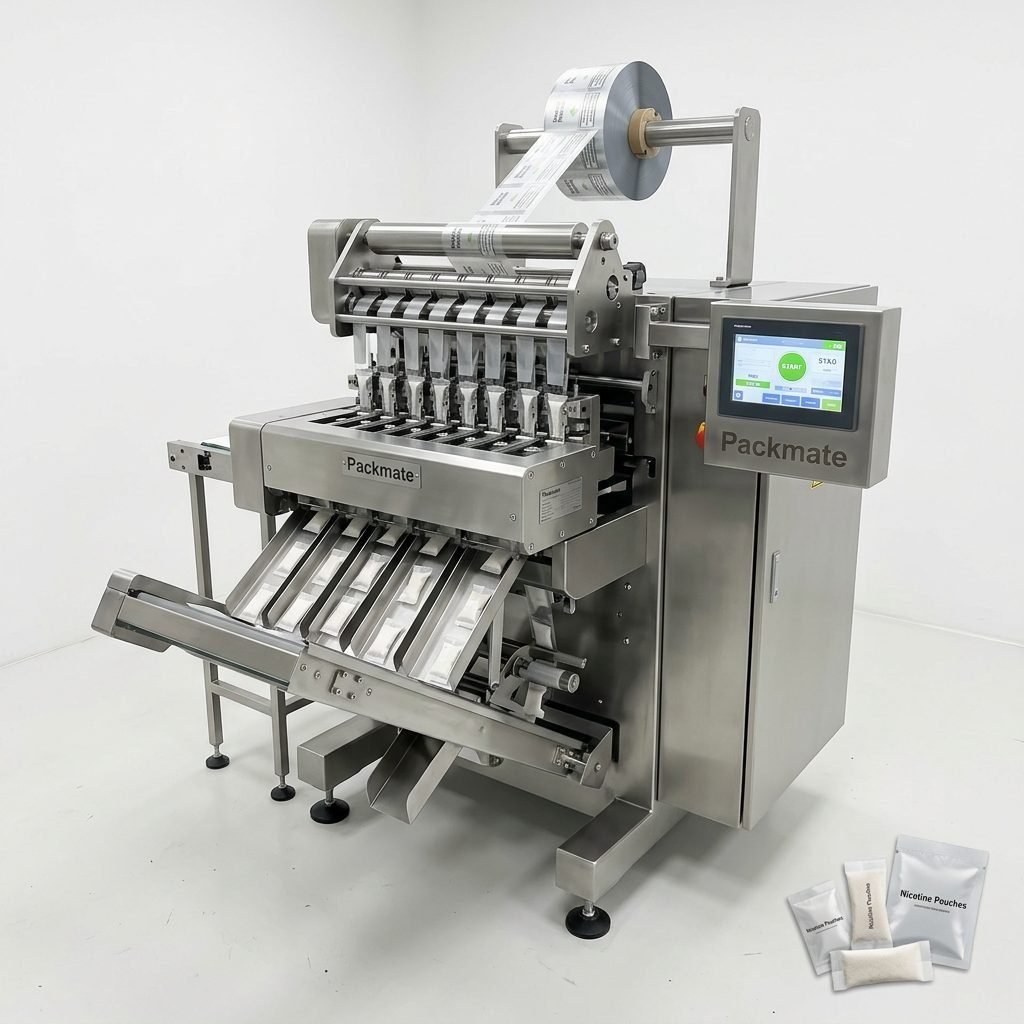
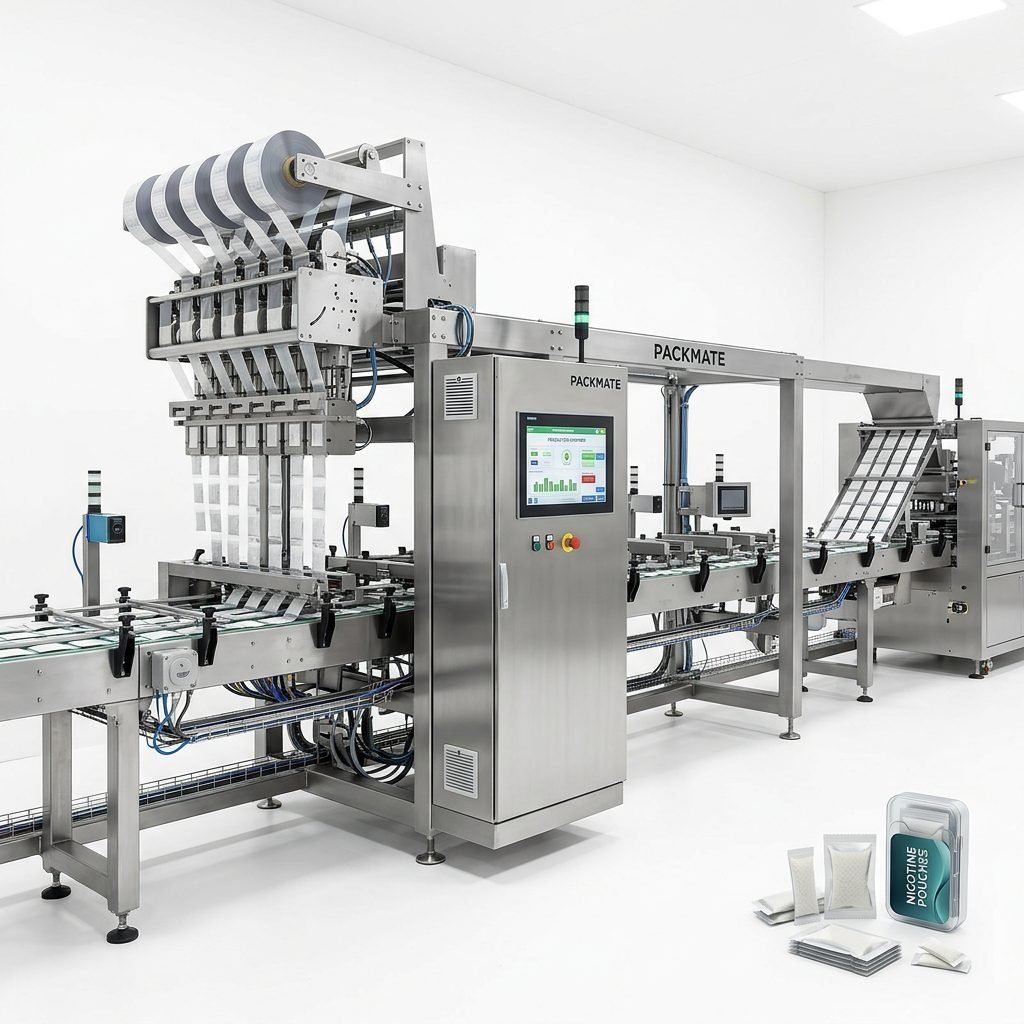
– Multi-lane small-dose pouch systems — ideal for high-volume nicotine pouch production.
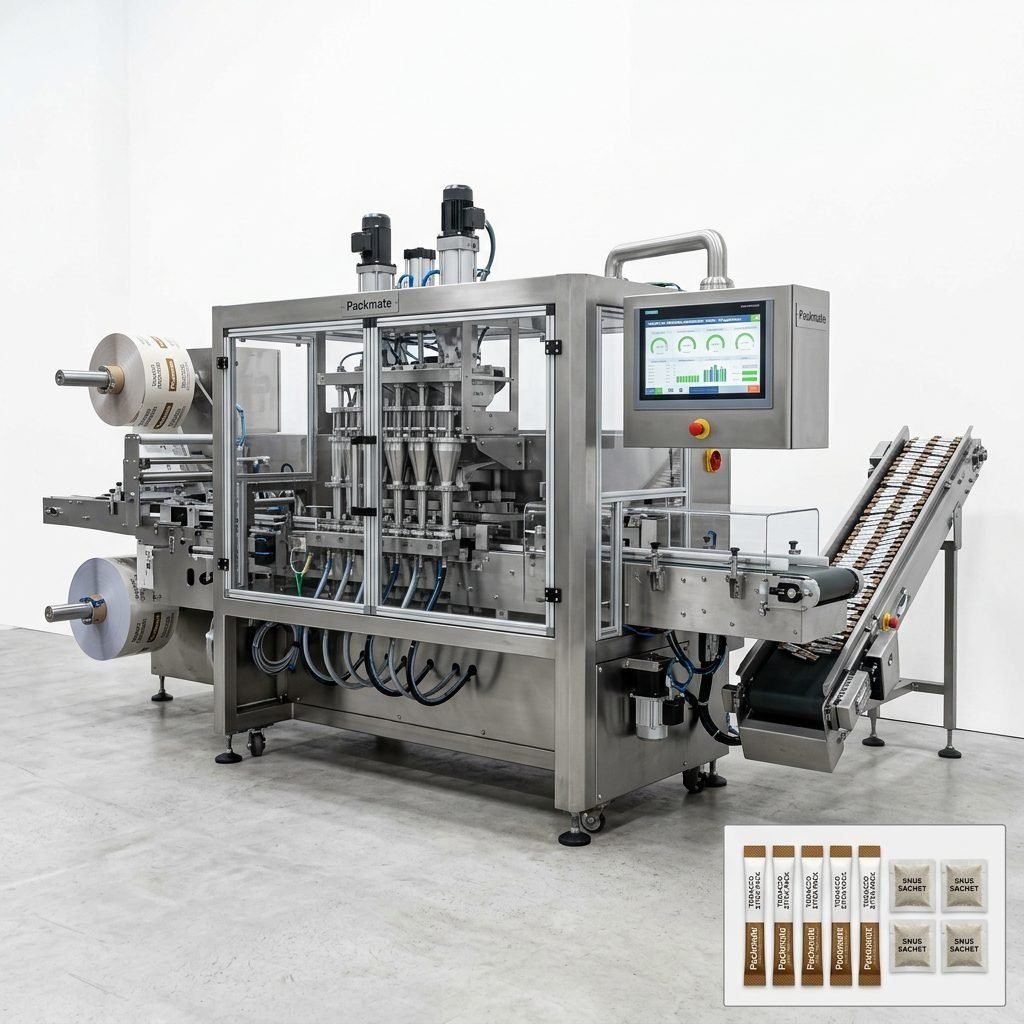
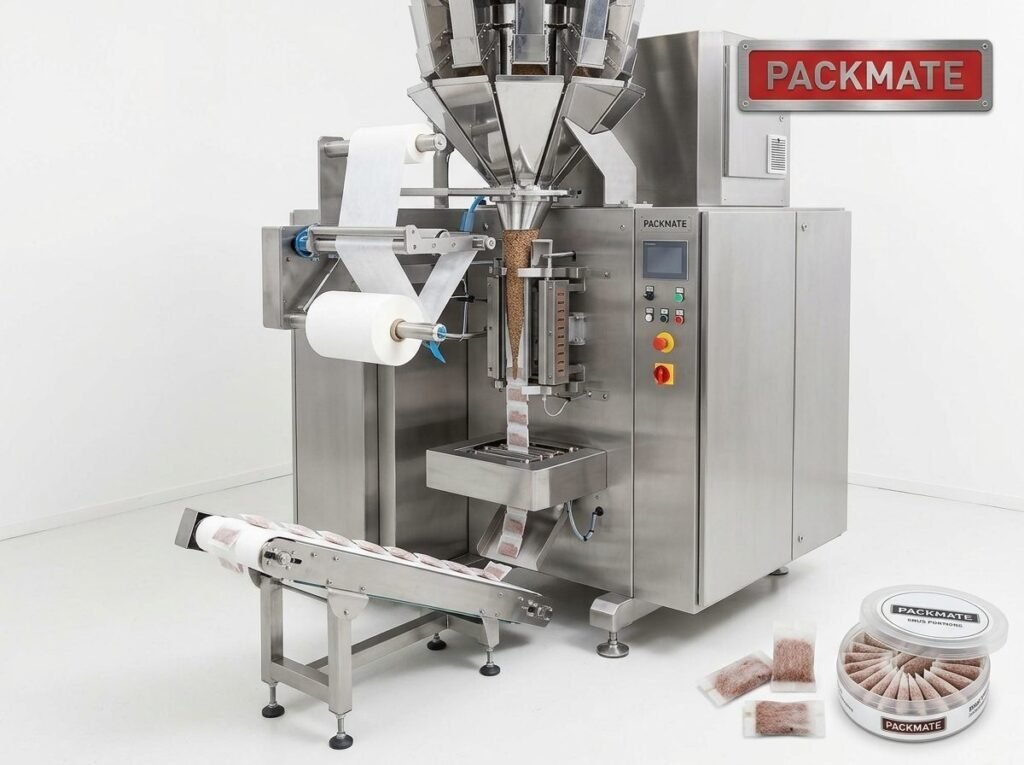
– Sachet & stick pack machines — for single-portion or trial formats that consumers like for portability.
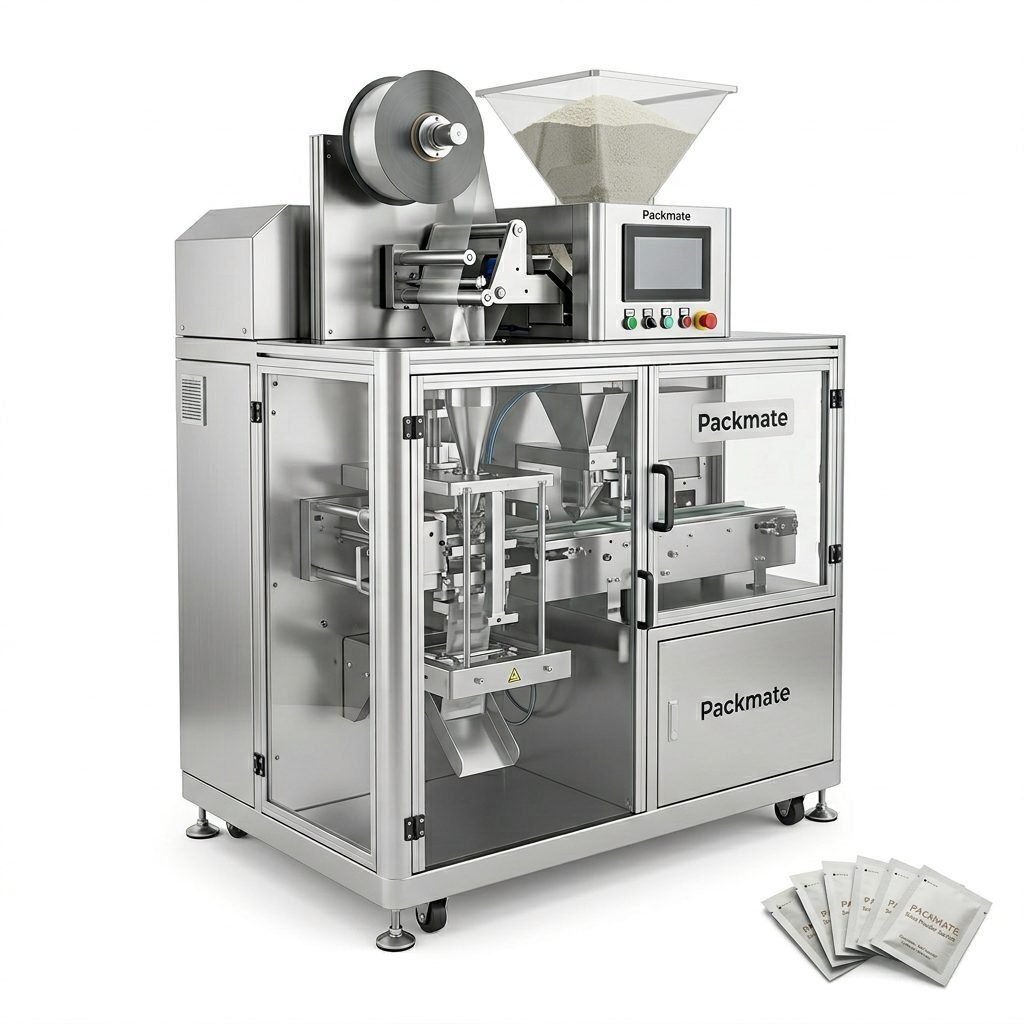
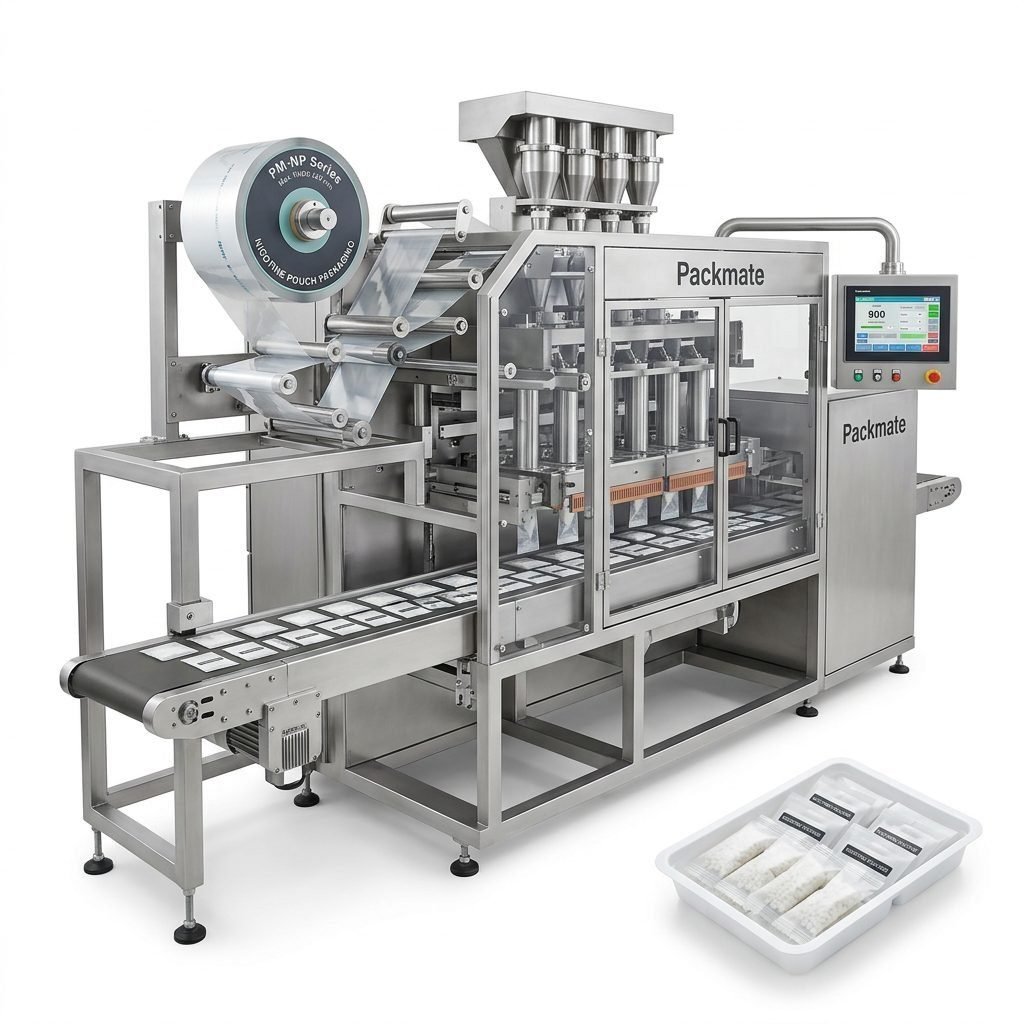
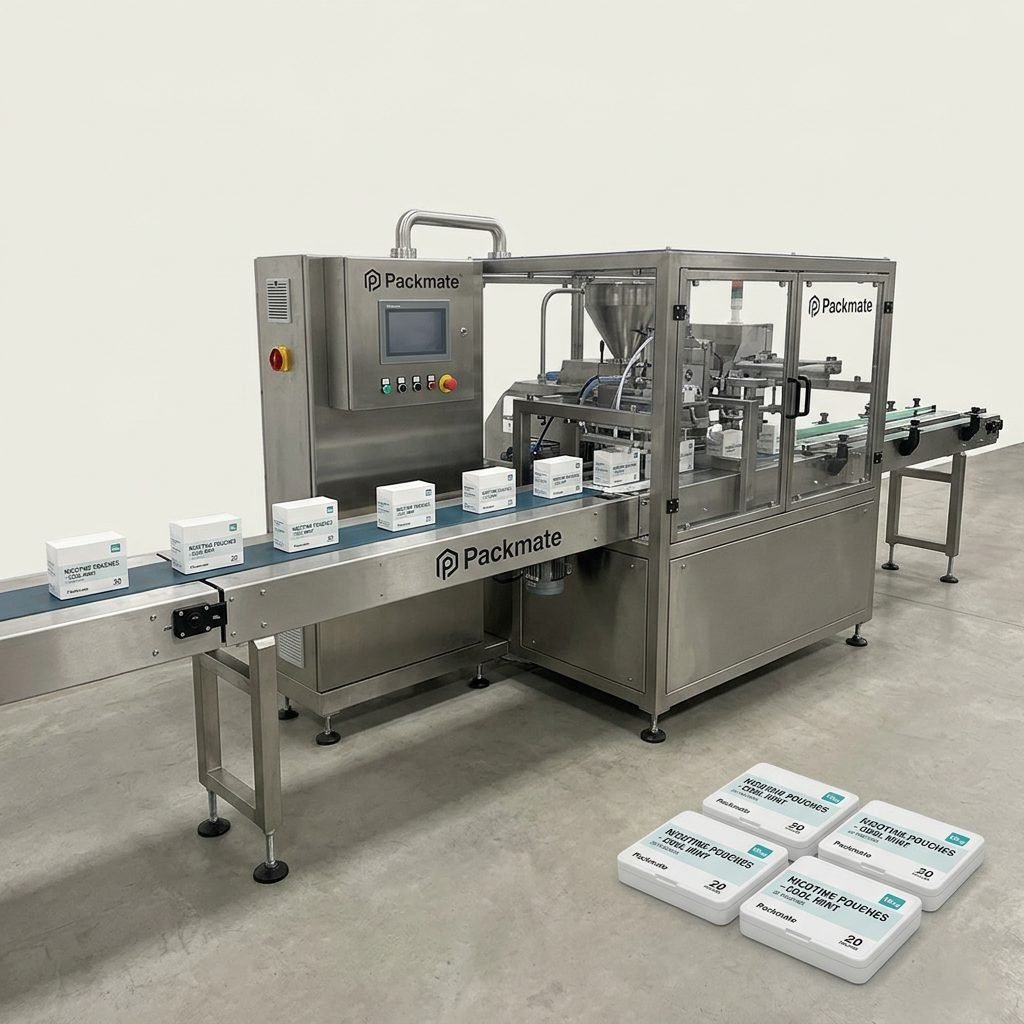
For technical examples and machine families, review dedicated product categories such as Snus & Nicotine Packaging Machines, Sachet & Stick Pack Machines, and Weighing & Packaging Systems for integrated solutions.
Factory & Manufacturing Strength to Verify
When you visit or audit a supplier, check evidence of manufacturing capability: CNC machining centers, precision assembly lines, and quality control procedures. A strong factory footprint suggests reliable build quality and the ability to support custom engineering for your unique pouch compositions.
Factory checklist: 20,000㎡ facility, documented inspection reports, CE/ISO certificates, and global case studies are positive indicators. Suppliers with decades of experience often have refined mechanical design and robust quality control processes.
Ask for case studies and live demos
Confirm machine performance by requesting references or visiting an exhibition or case demonstration. Many suppliers publish case studies — review them to understand production yields, uptime, and challenges solved. See examples at the supplier’s case page such as Case.
Sustainability and Packaging Trends in the Netherlands
Sustainability is a growing purchasing factor in the Netherlands. Packaging machinery that supports recyclable films, minimal material usage, and energy-efficient operation will help your brand stand out. Ask about optimized film usage, precise dose control (reducing waste), and PLC programs that minimize idle energy consumption.
Commercial Terms, Lead Times and Risk Management
Negotiate clear terms for lead time, warranty, spare-part kits, and acceptance testing. Typical considerations:
• Acceptance tests: Factory Acceptance Test (FAT) video and documentation before shipping.
• Shipping & customs: Suppliers familiar with Rotterdam and Dutch import processes can advise on DAP/DDP options and VAT handling.
• Warranties & SLAs: Clear spare part lists, response times for field service, and remote support hours.
How to Create a Shortlist: 7 Practical Steps
1. Define product spec — pouch size, dosing accuracy, film type, target output per shift.
2. Request technical sheets — tolerance, speed, changeover time, power requirements.
3. Ask for FAT evidence — videos and KPI reports from similar projects.
4. Compare TCO — include spare parts, consumables, and energy use.
5. Confirm European support — service partners, language, and local training options.
Requesting a tailored quote
Provide sample pouches, formulations, and target line speeds when requesting quotes. A responsible supplier will propose a line configuration, list of auxiliary equipment (fillers, conveyors, metal detectors), and a realistic implementation timeline. For full production lines, review integrated solutions like Filling & Packaging Lines.
Supplier Credibility & Track Record
Evaluate the supplier’s longevity, certifications, and global footprint. Companies with 20+ years of experience, advanced manufacturing facilities, and verified certifications (CE, ISO) typically deliver reliable equipment. Explore “About” and certification information to verify claims — for example, review supplier background information at About Packmate and certifications at Certificate.
Exhibitions & live demos
Seeing machines in action at trade shows gives you confidence in performance and build quality. Check exhibitor schedules and past exhibition records — many suppliers list events and demo opportunities, which can be found on pages like Our Exhibition.
Final selection tips for Dutch operations
In the Netherlands, small operational details matter: clear operator interfaces in English/Dutch, compact machine footprints for tighter production spaces, recyclable film options to meet retailer sustainability requests, and fast service response times. Confirm electrical compatibility (230V/50Hz), CE declaration, and if necessary, help with local installation permits and documentation.
Quick checklist before signing: FAT videos, spare-part kit list, warranty period, training plan, shipping terms to Rotterdam, and a timeline for installation & commissioning.
Next steps: Getting quotes and making the decision
Reach out to shortlisted suppliers with a detailed RFQ. Provide product samples and target KPIs. Compare proposals using a weighted scorecard that balances technical fit, after-sales support, total cost of ownership, and sustainability features. For a full-service supplier that offers snus-specific machinery and turnkey lines, explore product categories such as Bag & Pouch Packaging Machines and auxiliary systems at Auxiliary Packaging Equipment.
Contact & support
Make sure your preferred supplier provides a clear contact point for European clients. If you need direct help with quotes or project planning, use the supplier’s contact options like Contact Us or review their service offerings at Service.
Conclusion
Selecting the best snus packaging machinery supplier for the Netherlands requires a blend of technical scrutiny, commercial diligence, and awareness of local market needs. Prioritize CE/ISO-certified suppliers with a proven track record in snus or nicotine pouch lines, strong after-sales support in Europe, and flexible machine options that support sustainability and product integrity.
Frequently Asked Questions
Q1: What certifications should a snus packaging machine have for sale and use in the Netherlands?
A1: Ensure CE marking and relevant ISO quality certifications. Also confirm hygienic design if required by your product and documentation that supports EU conformity assessment.
Q2: How important is after-sales support for machinery located in the Netherlands?
A2: Very important — fast access to spare parts, local technicians or partners, remote troubleshooting, and operator training reduce downtime and keep production reliable.
Q3: Can I get a full turnkey production line from a single supplier?
A3: Yes. Many experienced suppliers provide turnkey solutions including fillers, multi-lane pouch machines, conveyors, and checkweighers. Ask for examples of completed lines and a clear implementation timeline.
Q4: What role does sustainability play in choosing packaging machinery in the Dutch market?
A4: Sustainability is increasingly important. Machines that reduce film usage, support recyclable materials, and optimize energy consumption will help meet retailer and consumer demands in the Netherlands.
Q5: How can I validate supplier claims about machine speeds and accuracy?
A5: Request Factory Acceptance Test (FAT) videos, on-site or virtual demos, in-line inspection reports, and references from other European customers to validate real-world performance.