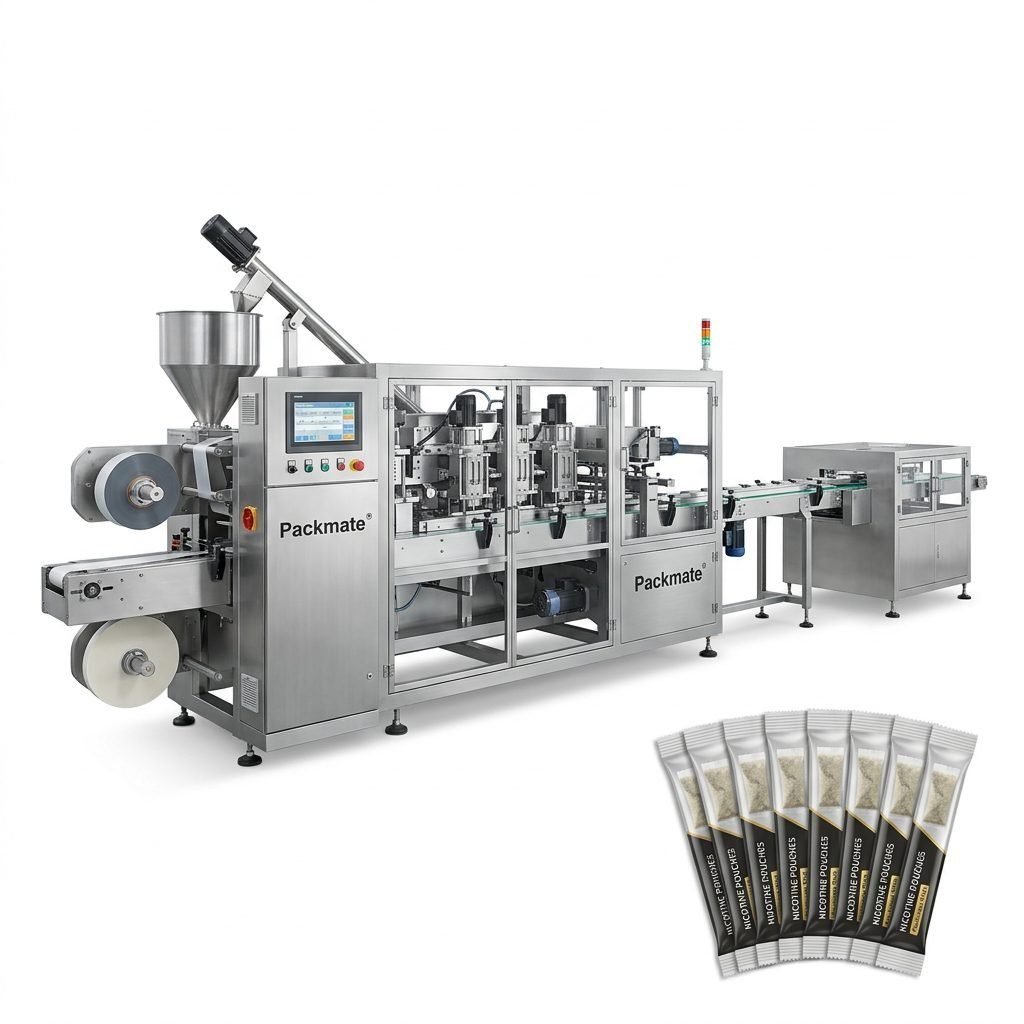
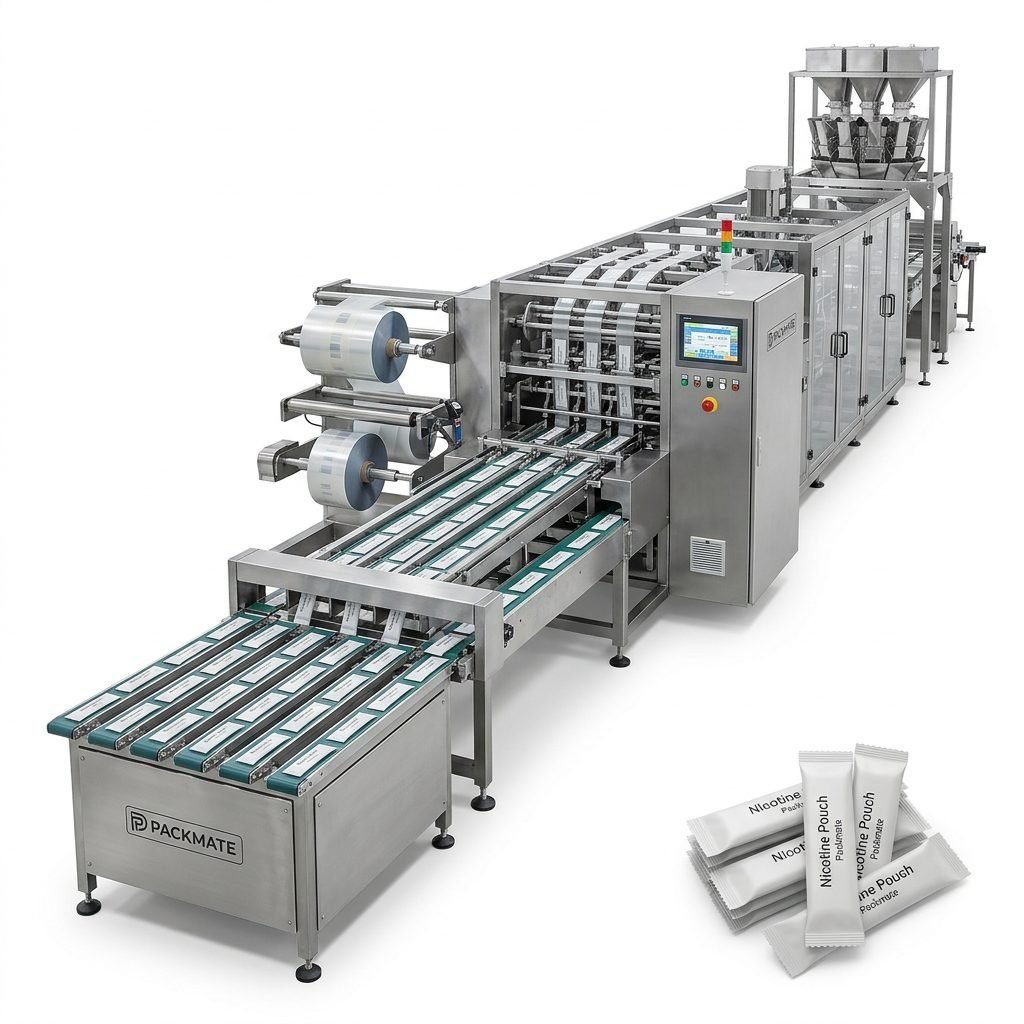
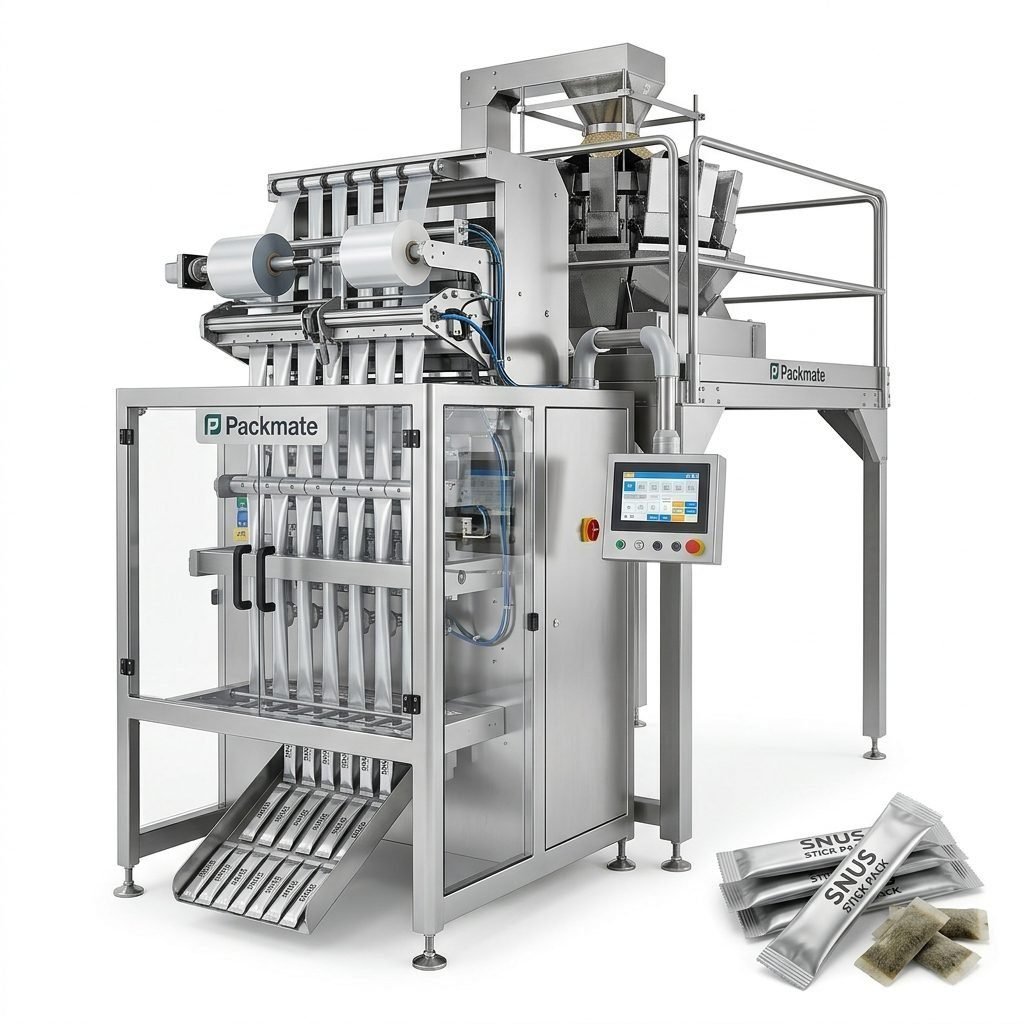
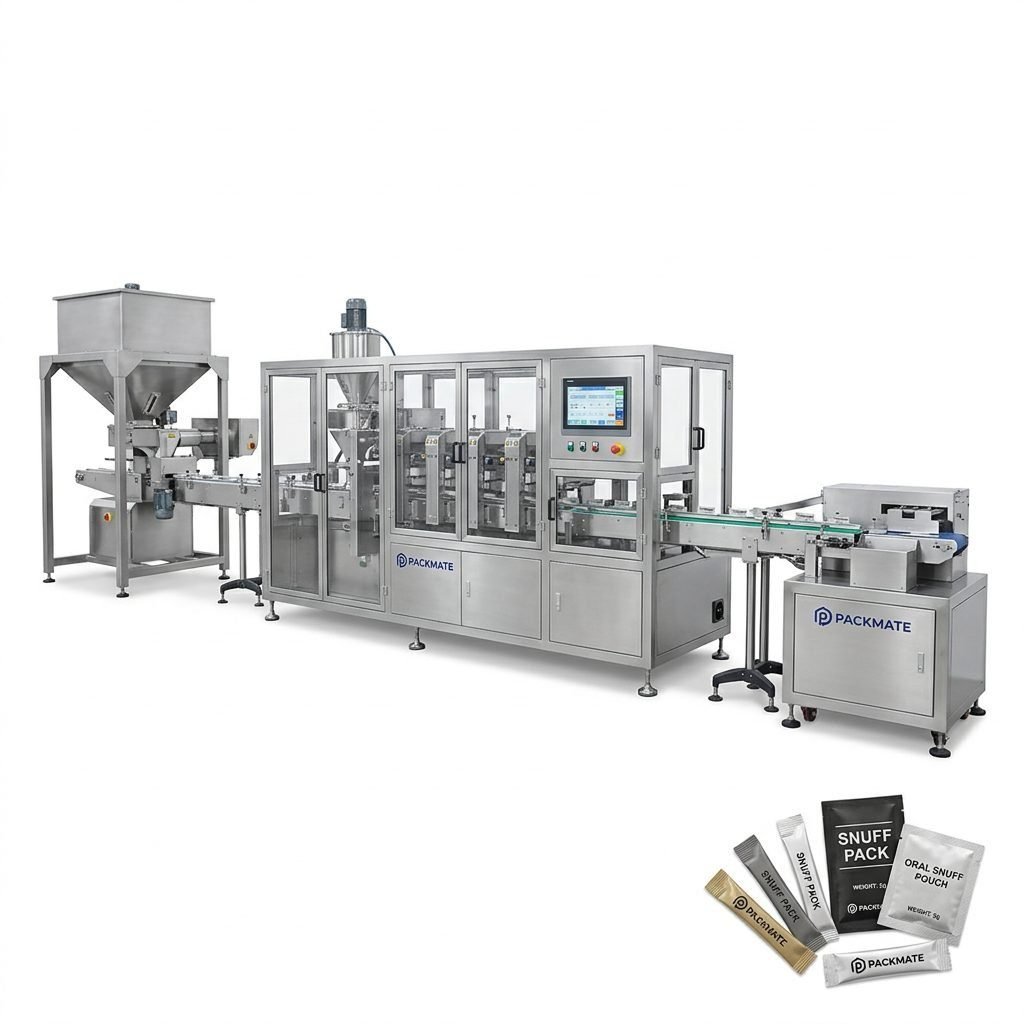
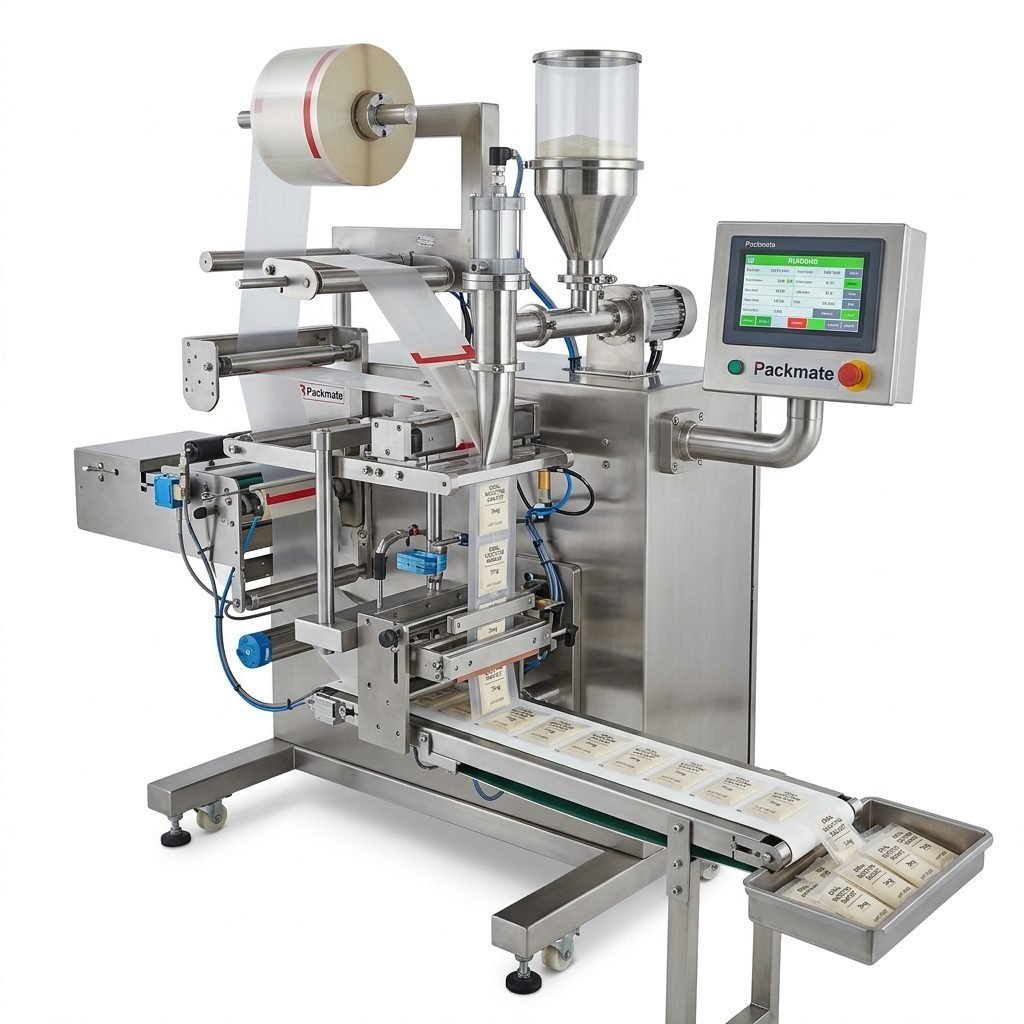
Choosing the right snus packaging machinery supplier in Tanzania is a strategic decision that affects production stability, product quality, and long-term profitability. Whether you are launching nicotine pouches for the Tanzanian market, supplying regional distributors, or exporting to neighboring East African countries, the right partner combines technical capability, regulatory awareness, and local market insight. This guide walks you through practical steps, technical checklists, and culturally-aware considerations to help you select the best snus packing machine supplier for your business in Tanzania.
Understand Tanzania’s Market and Consumer Habits
Tanzania has a diverse consumer base with urban centers like Dar es Salaam and Mwanza, plus numerous small towns and rural kiosks. Products sold here often favor compact, affordable packaging suitable for walk-in customers and informal retail networks. Local language and cultural cues are important: Swahili labels with clear usage and regulatory information increase trust and acceptance. When evaluating a supplier, ask whether they can help with customized multi-language labeling and small-batch flexibility for test launches in different regions.
Local retail preferences to consider
• Pack size variety: Single-dose sachets and small pouches tend to sell well in convenience stores and kiosks.
• Visual clarity: Bold, plain designs with clear warnings and ingredient information are preferred by regulators and consumers alike.
• Durability: Moisture-resistant packaging is essential in the tropical climate to maintain product integrity.
Technical Capabilities: What the Machine Must Deliver
When assessing suppliers, prioritize machines with the following capabilities:
✅ Precision filling for small-dose nicotine pouches — accurate weight control reduces waste and keeps products compliant with labeling claims.
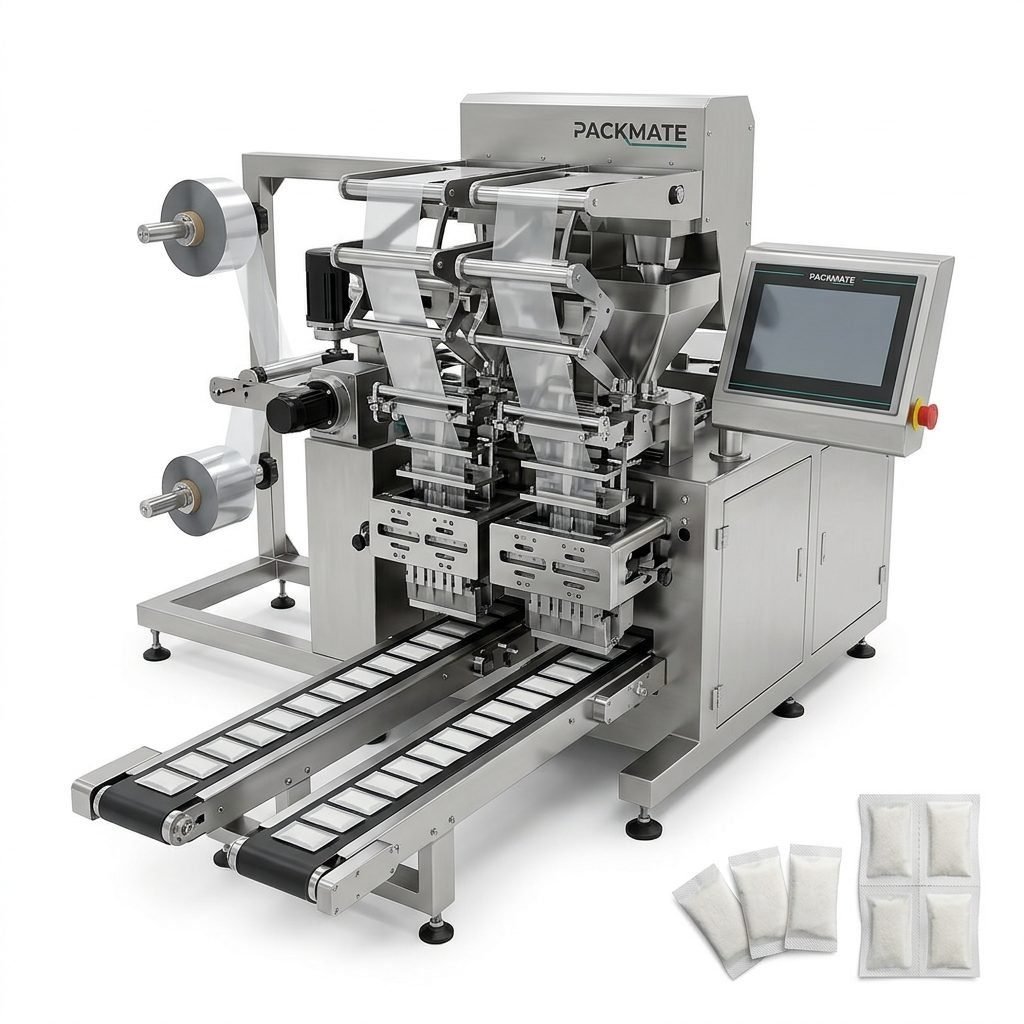
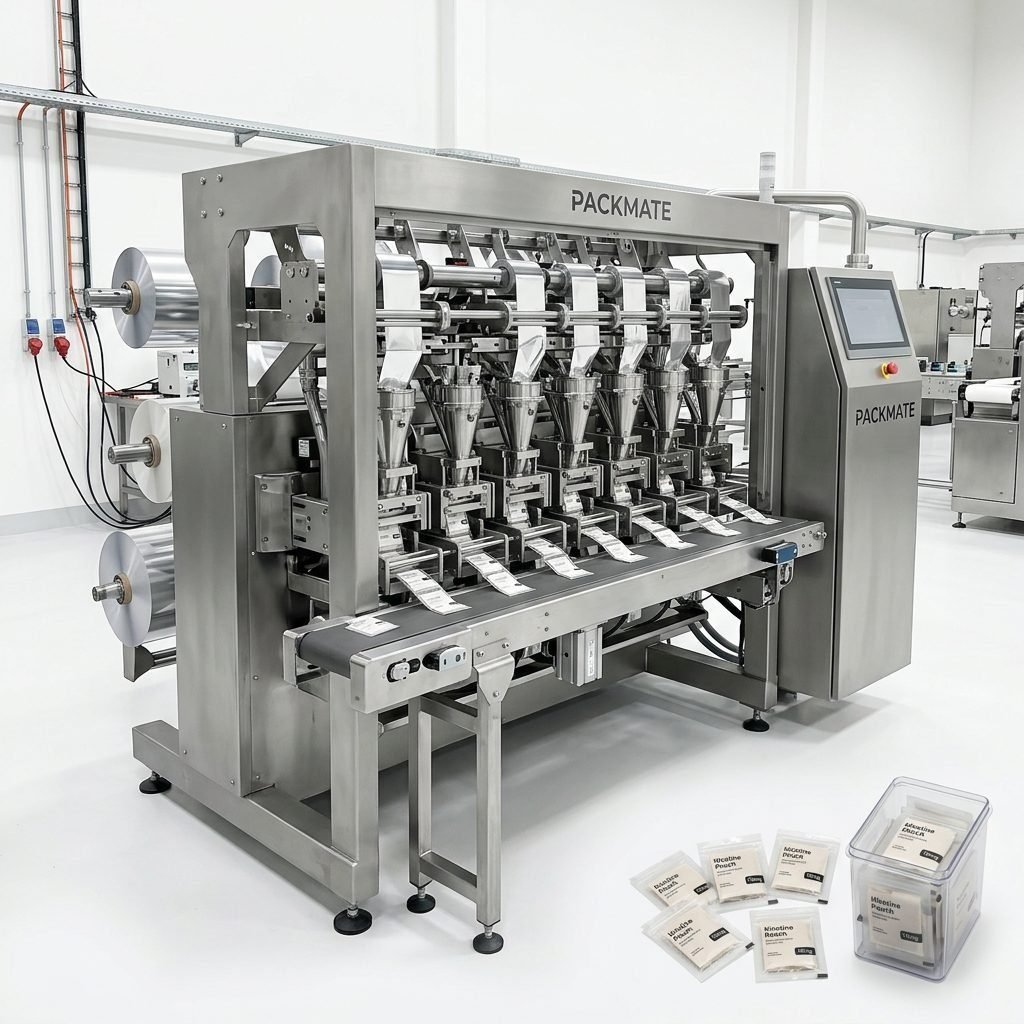
✅ Multi-lane options for higher throughput with compact footprint; useful when scaling from small batches to commercial volumes.
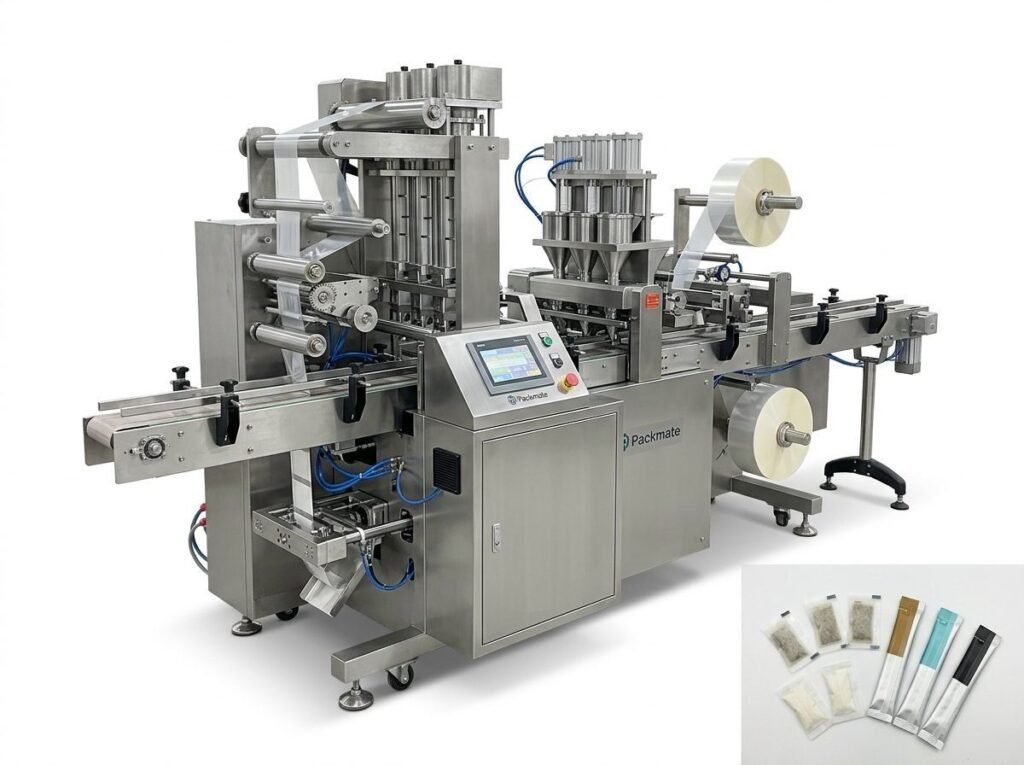
✅ Flexible pouch formats — sachet, stick pack, and seal-type pouches to match different retail strategies.
✅ Easy changeover between SKUs to keep downtime low and adapt quickly to market demand.
Key technical specs checklist
When inspecting a proposed machine, review these details: maximum speed (packs/min), dosing accuracy (±g tolerance), power requirements, air consumption, footprint, CIP (clean-in-place) capability if needed, and spare parts availability. If you plan to produce various formats, confirm the supplier offers modular tooling or quick-change systems.
Supplier Reliability: Certifications, Factory Strength, and Track Record
A reliable supplier offers verifiable credentials and strong manufacturing capabilities. Look for CE and ISO certifications and ask for factory tour evidence or video walkthroughs. Suppliers with a long history in packaging machinery tend to have better-engineered solutions — for example, manufacturers with decades of experience in snus and nicotine pouch lines can provide tested multi-lane systems and turnkey lines.
For deeper reference, review the supplier’s product pages and case studies such as:
Snus & Nicotine Packaging Machines
After-Sales Support: Training, Spare Parts, and Local Service Options
After-sales support is critical, especially for first-time operators in Tanzania. Confirm whether the supplier provides:
⚙️ Operator and maintenance training — on-site or remote sessions to get your team up to speed.
🔧 Spare parts availability — ask for a spare parts list, lead times, and whether they supply a starter kit to reduce downtime.
🌍 Local representation or partners — having a local agent or regional service partner in East Africa saves time and shipping costs for replacement parts and service visits.
Commercial Terms: Price, Lead Time, and Payment
Price is important, but total cost of ownership includes installation, training, spare parts, and downtime. Evaluate:
• Delivery lead time and shipping arrangements to Dar es Salaam or other Tanzanian ports.
• Standard warranty terms and optional extended service contracts.
• Payment terms — flexible suppliers often accept staged payments tied to delivery milestones, FAT (Factory Acceptance Test) completion, and commissioning.
Regulatory and Labeling Compliance in Tanzania
Packaging for nicotine-containing products must adhere to local regulations and health warnings. Work with a supplier who understands or can advise on regulatory labeling requirements for Tanzania and surrounding markets. This includes correct statements in Swahili/English, batch coding, lot traceability, and tamper-evident features. Seek machines that can integrate coding systems and date/lot printing during packaging.
Integration with upstream and downstream systems
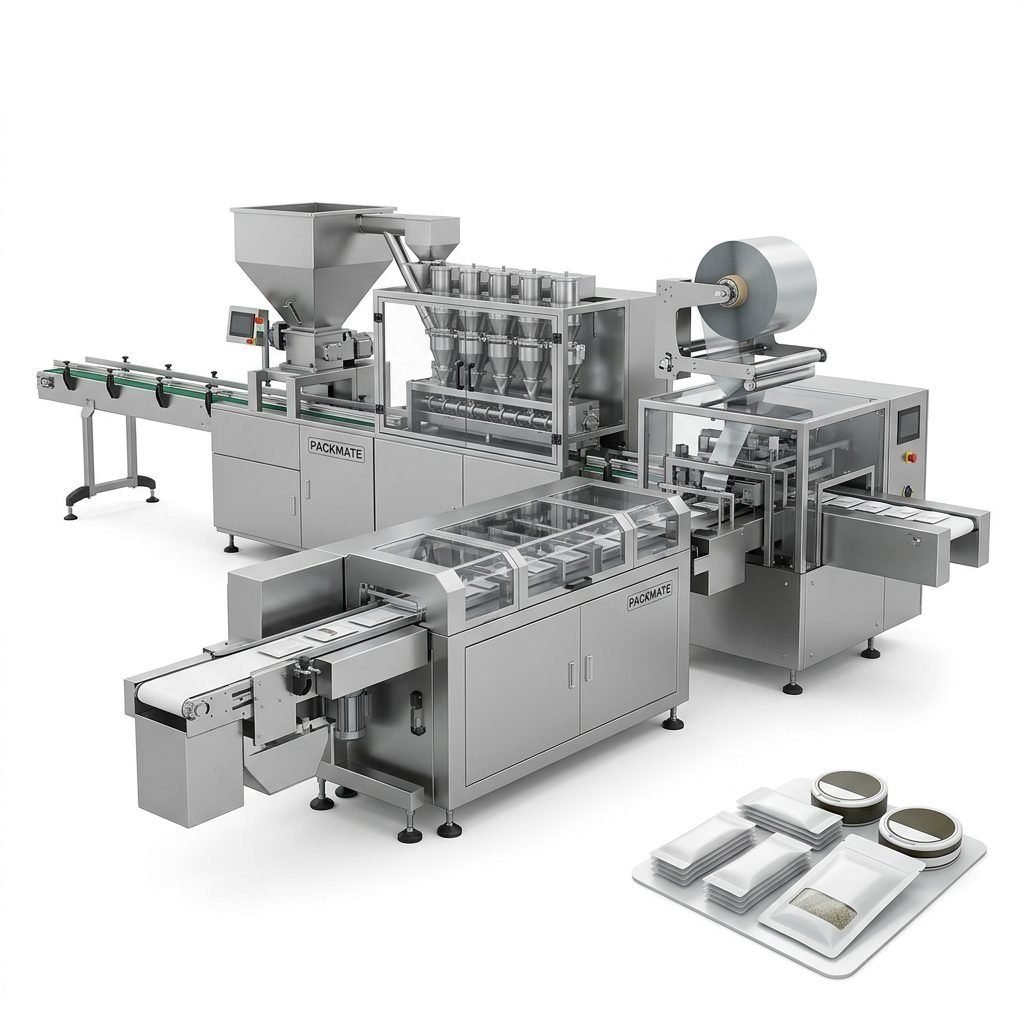
Consider how your packaging machine will fit into your full line: feeding systems (weighing and dosing), sealing, case packing, and palletizing. Suppliers that provide complete filling and packaging lines or assist in system integration can significantly reduce commissioning time. See examples of complete solutions in Filling & Packaging Lines.
Factory Visits, FAT, and Documentation
Always request a Factory Acceptance Test (FAT) before shipment. A FAT provides a chance to witness performance under simulated production conditions. If you can’t visit in person, ask for a live video demonstration and a detailed report. Ensure the supplier provides complete documentation: electrical drawings, PLC programs, spare parts list, SOPs, and maintenance manuals.
Customization and Local Branding
Your packaging should reflect local tastes and legal requirements. Ask whether the supplier can:
• Support custom pouch sizes and print designs, including Swahili warnings and QR codes.
• Provide flexible contract manufacturing options if you plan to outsource initial runs.
• Offer design consultancy to balance shelf appeal and regulatory compliance.
Red Flags: When to Walk Away
⚠️ If a supplier refuses to provide references, FAT access, or detailed technical documentation — be cautious.
⚠️ Extremely low prices with vague warranty or spare part plans usually indicate hidden long-term costs.
⚠️ Lack of compliance certificates (CE/ISO) or unwillingness to discuss electrical and safety standards is a major concern.
How to Evaluate Proposals: A Practical Scoring Approach
Create a simple scoring matrix to compare suppliers on core categories: technical fit, price & terms, lead time, after-sales service, certifications, and customization capability. Weight categories according to your priorities (for example, 30% technical performance, 25% after-sales, 20% price, 15% lead time, 10% compliance). This objective approach helps justify decisions internally and reduces bias.
Request for Quotation (RFQ) essentials
Your RFQ should include desired capacity (packs/min), pouch format(s), dosing accuracy, target production shifts per day, expected SKUs, desired automation level, shipping port in Tanzania, and requested warranty/service terms. A clear RFQ speeds up accurate proposals and reduces surprises during negotiation.
Why Partner with an Experienced Snus Machine Manufacturer
Manufacturers with decades of specialization in snus and nicotine pouch equipment bring domain-specific innovations like anti-static handling, moisture control, and precise micro-dosing. Their experience in delivering turnkey solutions reduces integration risk and helps fast-track time to market. Explore product portfolios to match your needs: Sachet & Stick Pack Machines and Weighing & Packaging Systems are commonly used with snus lines.
Cultural Tips for Marketing Packaging in Tanzania
Reflect local culture in packaging and communications. Use Swahili labeling where appropriate, avoid imagery that could be culturally insensitive, and focus on clear, practical benefits such as freshness preservation and product safety. Retailers and consumers respond well to promotions tied to holidays and local events; packaging that can support limited-time branding or sticker labels is a plus.
Next Steps: From Shortlist to Purchase
1) Shortlist 2–4 suppliers after scoring proposals.
2) Request FATs or live demos and clarify spare parts kits.
3) Negotiate payment terms, warranty, and service level agreements.
4) Confirm documentation, training schedule, and shipping logistics to Tanzanian ports.
5) Plan for commissioning, operator training, and initial spare parts stocking.
Useful resources and contact
If you need examples of turnkey suppliers and global case studies, review the manufacturer’s pages and request references: Service & Support and their Contact Us page for direct inquiries and exhibition schedules.
Final checklist before signing
• FAT agreed and scheduled.
• Spare parts kit and lead times documented.
• Training scope and schedule confirmed.
• Warranty, payment milestones, and shipping INCOTERMS clarified.
Conclusion
Selecting the best snus packaging machinery supplier in Tanzania requires balancing technical performance, regulatory compliance, cultural fit, and robust after-sales service. Use an objective scoring method, verify certifications and factory capabilities, insist on FATs and full documentation, and ensure local language and packaging durability for the Tanzanian climate. A well-chosen supplier becomes a strategic partner that helps you scale reliably across East Africa.
Common Questions
Q: How important is CE/ISO certification for snus packaging machines?
A: Certifications demonstrate compliance with international safety and manufacturing standards. They are essential when evaluating build quality, electrical safety, and overall reliability — especially for import clearance and insurance purposes.
Q: Can suppliers help with Swahili labeling and regulatory advice for Tanzania?
A: Many experienced suppliers provide labeling consultation or can recommend local partners who understand Tanzanian regulatory requirements. Always confirm responsibilities in the contract.
Q: What spare parts should I stock when commissioning a snus packaging machine?
A: Stock common wear items such as belts, knives, sensors, seals, and spare nozzles. Ask the supplier for a recommended starter spare parts kit tailored to the specific model.
Q: Is local service support available in East Africa?
A: Some suppliers maintain regional partners or authorized technicians. If local representation is limited, ensure fast shipping channels for parts and consider remote support options.
Q: How do I ensure a smooth FAT if I cannot travel to the factory?
A: Request a live-streamed FAT with multiple camera angles, a clear test plan, recorded performance metrics, and third-party witness if needed. Insist on documented acceptance criteria before shipment.