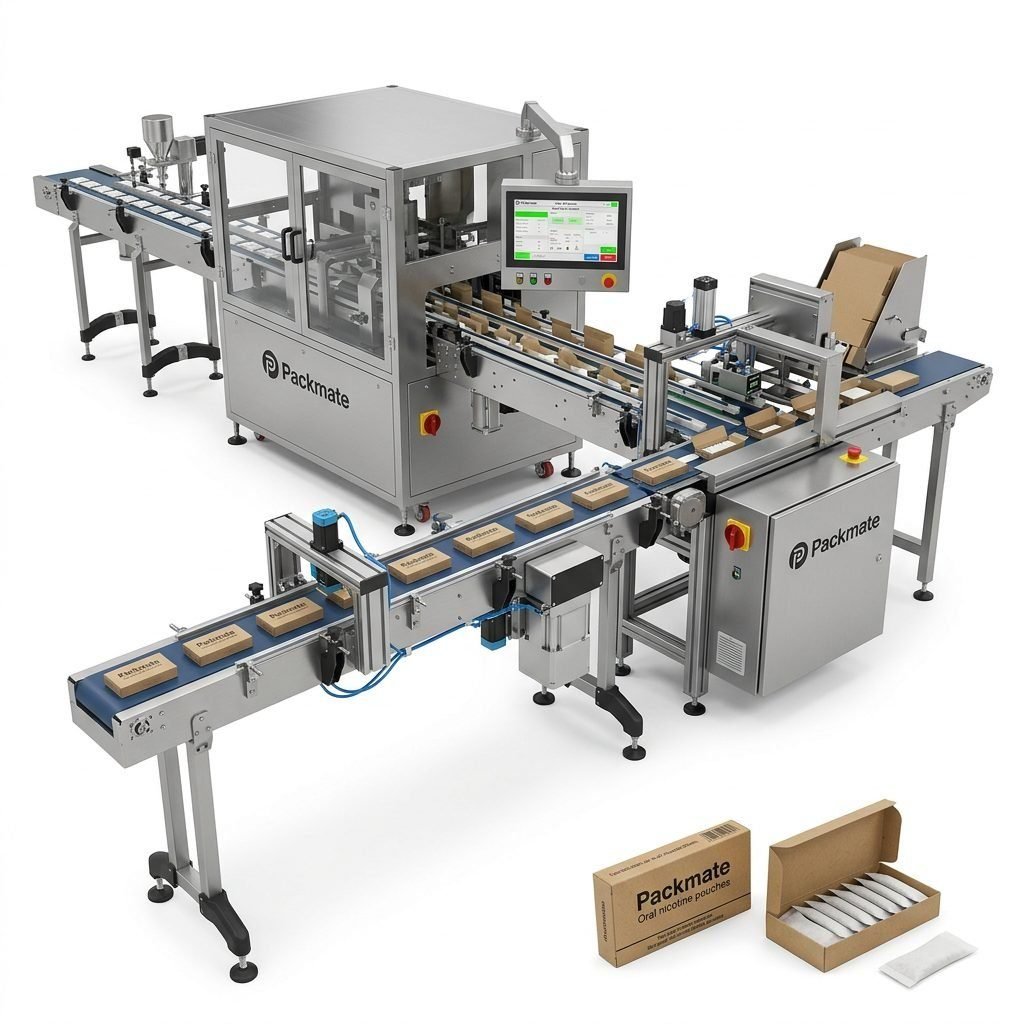
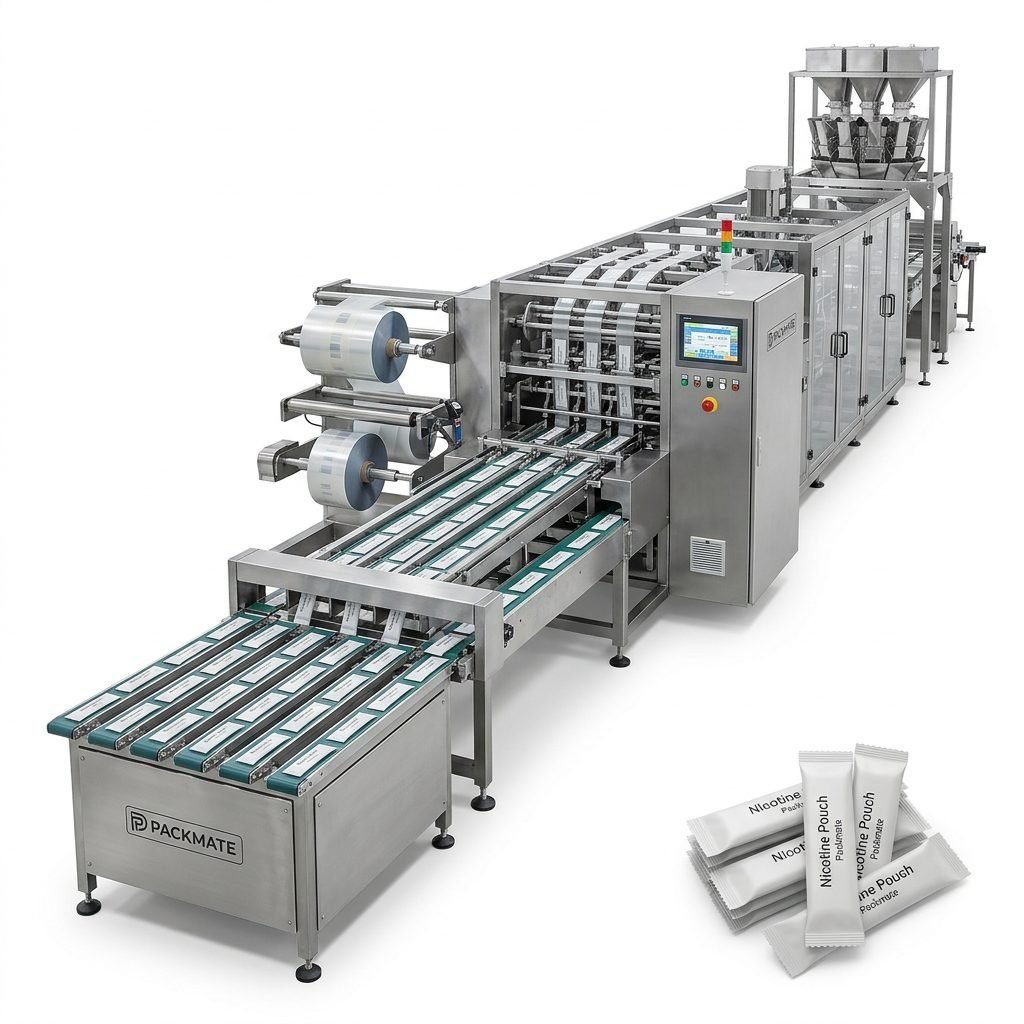
Expanding a snus or nicotine pouch production line in Cambodia requires more than buying equipment — it means choosing a packaging machinery supplier who understands your product, local market nuances, regulatory landscape, and long-term service needs. This guide helps factory owners, operations managers, and procurement teams in Cambodia evaluate and select the best snus packaging machinery supplier to ensure reliable production, consistent product quality, and efficient scaling.
Understand Cambodia’s Local Context and Market Needs
Cambodia’s manufacturing environment is shaped by its regional trade links, tropical climate, labor structure, and cultural patterns. When sourcing snus packaging machinery, consider:
- Climate and humidity: high humidity and heat can affect machine electronics and product stability — machines with robust environmental protection and humidity controls are preferred.
- Workforce skills: many Cambodian factories employ motivated but less formally trained operators; machines that are user-friendly with clear visual interfaces and local-language manuals (Khmer) reduce training time.
- Supply chain proximity: Cambodia imports many parts via Vietnam, Thailand, or China; suppliers that offer spare-part kits and fast shipping reduce downtime.
- Production scheduling: local holidays like Khmer New Year and Pchum Ben affect staffing and logistics — factor lead times and service windows into contracts.
Why local habits matter
In Cambodia, smokeless tobacco and nicotine product patterns differ from Nordic or Western markets. Target consumer preferences (pack size, pouch texture, aroma) and local labeling requirements (Khmer language, ingredient transparency) should be reflected in machine selection — for example, machines that can handle varied pouch sizes and multi-lane formats help you adapt quickly to market feedback.
Key Technical Features to Evaluate
Ensure the supplier’s equipment meets your production targets and product specifications. Pay special attention to:
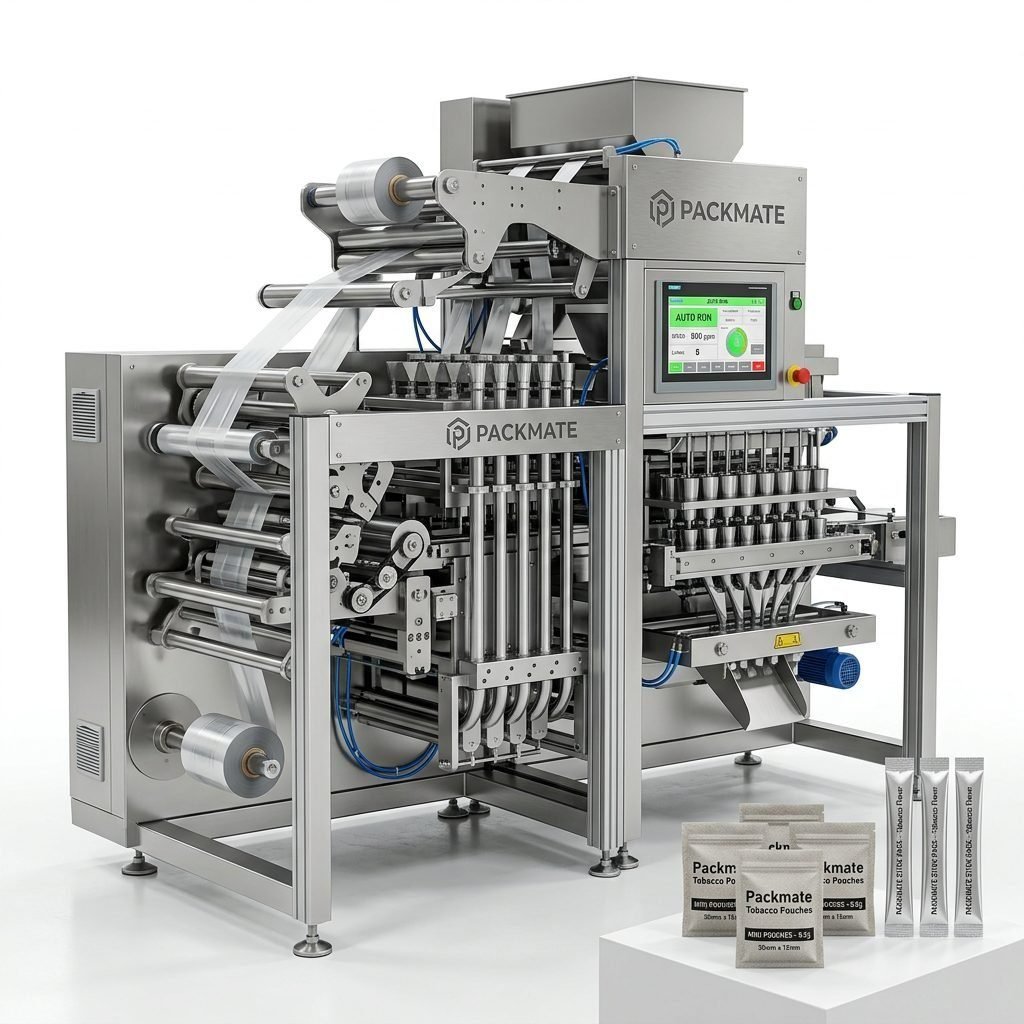
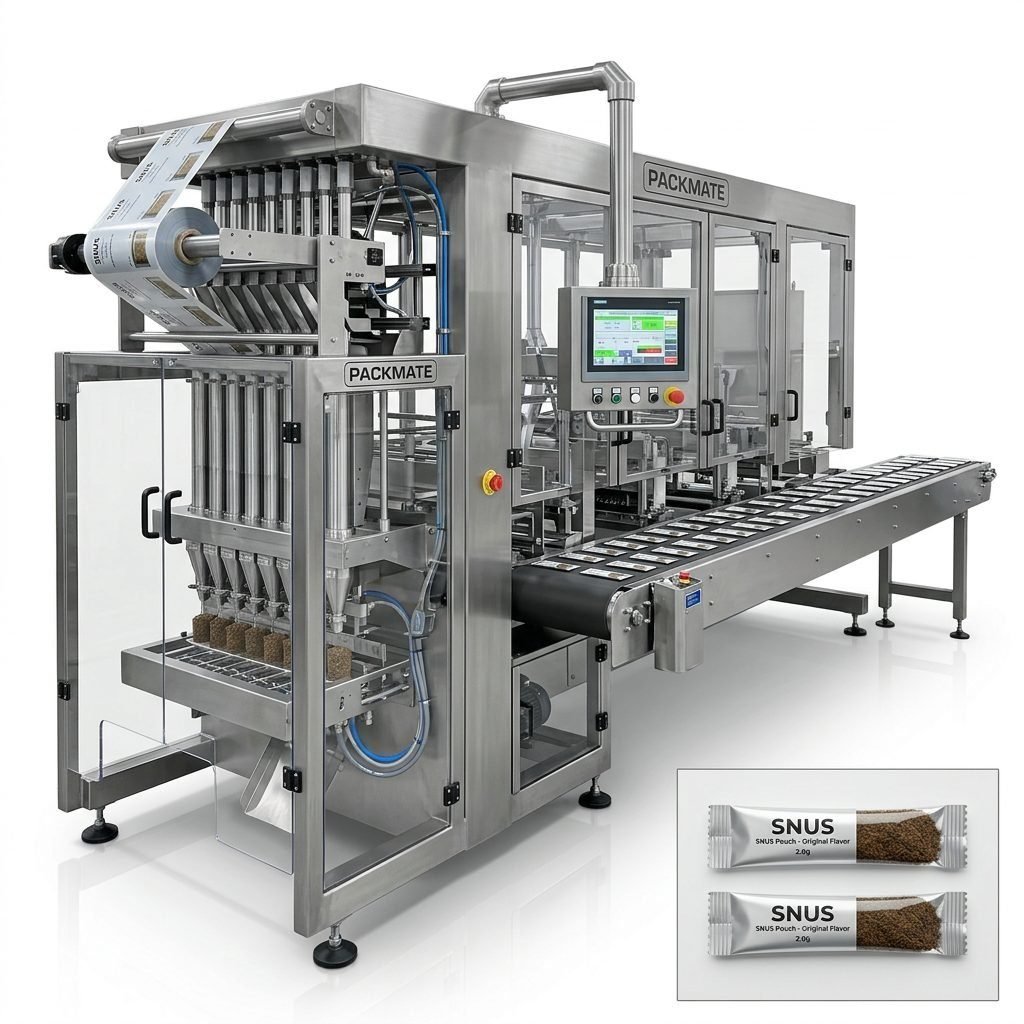
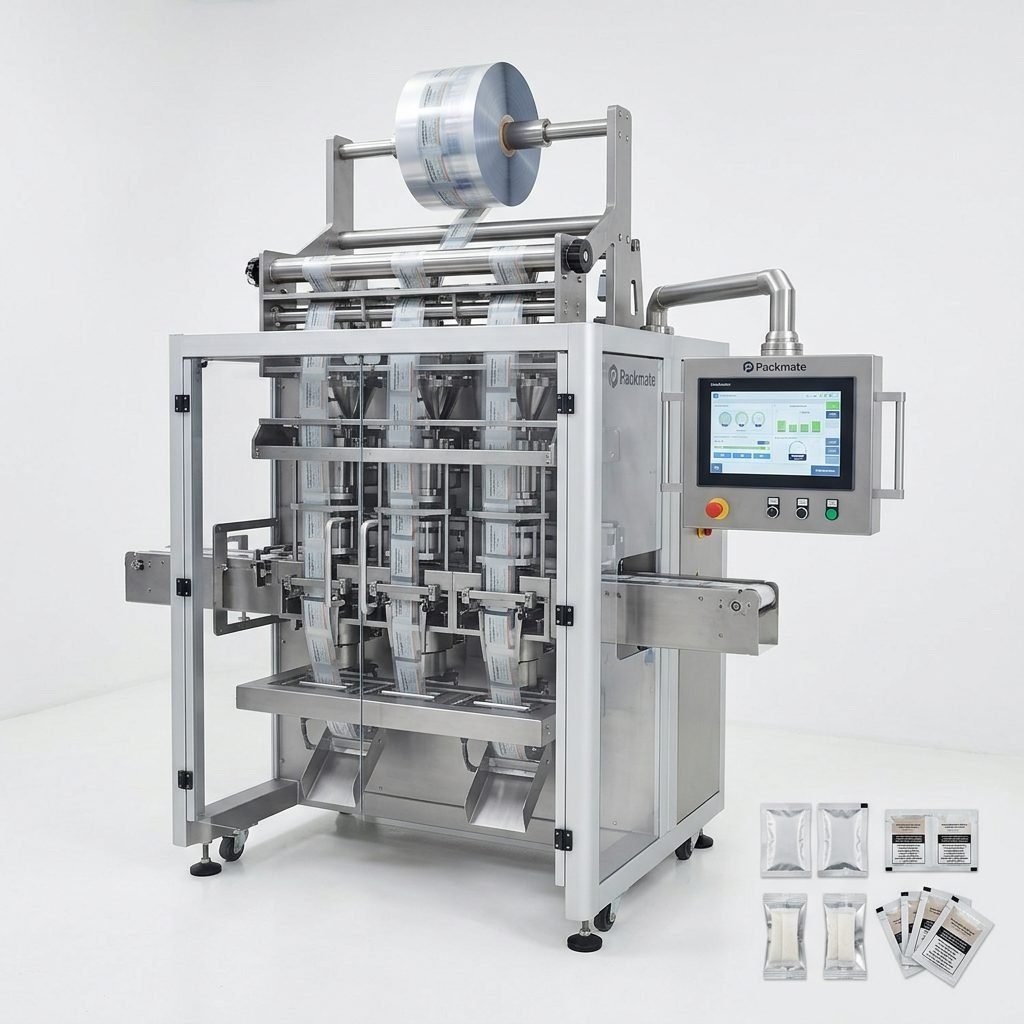
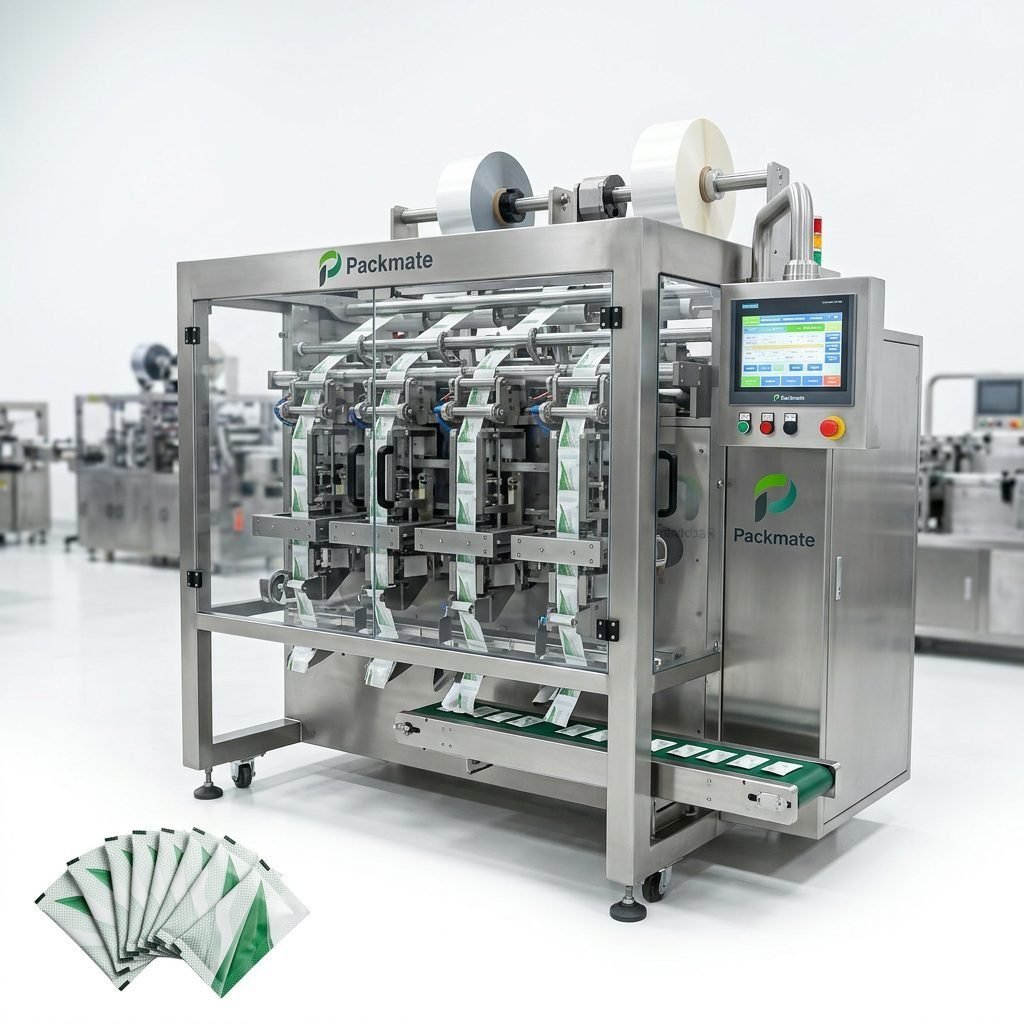
🔶 Throughput & scalability: Can the machine run at your desired pieces-per-minute and scale to multi-lane operations? For high-volume nicotine pouches, multi-lane stick and sachet systems are often essential.
- Filling accuracy: Minimal variation in pouch weight is critical for regulatory compliance and customer trust.
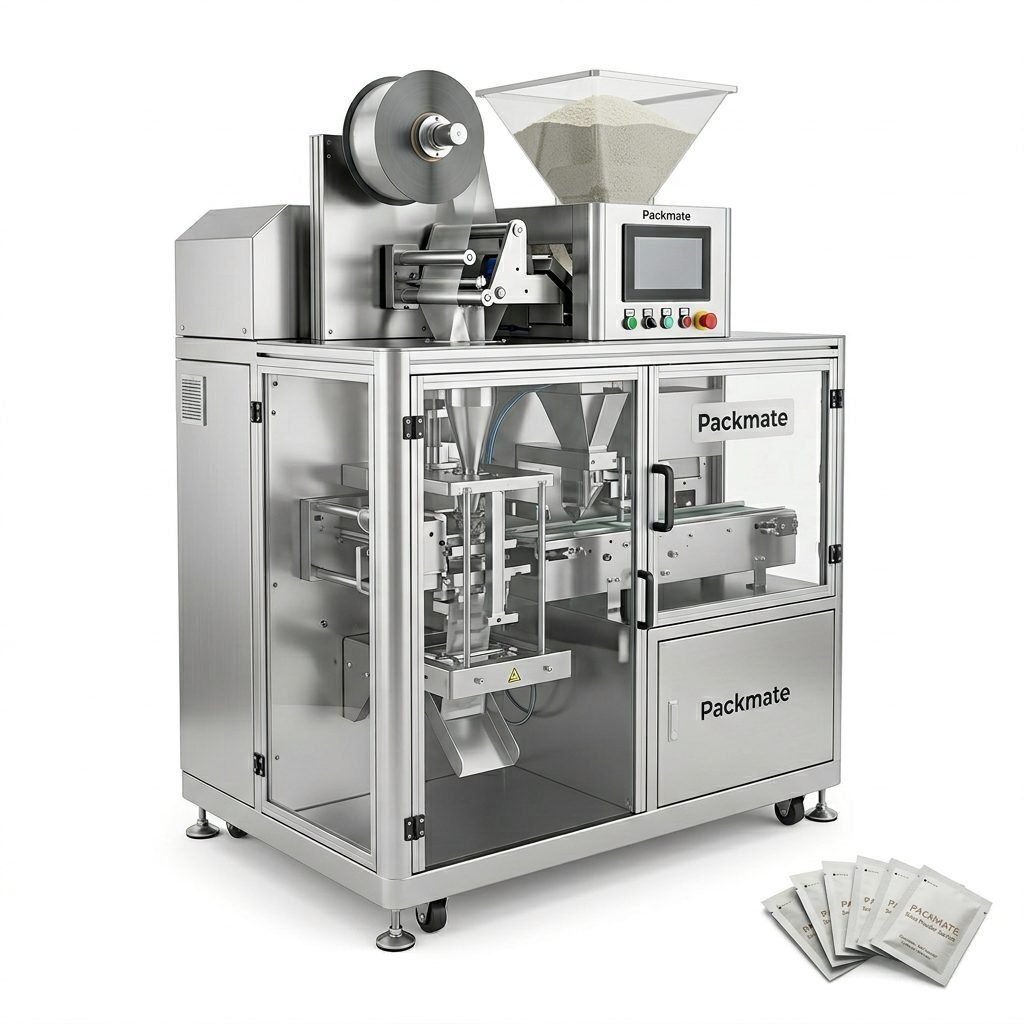
- Compatibility: Does the machine support your chosen pouch type — stick pack, sachet, or custom snus pouch? Modular machines that adapt to multiple formats save capital over time.
- Materials handling: Hygienic contact parts, quick-change tools, and corrosion-resistant finishes suit tropical climates and frequent washdowns.
- Control systems: PLC and HMI panels with intuitive displays, multilingual support (include Khmer if possible), and recipe storage accelerate changeovers.
Assess Supplier Engineering & Manufacturing Strength
A supplier’s background reveals their capability to deliver reliable machinery and long-term service. Look for:
✅ Proven manufacturing footprint: Suppliers with advanced CNC machining centers, precision assembly lines, and large factory areas typically offer better component precision and QA practices.
For instance, Packmate Snus Machine operates a 20,000㎡ manufacturing site with 30+ years of engineering experience and 50+ machine models. Suppliers with such capabilities can customize multi-lane systems, support automated filling lines, and ensure parts consistency.
Certifications and Quality Control
International certifications like CE and ISO indicate adherence to safety and manufacturing standards — particularly important if you plan to export finished products. Ask for inspection reports, FAT (Factory Acceptance Test) documentation, and references from global clients.
Service, Spare Parts, and Local Support
After-sales service often differentiates a reliable partner from a risky vendor. Consider:
- Availability of spare parts and typical shipment lead times to Cambodia.
- Remote diagnostic capabilities and software support for PLC/HMI issues.
- Training programs for operators and technicians — on-site commissioning and follow-up visits are invaluable.
- Local representation or installers who can respond quickly during unplanned stoppages.
⚠️ TIP: Negotiate spare-part kits and a service SLA (response time, remote support hours) into your purchase contract to reduce production risk.
Customization, Turnkey Solutions, and Integration
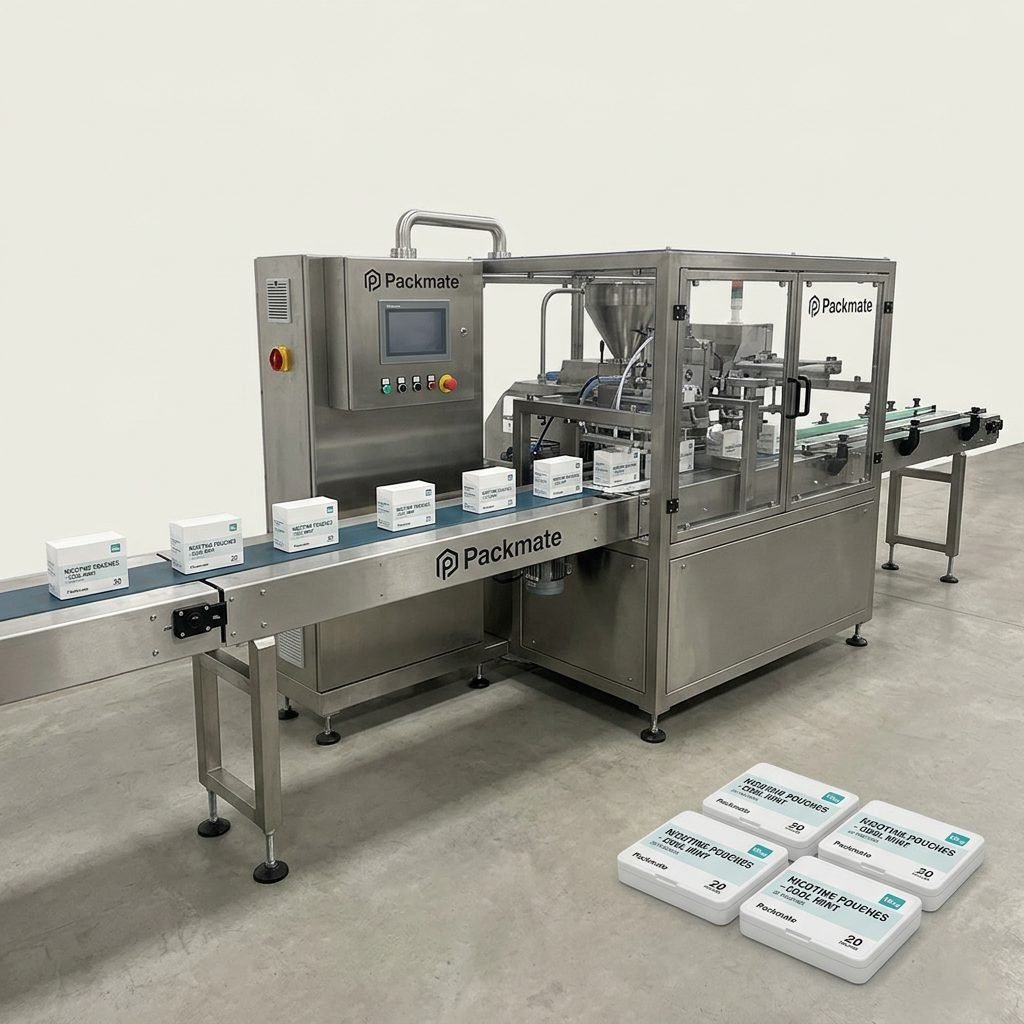
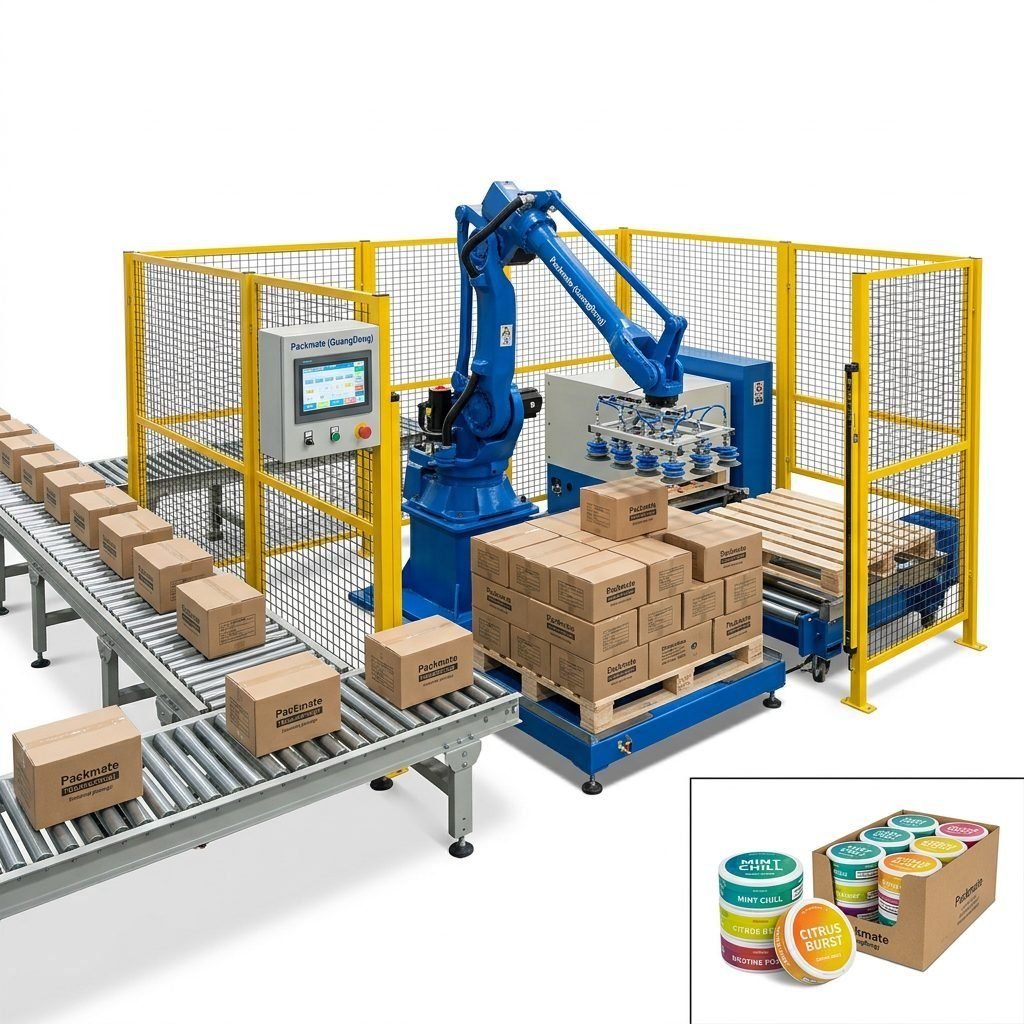
Many factories need more than a stand-alone machine — they need integrated lines: weighing systems, filling and sealing machines, conveyors, metal detectors, and packaging case packers. Evaluate whether the supplier can:
- Deliver turnkey solutions that include design, electrical integration, software recipes, and line balancing.
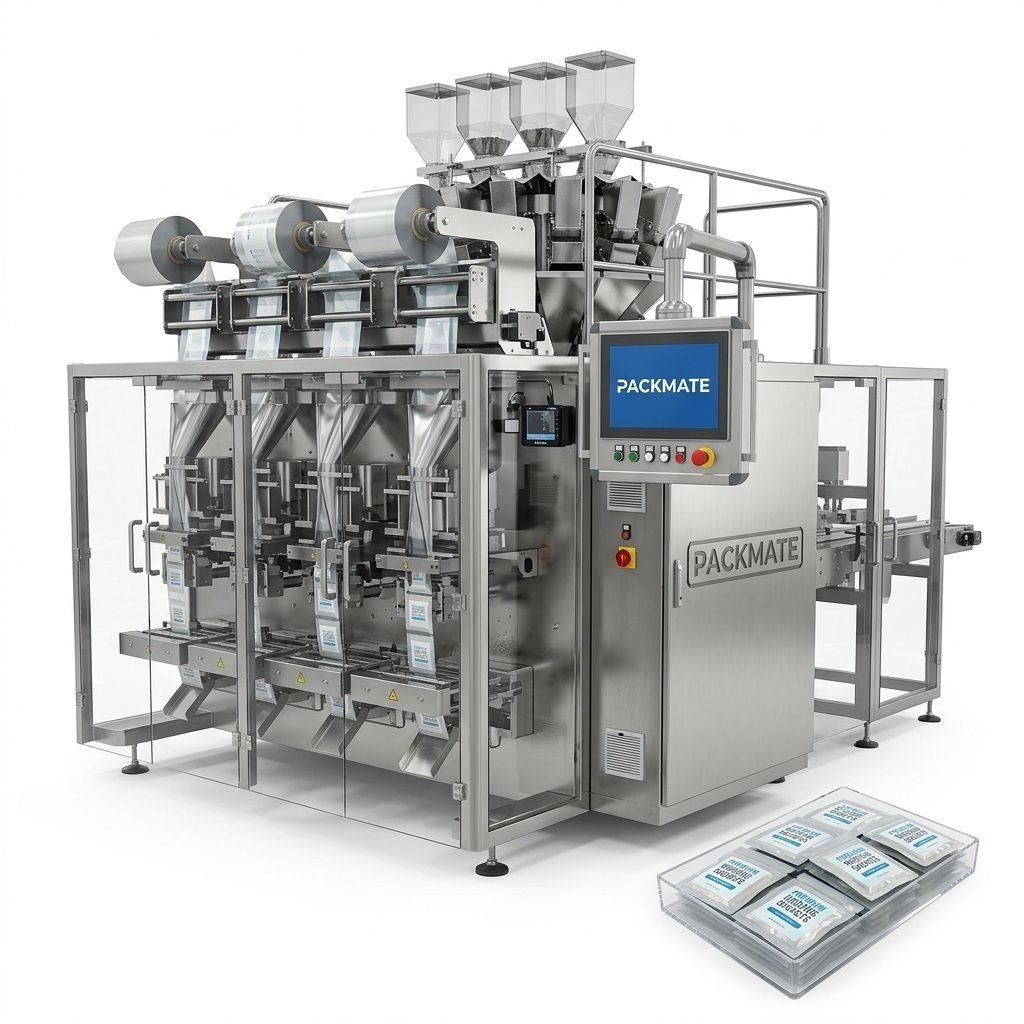
- Offer auxiliary equipment like weighing & packaging systems to automate upstream processes.
- Provide modular expansion options for future capacity increases.
Learn more about full-line options and specific machine classes such as Snus & Nicotine Packaging Machines, Sachet & Stick Pack Machines, and Weighing & Packaging Systems.
Commercial Terms, Warranties, and Risk Allocation
Carefully review commercial proposals beyond price. Important contract elements include:
- Warranty coverage duration and scope (electrical, mechanical, wear parts).
- Payment milestones aligned with delivery and successful FAT.
- Acceptance tests and performance guarantees (e.g., uptime, pieces/minute at target weight tolerance).
- Spare parts pricing and recommended stock levels for key items.
🔶 Negotiation tip: Tie a portion of payment to a successful on-site run at your Cambodian factory to ensure the supplier meets promised performance under local conditions.
Supplier Reputation, Case Studies, and Exhibitions
Investigate real-world performance: ask for case studies, client references, and videos of machines running similar products. Suppliers who demonstrate their solutions at international shows and provide detailed case examples show commitment and transparency.
See examples of projects and exhibition presence to evaluate after-sales visibility: Case and Our Exhibition.
Factory Acceptance Testing (FAT) and Commissioning
A thorough FAT demonstrates machine capability before shipment. Key FAT elements:
- Run the actual product or a close simulant to verify filling, sealing, and speed.
- Validate control recipes, alarms, and changeover procedures.
- Document performance data and sign acceptance criteria to avoid disputes later.
Confirm the supplier will support on-site commissioning in Cambodia and transfer knowledge to your technical team for sustained operations.
Local Compliance, Labeling, and Packaging Preferences
Cambodian regulations and customer expectations may require labeling in Khmer, ingredient declaration, and specific health warnings. Ensure your supplier can:
- Handle variable label/printing integration for multi-language printing.
- Support batch coding, traceability systems, and tamper-evident packaging options.
- Work with your QA to validate materials and packaging suitable for tropical storage and retail conditions.
Cultural considerations
Because social norms around nicotine use vary, consider discreet, compact pouch formats and user-friendly packaging preferences if your primary market is Cambodia and neighboring Southeast Asian countries.
Practical Steps to Choose the Right Supplier
Follow these actionable steps to select a supplier that fits your Cambodia factory needs:
- List operational requirements: daily output, pouch formats, changeover frequency, environmental constraints.
- Shortlist suppliers with proven multi-lane snus solutions and local references.
- Request technical proposals with full line layouts, control architecture, and FAT plans.
- Visit supplier factories or request remote virtual tours to inspect manufacturing and QC processes.
- Negotiate SLA-backed service agreements and spare parts supply terms.
📌 Pro tip: Prioritize suppliers who offer turnkey solutions and have experience exporting to Southeast Asia and servicing customers post-sale.
Why Packmate Snus Machine is a Strong Candidate
Suppliers with a long engineering history and a broad product lineup are better positioned to meet complex snus packaging needs. Packmate Snus Machine offers:
- 30+ years of engineering experience and a manufacturing base capable of producing over 50 machine models.
- Advanced CNC machining and precision assembly to ensure machine reliability in harsh environments.
- Complete packaging lines covering snus, stick packs, sachets, weighing systems, and auxiliary equipment — learn more about their Filling & Packaging Lines and Auxiliary Packaging Equipment.
- Global exhibition presence and documented case studies to validate real-world performance.
Next steps with potential suppliers
After narrowing your selection, request a detailed proposal, schedule FAT, and evaluate total cost of ownership (machine price, spare parts, utilities, service cost). Confirm the supplier’s ability to deliver documentation for Cambodian customs and installation support.
Conclusion
Selecting the best snus packaging machinery supplier for your Cambodia factory blends technical evaluation, cultural understanding, and commercial diligence. Prioritize suppliers with proven manufacturing strength, turnkey integration capabilities, strong service commitments, and experience in the snus/nicotine pouch sector. Doing so reduces operational risk, shortens time-to-market, and creates a foundation for growth in Cambodia and nearby markets.
Useful links
Explore the supplier’s profile and resources for further research: About Packmate, Service, and Contact Us.
Common Questions
Q1: How do I validate a supplier before purchase? — Ask for FAT, client references in similar product categories, and a factory tour or virtual inspection.
Q2: What spare parts should I stock in Cambodia? — Critical spares include cutters, seals, bearings, sensors, PLC modules, and gearbox oils; negotiate a recommended spare parts list with your supplier.
Q3: Can machines be adapted for local labeling and language requirements? — Yes, request HMI localization and printing modules that support Khmer and additional regulatory coding.
Q4: What is a realistic lead time to install and start production? — Lead times vary by customization; allow time for FAT, shipping, customs clearance, and on-site commissioning — typically several weeks to a few months.
Q5: Where can I find more technical details and catalogs? — Consult the supplier’s catalog and FAQ pages for model specs and common questions.