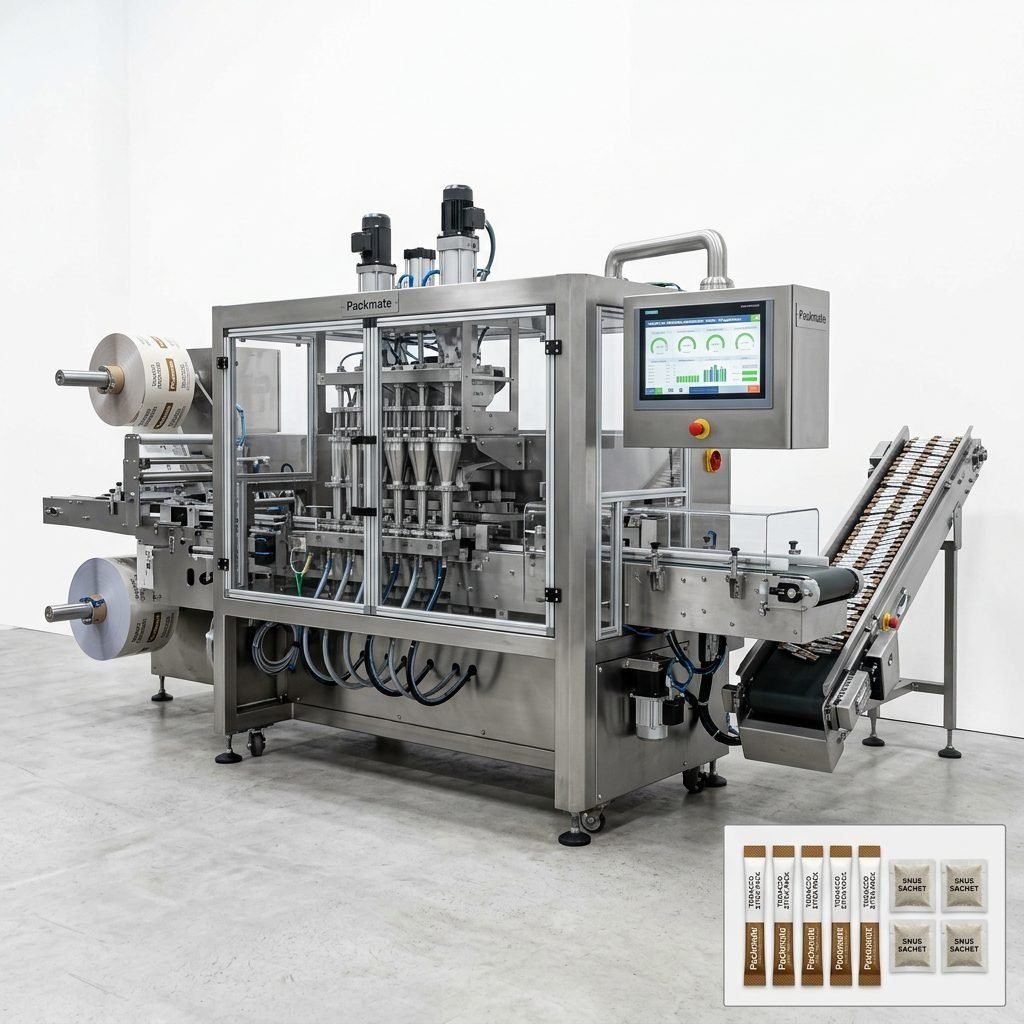
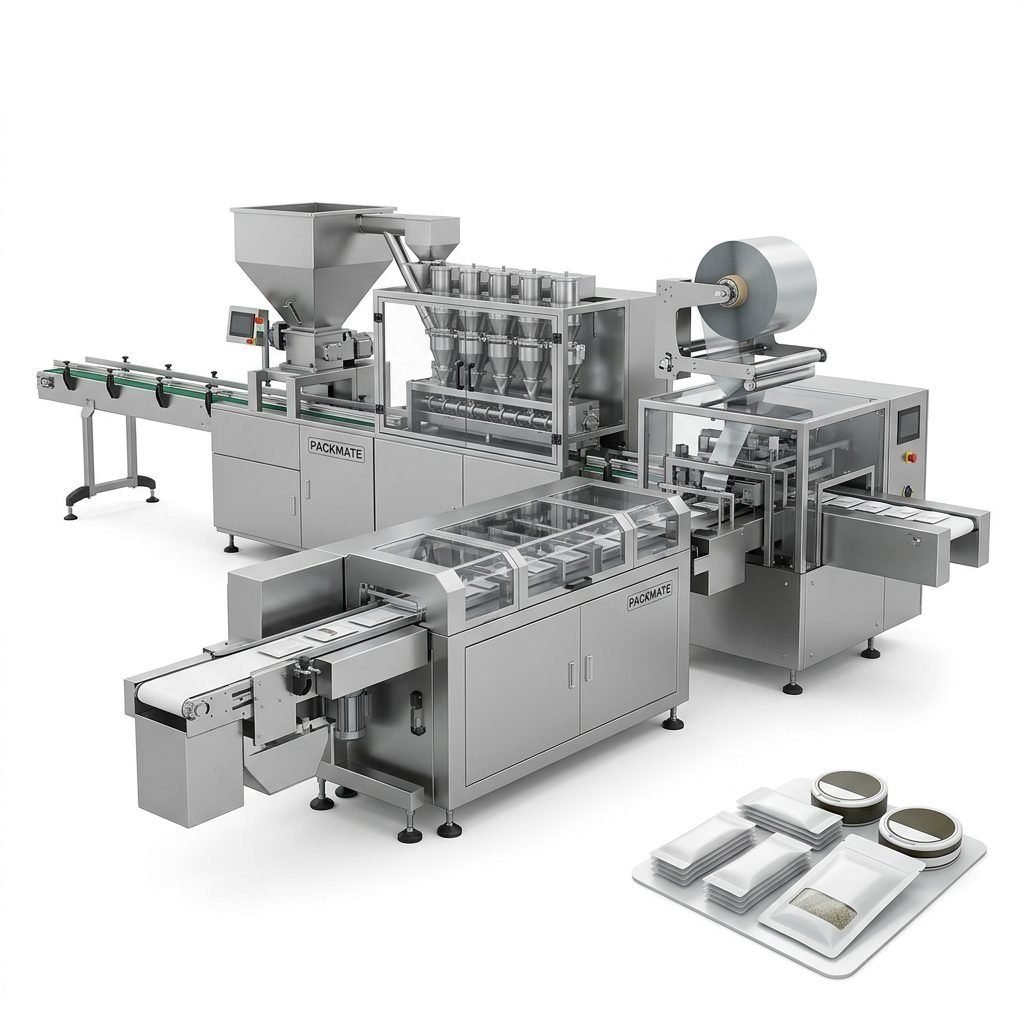
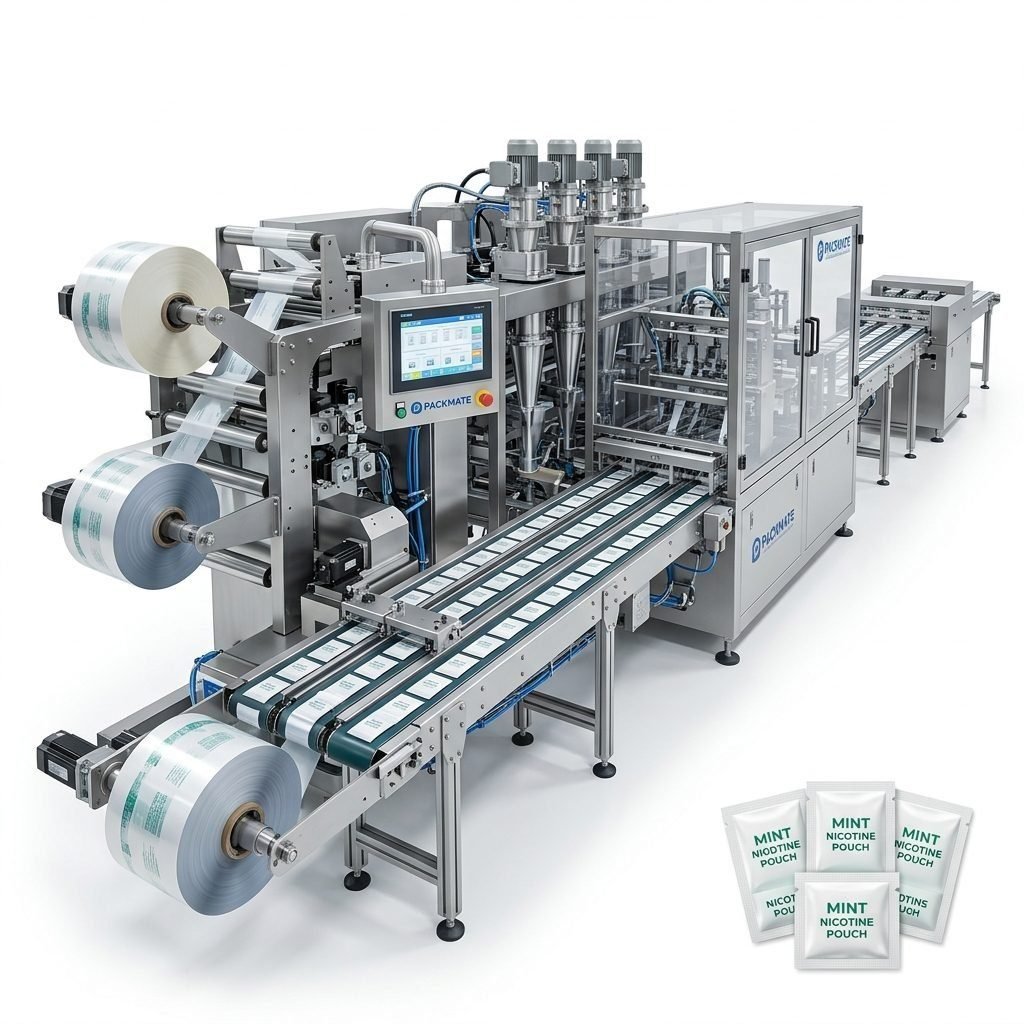
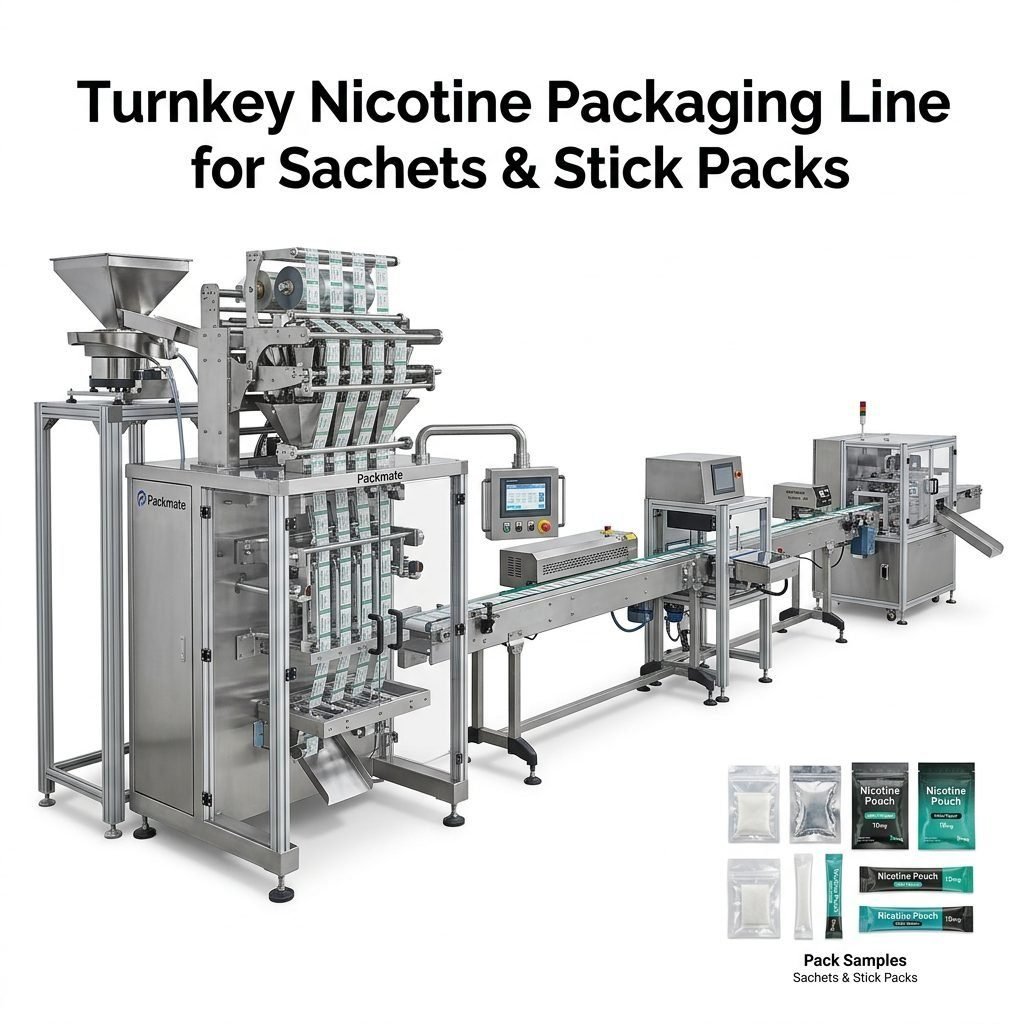
Choosing the right snus packaging machinery supplier for your factory in Israel is a strategic decision that affects production efficiency, product quality, compliance, and long-term costs. This guide walks you through practical criteria—from understanding the Israeli market and regulatory considerations to technical specifications, factory verification, and after-sales service—so you can confidently select a supplier that matches your production goals and local needs.
Understand the Israeli Market and Local Considerations
Israel has a distinctive commercial environment. Retail trends, language, religious customs, and regulatory scrutiny shape how tobacco alternatives and nicotine pouches are packaged and sold. When evaluating suppliers, prioritize those who understand local labeling needs (Hebrew, English), packaging aesthetics that appeal to Israeli consumers, and logistics around import clearance. Suppliers who can advise on local shelf presentation and compliance will reduce time-to-market and minimize costly modifications.
🔔 Tip: Consider production schedules around national holidays and Shabbat observance if you collaborate with local staff or schedule on-site work in Israel. Clear communication about working hours and delivery windows helps avoid delays.
Key Supplier Selection Criteria
Focus on measurable capabilities and verified track records. Below are prioritized factors to evaluate:
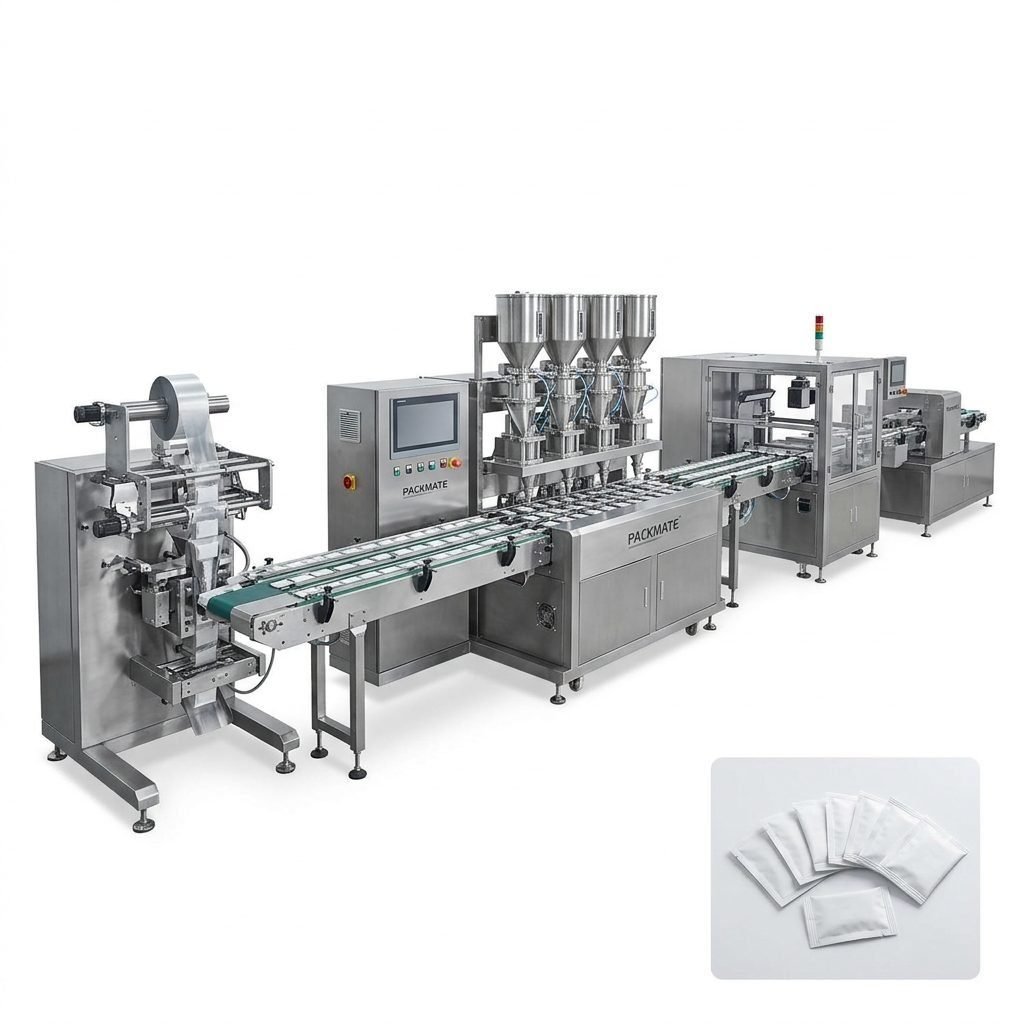
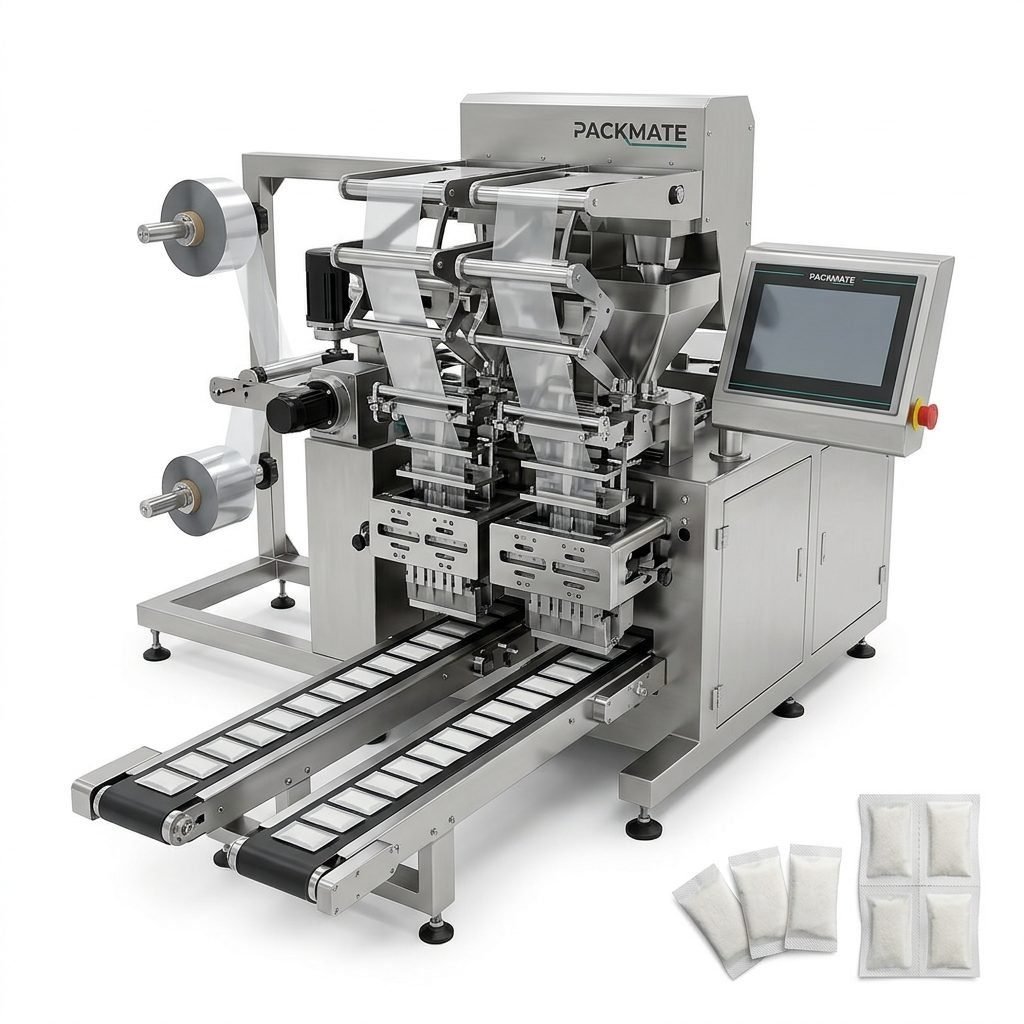
⚙️ Experience & Product Range: Prefer suppliers with proven industry tenure and a broad product portfolio. For example, manufacturers offering specialized lines such as multi-lane snus machines, stick packs, sachets and integrated weighing systems demonstrate depth of design experience. See an example range here: Snus & Nicotine Packaging Machines.
🏭 Factory Scale & Capabilities: Large manufacturing facilities with advanced CNC centers and precision assembly lines indicate capacity for custom projects and consistent quality. Confirm the supplier’s factory size, ISO/CE certifications, and ability to provide documentation for export and regulatory inspections.
🔩 Customization & Flexibility: Your supplier should tailor machine parameters (lane count, pouch size, fill weight range) and provide turnkey solutions that match your product recipe and throughput targets.
📦 Spare Parts & Service Network: Ensure fast spare parts availability and clear service packages, plus remote support for troubleshooting. A reputable supplier will document spare parts lead times and local stocking options.
🧾 Certifications & Compliance: Machines should comply with CE, ISO and other international standards, and the supplier should provide FAT/SAT documentation and validation support for regulatory compliance.
Ask for Technical Data and Real-World Proof
Request performance dossiers, reference factories, production videos, and case studies. Vendors who exhibit machines at international exhibitions and provide real deployment case studies are easier to validate. Explore manufacturer case examples and exhibition records here: Case and Our Exhibition.
Factory Visit Checklist — What to Inspect On-Site
If possible, visit the manufacturer. For overseas suppliers, a virtual tour with live Q&A can substitute. Verify the following:
1) Build quality of machine frames, sealing jaws, and gearboxes; observe machining tolerances and finishing.
2) Assembly lines and test benches—look for functional testing records, cycle-life tests, and QA procedures.
3) Control systems and HMI demonstration—evaluate ease of use, recipe management, and multi-language support.
4) Spare parts inventory and logistics capability—confirm part numbers and average lead time.
5) Documentation quality—manuals, electrical drawings, spare parts lists, CE/ISO certificates.
Technical Specs That Matter for Snus & Nicotine Pouches
When comparing machines, pay attention to parameters that affect yield and flexibility:
• Throughput per minute and per lane; scalability via multi-lane options.
• Fill accuracy and dosing technology for tiny-dose nicotine pouches.
• Material compatibility (paper, film, biodegradable films) and sealing integrity.
• Format changeover time and tool-less adjustments to minimize downtime.
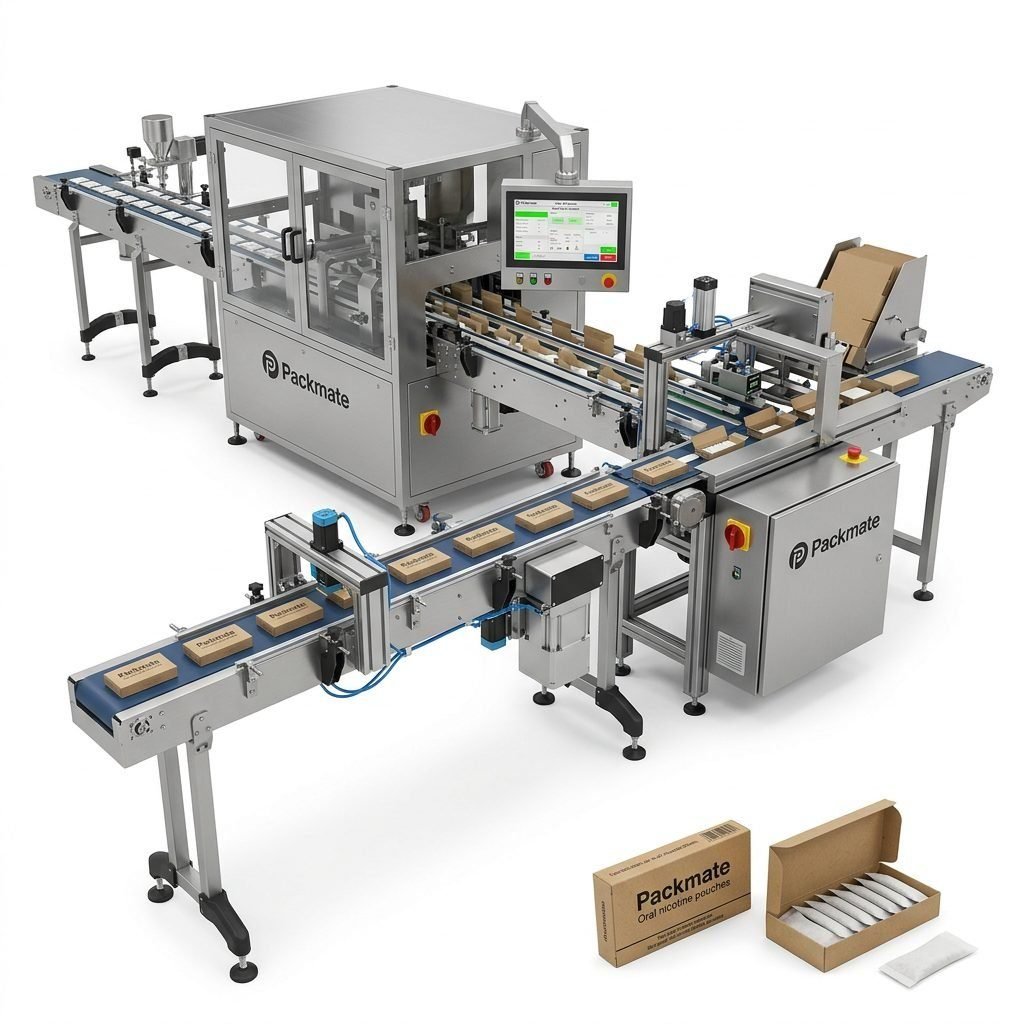
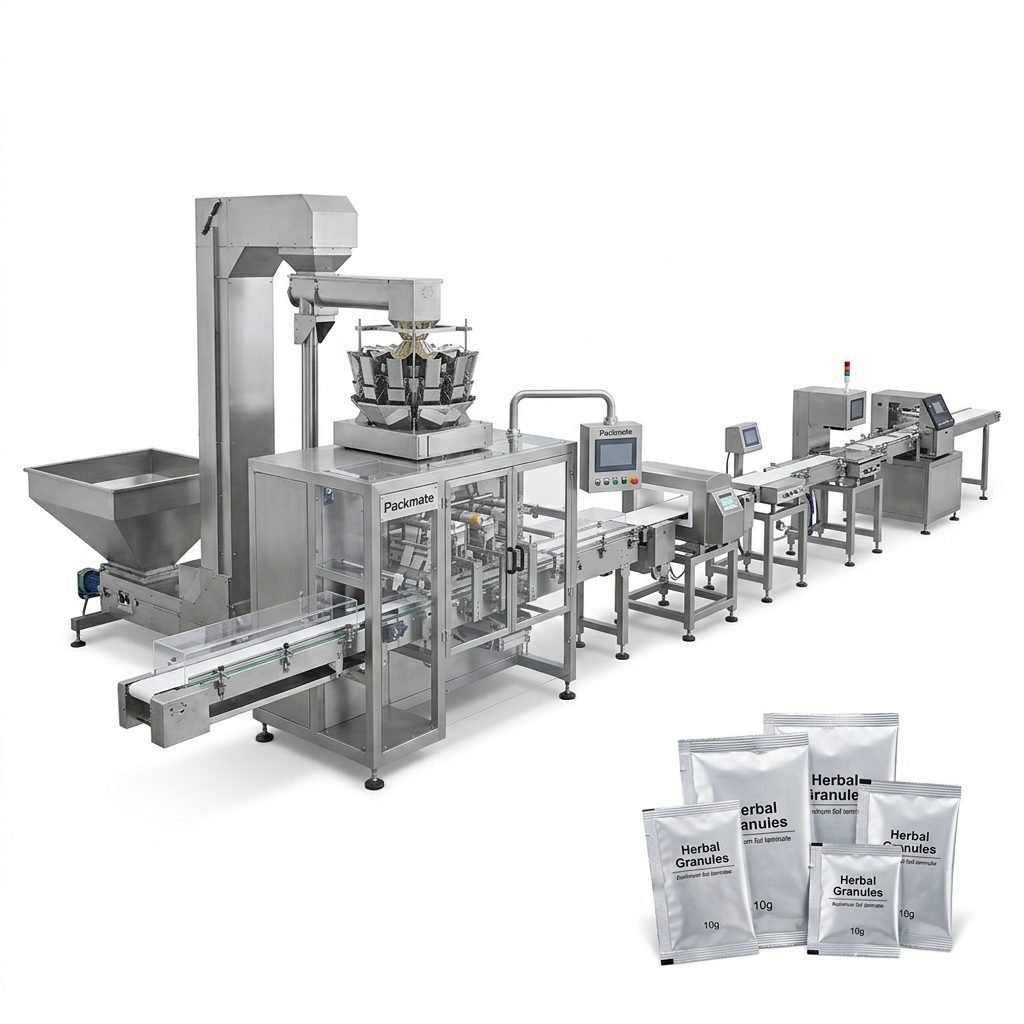
• Integration capabilities with upstream dosing/weighing systems and downstream cartoning lines. Learn about full line options: Filling & Packaging Lines.
After-Sales Support, Training, and Spare Parts
After-sales service is often the deciding factor. Confirm response times, available training (on-site and remote), warranty terms, and the possibility of extended service contracts. A trustworthy supplier will provide a clear service package, spare parts pricing list, and online support channels.
Look for suppliers offering remote diagnostics, preventive maintenance schedules, and training for local technicians in Israel. A supplier profile with comprehensive service offerings can typically be found on their service pages: Service.
Warranty & Acceptance Testing
Insist on a clear FAT (Factory Acceptance Test) and SAT (Site Acceptance Test) process. Define acceptance criteria in the contract—cycle rate, waste rate, packaging integrity, and compliance verification. Include warranty duration, exclusions, and repair SLAs.
Cost Considerations: Beyond Purchase Price
Compare total cost of ownership, not just the equipment price. Consider installation, tooling, spare parts inventory, training, potential downtime, energy consumption, and upgrade paths. A slightly higher upfront investment in a robust OEM may reduce operational costs and downtime over the machine lifecycle.
Negotiation and Contract Tips
📌 Payment Terms: Stagger payments tied to milestones—design approval, FAT, shipment, and SAT completion.
📌 Delivery & Packing: Specify export-ready packing, sea/air freight handling, and insurance responsibilities (Incoterms).
📌 Intellectual Property & Confidentiality: Protect your formulations and packaging designs with clear NDA clauses.
Local Logistics and Regulatory Hints for Israel
Coordinate with local import agents to understand customs classification for nicotine-containing products. Verify whether additional testing, labeling, or local registration is required. Although snus origin is traditionally Scandinavian, Israeli consumers value clear labeling and trustworthy packaging. If your products target specific demographics, adapt packaging copy and artwork for Hebrew readers while keeping mandatory health warnings visible.
Consider collaborating with suppliers who have global export experience and can assist with documentation and logistics—these competencies shorten lead times and reduce legal risk.
Why Choose a Proven Manufacturer
Partnering with an experienced manufacturer with multiple product lines and a large manufacturing footprint reduces execution risk. Companies that disclose factory facts—such as area, number of models, precision machining capability, international certifications, and long-term industry presence—are typically more reliable. For more corporate background, review supplier company pages such as About Packmate: About Packmate.
Final Selection Action Plan
1) Shortlist suppliers with relevant snus/nicotine experience and global cases.
2) Request technical sheets, fat protocols, and reference contacts.
3) Validate factory capability through visit or virtual audit.
4) Negotiate FAT/SAT-based contract terms, spare parts agreements, and training schedules.
5) Finalize logistics and local compliance steps for import into Israel.
Where to Find More Information and Support
For machine catalogs, product families, and accessory systems, explore suppliers’ product pages and catalogs. If you are evaluating turnkey solutions that include weighing and auxiliary systems, check integrated solutions such as Weighing & Packaging Systems and auxiliary equipment pages. For direct inquiries, contact the supplier to arrange demos and quotations: Contact Us.
Summary — Make a Decision with Confidence
Selecting the best snus packaging machinery supplier for your Israeli factory requires balancing technical fit, supplier reliability, regulatory compliance, and after-sales support. Prioritize suppliers who demonstrate tooling excellence, a broad model range, clear certification, spare parts availability, and local market understanding. A well-documented FAT/SAT and a solid service agreement will protect your investment and accelerate production ramp-up.
Common Questions
Q: How long does it typically take to receive and install a snus packaging line from an overseas supplier?
A: Lead times vary by complexity; standard single-line machines may ship in 8–14 weeks after order, while customized multi-lane turnkey lines can take 16–28 weeks. Allow additional weeks for shipping, customs clearance, and on-site commissioning in Israel.
Q: What certifications should I expect from a reputable supplier?
A: Look for CE and ISO compliance as baseline certifications. Additional documentation such as material certificates, electrical conformity, and FAT reports should be provided upon request.
Q: How can I minimize downtime and maintenance costs?
A: Maintain an agreed spare parts inventory, schedule preventive maintenance, and secure remote support options. Training local technicians and documenting critical maintenance procedures also reduces costly stoppages.
Q: Do suppliers support customization for local Israeli labeling and artwork?
A: Reliable suppliers offer customization packages and can support machine adjustments to handle different pouch sizes, printing registration, and labelling modules to meet local language and regulatory needs.
Q: Where can I review product lines and talk to previous customers?
A: Request references and case studies from the supplier. Many manufacturers publish product catalogs and case pages—review them and ask for contactable references to verify machine performance in similar production environments.