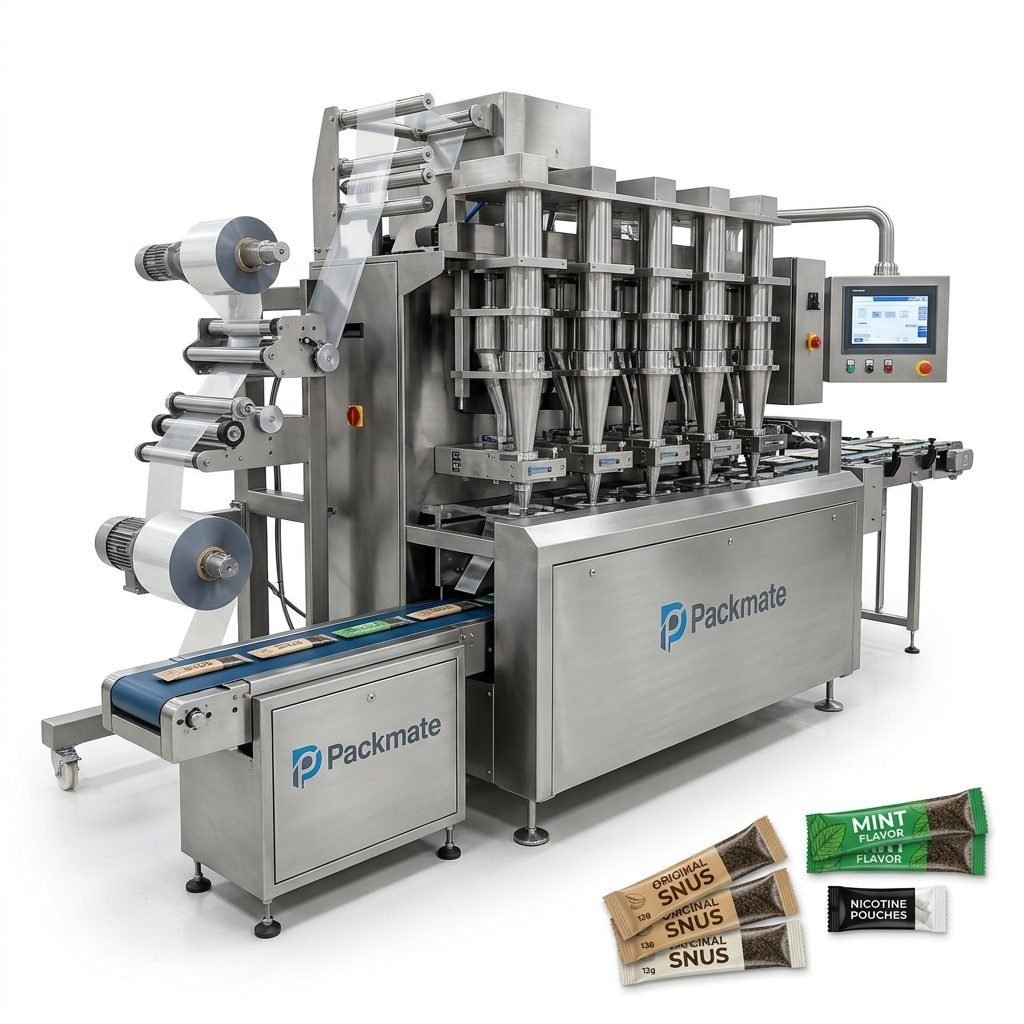
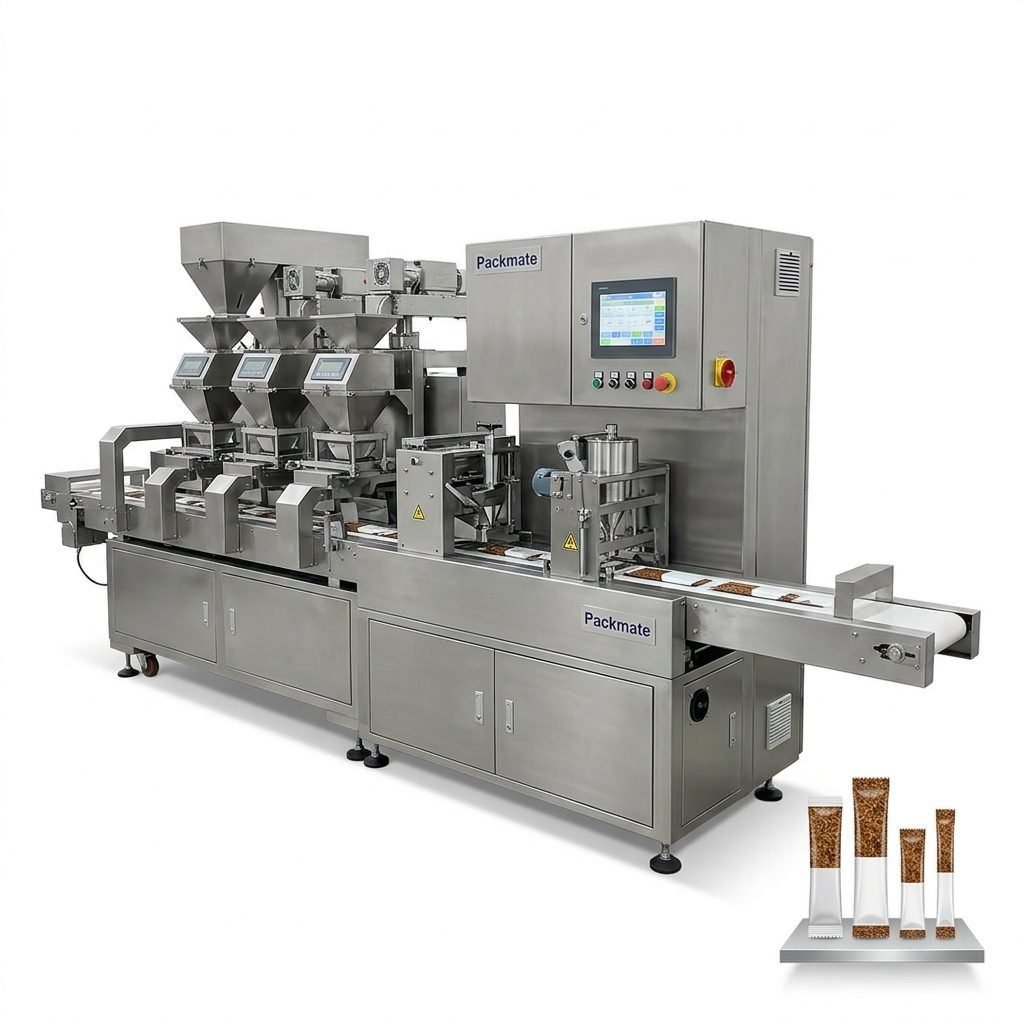
Choosing the right snus packaging machinery supplier in Uruguay is more than a transactional decision — it is a strategic investment that affects product quality, compliance, and brand reputation. This guide walks you through the essential considerations for Uruguayan buyers, covering technical specifications, local market nuances, regulatory concerns, after-sales support, and tips for selecting a partner that delivers reliable, high-efficiency snus and nicotine pouch packaging solutions.
Understand the Uruguayan Market and Local Preferences
Uruguay has a discerning consumer base and a public health environment that emphasizes tobacco regulation. While snus and nicotine pouches are gaining attention globally, Uruguayan buyers should prioritize suppliers who understand:
📌 Language and labeling: Product packaging and machine interfaces should support Spanish; bilingual labeling (Spanish/Portuguese) can be useful for cross-border sales near Brazil.
🔍 Regulations and public health awareness: Work with suppliers who understand local tobacco and nicotine regulations and can advise on compliant packaging formats and claims.
🌡️ Climate considerations: Uruguay’s temperate, somewhat humid climate impacts desiccant needs and sealing performance — choose machinery with reliable sealing and humidity control options.
Why supplier experience matters
Experience reduces risk. Suppliers with decades of R&D and global deliveries will better anticipate production challenges. Look for proven histories in snus & nicotine packaging machines, multi-lane systems, and turnkey lines. Companies that publish case studies and global exhibition presence offer more transparency and easier verification of claims.
Key Technical Capabilities to Evaluate
When comparing suppliers, focus on machine class, performance, and the ability to adapt to your product specifications:
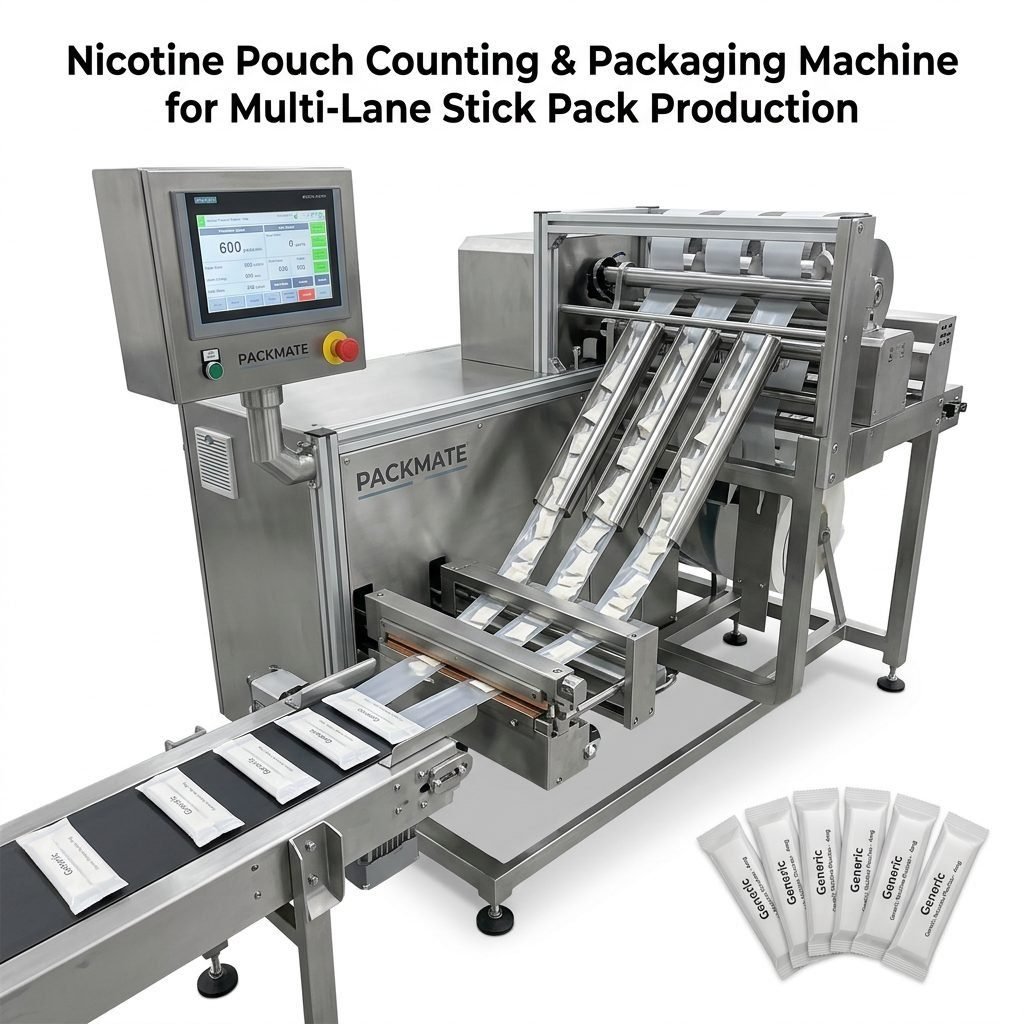
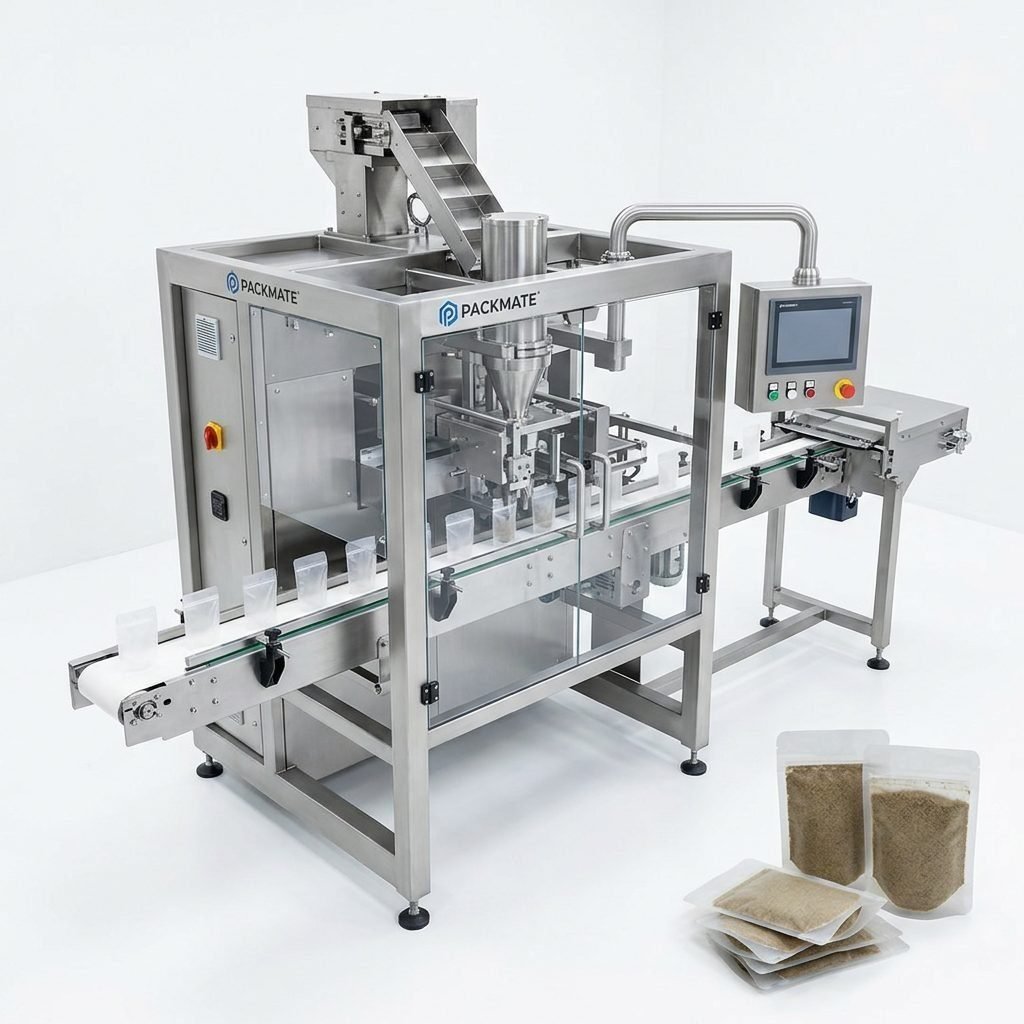
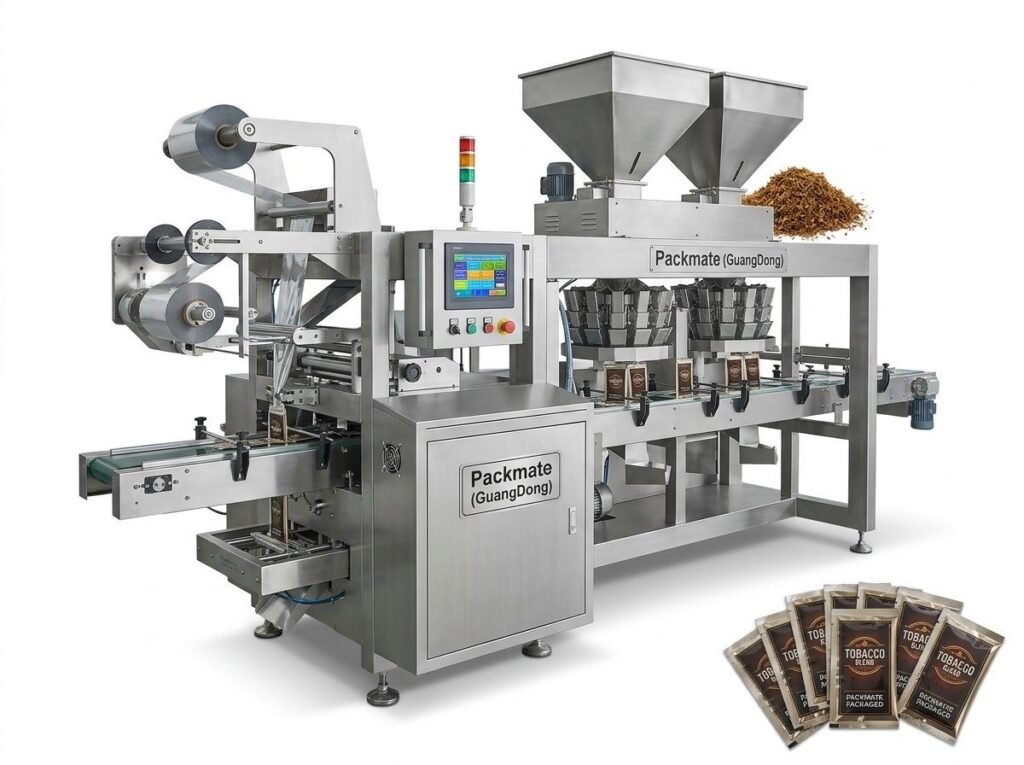
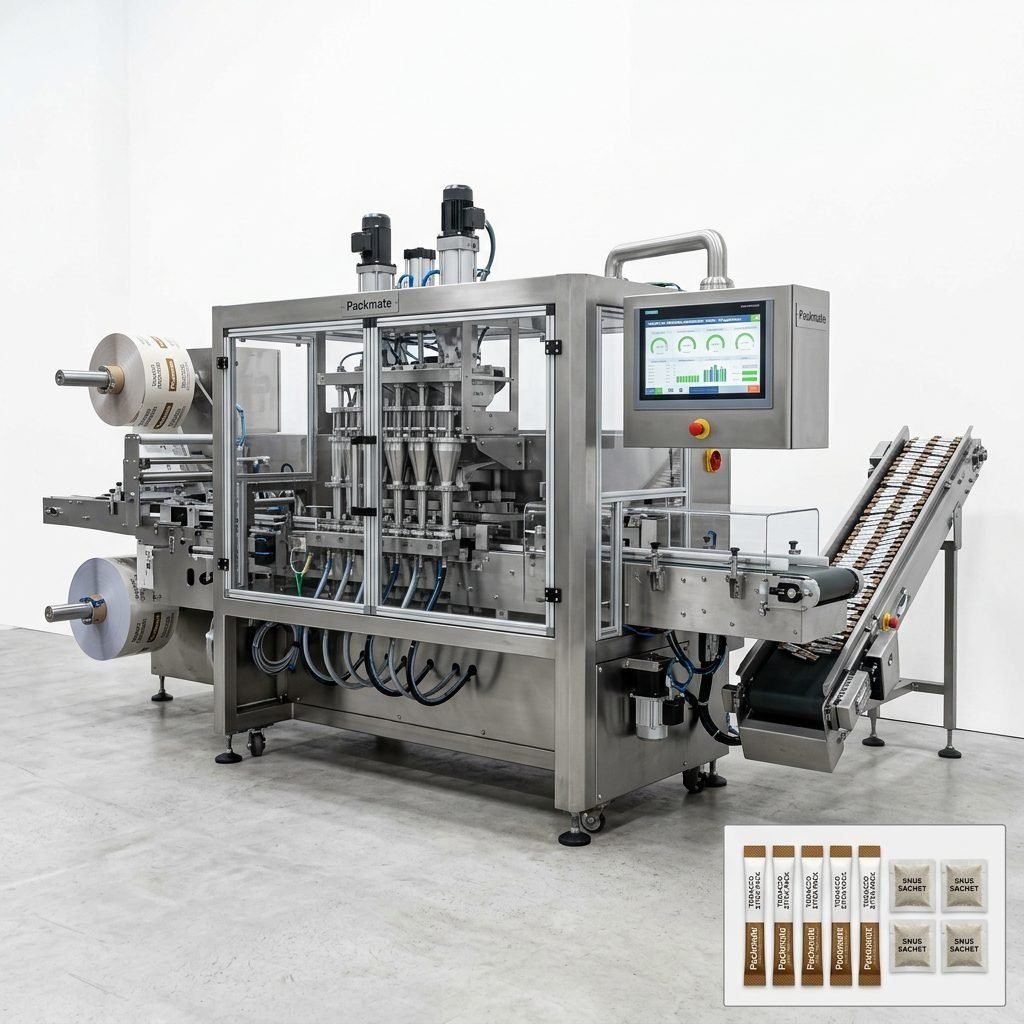
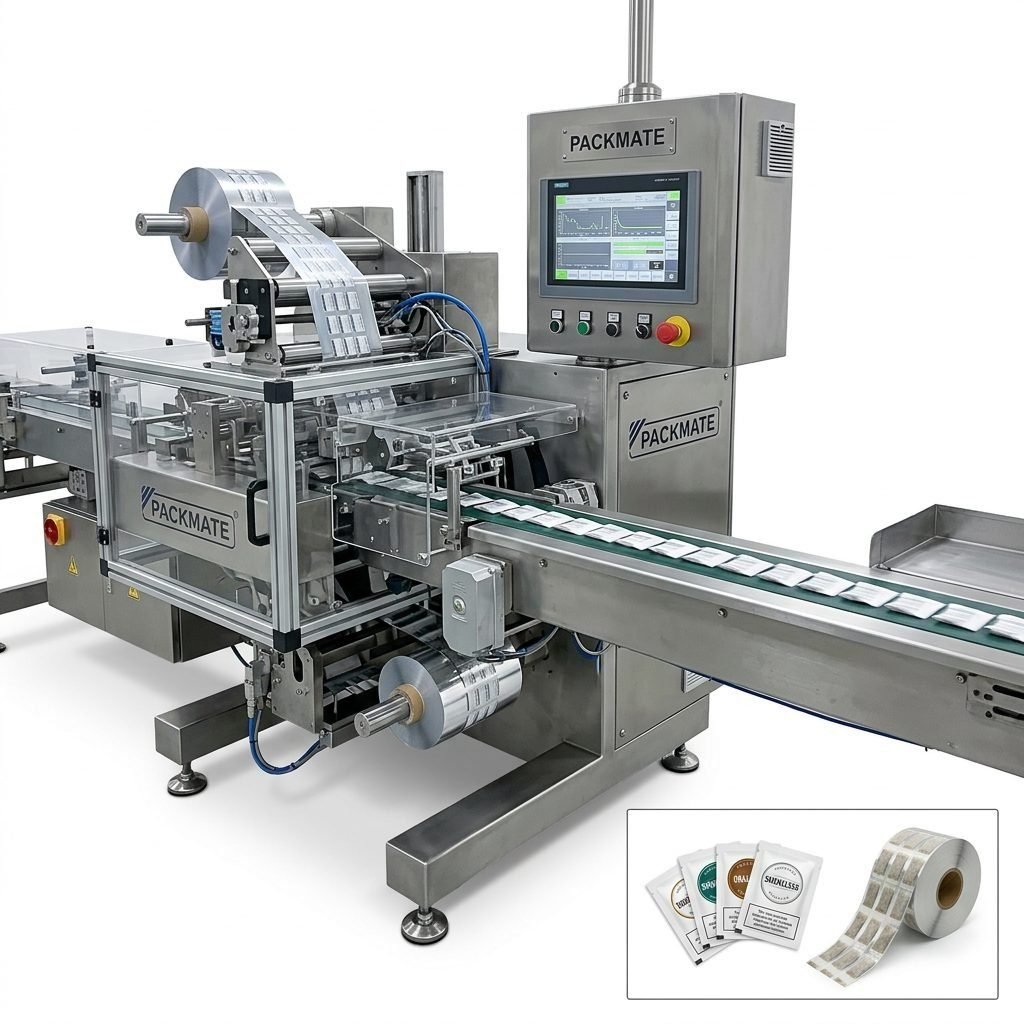
✅ Machine types: Ensure the supplier offers machines suitable for the format you need — stick pack, sachet, multi-lane pouches, or nicotine pouch-specific lines. See product ranges like sachet & stick pack machines.
✅ Production speed & consistency: Compare maximum speeds, lane counts, and dosing accuracy. For small-dose nicotine pouches, precise weighing and consistent fill volumes are critical.
✅ Material compatibility: Confirm compatibility with local pouch materials, foils, and film laminates; ask about heat-seal ranges and vacuum options.
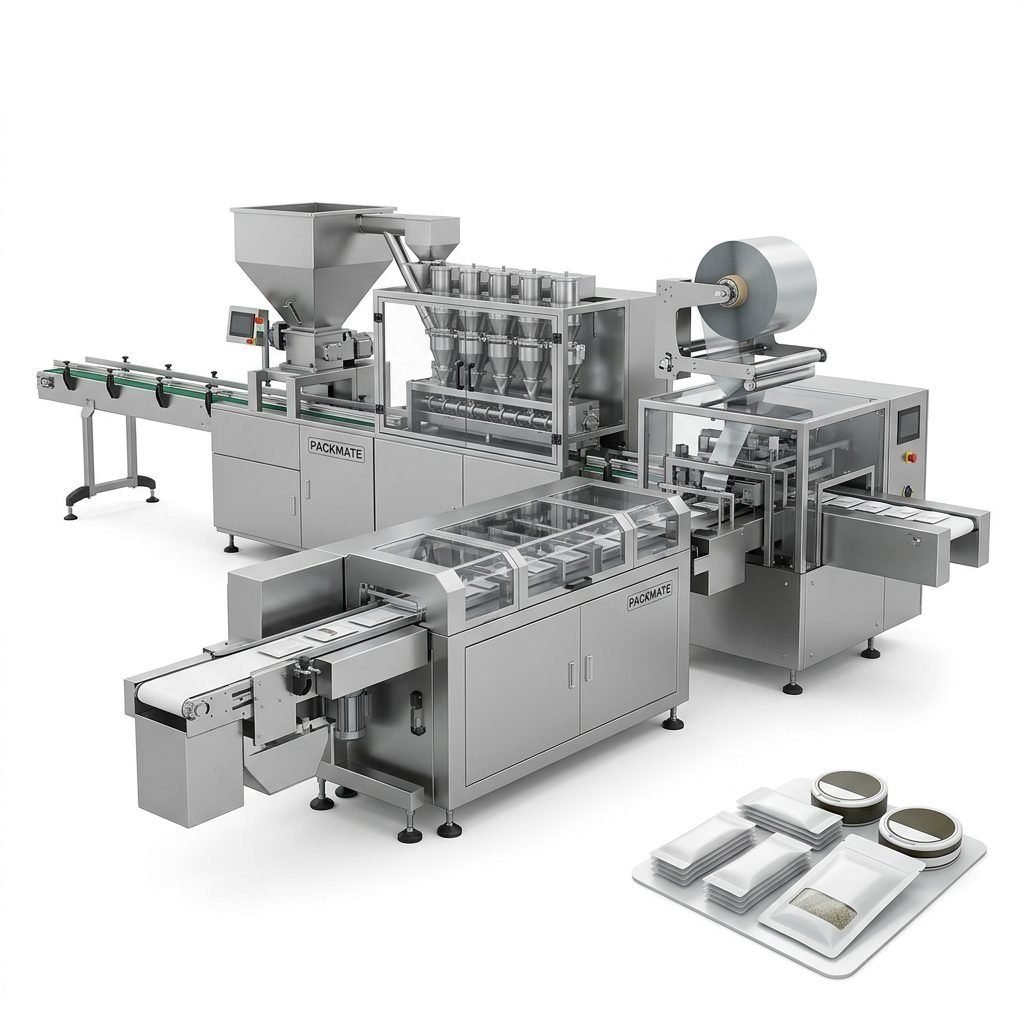
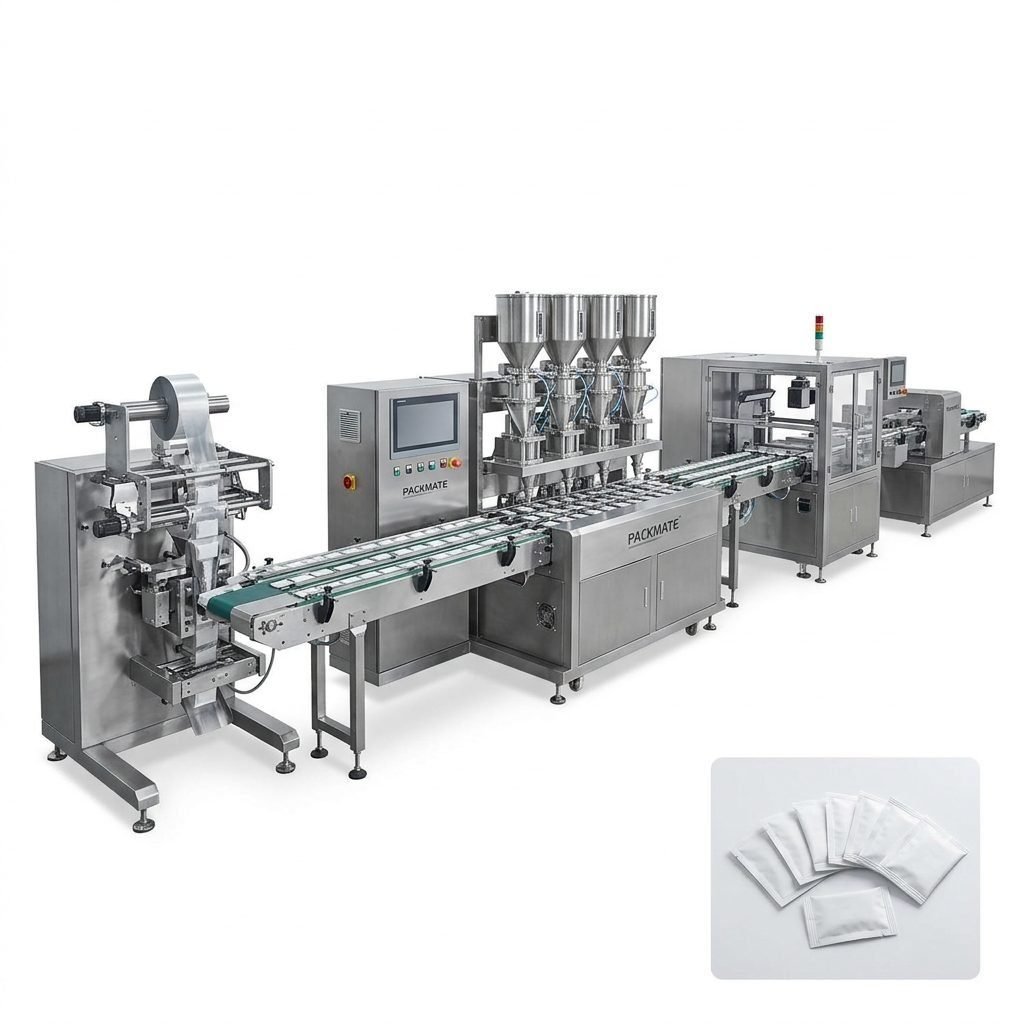
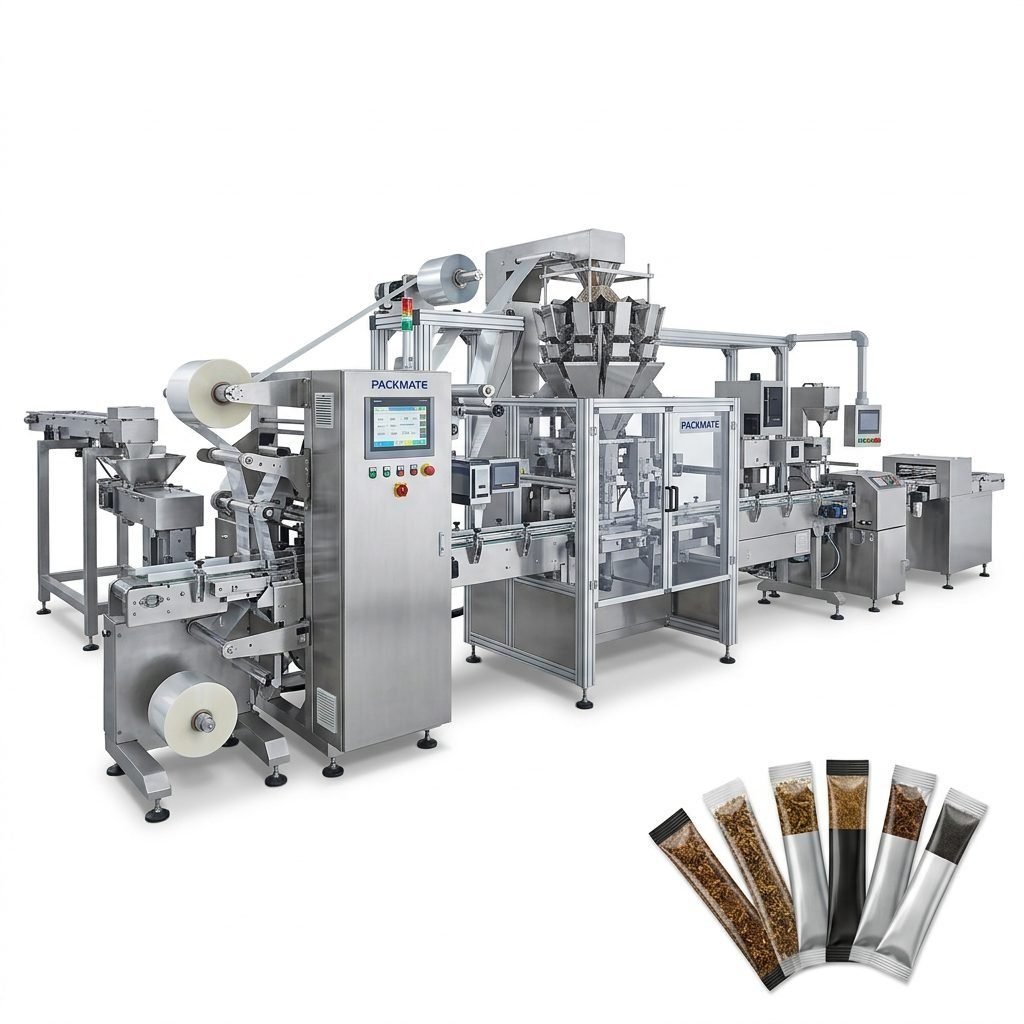
✅ Automation & integration: Look for lines that integrate with upstream weighing, dosing systems, and downstream cartoning/serialization equipment — suppliers often offer full filling & packaging lines.
Quality, Materials & Certification
Quality control and certifications are non-negotiable. Prioritize suppliers whose equipment meets international standards (CE, ISO) and who perform strict quality testing on machine components and final output. Ask for documentation and factory test records.
Factory Strength, Visits & Transparency
A robust factory footprint and modern machining capabilities reflect a supplier’s ability to deliver durable machines. Important signals include:
- Large manufacturing area with CNC machining centers and precision assembly lines.
- Documented production processes and assembly checklists.
- Willingness to facilitate factory visits (or virtual tours) and to show live machine demos — review their exhibition activity and demonstration videos.
Customization & Turnkey Solutions
Many snus producers need custom solutions: multi-lane formats for high throughput, specialized dosing for micro-doses, and unique pouch shapes or barrier properties. A good supplier offers not just machines but turnkey engineering services: layout, material handling, quality control systems, and training. Links to full-system offerings — such as weighing & packaging systems — can be a good indicator.
After-Sales Support, Spare Parts & Training
After the sale, service quality becomes decisive for uptime and ROI. Evaluate:
⚠️ Local support options: Does the supplier have a local agent, or a fast parts shipping plan to Uruguay? Faster spare parts delivery reduces downtime drastically.
✅ Training and commissioning: Ensure the price includes onsite commissioning, operator training, and SOP documentation in Spanish.
📞 Remote diagnostics: Modern machines should support remote monitoring and troubleshooting to minimize travel delays.
Warranty, Spare Parts Kits & MTBF
Confirm warranty scope, average mean time between failures (MTBF), and the availability of spare parts kits. Ask for a list of recommended spare parts and lead times. Suppliers who include an initial spare parts pack and clear escalation procedures reduce operational risk.
Cost vs. Total Cost of Ownership
Purchase price is just one component. Consider total cost of ownership (TCO): energy consumption, consumables, downtime risk, spare parts costs, operator training, and potential modifications for new SKUs. A slightly higher upfront investment in robust, efficient machinery often pays back through reduced waste and higher yields.
Proof: Case Studies & Customer References
Request references and case studies relevant to your region or similar production profiles. Review factory acceptance test (FAT) reports and customer testimonials. If available, review the supplier’s case gallery to see real-world installations and performance metrics.
Practical Steps to Vet and Choose a Supplier
Follow a structured evaluation process to minimize surprises:
- Define product specs: pouch size, weight range, sealing materials, and target throughput.
- Shortlist suppliers with direct snus experience and verifiable references.
- Request technical bids that include floor plans, utility requirements, and spare parts lists.
- Inspect the factory or request a live demo; compare FAT procedures and acceptance criteria.
- Negotiate clear terms for delivery, installation, training, warranty, and penalties for missed performance targets.
📌 Tip: Include a short production pilot or trial runs in the contract to validate fill accuracy, seal integrity, and production speed before full acceptance.
Logistics, Import & Local Regulations
Account for customs duties, import permits, and local compliance. Uruguay’s regulatory environment emphasizes consumer safety and labeling transparency — ensure packaging lines can print or apply compliant labels and lot codes. Early collaboration with customs brokers and legal counsel helps avoid shipment delays.
Selecting Packmate or Similar Established Suppliers
Companies with long histories in packaging engineering and a full product portfolio — including snus-specific lines, weighing systems, and auxiliary equipment — simplify procurement and integration. Review their factory scale, model range, certifications, and after-sales service commitments. You can learn more about an established manufacturer and their service offerings by visiting their About page or contacting their service team via Contact Us.
Checklist Before Signing
✅ Declared performance validated by FAT
✅ Spare parts list and lead times included
✅ Training plan in Spanish
✅ Clear warranty and escalation matrix
Making the Final Decision
Balance technical fit, supplier transparency, and long-term support. The best partner will not only supply machinery but will partner on productivity improvements, regulatory guidance, and continuous optimization. Prioritize suppliers who offer demonstrable experience with snus and nicotine pouch lines, robust factory infrastructure, easy access to parts, and clear training programs.
Final reminder for Uruguayan buyers
Respect local tobacco and nicotine laws, design packaging with consumer clarity and regulatory compliance in mind, and ensure your chosen machinery addresses Uruguay’s climate and language needs. A strong supplier relationship can help you enter or scale in the Uruguayan market smoothly and responsibly.
Frequently Asked Questions
Q: How important are certifications like CE and ISO for snus packaging machines?
A: Certifications indicate compliance with international safety and quality standards and are essential when importing equipment into Uruguay or operating to global best practices.
Q: Should I prioritize local service presence in Uruguay or a global supplier with remote support?
A: Ideally both. Local representation shortens response times for parts and service; robust remote diagnostics and a reliable spare parts program from a global supplier also reduce downtime.
Q: What are the common durability issues for snus packaging lines in humid climates like Uruguay?
A: Humidity can affect sealing consistency and film behavior. Choose machines with controlled sealing temperature systems, humidity-tolerant materials handling, and proper desiccation processes.
Q: How can I verify a supplier’s real performance claims?
A: Request a Factory Acceptance Test (FAT) video or live demo, contact references, and review installation case studies. Ask for test runs using your actual materials and SKUs.
Q: Where can I find reputable snus packaging machine product lines and support resources?
A: Explore product categories like Snus & Nicotine Packaging Machines and related systems to compare models, specs, and services.