Choosing the right snus packaging machinery supplier in Namibia is a decision that affects product quality, regulatory compliance, and long-term profitability. Whether you are launching a local nicotine pouch brand or scaling production for export, selecting a supplier who understands technical performance, after-sales support, and local market nuances will save time and money. This guide walks you through the critical factors to evaluate, practical buying steps, and Namibia-specific considerations to help you select the best snus packaging equipment and partner.
Understand the Namibian Market and Local Customs
Namibia has a relatively small population dispersed over a large geographic area, with business hubs concentrated around Windhoek, Walvis Bay, and Swakopmund. English is the official business language, but Afrikaans and several indigenous languages are widely used. For packaging and labeling, companies often provide bilingual or clear pictorial instructions to cater to diverse consumers.
Important local considerations:
🔎 Regulatory sensitivity: Namibia follows tobacco and nicotine regulations that may affect marketing, labeling, and sales channels — always confirm local legal requirements before finalizing pack copy or machine capabilities.
🚚 Logistics & distance: Inland distribution can add cost. Plan machine delivery, installation, and spare-part logistics with geography in mind.
🌡️ Climate & storage: coastal humidity and inland aridity influence product shelf-life and packaging materials selection.
🧑🤝🧑 Customer preferences: convenience formats and discreet, premium-feel pouches are popular; consider machine flexibility for small runs and premium sealing.
Key Technical Factors When Evaluating a Supplier
When comparing suppliers, focus on measurable machine attributes and the supplier’s ability to deliver consistent output under Namibian conditions.
1. Machine Types & Compatibility
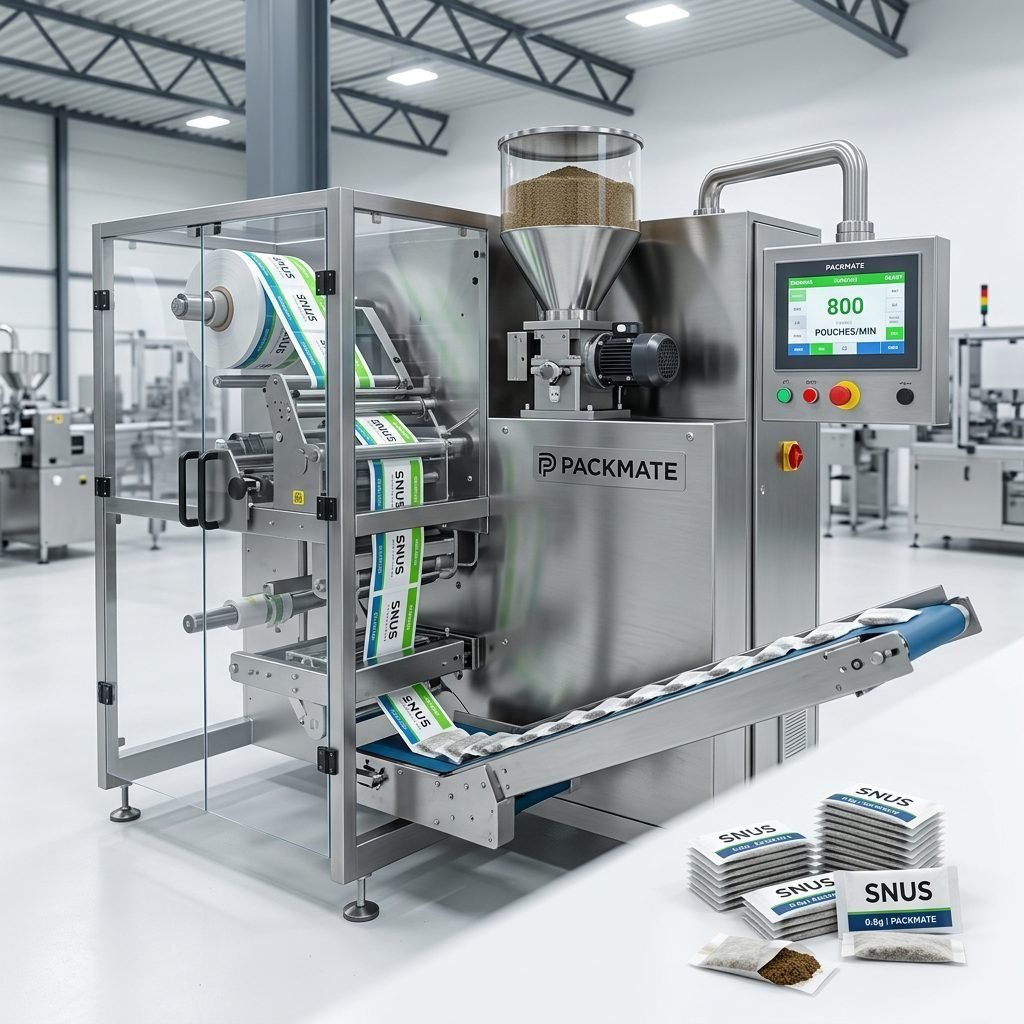
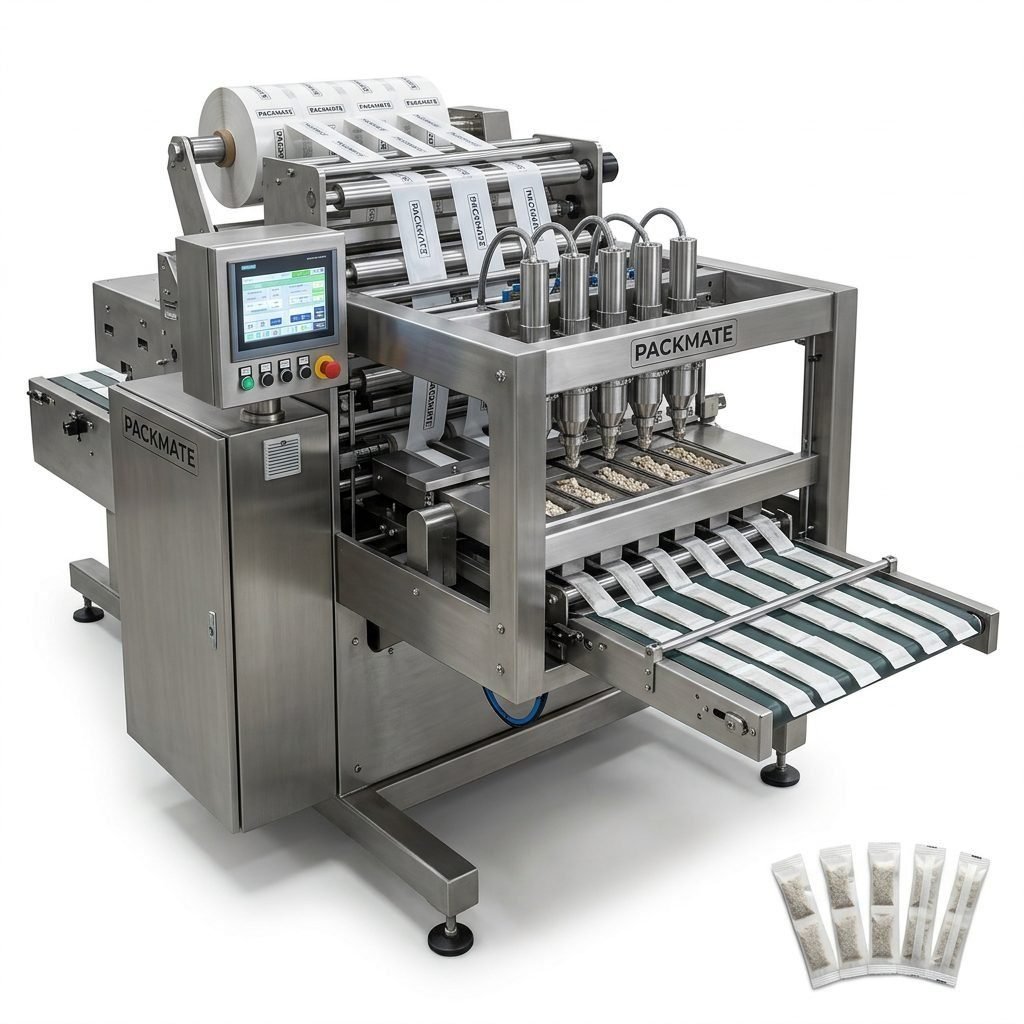
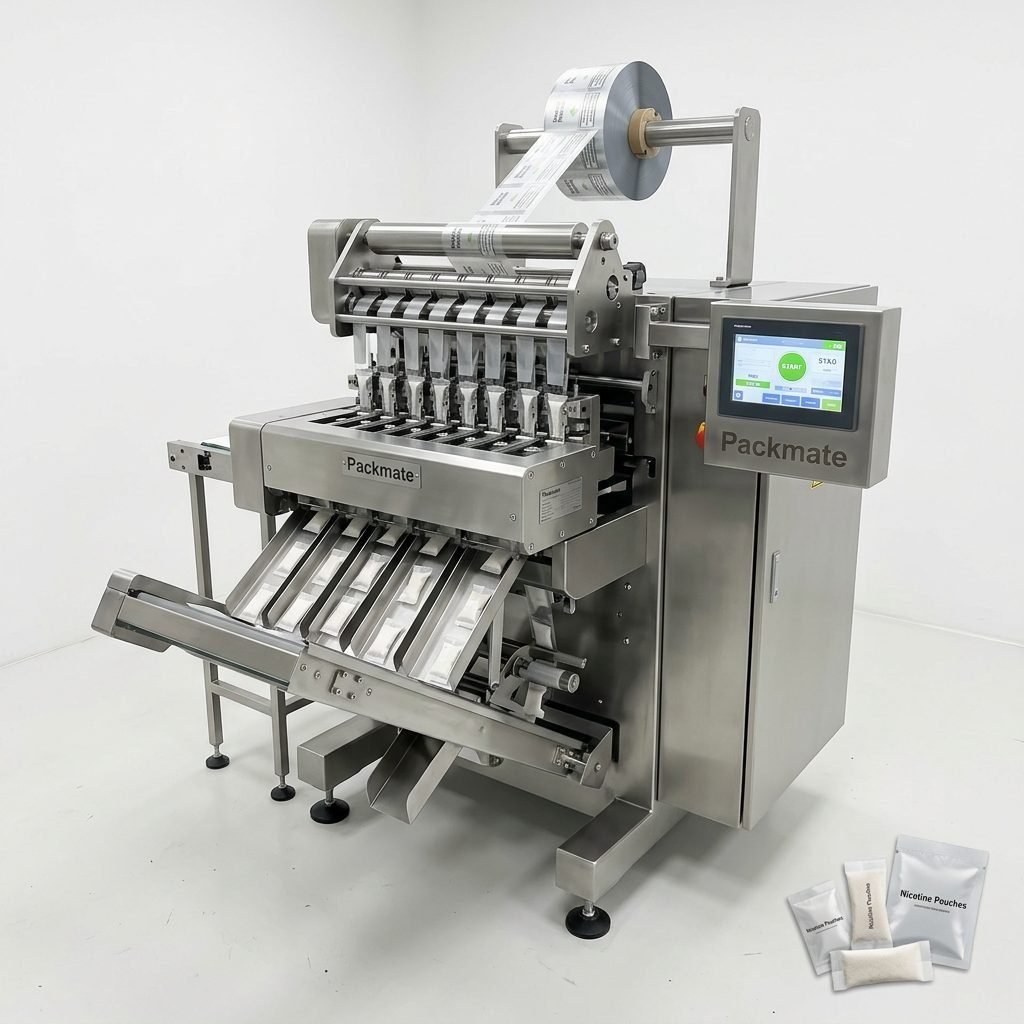
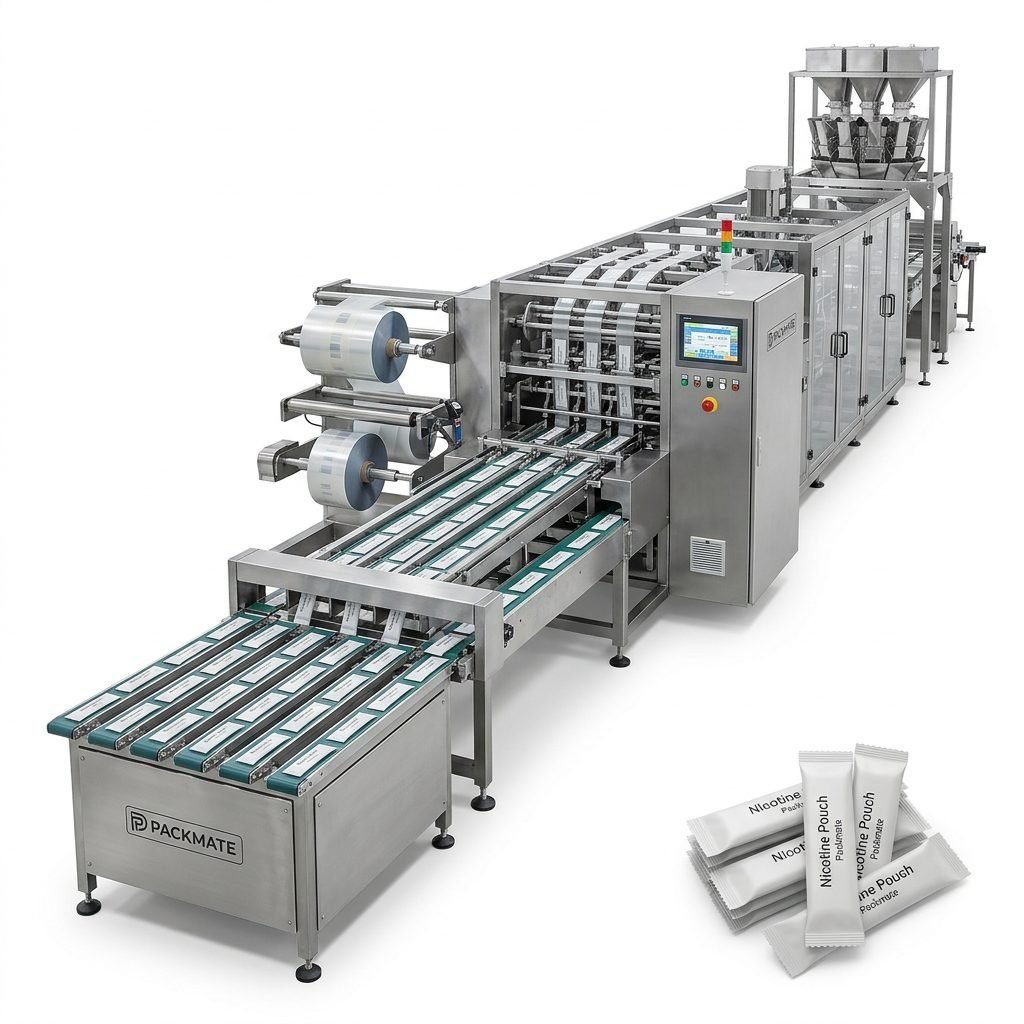
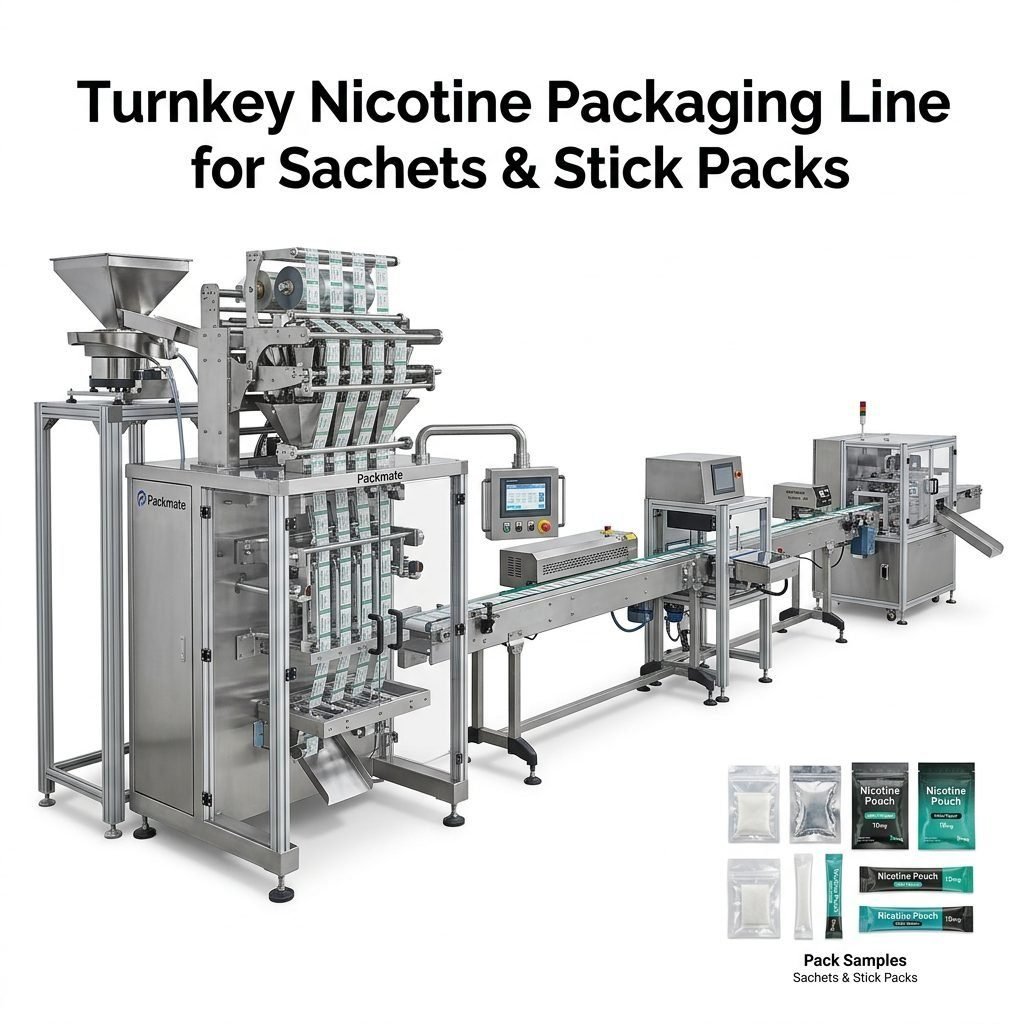
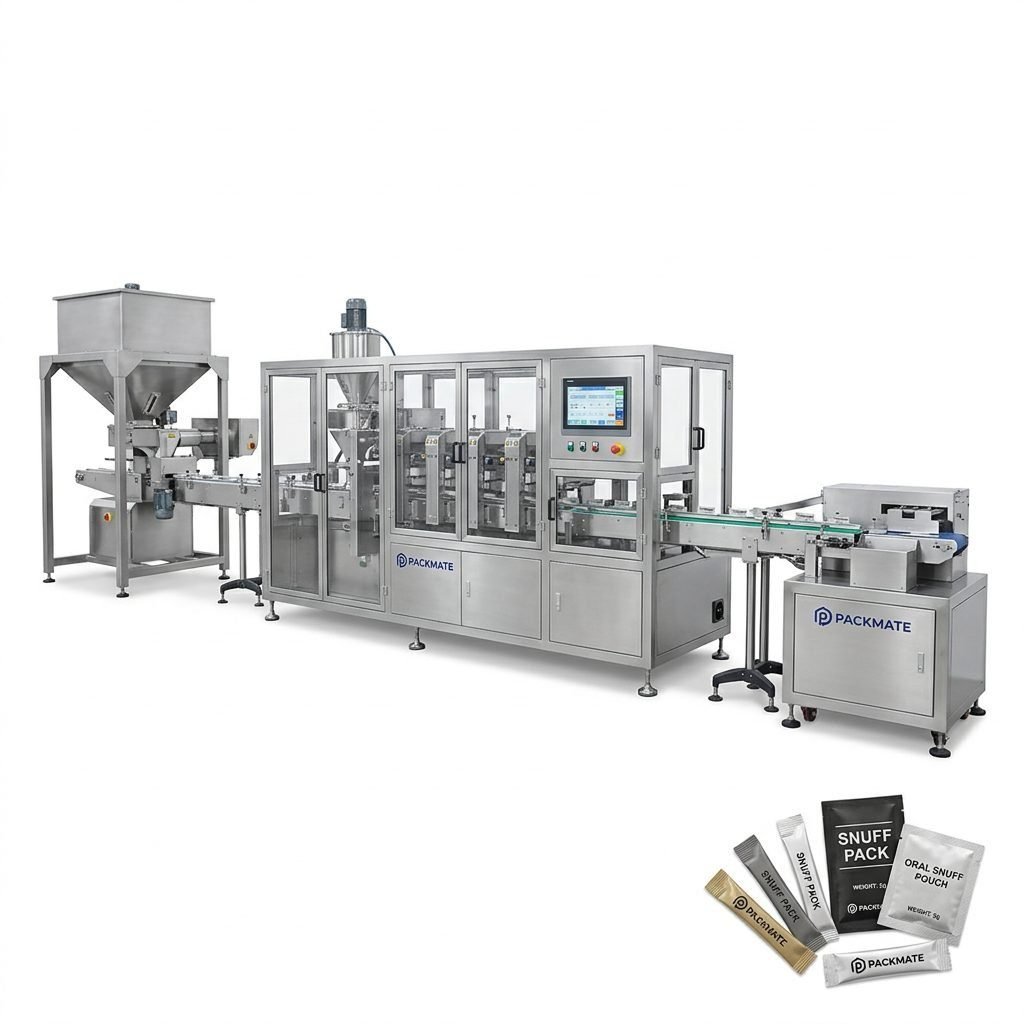
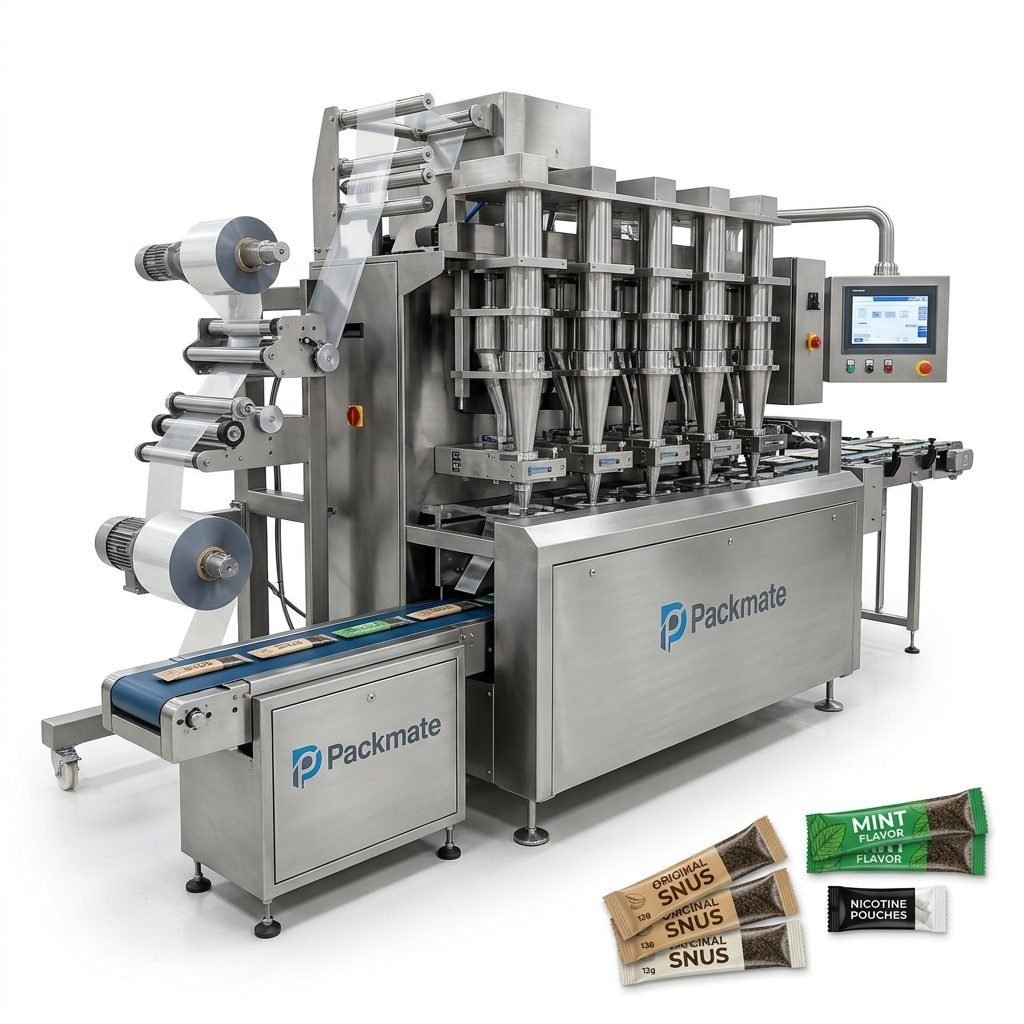
Choose machines that match your product format: multi-lane pouch lines for high-volume nicotine pouches, sachet or stick-pack machines for single-dose formats, and ancillary filling lines for powders or liquids. If you need to test different formats, prioritize modular systems that can switch between pouch sizes and materials quickly.
See product categories and technical specs for examples:
Snus & Nicotine Packaging Machines,
Sachet & Stick Pack Machines, and
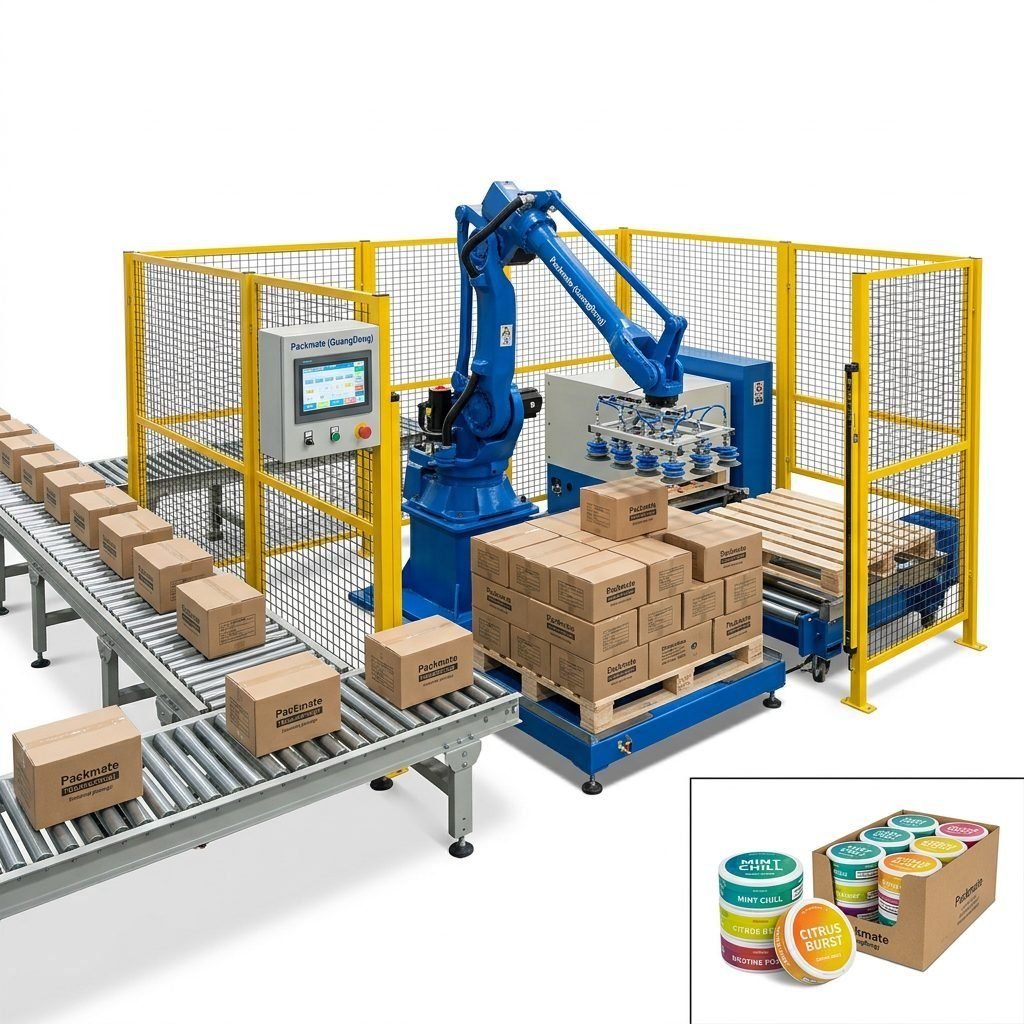
Filling & Packaging Lines.
2. Throughput & Output Stability
Evaluate both maximum throughput and consistent production at targeted speeds. A machine that delivers high peak speed but suffers frequent stoppages will harm yield and increase labor costs. Request runtime data, sample packs produced, and references from similar clients.
3. Sealing Quality & Material Compatibility
Sealing integrity is vital for nicotine pouches. Check compatibility with your chosen laminate or paper materials and verify heat, pressure, and cooling controls. Test packaging samples under expected storage temperatures typical for Namibian warehouses.
4. Electrical & Environmental Suitability
Namibia operates on 220–240V and 50Hz; confirm machine electrical compatibility or availability of converters and whether the machine’s cooling/fan systems are adequate for local temperatures. Dust and salt air near coasts may require additional protective coatings or filters.
Supplier Capabilities Beyond the Machine
A strong supplier offers more than hardware — they provide documentation, certification, training, spare parts, and long-term technical support.
🛠️ After-sales service: Confirm response times for technical support and parts shipment to Namibia. Remote diagnostic tools, spare-part kits, and scheduled maintenance plans reduce unplanned downtime.
📜 Certifications & compliance: Ask for CE, ISO, and other certificates to ensure safety and international standard compliance — these are also useful for customs clearance.
🎓 Training & documentation: On-site commissioning and operator training are essential for smooth ramp-up. Ensure manuals and control UI are provided in English.
Practical Buying Guide: Step-by-Step
Follow a structured procurement path to minimize risk and ensure expectations are met.
Step 1 — Define product specs and run matrix
Document pouch dimensions, material structure, fill weight tolerances, labeling, and packaging artwork. Include expected batch size, growth projections, and seasonal variations.
Step 2 — Request detailed quotations & factory info
Ask for machine datasheets, references, lead times, warranty terms, and a breakdown of optional extras. Review supplier history and manufacturing strength — companies with established facilities, CNC capability, and quality systems typically deliver more reliable machines. For example, Packmate’s factory details and company background can be found on their About page.
Step 3 — Factory acceptance testing (FAT) & samples
Insist on FAT with your materials and produce representative batches. Request video of the run and sample packs for laboratory testing and shelf-life checks. If possible, visit the supplier’s plant or send a trusted third party to witness tests.
Step 4 — Logistics, installation & commissioning
Clarify shipping terms, customs documentation, and onsite installation responsibilities. Plan for spare parts, training sessions, and acceptance criteria prior to handover. Keep contact details for after-sales service readily available — you can reach suppliers through their official Contact channels.
Commercial Considerations and ROI
Price is important but should be evaluated against uptime, yield, and life-cycle costs. Consider:
✔ Total cost of ownership: machine price + installation + spare parts + training + shipping + customs.
✔ Yield & waste: better sealing and filling accuracy reduces product loss and material waste.
✔ Flexibility & upgradability: a modular line lets you expand lanes or add automation without full replacement.
Quality Assurance and Certifications
Verify supplier quality systems — ISO, CE markings, and factory inspection reports. Request material traceability and test certificates for critical components. When importing into Namibia, certified documents simplify customs clearance and reassure distributors and retailers.
Packmate highlights its factory capabilities, certification status, and case references — review their Case pages and Certificate listings to understand real-world performance and compliance.
After-Sales Service: What to Require
Good after-sales service includes:
- Remote troubleshooting and PLC access for quick fixes.
- Standard spare parts kits shipped or stocked locally.
- Training packages for operators and maintenance staff.
- Scheduled visits for preventive maintenance and performance tuning.
Choosing Between Local Agents and Direct Manufacturer Purchase
Pros of local agents: faster local support, easier communications, and customs familiarity. Pros of buying direct from the manufacturer: lower machine cost, direct access to engineering teams, and comprehensive customization. Evaluate the agent’s service contract, spare-part availability, and whether the manufacturer provides direct technical support in Namibia.
Common Red Flags When Selecting a Supplier
Watch out for:
⚠ Vague specifications: unclear throughput, missing material compatibility data, or no FAT offer.
⚠ No references: unwillingness to share client contacts or case studies in similar industries.
⚠ Limited spare parts pathway: no guaranteed lead times for critical components.
Practical Tips for Namibian Buyers
– Insist on English-language manuals and interface menus.
– Confirm power compatibility (220–240V, 50Hz) and cable/plug types.
– Factor in VAT and import duties; work with a knowledgeable customs broker.
– Budget for local training and keep at least a 6–12 month spare-parts stock for critical items.
– Arrange sample runs and real-material FAT to test packaging integrity under local storage conditions.
Why a Proven Manufacturer Matters
Selecting a supplier with manufacturing depth and engineering experience reduces risk. A company that publishes facility scale, machine models, and a multi-decade history gives stronger assurance of parts availability, continuous improvement, and global references. For background on a seasoned supplier, see Packmate’s company facts and history on their About page.
Final Checklist Before You Sign
✓ Detailed technical datasheet and FAT results included.
✓ Clear warranty, spare-part lead times, and local support plan.
✓ Shipping, customs paperwork, and installation responsibilities defined.
✓ Training schedule and acceptance criteria agreed in writing.
Conclusion
Choosing the best snus packaging machinery supplier in Namibia combines technical vetting, commercial due diligence, and local-market understanding. Prioritize proven manufacturing capability, clear FAT procedures, reliable after-sales service, and machine suitability for local electrical and climate conditions. With the right partner you can achieve consistent product quality, predictable uptime, and faster market entry.
Common Questions
Q: How do I verify a supplier’s machine performance before purchase?
A: Require a Factory Acceptance Test (FAT) using your actual materials, ask for video evidence, sample packs, and client references in similar industries.
Q: What are typical lead times and spare-part considerations for Namibia?
A: Lead times vary by model and customization; include shipping and customs time in your schedule and maintain a 6–12 month spare parts stock for critical wear items.
Q: Should I buy through a local agent or directly from the manufacturer?
A: Use local agents for faster support and customs experience, or buy directly for better price and engineering access — hybrid approaches (manufacturer-backed local service) combine the best of both.
Q: Are there specific labeling or packaging rules for nicotine pouches in Namibia?
A: Regulations can change; always consult local authorities or legal counsel to confirm labeling, health warnings, and marketing restrictions before production.
Q: What documentation should accompany imported machinery?
A: Required documents typically include commercial invoice, packing list, bill of lading/airway bill, certificate of origin, CE/ISO certificates (if applicable), and technical manuals in English.