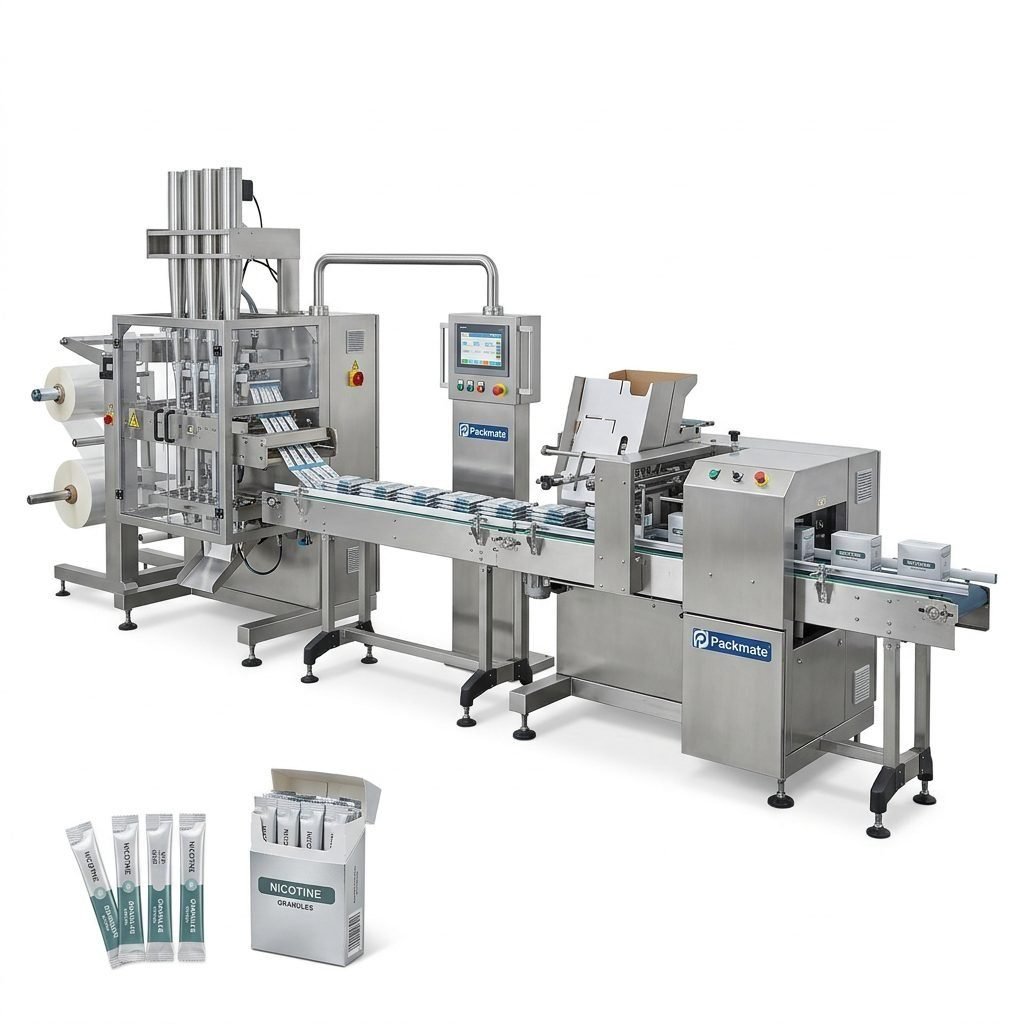
Choosing the right snus packaging machinery supplier in Trinidad and Tobago is a critical step for manufacturers and entrepreneurs who want to scale production, ensure product quality, and meet local regulatory and market demands. This guide walks you through practical, business-focused considerations—from machine performance and compliance to local logistics and cultural nuances—so you can confidently select a supplier that fits both technical needs and the Trinidad and Tobago market environment.
Understanding the Local Context in Trinidad and Tobago
Trinidad and Tobago is a vibrant twin-island republic with a largely English-speaking business environment and a strong tradition of tobacco use in various forms. When planning to source snus or nicotine pouch packaging equipment, consider local consumer habits, seasonal demand spikes (for example, Carnival-related retail patterns), and the heat and humidity of a tropical climate that can affect packaging materials and machine operation. A supplier who understands these local conditions will help you choose machines with suitable sealing, humidity control, and corrosion-resistant components.
Regulatory and market compliance
Before purchasing equipment, verify local regulations for nicotine products and packaging requirements in Trinidad and Tobago. Work with suppliers who provide machines capable of printing regulatory information, batch codes, and tamper-evident seals. Trustworthy suppliers usually offer documentation and certifications (e.g., CE, ISO) that help streamline import clearance and local approvals.
Tip: Prioritize suppliers that supply full documentation and can assist with product labeling features. This reduces delays during customs and ensures legal compliance in T&T.
Key Technical Criteria to Evaluate
When reviewing machines, focus on the following technical aspects to ensure production stability and product quality:
1. Production capacity and scalability
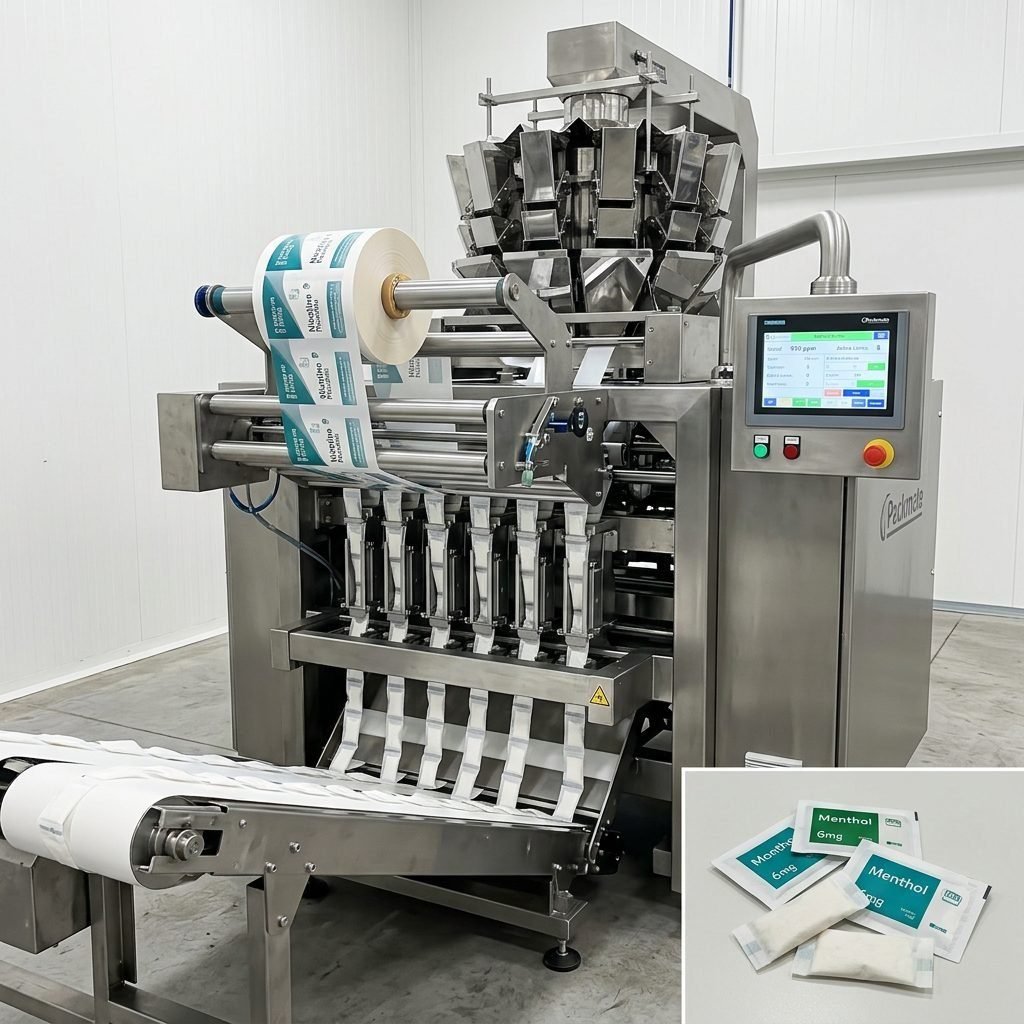
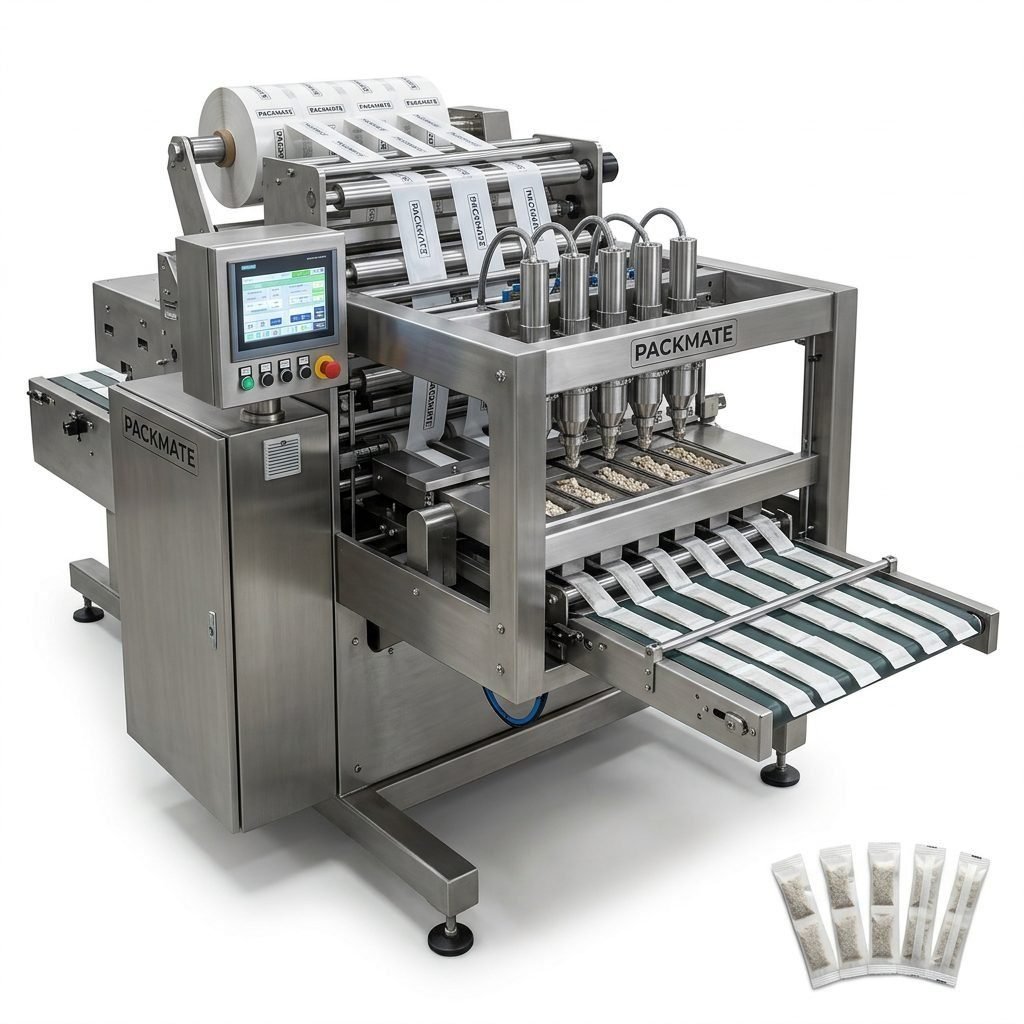
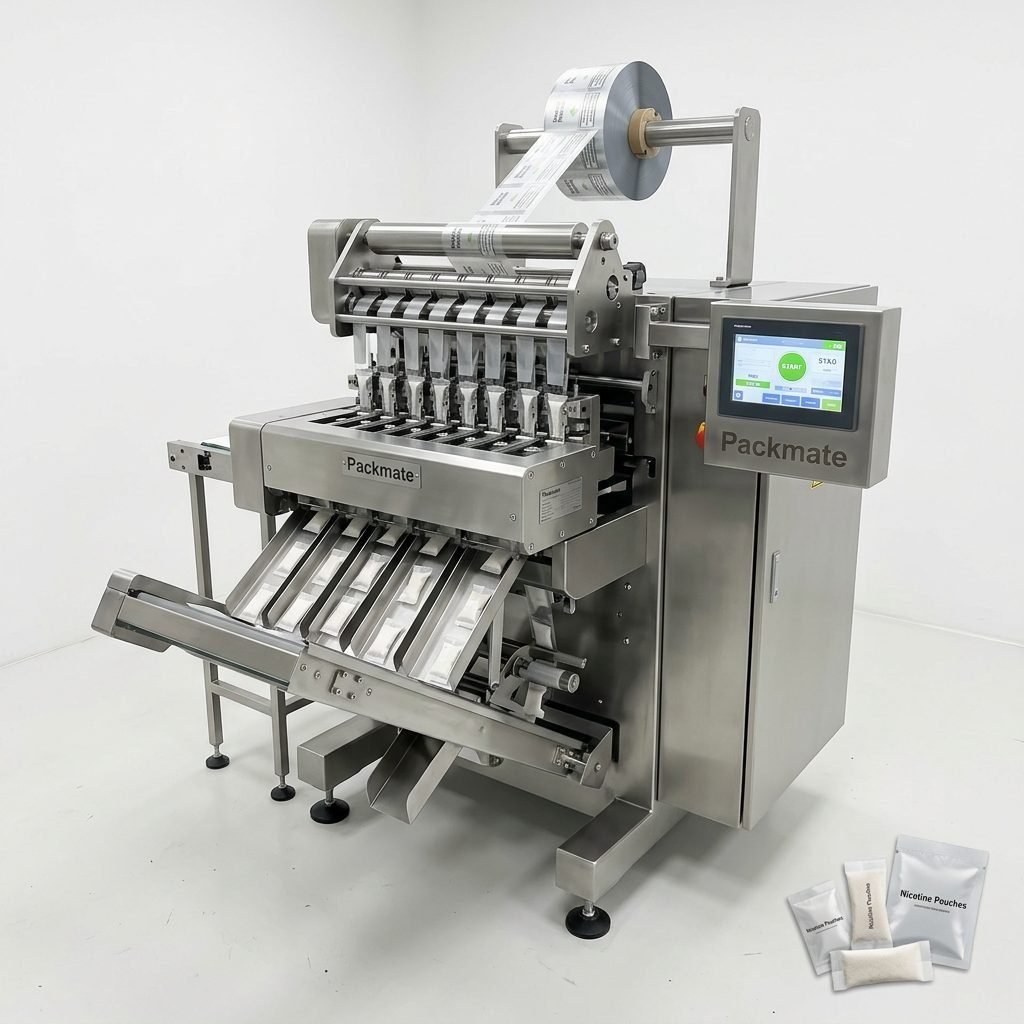
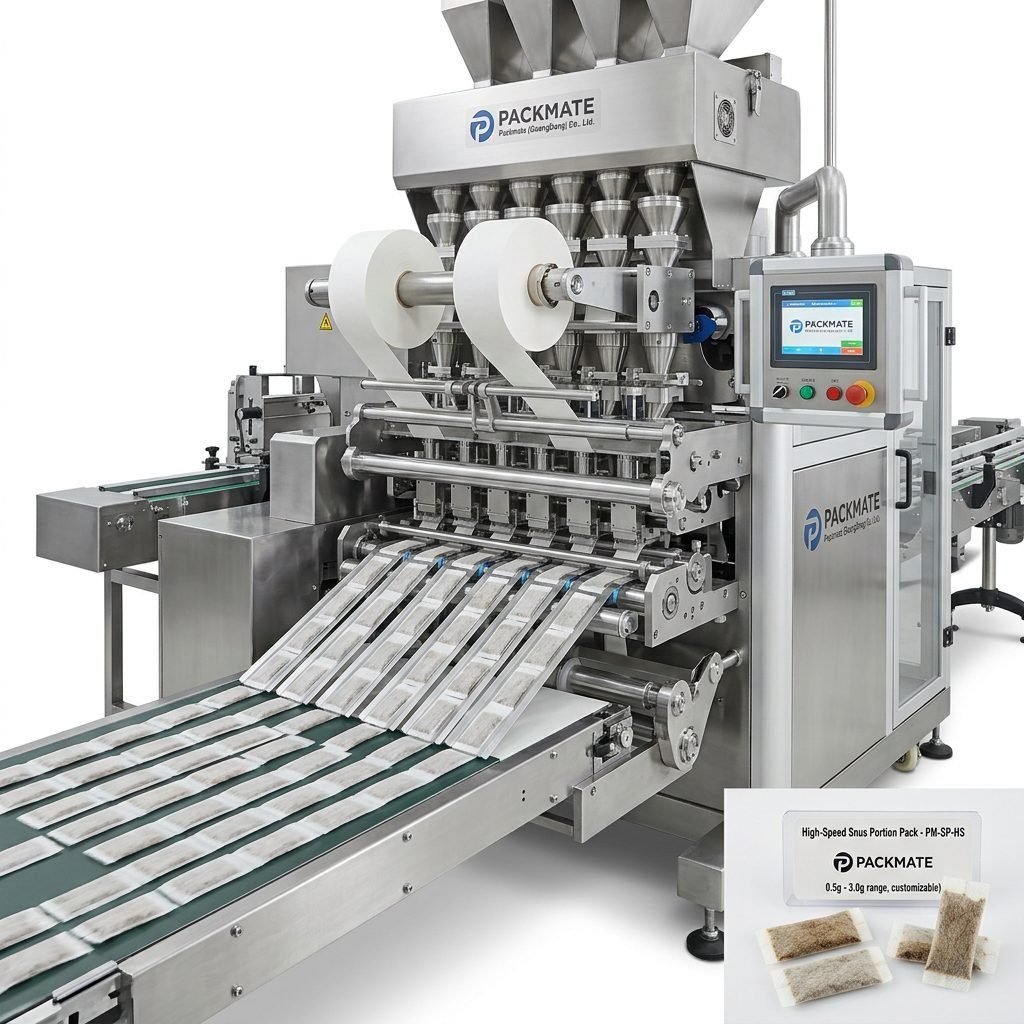
Calculate your current and near-future output requirements. Choose machines that can handle your target pouches-per-minute and offer modular upgrades. Multi-lane snus packaging systems are ideal if you expect rapid growth or need to run several SKUs with the same equipment.
2. Precision and dosing accuracy
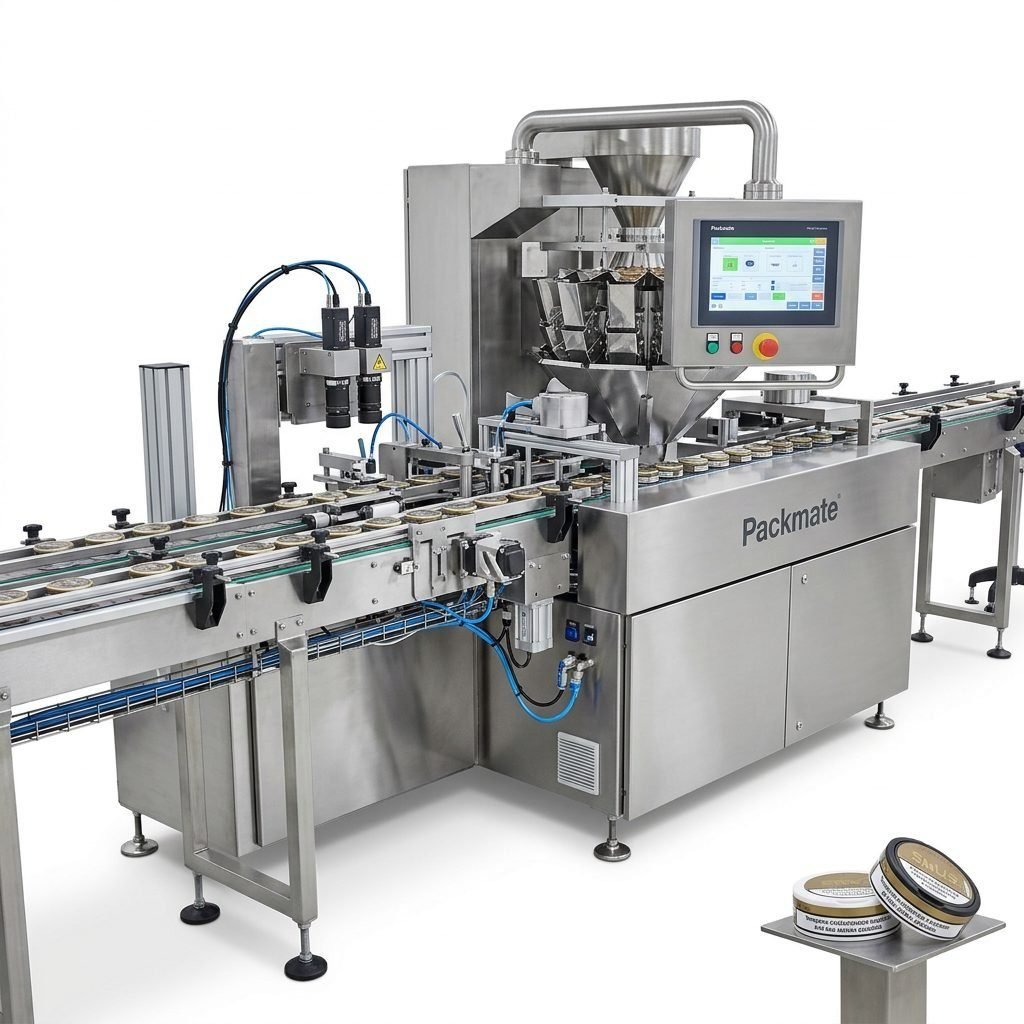
For nicotine pouches, accurate dosing is essential for regulatory compliance and customer satisfaction. Inspect the weighing and dosing systems, and ask for performance reports or in-person demonstrations. Look for machines with advanced weighing and multi-head feeding options for fine-grain control.
3. Sealing quality and material compatibility
Ensure the supplier’s machines can handle the films and laminates you intend to use, with strong heat-sealing and consistent closure quality. Tropical humidity in T&T increases the importance of robust sealing to avoid moisture ingress.
4. Automation, changeover speed, and HMI
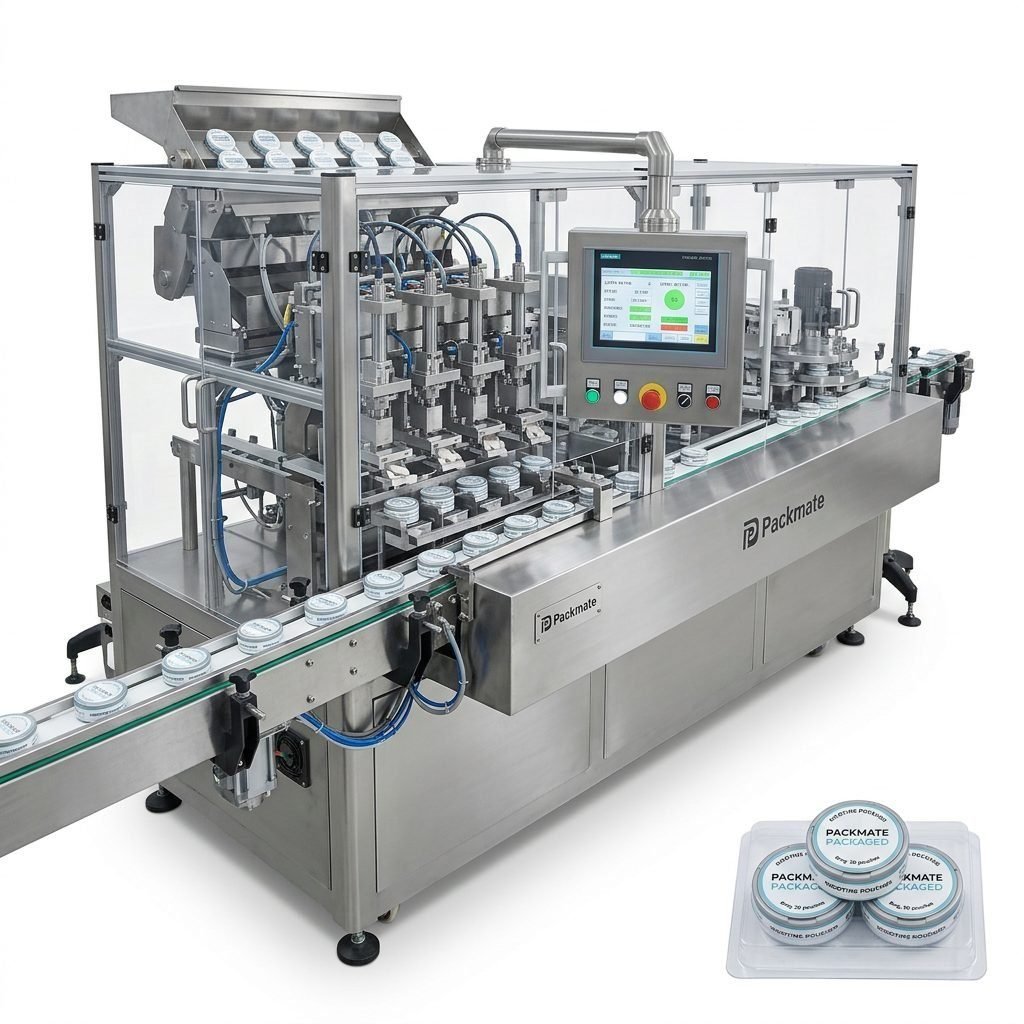
Look for intuitive control panels (HMI), quick die or format changeovers, and automation features that minimize manual labor—particularly important if skilled technicians are limited locally. Remote troubleshooting and PLC-based controls can reduce downtime.
Important: Request a site acceptance test (SAT) or a pre-shipment test report to confirm machine performance under real production parameters.
Supplier Reputation, Experience, and Case Studies
Reputation and historical performance matter. A supplier with proven experience in snus and nicotine pouch machinery, a diverse product portfolio, and documented case studies will give you more confidence. Look for suppliers with:
✅ 30+ years of engineering or industry experience, reliable engineering teams, and international certifications.
✅ References and case studies showing successful installations in climates similar to Trinidad and Tobago.
✅ Trade show participation and the ability to demonstrate machines live—this reduces risk and highlights manufacturing transparency.
For further product details and case examples, explore manufacturer resources such as Snus & Nicotine Packaging Machines and review real-world installations at Case.
After-Sales Support, Spare Parts, and Local Service
After-sales service is often the deciding factor. Assess whether a supplier offers:
– Local or regional service partners who can perform maintenance and repairs quickly.
– Clear spare parts pricing and availability to minimize downtime.
– Remote support capabilities: video troubleshooting, remote PLC access, and spare parts kits tailored to tropical environments.
🔧 Pro tip: Confirm warranty coverage, expected MTTR (mean time to repair), and whether spare parts can be shipped quickly to Trinidad and Tobago—this reduces costly production stoppages.
Customization and Turnkey Solutions
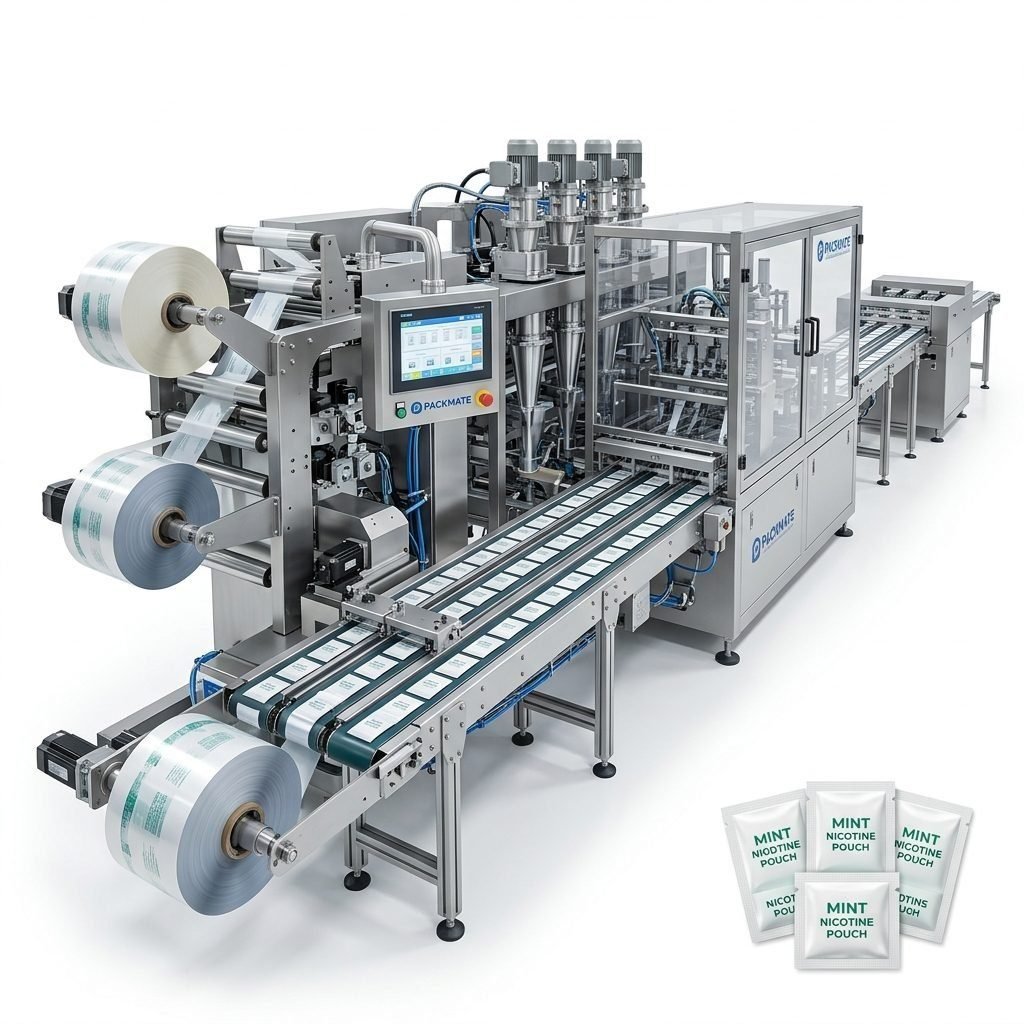
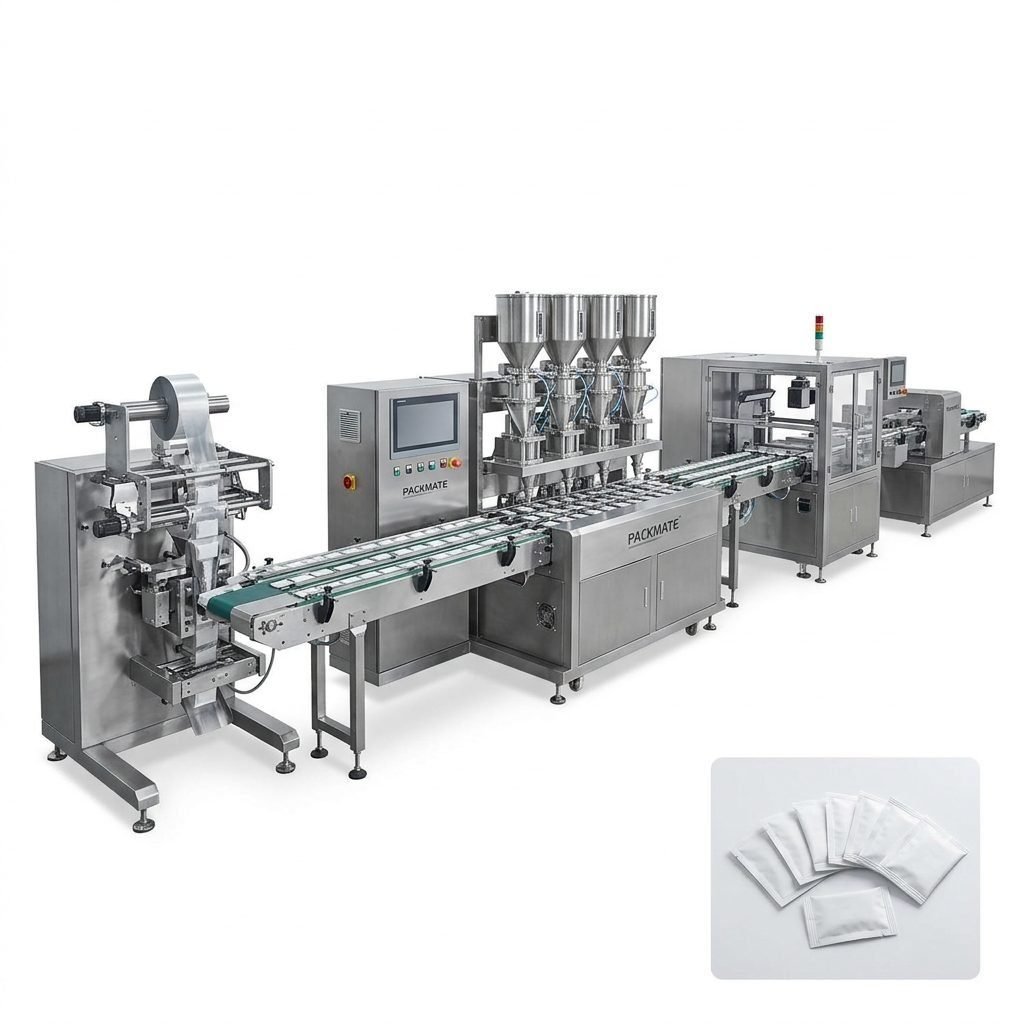
If your product requires custom pouch sizes, unique branding, or integrating multiple processes (filling, weighing, sealing, secondary packaging), evaluate suppliers who provide turnkey lines. A supplier who can design a complete workflow—rather than selling standalone machines—reduces integration risk and shortens time to market. For turnkey examples and modular systems, reference Filling & Packaging Lines.
Why turnkey matters in T&T
Importing multiple machines from different vendors can lead to compatibility issues, longer commissioning times, and higher shipping costs. A single-supplier turnkey approach simplifies customs clearance, technical training, and local support—crucial for small to medium operations in Trinidad and Tobago.
Cost Considerations and Total Cost of Ownership (TCO)
Price is important, but don’t base your decision solely on the lowest quote. Factor in:
– Shipping, insurance, and customs duties to Trinidad and Tobago.
– Installation, on-site commissioning, and operator training costs.
– Spare parts inventory, maintenance contracts, and energy consumption.
– Expected machine lifespan and resale value.
Ask suppliers for a clear TCO breakdown and ask whether they offer financing, leasing, or staged delivery options that can reduce upfront capital strain.
Quality Assurance: Testing, Certifications, and Factory Visits
Quality assurance starts before shipment. Prioritize suppliers who provide:
– CE and ISO certifications for manufacturing processes and safety.
– Factory acceptance testing (FAT) reports and videos showing machine performance.
– The option to witness FAT in person or via live stream.
Learn more about manufacturers and their credentials at About Packmate and verify certificates when possible via Certificate listings.
Logistics: Shipping, Installation, and Local Setup
Shipping heavy machinery to Trinidad and Tobago requires planning: container selection, port arrangements, inland transport, and customs clearance. Work with suppliers that either handle door-to-door delivery or partner with reliable freight forwarders familiar with Piarco International Airport and the Port of Port of Spain procedures. Ensure electrical compatibility (voltage, frequency) and that installation teams provide clear site requirements well in advance.
📦 Logistics checklist: Confirm crate sizes, weight declarations, pre-shipment photos, and whether the supplier provides local installation support or training for your in-country technicians.
Cultural and Commercial Considerations in T&T
Business in Trinidad and Tobago values personal relationships and clear communication. Arrange video calls with potential suppliers and request a named point of contact for after-sales support. Consider scheduling shipments and production ramp-ups in line with local retail cycles such as Carnival and festival seasons when demand for consumer goods can spike.
How to Compare Supplier Proposals
When you receive proposals, compare them on a standardized checklist:
– Machine specs (speed, accuracy, materials compatibility)
– Warranty and service terms
– Spare parts delivery times and costs
– Training, FAT, and SAT provisions
– References and past performance in similar climates and markets
Scoring tip
Create a weighted scoring matrix for the items above to make objective comparisons. Give extra weight to service, spare parts availability, and proven humidity-resistant components for Trinidad and Tobago.
Choosing a Long-Term Partner, Not Just a Vendor
The best suppliers act as partners: they help you scale, troubleshoot, and optimize production. Look for manufacturers who provide training, periodic maintenance contracts, and continuous improvement programs. A partner with a global footprint and experience in multi-lane snus production will be especially valuable for future expansion.
If you want a deeper dive into available product categories, check out related product lines such as Bag & Pouch Packaging Machines and Sachet & Stick Pack Machines.
Final Checklist: Essential Questions to Ask Suppliers
– Can you provide FAT/SAT reports and live demonstrations?
– What international certifications do your machines hold?
– How quickly can you supply critical spare parts to Trinidad and Tobago?
– Do you offer training and local commissioning support?
– Can you provide case studies from similar climates or nearby markets?
Next Steps for Manufacturers in Trinidad and Tobago
Start by shortlisting 3–5 experienced suppliers and request detailed proposals and FAT videos. Arrange calls to discuss humidity-resistant options, local spare parts shipping, and training schedules. For trusted manufacturer information and support services, review supplier service pages like Service and reach out directly via Contact Us for customized quotes.
📌 Summary: Choose suppliers with verifiable experience in snus machinery, strong after-sales support, humidity-aware designs, turnkey solutions, and transparent TCO. Prioritize partners committed to long-term collaboration in the Trinidad and Tobago market.
Frequently Asked Questions
Q1: What certifications should I expect from a reputable snus packaging machinery supplier?
A1: Look for CE and ISO certifications, detailed FAT reports, and machine safety documentation. These certifications demonstrate compliance with international manufacturing and safety standards.
Q2: How do I ensure fast spare parts delivery to Trinidad and Tobago?
A2: Ask suppliers to list critical spare parts, lead times, and whether they maintain regional warehouses or express shipping options. Negotiate a spare parts kit to be sent with initial shipment if possible.
Q3: Are turnkey packaging lines better than buying individual machines?
A3: For most new operations, turnkey lines reduce integration risks, simplify logistics and support, and often shorten time-to-production—especially valuable in a smaller market like Trinidad and Tobago where local technical resources may be limited.
Q4: What local factors in Trinidad and Tobago should influence my machine choice?
A4: Consider tropical humidity, customs and import processes, seasonal demand patterns (e.g., Carnival), and availability of trained technicians. Machines with humidity-resistant components and remote support options are advantageous.
Q5: How can I verify a supplier’s past performance before buying?
A5: Request case studies, references, FAT videos, and live demonstrations. Visit exhibitions or meet the supplier at trade events if possible. Reviewing documented cases and the supplier’s exhibition history can help validate performance.