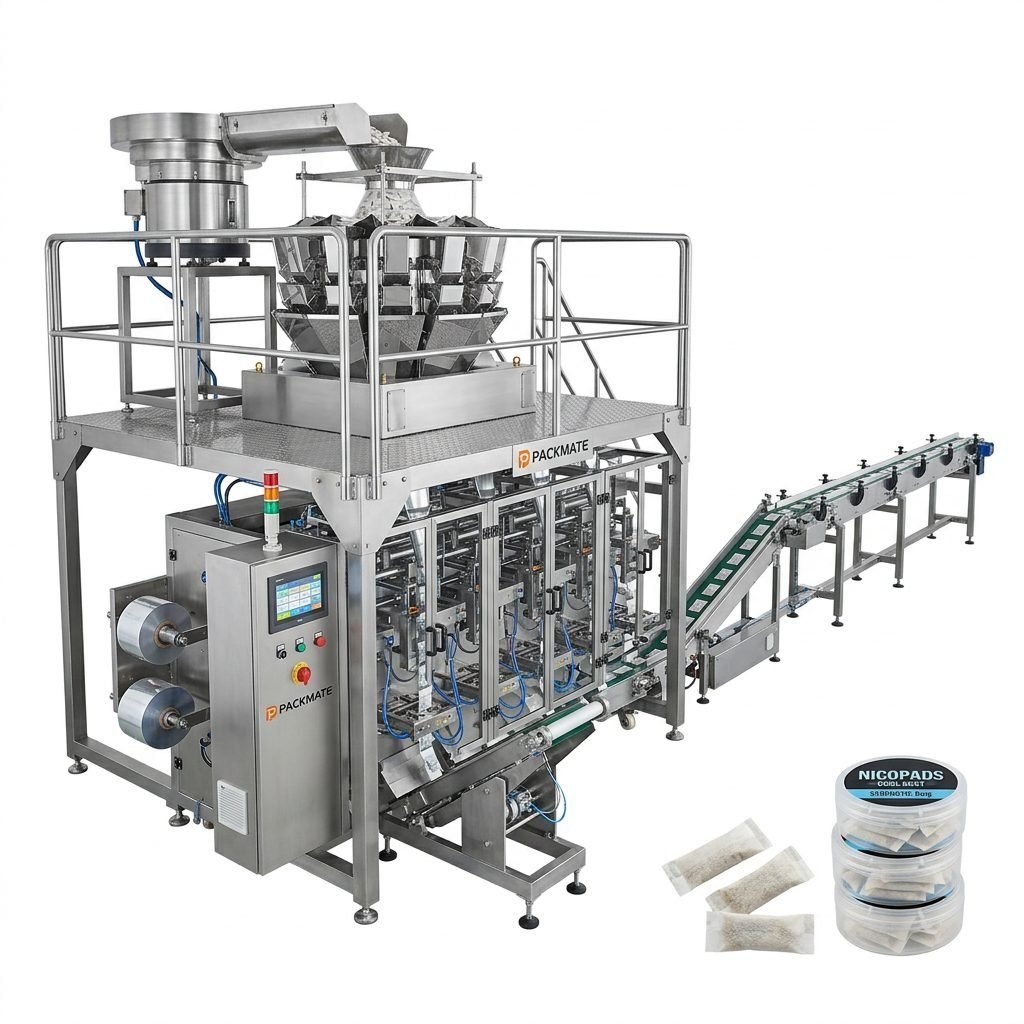
Entering the snus and nicotine pouch market in Vanuatu requires more than a good product — it needs reliable packaging machinery that meets quality, legal and logistical realities of a Pacific island nation. This buyer’s guide walks you through practical steps to find a trustworthy snus packaging machinery supplier, evaluate technical and commercial criteria, and plan for smooth installation, training and after-sales support tailored to Vanuatu’s unique environment and market habits.
Understand Vanuatu’s Market Context and Cultural Considerations
Vanuatu is an archipelago with a strong local culture, where kava is often preferred for social occasions and some communities maintain conservative attitudes toward tobacco products. For businesses targeting urban centers like Port Vila and Luganville, tourist hubs and duty-free retailers can be important channels. When selecting a supplier, consider whether they understand local preferences, regulatory nuances (import duties, labeling in English/Bislama/French), and distribution challenges across islands.
Why cultural fit matters
A supplier who appreciates small-market marketing and the need for flexible batch sizes will help you optimize equipment choices — for example, multi-lane lines for higher throughput in urban demand or compact stick/sachet machines for small-batch testing in remote stores.
Key Technical Criteria to Vet Your Supplier
When evaluating snus packaging machinery, focus on performance metrics that directly affect product quality, uptime and operating cost.
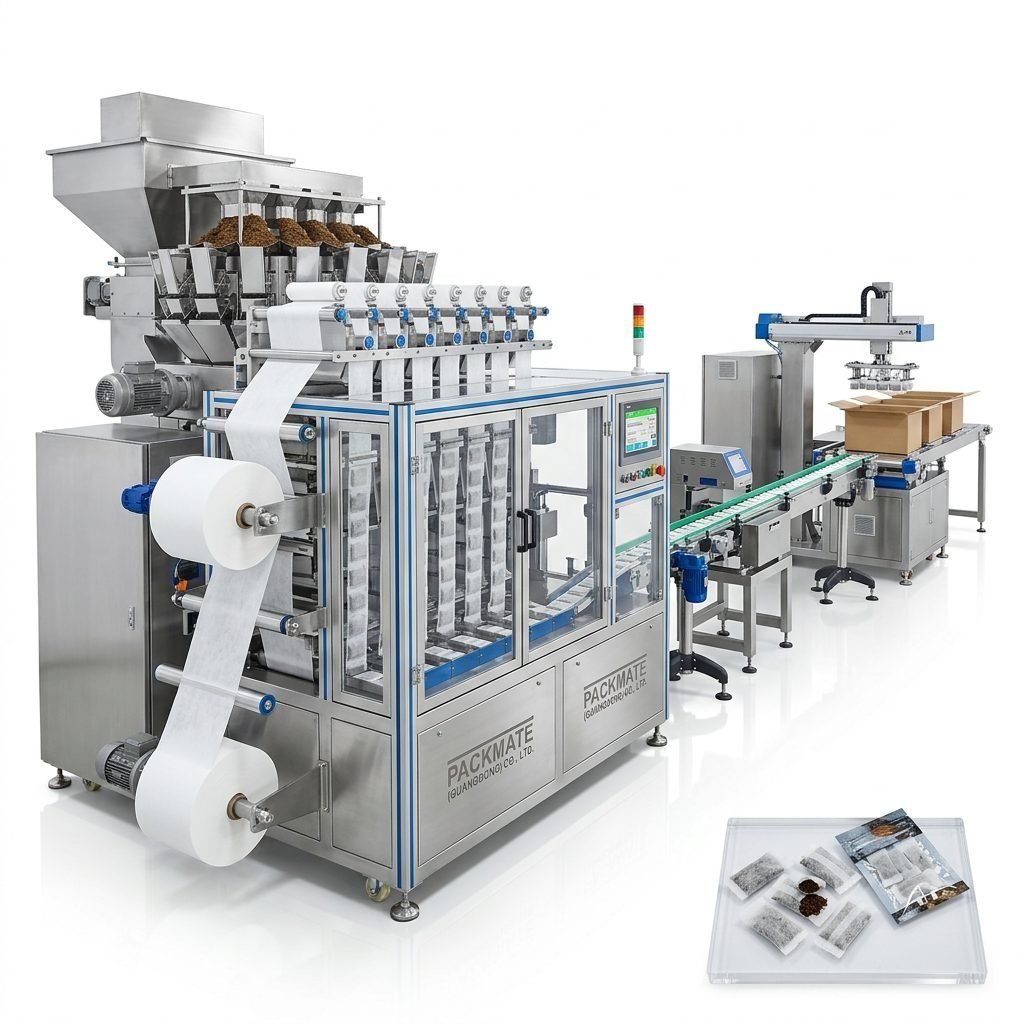
✅ Throughput & accuracy: Confirm packets per minute, multi-lane capability, fill tolerance and weight-control accuracy. High-precision multi-lane lines reduce labor and packaging cost per piece.
✅ Materials compatibility: Check compatibility with pouch materials, inner wraps and desiccants you plan to use for snus or nicotine pouches.
✅ Cleanability & maintenance: Machines with easy access for cleaning and modular spare parts are essential in humid island climates to minimize downtime.
Important certifications and compliance
Request proof of CE, ISO or other international certifications. These attest to safety and manufacturing standards and can simplify customs clearance in Vanuatu. Suppliers that provide documentation, testing reports and a traceable quality system demonstrate higher reliability.
How to Verify Supplier Credibility
Reliable vendors combine technical capabilities with transparent processes. Use multiple verification steps:
- Factory visit or virtual factory tour to inspect CNC centers, assembly lines and QA lab.
- Reference checks — ask for customers in similar markets and request case studies or export records.
- Third-party audits or certificates (CE, ISO) and export documents for previous shipments to Oceania.
- Detailed equipment specifications, test reports and video demonstrations of the exact model you will buy.
🔎 Tip: Ask for a live demonstration using your actual product or a close substitute. Suppliers that allow sample runs demonstrate confidence in machine performance.
Commercial Terms, Warranty and After-Sales Support
Clear commercial terms reduce risk. Pay attention to:
- Warranty period: Minimum one-year parts warranty, plus documented terms for wear parts.
- Spare parts availability: Lead times for critical parts and whether parts can be shipped to Port Vila quickly.
- Remote support & training: Video training, PLC program backups and remote troubleshooting reduce travel costs.
- On-site installation and commissioning: check if supplier offers technicians for startup and operator training in Vanuatu.
Service contracts and local partnerships
For customers in Vanuatu, consider suppliers who can coordinate with local service partners or freight forwarders to handle customs, maintenance and spare parts logistics. Some manufacturers provide regional technical partners or train local engineers to reduce ongoing service costs.
Logistics: Shipping, Customs and Island Distribution
Island logistics influence equipment selection and cost. Large turnkey lines require careful planning:
📦 Freight & handling: Clarify whether the supplier provides FOB, CIF or DDP pricing to Port Vila. DDP reduces operational hassle but can cost more upfront.
⚓ Port & customs: Provide the supplier with exact port and tax codes. Work with a local customs broker familiar with import regulations for tobacco-related equipment and packaging materials.
Questions to Ask During Supplier Selection
Use this checklist in calls and proposals.
- Can you provide a complete bill of materials and spare parts list for the model?
- Do you offer sample packing runs and a machine acceptance test (FAT)?
- What are typical lead times for machines and critical spares to Port Vila?
- Do you provide operator & maintenance training locally or remotely?
- Can you customize packaging dimensions and printing/labeling modules for local languages?
Evaluating Technology Options: Stick Pack, Sachet, and Multi-Lane Lines
Choose the machine type based on production targets and SKUs.
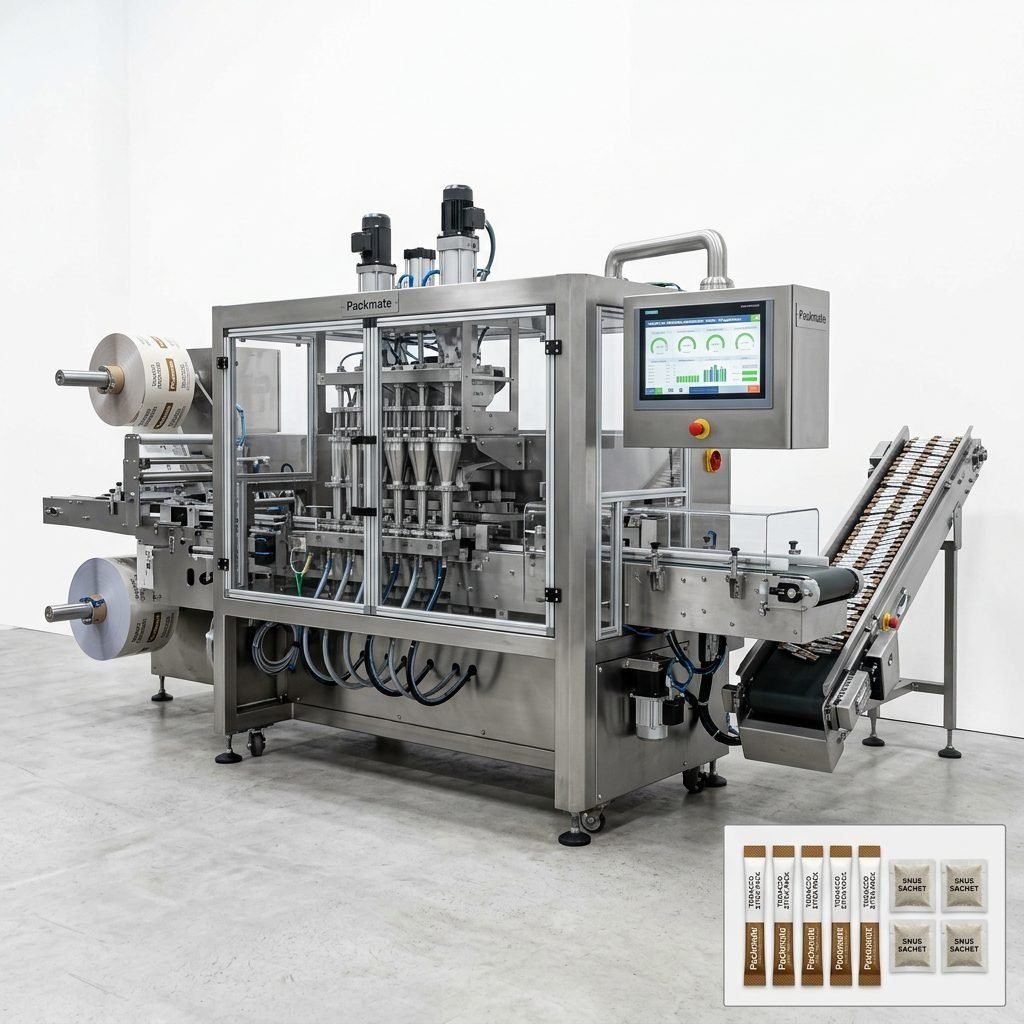
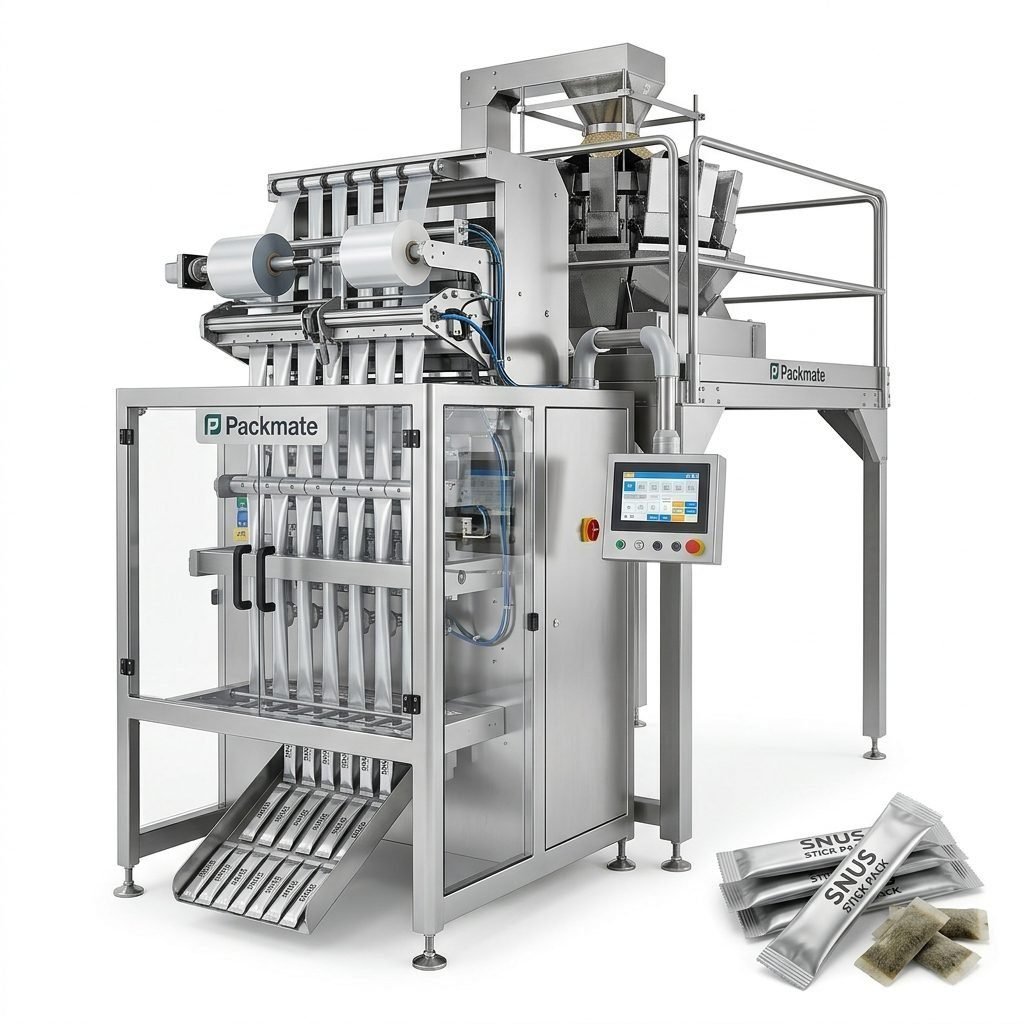
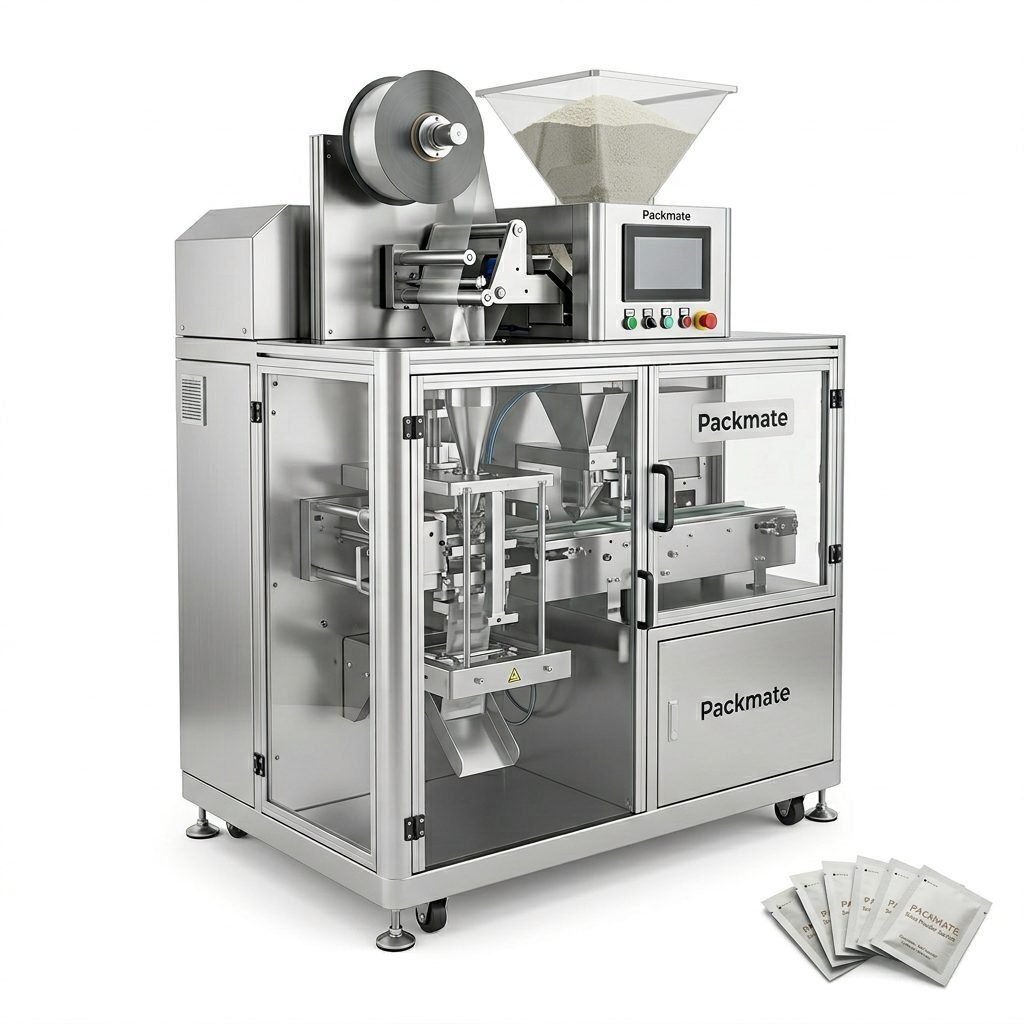
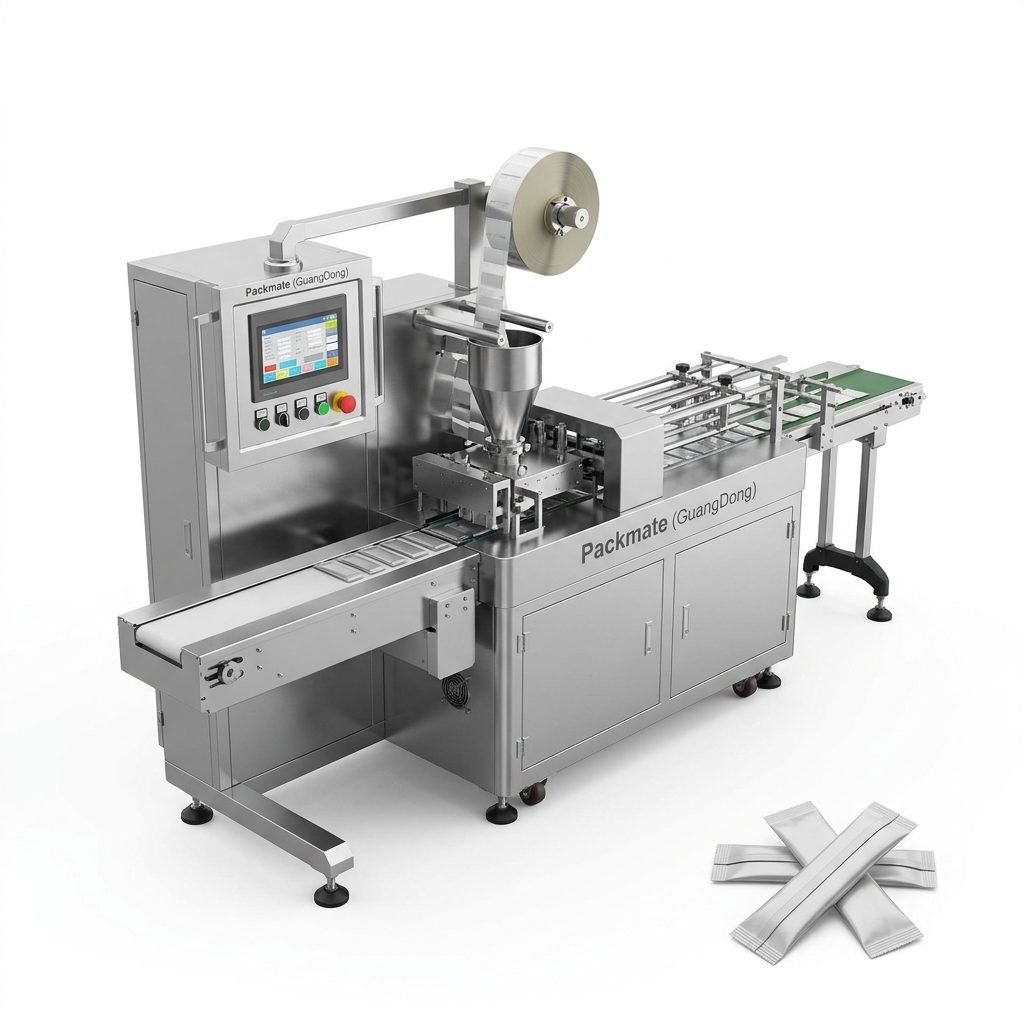
Stick pack machines: Good for portioned, low- to medium-volume runs with compact footprint.
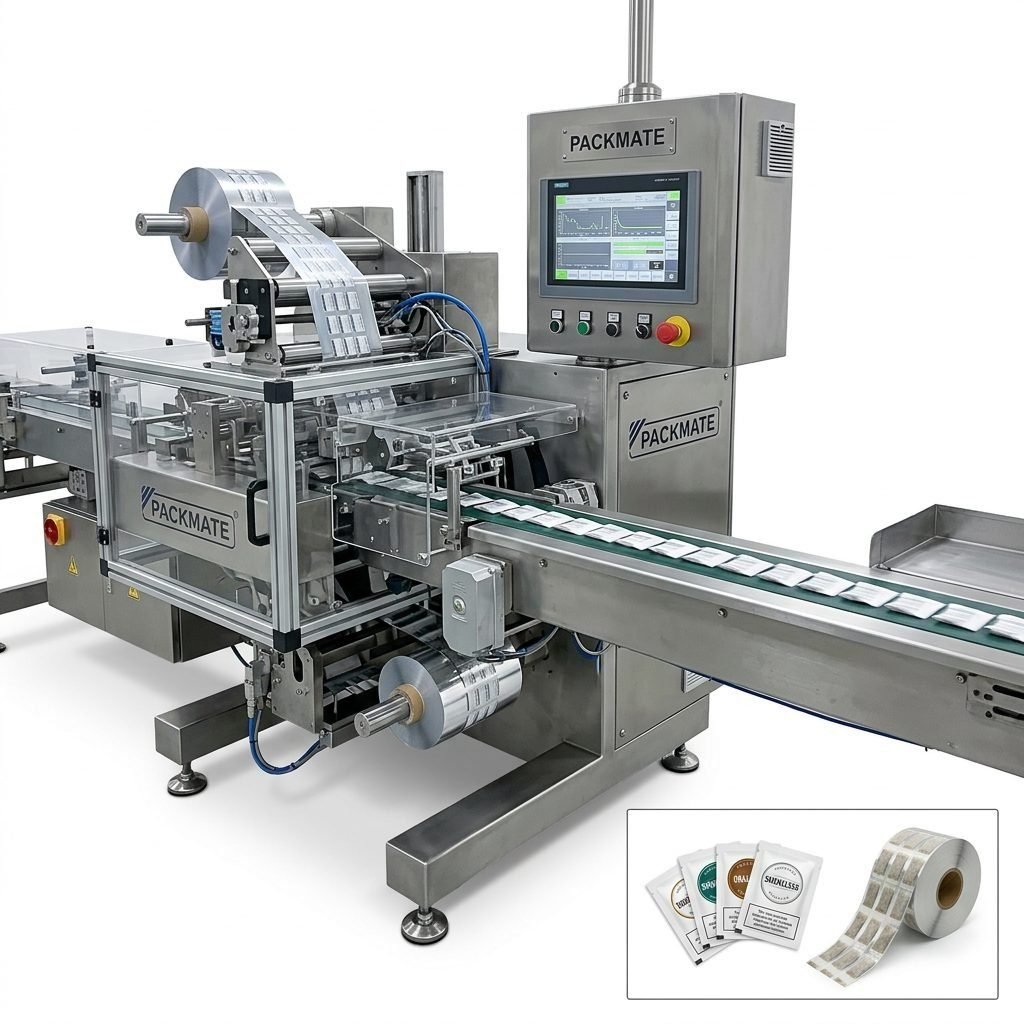
Sachet machines: Flexible for different shapes and consumer presentation; ideal for premium or flavored lines targeting tourists.
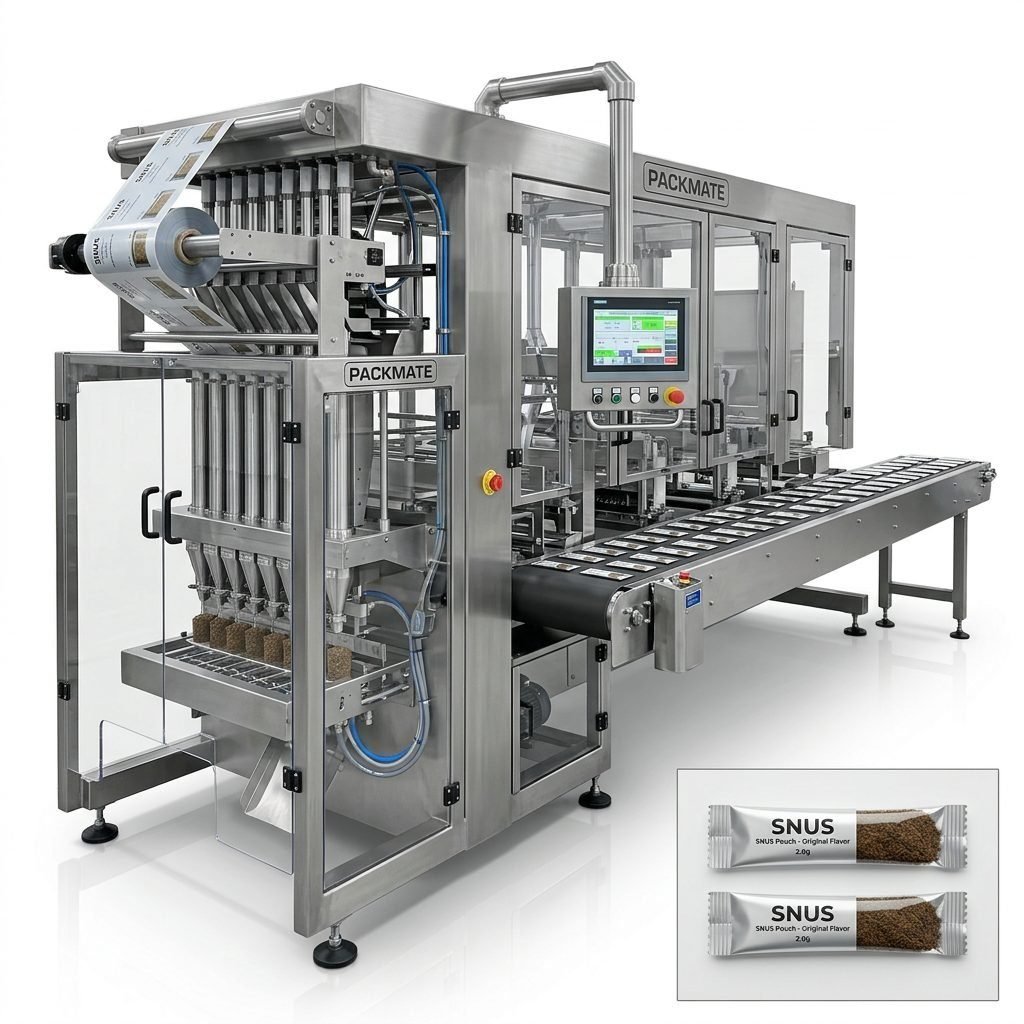
Multi-lane systems: Best for scaling quickly — multiple lanes boost throughput but require higher initial investment and technical support.
Where to find detailed machine options
For an overview of machine families and models, review the supplier’s product pages and case studies to match capabilities to your expected volumes and SKUs. See examples of snus & nicotine packaging machines and sachet/stick pack solutions for reference:
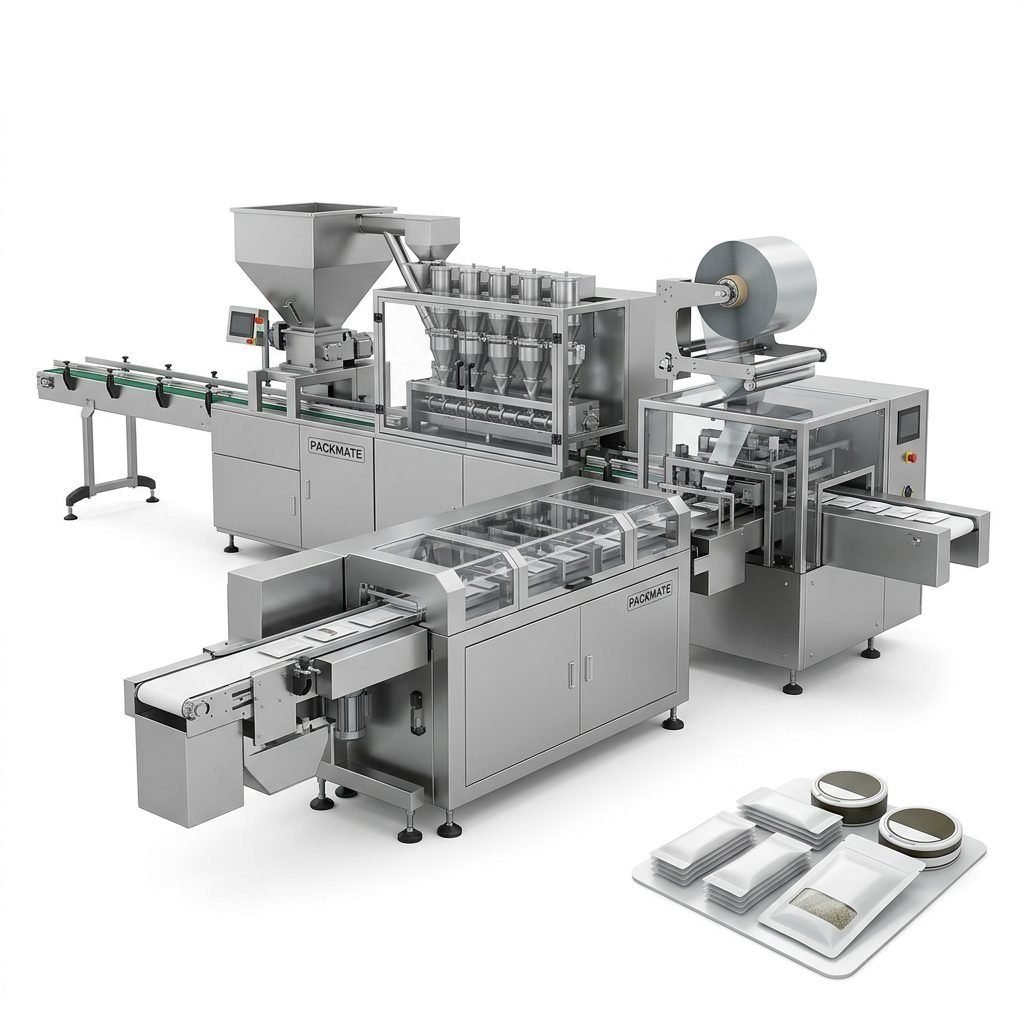
Explore product categories: Snus & Nicotine Packaging Machines, Sachet & Stick Pack Machines, and Filling & Packaging Lines.
Factory Capabilities and Turnkey Solutions
A manufacturer with strong in-house capabilities (CNC machining, precision assembly, a large factory footprint) reduces variability and supports custom requests. Ask about turnkey experience — integrating weighing, filling, and final packaging — so you receive a fully tested line ready for commissioning.
For background on a strong turnkey supplier and examples of global installations, review the company profile and case studies: About Packmate and Case.
Negotiation Tips and Purchase Checklist
Negotiate clear acceptance criteria, payment milestones, delivery terms and training scope. Require a factory acceptance test (FAT) video or visit before shipment. Ensure spare parts kits and manuals are in English and clearly labeled.
- Agree on FAT criteria and sample pack acceptance before final payment.
- Include a documented training plan and PLC/software backup in the contract.
- Confirm warranty start date (often commissioning date) and emergency contact procedures.
- Make sure shipping documents and packing lists detail dimensions and weight for island transport planning.
After Purchase: Installation, Commissioning and Local Training
Installation in Vanuatu benefits from pre-shipment assembly checks, clear electrical requirements and spare parts on the first shipment. Plan for:
- On-site commissioning by supplier technicians for the first week to optimize parameters.
- Operator and maintenance training with hands-on practice and troubleshooting drills.
- Documentation in English and a simple parts-identification guide for local engineers.
- Remote-support channels (video call, PLC remote access) as ongoing backup.
For service offerings and support options, consult the supplier’s service pages: Service and FAQs: FAQs.
Final Checklist Before Signing
🔧 Documentation: FAT reports, user manuals, parts lists and electrical schematics included?
📜 Compliance: Certificates (CE/ISO) and export records to Oceania provided?
🤝 Support: Clear warranty, spare parts lead times, and local or remote technical support agreed?
Where to Get Started
Begin with a short list of 3–5 suppliers, request detailed quotes and FAT videos, and compare total landed cost to Port Vila including installation. If you need proven snus packaging solutions and turnkey services, inspect supplier profiles and contact their sales team directly to ask for tailored proposals: Contact Us.
One final practical note
Because Vanuatu’s market can be seasonal and geographically dispersed, start with a flexible configuration that allows small-batch runs and modular upgrades. This approach minimizes upfront risk while giving you room to scale when demand rises.
Common Questions (FAQs)
Q1: How long does shipping and installation to Port Vila usually take?
A: Typical lead time is 8–14 weeks for production plus 3–8 weeks freight and customs clearance depending on the shipment method and season. Allow extra time for local inland transfer between islands.
Q2: Are remote commissioning and training effective for snus machines?
A: Yes—remote commissioning combined with on-site training by a locally trained engineer can be cost-effective. Make sure the supplier provides PLC backups, clear SOPs and live support channels.
Q3: What certifications should I ask for when buying packaging machinery?
A: Ask for CE and ISO certificates, FAT reports, material safety documentation and any previous export records to Oceania to ensure compliance and smooth customs clearance.
Q4: How can I reduce downtime in a humid island climate?
A: Choose machines with corrosion-resistant components, ensure spare parts kits are stocked locally, schedule regular preventive maintenance and use dehumidification where possible in the production area.
Q5: Where can I see examples of proven snus packaging installations?
A: Review supplier case studies and exhibition records to see real-world installations and customer feedback: Our Exhibition and production cases are helpful references.