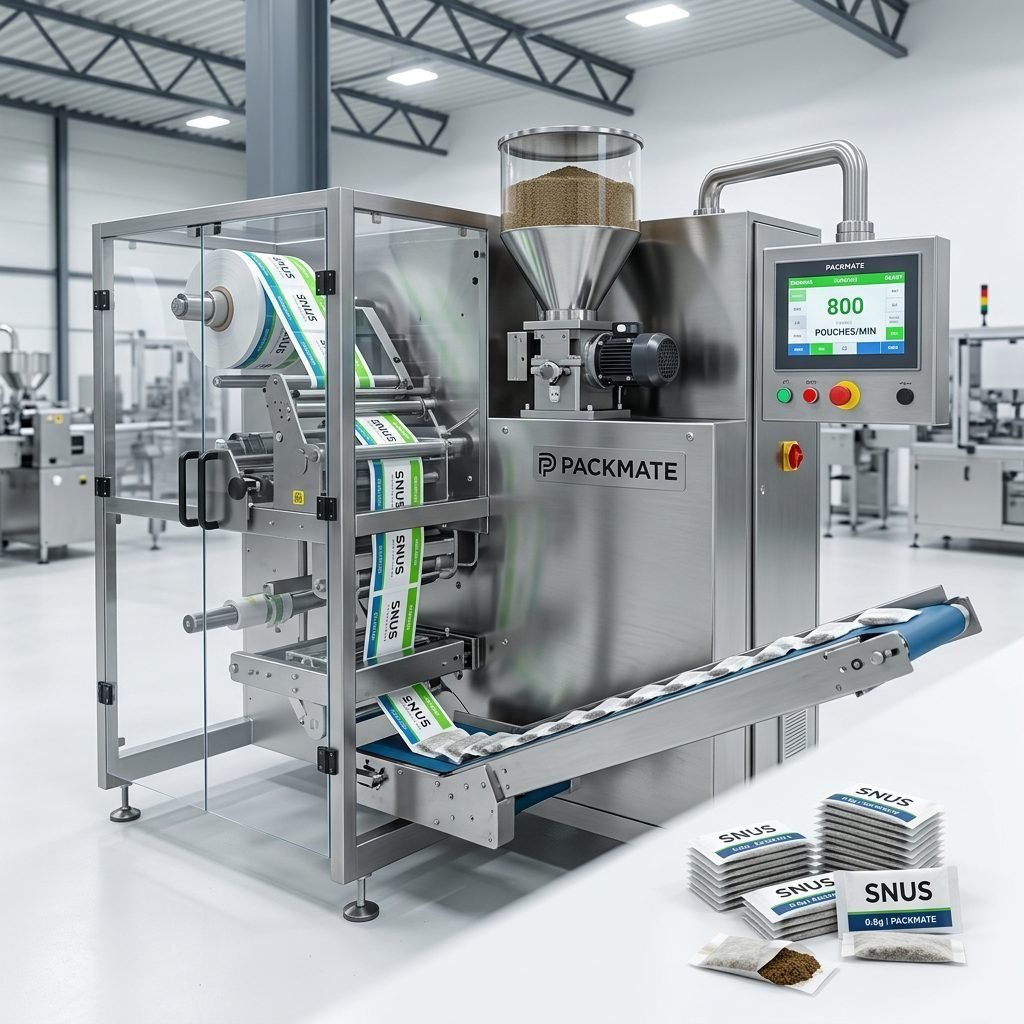
Choosing the right snus packaging machinery supplier is one of the most important decisions for any manufacturer planning to enter or expand in the nicotine pouch market in Micronesia. Due to the region’s island geography, small market size, and specific customs around imported consumer goods, a dependable supplier must offer not only reliable equipment but also clear export support, local compliance guidance, and strong after-sales service. Below is a practical, step-by-step buying guide to help Micronesian producers and importers evaluate suppliers and select the best machinery for snus and nicotine pouch production.
Understand Local Context in Micronesia
Micronesia is composed of many small islands with limited industrial infrastructure and varied import procedures across its states. Businesses here often face longer shipping lead times, restricted port handling options, and high sensitivity to product safety and labeling. Before selecting a supplier, factor in the reality of logistics, customs documentation, and any national regulations regarding nicotine products. Engage with local authorities early to confirm permissible product formulations and packaging labels.
🔶 Quick tip: Ask potential suppliers for experience exporting to Pacific island nations — they should be able to provide packing lists, HS codes, and suggested incoterms to minimize customs delays.
Step 1 — Define Your Production Needs
Start with a clear profile of the product formats you plan to produce: nicotine pouches, snus portions, stick packs, sachets, or multi-lane pouch systems. Define target daily throughput, pouch weights (dose size ranges), primary packaging materials (foil, barrier films, compostable films), and secondary packaging (cartons, display boxes). This will determine whether you need a multi-lane high-speed machine, a single-lane precise dosing system, or an integrated filling & sealing line.
Step 2 — Key Machine Features to Prioritize
When comparing suppliers, evaluate machines for:
-
Production capacity and scalable models for future growth.
-
Precise dosing and uniform pouch weights (important for nicotine control).
-
HMI with multilingual support and easy recipe changes.
-
Servo-driven motion for repeatability and lower maintenance.
-
Compatibility with your chosen pouch materials and sealing temperatures.
-
Quick tool-free changeovers to reduce downtime for small-batch production.
✅ Must-have: CE and ISO certificates, plus full machine manuals in English, and if possible, local language support for operators.
Step 3 — Evaluate Supplier Capability and Factory Strength
Look for manufacturers with proven engineering backgrounds, modern machining centers, and a robust quality control process. Suppliers like Packmate Snus Machine emphasize decades of experience, CNC production facilities, and a large model lineup, which help ensure repeatability and spare-part availability. Ask for:
-
Factory videos or virtual tours showing production and assembly areas.
-
Lists of exported projects or case studies in similar industries (Case examples).
-
Detailed component sourcing information (names of servo, PLC, and HMI brands).
Step 4 — After-Sales Service, Spare Parts, and Training
For Micronesia, robust after-sales support is critical due to shipping delays and local technical skill gaps. Ensure the supplier offers:
-
Comprehensive commissioning and on-site installation assistance where possible, or guided remote commissioning sessions.
-
Operator and maintenance training with clear SOPs and troubleshooting guides.
-
Spare parts kits and a clear parts replacement lead time — consider stocking critical components locally.
-
Remote support channels and guaranteed response time SLAs.
📌 Recommendation: Request a spare-parts list and suggested on-site inventory for the first 12 months of operation.
Step 5 — Compliance, Documentation and Certifications
Modern packaging machinery should comply with international safety and quality standards. Ask for copies of:
-
CE declarations, ISO quality certificates, and electrical safety approvals.
-
Material certificates from film suppliers used in your pouches.
-
Machine risk assessments and machine guarding documentation.
Step 6 — Logistics, Packing and Shipping Considerations
Because Micronesia’s shipping network involves transshipment and limited roll-on/roll-off services, confirm the supplier’s crating standards, skidding, and export packing. Discuss:
-
Recommended incoterms and whether supplier can handle export customs clearance.
-
Estimated shipping time and whether the supplier has experience with your chosen port (for example Pohnpei, Palau, or Majuro).
-
Insurance options during transit and procedures for damaged equipment claims.
Step 7 — Test Runs, Acceptance Criteria and Warranty
Always define factory acceptance testing (FAT) criteria before placing an order and document site acceptance tests (SAT) after installation. Your contract should include:
-
Guaranteed throughput numbers and acceptable weight variance per pouch.
-
Warranty terms with clear start date (usually SAT sign-off).
-
Clauses for remedial action if performance targets are not met during commissioning.
Why Manufacturer Reputation Matters — Example: Packmate
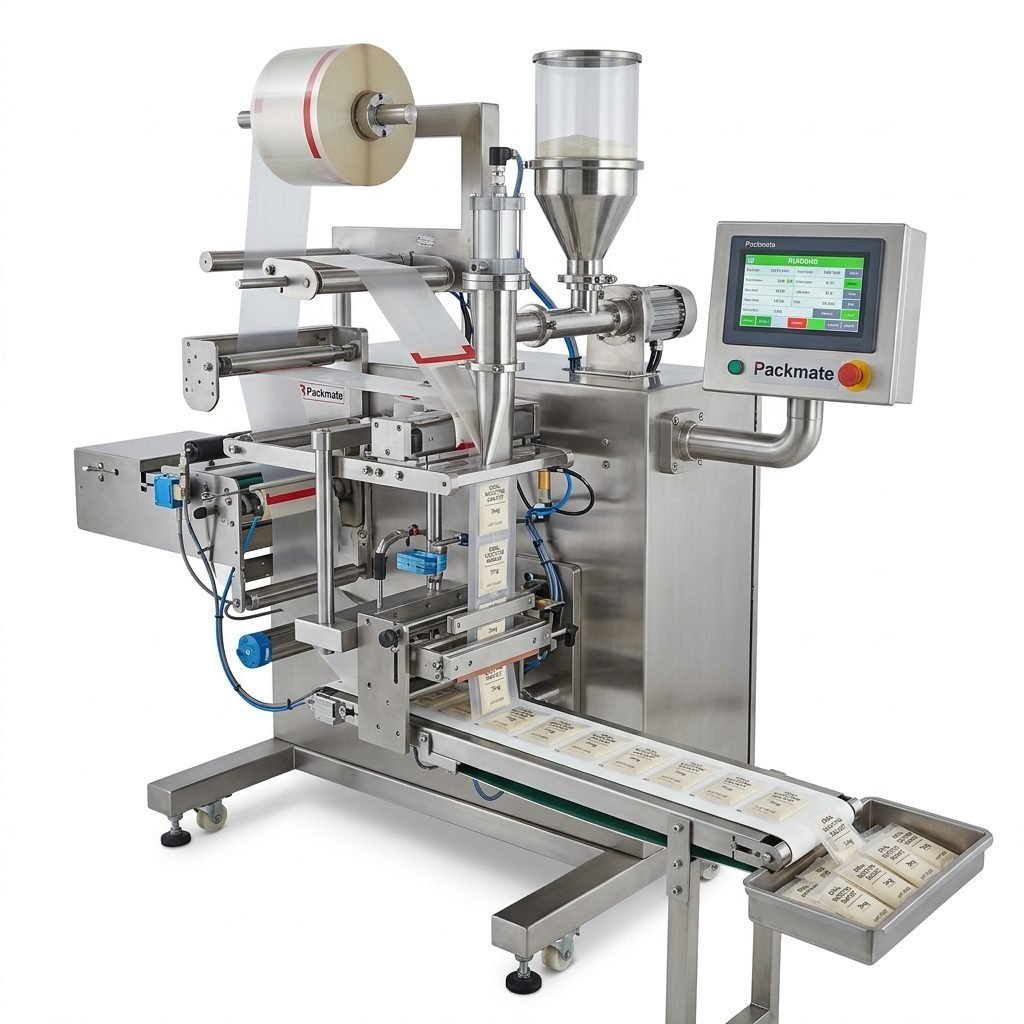
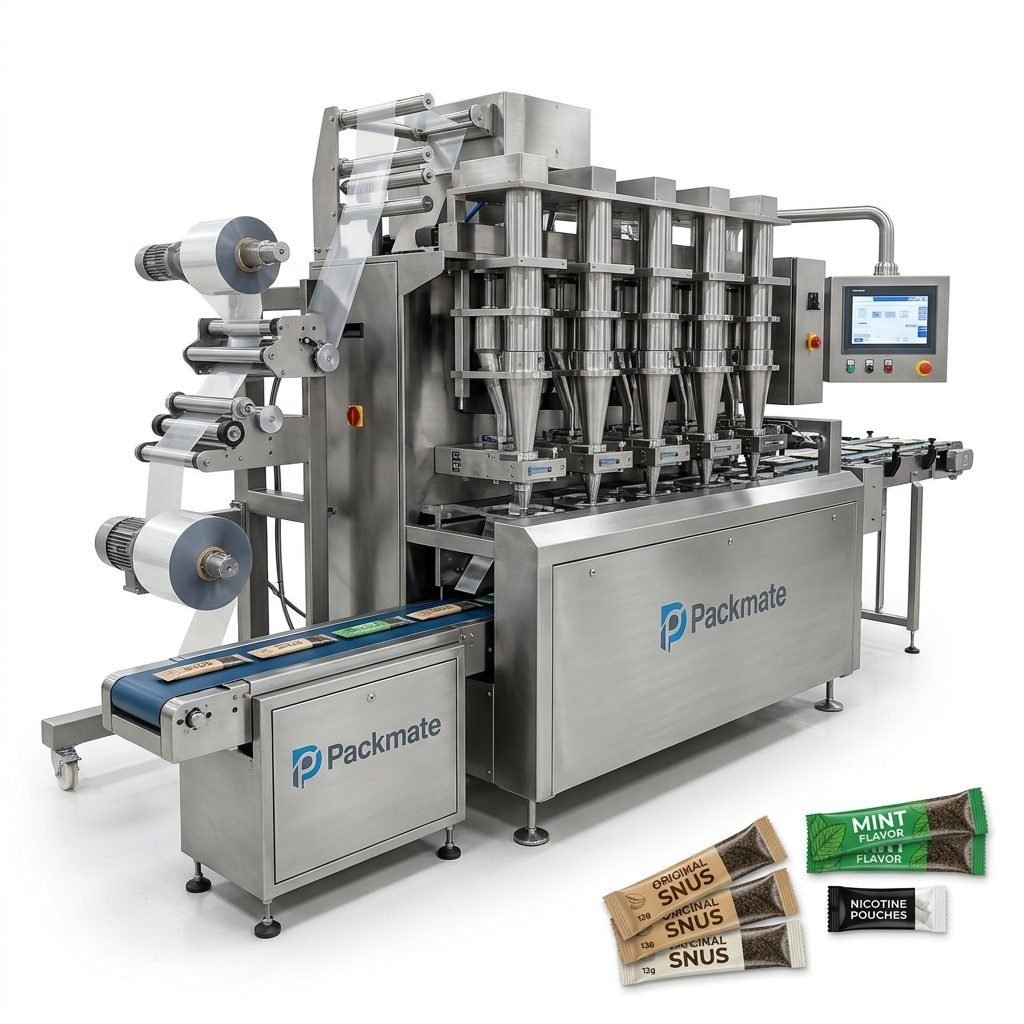
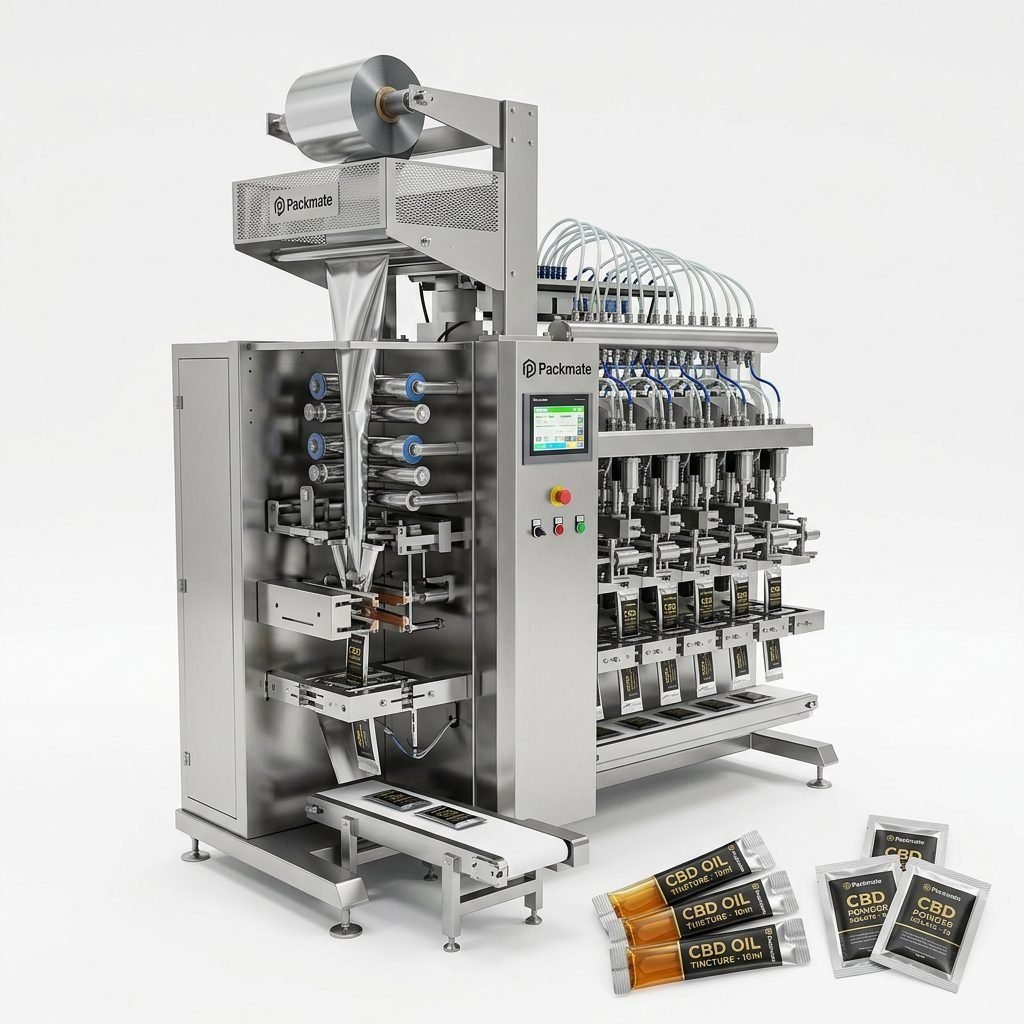
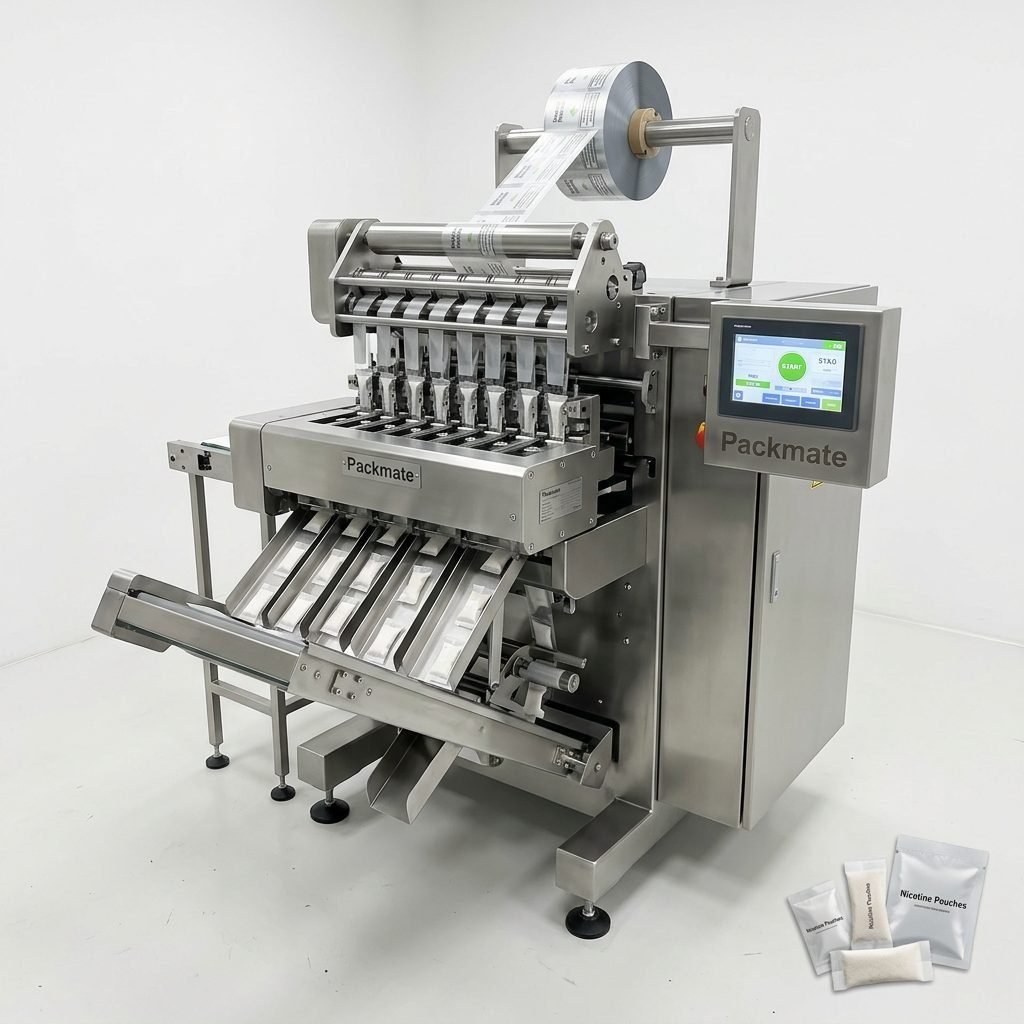
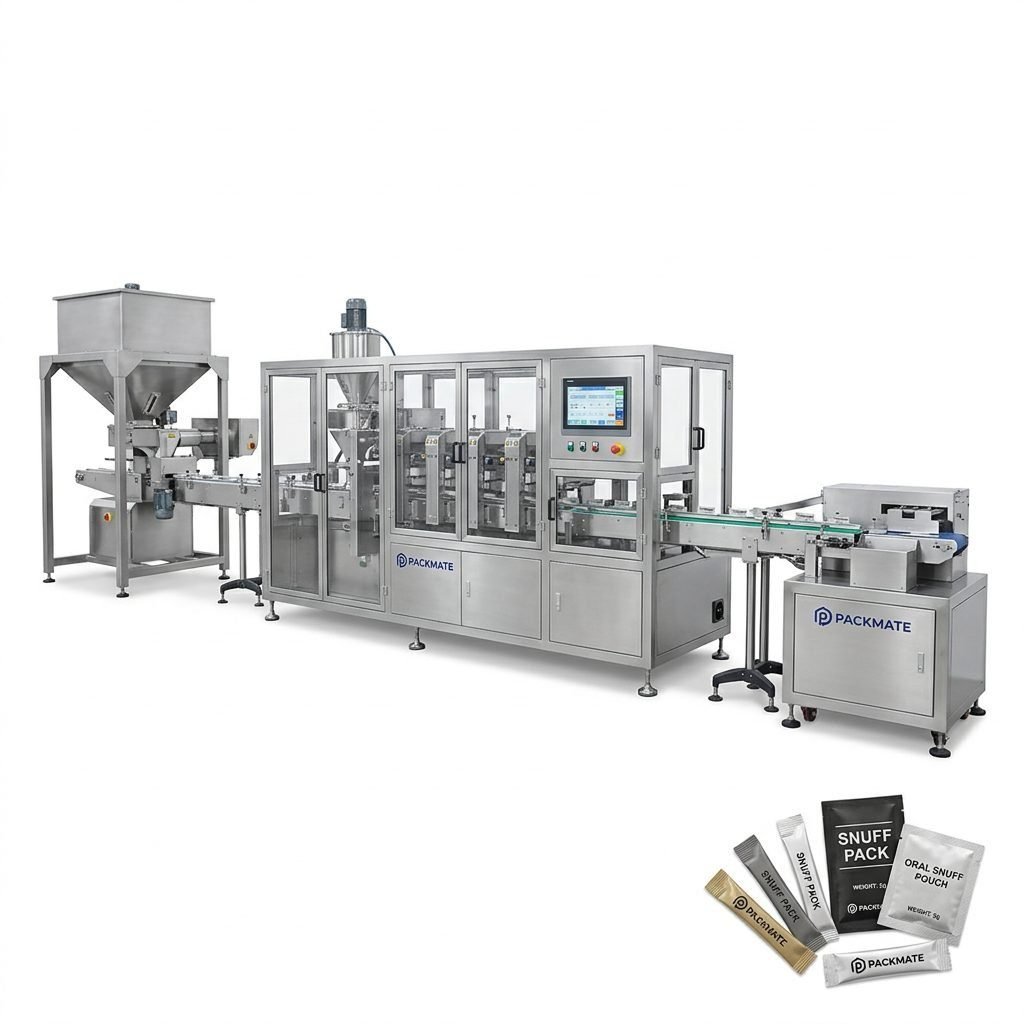
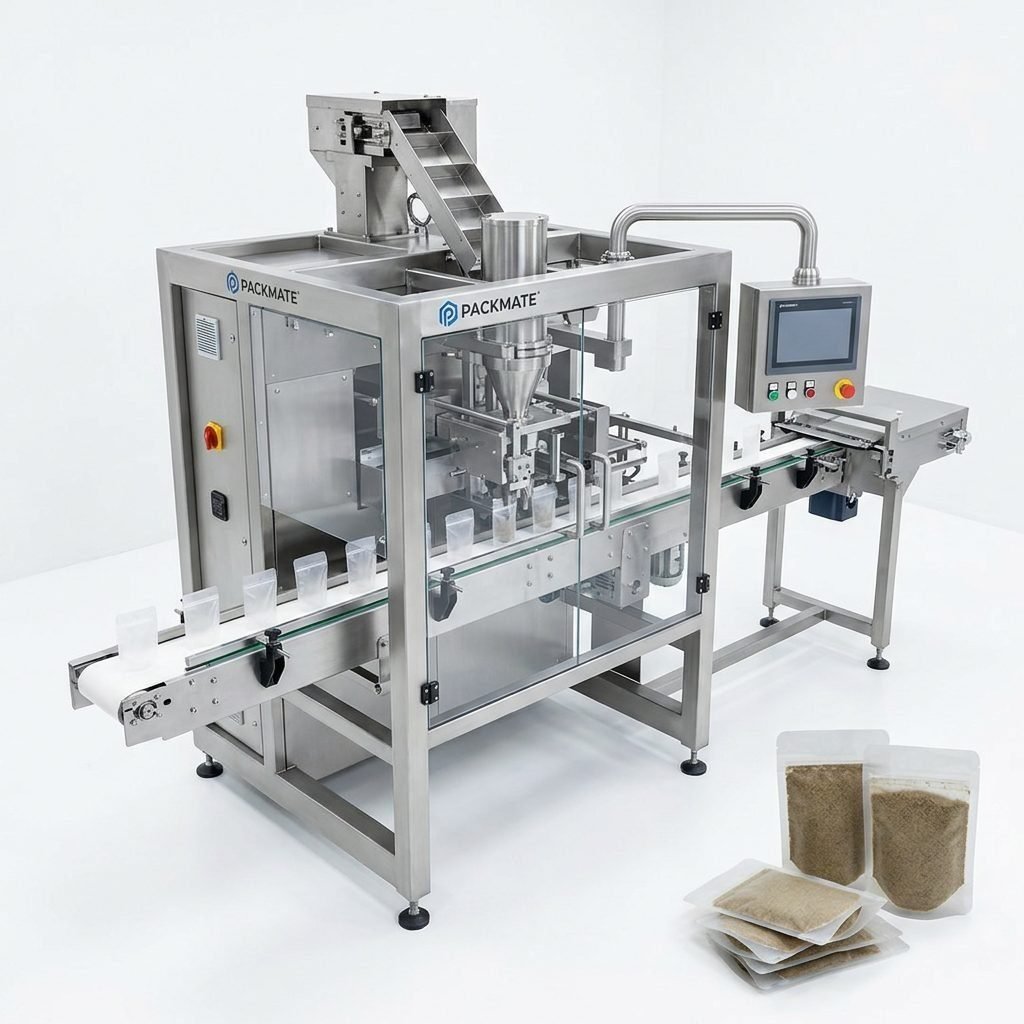
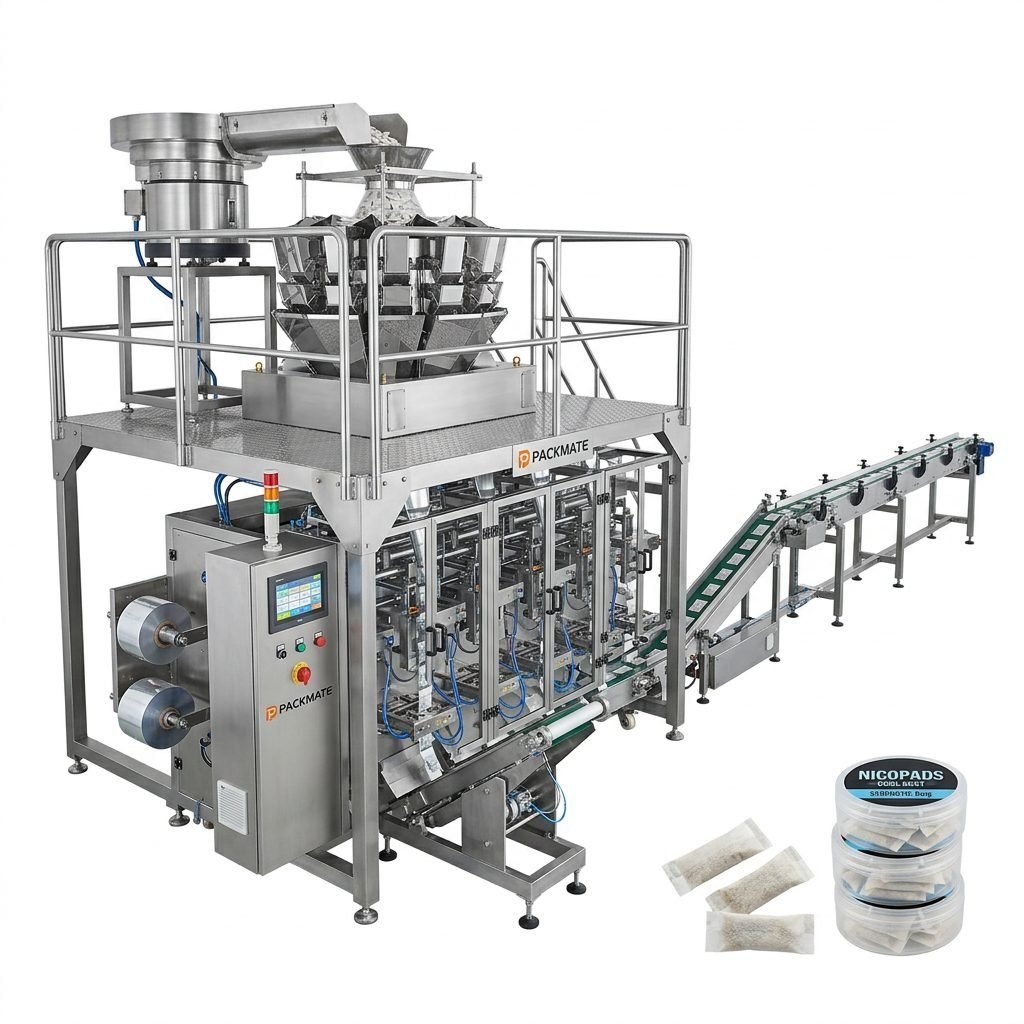
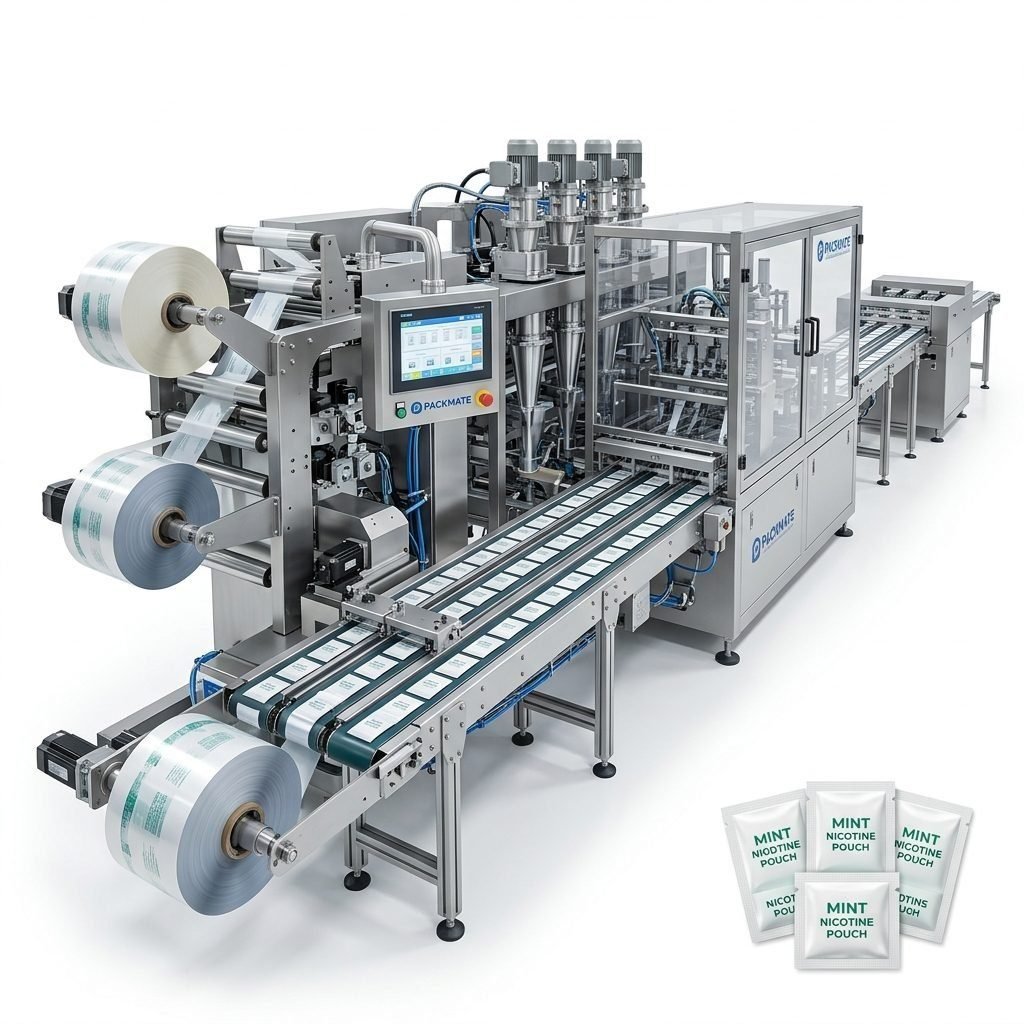
Choosing an experienced manufacturer reduces risk. Packmate Snus Machine, with 30+ years of engineering history and a 20,000㎡ facility, is an example of a supplier with the technical depth required for snus and nicotine pouch lines. Their product range covers multi-lane systems, sachet & stick pack machines, and full filling lines, making them capable of delivering turnkey solutions for varying production scales. Learn more about their product categories such as Snus & Nicotine Packaging Machines and Bag & Pouch Packaging Machines which illustrate typical machine options for this industry.
Useful links for reference:
Negotiation and Purchase Tips
Price is important, but so are lead times, included accessories, training, and warranty. Negotiate:
-
A parts-and-labor warranty period and options for extended support.
-
Inclusion of a commissioning visit or remote commissioning package.
-
Reduced-cost spare part bundles at the time of purchase.
-
A clear payment schedule linked to FAT and SAT milestones.
⚠️ Watch out: Low initial machine cost can hide expensive spare parts, longer downtimes, or poor documentation. Always evaluate Total Cost of Ownership (TCO).
Preparing Your Facility in Micronesia
Before the machine arrives, confirm:
-
Electrical supply specifications and stable power connection; consider a UPS for control cabinets.
-
Ventilation for sealing heads and adequate cleanable flooring for food-grade production.
-
Crane or forklift access for machine unloading and installation area clearance.
-
Local waste handling plans for offcuts or discarded pouches in compliance with environmental rules.
Final Selection Checklist
Use this quick checklist when finalizing a supplier:
-
Factory acceptance video and signed FAT report.
-
Clear spare-parts list and lead times.
-
Training plan, manuals, and language support.
-
Warranty terms, service SLA and remote support options.
-
Export packing, shipping plan, and insurance details for Micronesian ports.
Useful Follow-ups with Suppliers
After initial meetings, request the following:
-
Video demo of the exact model running your product or a similar SKU.
-
References of customers in nearby regions or similar industries.
-
Detailed breakdown of consumables and recommended stock levels.
🔧 Support link: If you want to explore specific machine lines and configurations, check product categories like Sachet & Stick Pack Machines and Weighing & Packaging Systems.
Closing Thoughts
Selecting the right snus packaging machinery supplier for Micronesia requires balancing technical machine capabilities with practical concerns about shipping, local support, and regulatory compliance. Prioritize suppliers who can demonstrate exported projects, provide clear documentation and certifications, commit to strong after-sales service, and assist with logistics planning. This approach minimizes risks and positions your production operation for consistent performance in a challenging island market.
Contact & Next Steps
When you’re ready to request quotes or factory details, reach out for product catalogs, CAD layouts, and a preliminary quote. If you’d like direct supplier contact details or to schedule a remote demonstration, use official contact channels to confirm the latest product availability and lead times (Contact Us).
Frequently Asked Questions
Q1: How long does it take to receive a snus packaging machine in Micronesia?
A1: Typical lead times depend on machine model and manufacturing schedule; after production, sea freight to Micronesian ports can add several weeks due to transshipment. Plan for 8–16 weeks from order to on-site commissioning for many turnkey projects.
Q2: What certifications should I expect from a reputable supplier?
A2: Expect CE declarations, ISO 9001 quality management evidence, and documentation for electrical safety. Suppliers should also provide material safety and testing reports for films used in nicotine pouch packaging.
Q3: Is remote commissioning reliable for overseas installations?
A3: Remote commissioning can be highly effective when paired with clear video links, local technicians, and pre-shipment FAT. However, for first-time setups or complex multi-lane lines, on-site engineer visits are strongly recommended.
Q4: What spare parts should I stock locally?
A4: Stock critical wear parts such as sealing jaws, cutting knives, belts, bearings, and essential electronic modules. Your supplier should provide a recommended spare-parts list and estimated consumption rates.
Q5: Where can I view machine case studies and product lines?
A5: Review supplier case pages and product categories to compare real-world installations and machine configurations. For more details on standard product lines, see the manufacturer’s product pages and case portfolio (Filling & Packaging Lines).