Entering the Moroccan nicotine pouch or snus market requires careful planning. Choosing the right packaging machine supplier is a strategic decision that affects product quality, regulatory compliance, production costs, and launch speed. This guide walks you through practical steps to select the best nicotine packaging machine supplier in Morocco for your business, with specific notes on local habits, logistics hubs, and business customs so you can make an informed investment.
Understand the Moroccan Market and Local Considerations
Morocco’s retail and regulatory environment is shaped by a mix of Arabic and French business practices, a fast-growing urban population, and cultural preferences for discreet, well-presented consumer goods. When evaluating suppliers, consider:
Language and labeling — product labels should support French and Arabic text for markets like Casablanca, Rabat, and Tangier. Suppliers who can help customize artwork and printing to meet local language needs save you costly redesigns.
Regulatory sensitivity — nicotine products are scrutinized by customs and health bodies. Your supplier must understand export documentation, material safety data sheets (MSDS), and should recommend packaging that reduces inspection delays.
Distribution & ports — Morocco’s major ports (Casablanca, Tangier Med) are your gateways to North Africa and Europe. Suppliers experienced with shipping to these ports and handling customs clearance will accelerate time-to-market.
Technical Requirements: What Your Machine Must Deliver
Different nicotine products require different packaging formats. Decide early whether you need stick packs, sachets, multi-lane pouches, or resealable pouches. Key machine capabilities to evaluate include:
✓ Speed & throughput: Machines should match your target output (pieces/min and lanes). For fast-growing brands, multi-lane solutions provide scalable throughput.
✓ Precision dosing: Low-dose nicotine pouches demand accurate weighing and filling systems to ensure regulatory compliance and consistent consumer experience.
✓ Sealing & material compatibility: Heat-seal, ultrasonic or adhesive sealing choices must suit laminate films and barrier requirements for shelf life and protection from humidity.
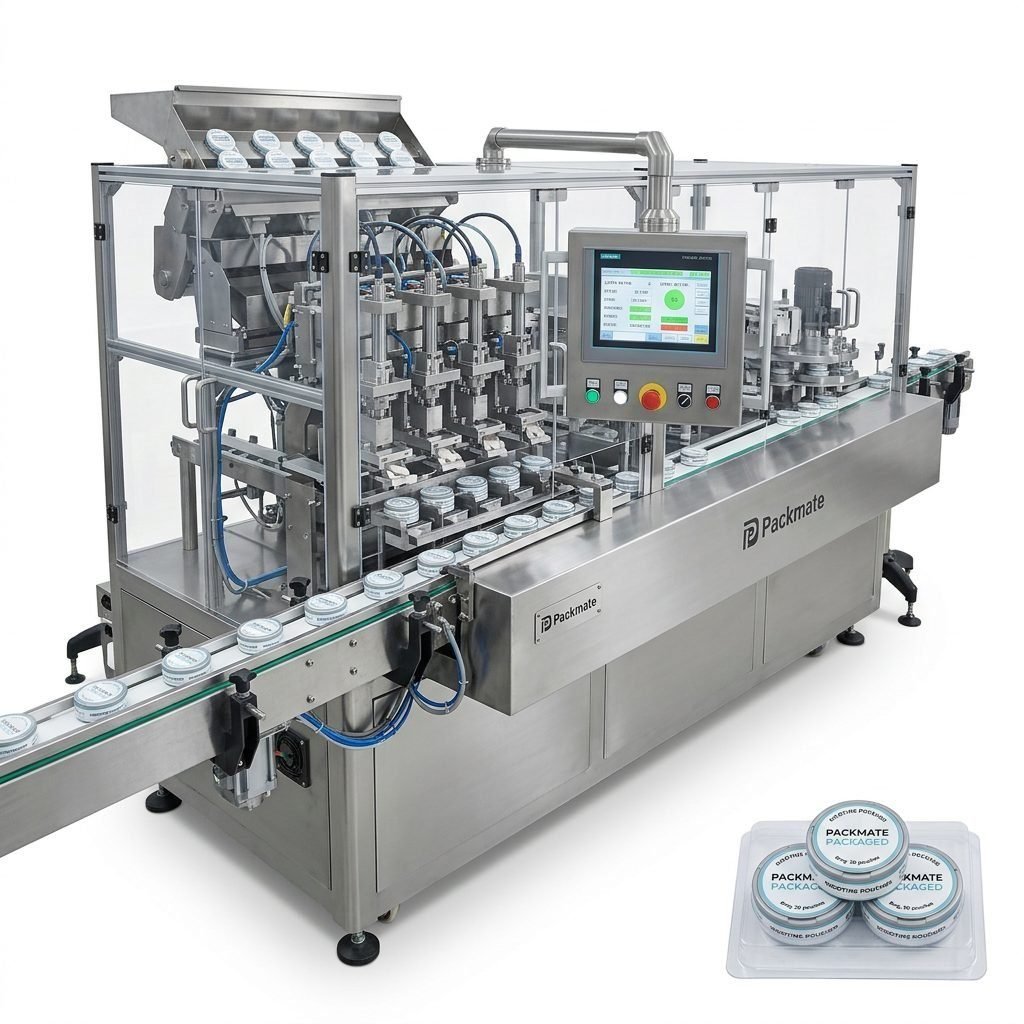
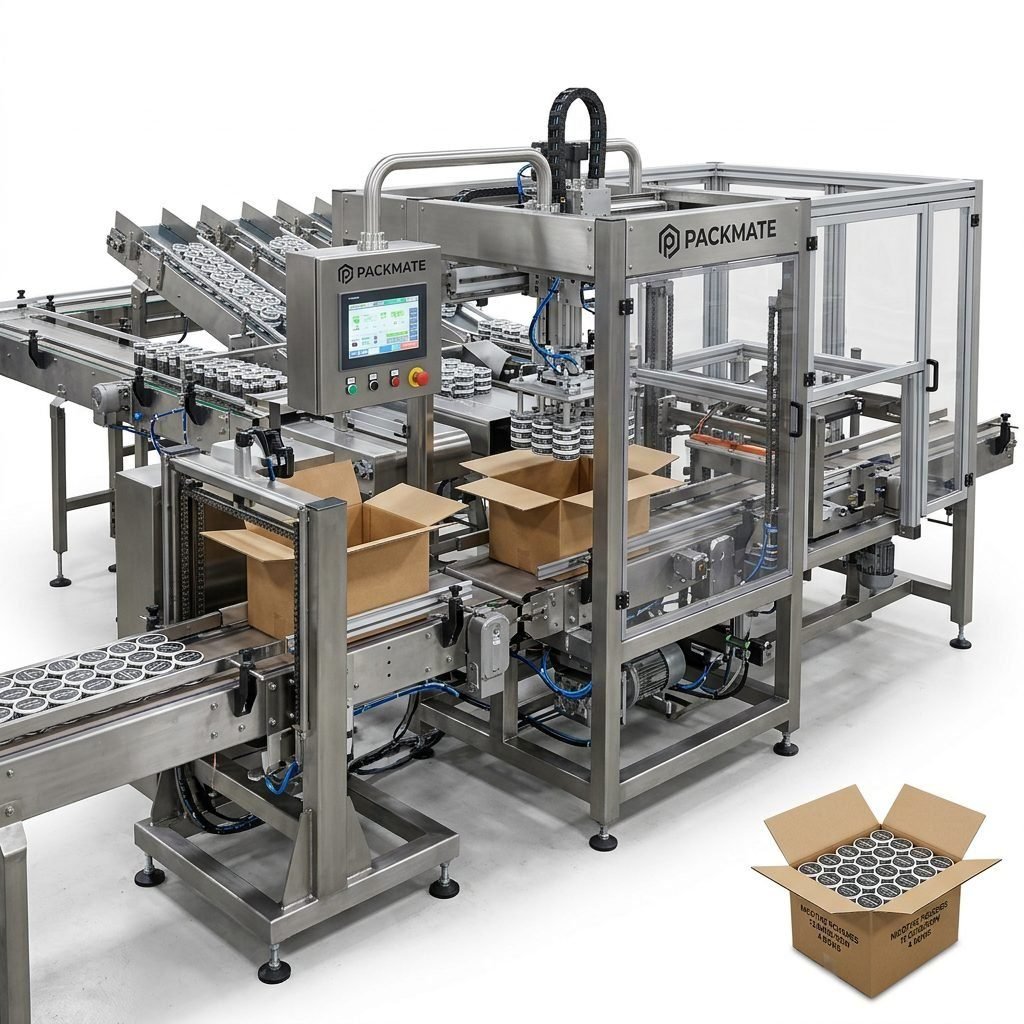
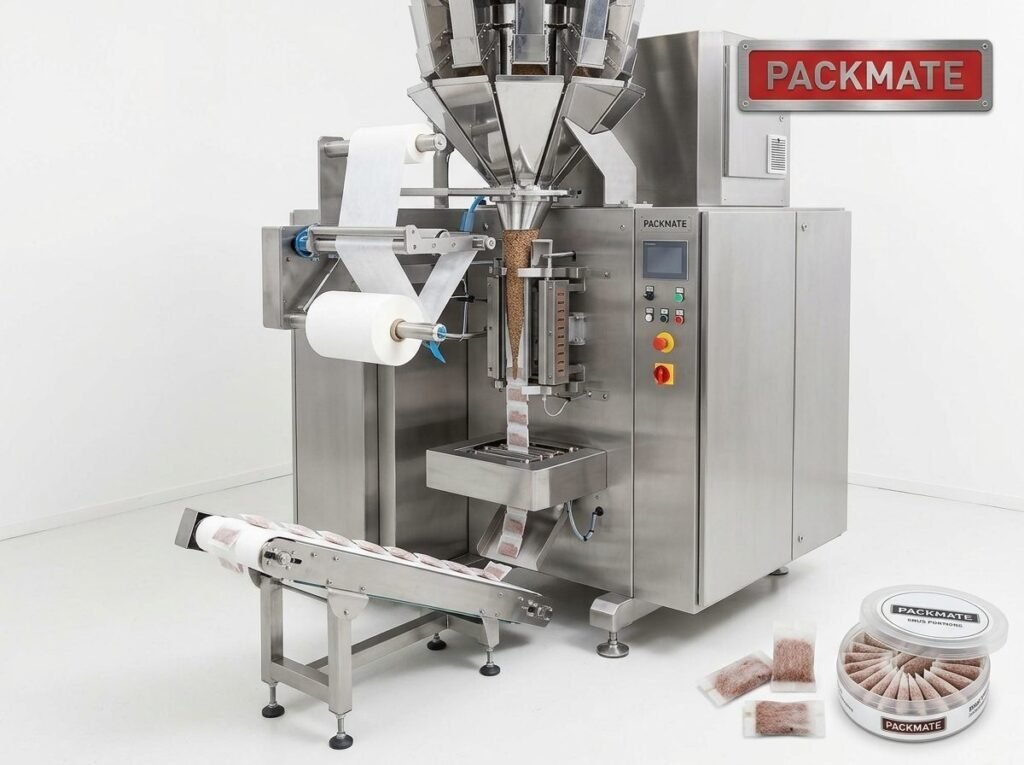
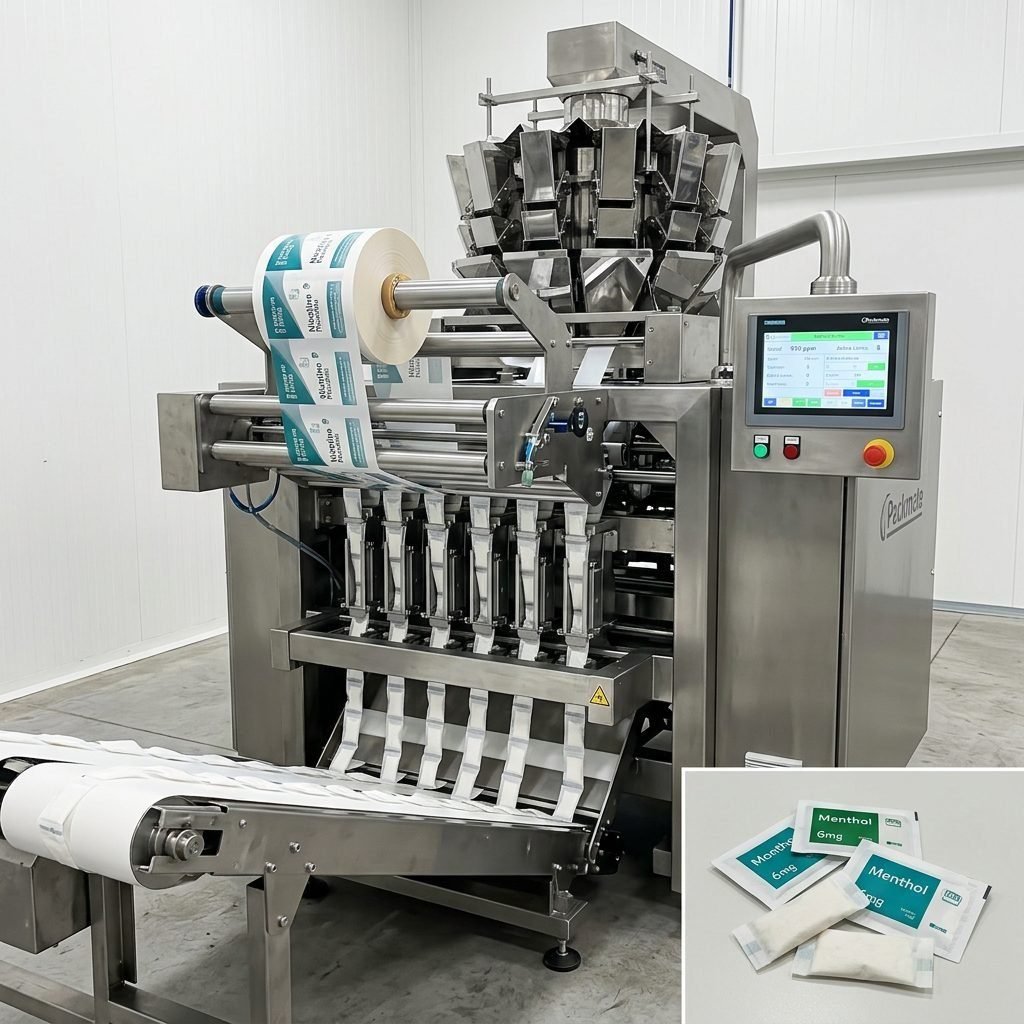
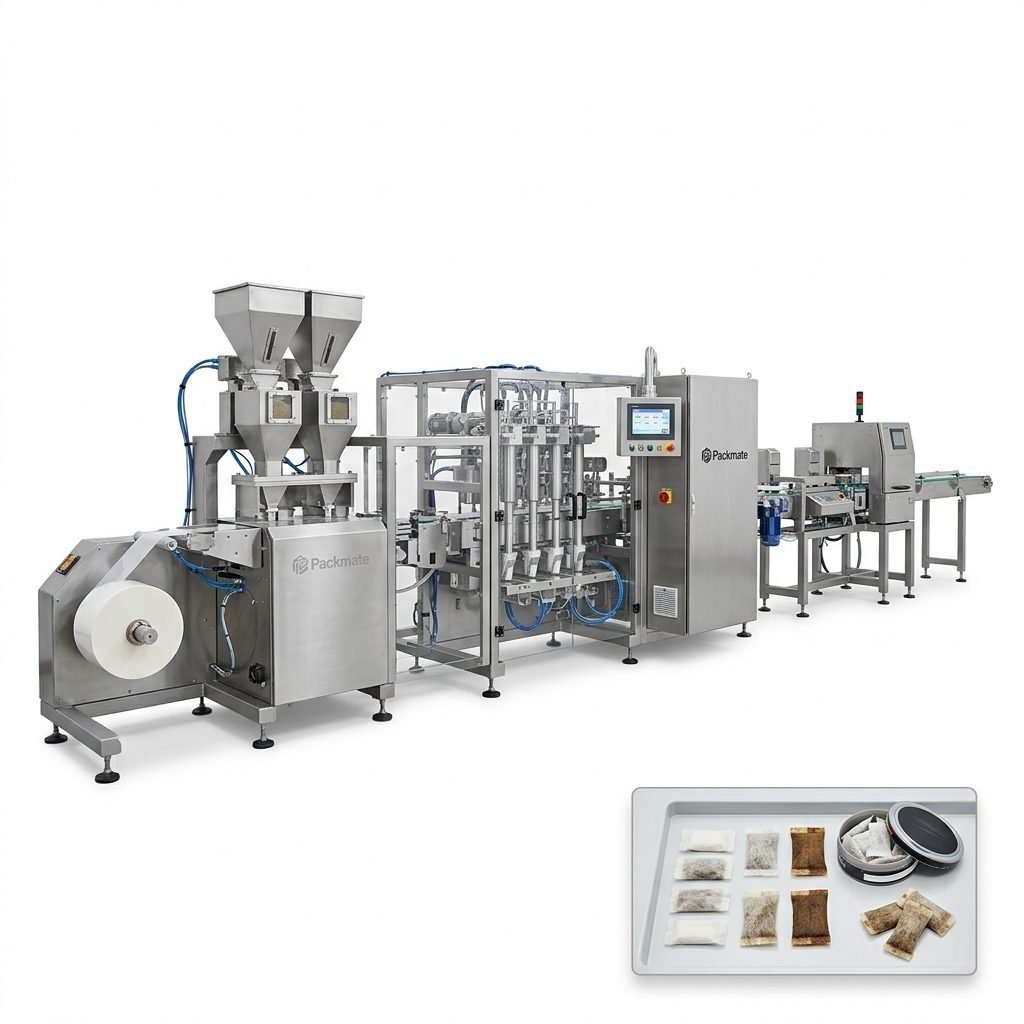
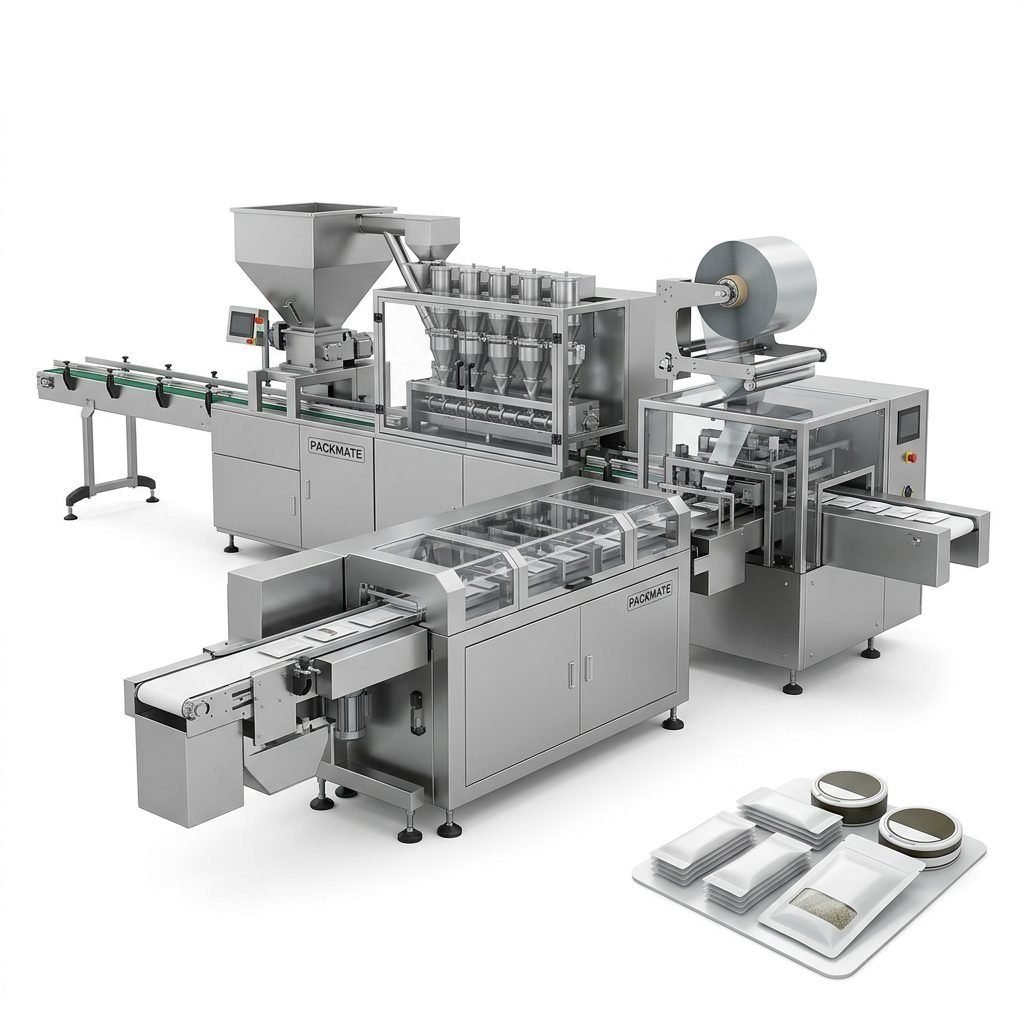
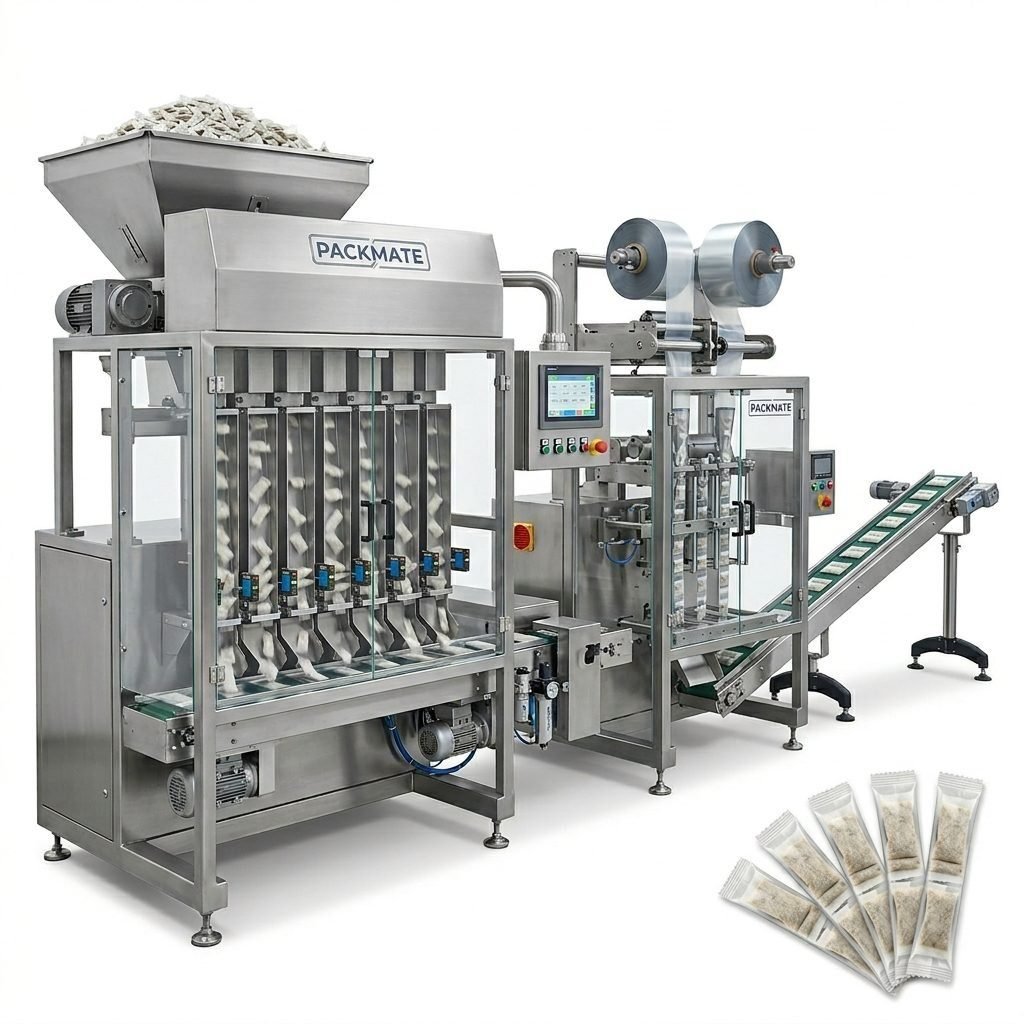
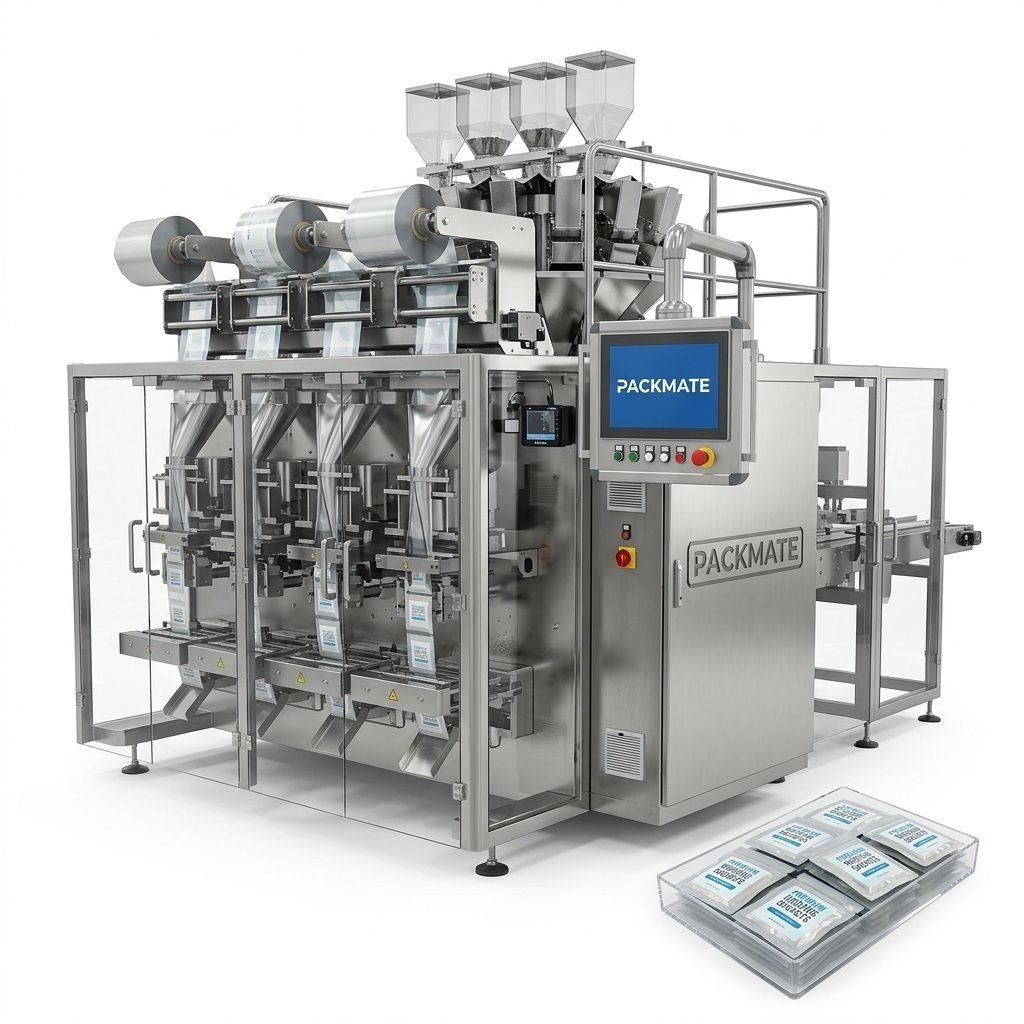
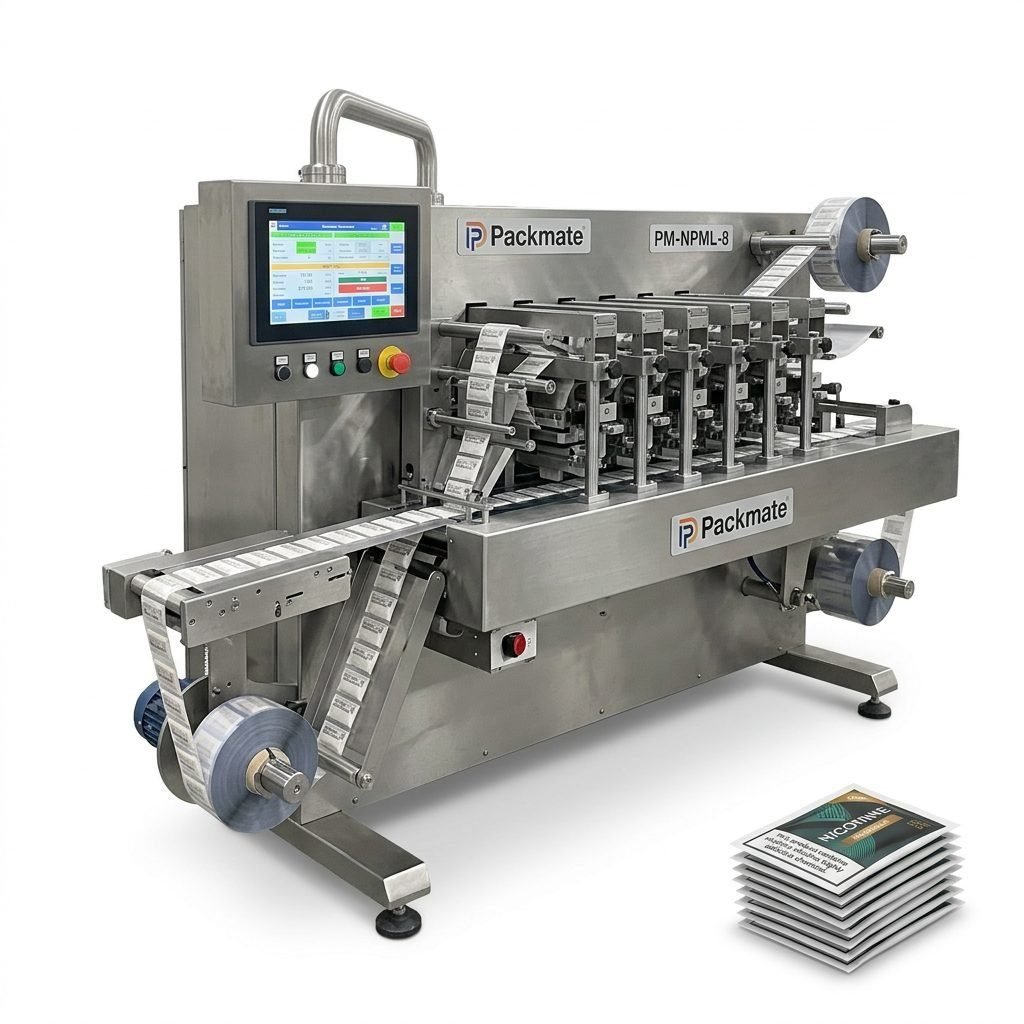
Suppliers like Packmate specialize in snus and nicotine packaging machines and provide solutions ranging from single-lane stick pack machines to high-speed multi-lane lines. See their product range for reference: Snus & Nicotine Packaging Machines and Sachet & Stick Pack Machines.
Factory Strength & Manufacturing Capabilities
Choosing a supplier with a robust factory and mature quality systems reduces risk. Look for:
– A large manufacturing footprint and precision equipment (e.g., CNC centers) so parts are consistent and tolerances are tight. Packmate operates a 20,000㎡ facility with advanced CNC and precision assembly lines.
– In-house testing and assembly lines to run long-duration stability tests and full production simulations. This ensures the delivered line meets promised speeds and quality.
– Certification and compliance (CE, ISO) to reassure buyers and facilitate international sales. Learn more about factory strengths at About Packmate.
Quality Control, After-Sales Support and Spare Parts
After-sales support can make or break your line uptime. Ensure the supplier offers:
✓ Spare parts availability: Confirm lead times for critical spares and availability of local stocking options.
✓ Remote diagnostics & training: Remote support via video and on-site commissioning help reduce downtime and accelerate operator competency.
✓ Warranty & service contracts: Negotiate clear SLAs for response times and preventive maintenance schedules.
Commercial Terms, Lead Time and Logistics
Understand total landed cost — machine price is only part of the equation. Ask suppliers about:
– Typical lead times for standard models and for customizations. High-precision multi-lane systems usually require longer build and testing time.
– Suggested shipping terms: FOB, CIF to Casablanca or Tangier Med, and experience handling Moroccan import processes to avoid delays.
– Payment terms and financing options. Moroccan buyers often use letters of credit or escrow arrangements — ensure the supplier can accommodate these methods.
Cultural Tips for Doing Business in Morocco
Personal relationships and trust matter. Prioritize face-to-face meetings or video calls, learn basic French greetings, and be mindful of religious holidays (Ramadan can affect schedules). Suppliers who show cultural awareness and flexibility will build stronger partnerships.
Red Flags to Watch For
⚠️ Long unclear lead times, no references from similar projects, and refusal to allow a factory visit are major red flags. Also be cautious if a supplier cannot provide machine acceptance tests or references for nicotine/snuff packaging lines.
Supplier Evaluation Checklist (Quick)
✓ Production capability: Confirm factory size, CNC capacity, and number of assembly/test lines.
✓ Track record: Request case studies or references similar to your product — see examples in supplier case pages like Case.
✓ Compliance: Verify CE/ISO certificates and the supplier’s experience with export documentation for Morocco. Check certifications at Certificate.
✓ After-sales: Confirm training availability, remote support, spare parts lead times and service offerings via their Service page.
Why a Turnkey Partner Can Be Valuable in Morocco
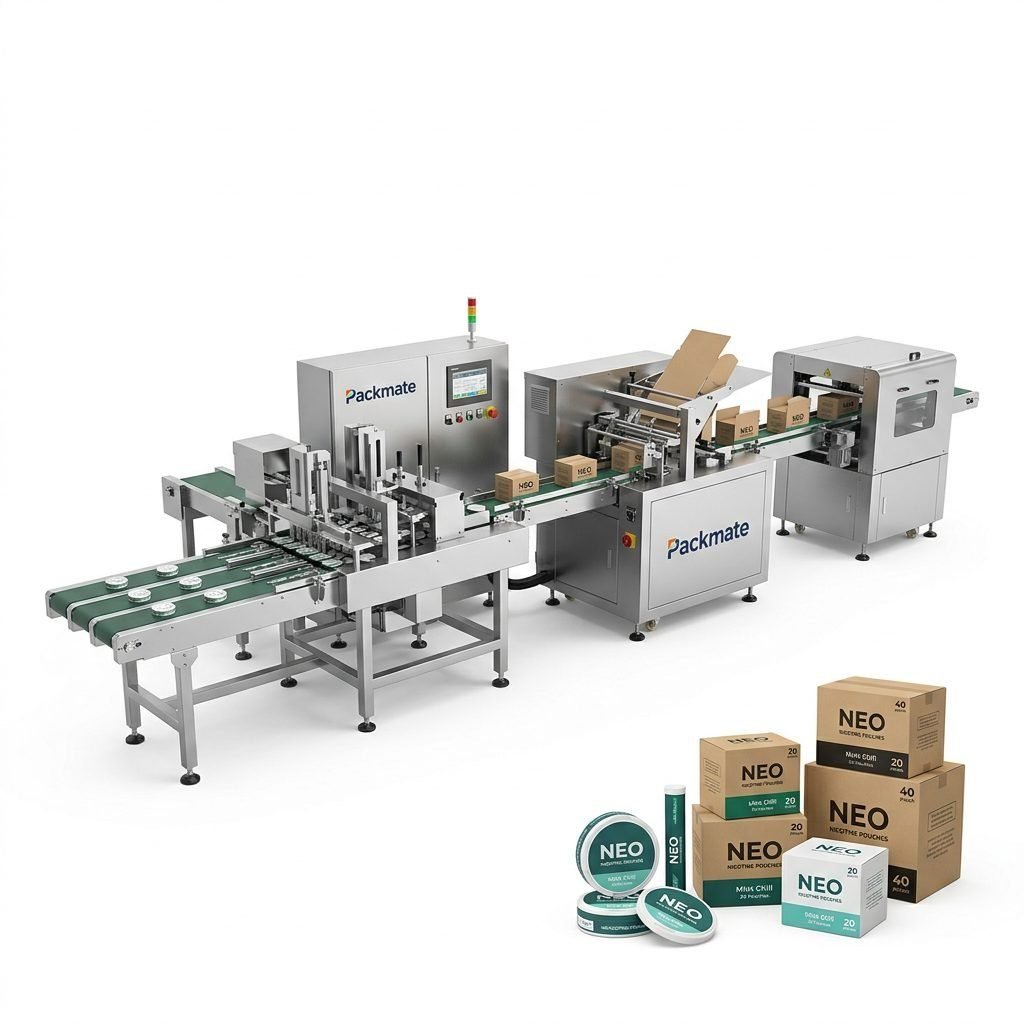
A turnkey provider delivers integrated filling, weighing, packaging, and auxiliary equipment as a coordinated line. For Moroccan companies expanding fast or exporting to EU/North Africa, turnkey lines reduce integration risk, shorten commissioning time, and help manage regulatory checks across the production chain. Explore integrated solutions at Filling & Packaging Lines.
Key negotiation points:
– Acceptance test criteria and penalties for missed performance.
– Spare parts kit included, and guaranteed delivery times for critical components.
– Training hours for operators and maintenance staff included in the contract.
How to Validate a Supplier Before Purchase
– Request video demonstrations of machines running your product spec.
– Ask for raw test data of weight consistency, sealing integrity, and sample packs.
– Visit the factory or verify via third-party inspection reports. Suppliers participating in international shows often provide live demos—check their exhibition history at Our Exhibition.
Final Considerations for Moroccan Buyers
Moroccan buyers should prioritize suppliers that demonstrate export experience to North Africa and Europe, can support bilingual labeling, and offer strong after-sales support. A partner who understands local customs procedures and can coordinate shipping to Casablanca or Tangier Med will minimize delays and unexpected costs.
If you want to explore specified product lines and configurations, check specialist categories such as Bag & Pouch Packaging Machines and Weighing & Packaging Systems for integrated solutions that complement nicotine pouch production.
Quick summary: Choose a supplier with proven nicotine packaging experience, robust manufacturing capabilities, international certifications, strong after-sales support, and knowledge of Moroccan market nuances. Prioritize clarity on lead times, spare parts, and installation services to ensure a smooth production ramp-up.
Common Questions
Q1: How long does it take to receive and commission a nicotine packaging line in Morocco?
A1: Typical lead times vary by complexity — standard machines can ship in 8–12 weeks, while customized multi-lane turnkey lines often require 14–24 weeks including FAT (Factory Acceptance Test) and shipping. Local customs clearance using experienced forwarders at Casablanca or Tangier Med can add a few days to a few weeks.
Q2: What certifications should I require from a packaging machine supplier?
A2: Require CE and ISO certification as baseline, evidence of quality control processes, and references for nicotine or tobacco-related packaging projects. Ask for material conformity documents and MSDS for consumable parts.
Q3: Can suppliers provide bilingual labeling and artwork support for the Moroccan market?
A3: Many experienced suppliers offer artwork and printing support to adapt labels to French and Arabic requirements. Confirm their capability early and include artwork proofing steps in the contract.
Q4: How do I ensure quick after-sales service in Morocco?
A4: Negotiate spare parts kits, remote diagnostics, and local service partner introductions. A supplier with an accessible service portal and fast spare parts logistics will reduce downtime.
Q5: Where can I find examples of reliable nicotine packaging systems?
A5: Review specialist product pages and case studies from experienced manufacturers. Useful references include Packmate’s product categories and case studies: Snus & Nicotine Packaging Machines, their Case library, and Contact Us for direct inquiries.