Angola’s consumer market is evolving fast, and companies that manufacture or distribute nicotine pouches, snus, or similar tobacco-free nicotine products need reliable packaging partners to stay competitive. Choosing the right nicotine packaging machine supplier in Angola requires balancing technical performance, regulatory compliance, logistics, and local business customs — all while making sure your production lines are safe, efficient, and cost-effective.
Why the Right Packaging Partner Matters in Angola
Angola presents unique opportunities and challenges: a Portuguese-speaking business culture, a growing urban population, and specific import and labeling rules. A strong supplier helps you adapt packaging formats to local preferences, ensures labeling compliance in Portuguese, and minimizes downtime through dependable service and spare parts supply. Choosing a supplier with proven experience in nicotine pouch technologies reduces product recalls, speeds time-to-market, and protects margins.
Product Fit: Match Machine to Your Nicotine Pouch Style
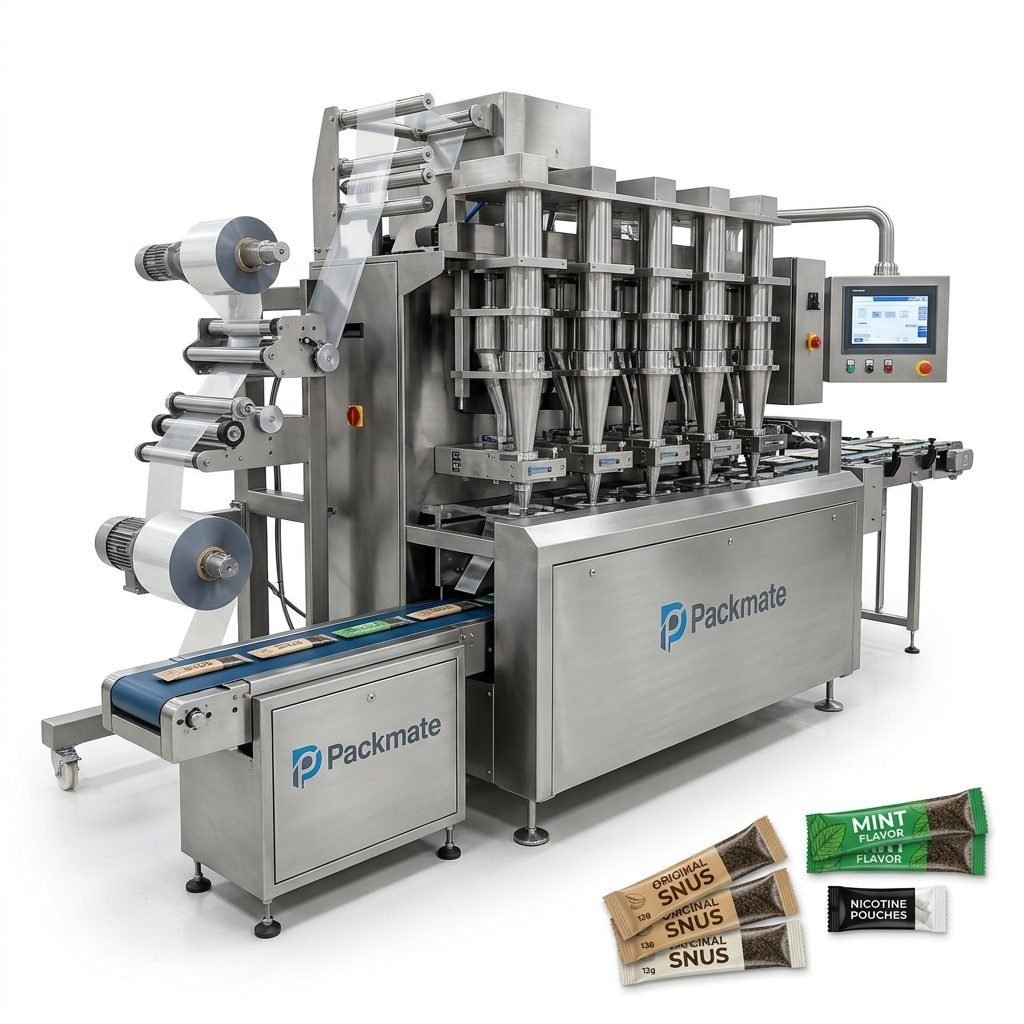
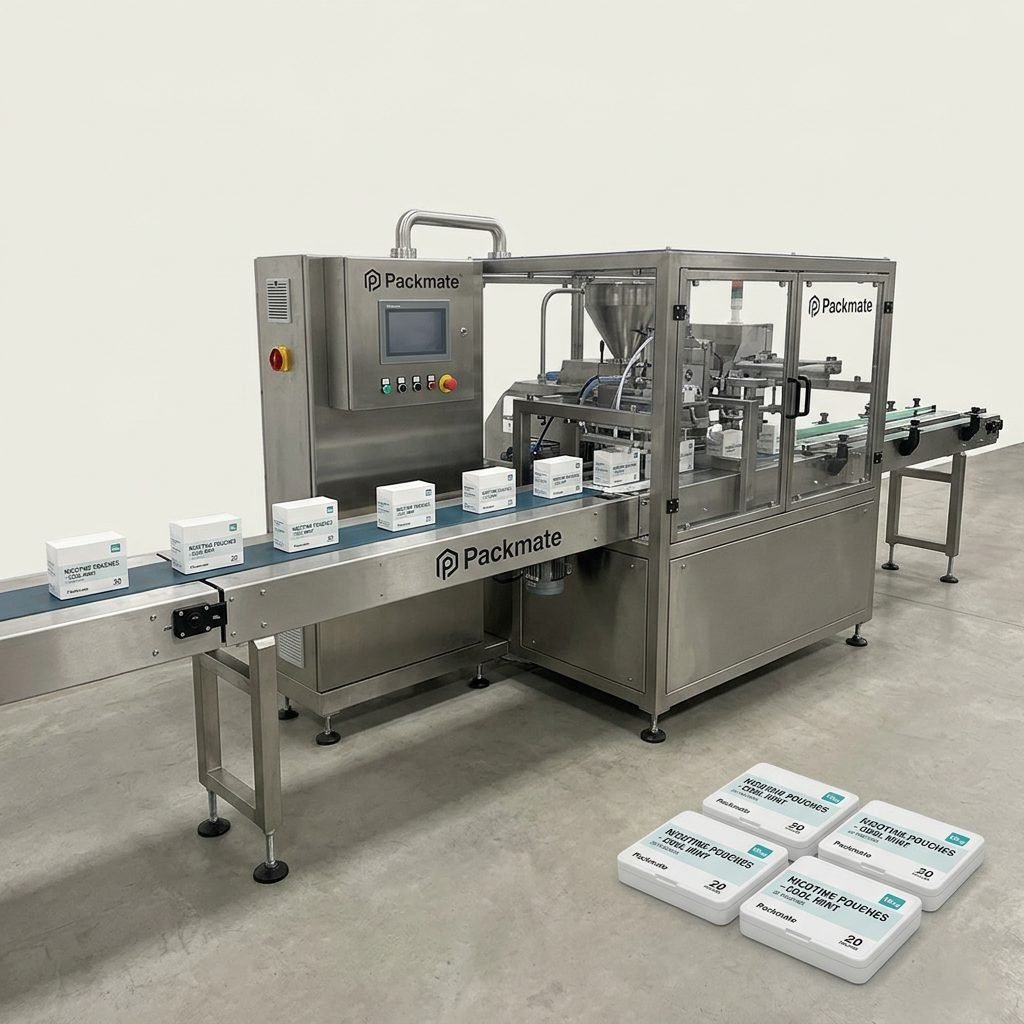
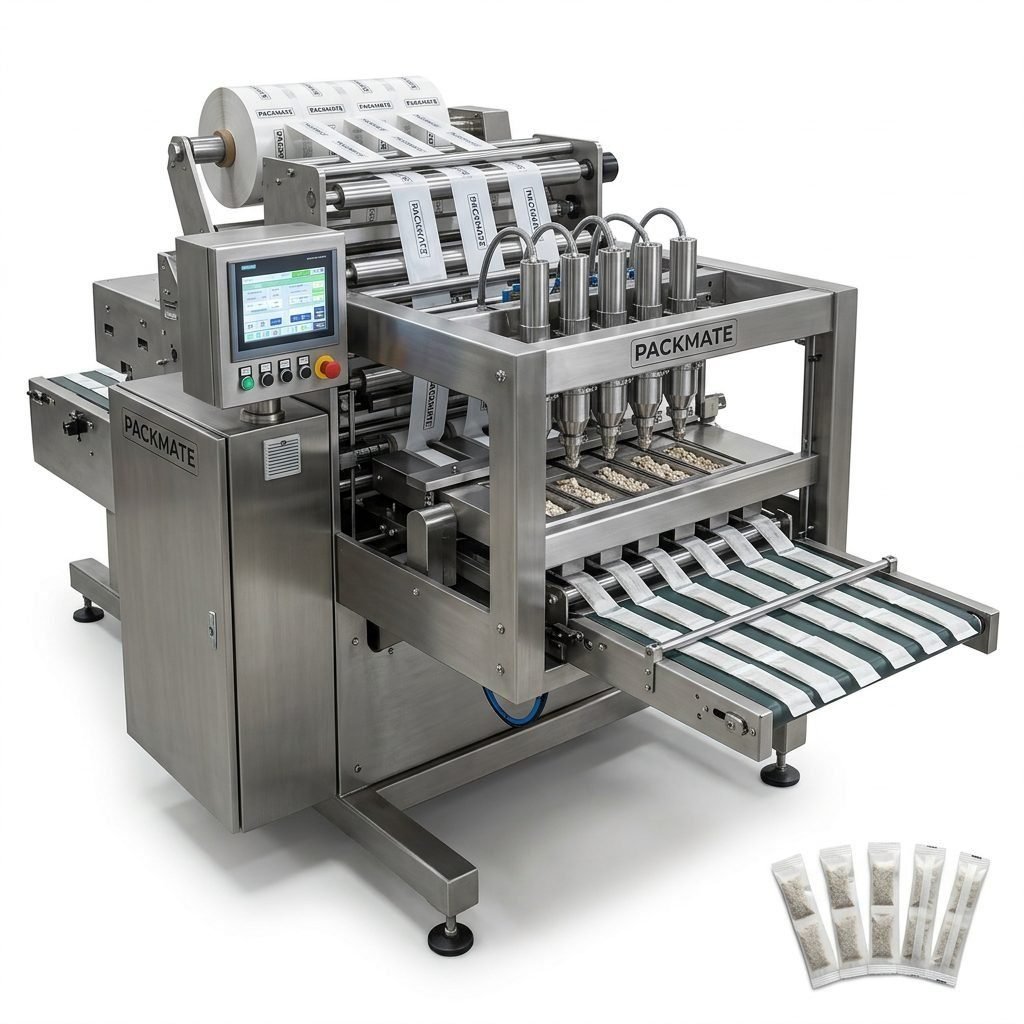
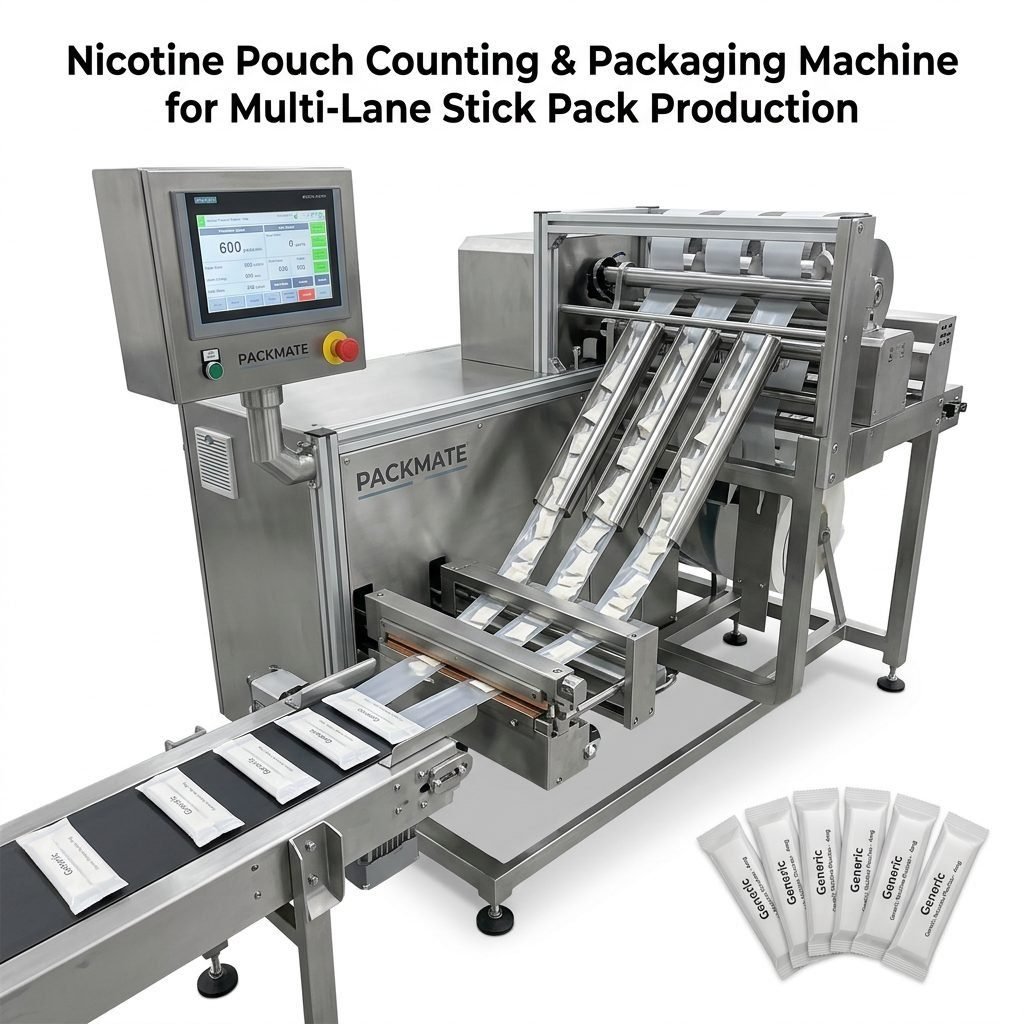
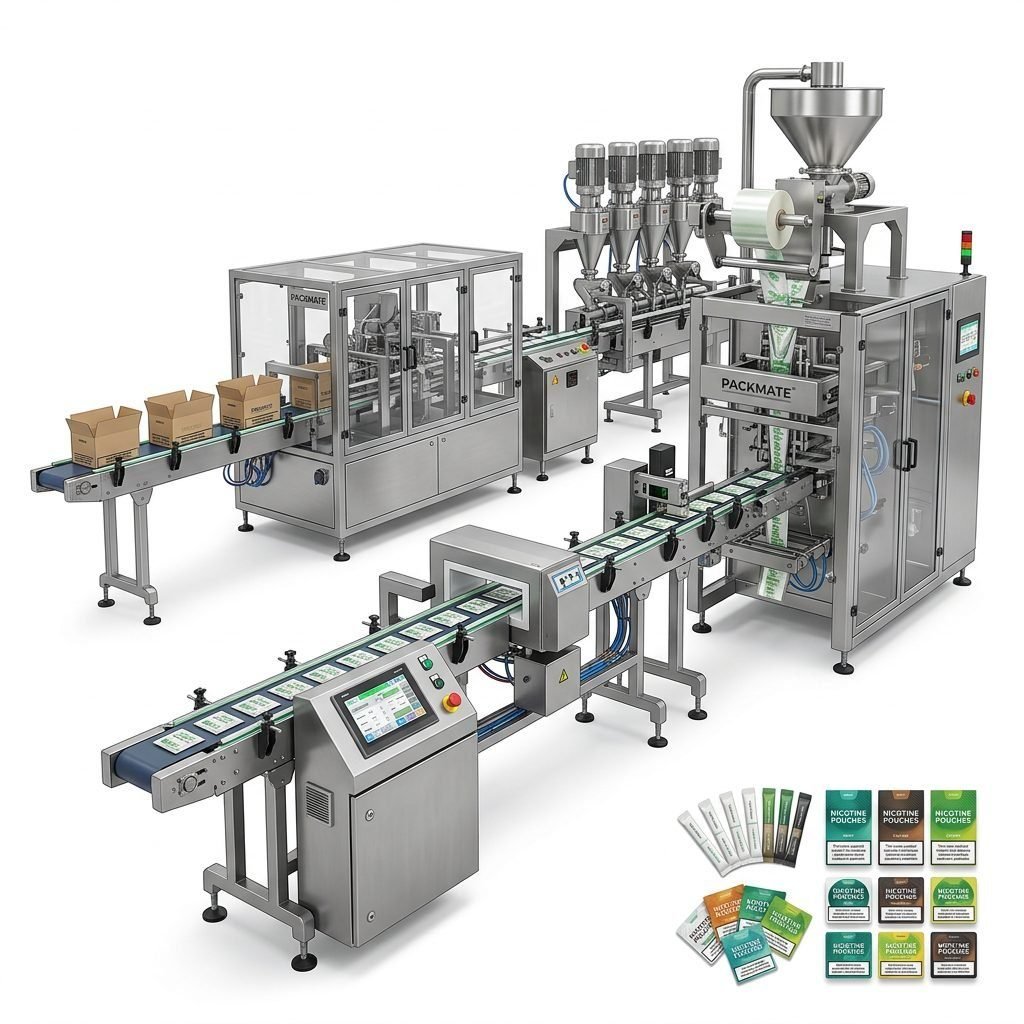
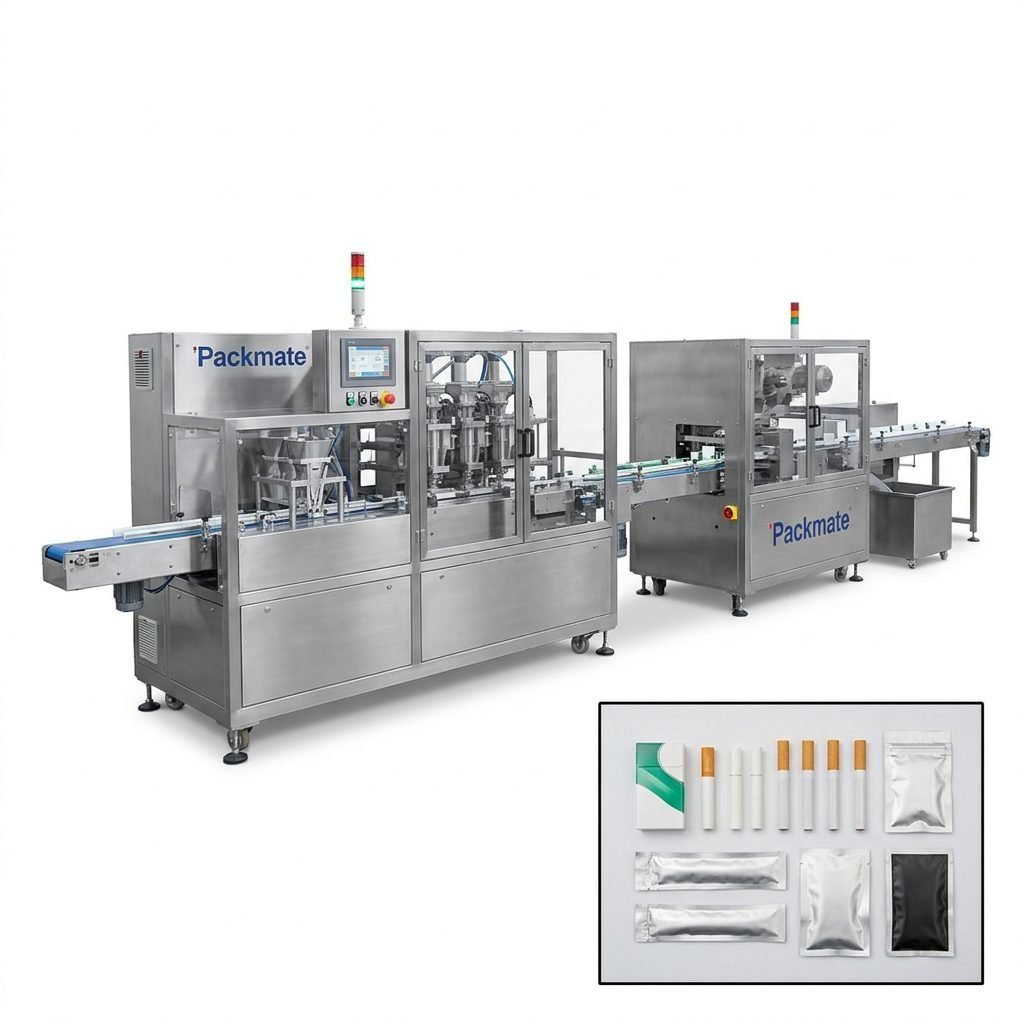
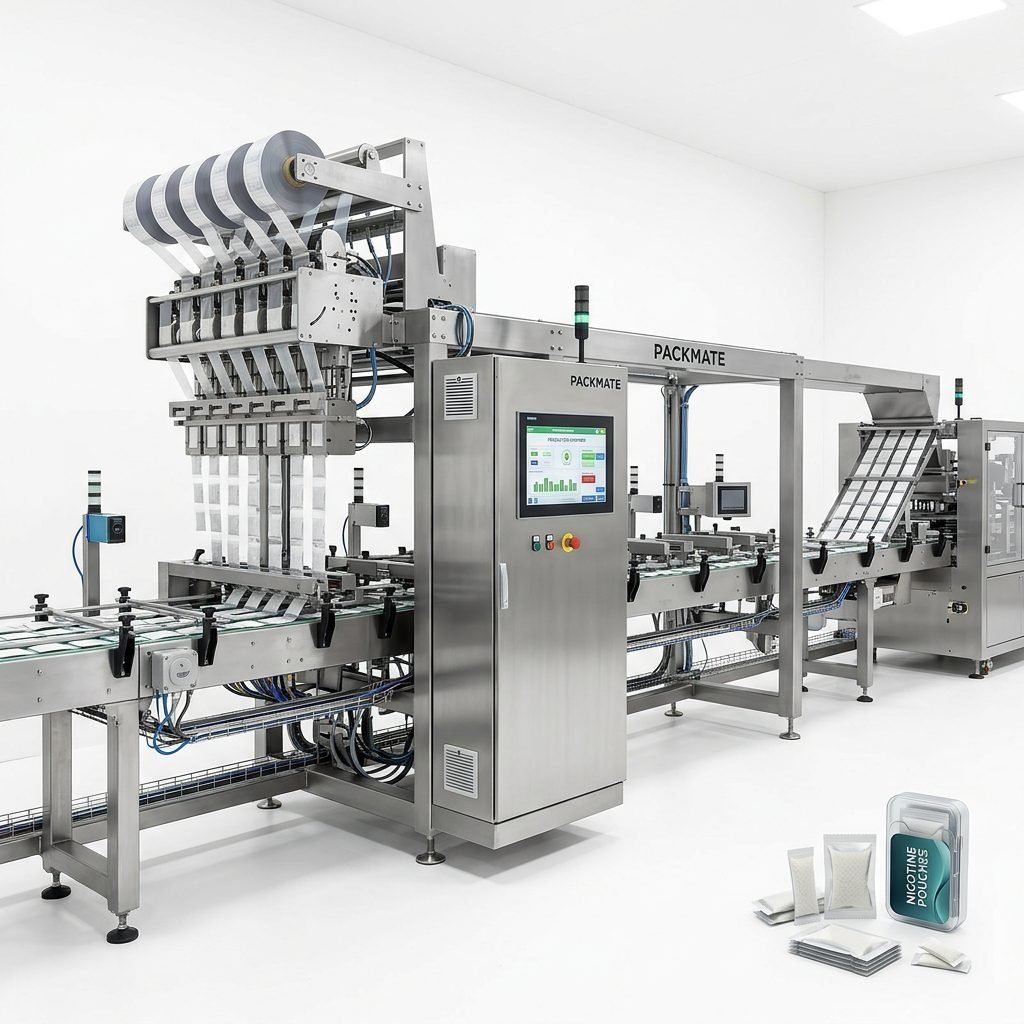
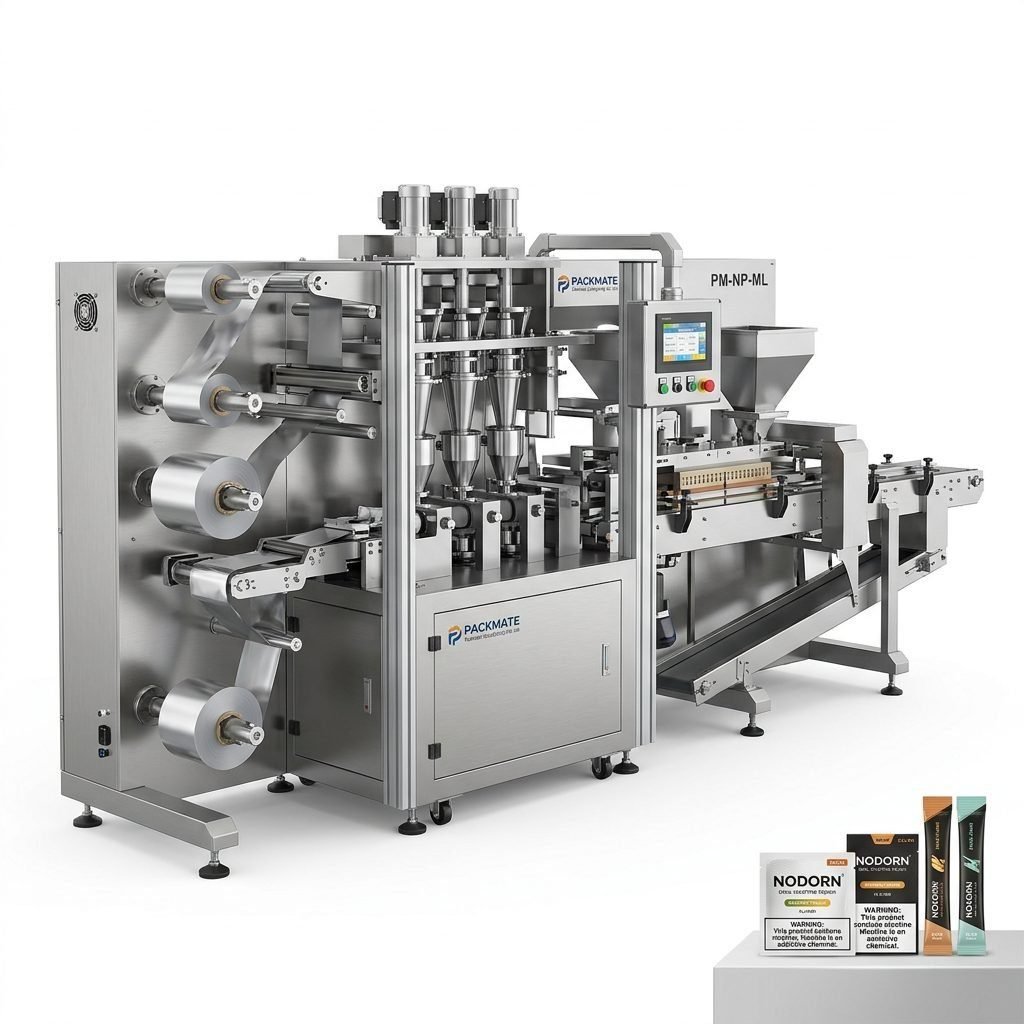
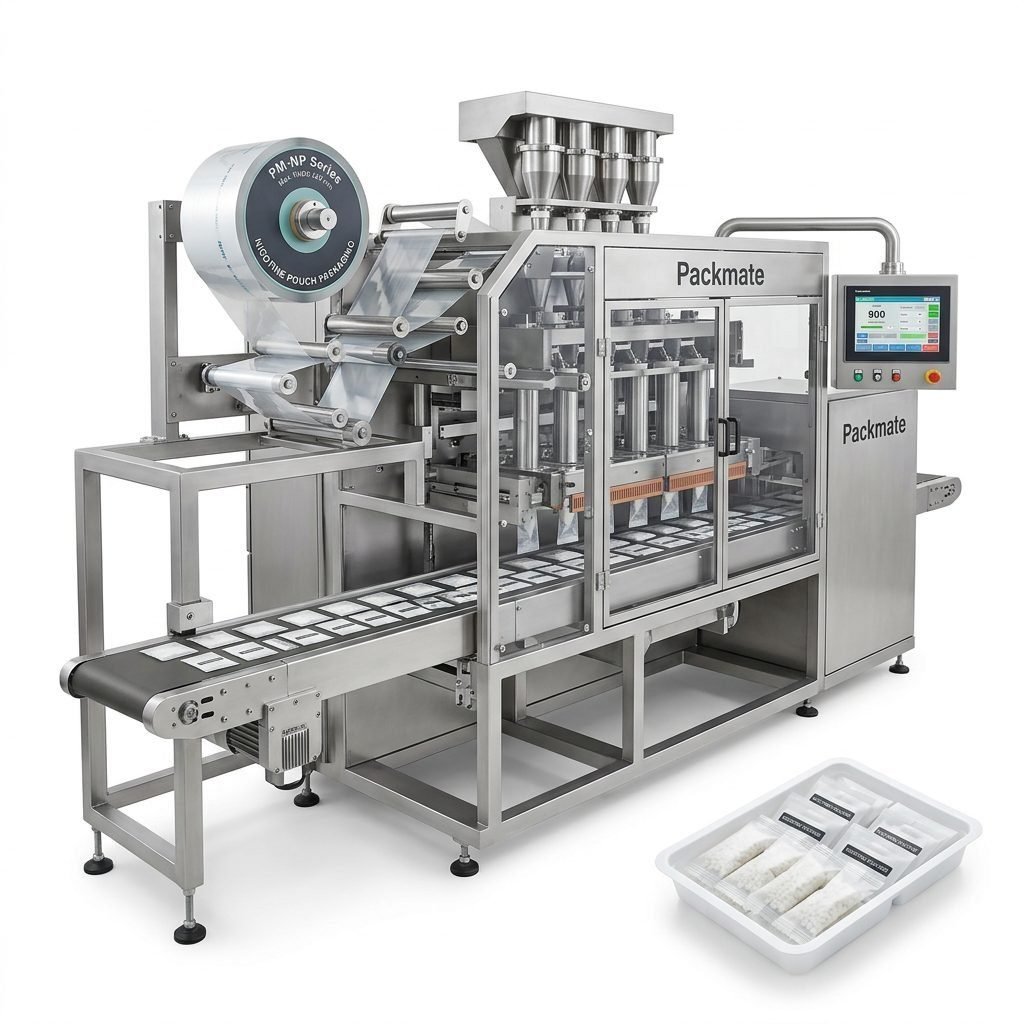
Nicotine products vary widely — from small-dose snus-style pouches to stick packs or sachets. Before selecting a supplier, define your ideal pouch size, fill material (powder, granular, or wet), dosing accuracy, and multi-lane throughput needs. Suppliers like Packmate offer specialized lines including stick pack, sachet, and multi-lane systems tailored for nicotine pouches — see their Snus & Nicotine Packaging Machines for model options and specifications.
Key machine features to evaluate
Look for machines with: high dosing precision, quick changeover capabilities, hygienic design for easy cleaning, modular automation for future upgrades, and compatibility with your desired bag/foil materials. Multi-lane systems are especially valuable if you expect to scale production or pack small-dose pouches at high speeds.
Capacity, Scalability and Total Output
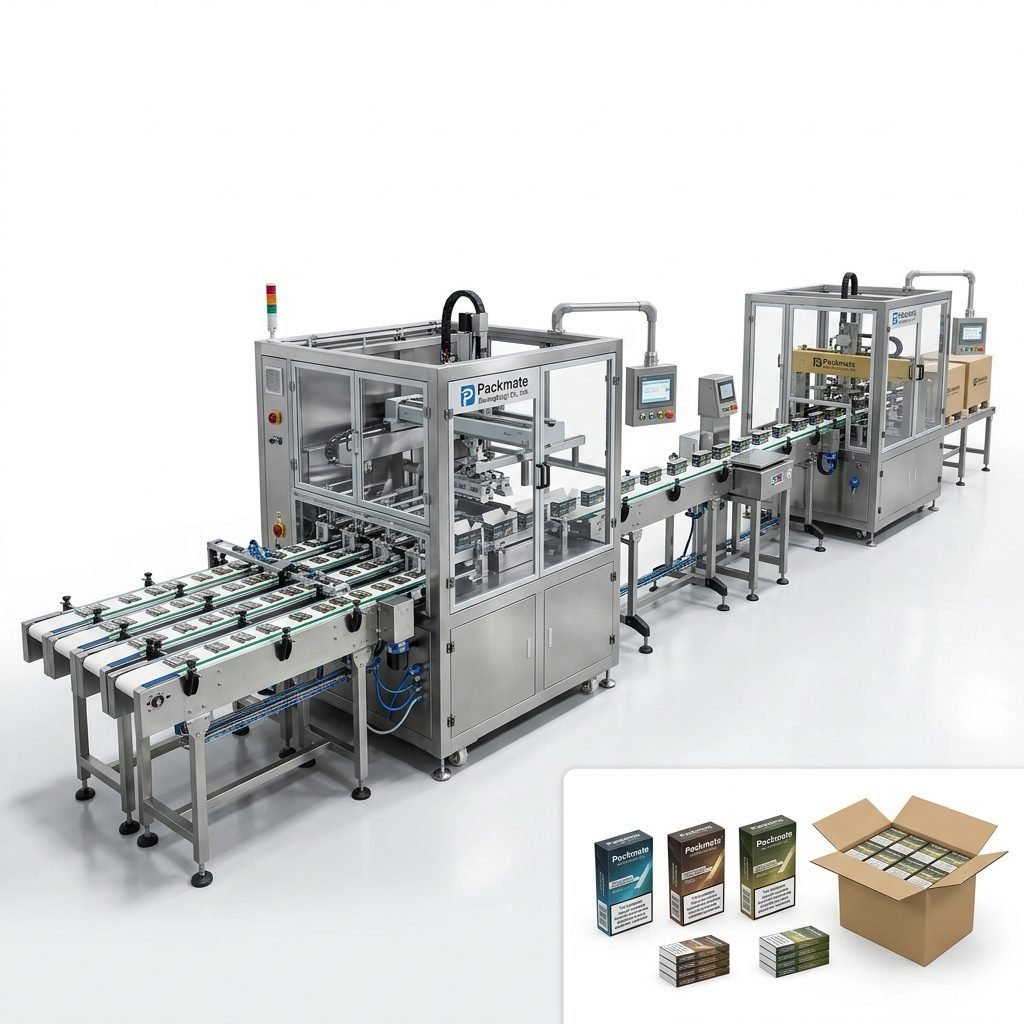
Determine both your current production targets and expected growth over 2–5 years. A supplier with 50+ machine models and turnkey solutions can often provide a path to scale without costly re-investment. Consider whether you need a single-line pilot machine or a full automated production line that integrates weighing, feeding, filling and final packaging.
Supplier Credentials: Trust but Verify
Technical credentials and factory strength are tangible indicators of reliability. Verify certifications (CE, ISO) and ask for documented test results. Suppliers with a long history and a large manufacturing footprint demonstrate maturity — for example, Packmate’s 30+ years of engineering experience and a 20,000㎡ factory with advanced CNC machining centers show a capacity to deliver robust machines.
Factory Transparency & Third-Party Validation
Request factory photos, assembly-line walkthroughs, and QA protocols. Third-party audits, customer references, and case studies of installations in similar markets provide evidence of performance. You can review real-world cases and exhibition performances to check fit and reliability.
🔍 Quick link recommendations:
Snus & Nicotine Packaging Machines,
About Packmate,
Certificate,
Service
After-Sales, Spare Parts & Training
After-sales support is a dealmaker. In Angola, where importing spare parts can become time-consuming, ensure the supplier can ship parts quickly, supply spare parts kits with machines, and provide remote technical support. Ask about on-site installation, local training for operators and maintenance staff, and the availability of replacement parts close to your location.
Service Agreements & Response Times
Negotiate Service Level Agreements (SLAs) that specify maximum response times, guaranteed spare parts inventory, and periodic preventive maintenance. A supplier that regularly exhibits at international shows and has global cooperation cases is more likely to offer mature service networks and fast remote diagnostics.
✅ Supplier Vetting Checklist
✔️ Certifications: CE, ISO and test reports.
✔️ Factory capacity: machining centers, assembly lines, QA processes.
✔️ After-sales: spare parts lead time, online technical support, installation and staff training.
✔️ References: client cases in similar regions or industries.
✔️ Warranty: clear terms and options for extended coverage.
Cost Considerations: Beyond the Purchase Price
The lowest quote rarely wins when long-term uptime and quality matter. Evaluate the total cost of ownership (TCO): energy consumption, spare parts pricing, maintenance labor, downtime risk, and consumables (films, pouches, adhesives). Consider import duties, clearance fees at Luanda port, and local VAT — all of which affect landed cost in Angola.
Finance, Payment Terms & Risk Management
Discuss payment terms (deposit, balance on shipment, letters of credit) and whether the supplier offers financing or leasing options. For first-time imports, choose a supplier that will support documentation for customs clearance and provide clear packing lists, CE/ISO certificates, and installation guides.
Regulatory Compliance & Labeling for Angola
Packaging for nicotine products is highly regulated. In Angola, ensure product labels are in Portuguese and include required health information, ingredient lists, batch numbers, and manufacturing dates. Packaging materials must meet local safety and waste-disposal policies. Your supplier should help adjust printing and labeling stations to produce compliant labels and variable data printing.
Quality Control, Traceability & Batch Management
Insist on machines that support batch coding, serialized barcodes or QR codes for traceability, and stable filling accuracy that meets legal tolerances. Choose systems that can integrate with your ERP for inventory control and batch recalls if necessary.
Factory Acceptance Tests (FAT) and On-Site Acceptance
Perform FAT before shipment to validate machine performance against agreed KPIs and run realistic product trials. For suppliers with global exhibition presence or video demo capability, request live demonstrations. After shipment, conduct Site Acceptance Testing (SAT) at your Angolan facility to confirm installation, operator training, and performance under local conditions.
📦 Pro tip: Ask for a spare-parts starter kit and a minimum 12-month warranty that includes remote support and defined on-site response times.
Logistics & Local Clearance
Shipping heavy machinery to Angola requires careful planning: choose between sea freight to Luanda, container type and crating, and an experienced freight forwarder familiar with Angolan customs. Provide clear HS codes, CE and ISO certificates, and ensure local import permits for nicotine-related equipment are in order. Plan for local transport from port to plant and cranes or forklifts for unloading.
Local Agents, Warranties and Maintenance Contracts
Consider partnering with a local agent or distributor who understands Angolan market nuances and can provide first-line support. If the supplier has no local representative, ask for training programs that enable your technicians to perform preventive maintenance and troubleshooting.
Business Culture & Practical Negotiation Tips for Angola
Angola’s business culture values personal relationships and trust. Portuguese is the primary business language — ensure contracts and manuals are available in Portuguese where possible. Expect decisions to involve senior management; be patient and invest time in building rapport. Payment methods commonly used include bank transfers and letters of credit; clarify currency and incoterms early.
Cultural nuances to respect
Face-to-face meetings and factory visits improve mutual trust. Offer clear timelines, reliable documentation, and transparent communication. Having a bilingual project manager or local representative can streamline negotiations and post-sale coordination.
⚠️ Red Flags When Evaluating Suppliers
⚠️ Vague warranty terms or no spare parts list.
⚠️ Lack of FAT/SAT, or refusal to run product samples on request.
⚠️ No clear local support path for Angola, or indefinite response times.
⚠️ Poor or no customer references in similar markets or industries.
Final Selection Roadmap
1) Shortlist suppliers based on technical fit, certifications, and references. 2) Request detailed quotes including shipping, spare parts, training, and SLAs. 3) Perform FAT with your actual product and agree on KPIs. 4) Negotiate clear payment terms, warranty coverage and spare parts lead times. 5) Plan logistics, customs clearance and on-site installation with experienced local partners.
Working with a skilled supplier will help your business produce consistent, compliant nicotine pouches with minimal downtime. Look for suppliers with long-term engineering experience, a robust manufacturing footprint, and proven global service — attributes that support sustainable operations in Angola’s growing market.
If you want to explore specific machine models, production line packages, or case studies showing installations in similar markets, review a supplier’s product pages and case references to validate real-world performance and support capabilities.
Helpful resources:
Filling & Packaging Lines,
Case studies,
Contact Us
Frequently Asked Questions
Q1: What certifications should a nicotine packaging machine supplier have?
A1: Prefer suppliers with CE and ISO certifications, documented quality control procedures, and verifiable factory audits. These credentials indicate compliance with international standards and safer products for your market.
Q2: How long does it typically take to receive and install a full packaging line in Angola?
A2: Lead times vary by machine complexity and spare parts availability. Shipping by sea to Luanda typically takes several weeks; add customs clearance and local installation which can extend the timeline. Plan for 2–4 months for delivery and installation for standard lines, longer for fully custom turnkey solutions.
Q3: What local documentation is required for customs clearance in Angola?
A3: Common documents include commercial invoice, packing list, bill of lading, CE/ISO certificates, and any permits related to nicotine product equipment. Work with your supplier and freight forwarder to prepare accurate HS codes and certificates to avoid delays.
Q4: How can I ensure spare parts and service responsiveness?
A4: Request a spare parts kit, defined lead times in the contract, and a service agreement with guaranteed remote support hours and on-site response times. Suppliers with global exhibition presence and case references usually provide more reliable after-sales care.
Q5: Is it better to buy a modular machine or a fully integrated turnkey line?
A5: Choose based on scale and budget. Modular machines are cost-effective for pilots and gradual scaling. Turnkey lines are best for high-volume production and rapid ramp-up, offering integrated controls, traceability and higher automation — but require larger upfront investment.