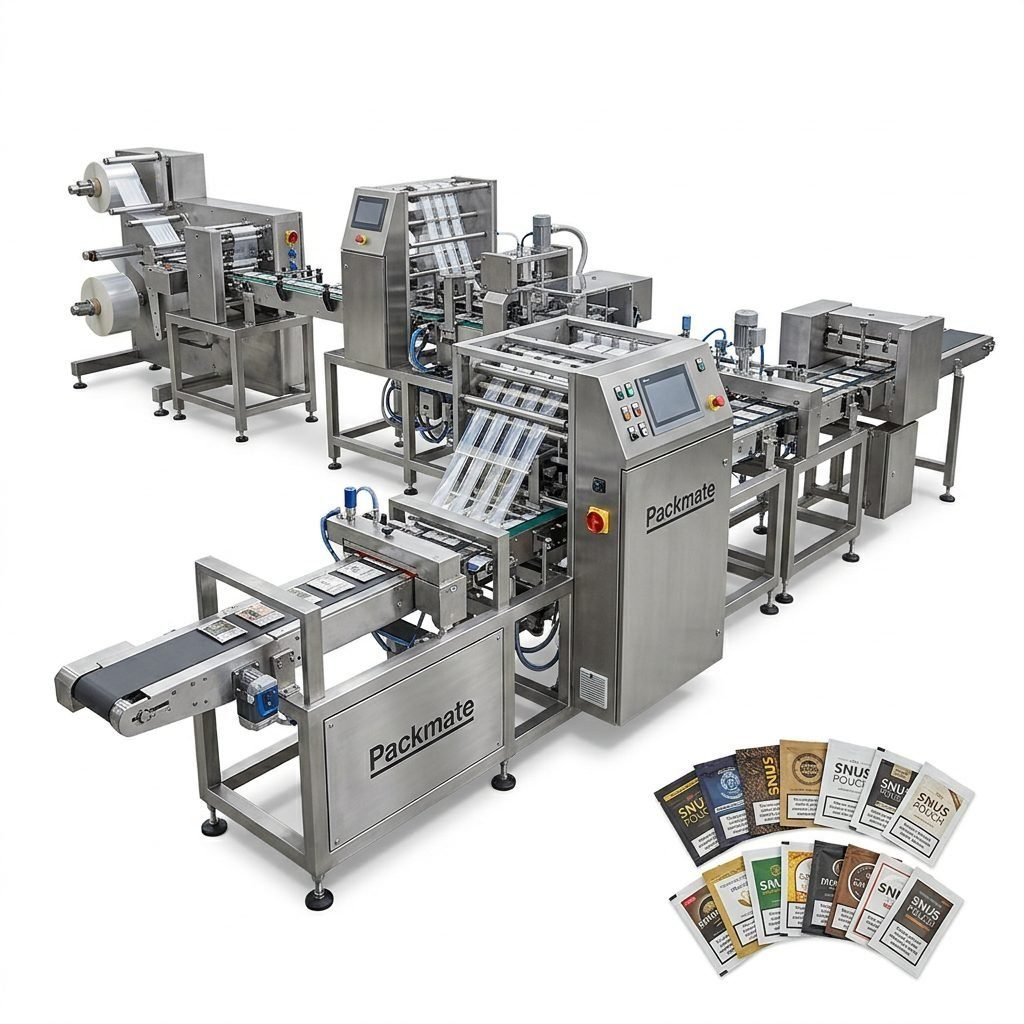
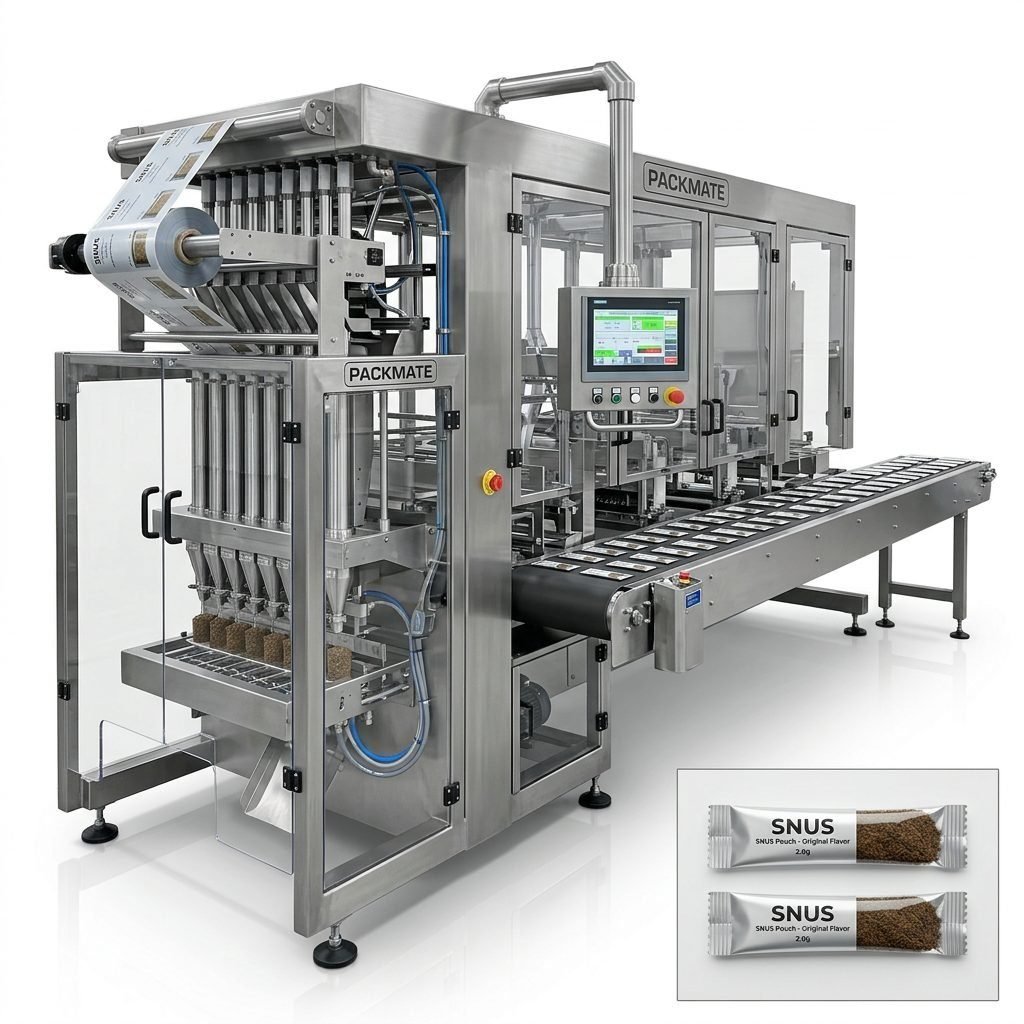
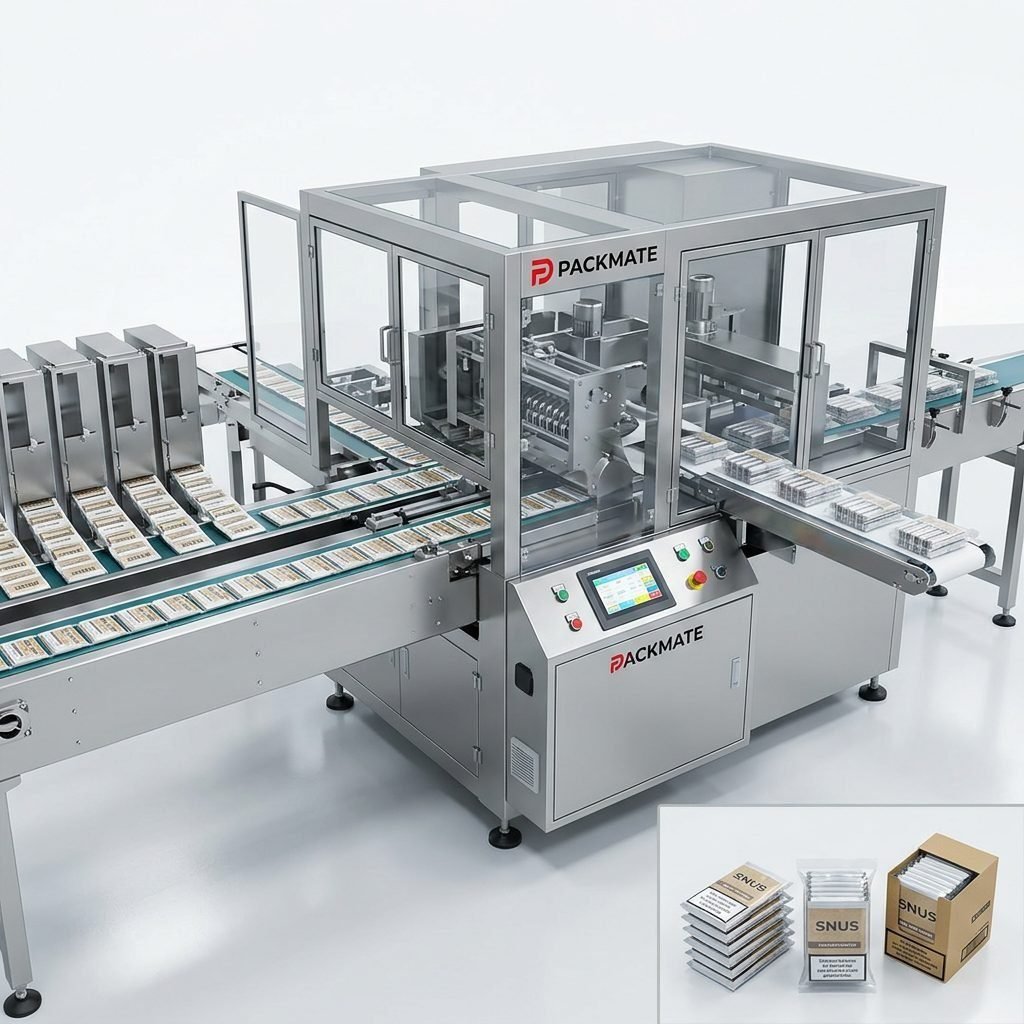
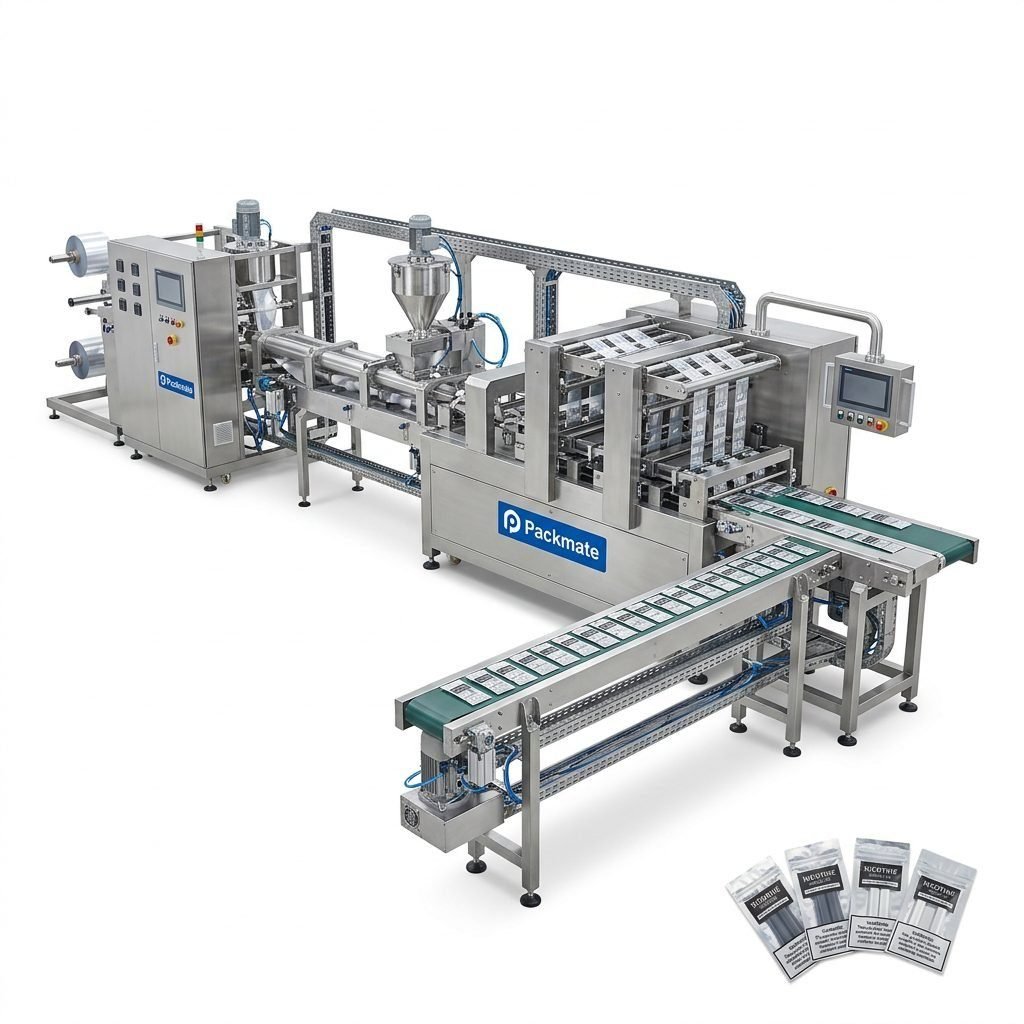
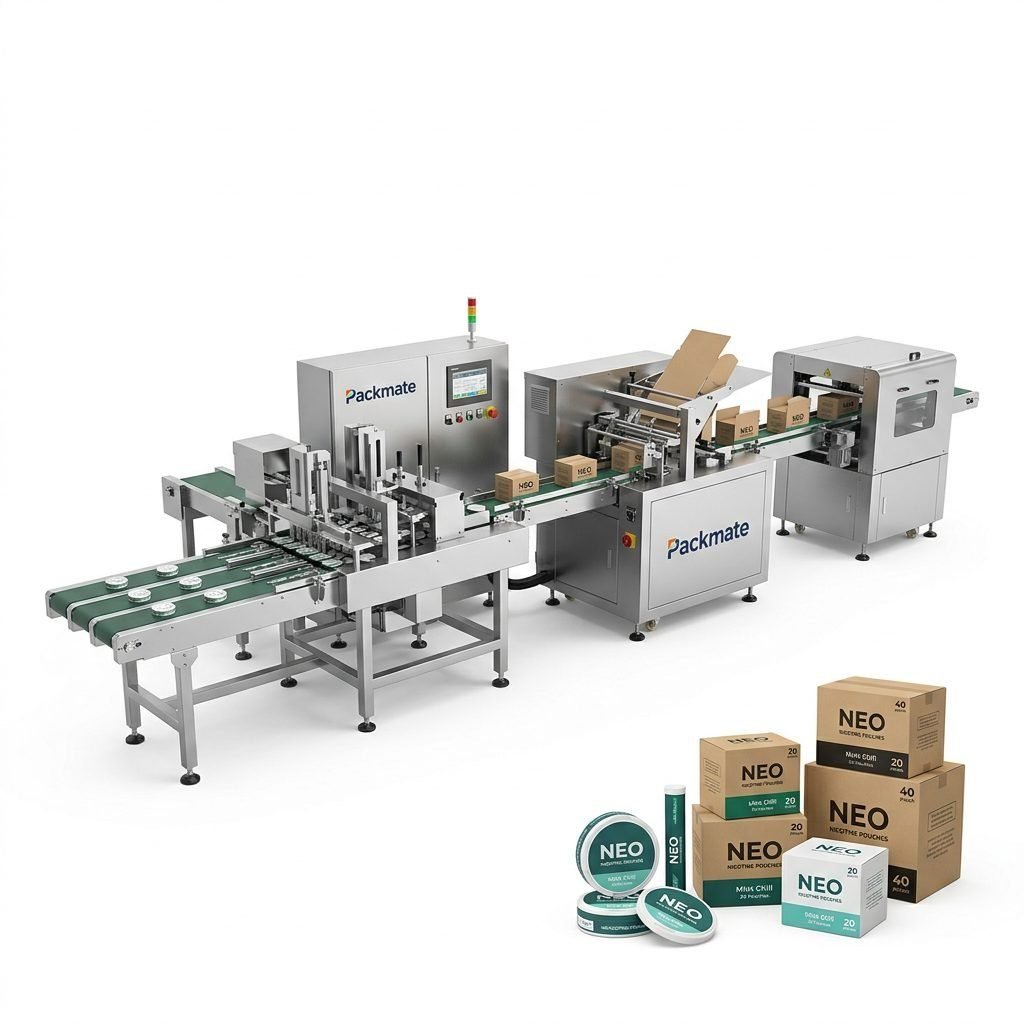
Finding a reliable nicotine packaging machine supplier in Malaysia requires careful research, local market understanding, and technical due diligence. This practical buyer’s guide walks you through every step — from assessing machine types and factory capabilities to negotiating terms and planning installation — with specific insights into Malaysian business practices, regulatory considerations, and logistics. Use this guide to reduce risk, optimize cost, and secure a packaging partner that supports long-term production goals.
Understand the Malaysian Market Context
Malaysia’s manufacturing scene is shaped by a mix of local SMEs, large conglomerates, and foreign investment. When sourcing nicotine or snus packaging machines, remember that Malaysian buyers often value:
- Practical after-sales support within the region — local service partners are highly preferred.
- Compliance with both local and international safety and quality standards.
- Flexible financing and clear warranty terms.
Cultural tip
In Malaysia, building trust through face-to-face meetings, timely communication, and reliable references is important. If possible, attend local exhibitions or invite a supplier representative for a factory tour. Suppliers that participate in global fairs or provide transparent factory documentation typically gain higher trust from Malaysian buyers.
Step 1 — Know What Machine Type You Need
Nicotine pouch and snus packaging comes in various formats. Identifying the correct machine class early will save time and money:
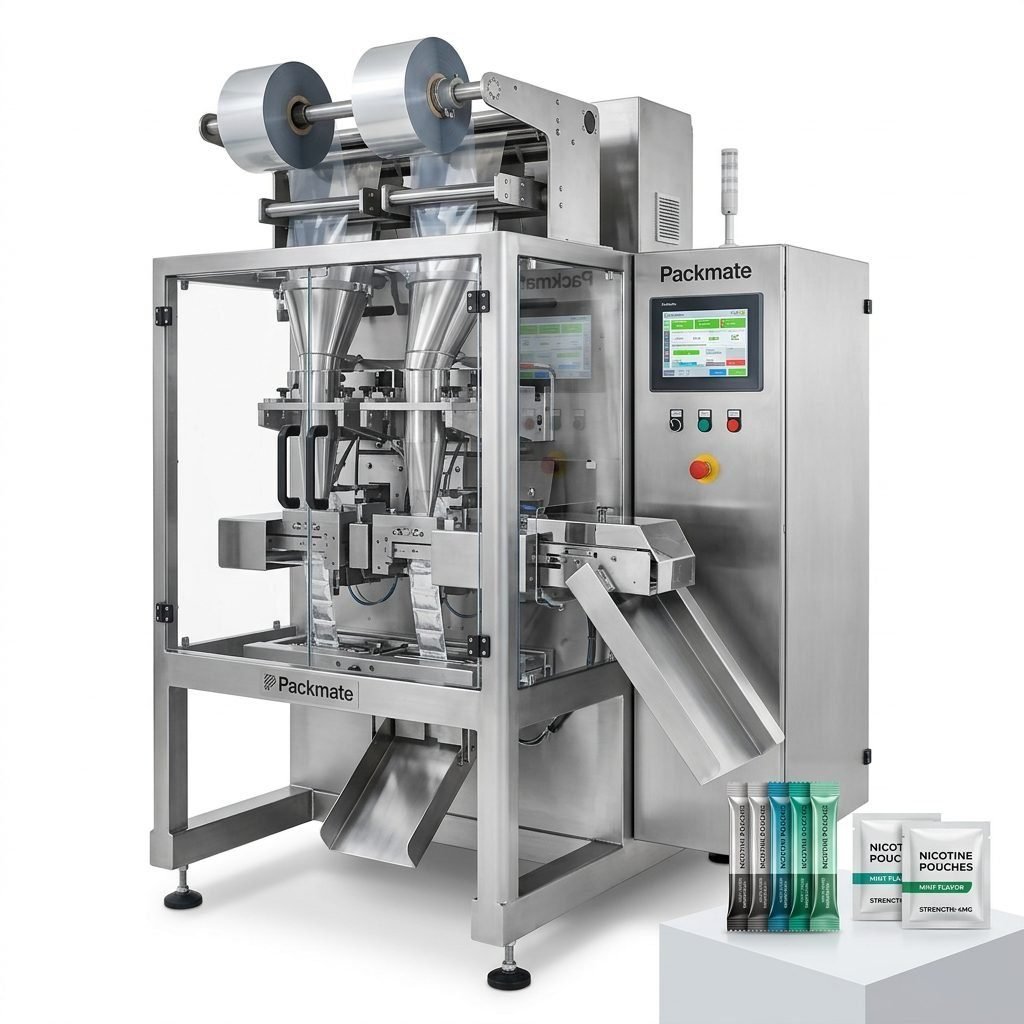
- Stick pack and sachet machines for single-dose pouches with high-speed output.
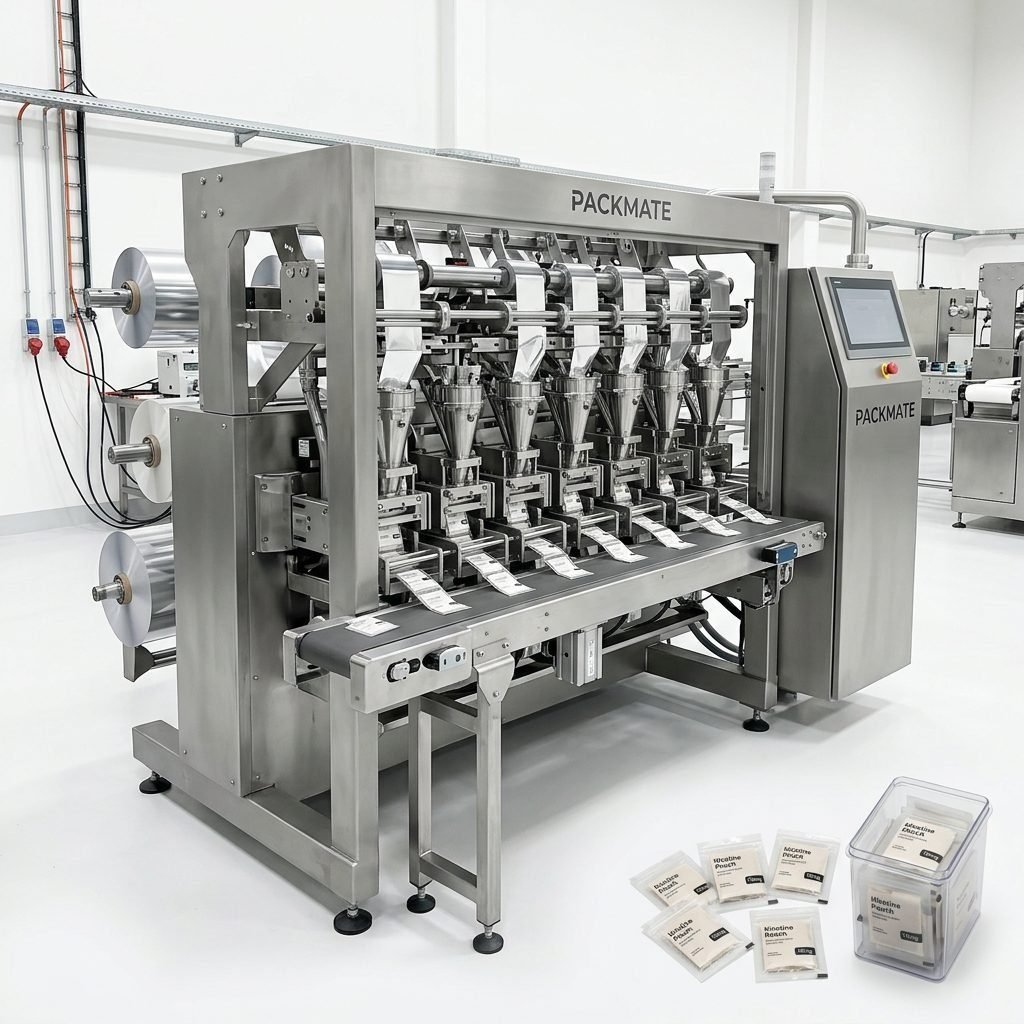
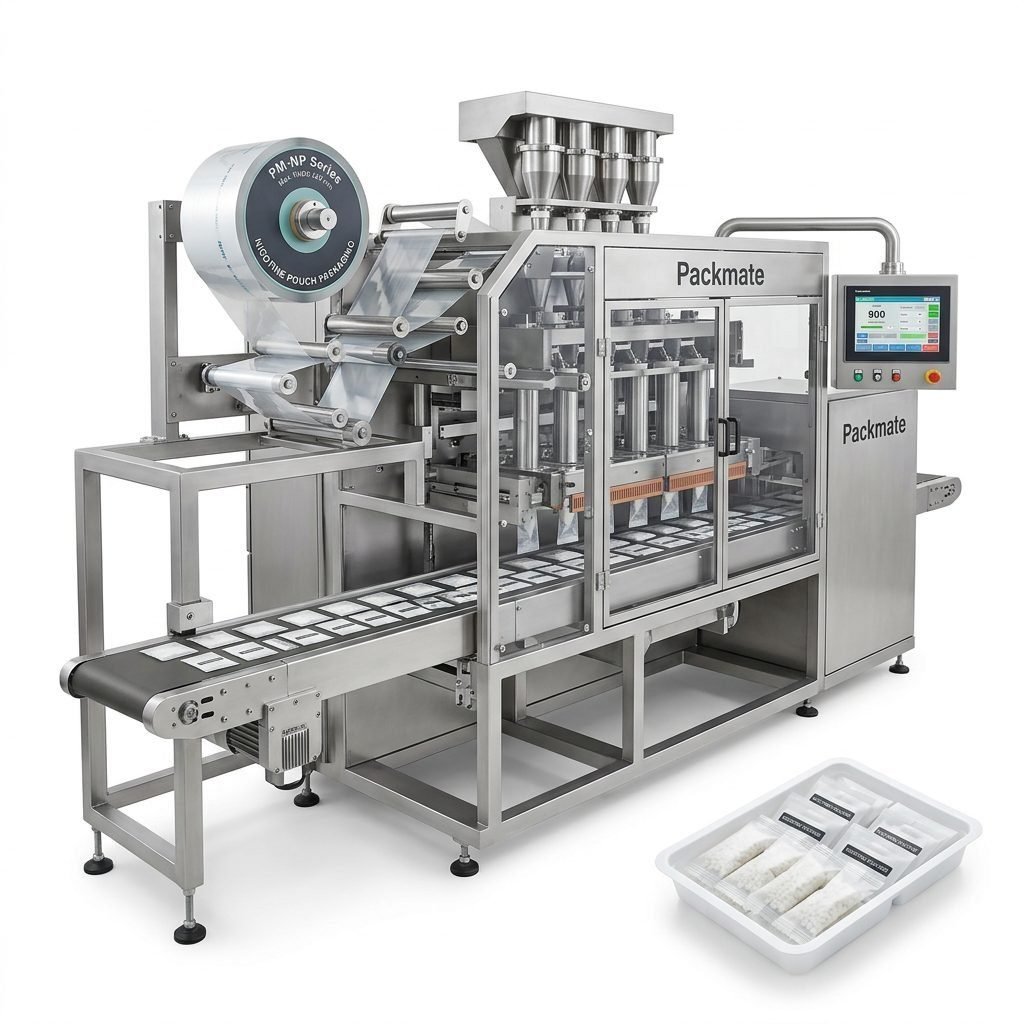
- Multi-lane pouch systems for small-dose nicotine pouches with high throughput efficiency.
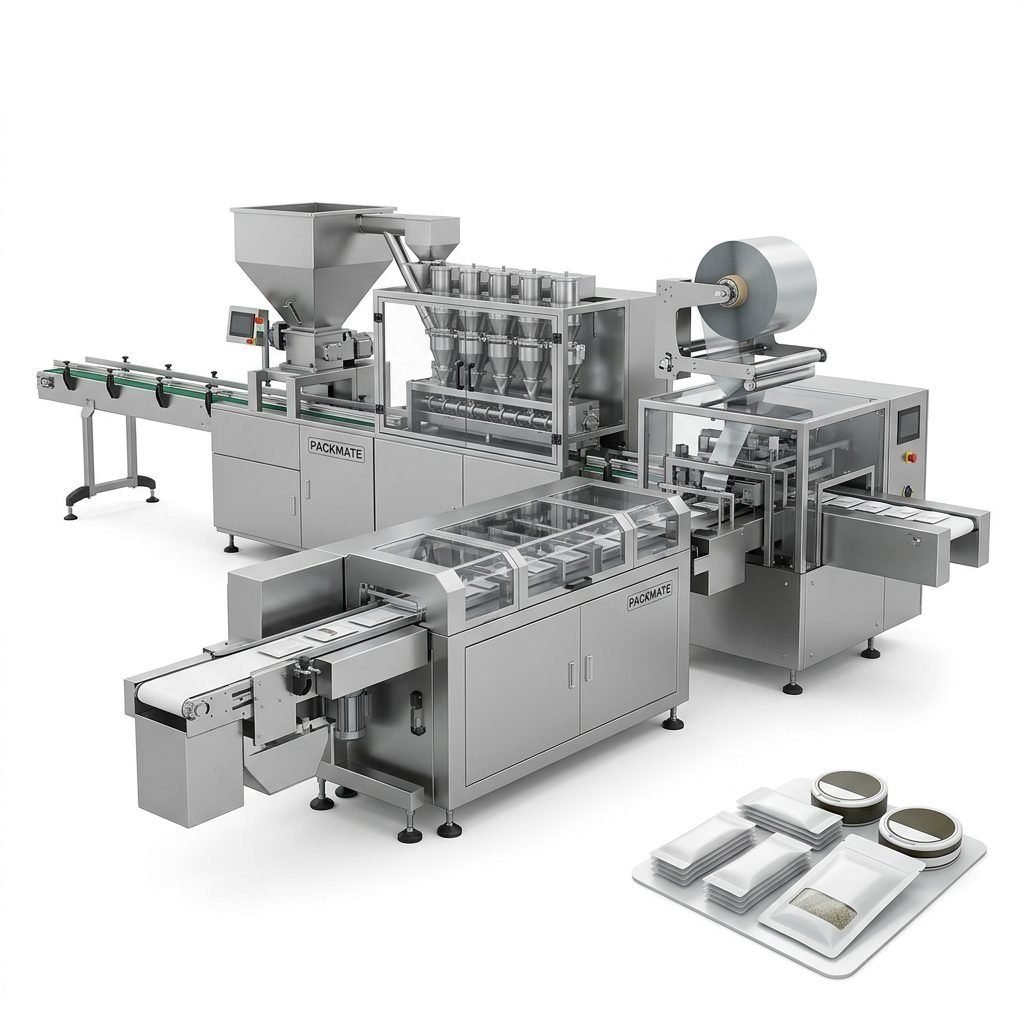
- Integrated weighing & filling lines for powder or granule pouches requiring precise dosing.
Quick checklist: target output per minute, pouch size range, filling accuracy, multi-lane capability, and integration with upstream/downstream systems.
Step 2 — Evaluate Supplier Credentials and Factory Strength
A reliable supplier should demonstrate proven manufacturing capability and long-term industry experience. Key things to verify:
- Years in business and product specialization. Suppliers with decades of engineering experience are often more stable and technically capable.
- Factory size and equipment — a large, well-equipped facility points to better quality control and scalability.
- Certifications such as CE, ISO, or other relevant standards that indicate compliance and safety.
For example, manufacturers that highlight multi-lane snus systems and have an established production footprint (e.g., a 20,000㎡ factory with CNC machining centers) are typically capable of delivering robust packaging lines. Learn more about comprehensive machine categories like Snus & Nicotine Packaging Machines or Sachet & Stick Pack Machines when matching equipment to product form.
Step 3 — Technical Due Diligence (What to Ask)
Ask precise technical questions to ensure the machine meets your production goals:
- Rated capacity (pouches/minute or pieces/minute) under real operating conditions.
- Accuracy and repeatability of filling systems (e.g., ±X mg for powder).
- Compatibility with materials (film types, laminate structures) and pouch sizes.
- Changeover time for different SKUs and availability of quick-change tooling.
- Electrical and control systems (PLC brand, HMI features, local language support).
Tip: request video of the machine running your actual product or a close analogue. Observing live performance reduces surprises during commissioning.
Step 4 — Inspect Quality Control and After-sales Support
After-sales service and spare parts availability are critical in Malaysia where downtime can be costly. Evaluate the supplier’s:
- Warranty terms and what is covered (labor, parts, travel for commissioning).
- Local or regional service partners and technical training offerings.
- Spare parts lead time and availability — ask for a spare parts list and typical delivery times to Malaysia.
- Documentation quality: manuals, electrical diagrams, and maintenance schedules in English.
Suppliers with clear global cooperation cases and exhibition presence often have a stronger aftermarket network. You can check examples in supplier case pages like Case and exhibition records such as Our Exhibition.
Step 5 — Request Factory Acceptance Testing (FAT) and Site Acceptance Testing (SAT)
FAT and SAT reduce risk and clarify expectations:
- FAT: Witness machine performance at supplier’s facility with your product or a close substitute.
- SAT: Confirm correct installation, commissioning, and performance at your plant.
- Define acceptance criteria (speed, accuracy, rejection rates) and record results.
Documentation to get: FAT report, electrical wiring diagrams, PLC program backup, mechanical drawings, and spare parts list.
Step 6 — Logistics, Installation and Local Regulations
Malaysia’s port infrastructure is strong, but you should plan carefully:
- Identify delivery terms (FOB, CIF, DDP) and who handles customs clearance.
- Confirm machine dimensions and weight for shipping and local crane/forklift capacity.
- Be aware of nicotine product regulations and ensure that packaging machinery use complies with local laws and workplace safety rules.
If the supplier offers turnkey packaging lines (weighing, filling, and final packaging integration), coordinating a single vendor can simplify commissioning and support. Explore integrated solutions such as Weighing & Packaging Systems or Filling & Packaging Lines.
Step 7 — Commercial Terms, Pricing and Negotiation
Pricing is not just the machine cost. Consider:
- Installation, commissioning, and training fees.
- Spare part kits and recommended initial inventory.
- Payment terms (balance by LC, T/T) and penalties for late delivery.
- Service level agreements and response times for technical calls.
Negotiation tip: ask for bundled discounts when buying multiple machines or a complete line, and secure a clear spare parts pricing schedule for at least 2 years.
Step 8 — Trial Runs, Training and Handover
A thorough training and handover plan ensures your team can run the line:
- On-site training for operators and maintenance personnel (preferably in English and Malay when required).
- Spare parts and tooling handed over at installation.
- Clear escalation path for technical issues and remote support options.
Companies that provide long-term technical support, regular maintenance contracts, and remote troubleshooting tools are best suited for Malaysian buyers who expect dependable production continuity. Learn more about supplier services by visiting their Service and About Packmate pages.
Red Flags to Watch For
Watch out for these warning signs when evaluating suppliers:
- Unwillingness to provide FAT videos or customer references.
- Vague warranty terms or refusal to supply spare parts lists.
- Long unexplained lead times without clear production scheduling.
- Communication gaps or delayed responses during the quotation stage.
Alert: a supplier that cannot prove consistent performance across multiple customers or exhibitions may not have mature quality control systems.
Why Choose an Experienced Snus/Nicotine Machine Manufacturer
Specialized manufacturers focused on nicotine and snus packaging typically deliver:
- Precision dosing systems tuned for small-dose pouches.
- High-efficiency multi-lane machines that maximize output per footprint.
- Custom turnkey solutions combining weighing, filling, and pouching for consistent product quality.
Suppliers with documented evolution and decades of engineering experience — and those who can show factory capabilities (advanced CNC, assembly systems) — will be better partners for scaling production reliably.
Helpful Supplier Resources
When exploring suppliers, check catalogs, certificates, and product portfolios. Useful links include product pages for Bag & Pouch Packaging Machines, Auxiliary Packaging Equipment, and supplier certificates listed at Certificate.
Final practical checklist before signing: FAT evidence, spare parts list, warranty terms, delivery schedule, local service plan, and clear payment milestones.
Conclusion
Selecting the right nicotine packaging machine supplier in Malaysia requires a blend of technical evaluation, verification of manufacturing capability, and cultural sensitivity in business dealings. Prioritize suppliers with demonstrable experience in snus and nicotine packaging, strong factory capabilities, clear FAT/SAT processes, accessible aftermarket support, and transparent commercial terms. A careful approach helps ensure your packaging line achieves consistent quality, uptime, and long-term value.
Frequently Asked Questions
Q1: How long does a typical lead time take for a nicotine packaging machine?
Lead times vary by model and customization. Standard machines may be 8–16 weeks, while fully customized turnkey lines can take 4–6 months. Confirm lead time in writing and request production milestones.
Q2: What warranty and after-sales support should I expect?
Expect at least a 12-month warranty on major components, clear spare parts pricing, and defined response times for technical service. Better suppliers provide remote troubleshooting, training, and long-term service agreements.
Q3: Do these machines comply with international certifications?
Reputable manufacturers provide CE, ISO, and other certifications as applicable. Always request certificates and verify the scope to ensure compliance with both local Malaysian regulations and export requirements.
Q4: Can I get a turnkey solution including weighing and filling?
Yes. Many suppliers offer integrated lines combining weighing, filling, and pouching. Review integrated options such as Weighing & Packaging Systems and Filling & Packaging Lines.
Q5: How do I verify a supplier’s claims about throughput and accuracy?
Insist on FAT with your product or a close substitute, ask for video evidence, and request references from existing customers. A strong supplier will provide detailed performance reports and invite buyer verification.