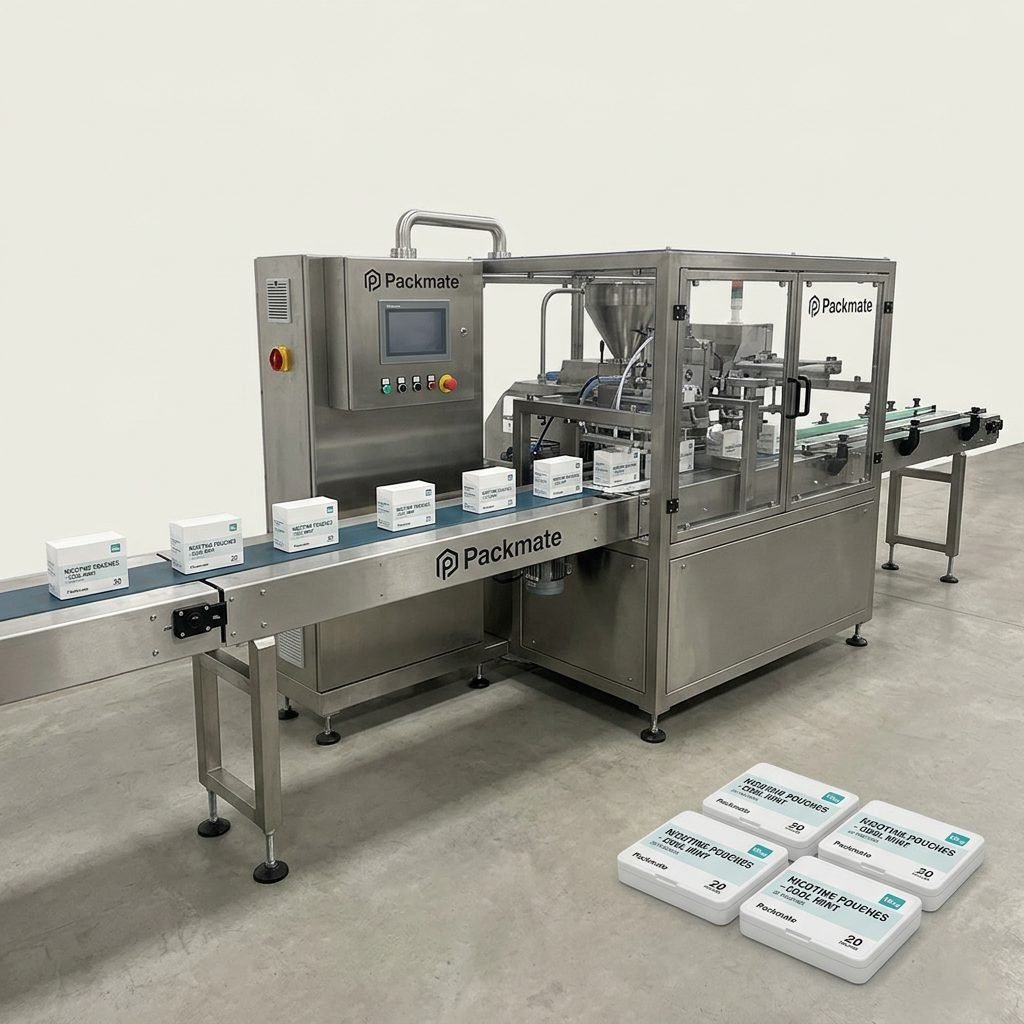
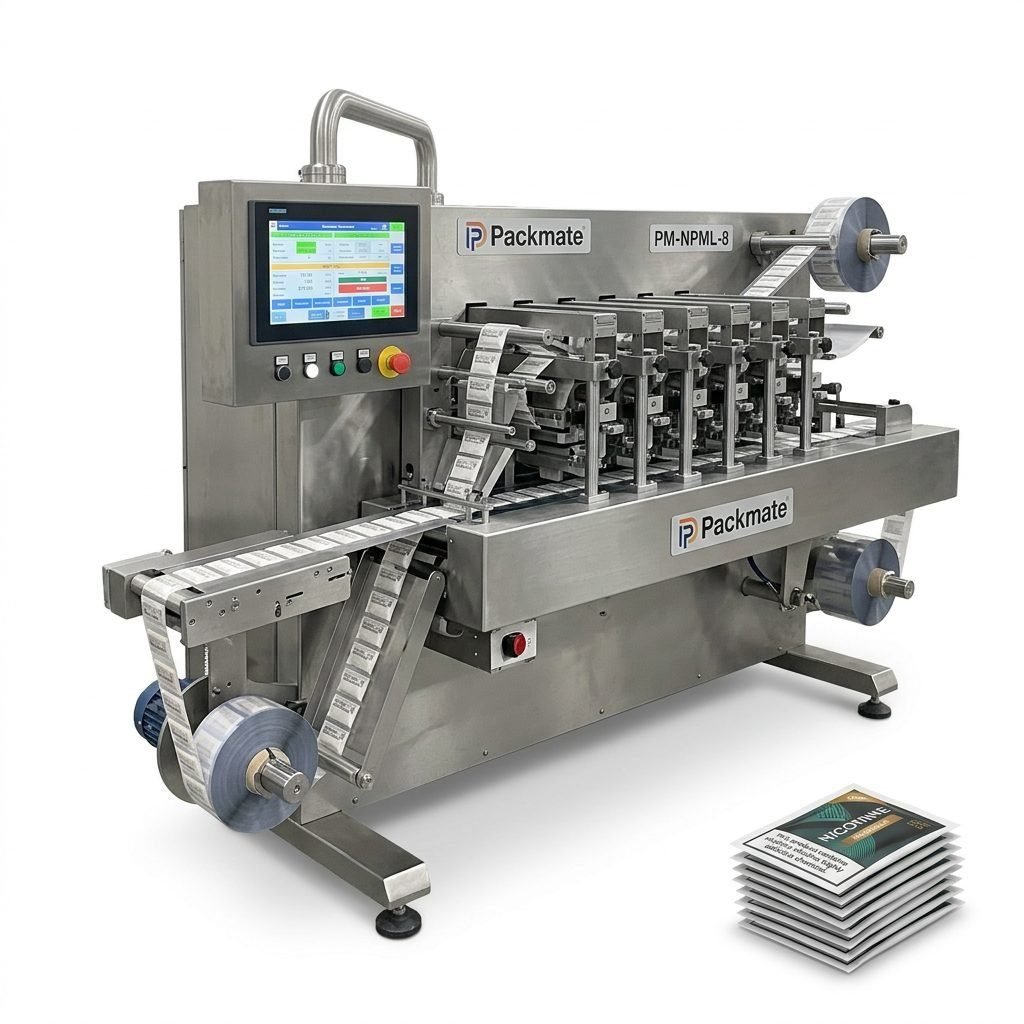
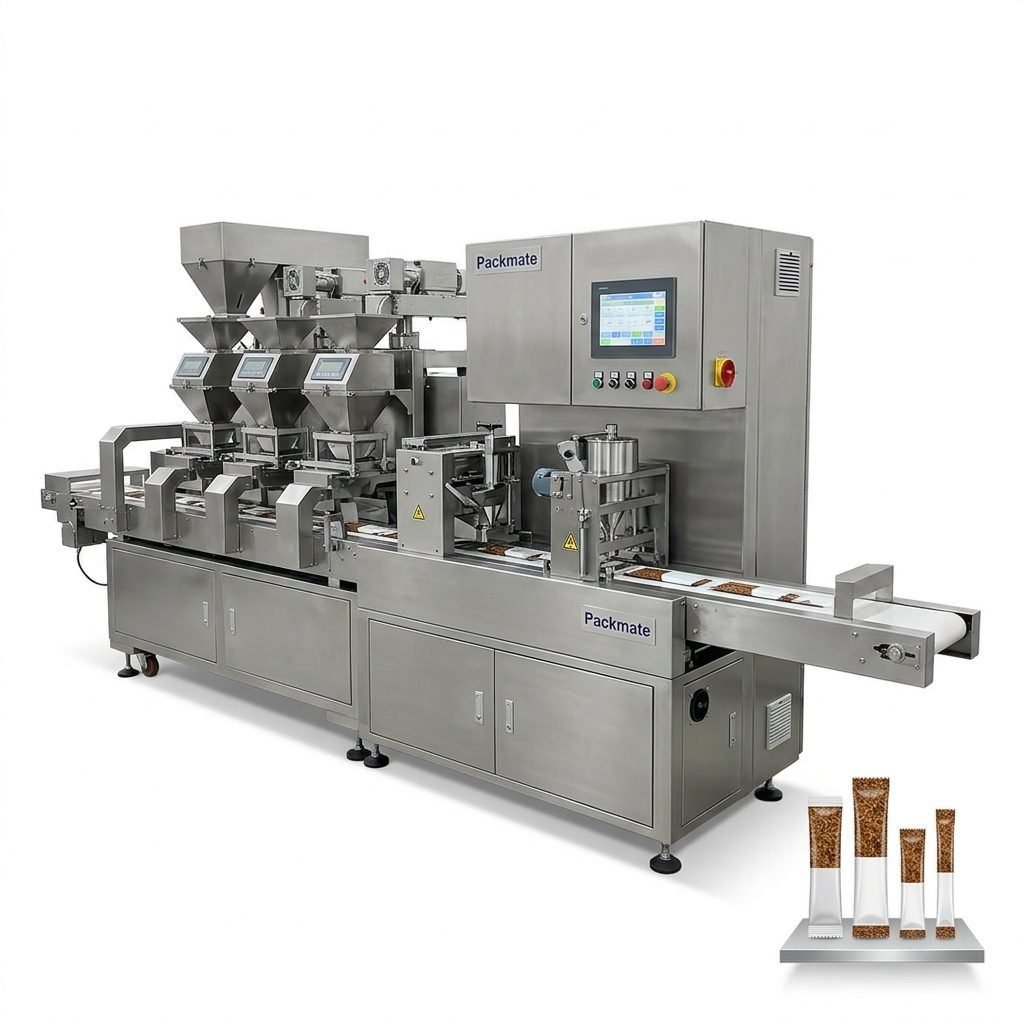
Choosing the right nicotine packaging machine supplier in North Korea requires more than just comparing prices and delivery times. Buyers must balance equipment performance, local regulatory realities, cultural business practices, and long-term serviceability. This guide walks you through practical steps, technical checks, and relationship-building tactics that will help you select a reliable supplier and ensure smooth implementation of snus and nicotine pouch packaging solutions in a complex environment.
Understand Local Context and Regulatory Landscape
North Korea (DPRK) presents a unique set of commercial realities: trade is highly regulated, formal approvals and documentation are essential, and business interactions often involve centralized or state-affiliated channels. Before approaching suppliers, clarify any import restrictions, licensing requirements, and customs procedures that apply to tobacco-related or nicotine products. Ensure compliance with both your home country export rules and DPRK import processes.
Engage an experienced local agent or legal advisor early. They can help navigate permits, determine allowable machine specifications, and advise on documentation needed for customs clearance.
Technical Specifications That Matter
Not all packaging machines are created equal. When evaluating suppliers, focus on these technical aspects to ensure the machine meets production goals and local operational conditions:
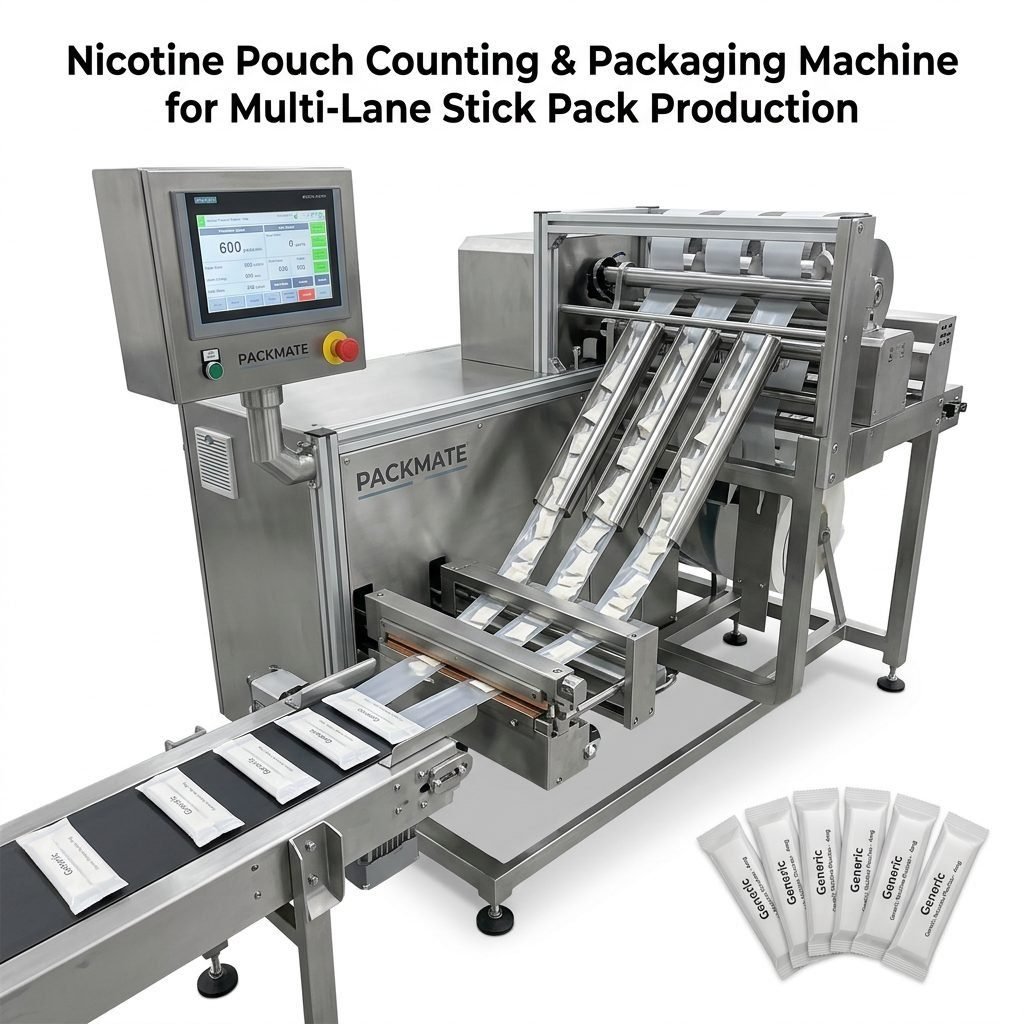
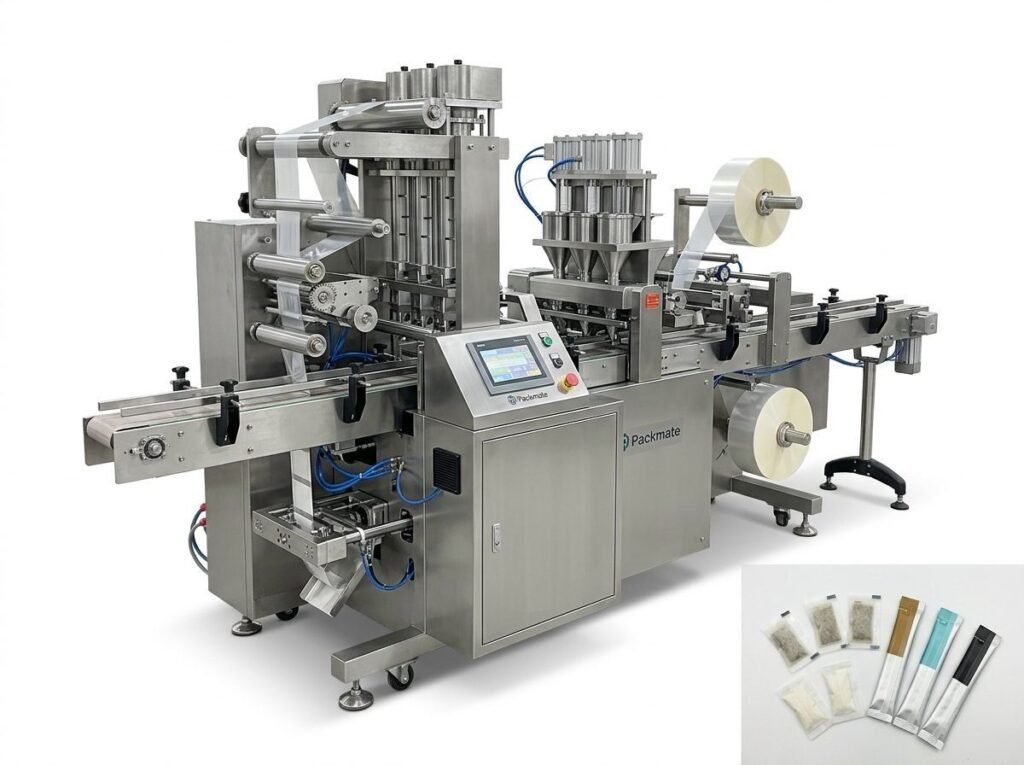
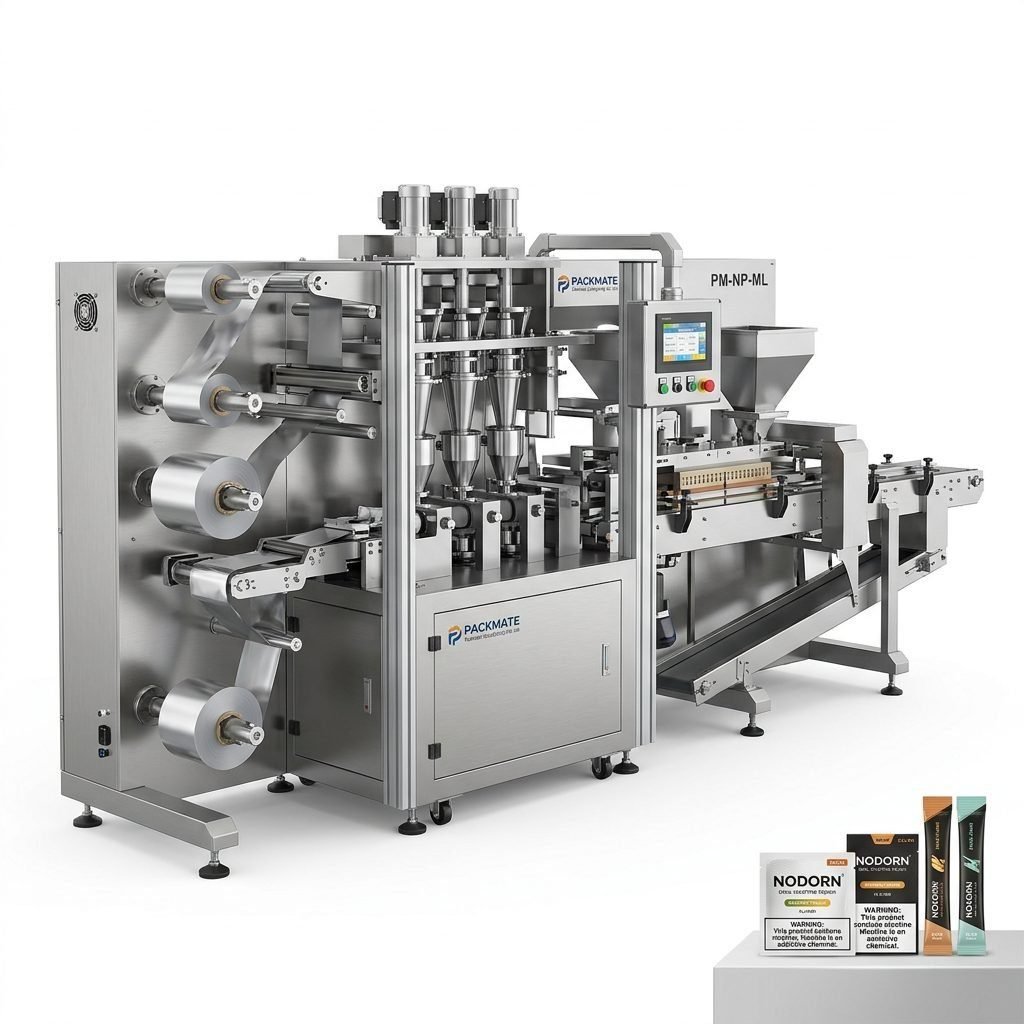
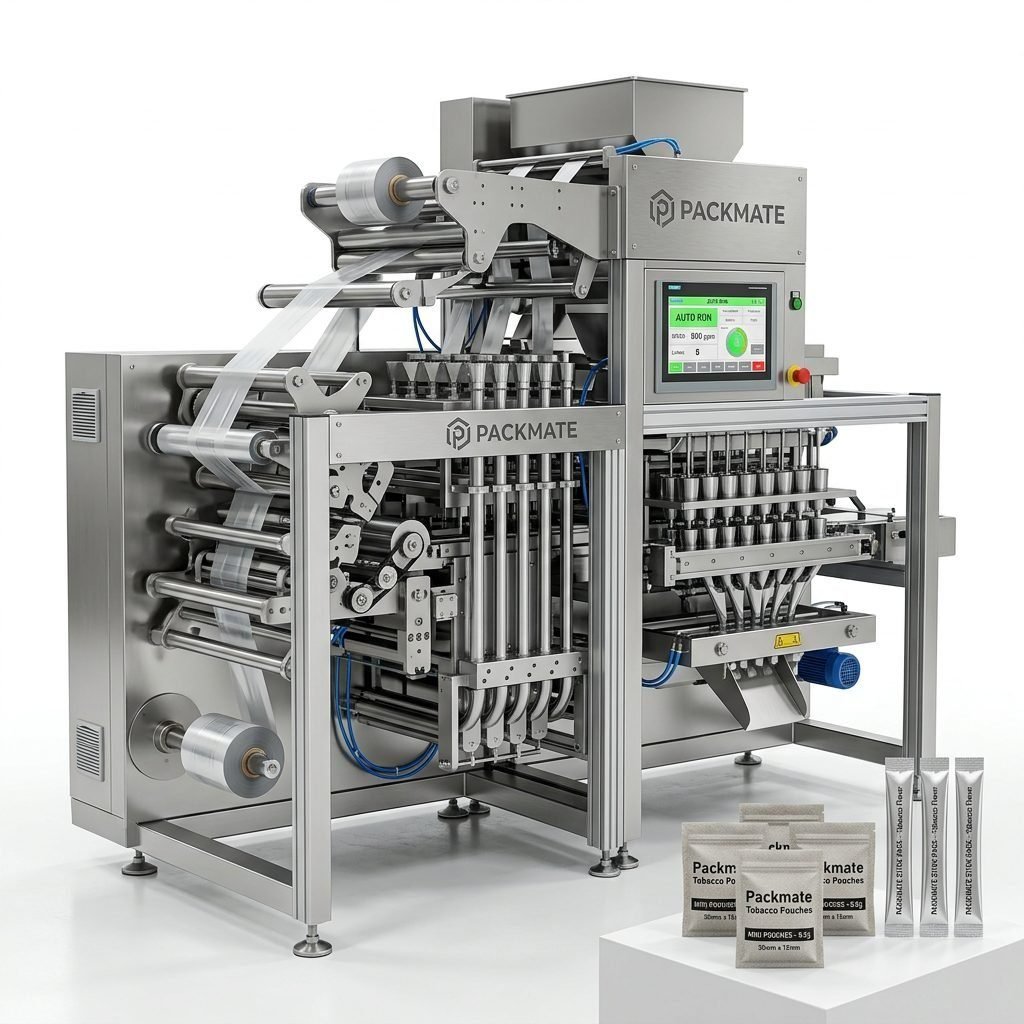
Production speed & capacity: Match machine output (pouches per minute) to your projected demand. Consider multi-lane machines for higher throughput or stick-pack systems for certain formats.
Format flexibility: Look for machines that handle multiple pouch sizes and materials (foil, laminated film, paper-laminates), as this reduces the need for different machines for each product variant.
Dose accuracy & weighing systems: Accurate dosing is critical for nicotine products. Check compatibility with precision weighing systems and look for integrated solutions offered by the supplier.
Control & automation: Modern PLC interfaces, remote diagnostics, recipe management, and HMI displays improve usability and reduce downtime. Confirm the control language options and availability of technical manuals in English or Korean.
Relevant product references
For detailed machine categories and examples, review product portfolios such as
Snus & Nicotine Packaging Machines and
Sachet & Stick Pack Machines.
Supplier Credibility: What to Verify
Evaluate suppliers on these concrete signals of reliability:
Track record & references: Request case studies and client references, particularly projects in similar regulatory or infrastructure conditions. Suppliers with international experience are preferable.
Factory capabilities: Look for a manufacturer with proven facilities, CNC machining centers, precision assembly lines, and quality testing systems. A factory area of 20,000㎡ and a wide model range are positive indicators.
Certifications & compliance: Ensure equipment meets international standards like CE and ISO. Confirm documentation can be provided for customs and regulatory review.
factory photos, inspection reports, certifications, and client contact details. If the supplier shares public exhibition or case pages (for example, their Case page), review them for real-world proof.
Service, Spare Parts and After-Sales Support
After-sales support determines the long-term viability of your packaging line. Prioritize suppliers who offer:
Local service networks or trained local partners: Given limited foreign access, confirm whether support can be provided through regional agents or remote diagnostics.
Spare parts availability: Ask for a spare parts list, lead times, and whether consumables are standardized. Long lead times can halt production.
Training & documentation: Ensure comprehensive training (on-site or virtual) and clear operation manuals are provided. Manuals translated to the working language reduce setup errors.
Commercial Terms and Risk Mitigation
Contract terms should protect both parties and clarify responsibilities:
Warranty & acceptance testing: Define FAT (Factory Acceptance Test) and SAT (Site Acceptance Test) procedures. A clear warranty period with stated exclusions reduces future disputes.
Payment terms: Opt for milestones: deposit, pre-shipment, and post-acceptance payments. Use secure payment methods and verify banking details to prevent fraud.
Shipping & customs responsibility: Specify Incoterms (e.g., CIF, DAP) and who handles customs brokerage, duties, and local clearance to avoid last-minute surprises.
Cultural and Relationship Considerations in DPRK
Business culture in North Korea emphasizes formal protocol, respect for hierarchy, and clear documentation. Face-to-face meetings (where possible) and introduction through trusted intermediaries or state channels can be important. Communication may be slower and mediated by official contacts.
Prioritize patience and clear written agreements. Using simple, respectful communication and providing thorough documentation will build trust. If local visits are restricted, work with established partners who understand DPRK procedures.
Customization, Turnkey Solutions and Scalability
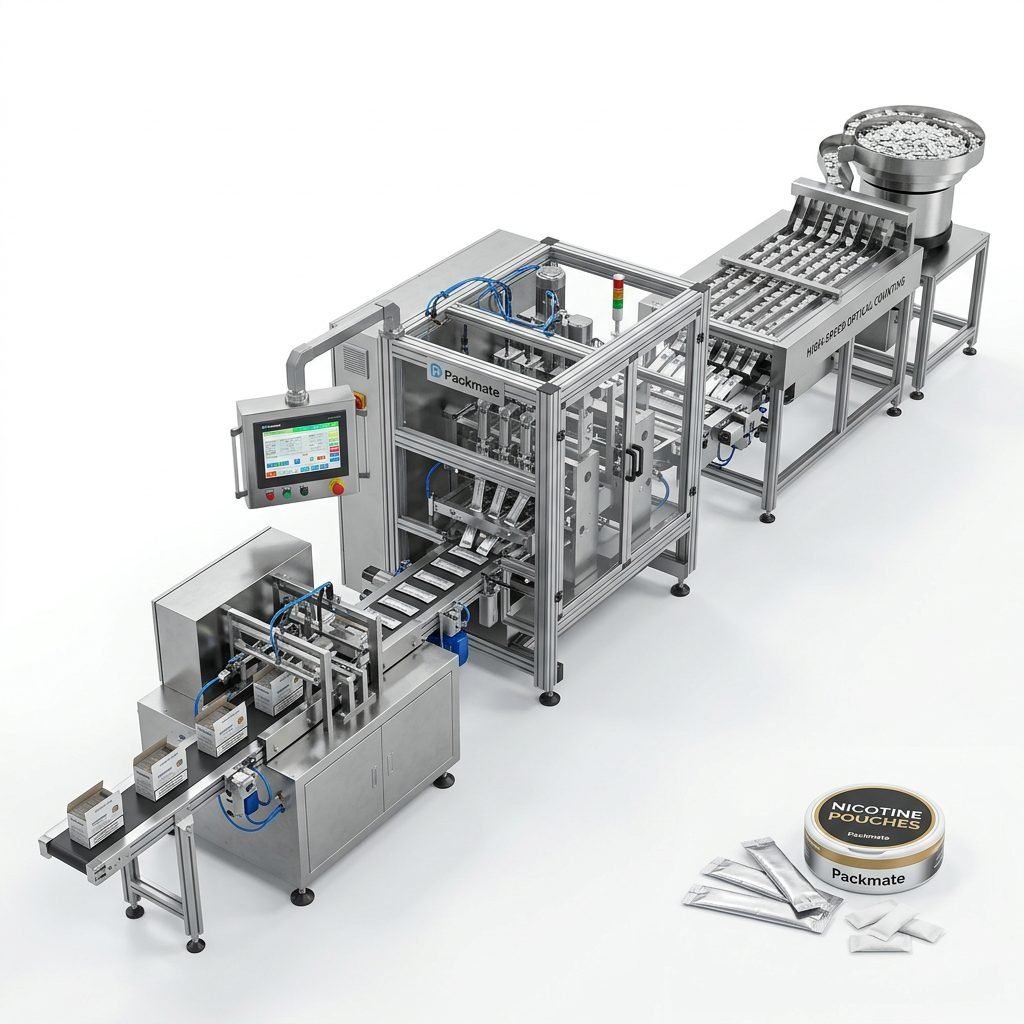
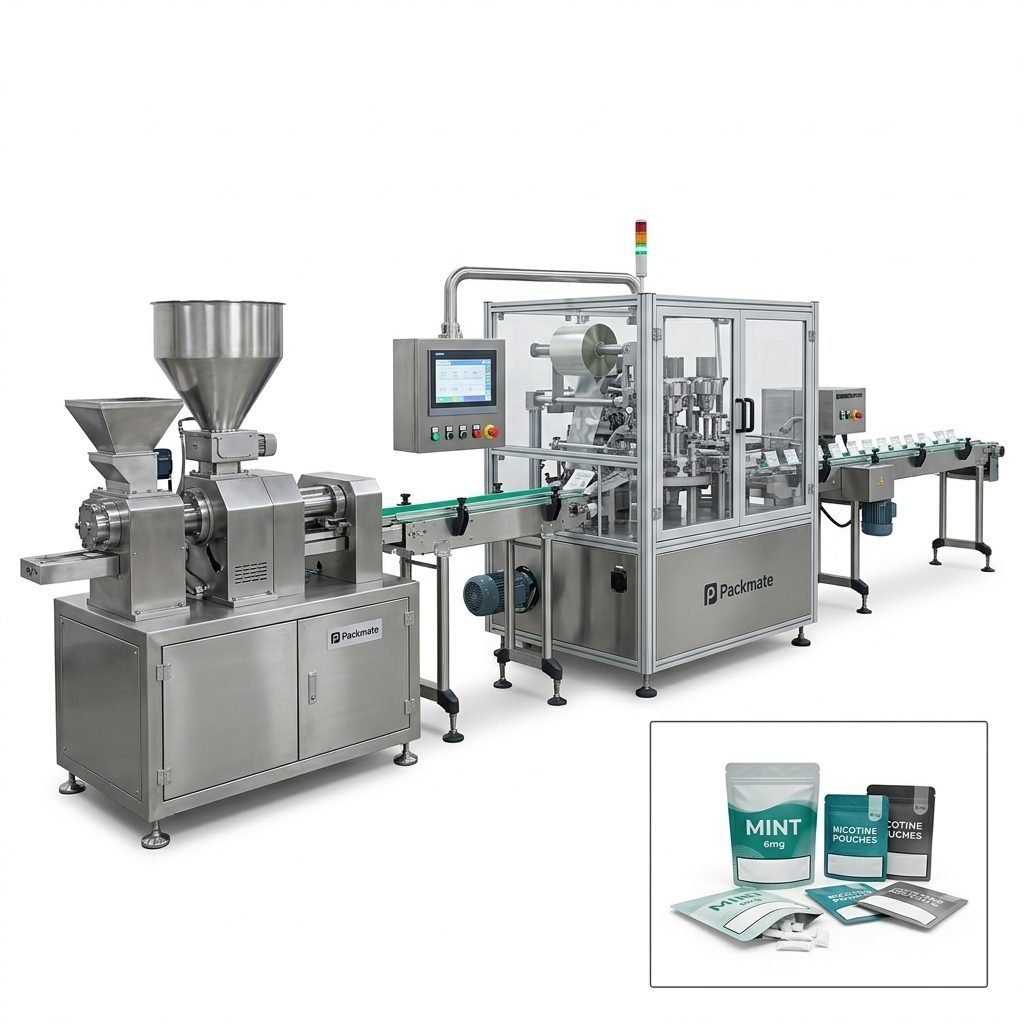
For nicotine and snus packaging, turnkey lines that combine filling, weighing, packing, and secondary packaging often yield the best results. Ask suppliers about:
Customization options: The ability to tailor machines to local materials, pouch styles, and dose ranges.
Integration with upstream/downstream equipment: Check compatibility with existing mixing, dosing, and cartoning equipment or plan for a complete line.
Upgrade paths: Ensure the supplier supports future upgrades in capacity or automation without requiring a full replacement.
A complete solution reduces the complexity of sourcing multiple vendors and simplifies customs documentation, installation, and validation.
Inspection, Testing and Quality Control
Insist on clear testing protocols before shipment. Typical checks include mechanical run tests, dosing accuracy tests, leak and seal tests, and electrical safety inspections. Request video documentation and, where possible, a live Factory Acceptance Test.
Suppliers with documented quality systems (ISO) and third-party inspection reports provide greater assurance. If machines will handle regulated products, validate cleaning procedures and material contact documentation.
Choosing the Right Supplier: Sample Checklist
Use this condensed checklist when selecting vendors:
– Verified factory capability and photos/videos of production lines.
– CE/ISO certificates and machine test reports.
– Clear warranty, spare parts availability, and service response times.
– Demonstrated experience with nicotine/snUS products or similar CPG categories.
– Transparent payment, shipping, and acceptance testing terms.
Why Consider Packmate and How to Contact
Manufacturers with decades of engineering experience and full turnkey capabilities are strong candidates. Packmate Snus Machine (Packmate) highlights features that matter to international buyers: 30+ years of engineering, 50+ machine models, advanced CNC machining, and global turnkey solutions. For a closer look at the company, its certifications and mission, review
About Packmate and their
Certificate pages.
When you’re ready to get specific, reach out through the supplier’s official channels for quotations, technical datasheets, and negotiation: Contact Us.
Negotiation tips for DPRK context
– Be explicit about documentation needs for import clearance and local approvals.
– Build longer lead times into project plans to account for bureaucratic steps and transit routing.
– Consider staged deliveries or modular installations to allow earlier production starts.
Common Pitfalls and How to Avoid Them
Many projects stumble due to unrealistic timelines, unclear technical specs, and inadequate local support. Avoid these mistakes:
Unclear machine specifications: Provide detailed product samples, target speeds, and acceptable tolerances.
Skipping FAT: Always perform or request thorough factory testing before shipment.
Ignoring spare parts logistics: Plan for inventory of critical spares with clear reorder lead times.
Negotiate a parts kit for first 12 months of operation and agree on remote troubleshooting procedures to reduce downtime.
Implementation Roadmap
Follow a phased approach to reduce risk:
1) Requirements gathering and local compliance checks.
2) Supplier shortlisting, factory visits (virtual or in-person), and FAT.
3) Contract signing with clear milestones, payment terms, and acceptance tests.
4) Shipping, customs clearance, and installation with trained technicians.
5) Staff training, SAT, and production ramp-up with spare parts on-hand.
Summary and Next Steps
Selecting the best nicotine packaging machine supplier for North Korea requires careful due diligence across technical, regulatory, commercial, and cultural domains. Prioritize suppliers with strong factory capabilities, verified certifications, and robust after-sales service. Use a phased implementation plan and engage local expertise for licensing and customs. When in doubt, ask for documented proof of machine performance and client references.
Useful links
– Explore machine categories: Snus & Nicotine Packaging Machines
– Full product range: Bag & Pouch Packaging Machines
– Learn about the company: About Packmate
Frequently Asked Questions
Q1: How do I confirm a supplier’s claims about machine output and accuracy?
A1: Request documented Factory Acceptance Test (FAT) results, video demonstrations, and client references. Where possible, arrange an independent inspection or invite a trusted third-party to witness performance tests.
Q2: What certifications should I expect for nicotine packaging equipment?
A2: Standard certifications include CE for safety and ISO for quality management. For export and regulatory purposes, ensure suppliers can provide machine test reports and detailed material-contact documentation.
Q3: How can I ensure timely spare parts supply when shipping to DPRK?
A3: Negotiate an initial spare parts kit and a parts agreement with lead times. Work with suppliers who offer remote diagnostics to reduce the need for rapid physical shipments.
Q4: Should I opt for a turnkey line or individual machines?
A4: Turnkey lines minimize compatibility issues and simplify customs documentation. They are often the better choice for regulated product categories like nicotine pouches, but consider modular options if funding and space are constrained.
Q5: Who do I contact for more information about machines and services?
A5: Contact the manufacturer’s official channels for quotations, technical datasheets, and consultations. For example, Packmate lists contact information on their Contact Us page and provides product details across relevant product pages.