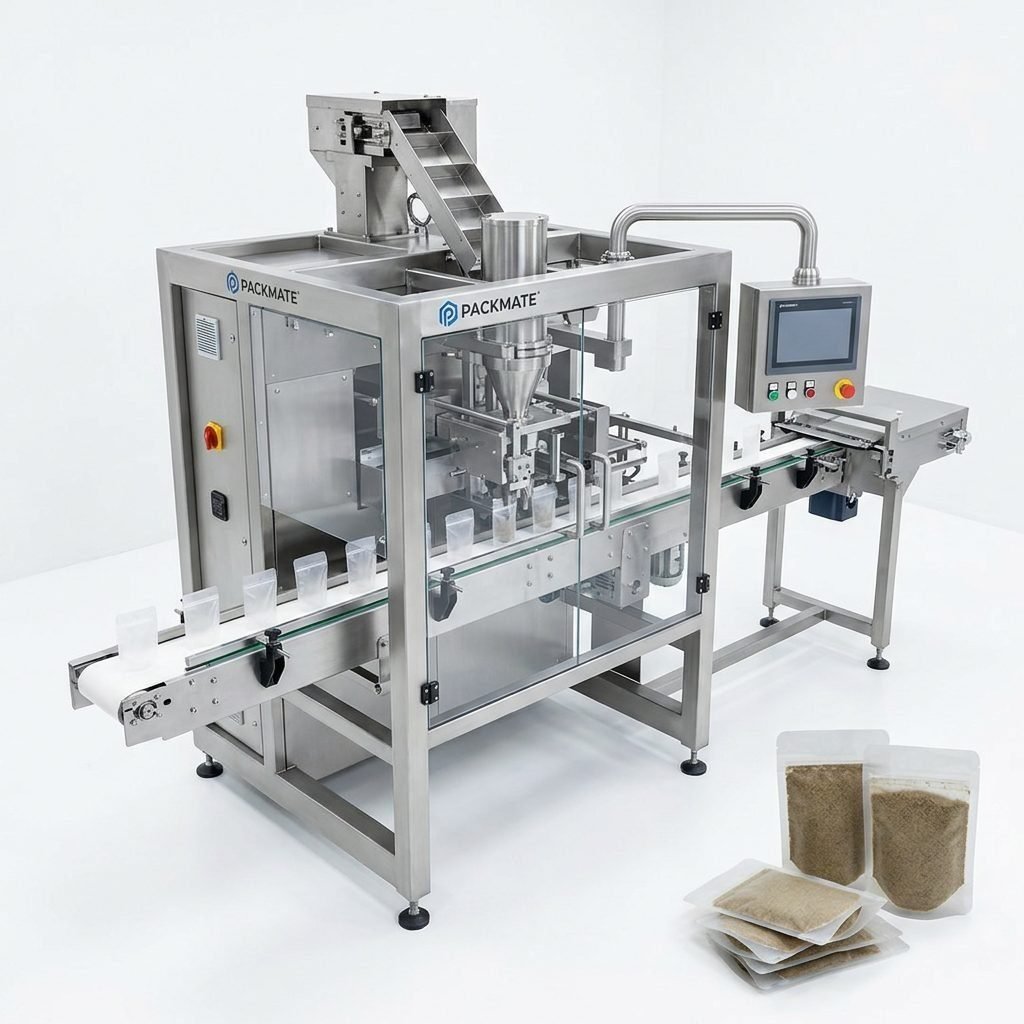
Choosing the best nicotine packaging machine supplier in Sri Lanka requires more than just comparing price lists — it demands a clear understanding of local market habits, regulatory constraints, production targets, and long-term service expectations. This guide walks manufacturers, packagers, and importers through practical steps to identify a reliable supplier, evaluate technical capabilities, and negotiate terms that align with Sri Lankan business realities.
Why the Right Supplier Matters for Sri Lanka
🔶 A trusted supplier ensures machine uptime, consistent pouch quality, and compliance with local labeling and import rules. In Sri Lanka — where businesses range from small family-run operations to growing distributors — reliable after-sales service and easy access to spare parts are particularly important.
Understand Local Market & Cultural Context
Sri Lanka’s consumer behavior, languages (Sinhala and Tamil), and festival cycles influence consumption patterns. For example, local preferences for discreet, single-dose portions or multi-pouch retail packs can shape machine selection. Also, be mindful that public attitudes toward nicotine products may be conservative — clear labeling, child-resistant designs, and compliance with local health regulations are essential for social acceptability and legal clearance.
Key Technical Factors to Evaluate
✅ Production Capacity and Scalability — Match machine speed and lane configuration to your daily output goals. If you expect future growth, prioritize modular systems or multi-lane machines that can be upgraded without full replacement.
✅ Product Compatibility — Confirm the machine handles the exact pouch format (loose nicotine pouches, snus, sachets, stick packs) and filling medium (powder, granule, liquid) you plan to run.
✅ Precision & Yield — Low giveaway weight, consistent sealing, and accurate dosing are critical. Ask for test reports or production samples.
✅ Hygiene & Maintenance — Stainless steel contact parts, easy-clean design, and accessible wear parts reduce downtime and improve product safety.
Quality Standards & Certifications
Choose suppliers whose equipment complies with international standards such as CE and ISO — this simplifies customs clearance and demonstrates a commitment to safety. Suppliers with rigorous factory testing and traceable quality control records are less likely to deliver machines with performance gaps.
Evaluating Supplier Experience and Capabilities
🔶 Proven Track Record: Look for suppliers with decades of engineering experience, a diverse model range, and a global footprint. A manufacturer with over 30 years of R&D and many turnkey lines demonstrates maturity and resilience.
🔶 Factory Strength: Modern CNC machining centers, precision assembly lines, and robust testing protocols are signs of a supplier that can deliver consistent quality. Ask for a virtual factory tour or factory photos when planning long-distance purchases.
Request Demonstrations and Samples
Live demos (on-site or virtual) and sample packs produced on the exact model you plan to buy provide critical proof of capability. Request production videos, sample pouches, and a full report on machine settings used during testing.
After-Sales Support, Spare Parts & Training
⚠️ Local Service Network — In Sri Lanka, rapid access to spare parts and qualified technicians reduces downtime. Prefer suppliers that offer regional support or fast express shipping for critical parts.
⚠️ Training & Documentation — Comprehensive operation manuals in English (and optionally translated guidance for Sinhala/Tamil-speaking technicians) plus in-person or remote training sessions ensure your team runs the line efficiently.
⚠️ Warranty & Response Time — Negotiate a clear warranty period and guaranteed response times for remote troubleshooting and on-site visits.
Logistics, Customs & Local Compliance in Sri Lanka
Importing heavy machinery into Sri Lanka involves duties, certification, and sometimes pre-clearance of electrical and safety components. Work with suppliers experienced in international shipping, and ask for complete documentation packages (packing lists, certificates of origin, CE/ISO certificates) to speed customs clearance. Also verify whether your product packaging requires bilingual labels (Sinhala and Tamil) or specific health warnings to meet local regulations.
Financial & Commercial Considerations
🔶 Total Cost of Ownership — Evaluate not just the purchase price but installation, training, spare parts, tooling, and energy consumption. A lower upfront cost can lead to higher operating expenses.
🔶 Payment Terms & Financing — Negotiate milestone payments tied to factory acceptance tests (FAT), shipping, and successful installation (SAT).
🔶 Lead Time & Production Slot — Confirm manufacturing lead times and delivery windows; factor in local busy seasons and festival periods that may affect customs and logistics.
Customization & Flexibility
Some Sri Lankan brands require unique pouch shapes, branding windows, or tamper-evident seals. Choose a supplier comfortable with tooling changes and able to provide quick prototypes for approval. Suppliers that offer modular solutions and wide machine model ranges reduce the risk of being locked into a single format.
How to Shortlist & Score Suppliers — A Practical Checklist
Scorecard items (assign 1-5 points each):
– Technical fit: machine model matches format and speed requirements.
– Factory capacity: modern machining centers, CNC resources, testing.
– Compliance: CE, ISO, and documented quality control processes.
– After-sales: spare parts availability, service SLA, local partnerships.
– Commercial terms: lead time, payment schedule, warranty.
Use the weighted total to pick 2–3 finalists and then request FAT or site visits.
Recommended Questions to Ask Suppliers
Who will provide remote support? What spare parts are recommended as initial stock? Can you share FAT videos and client references in the region? What modification turnaround time do you offer for local regulatory-driven label changes? These direct questions reveal the supplier’s readiness for export markets like Sri Lanka.
Why Packmate (Packmate Snus Machine) is Worth Considering
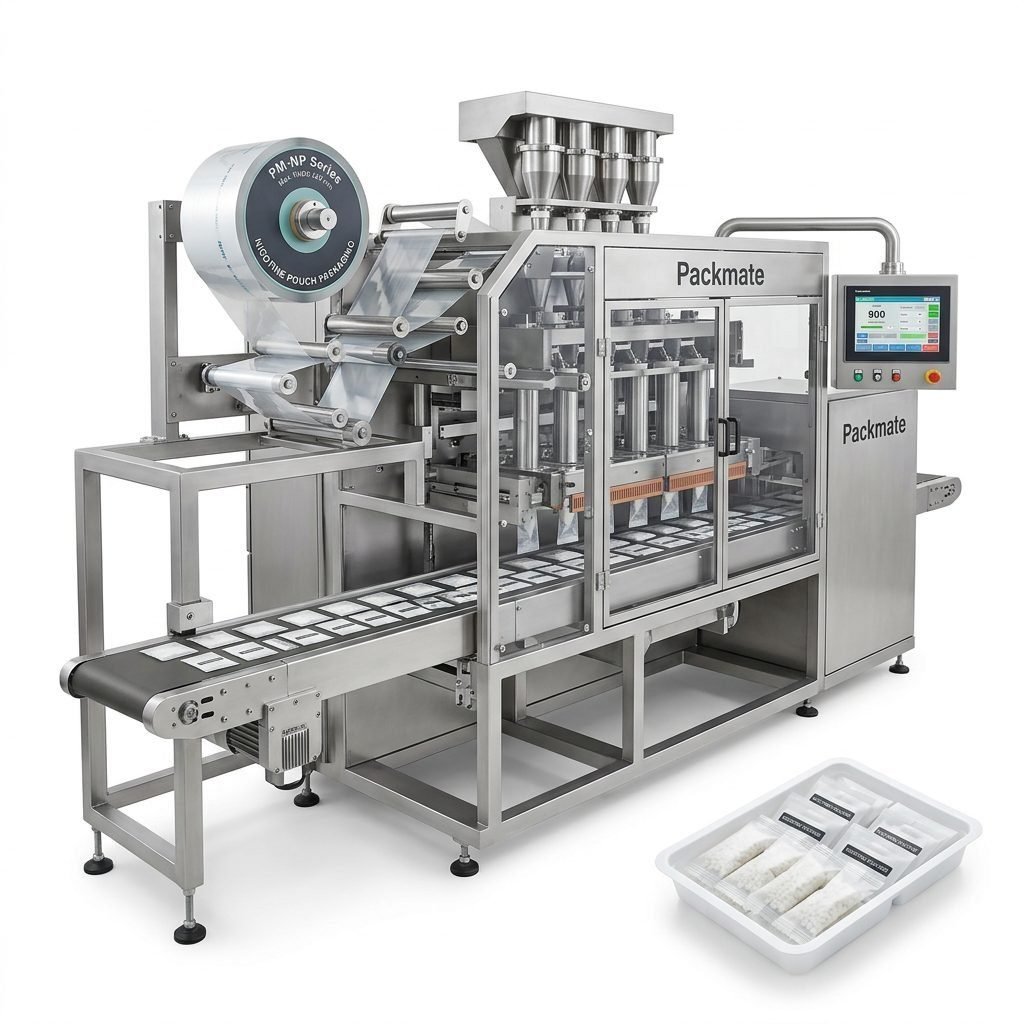
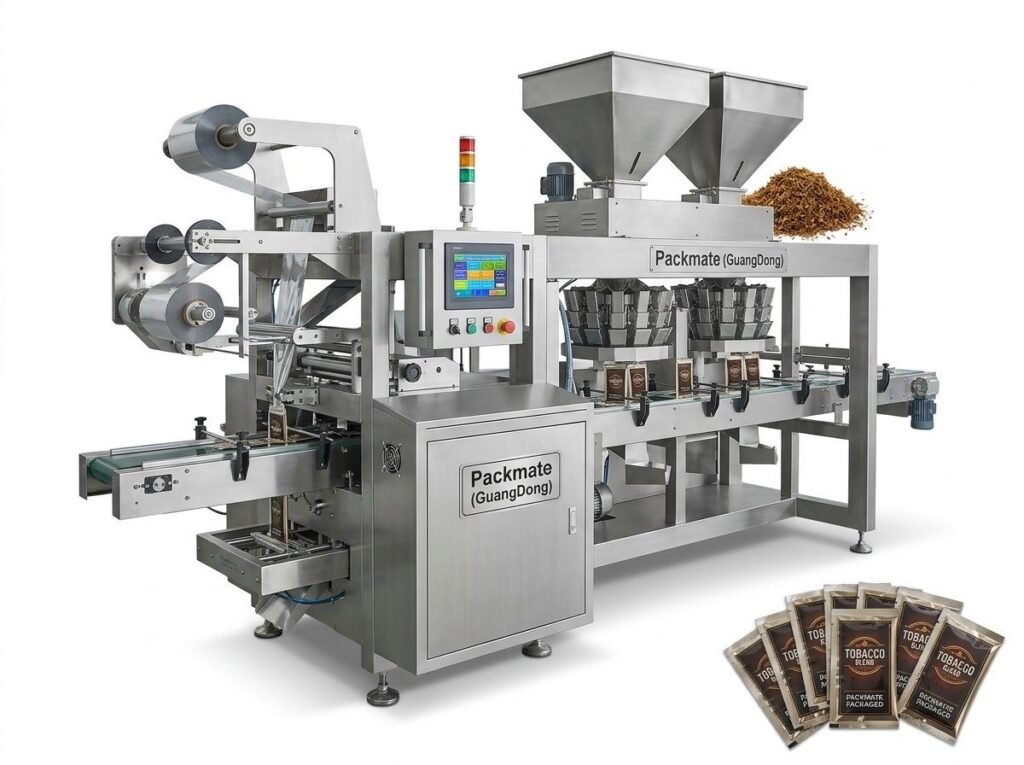
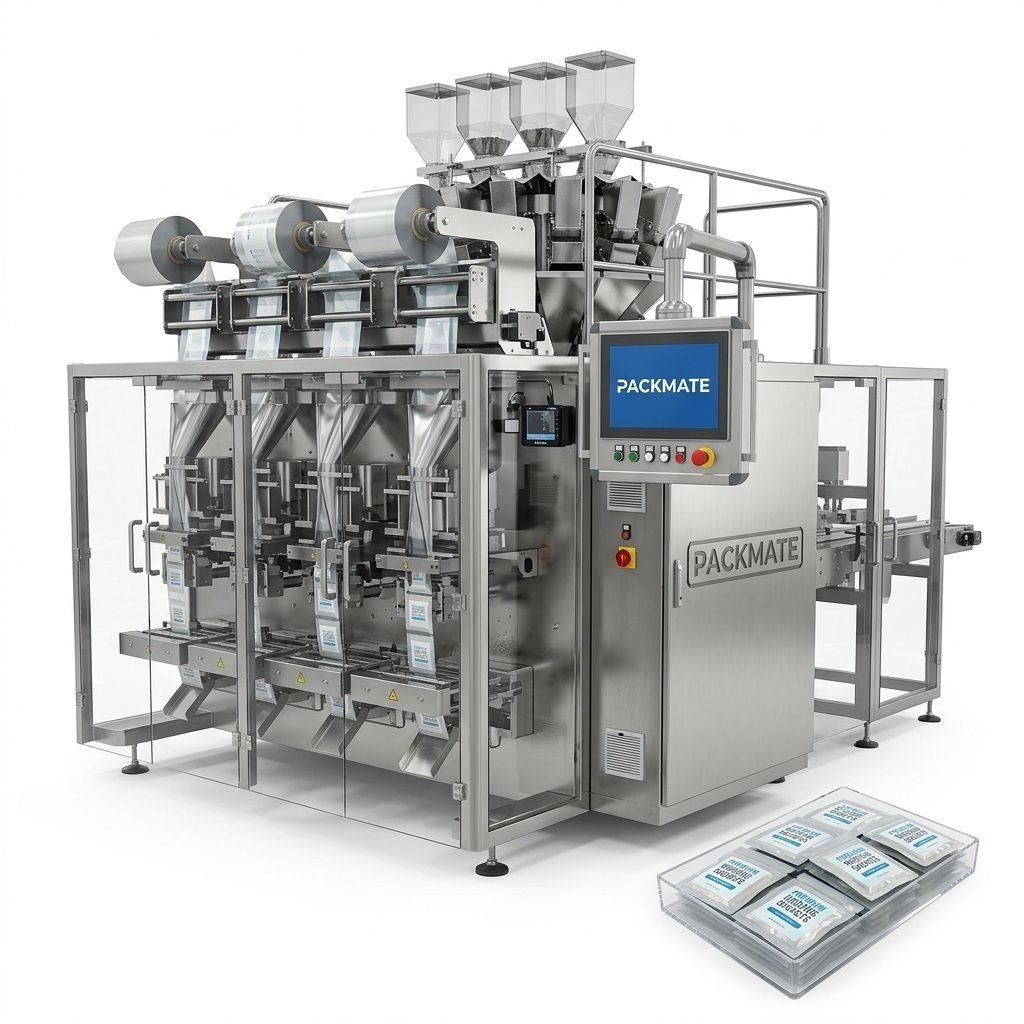
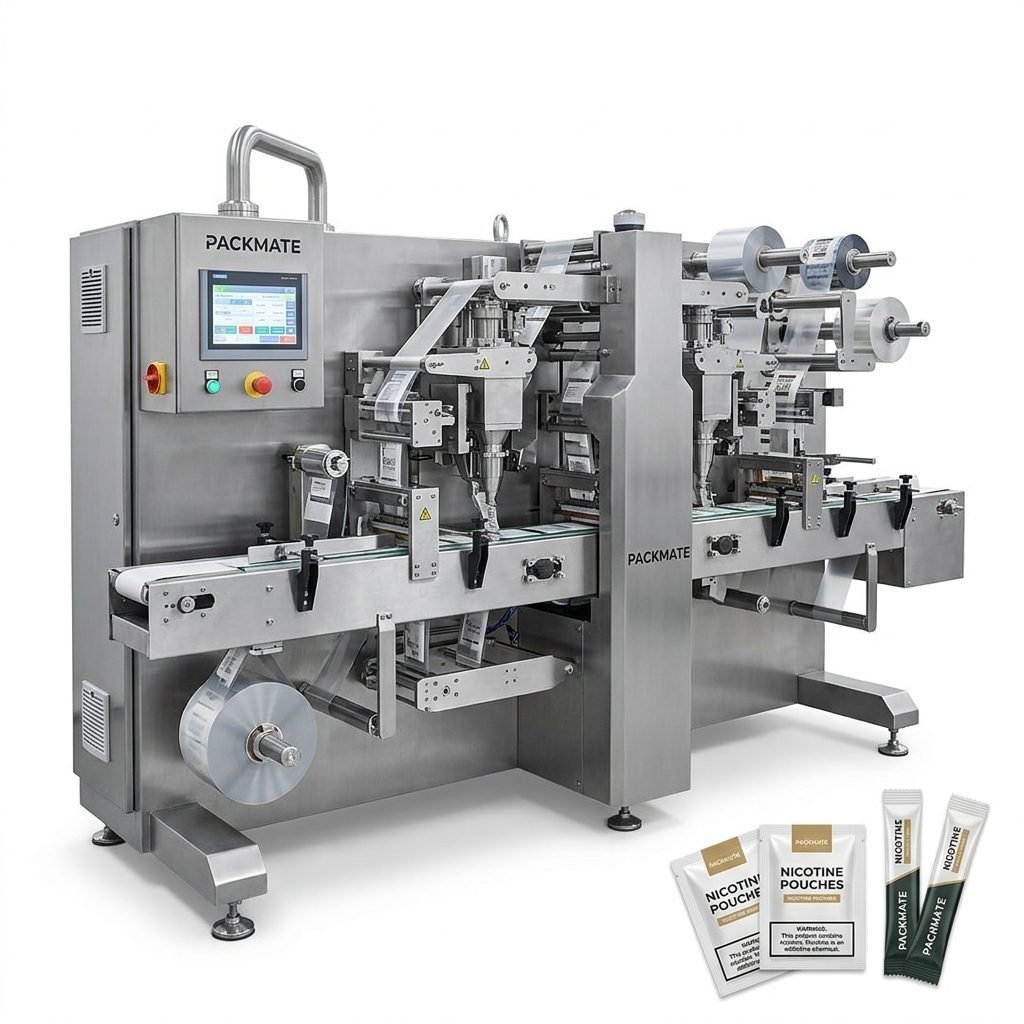
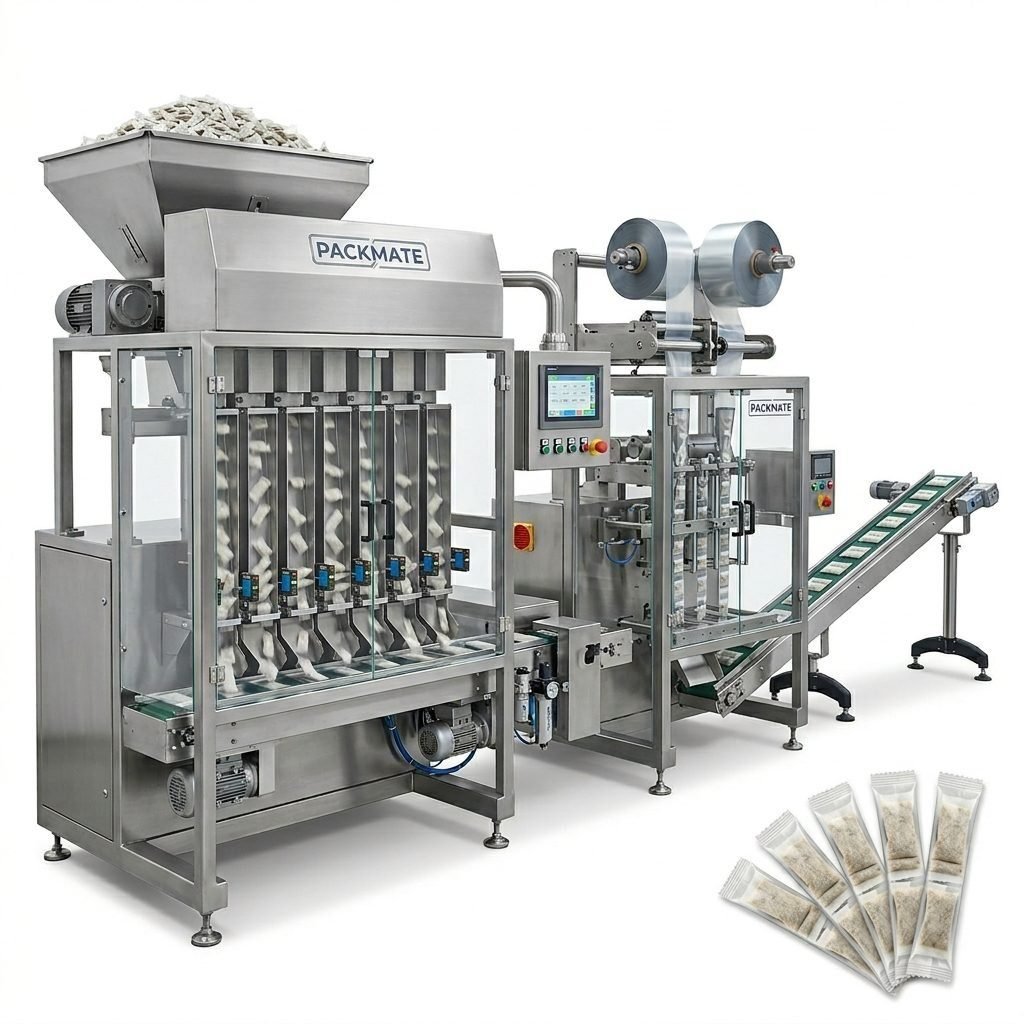
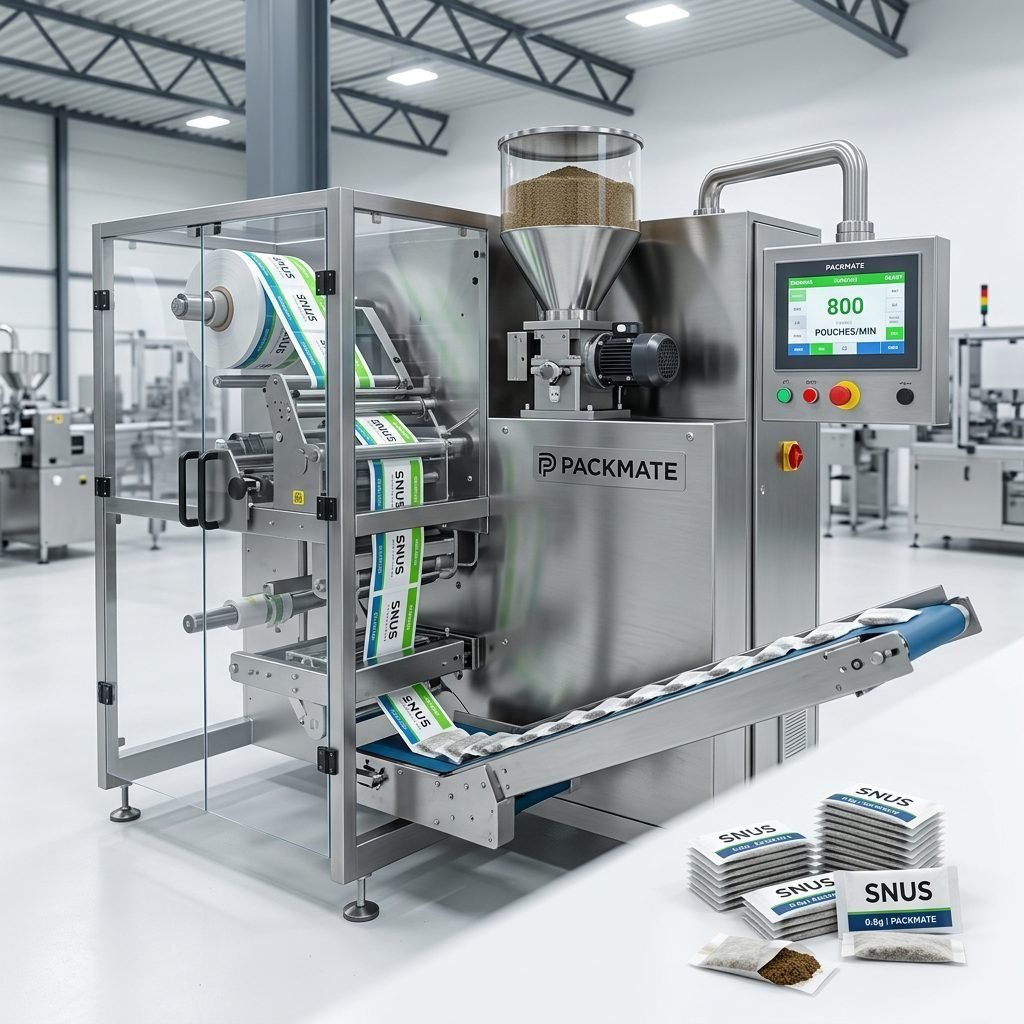
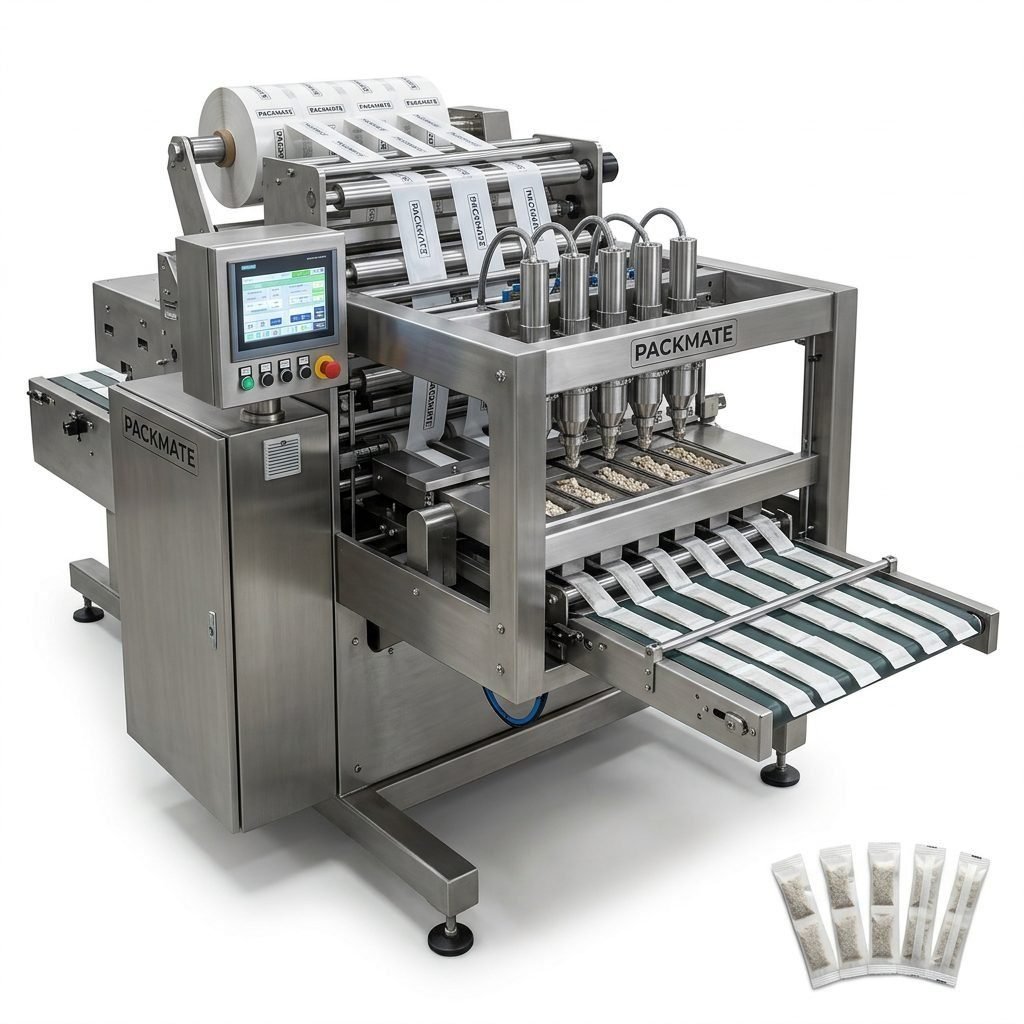
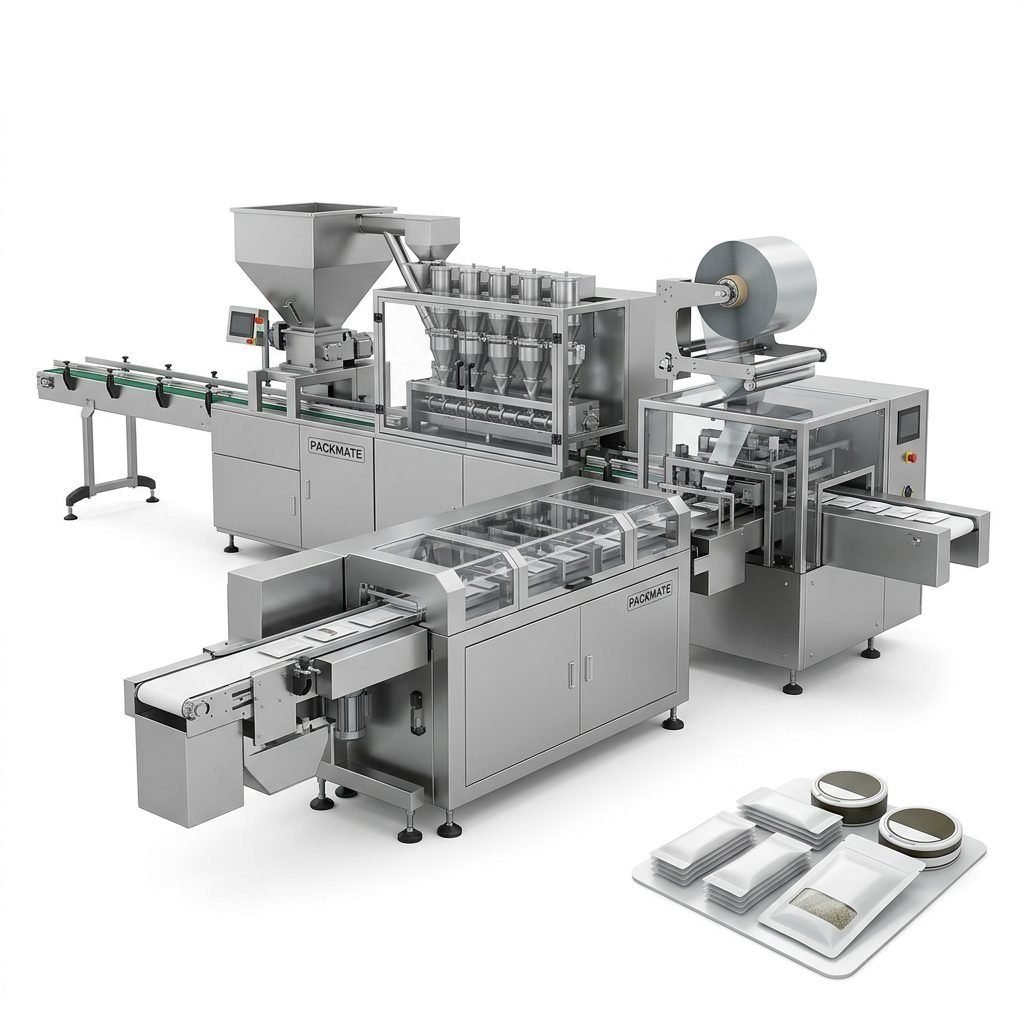
With more than 30 years of engineering experience, a 20,000㎡ manufacturing facility, and 50+ machine models, Packmate offers end-to-end packaging lines for snus and nicotine pouch production. Their product range includes dedicated snus & nicotine packaging machines, stick pack and sachet machines, weighing systems, and full filling lines — providing modular options suited for Sri Lankan brand requirements.
Learn more about their product lines and capabilities:
Snus & Nicotine Packaging Machines,
Sachet & Stick Pack Machines, and
About Packmate.
Case Studies & Trade Shows
Suppliers that exhibit internationally and publish real-world case studies often have mature project capabilities. Reviewing exhibition schedules and case portfolios helps verify claims. See exhibition and case information for additional validation:
Our Exhibition and
Case.
Practical Steps to Finalize Your Purchase
1. Shortlist suppliers and request a formal quotation with clear scope, lead time, and spare parts list.
2. Schedule FAT or request detailed video proof and sample outputs.
3. Confirm packaging, labeling, and electrical specs to match Sri Lanka’s grid and safety norms.
4. Finalize payment milestones tied to performance and shipment milestones.
5. Arrange for installation, training, and initial spare parts inventory ahead of machine arrival.
Tips for Smooth Commissioning in Sri Lanka
Coordinate power, compressed air, and site layout in advance. Consider hiring a local installation manager familiar with customs clearance and electrical compliance. Where language barriers exist, request bilingual documentation or local translator support during commissioning.
Final Checklist Before Signing a Contract
🔶 All technical specs confirmed and samples approved.
🔶 Clear warranty, spare parts list, and service level agreement.
🔶 Shipping terms, customs documentation, and insurance confirmed.
🔶 Training plan and installation dates agreed.
Useful Links & Resources
For product catalogs and support services, explore the supplier’s product pages and service resources:
Filling & Packaging Lines,
Weighing & Packaging Systems, and
Service.
Final Thoughts
Selecting the right nicotine packaging machine supplier for Sri Lanka blends technical validation with cultural and regulatory awareness. Prioritize suppliers with strong manufacturing capabilities, clear quality control, transparent commercial terms, and reliable after-sales support. This minimizes operational risk and ensures your packaging line becomes a long-term asset for your business.
Frequently Asked Questions
Q1: How long does it take to receive and commission a packaging line in Sri Lanka?
Typical lead times range from 8–16 weeks for standard models; custom lines take longer. Add shipping and customs time—plan for 2–6 additional weeks for delivery and installation.
Q2: What documentation is needed for customs clearance?
Prepare the invoice, packing list, certificate of origin, CE/ISO certificates, and any electrical or safety certificates required locally. Suppliers experienced in exports usually provide a complete documentation set.
Q3: Are spare parts readily available in Sri Lanka?
Availability depends on the supplier’s distribution network. Choose suppliers offering express shipping for critical parts or local distributors to minimize downtime.
Q4: What language support is recommended during training?
English is commonly used for technical manuals, but bilingual support (Sinhala/Tamil) can improve on-site training effectiveness and reduce misunderstandings.
Q5: How can I ensure regulatory compliance for nicotine pouch packaging?
Verify local labeling rules, health warnings, and any restrictions on nicotine products in Sri Lanka. Work with legal counsel or local compliance experts to confirm packaging content, language requirements, and age-control measures.