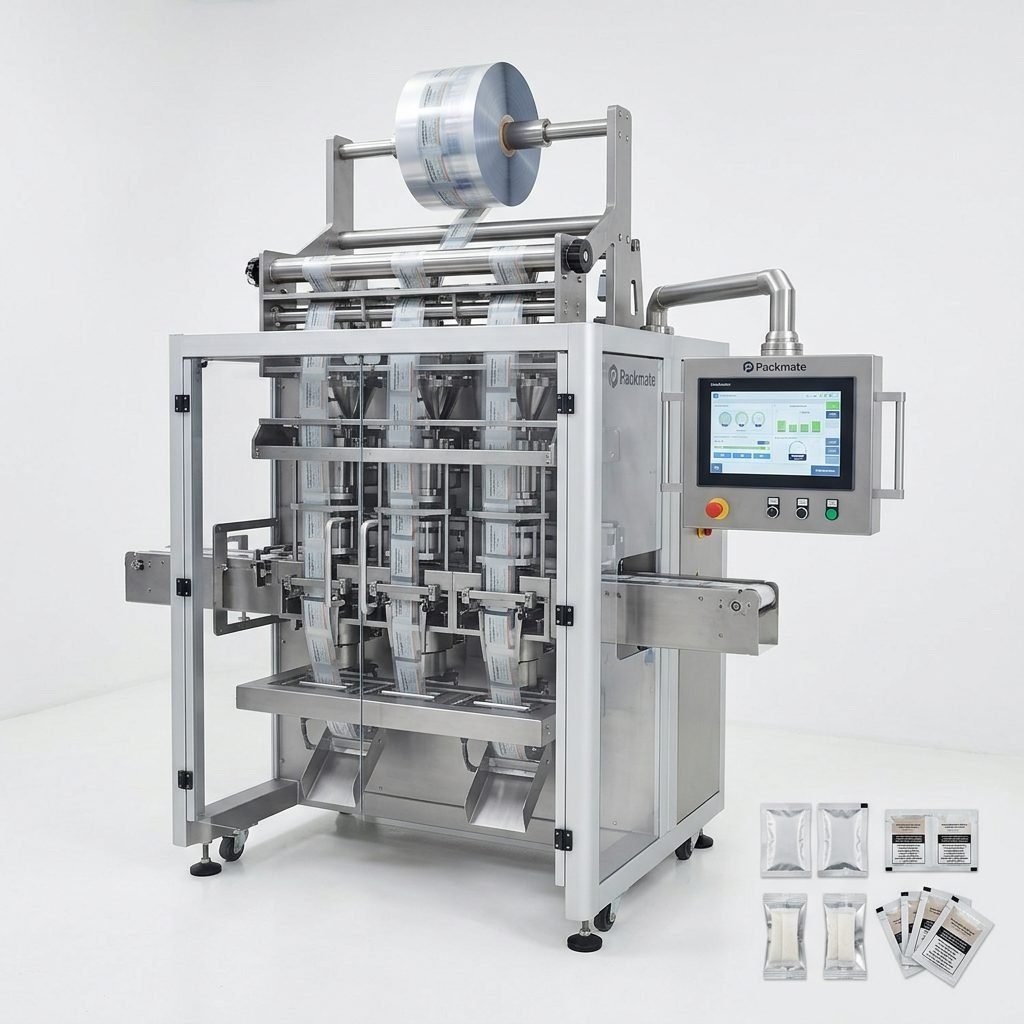
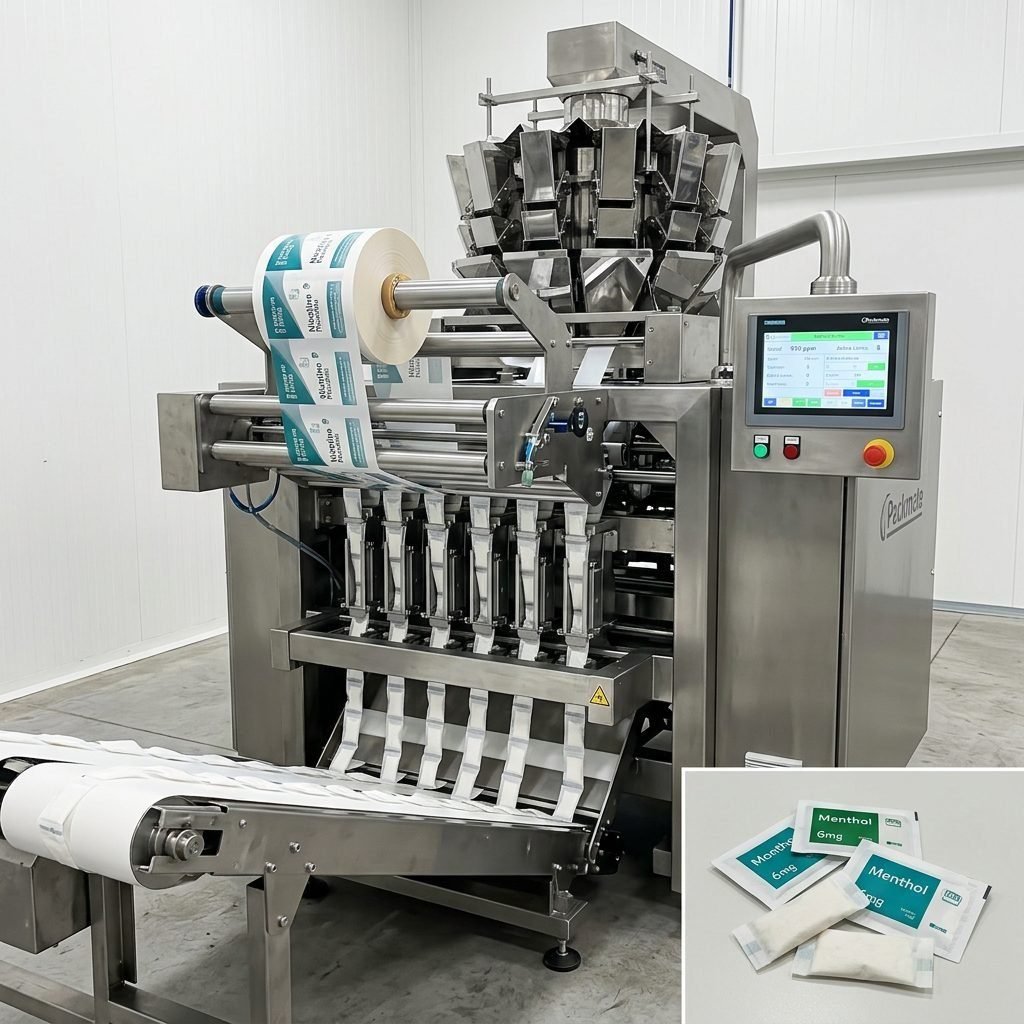
Choosing the right nicotine packaging machine supplier for your business in Chad is a strategic decision that touches manufacturing uptime, product quality, regulatory compliance, and long-term profitability. In a market where logistics, climate, and local business practices pose unique challenges, it’s essential to evaluate suppliers not only on machine performance but also on their ability to deliver service, spare parts, training, and turnkey solutions that match Chad’s realities. The guidance below walks you through practical steps and evaluation criteria to select a supplier who will help your nicotine pouch or snus operation run reliably and grow sustainably.
Understand Local Context: Why Chad Matters
Chad is a landlocked country with diverse regions, climatic extremes (hot and dusty in many parts), and a business culture that often relies on strong personal relationships and clear, French-language documentation. Your equipment will likely ship to N’Djamena or a regional hub, then move by road — expect longer transit times and special customs procedures. Power stability can vary across facilities, and dust and heat are real concerns for precision packaging machines. When choosing a supplier, prioritize those who understand these constraints and propose practical solutions for climate protection, power conditioning, and spare-parts logistics.
Key local considerations
🔶 Logistics: landlocked transit increases lead times — request detailed shipping plans.
🔶 Climate: dust protection and cooling/ventilation options are essential.
🔶 Language & paperwork: French-language manuals and local regulatory guidance are highly valuable.
🔶 Local partnerships: suppliers that can work with local agents or provide installation teams reduce setup risk.
Define Your Production Goals and Machine Requirements
Before you contact vendors, clearly define what you need: production capacity (pouches per minute), pouch types (snus, nicotine pouch, sachet, stick pack), lane-count (single vs multi-lane), fill materials (powder, granule, paste), and product weight accuracy. These specs determine which machine family will fit your operation and whether you need complete lines including weighing, filling, and sealing systems.
Checklist: essential technical specs
✓ Target output (units/hour)
✓ Pouch formats and sizes
✓ Filling accuracy and dosing system
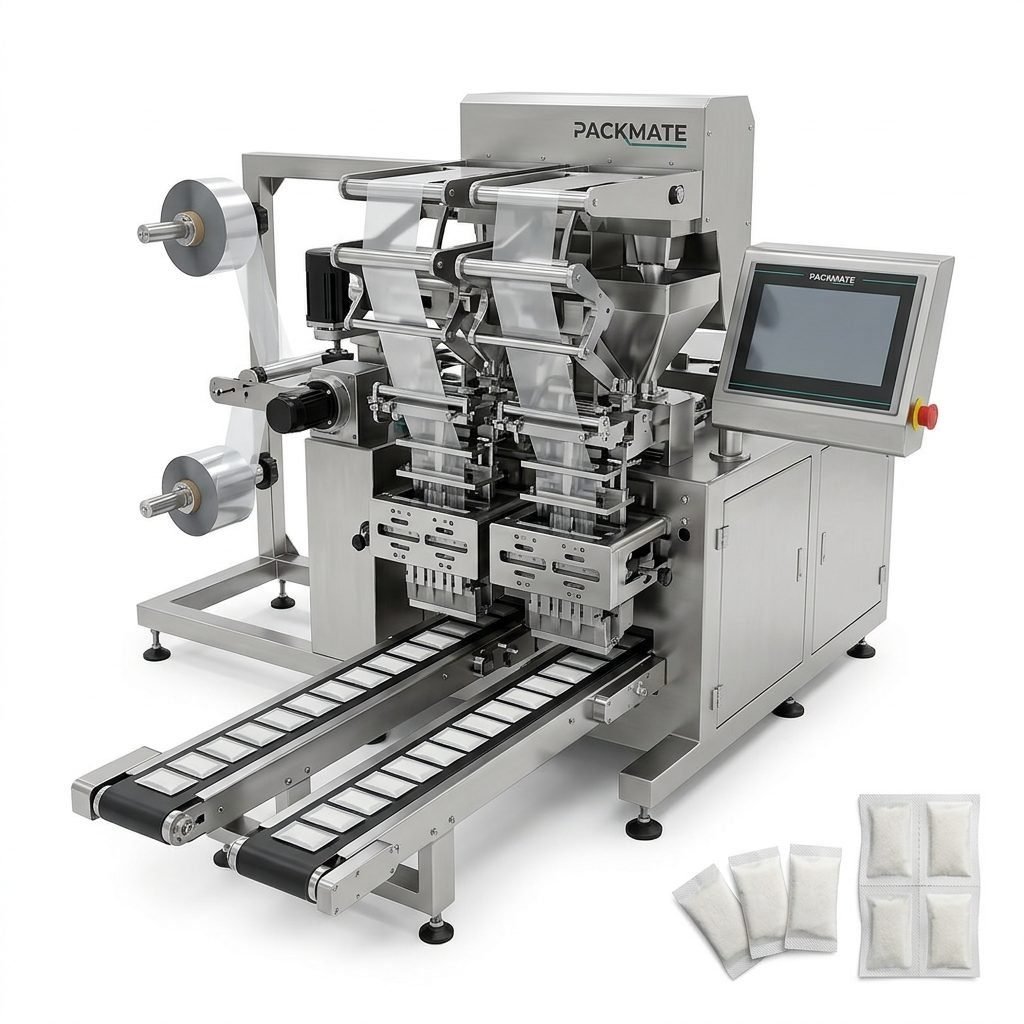
✓ Multi-lane compatibility for small-dose pouches
✓ Required automation level and HMI language options
Evaluate Supplier Capability and Track Record
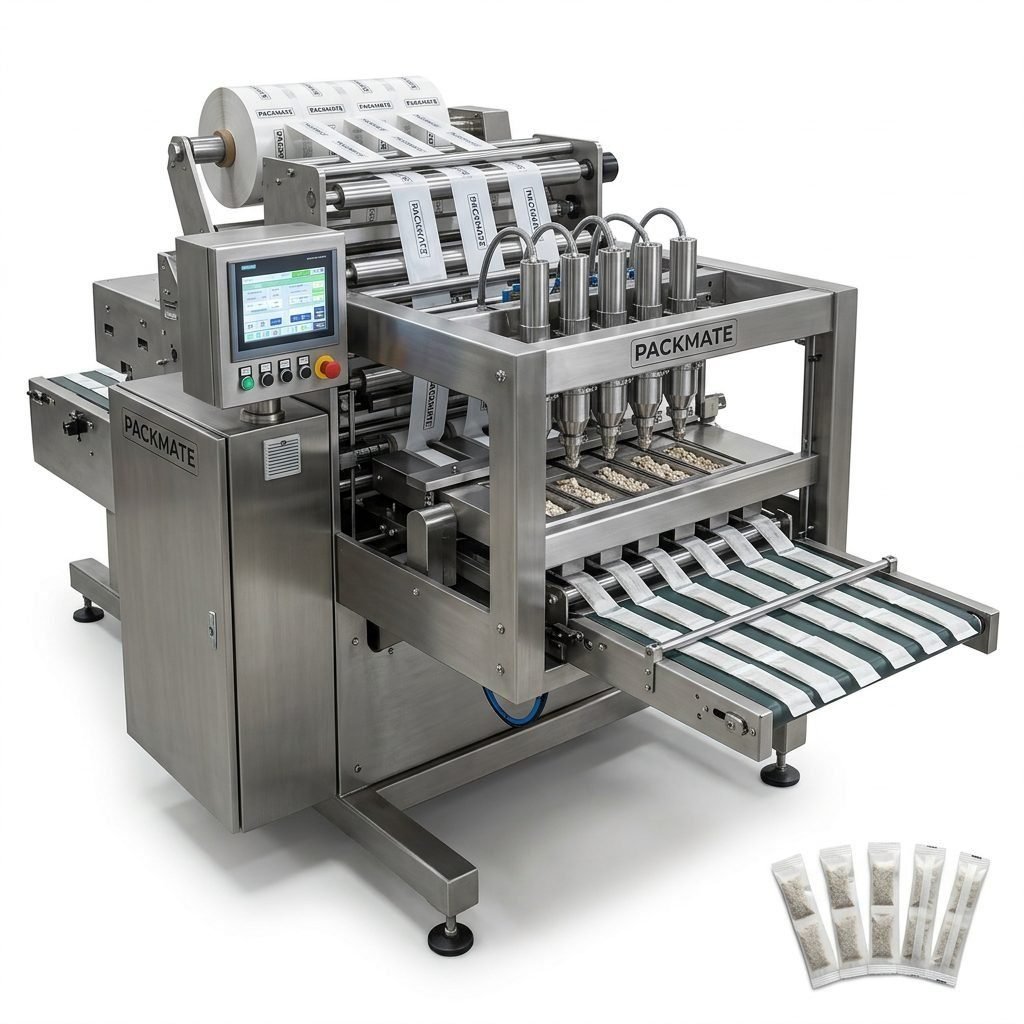
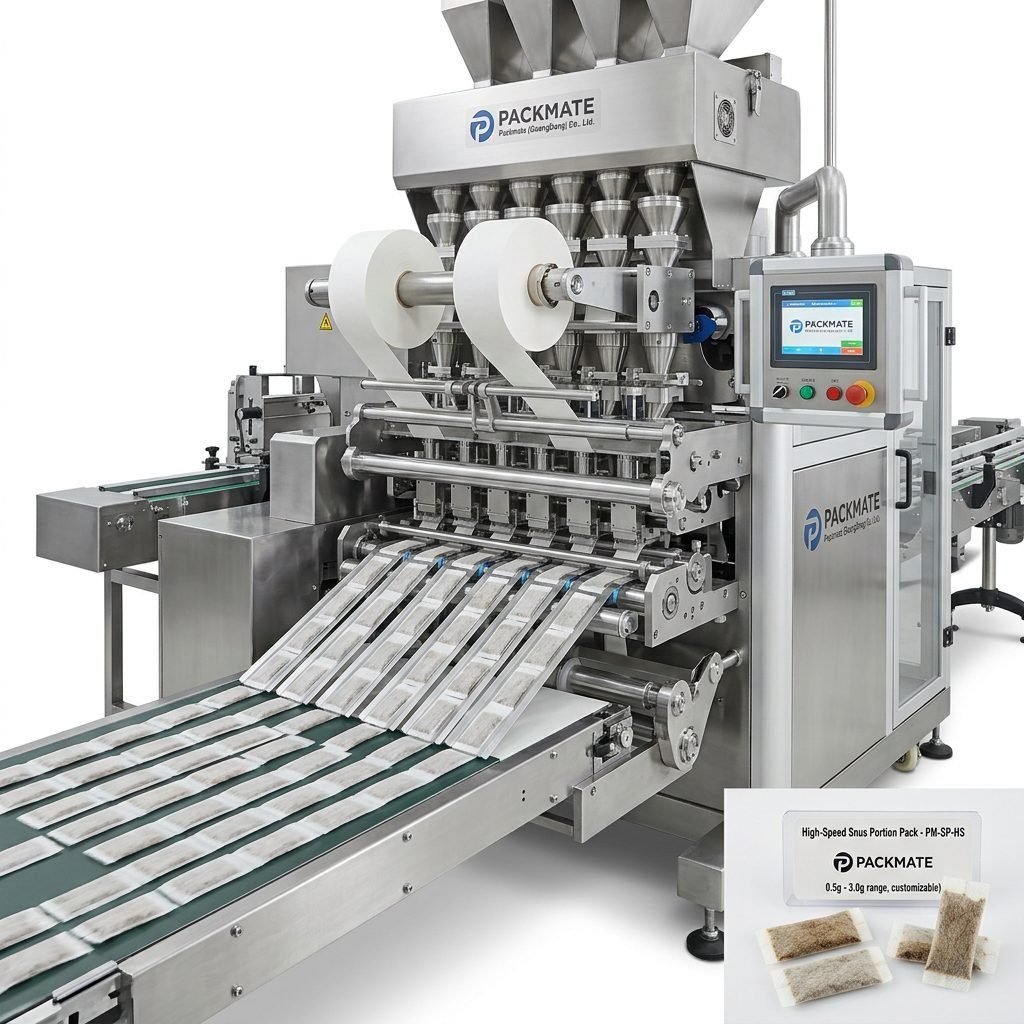
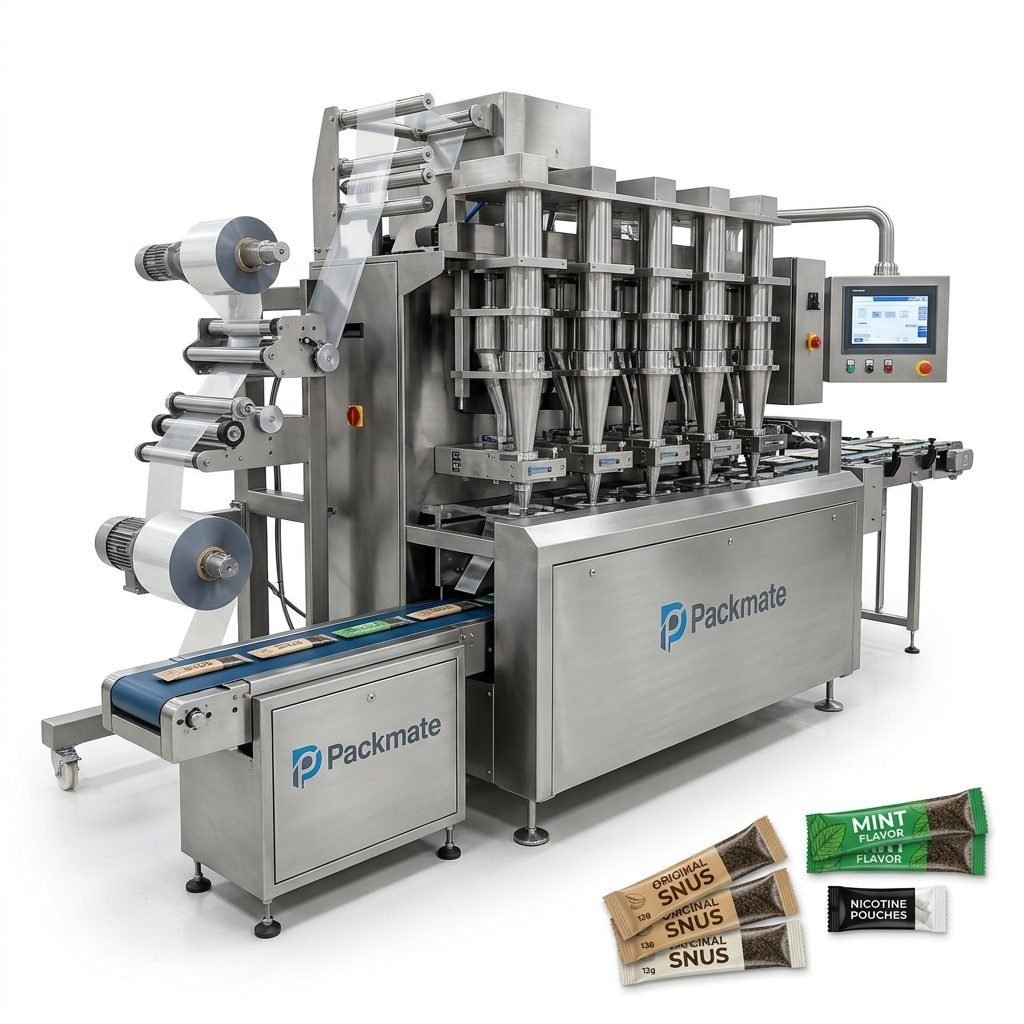
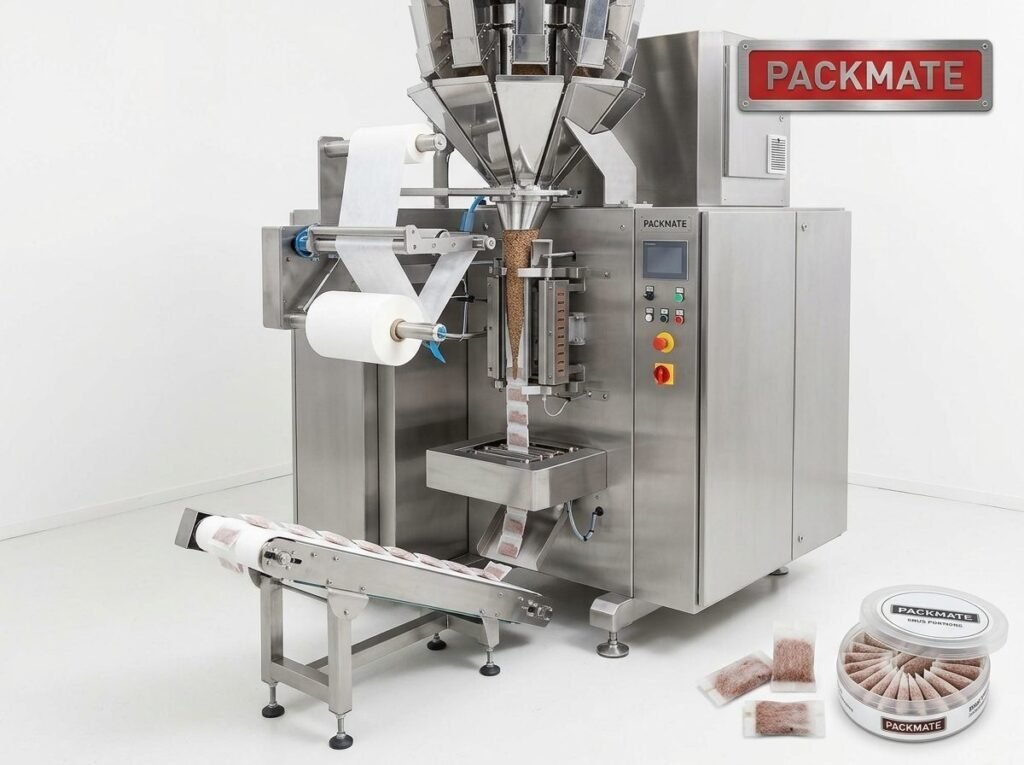
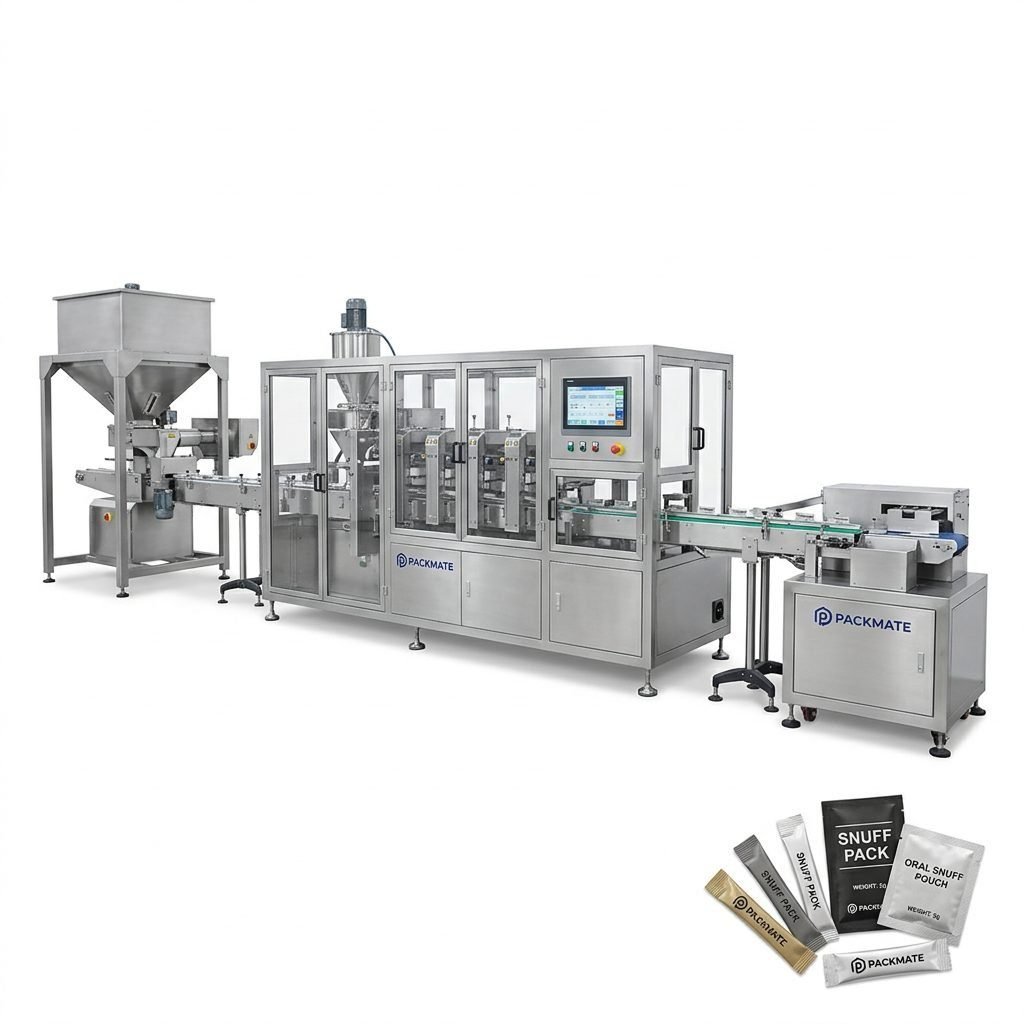
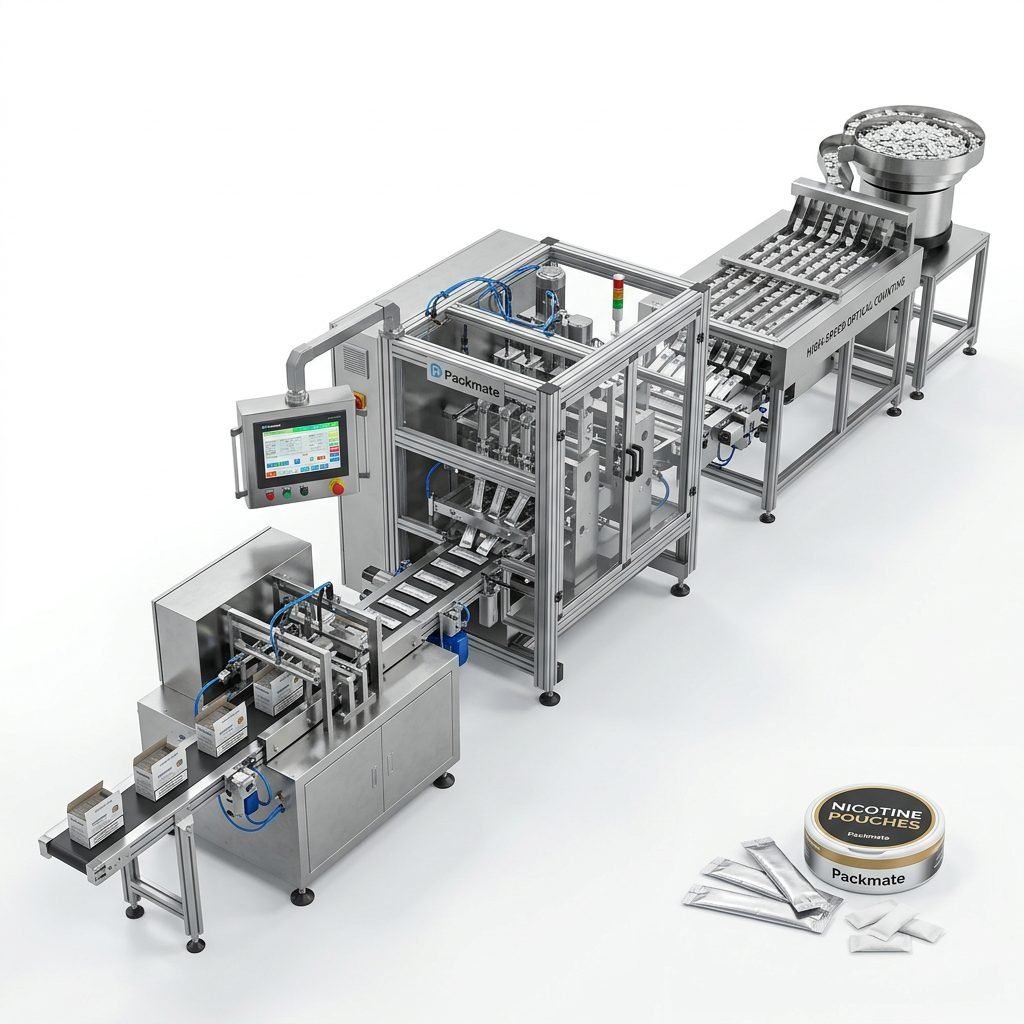
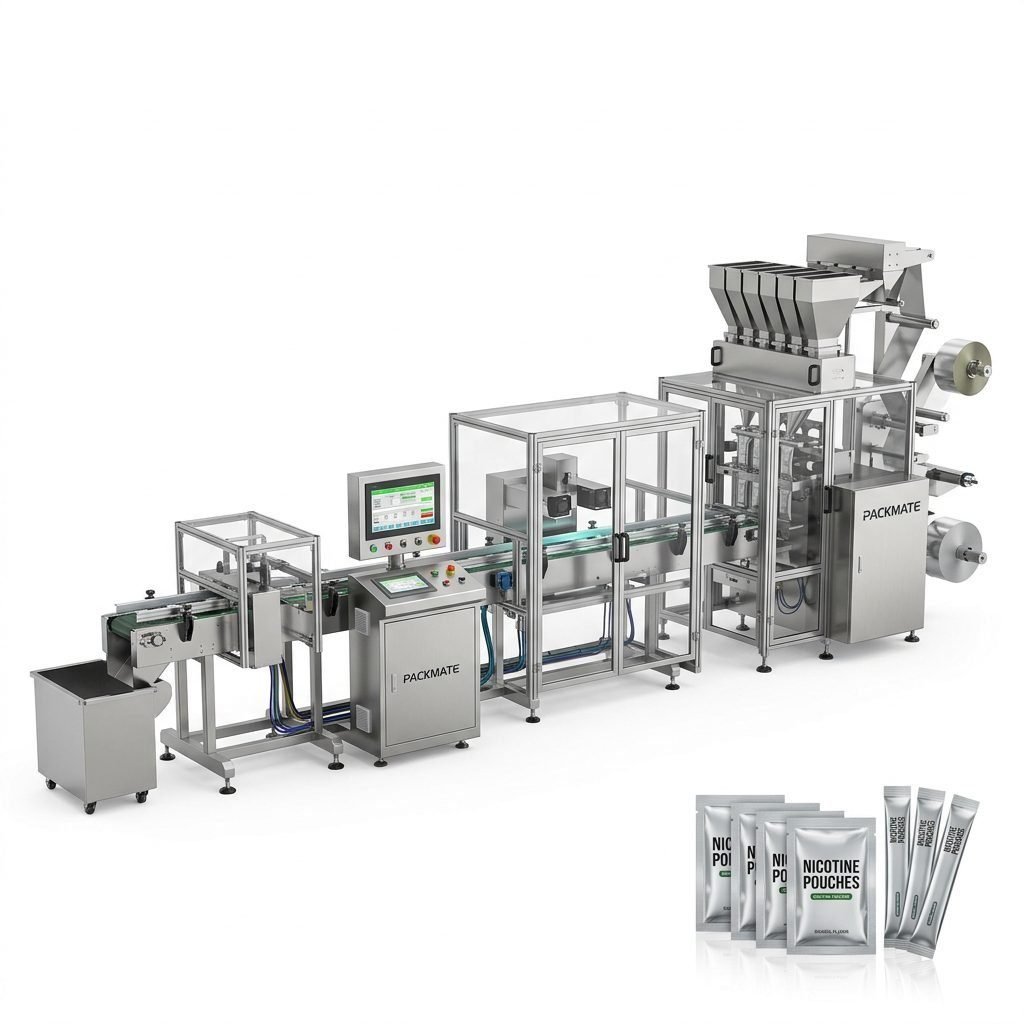
A strong supplier should demonstrate manufacturing capacity, quality control, and global experience. Look for a company with a sizable factory, advanced machining capability, and long industry experience. For example, suppliers that offer a complete line of solutions — from snus & nicotine packaging machines to weighing and auxiliary equipment — can simplify integration. You may want to review case studies and exhibition presence to validate real-world performance.
Useful resources include the supplier’s product pages and case histories. See sample product portfolios such as
Snus & Nicotine Packaging Machines
and
Bag & Pouch Packaging Machines.
Factory strength and certification
Prefer suppliers with a large manufacturing footprint, CNC capabilities, and strict QC. Certifications such as CE and ISO show compliance with international safety and quality standards. Also, suppliers with over two decades of engineering experience and numerous machine models demonstrate maturity in design and manufacturing.
Service, Training and After-Sales Support
After-sales service is often the decisive factor in whether a packaging line continues to run at peak efficiency. For Chad, ensure your supplier provides:
🔶 Detailed installation & commissioning support (onsite or via trusted agents)
🔶 Training programs in French and clear manuals
🔶 Fast spare-parts supply and recommended spare-parts kits
🔶 Remote technical support and preventive maintenance plans
Turnkey Solutions vs. Single Machines
If you plan to scale or want a reliable production start, consider a turnkey line that includes filling, weighing, packaging, and auxiliary equipment. Turnkey providers coordinate integration, testing, and training so you receive a ready-to-run line — often faster than sourcing components separately. Refer to product lines like
Filling & Packaging Lines
and
Weighing & Packaging Systems
to understand full-line capabilities.
Assess Total Cost of Ownership (TCO)
Machine price is only part of the equation. When calculating TCO, include installation, import taxes, shipping to Chad, local transportation, site preparation, electrical upgrades, staff training, spare parts inventory, and expected maintenance frequency. A slightly higher upfront investment in robust equipment often reduces downtime and maintenance costs in the long run.
Budget planning items
✓ Freight & insurance to port of entry in Chad
✓ Customs clearance and brokerage fees
✓ Electrical and civil work at your site
✓ Training and initial spare parts bundle
Quality Inspection, Factory Visits and Demos
If possible, arrange a factory visit or virtual machine demonstration. Seeing machines run with your product or a closely similar product is invaluable. Check component quality, test run data, and ask for production videos and client references. Reputable manufacturers will gladly share case studies and machine testing reports. You can review examples and case pages such as the supplier’s
Case
section and their
About Packmate
information for credibility.
Contract Terms, Warranties and Performance Guarantees
Carefully review lead times, warranty coverage, spare-parts delivery timelines, penalties for missed delivery, and acceptance tests. A trustworthy supplier provides a clear Performance Acceptance Test (FAT) before shipping and a Site Acceptance Test (SAT) after installation. Include clauses for technical support response times and remote diagnostic capabilities.
Negotiation tips
🔶 Ask for bundled pricing for machines + spare parts + training.
🔶 Negotiate delivery milestones and FAT criteria.
🔶 Secure at least 12 months of warranty and defined SLAs for response.
Prepare Your Facility for Smooth Installation
Proper site preparation reduces commissioning time and unexpected costs. Ensure you have reliable electrical supply with correct voltage, stable compressed air (if required), adequate drainage, controlled ambient temperature, and dust control measures. Confirm local lifting equipment and clear access for machine delivery.
Pre-installation checklist
✓ Power specs and stable supply
✓ Clean, level floor and foundation
✓ Climate control or ventilation plans
✓ Local handling and delivery arrangements
Local Compliance and Responsible Sourcing
Nicotine and tobacco-related products are subject to legal and cultural sensitivities. Confirm local regulations in Chad regarding manufacturing, labeling, and sales of nicotine pouches. Work with suppliers who can support compliance documentation and provide machinery that helps you meet local labeling and traceability needs.
Why Packmate-Style Suppliers Are a Strong Option
Suppliers with decades of experience, a broad product range that includes snus and nicotine packaging machines, and global turnkey delivery experience are particularly valuable. They typically offer multi-lane systems for small-dose pouch production, robust CNC-built components, and international certifications. For more information or to evaluate models, suppliers often provide full catalogs and service details — see resources like their
Catalog
and
Service
pages.
Implementation Timeline: From Order to Production
Typical steps and realistic timeframes:
Weeks 1–4: Finalize specifications, negotiate contract, schedule FAT.
Weeks 5–12: Manufacturing and factory testing (depends on backlog).
Weeks 12–18: Shipping to nearest port, customs clearance, inland transit to Chad.
Weeks 18–22: Installation, commissioning, and staff training.
Post-commissioning: Initial production ramp, performance validation, handover.
Practical Tips for Working with International Suppliers
– Communicate clearly in French if possible and request French manuals for your local team.
– Use letters of credit or secure payment instruments that protect both parties.
– Insist on clear spare-parts lists and recommended initial inventories.
– Establish a local agent or partner to handle customs and in-country coordination.
Final selection checklist
🔶 Proven machine performance with similar products
🔶 Clear FAT/SAT and warranty terms
🔶 Demonstrated experience shipping and supporting customers in Africa
🔶 French-language documentation and training options
🔶 Spare parts availability and local support plan
Next Steps: Shortlist and Engage
Create a shortlist of 2–4 suppliers and request formal proposals including technical specs, FAT video or visit schedule, lead time, warranty, and a clear spare-parts package. Review references and ask for recent clients in similar climates. If possible, negotiate a pilot order or rental period to validate real-world performance before scaling up.
Helpful links
For supplier background, certificates, and exhibitions that indicate global presence and reliability, review pages like
Certificate,
Our Exhibition,
and contact channels on
Contact Us.
Conclusion
Choosing the best nicotine packaging machine supplier for Chad requires balancing machine performance with realistic logistics, climate adaptation, and strong after-sales support. A supplier that offers turnkey lines, multilingual training, fast spare-parts shipping, and proven experience in similar markets will reduce risk and accelerate your route to consistent production. Take the time to define your needs, validate supplier claims with tests and references, and prepare your facility to receive and maintain high-precision equipment.
Frequently Asked Questions
Q1: How long does it typically take to get a complete packaging line installed in Chad?
A1: From order to production, expect roughly 4–6 months depending on machine complexity, factory lead times, and shipping/customs delays. Turnkey deliveries with pre-tested FAT can shorten onsite commissioning.
Q2: What are the most common problems faced after installation and how can they be prevented?
A2: Common issues are power instability, dust ingress, and lack of trained operators. Prevent these by installing power conditioning (stabilizers/UPS), improving site dust control, securing initial operator training, and stocking critical spare parts.
Q3: Should I buy single machines or a turnkey line for nicotine pouches in Chad?
A3: If you need a rapid and reliable start with minimal integration risk, a turnkey solution is recommended. For experimental product lines or strict budget limits, single machines can work but require more integration effort.
Q4: How can I ensure spare parts are available quickly in Chad?
A4: Negotiate a spare-parts kit at purchase, maintain a local inventory of high-wear parts, and work with suppliers who offer express shipment or regional distribution hubs. Consider long-lead items when planning downtime contingencies.
Q5: What certifications are important when choosing a supplier?
A5: Look for CE and ISO certifications to ensure safety and consistent manufacturing quality. Also request documentation that helps with local compliance and export/import paperwork.