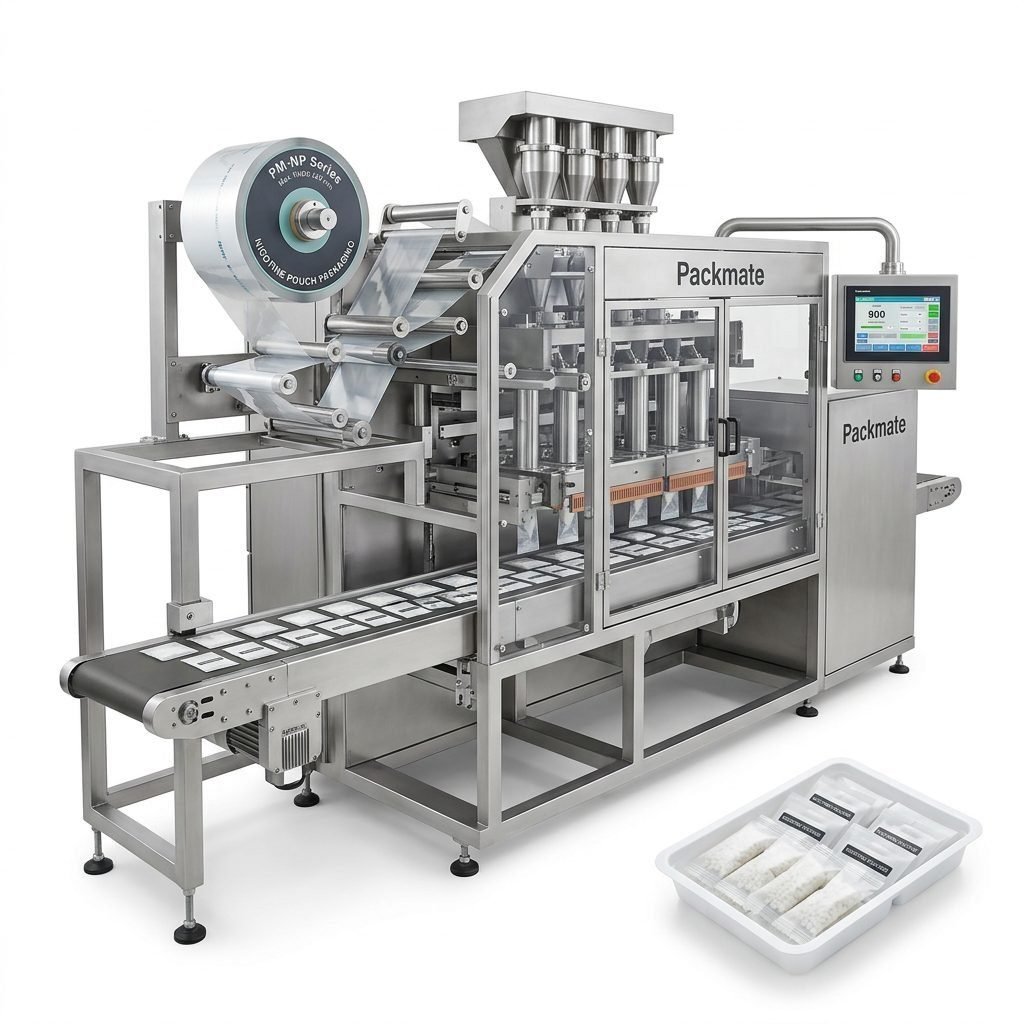
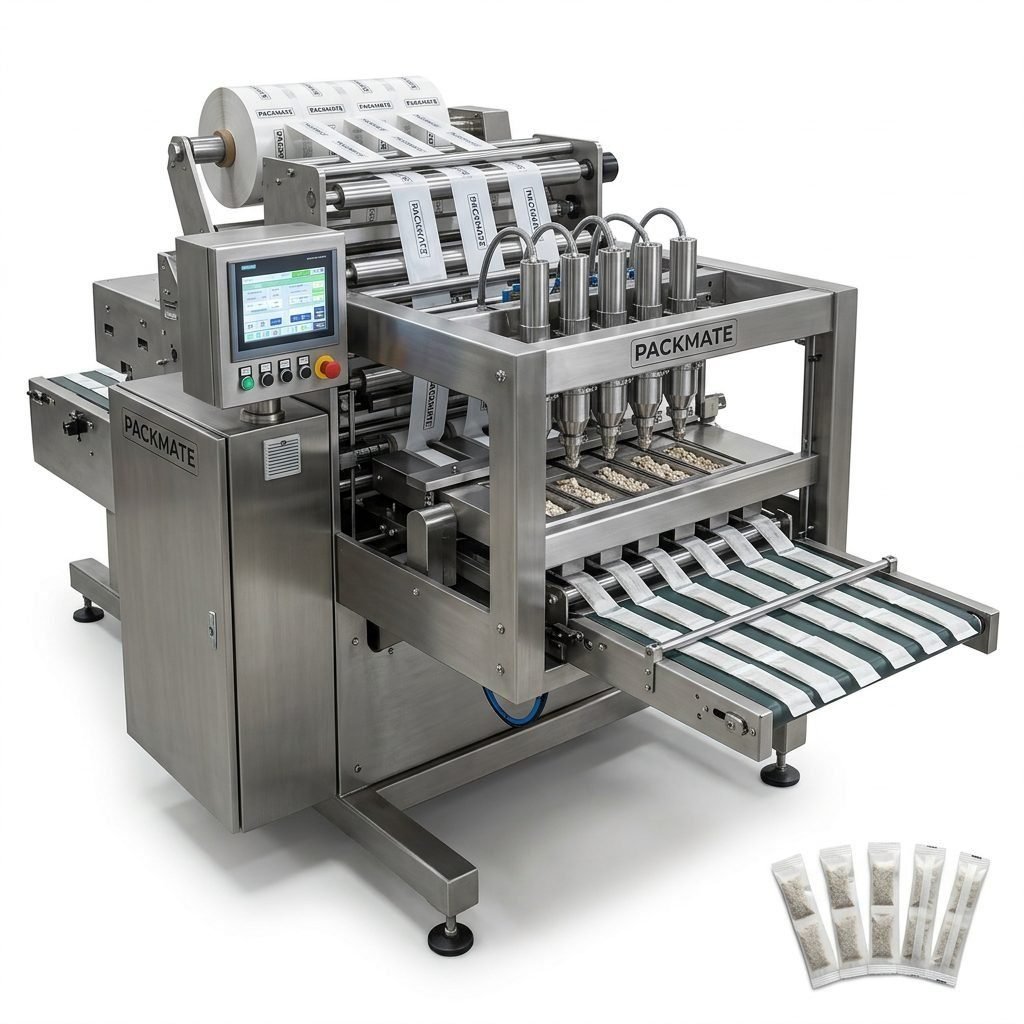
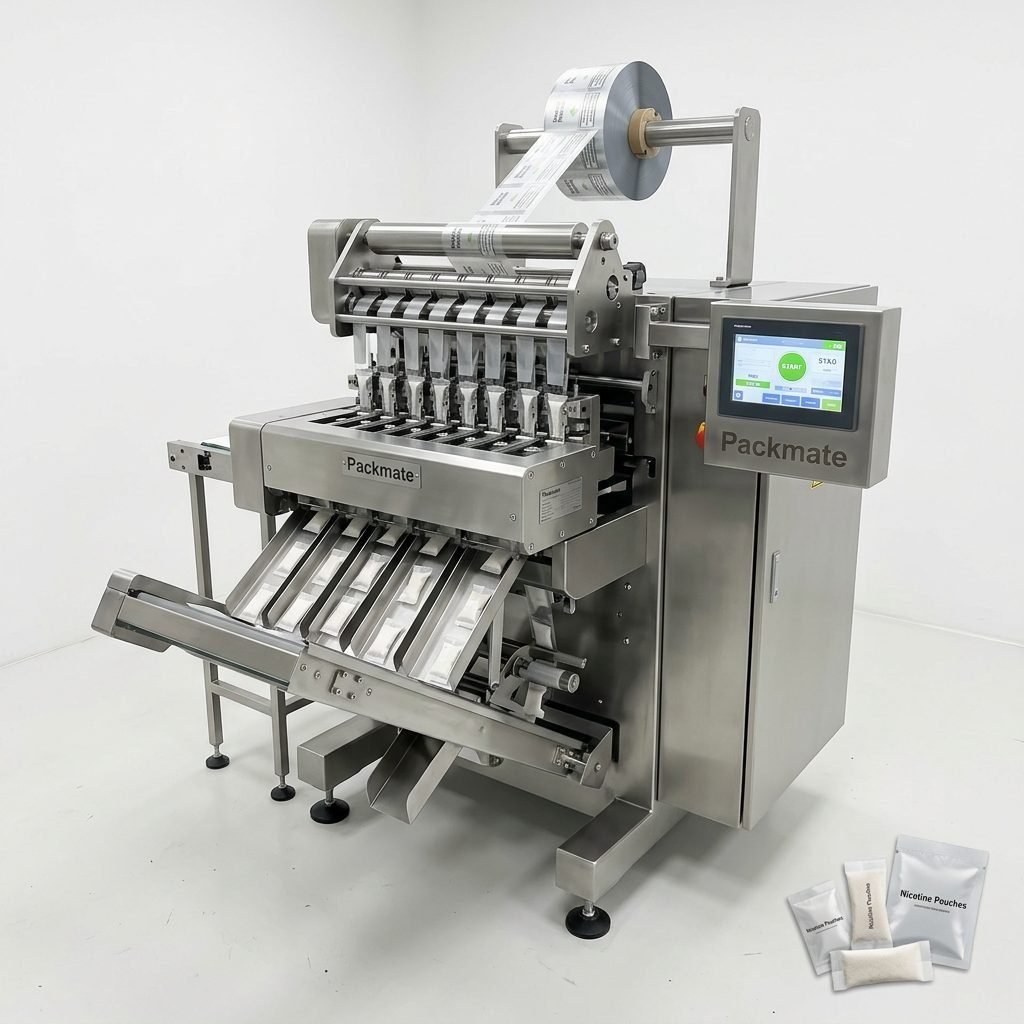
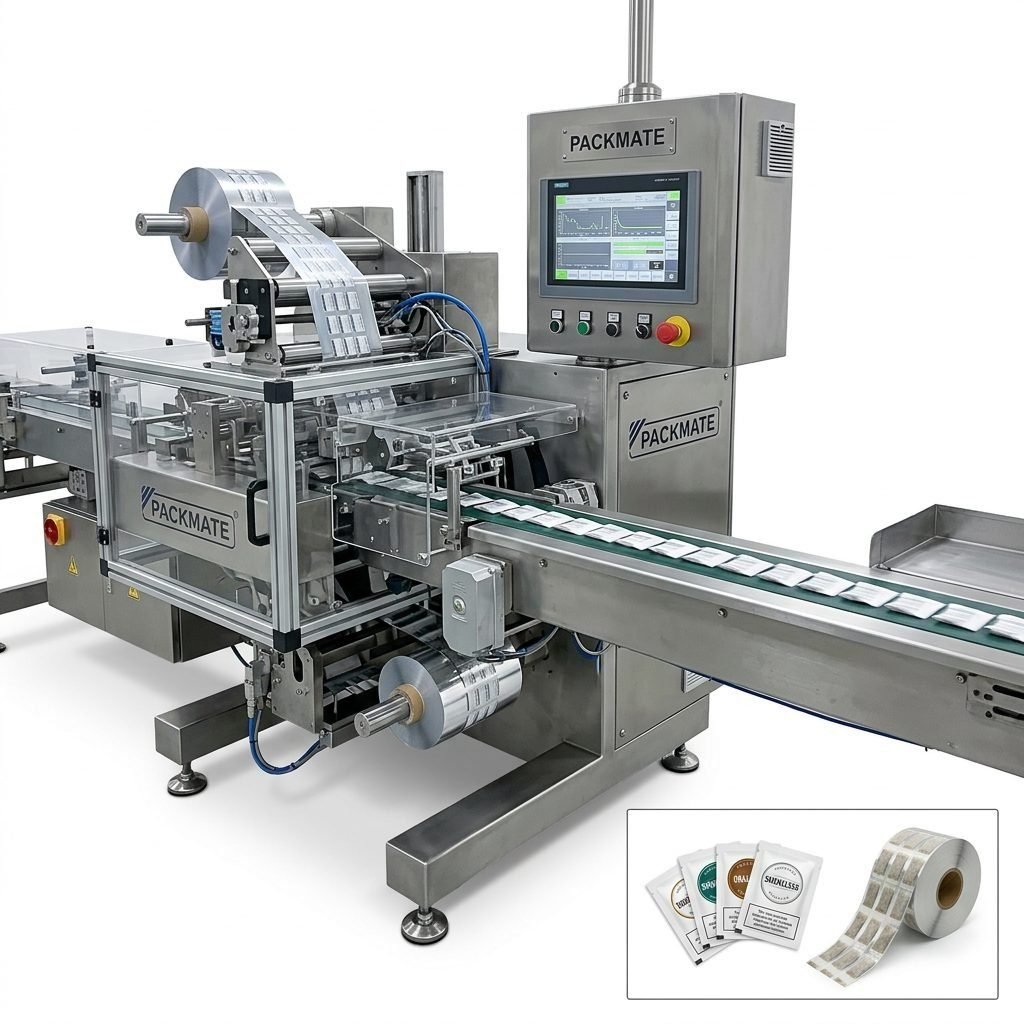
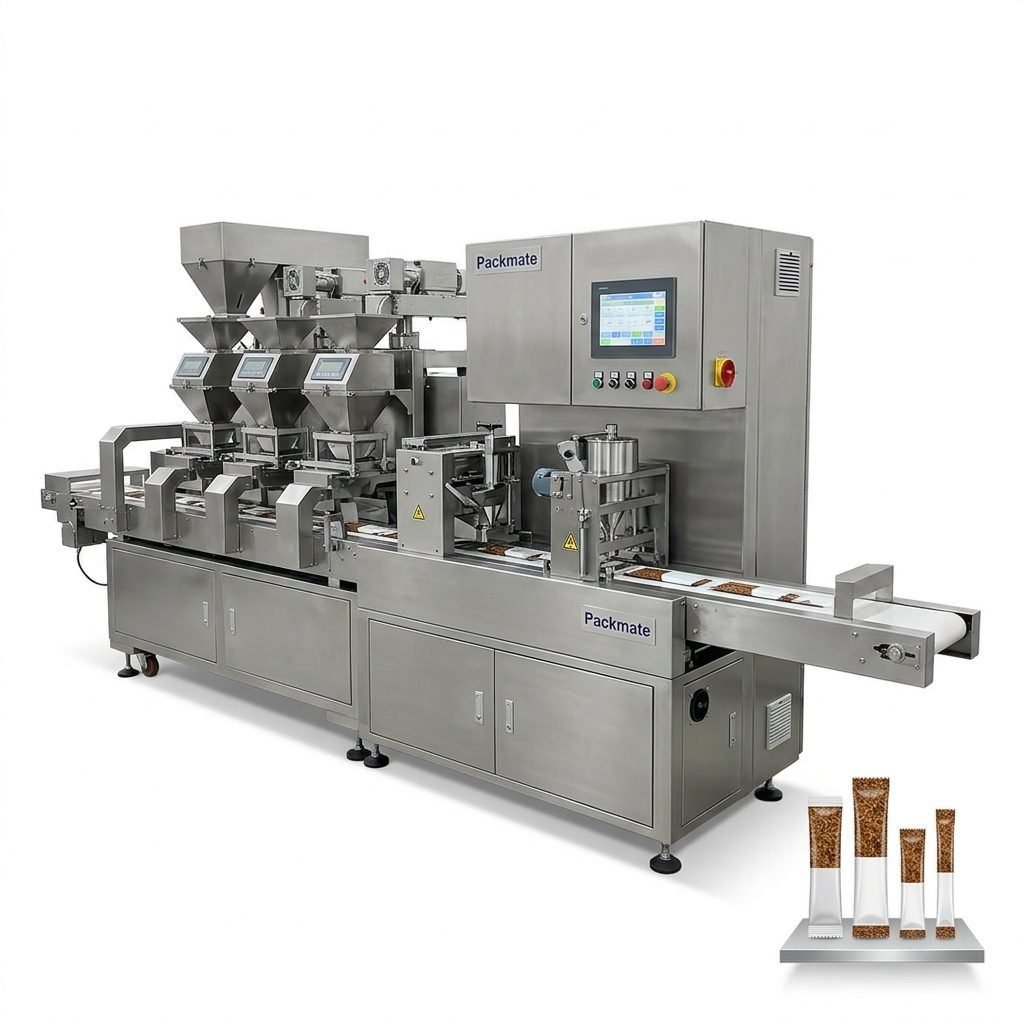
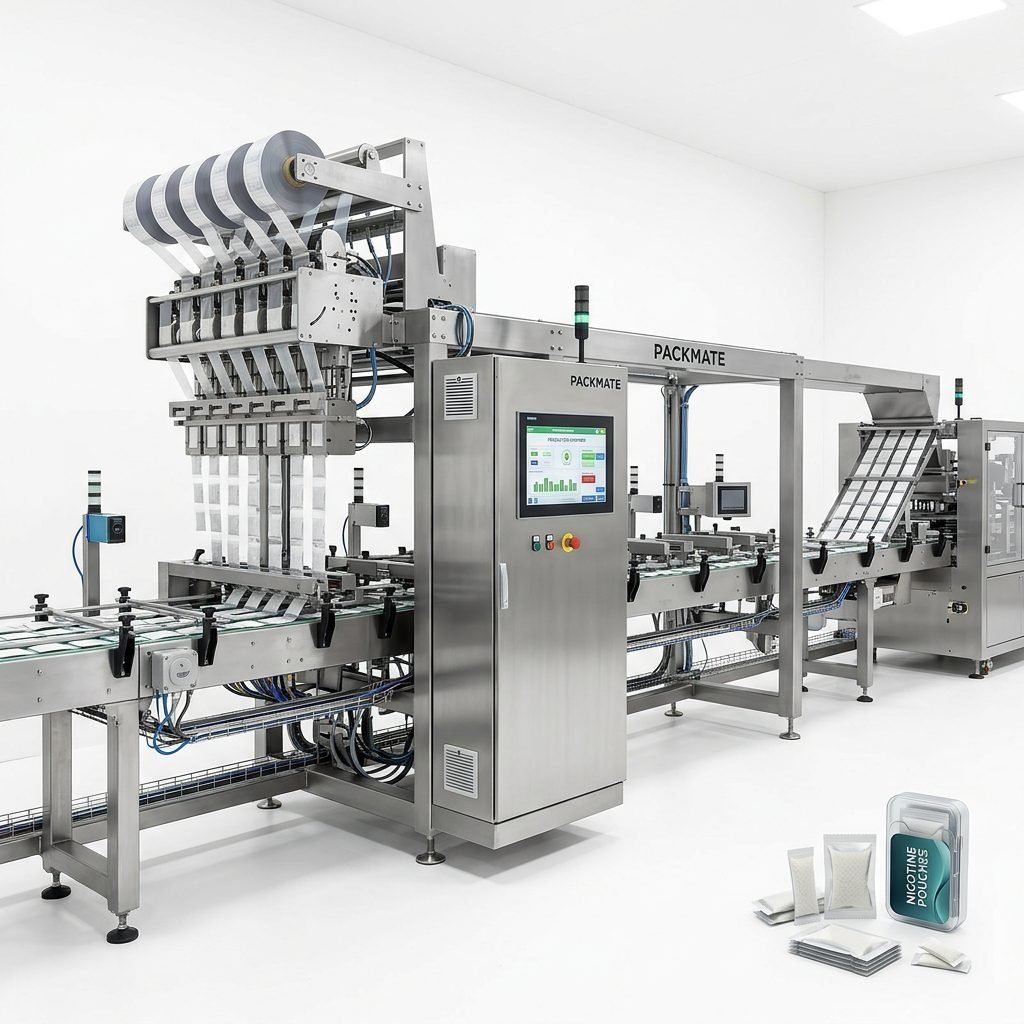
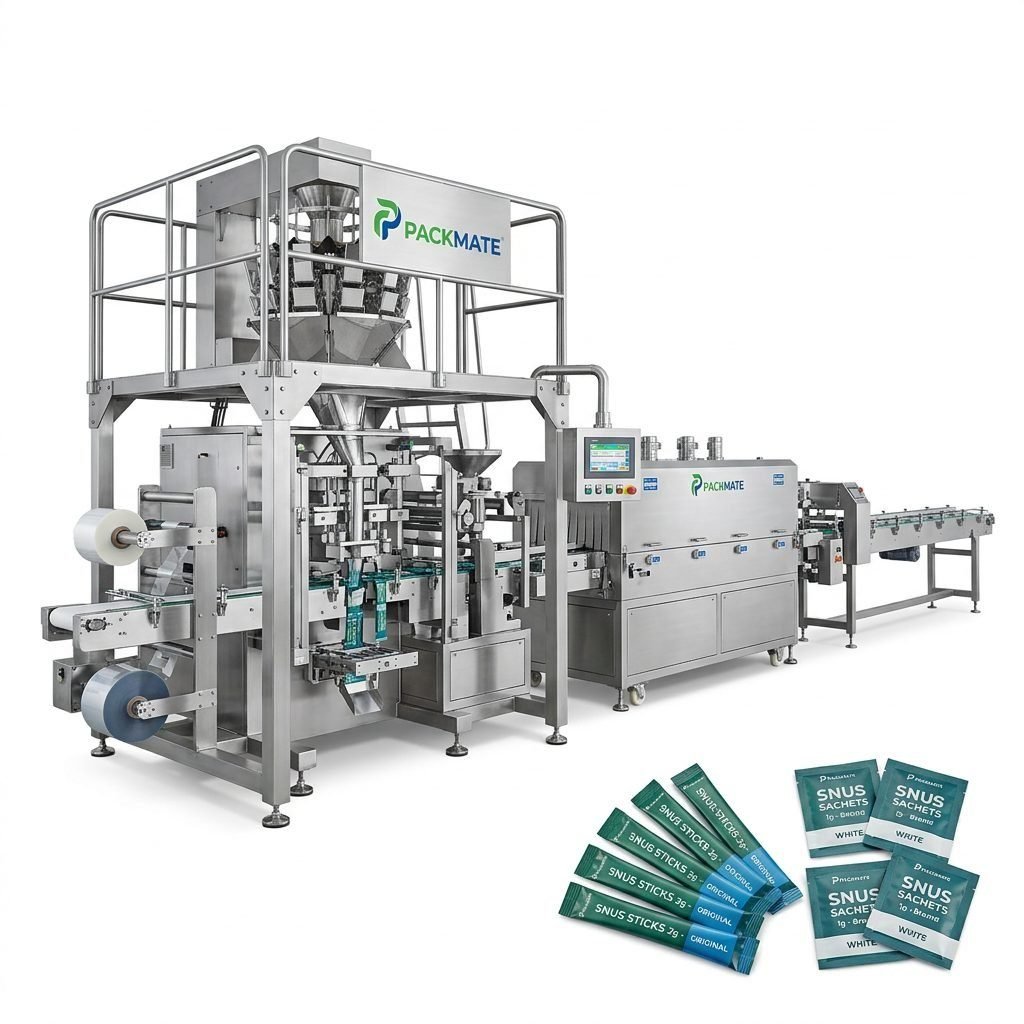
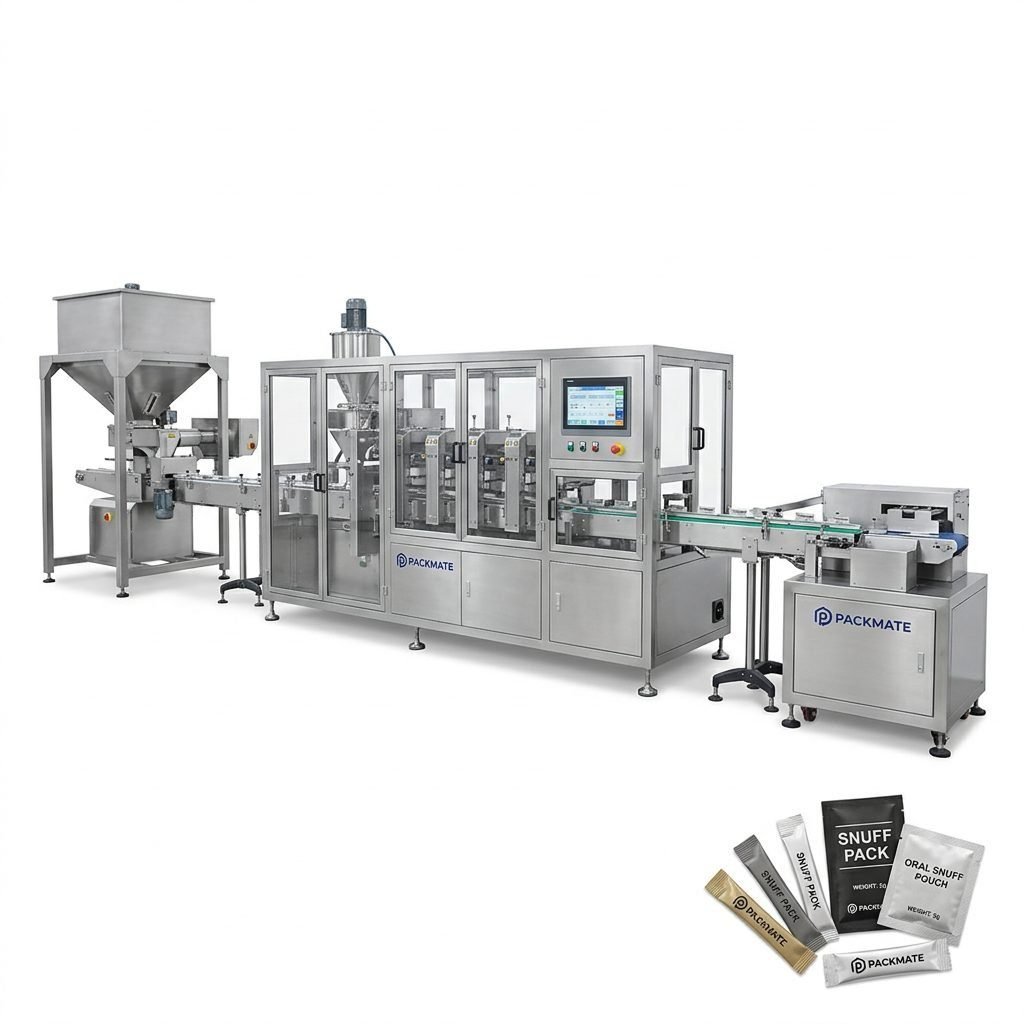
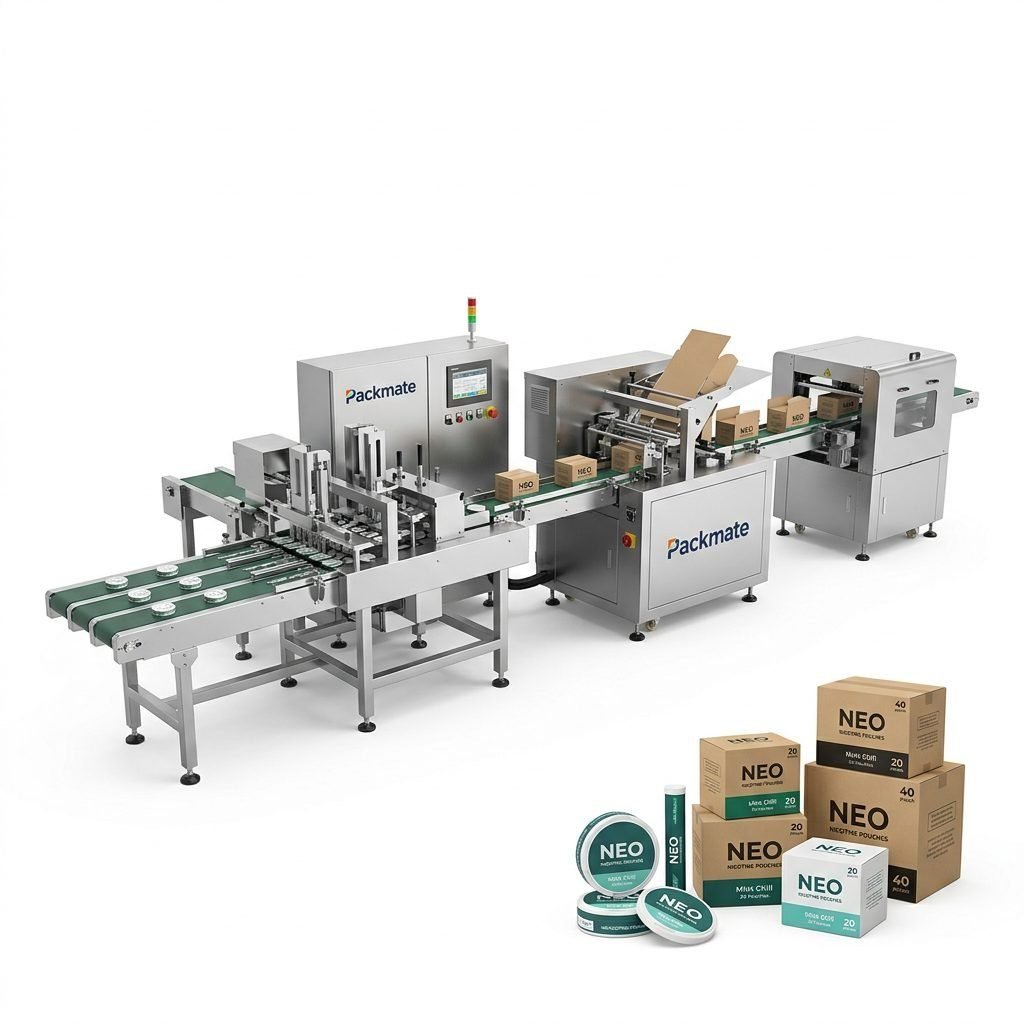
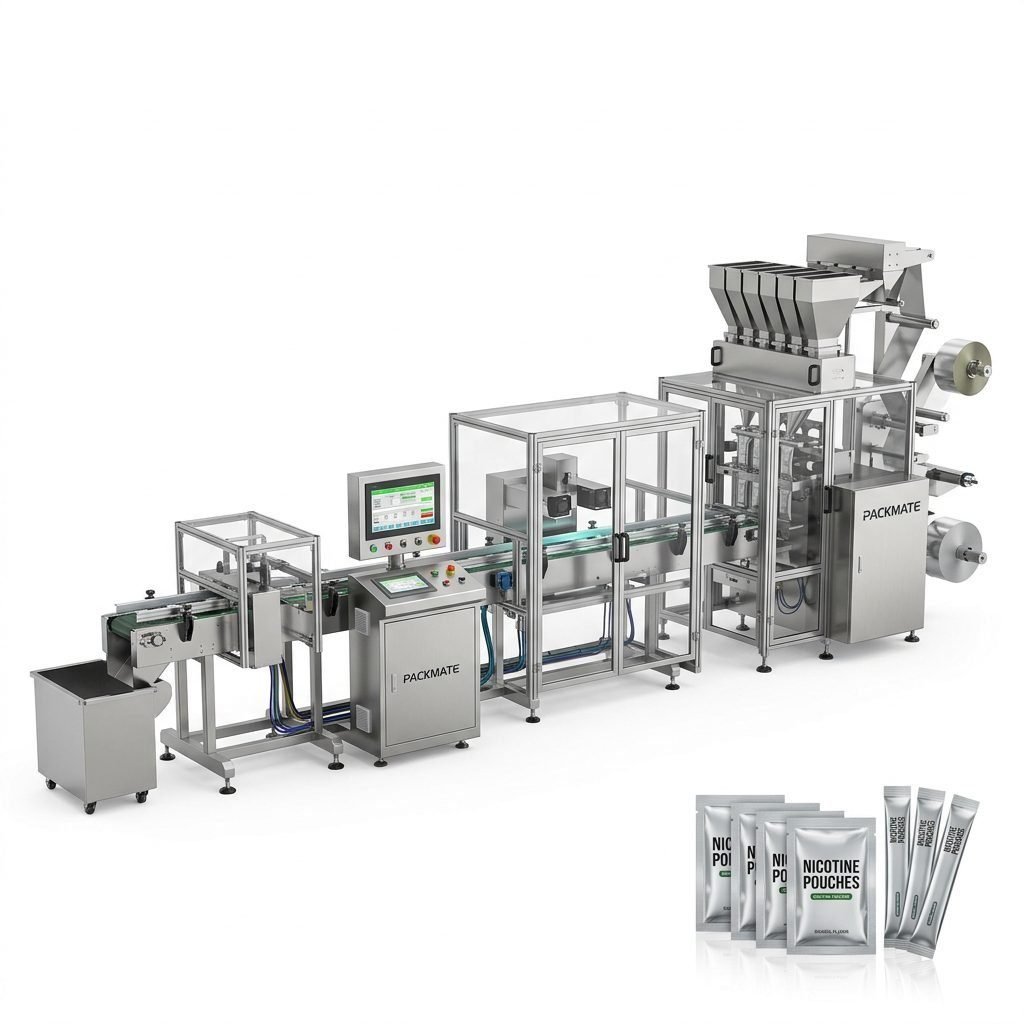
Finding a reliable nicotine packaging machine supplier in Tunisia requires a blend of technical evaluation, cultural awareness, and practical due diligence. This guide walks Tunisian buyers, importers, and production managers through the steps to choose a durable, compliant, and cost-effective snus / nicotine pouch packaging partner. It covers what to check on-site, questions to ask, common pitfalls, and how local business customs in Tunisia can shape successful procurement and after-sales relationships.
Understand Local Market Needs and Regulations
Tunisia’s tobacco and nicotine-related regulations, import rules, and labeling requirements can differ from other markets. Before contacting suppliers, confirm the legal status of nicotine pouches in your target regions, local packaging and labeling mandates, and any special taxes or customs documentation required. Engaging a local regulatory consultant or customs broker can shorten lead time and prevent costly compliance mistakes.
Why this matters for machine choice
Machine features such as printing modules, multi-lane speed, humidity control and cleanability are critical when meeting Tunisian labeling and hygiene expectations. Choose equipment that can integrate printing/labeling subsystems and is adaptable to variations in pouch sizes and materials.
Prioritize Suppliers with Proven Snus & Nicotine Packaging Experience
Look for manufacturers who specialize in nicotine pouch and snus lines rather than generalist packaging OEMs. Suppliers with machine families designed specifically for snus/nicotine provide better dosing accuracy, gentler handling for small-dose pouches, and optimized multi-lane systems.
Example resource: Snus & Nicotine Packaging Machines — review model capabilities and case studies when shortlisting.
Evaluate Factory Strength and Quality Systems
A strong factory setup is a reliable predictor of consistent performance. Verify the supplier’s production floor size, machining capabilities (CNC centers), and assembly processes. Look for clear evidence of quality control, testing bays, spare parts inventory, and a documented inspection process.
📌 Factory checklist: factory area, CNC machining centers, AQL testing, spare parts stocks, assembly line flow, and final full-run machine testing.
Ask for Certifications and Compliance Documentation
International certifications such as CE and ISO are essential for safety and regulatory alignment. Request copies of certificates, quality manuals, and compliance test reports. If you plan to export from Tunisia or to EU markets, ensure the machine’s electrical and safety systems meet destination requirements.
Helpful reference: Certificate — check what certificates suppliers publish.
Verify Machine Performance: Speed, Accuracy, and Flexibility
For nicotine pouch producers, dosing accuracy and pouch integrity are non-negotiable. Confirm these KPIs:
🔍 Filling accuracy: measured in mg or % deviation per pouch.
🔍 Output speed: single-lane and multi-lane throughput for your target SKUs.
🔍 Material compatibility: sealed films, foil, paper-based pouches and tear-performance.
Request an on-site demo or video validation
Seeing the machine run with your blend or a close substitute is critical. Ask the supplier to demonstrate full production runs, changeover processes, and cleaning procedures. Video sessions are acceptable for early-stage vetting, but on-site trials or factory witness tests are preferred.
Assess After-Sales Support and Spare Parts Availability
In Tunisia, proximity and fast response are important because downtime quickly affects local production schedules. Confirm:
✅ Warranty terms and what is covered (electrical, mechanical, control systems).
✅ Spare parts lead times — ask for a recommended spares list and stock availability.
✅ Local service options — trained technicians, remote diagnostics, and training for your maintenance staff.
⚠️ Tip: Choose suppliers who provide remote support tools (PLC backups, parameter files) and who are willing to include initial operator training in Tunisia.
Negotiate Commercial Terms with Tunisian Business Etiquette in Mind
Business culture in Tunisia values trust, direct communication, and relationship-building. Face-to-face meetings—either in Tunisia or via video conference—help build rapport. Be clear about payment terms, lead times, and responsibilities for installation and commissioning. Consider the following:
📌 Payment structures: milestone-based payments tied to acceptance testing reduce risk.
📌 Delivery terms: CIF or DDP can offer more predictable landed costs—clarify customs clearance responsibilities.
📌 Language: French and Arabic are commonly used in Tunisian business—having bilingual documentation or an interpreter can streamline discussions.
Inspect References, Case Studies, and Exhibition History
Ask for contactable references in similar industries or countries. Suppliers who exhibit at international shows or publish case studies demonstrate market presence and transparency. Review how the machines perform in real production environments and check for repeat customers.
See examples: Case and Our Exhibition pages to evaluate real-world installations and demonstrations.
Technical Questions to Ask Every Supplier
When evaluating, ask specific technical questions and record answers for comparison:
– What is the nominal and maximum output per lane and for multi-lane configurations?
– How do you ensure consistent dosing for micro-dose pouches?
– What PLC/HMI brands are used and what are the remote support capabilities?
– What are the recommended routine maintenance intervals and spare part lists?
Integration with Line and Upstream/Downstream Equipment
Ensure the supplier can integrate the packaging machine into your full production flow—feeding systems, weighing units, cartoning or case packing. If you need a full line, review suppliers that offer filling & packaging lines and weighing systems so communication and electrical integration are standardized.
Explore systems: Filling & Packaging Lines and Weighing & Packaging Systems.
✅ Smart procurement tip: Bundling primary packaging machines with complementary equipment from the same vendor can simplify integration and spare parts management.
Factory Visit and Acceptance Testing (FAT/SAT)
Whenever feasible, perform a Factory Acceptance Test (FAT) before shipment and a Site Acceptance Test (SAT) after installation. FAT should verify performance under real production conditions. For Tunisian buyers, plan FAT attendance or assign a trusted third-party inspector to witness runs, collect data, and approve the final acceptance.
Warranty, Training, and Long-Term Support
Clarify warranty durations, exclusions, and the supplier’s commitments for on-site training and remote troubleshooting. Good suppliers provide operator and maintenance training manuals, spare parts kits, and accessible technical support.
Learn more about supplier services: Service and company background About Packmate.
Final Selection Checklist
📌 Checklist highlights:
– Factory capability and CNC/assembly evidence
– CE/ISO certificates and compliance documents
– Demonstrated snus/nicotine experience and case studies
– Spare parts availability, warranty and training commitments
– Commercial terms aligned with Tunisian import practices (incoterms, payment milestones)
How Packmate’s Capabilities Relate to Tunisian Buyers
Manufacturers like Packmate, with 30+ years of engineering experience, specialized snus lines, and a 20,000㎡ facility, provide the kind of depth many Tunisian producers look for: proven multi-lane systems, advanced CNC machining, and comprehensive turnkey solutions. Their history of global cooperation and on-site exhibitions helps Tunisian buyers evaluate real-world performance and arrange local support agreements.
For detailed machine catalogs and models, review the product categories: Sachet & Stick Pack Machines and Auxiliary Packaging Equipment.
Next Steps for Tunisian Buyers
1) Draft your technical requirements and expected output per shift. 2) Shortlist 2–4 vendors with snus experience. 3) Request detailed proposals, FAT videos, and references. 4) Compare total cost of ownership (equipment, spare parts, installation, training, customs). 5) Arrange a site visit or nominate a technical representative for FAT.
Contact and Next Inquiry
When you’re ready to get quotes or schedule demonstrations, reach out to suppliers with clear specifications and timelines. For direct inquiries, consider the supplier’s contact page to request tailored proposals and local support planning: Contact Us.
FAQ — Common Questions from Tunisian Buyers
Q1: How long does delivery and installation typically take for a snus packaging line?
A1: Typical lead times range from 12 to 20 weeks depending on customization, FAT scheduling, and shipping. Allow additional time for customs clearance in Tunisia.
Q2: What warranties and spare part support should I expect?
A2: Standard warranties cover 12 months for parts and workmanship; reputable suppliers offer extended support packages, recommended spare kits, and remote diagnostics.
Q3: Can machines be adapted for different pouch sizes and materials?
A3: Yes — modular designs and adjustable forming, filling and sealing stations enable quick changeovers; confirm changeover times and necessary tooling costs.
Q4: Is local training available in Tunisia?
A4: Many global suppliers provide on-site training as part of commissioning; alternatively, remote training and documentation in French/English are common.
Q5: How do I choose between single-lane high-precision machines and multi-lane high-speed lines?
A5: Choose single-lane machines for frequent format changes and very small batches; multi-lane lines are optimal for high-volume, stable SKUs. Evaluate your SKU mix and growth forecasts before deciding.