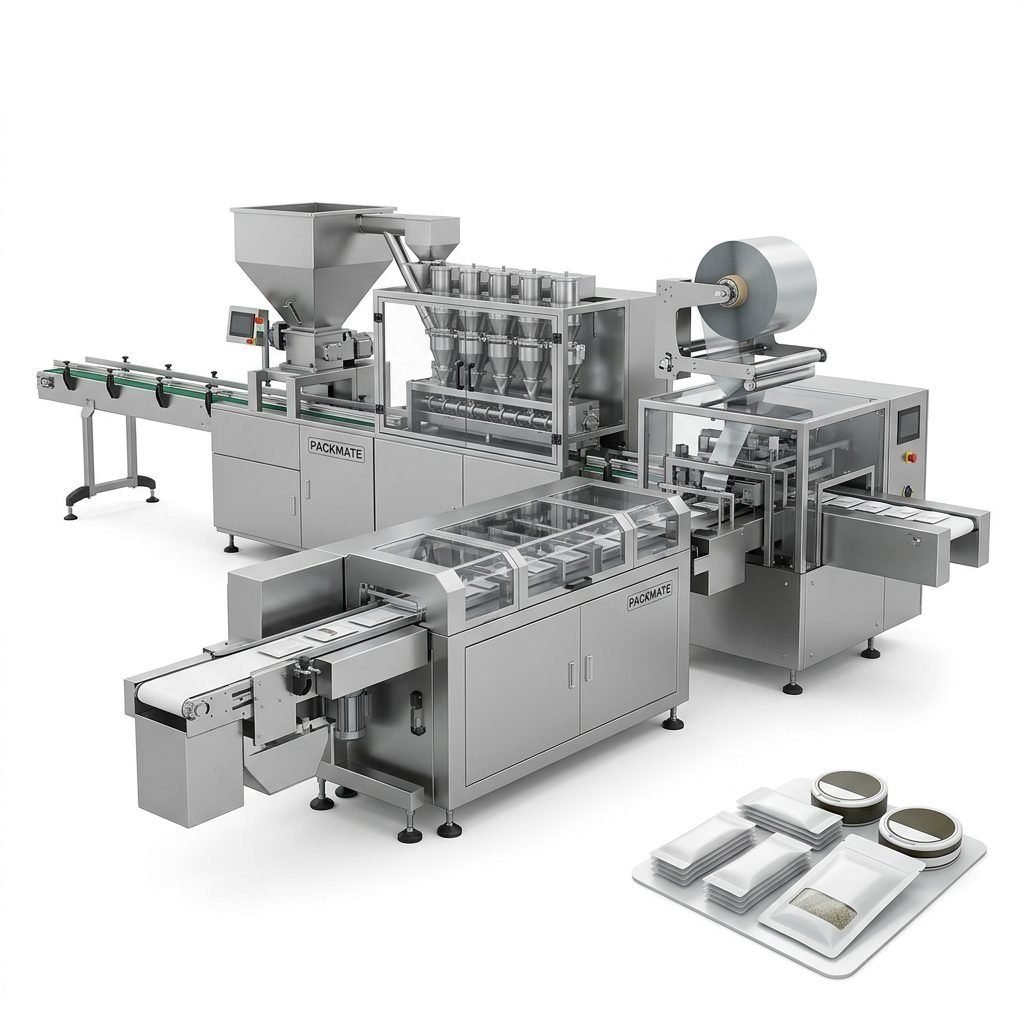
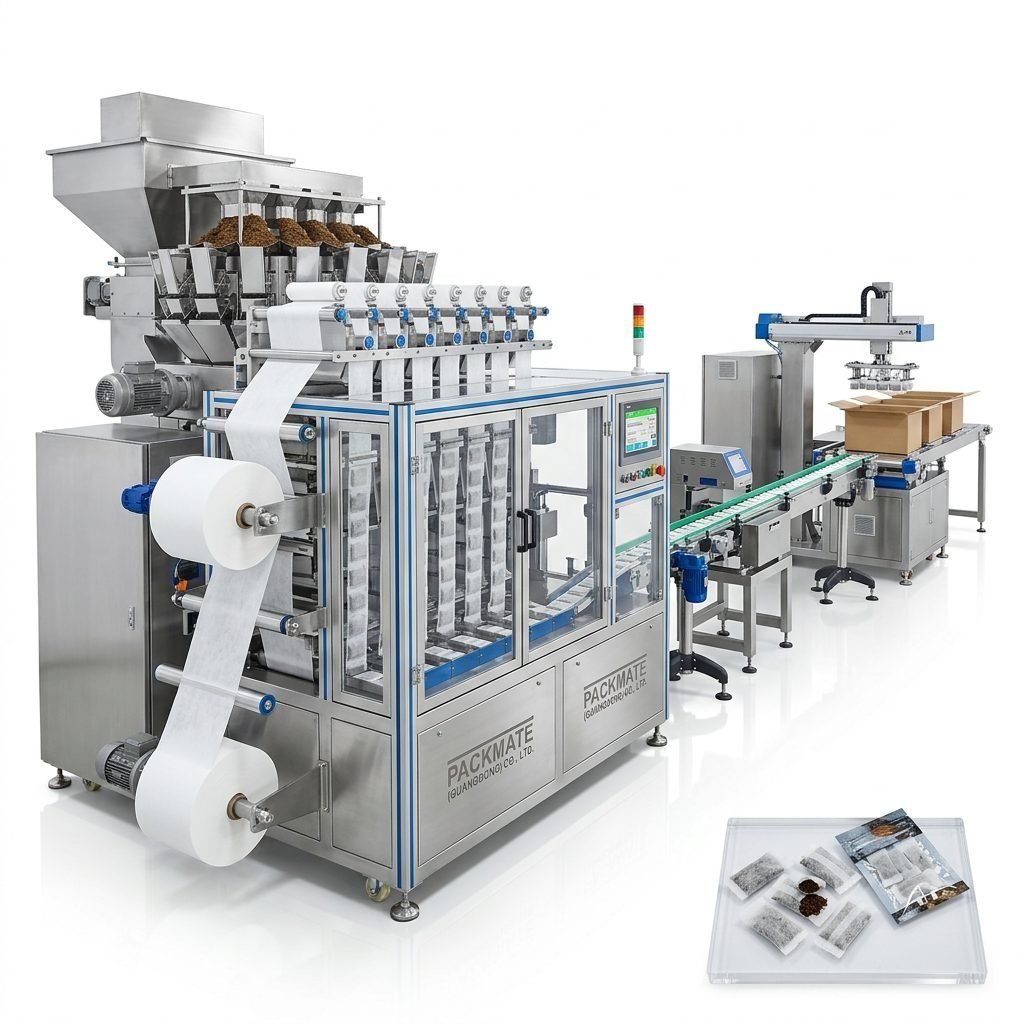
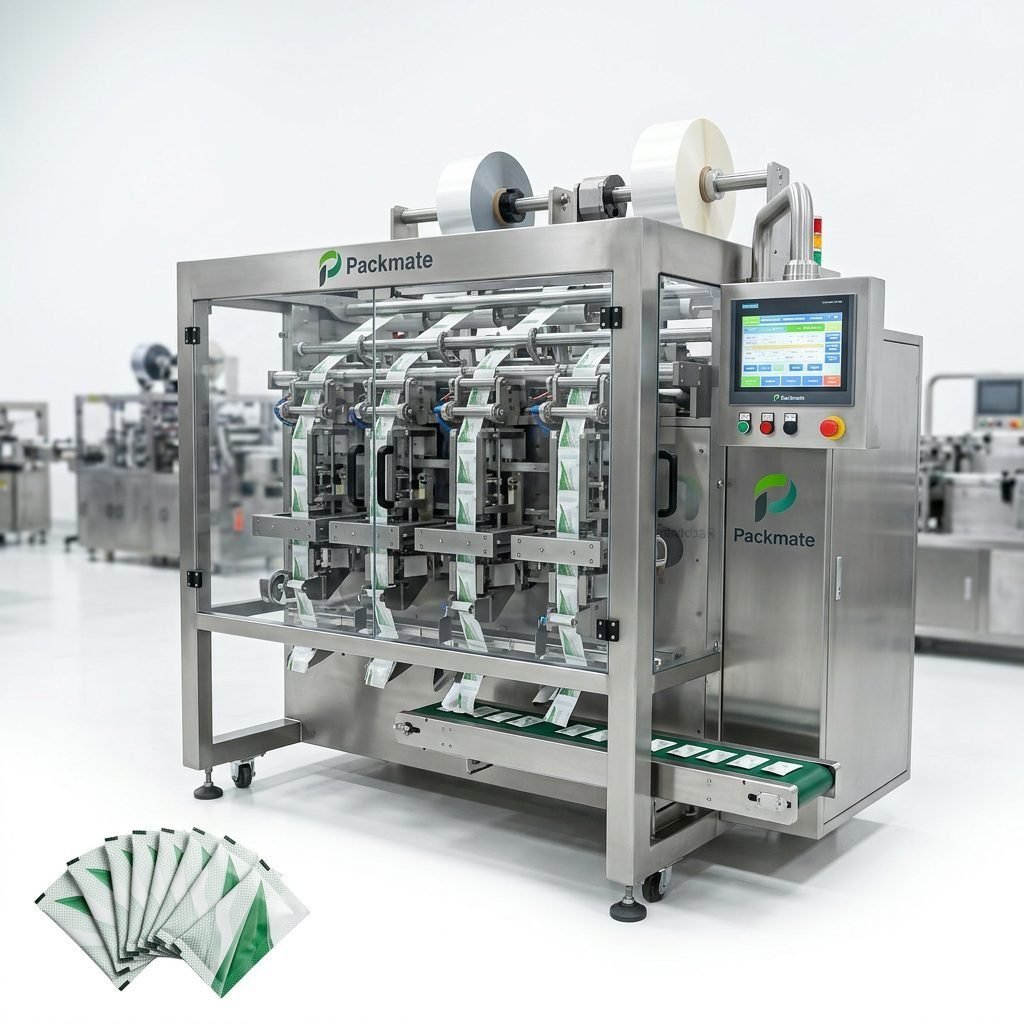
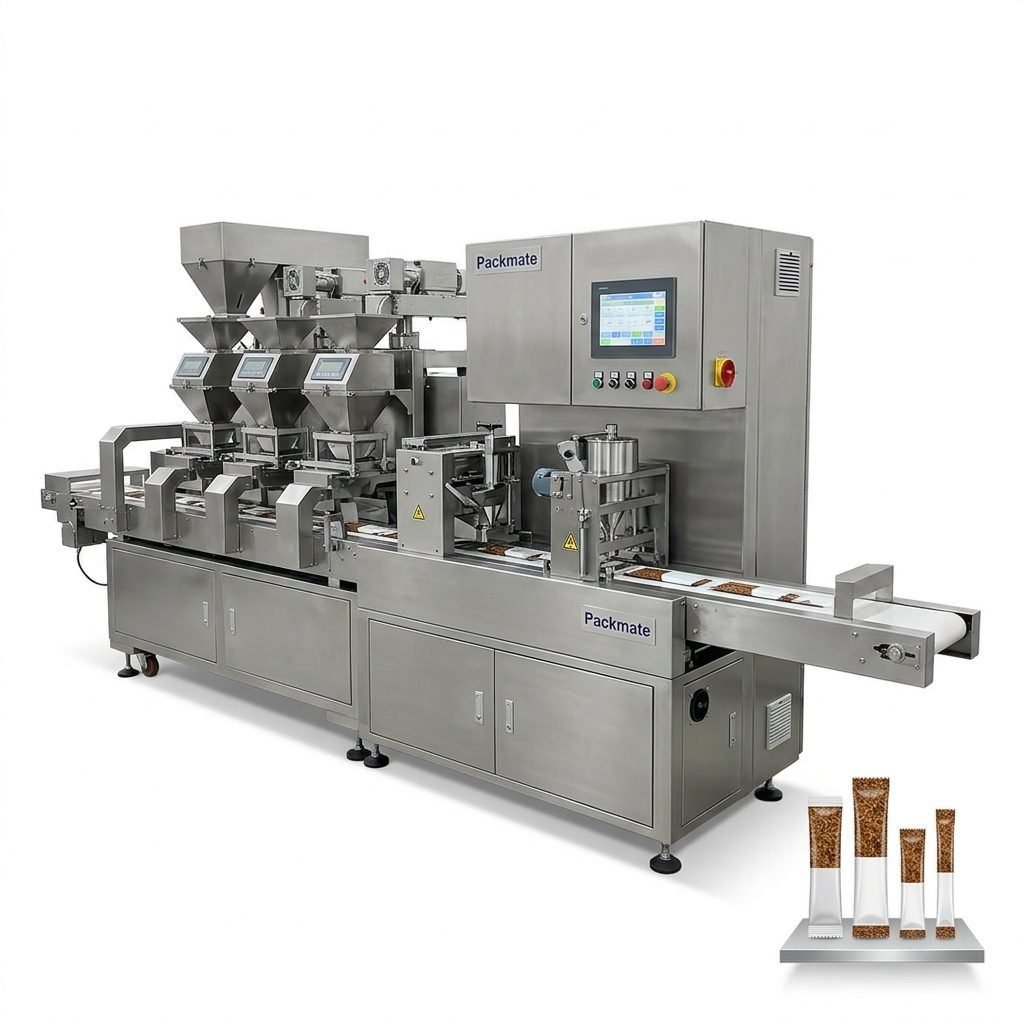
Entering the Haitian market for nicotine pouches or snus requires careful planning — from selecting a reliable packaging machine supplier to adapting to local logistics, climate and business customs. This guide offers practical tips to help Haitian importers, distributors and manufacturers choose the best nicotine packaging machine supplier, avoid common pitfalls, and secure long-term success for production in Haiti.
Understand Local Context: Haiti’s Market and Practical Constraints
Before buying, consider Haiti-specific factors:
- 📌 Infrastructure and power — intermittent electricity and limited factory utilities require machines with robust power tolerances and optional backup-compatible controls.
- 🚢 Shipping & port logistics — Port-au-Prince and Cap-Haïtien clearance times and customs documentation can affect delivery schedules.
- 🤝 Relationship-driven business culture — Haitian buyers often value in-person trust, clear communication in French/Creole, and reliable after-sales support.
- 🌡️ Tropical climate — humidity and heat can influence material choice and machine corrosion protection.
Key Criteria When Evaluating Suppliers
1. Proven Industry Experience and Technical Strength
Look for suppliers with a long track record in snus and nicotine packaging. A manufacturer with decades of experience is more likely to provide mature engineering and reliable lines. For example, suppliers that advertise 20–30+ years in packaging R&D typically offer better stability, modular designs and proven quality control measures.
2. Product Range and Customization Options
A supplier must offer a range of machines and turnkey lines that match your production needs, such as:
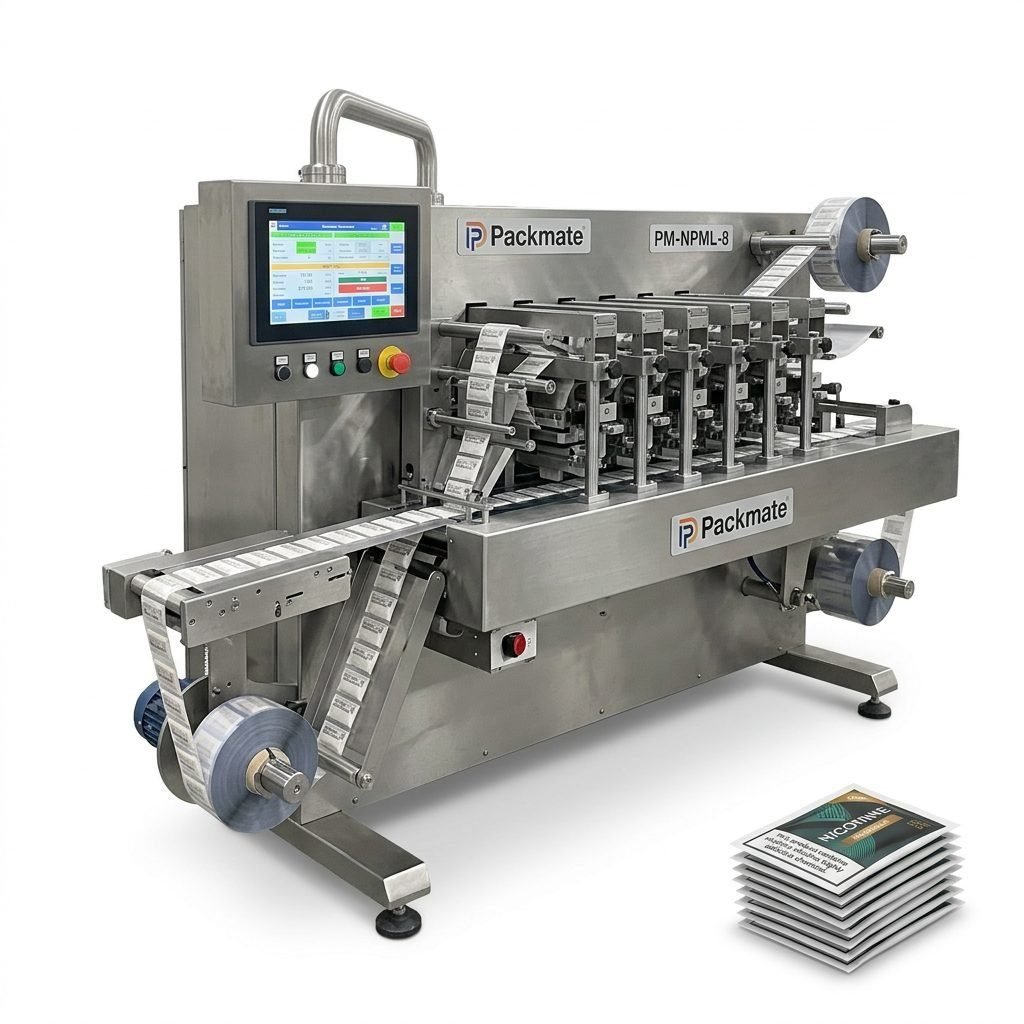
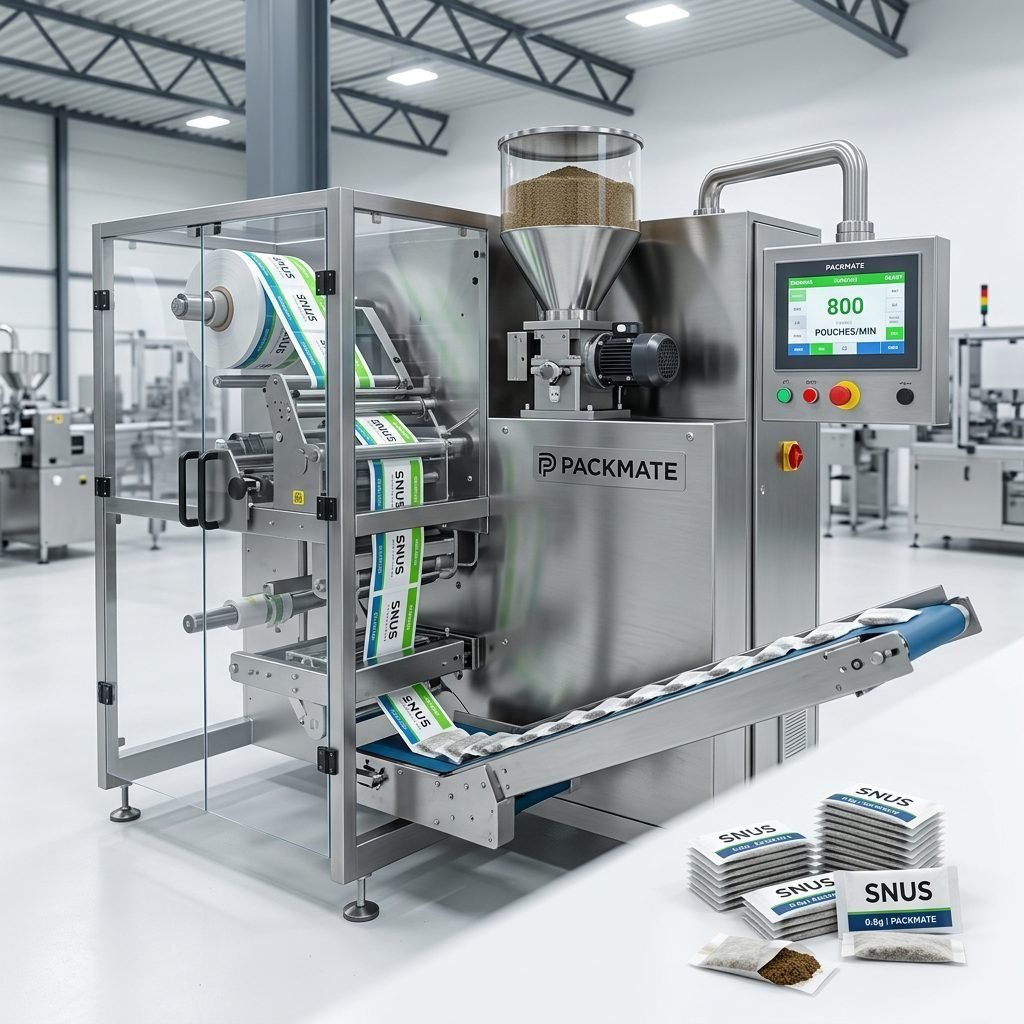
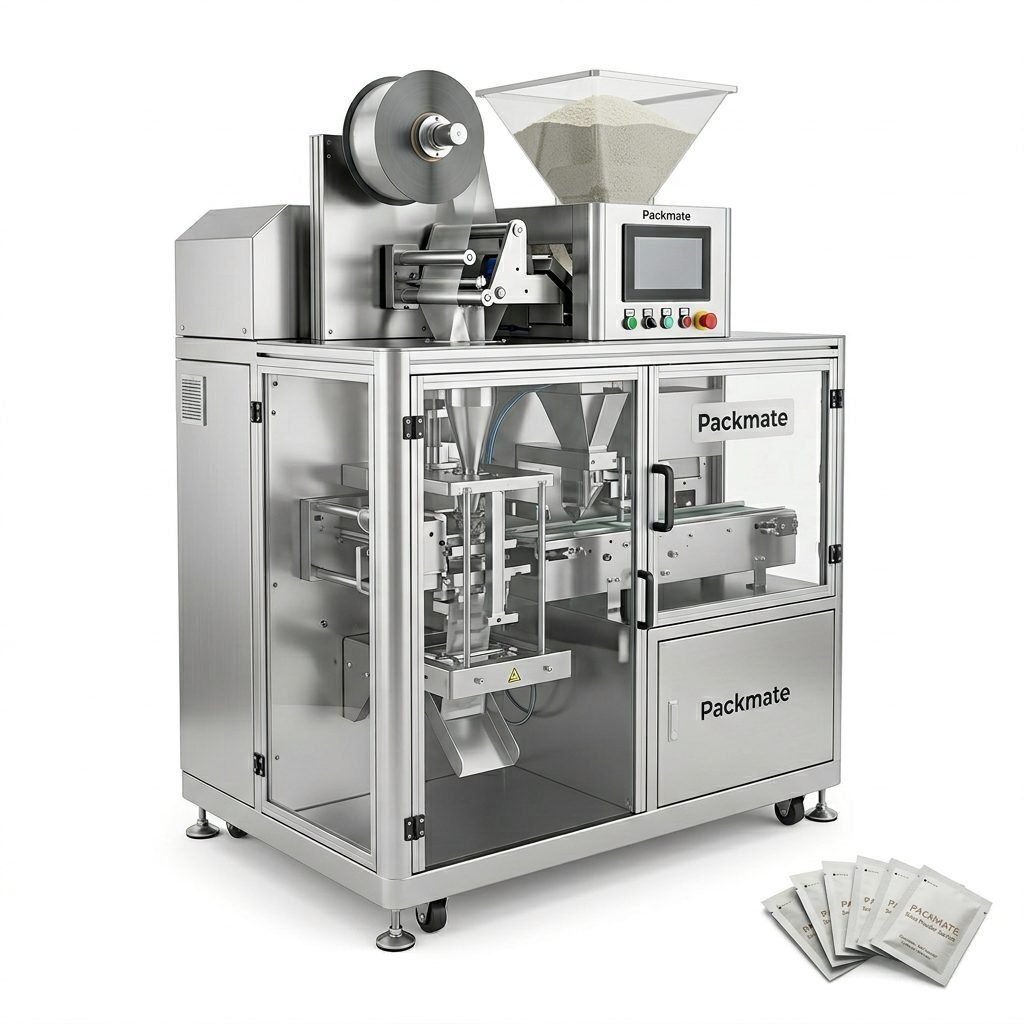
- ✔️ Multi-lane pouch systems for high-output nicotine pouches
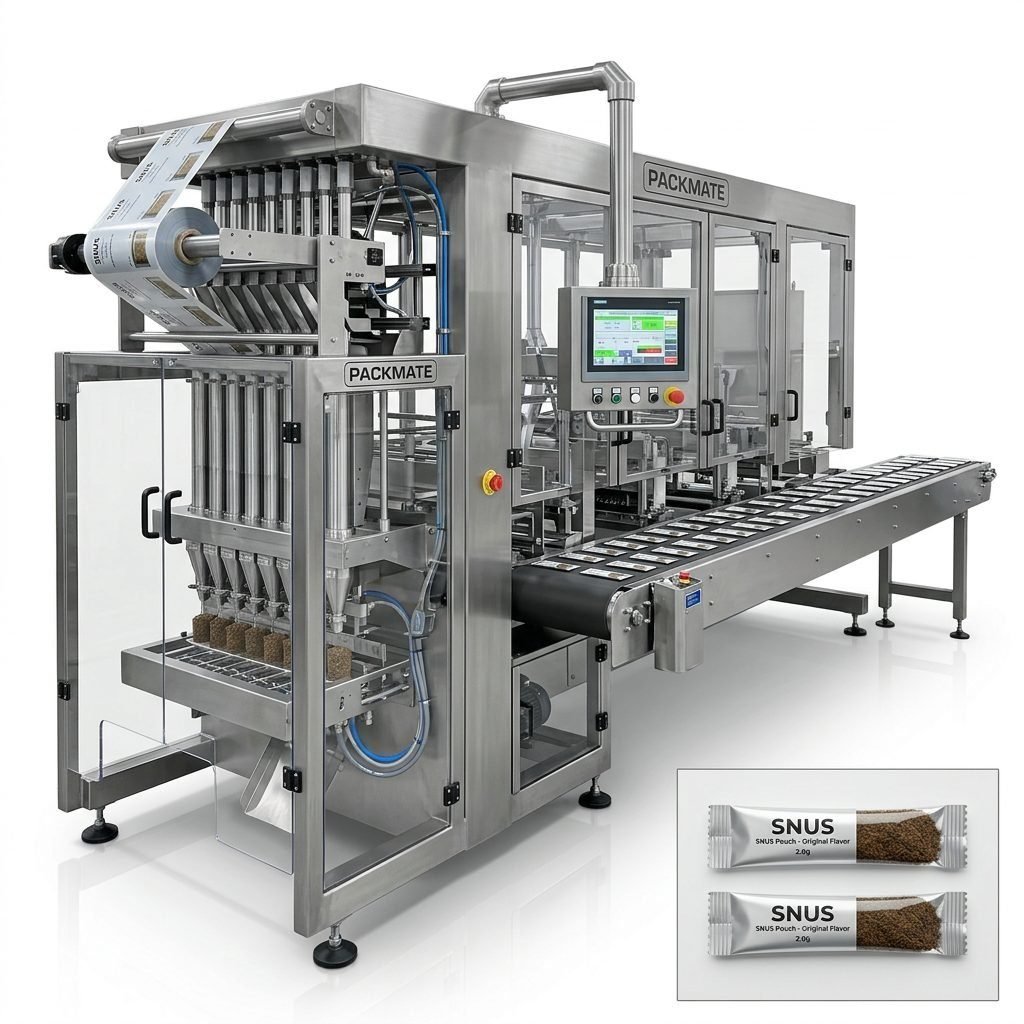
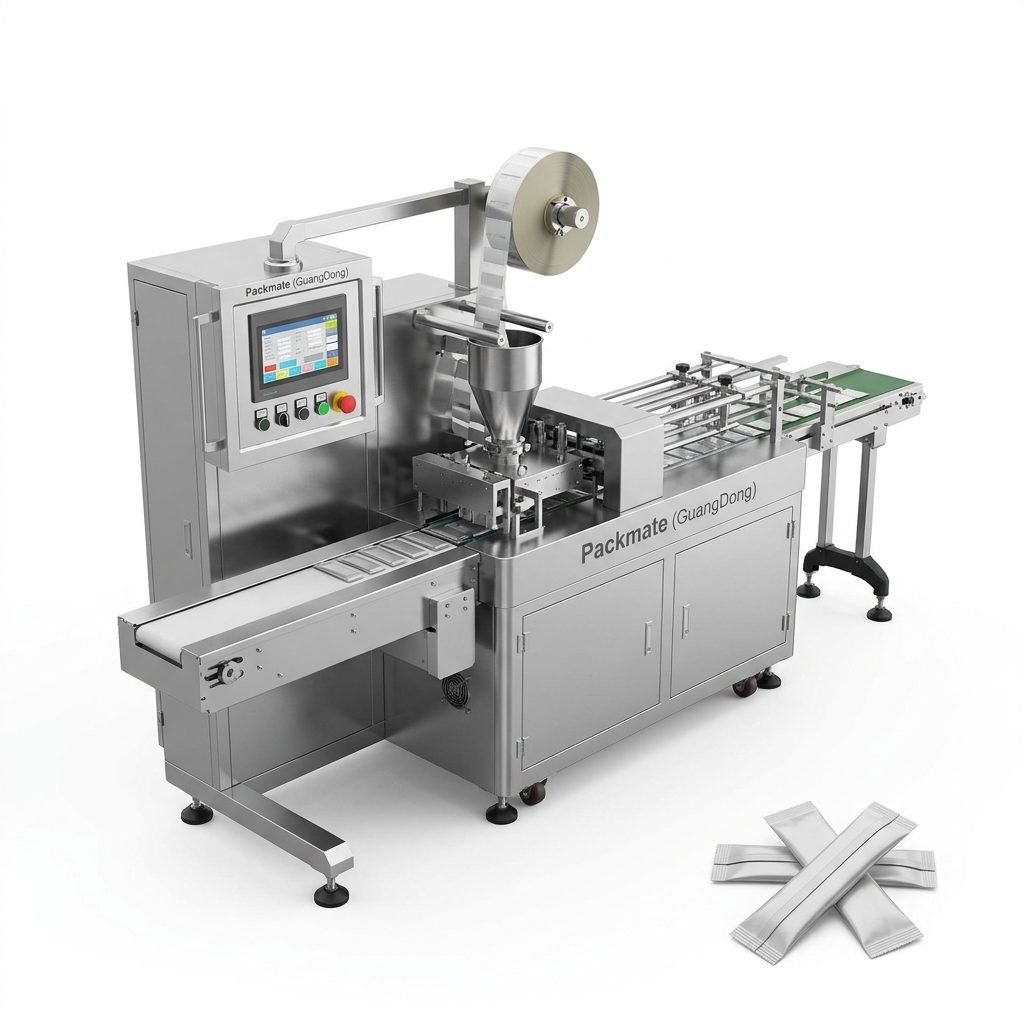
- ✔️ Stick pack and sachet lines for special formats
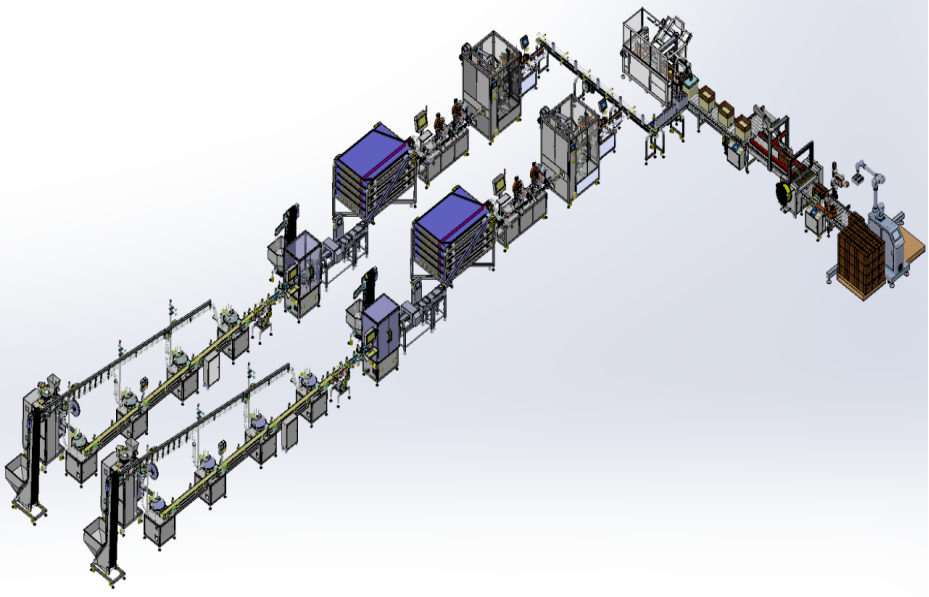
- ✔️ Integrated weighing, filling, and automation options
If you are exploring equipment types, review relevant product pages like Snus & Nicotine Packaging Machines and Bag & Pouch Packaging Machines for model comparisons.
3. Quality Certifications and Compliance
Prioritize suppliers whose equipment complies with international standards (CE, ISO). Certifications indicate the supplier follows quality and safety processes, which simplifies import approval and reduces risk of non-compliant equipment arriving in Haiti.
4. After-Sales Support, Spare Parts and Training
Strong after-sales service is crucial in Haiti where local technical service may be limited:
- 🔧 Remote support, clear spare parts catalog and spare parts lead times
- 📚 On-site commissioning and operator training — essential for consistent production
- 🛠️ Warranty terms and availability of replacement parts regionally
Practical Buying Steps for Haitian Buyers
Step 1 — Define Your Production Targets Clearly
Establish required output (pouches per minute, lanes), pouch formats, pouch materials, and future scalability. Clear specifications let suppliers recommend the most cost-effective line and prevent costly over-specification.
Step 2 — Shortlist Reputable Suppliers and Request Documentation
Ask for case studies, factory photos, certifications, performance videos, and references from customers in similar climates or markets. Suppliers like Packmate often provide detailed catalogs and case examples — see their Case page and Catalog.
Step 3 — Arrange Factory Visits or Virtual Demonstrations
Seeing the machine in production is the best evidence of reliability. If travel is difficult, request live virtual demos and footage of the exact model running your materials.
Tip: Ask about test runs using your nicotine formulation or pouch film to confirm fill accuracy and sealing performance in humid conditions.
Step 4 — Negotiate Commercial and Logistic Terms
Clarify delivery terms (Incoterms), lead time, payment schedule, installation, training, and a spare parts package. Factor in import duties, port handling in Haiti, and potential delays when calculating total landed cost.
Red Flags to Watch For
- ⚠️ No verifiable references or factory evidence
- ⚠️ Vague warranty terms or no clear spares policy
- ⚠️ Unwillingness to demonstrate machine with your materials
- ⚠️ Extremely low prices that seem to cut corners on build quality or controls
Tailoring Your Selection to Haitian Operations
For Haitian operations, prioritize durability in high-humidity conditions, simple and serviceable controls, and clear documentation in French or bilingual Creole/French if possible. Local technicians often benefit from straightforward PLC interfaces and mechanical parts that can be serviced with common tools.
Climate-Resilient Design Features
Look for:
- ✔️ Corrosion-resistant coatings and stainless-steel contact parts
- ✔️ Sealed electrical cabinets and humidity mitigation measures
- ✔️ Option for local voltage and frequency configurations
Why Choose an Experienced Snus/Nicotine Specialist?
Nicotine pouch production has specific filling, dosing and sealing requirements that general-purpose packagers may not handle optimally. A specialist brings workflow expertise (multi-lane pouch filling, low-dose accuracy, anti-static handling) and tailored testing — important when launching products in a small but demanding market like Haiti.
Supplier Example and Resources
Consider suppliers that showcase dedicated snus and nicotine lines, full turnkey capabilities, and documented global cases. Explore product lines such as Sachet & Stick Pack Machines and Weighing & Packaging Systems to match dosing and packaging demands.
Negotiation Tips and Contract Clauses to Include
Insist on: written acceptance tests, spare parts kits, clear commissioning schedule, training scope, and performance guarantees. Include penalties for missed milestones only after mutual agreement and a clear force majeure clause addressing shipping delays.
Final Checklist Before Purchase
- ✔️ Confirm machine compatibility with your pouch film and nicotine formulation
- ✔️ Verify certifications and factory acceptance tests
- ✔️ Confirm logistics plan including customs paperwork for Haiti
- ✔️ Ensure language support and training options
- ✔️ Secure a spare parts agreement and reasonable lead times
Where to Get Help and Further Information
Reach out to reputable suppliers and request tailored proposals. For direct company information, certifications and service options, check supplier pages such as About Packmate, their Service offerings, or Contact Us for personalized consultation.
Conclusion
Choosing the best nicotine packaging machine supplier for Haiti means balancing technical performance, robust after-sales support, and awareness of local constraints like power, climate and logistics. Prioritize experienced snus specialists, insist on verifiable factory proof, negotiate clear service and spare parts terms, and plan for climate-resilient operation. With the right supplier and preparation, you can build a reliable nicotine pouch production line that meets Haitian market needs.
Frequently Asked Questions
Q1: How do I ensure spare parts are available in Haiti?
Negotiate a spare parts kit with purchase, ask for recommended local or regional distributors, and secure lead-time commitments in the contract.
Q2: What technical features help machines run better in tropical climates?
Look for corrosion-resistant materials, sealed electronics, humidity-tolerant PLCs and clear maintenance guides to mitigate humidity-related issues.
Q3: Should I choose single-lane or multi-lane machines for Haiti?
If you require high throughput and consistent scale-up plans, multi-lane systems are efficient. For smaller or pilot lines, single-lane machines are lower cost and easier to maintain.
Q4: How important is supplier after-sales training?
Extremely important — local operators benefit from on-site training and clear manuals in French/Creole to reduce downtime and ensure consistent product quality.