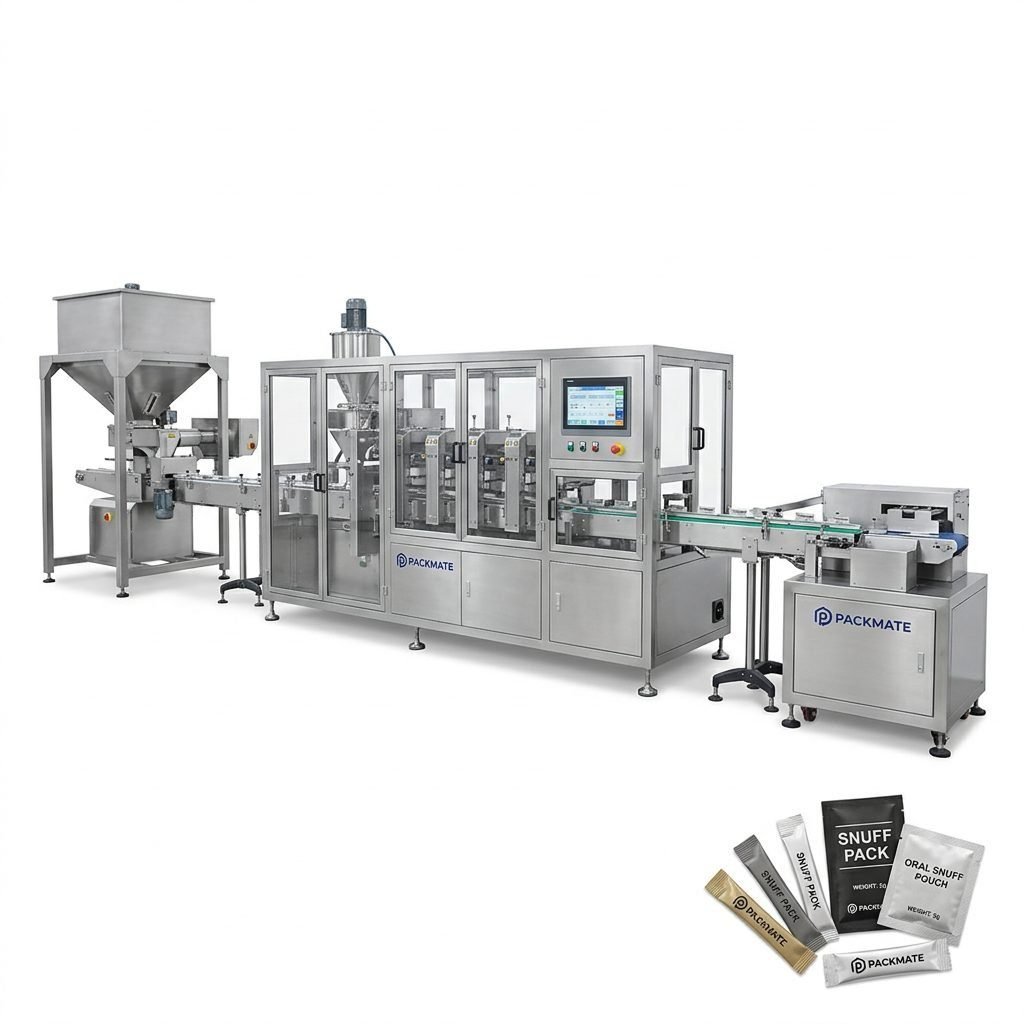
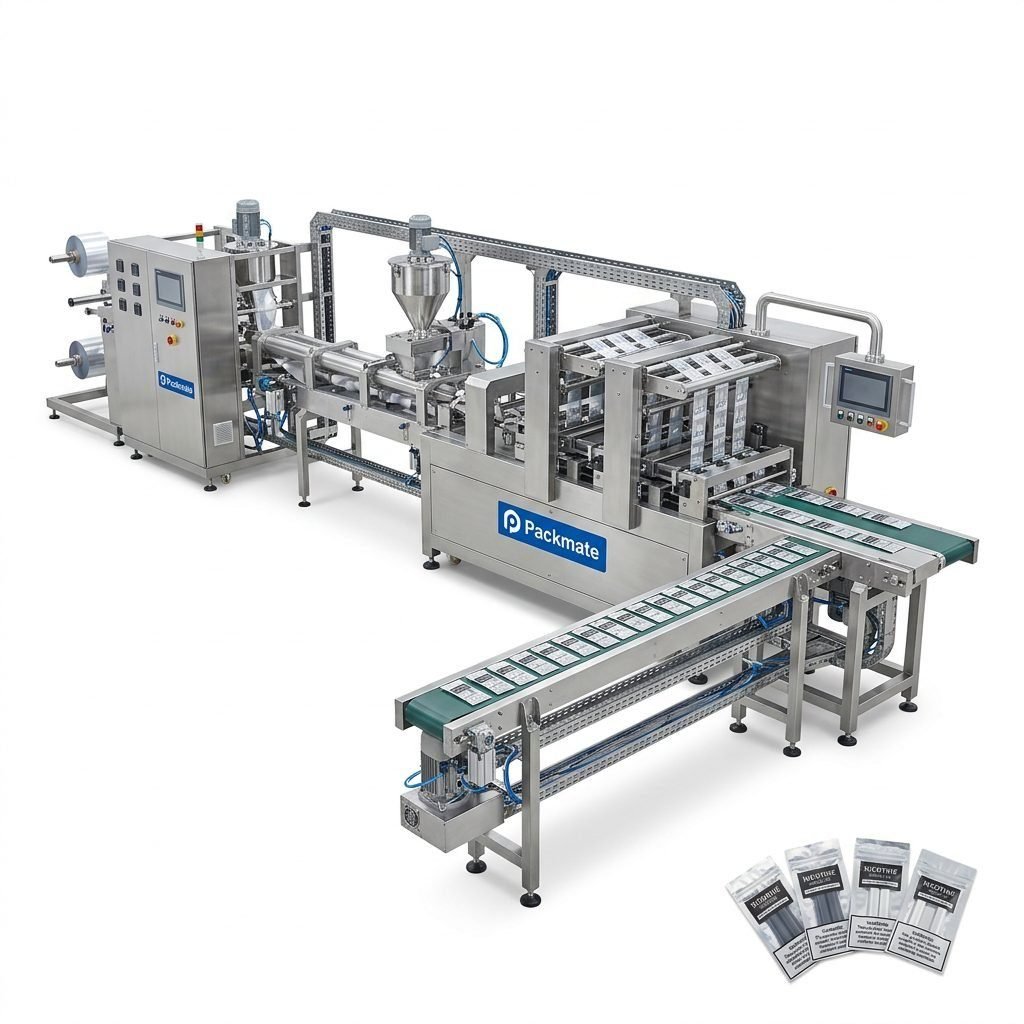
Choosing the right nicotine packaging machine supplier in Cuba is a strategic move that can determine production efficiency, regulatory compliance, and long-term profitability. This guide walks you through practical criteria, local considerations, technical checks, and negotiation tips to help Cuban manufacturers, importers, and packaging managers select a reliable partner for nicotine pouch and snus packaging equipment.
Understand Cuba’s Market Context and Local Customs
Cuba’s strong tradition in tobacco products and its emerging interest in modern nicotine pouches create unique local market drivers. When sourcing equipment, consider local consumption patterns, bilingual workforce needs (Spanish and some English), and a preference for durable, low-maintenance machines given occasional supply-chain delays. Cuban customers often value face-to-face relationships, clear documentation in Spanish, and long-term service commitments from overseas suppliers.
Key local considerations
🔧 Regulatory and customs reality: Import approvals, certificates, and detailed packing lists are essential for Cuban customs — delays can occur if documentation is incomplete.
🚢 Shipping and port access: Consider Havana and Mariel for container handling; choose suppliers experienced with Caribbean logistics.
🤝 Relationship-driven deals: Cuban buyers often prefer transparent, long-term supplier relationships with clear after-sales support and training.
Match Machine Types to Your Production Needs
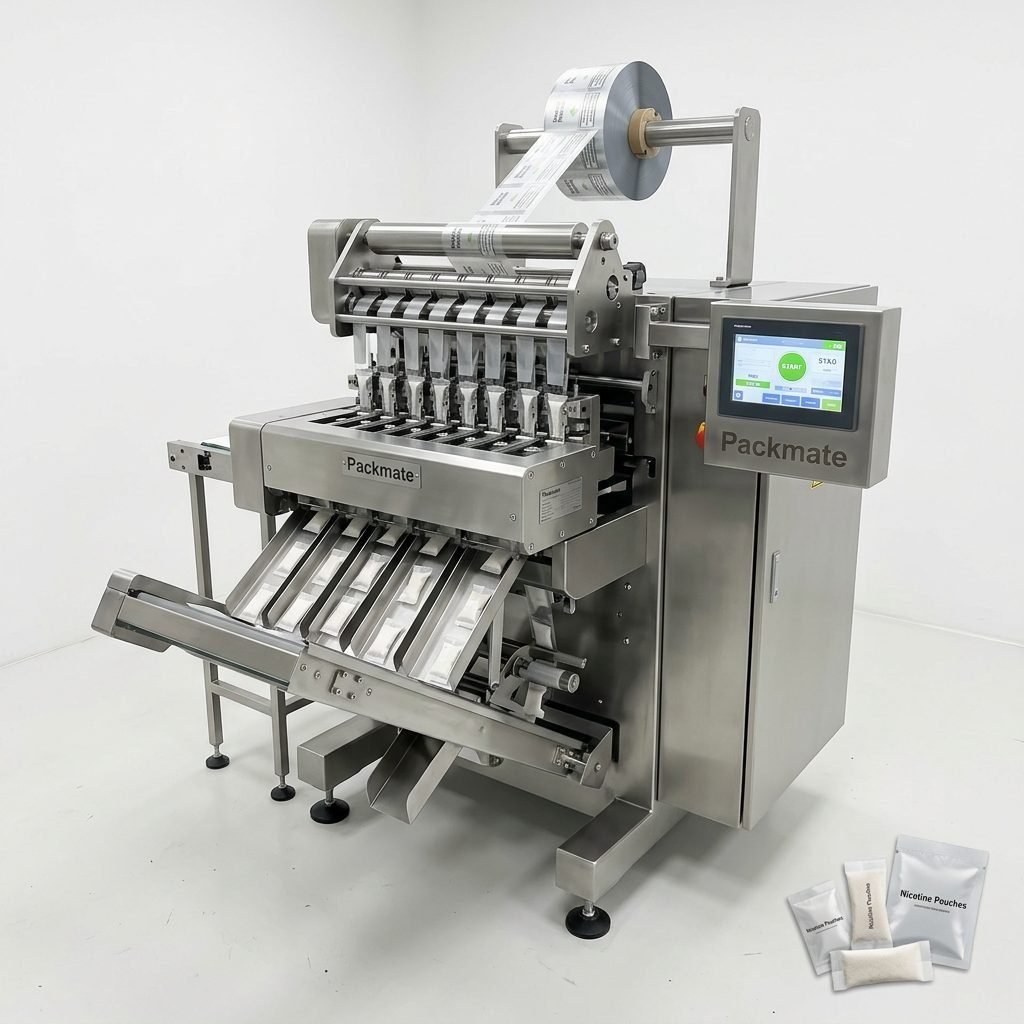
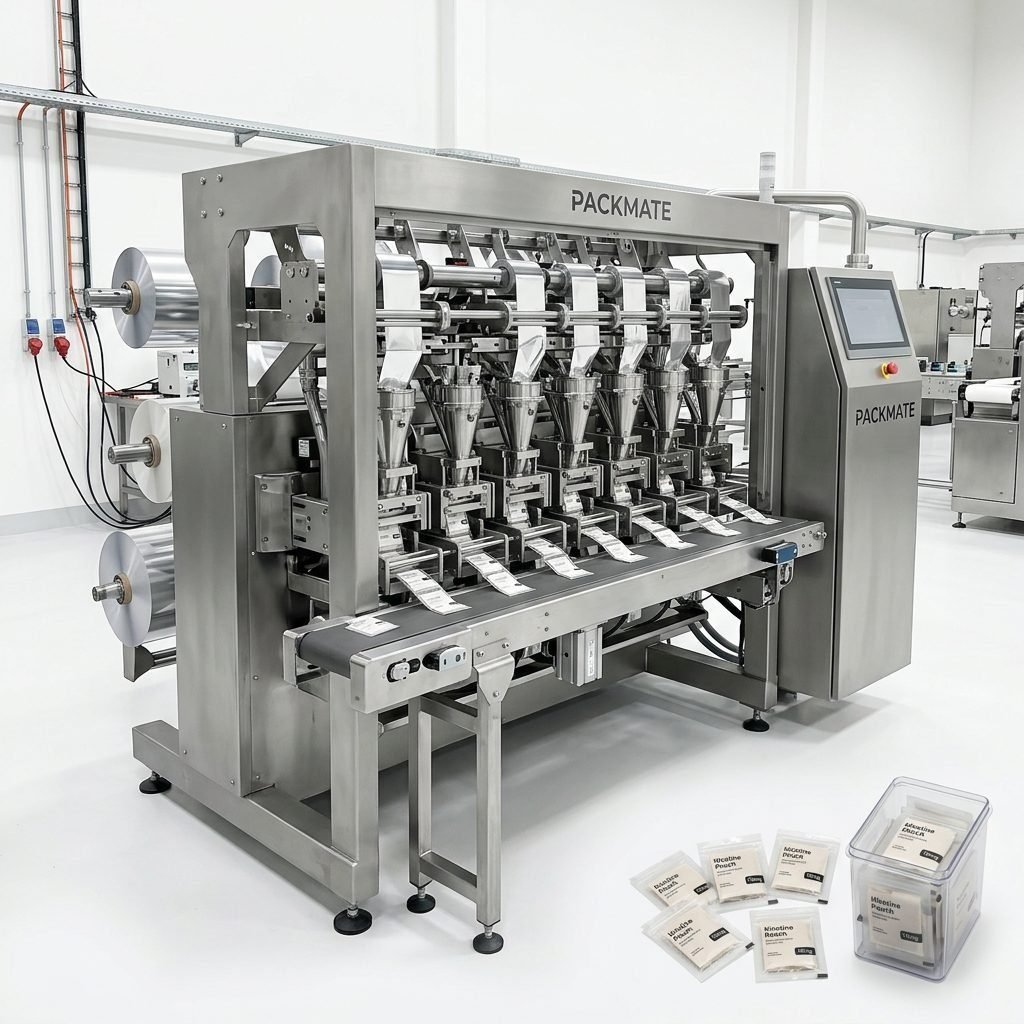
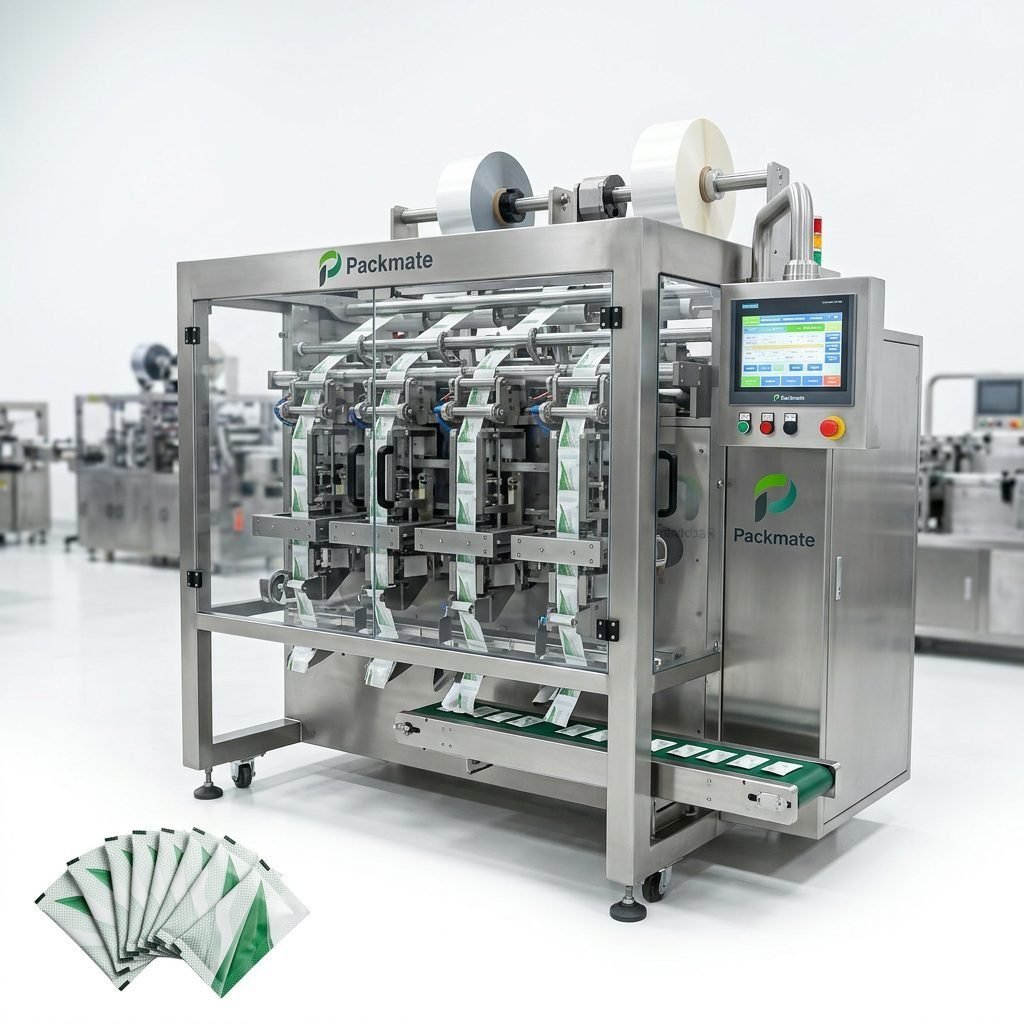
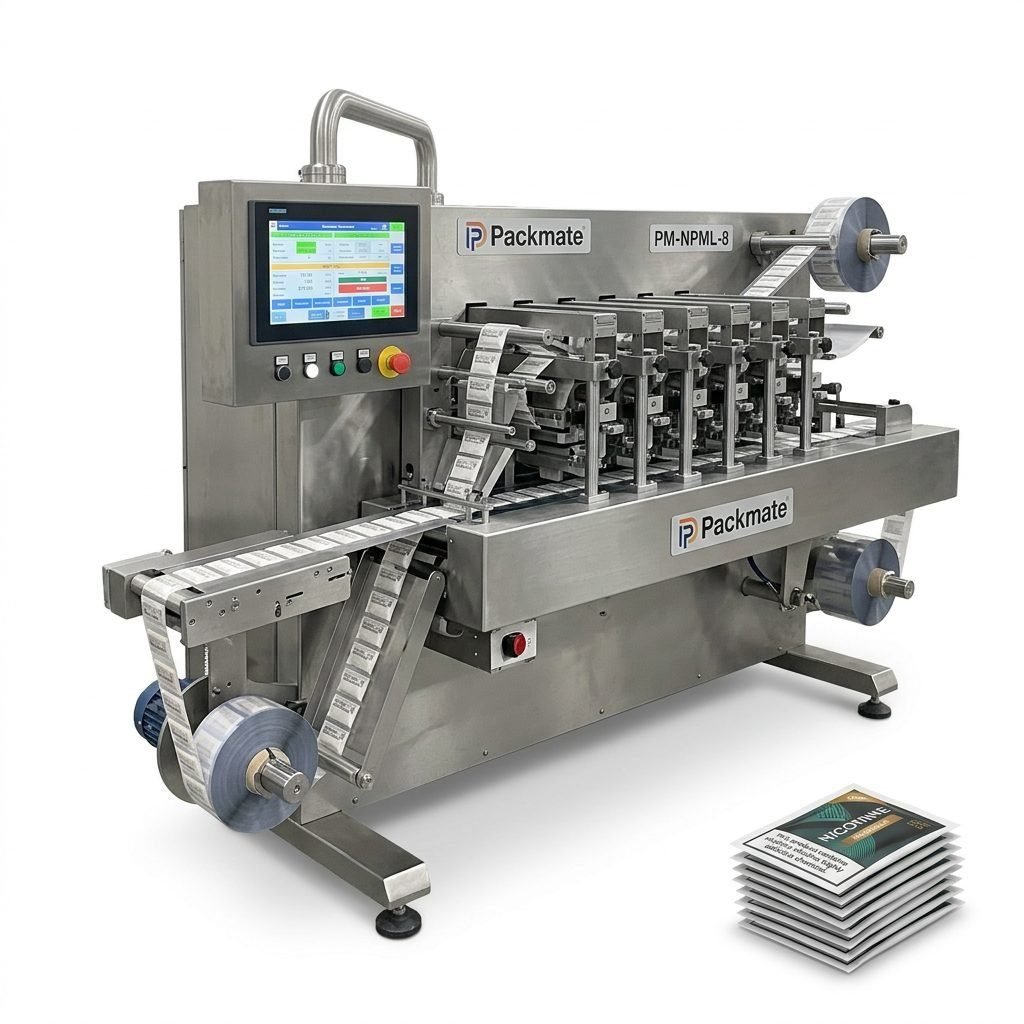
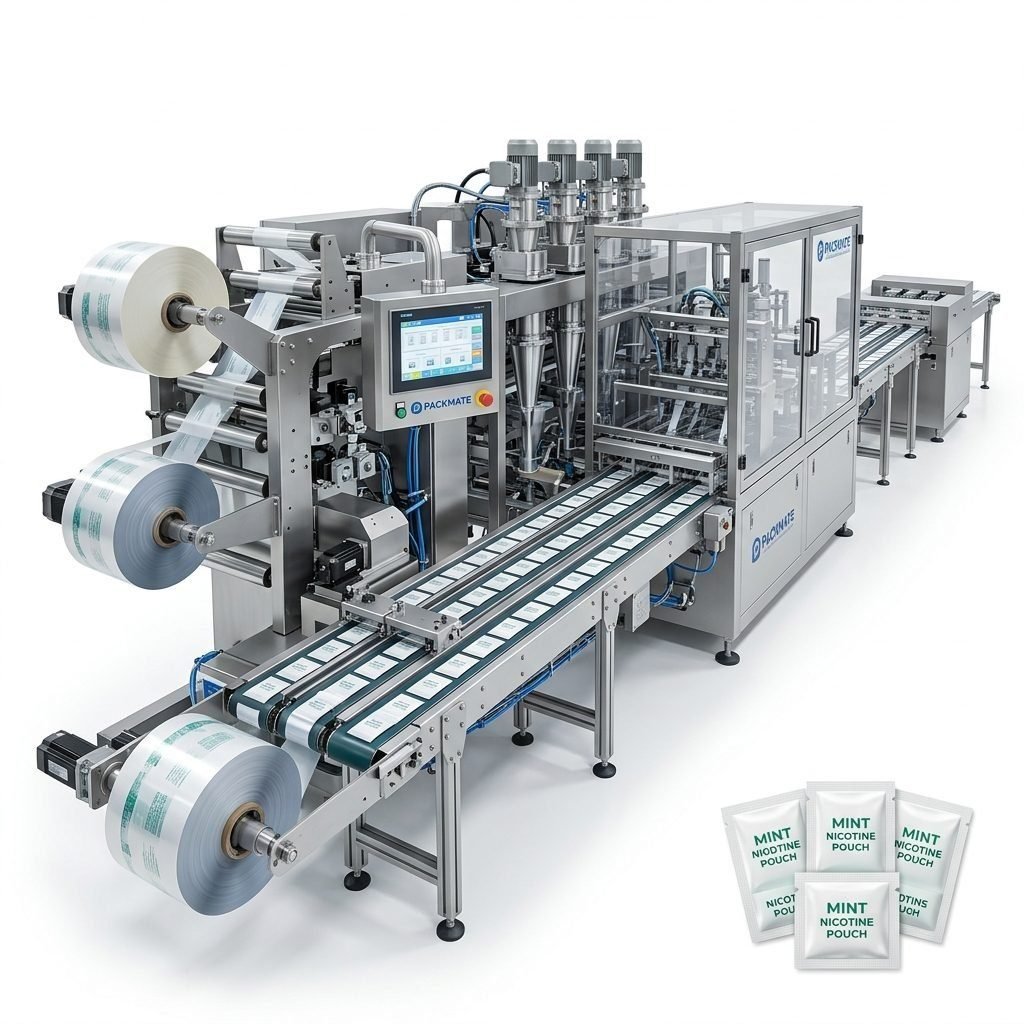
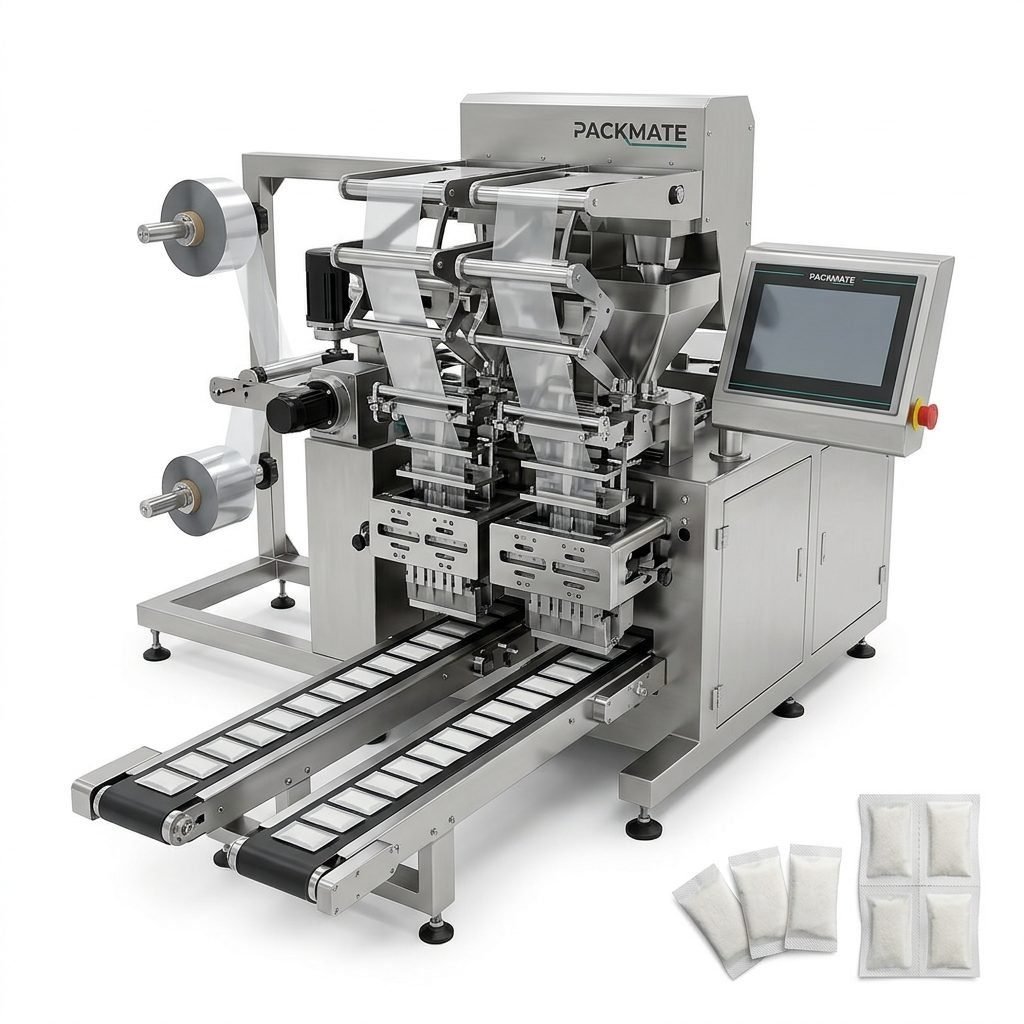
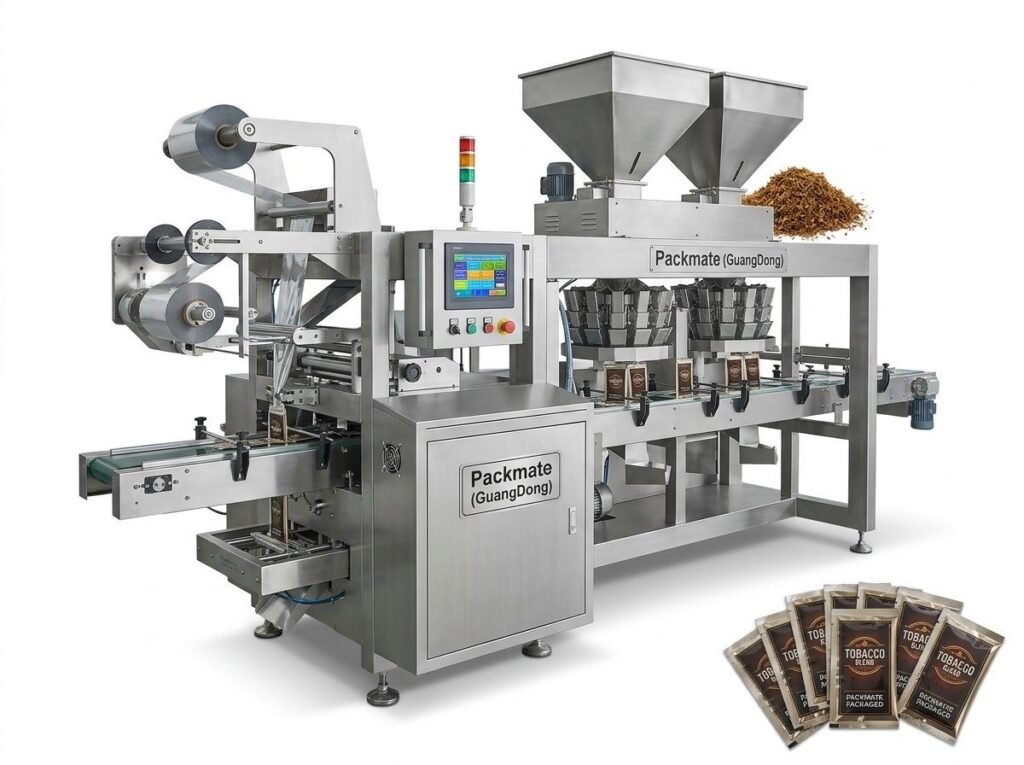
Evaluate which packaging format best fits your product and target consumers. Suppliers typically offer a range of machines — single-lane sachet, multi-lane snus pouch lines, stick pack machines, and combination filling & packaging lines. Match the machine choice to your throughput targets, product form (powder, granule, paste, or pouch), and pack style.
Consider these production scenarios
- Small-batch artisanal nicotine pouches: single-lane, manual-to-semi-automatic lines.
- Growing mid-size plants: multi-lane systems for higher throughput and lower labor intensity.
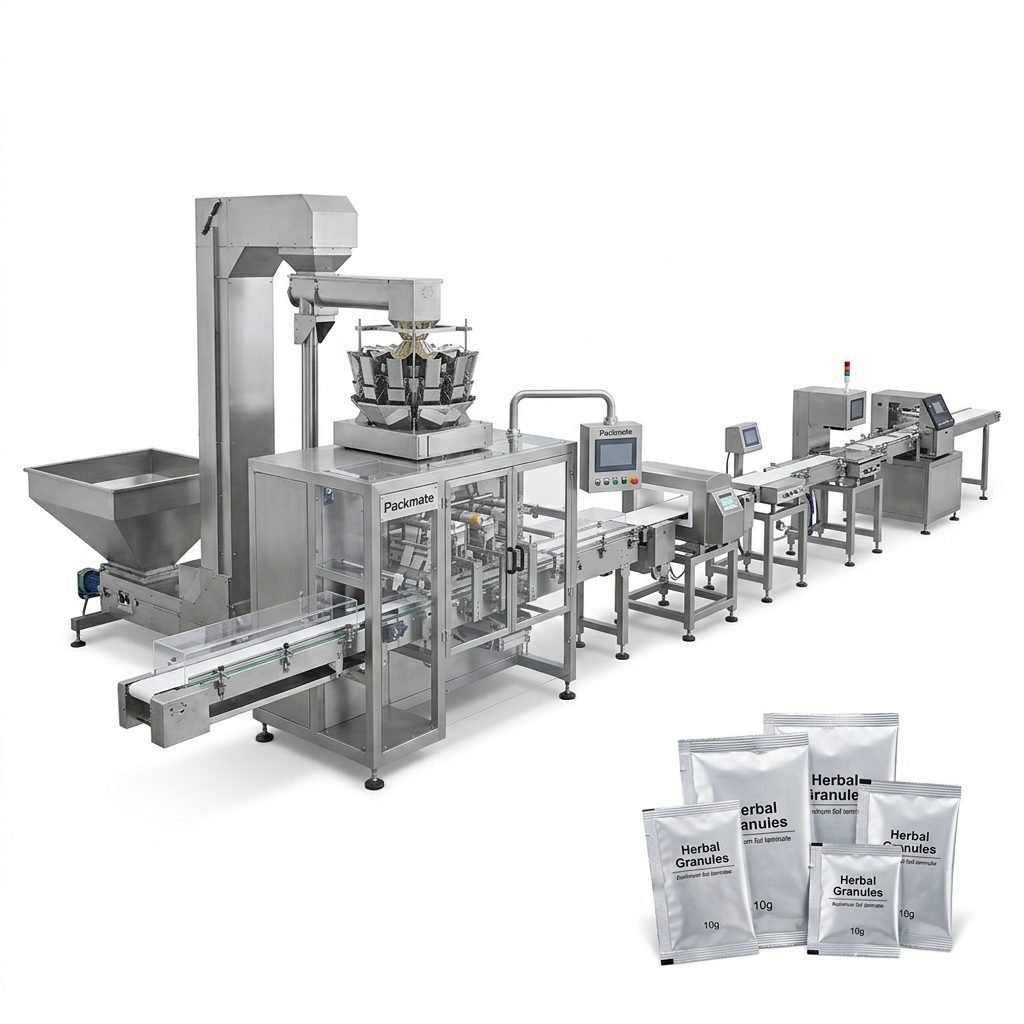
- High-volume industrial production: fully automated turnkey lines with integrated weighing and packing.
Technical Features and Performance Metrics to Inspect
When you visit supplier demos or request technical files, focus on reliability metrics and component quality. Key items include PLC control systems, servo drives, precision filling accuracy, lane synchronization, changeover speed, and expected uptime. It’s essential to verify these through real-world performance data or customer references.
✅ Performance checklist:
- Filling accuracy (e.g., ±x mg per pouch)
- Cycle speed and lanes (pouches/minute, multi-lane capacity)
- Changeover time and tool-less adjustments
- Stability under continuous 24/7 operation
Certifications, Quality Assurance, and Compliance
Make sure the supplier provides machines with internationally recognized certifications and robust quality control. CE and ISO compliance is a minimum expectation for safe export and operation. If you export nicotine products from Cuba to other markets, check whether the packaging lines meet target market regulations and traceability requirements.
Ask for documented proof
- CE certification, ISO quality certificates, and test reports
- Material test reports for contact parts (stainless steel grade, FDA/food contact where applicable)
- Factory acceptance test (FAT) records and commissioning videos
After-sales Support, Spare Parts, and Training
In Cuba, on-site service can be impacted by travel restrictions and shipping time for spare parts. Prioritize suppliers offering remote support, local partner networks, well-documented spare parts lists, and training packages in Spanish. Ensure warranty terms are explicit and a spare-parts kit is included for the first months of operation.
🧰 Support & service essentials:
- Remote troubleshooting tools and video support
- Local technician training and bilingual manuals
- Spare-parts delivery timelines and consignment options
Supplier Reputation, Case Studies and References
Verify supplier credibility through case studies and customer references. Look for suppliers that publish detailed project pages and demonstrate experience in snus and nicotine packaging. If available, review videos of running lines and ask for references in similar climates or regulatory environments.
Useful references and product pages to check:
Snus & Nicotine Packaging Machines,
Sachet & Stick Pack Machines, and
Case Studies.
Factory Capability and Customization Options
A supplier’s manufacturing capability matters. Check if the supplier operates modern CNC machining centers, precision assembly lines, and a controlled testing environment. Ask about customization: can they deliver multi-lane systems, custom pouch sizes, specific dosing systems, and turnkey integration with upstream weighing and downstream packing?
Why manufacturing strength matters
Suppliers with large, well-equipped factories can often offer better component control, faster lead times, and easier upgrades. For example, an experienced manufacturer with 30+ years of R&D is more likely to produce reliable multi-lane systems optimized for small-dose pouches.
Logistics, Import Documentation and Payment Considerations for Cuba
Discuss shipping options (FOB, CIF, DDP) and documentation requirements early. Cuban customs often needs clear certificates, packing lists, and machine manuals. Suppliers familiar with Caribbean routes and Cuban import processes can save time and prevent additional fees. Payment methods should be clarified in advance; consider escrow, letters of credit, and staged payments tied to FAT and installation milestones.
Negotiation tips
- Link payments to factory acceptance tests and shipping milestones.
- Request spare parts kits and a first-year support package in the contract.
- Negotiate a clear warranty and uptime/service level agreement (SLA).
Environmental & Energy Considerations in Cuba
Power stability and HVAC capabilities can influence machine selection. Select equipment tolerant to voltage variations or include stabilizers and UPS options. Consider energy-efficient options when possible and plan for routine maintenance that local staff can handle with minimal specialized tools.
How to Run Supplier Comparisons and Trials
Create a weighted comparison matrix: price, technical specs, lead time, certifications, after-sales support, spare-part costs, and local references. Request FAT videos and, if possible, remote or in-person demo runs. If you can, arrange for a pilot run with your actual product to validate fill accuracy and packaging integrity.
📋 Quick supplier evaluation checklist:
- Proven performance in nicotine/snustype packaging
- CE/ISO certificates and FAT documentation
- Spare parts availability and clear lead times
- Bilingual manuals and local training capability
- References and case studies in similar markets
Leveraging Turnkey Solutions for Faster Market Entry
Turnkey lines that include weighing, filling, sealing, and secondary packing reduce integration risk and accelerate startup. If you prefer a single point of responsibility, look for suppliers that provide complete lines and end-to-end project management. A turnkey approach often includes FAT, installation, commissioning, and operator training.
Explore turnkey and modular options here:
Filling & Packaging Lines and
Weighing & Packaging Systems.
Final Decision-Making: Balancing Cost, Risk and Long-Term Value
The cheapest quote may not deliver the lowest total cost of ownership. Factor in service response, spare-part pricing, energy consumption, uptime guarantees, and the supplier’s willingness to adapt technology to local conditions. A reliable supplier becomes a partner — someone who can support scaling, regulatory changes, and product innovation over time.
Decision checklist before signing
- Complete technical agreement and acceptance criteria
- Defined delivery, installation, and commissioning timeline
- Warranty and spare parts agreement
- Training plan in Spanish for operators and technicians
Useful Supplier Resources and Further Reading
Check supplier profiles and certification pages for deeper assurance. For additional company information and services, see the supplier’s About and Service pages:
About Packmate and
Service.
Practical Next Steps for Cuban Buyers
- Define production targets (daily output, SKUs, pouch formats).
- Request detailed technical proposals and FAT schedules from shortlisted suppliers.
- Verify references and request demo videos or site visits when possible.
- Negotiate payment and delivery terms that align with Cuban import timelines.
- Plan for bilingual training and stock a small spare-parts kit on arrival.
Conclusion
Selecting the best nicotine packaging machine supplier for Cuba means balancing technical performance, regulatory readiness, after-sales support, and local realities. A supplier with proven snus and nicotine pouch experience, clear certifications, robust factory capability, and strong support options will accelerate your time-to-market and reduce operational risk. Prioritize long-term partnerships and ensure contracts include comprehensive FAT, training, spare-part plans, and clear shipping documentation to avoid costly delays at customs.
Frequently Asked Questions
Q1: What documents are essential to import packaging machines into Cuba?
Required documents typically include a commercial invoice, packing list, bill of lading, machine manuals, certificates of origin, CE/ISO certificates, and any product-specific regulatory approvals. Clear, bilingual documentation in Spanish and English speeds customs clearance.
Q2: How important is local training and Spanish-language support?
Extremely important. Bilingual manuals and on-site or remote Spanish-language training reduce downtime, improve operator competence, and make routine maintenance simpler for local teams.
Q3: Should I buy a turnkey line or assemble machines from different suppliers?
Turnkey solutions reduce integration risk and provide a single point of responsibility, which is especially valuable when local technical resources are limited. However, if you have strong engineering capability and local partners, modular sourcing might save cost—though it can increase integration complexity.
Q4: What lead times should I expect for customized multi-lane systems?
Lead times vary by supplier capacity and customization level. For established manufacturers with advanced facilities, expect anywhere from several weeks for standard models to multiple months for fully customized multi-lane turnkey lines. Confirm timelines in writing and link payments to FAT milestones.
Q5: How can I ensure spare parts reach Cuba quickly?
Negotiate an initial spare-parts kit to be shipped with the machine, establish a clear spare-parts price list, and consider stocking common wear parts locally. Work with suppliers who offer expedited shipping options and remote diagnostics to reduce part replacement time.